Table of Contents
Introduction to A/B Testing
A/B testing is a powerful method used by marketers and product teams to compare two versions of a webpage, email, or feature to see which one performs better. With the help of ab testing tools, businesses can test headlines, images, CTAs, and more to determine what drives user engagement and conversions. This data-driven approach removes guesswork and helps teams make informed decisions. As digital competition grows, using A/B testing becomes essential for staying ahead. Ultimately, it enables continuous optimization and smarter growth strategies.
Definition and Importance
Ab testing is a method of experimentation that allows businesses to compare two different versions of a digital asset—such as a landing page, email, or feature—to determine which one performs better based on a specific goal. This could be increasing conversions, improving click-through rates, or boosting engagement. By using controlled variations and real-time user data, marketers and product teams can make more informed decisions.
The importance of A/B testing lies in its ability to take the guesswork out of optimization. Rather than relying on opinions or assumptions, businesses can use evidence-backed insights to shape strategies that work. In a fast-paced digital environment, that kind of clarity is invaluable.
Additionally, A/B testing empowers teams to adopt a culture of continuous improvement. Instead of making large-scale changes blindly, businesses can test smaller elements over time and build on what proves successful. This iterative approach not only minimizes risk but also ensures that every decision is backed by real-world performance. In turn, it helps create more effective campaigns, better user experiences, and stronger overall results.
Benefits of Implementing A/B Testing
- Improved conversion rates through data-driven decision-making
- Enhanced user experience by testing and refining user journeys
- Reduced risk before implementing major design or strategy changes
- Better understanding of customer behaviour and preferences
- Increased ROI on marketing campaigns through continual optimization
Implementing A/B testing isn’t just about tweaking colors or button text—it’s about consistently learning what resonates with your audience. With each experiment, you gain valuable insights that can drive long-term improvements in your digital performance. Over time, these small, strategic changes add up to significant growth.
Key Features to Look for in A/B Testing Tools
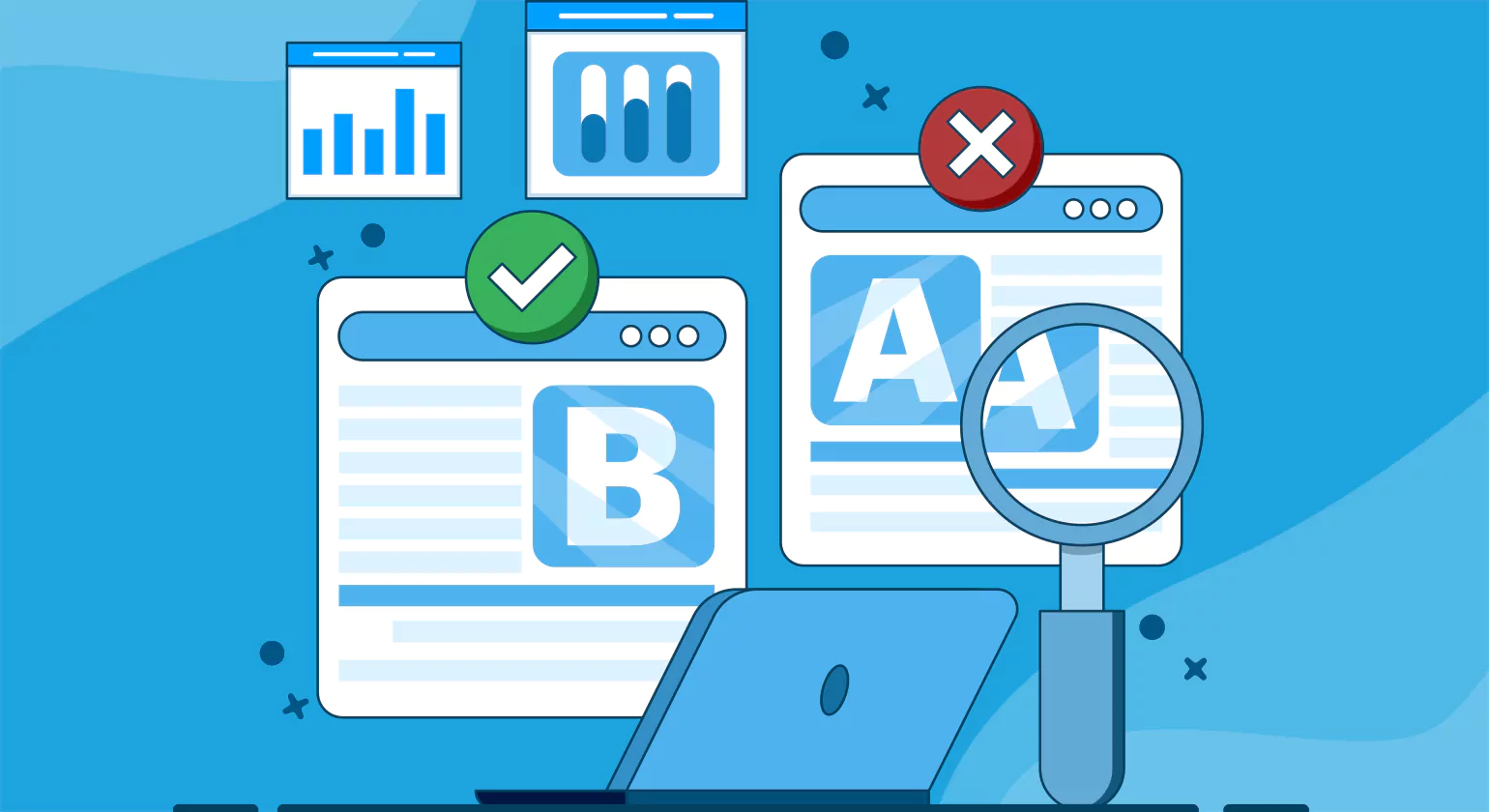
When evaluating ab testing tools, it’s essential to look beyond just the basic functionality. The best tools offer a combination of usability, flexibility, and insightful reporting to help you make smarter decisions. Below are the key features to consider before choosing a platform.
1. Easy-to-Use Interface
To begin with, a user-friendly interface is crucial—especially for marketing teams that may not have deep technical expertise. The best A/B testing tools offer intuitive dashboards, visual editors, and simple workflows that make test creation and management quick and hassle-free.
2. Advanced Targeting and Segmentation
Next, powerful targeting capabilities allow you to run experiments for specific audience segments. Whether it’s by location, device, behavior, or traffic source, the tools for A/B testing should help you deliver personalized experiences that drive better results.
3. Real-Time Analytics and Reporting
In addition, accurate and real-time reporting is a must. Look for tools that provide detailed insights into key metrics like conversion rate, bounce rate, and engagement. Comprehensive reporting helps you understand what’s working and why—so you can scale what succeeds.
4. Seamless Integrations
Moreover, your A/B testing tool should integrate smoothly with your existing tech stack—CRMs, analytics platforms, CMS, and marketing automation tools. This allows for a more streamlined workflow and unified data tracking across platforms.
5. Flexibility for Developers and Marketers
Finally, the ideal tool offers both no-code solutions for marketers and advanced features for developers. Whether you’re launching a simple button test or a complex backend experiment, flexibility ensures everyone on your team can contribute.
Top A/B Testing Tools to Optimize Conversions in 2025

A/B testing continues to be essential for data-driven growth in 2025. Leading tools like Optimizely, VWO, Google Optimize 360, Adobe Target, Convert, AB Tasty, Split.io, GrowthBook, LaunchDarkly, and Zoho PageSense help businesses test, analyze, and optimize user experiences with real-time insights and smart automation features.
1. Optimizely
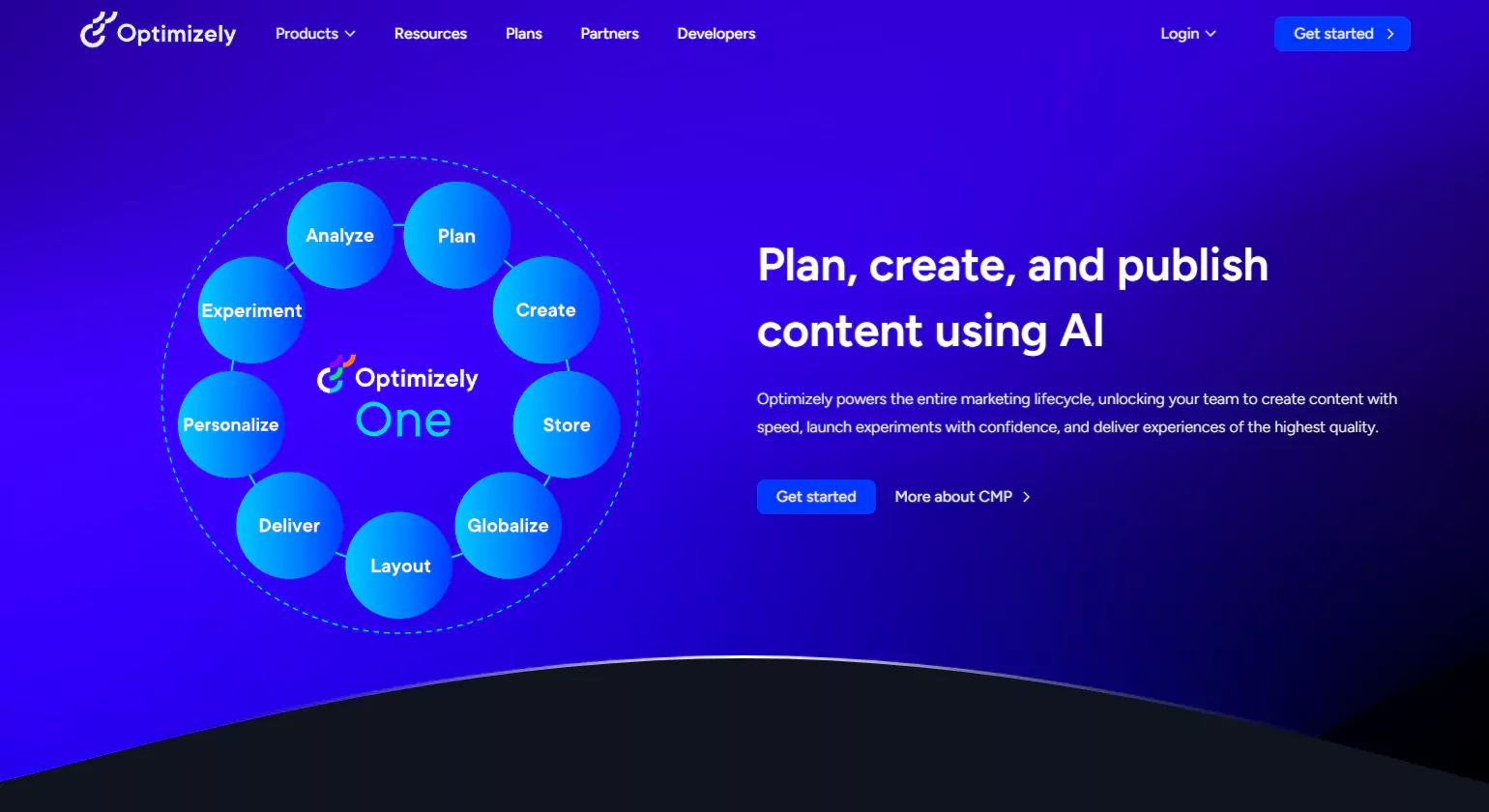
Optimizely is a leading digital experience platform that enables businesses to unlock growth through data-driven decision-making. With a robust suite of tools for ab testing, content management, and commerce, Optimizely helps teams build, test, and optimize high-performing digital experiences.
Unique Selling Propositions (USPs)
- Developer-Friendly Tools: Offers ready-to-use starter templates in Next.js, Python, and JavaScript, making it easy to build across any stack.
- Comprehensive Testing Platform: Recognized as one of the best A/B testing tools, Optimizely supports everything from simple website tests to advanced feature experimentation.
- Seamless Integrations: Easily integrates with GraphQL and other technologies, providing flexibility for developers.
- Learning & Community Support: Access year-round learning via Optimizely Academy, plus a thriving developer community with forums, meetups, and Slack groups.
- Early Access to Innovation: Get involved in shaping new features through exclusive beta programs.
Key Features
- Web & Feature Experimentation: Launch and measure impactful experiments using Optimizely’s advanced A/B testing tool.
- Content Management System (CMS): Quickly create and manage content using a headless CMS that supports any language.
- Content Marketing Platform: Plan, collaborate, and deliver content effectively across teams.
- Configured Commerce: Create personalized B2B and B2C shopping experiences with ease.
- Data Platform: Centralize and activate customer data to drive smarter testing and optimization decisions.
- Extensive Developer Resources: From documentation to templates, developers have everything they need to launch faster.
For teams looking for scalable, reliable tools for A/B testing, Optimizely delivers a complete solution tailored for both marketers and developers alike.
2. VWO
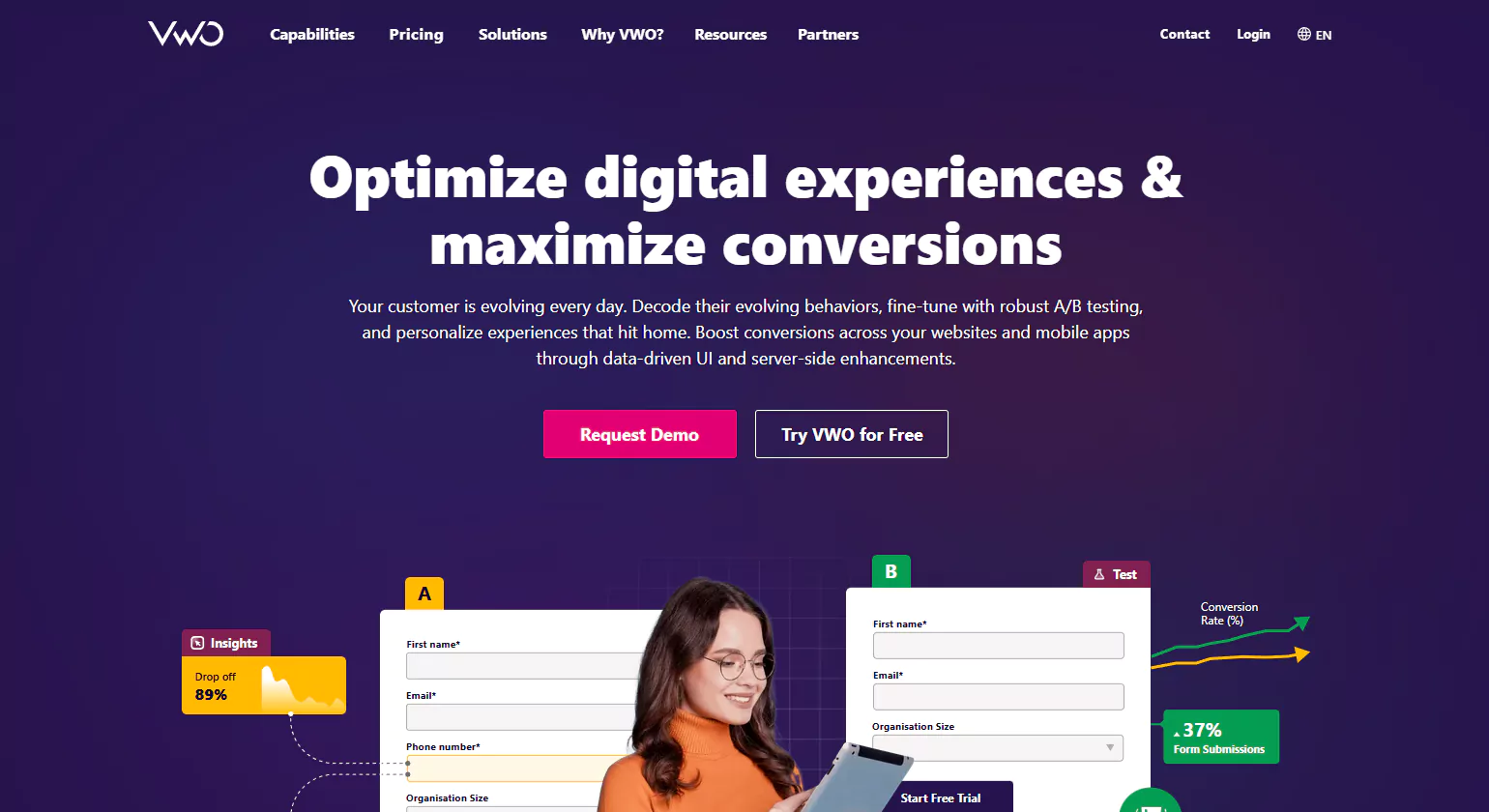
VWO is an all-in-one platform designed to help businesses optimize their digital experiences and maximize conversions. Offering robust ab testing services, VWO empowers teams to experiment, observe user behavior, and personalize customer experiences with precision. With a strong focus on data-driven decision-making, VWO helps companies fine-tune their website ab testing tools and mobile apps to deliver impactful, conversion-boosting experiences.
Unique Selling Propositions (USPs)
- AI-Driven Optimization: VWO Copilot leverages AI to suggest optimization opportunities and actionable insights, automating key parts of the A/B testing process.
- Holistic Experimentation: VWO supports A/B testing across multiple digital properties, including websites, mobile apps, and backend features, making it one of the best A/B testing tools in the industry.
- Comprehensive Customer Insights: Collect qualitative and quantitative data from real user behavior to guide testing and personalization efforts.
- Scalable Performance: Built to handle billions of requests daily, VWO offers unmatched performance and reliability, making it suitable for enterprise-level businesses.
- Privacy & Security: VWO prioritizes data privacy with GDPR and CCPA compliance, ensuring secure testing and optimization processes.
Key Features
- Web & Mobile Testing: Conduct A/B testing across websites and mobile apps with seamless integration into your existing tech stack.
- Feature Testing: Test features and server-side functionality with minimal latency, thanks to VWO’s cutting-edge architecture.
- Customer Data Platform: Use real-time, unified data to personalize user experiences and optimize conversion rates.
- Personalization: Create tailored experiences based on user behavior, demographics, and preferences for greater engagement and conversions.
- AI-Powered Insights: VWO Copilot uses AI to analyze customer data, generate optimization ideas, and identify untapped opportunities for improvement.
For businesses looking for tools for ab testing companies that also offer robust analytics, personalization, and AI-driven optimization, VWO stands out as a comprehensive solution.
3. AB Tasty
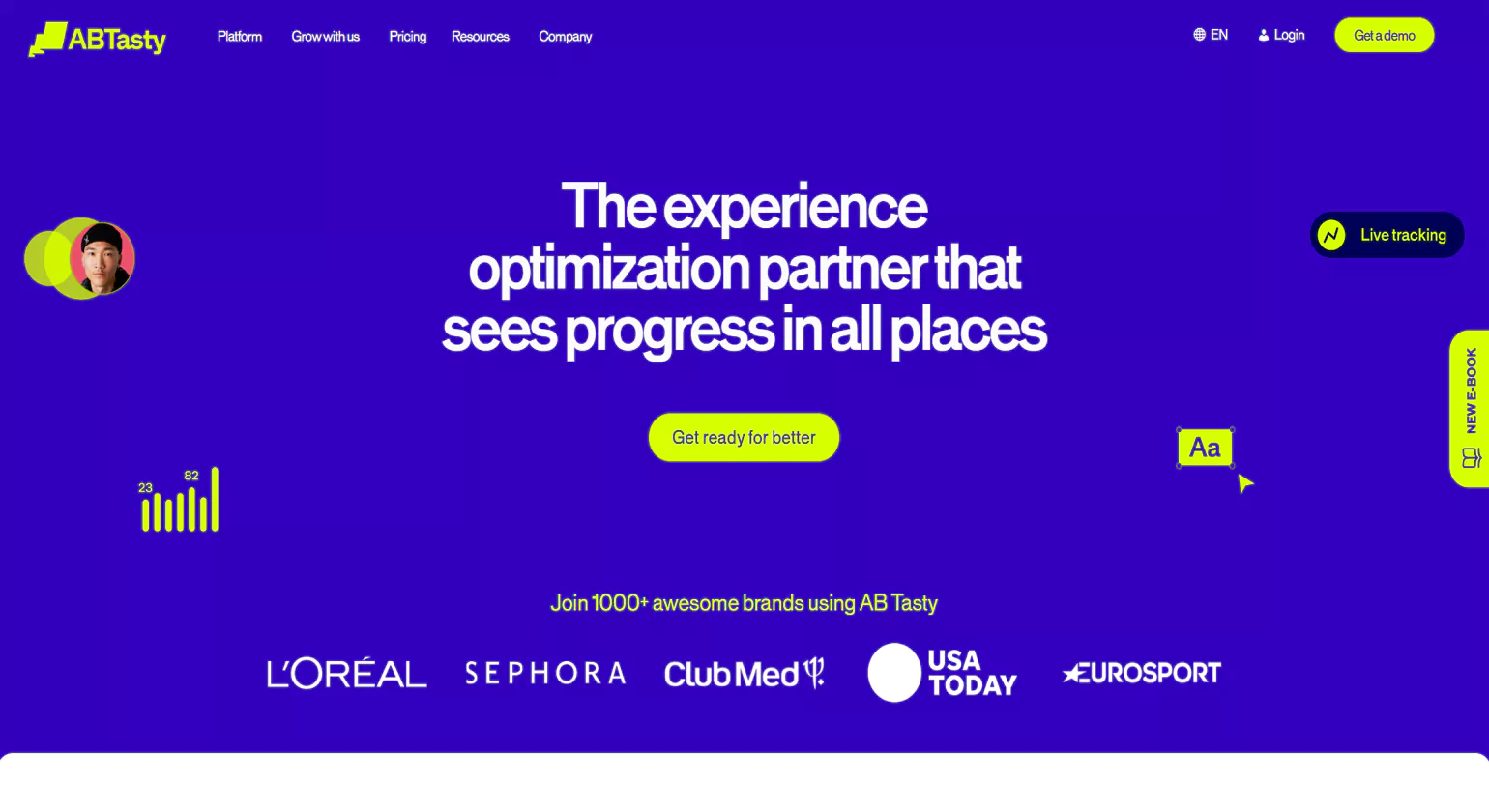
AB Tasty is an innovative platform dedicated to helping businesses optimize their digital experiences and drive conversions through ab testing services and personalization. Offering an intuitive user interface, AB Tasty provides companies with the tools they need to implement ab testing tools at scale and improve customer experiences across web and mobile platforms. With its seamless integration and powerful testing capabilities, AB Tasty is a preferred choice for many businesses looking to enhance their optimization strategies.
Unique Selling Propositions (USPs)
- End-to-End Experimentation: AB Tasty’s platform supports a variety of A/B testing tools, allowing you to test everything from web pages to mobile apps and even specific features in real time.
- Seamless Integration: The platform integrates easily with existing tech stacks, enabling businesses to run experiments without disruptions.
- AI-Enhanced Personalization: Using advanced AI technology, AB Tasty offers personalization and emotional AI capabilities to help businesses deliver the right message to the right audience.
- Global Reach and Expertise: With over 1,000 customers worldwide, AB Tasty has built a reputation as a trusted partner in the conversion rate optimization (CRO) space.
- Collaborative Culture: AB Tasty values collaboration and client satisfaction, ensuring that every optimization project aligns with your goals and delivers measurable results.
Key Features
- A/B Testing: Run powerful A/B testing experiments across your websites and mobile apps to determine what resonates most with your customers.
- Feature Flag Management: Control and manage the rollout of new features, ensuring a smooth testing and deployment process.
- AI-Based Recommendations: AB Tasty uses cutting-edge AI to recommend the best testing strategies and personalization tactics for different audience segments.
- Advanced Reporting: Get real-time insights with detailed, easy-to-understand reports that highlight the performance of your tests and guide future strategies.
- E-commerce Optimization: Focus on conversion rate optimization with AB Tusty’s tailored features for e-commerce businesses.
AB Tasty stands out as one of the best ab testing tool, empowering companies to continuously optimize their websites and mobile apps for better user engagement and higher conversion rates.
4. Convert Experiences
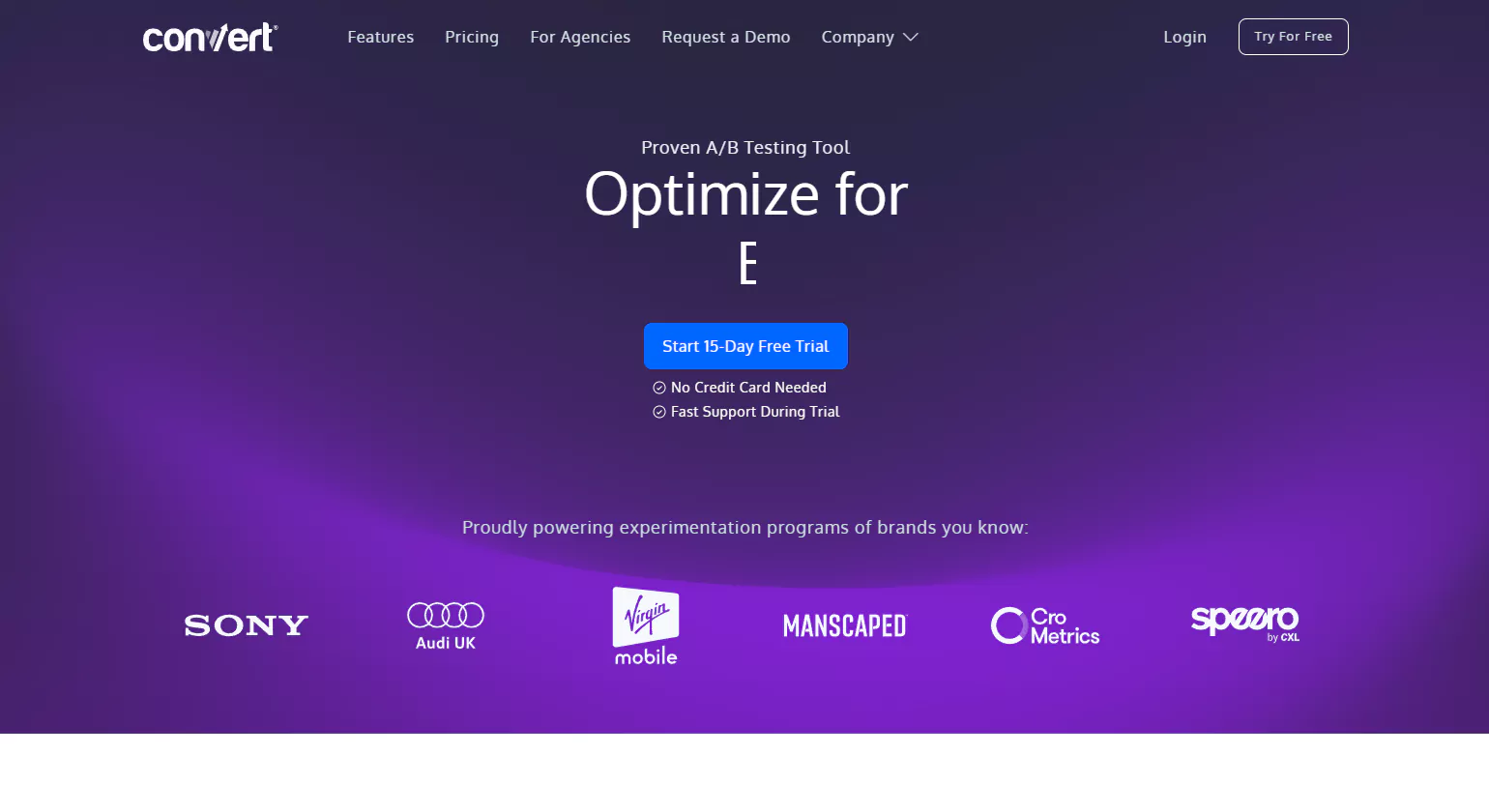
Convert Experiences is a powerful experimentation platform designed to optimize websites and applications through A/B and multivariate testing. It offers advanced targeting, seamless integrations, and a robust statistical engine to ensure precise test results. The platform is known for its rapid setup, including comprehensive onboarding and flicker-free testing. Users benefit from a user-friendly interface and strong support, with integrations to popular platforms like Shopify and WordPress. Convert Experiences prioritizes data privacy, complying with GDPR and ePrivacy standards for secure experimentation.
Key Features:
- Full Stack Experimentation: Server-side A/B testing beyond client-side limitations, allowing feature flagging and rollouts while addressing cookie-related issues.
- Advanced ab testing tools: Robust targeting with over 40 filters, customizable statistical engines, and collision prevention to ensure accurate test results.
- In-Depth Onboarding: Comprehensive onboarding covering snippet installation, project setup, A/A test drafting, goal configuration, and integration enablement.
- Zero Hassles: Flicker-free testing with rapid support, up to four times faster than industry standards. Adheres to GDPR and ePrivacy compliance.
Integrations:
Shopify & WordPress: Easy integration with platforms like Shopify and WordPress, allowing quick setup for A/B testing without extensive administrative work.
User Feedback:
Users praise Convert Experiences for its affordability, functionality, and exceptional support. It integrates seamlessly with Google Analytics and is effective in running complex tests. The support team is noted for its responsiveness and problem-solving expertise.
5. Unbounce
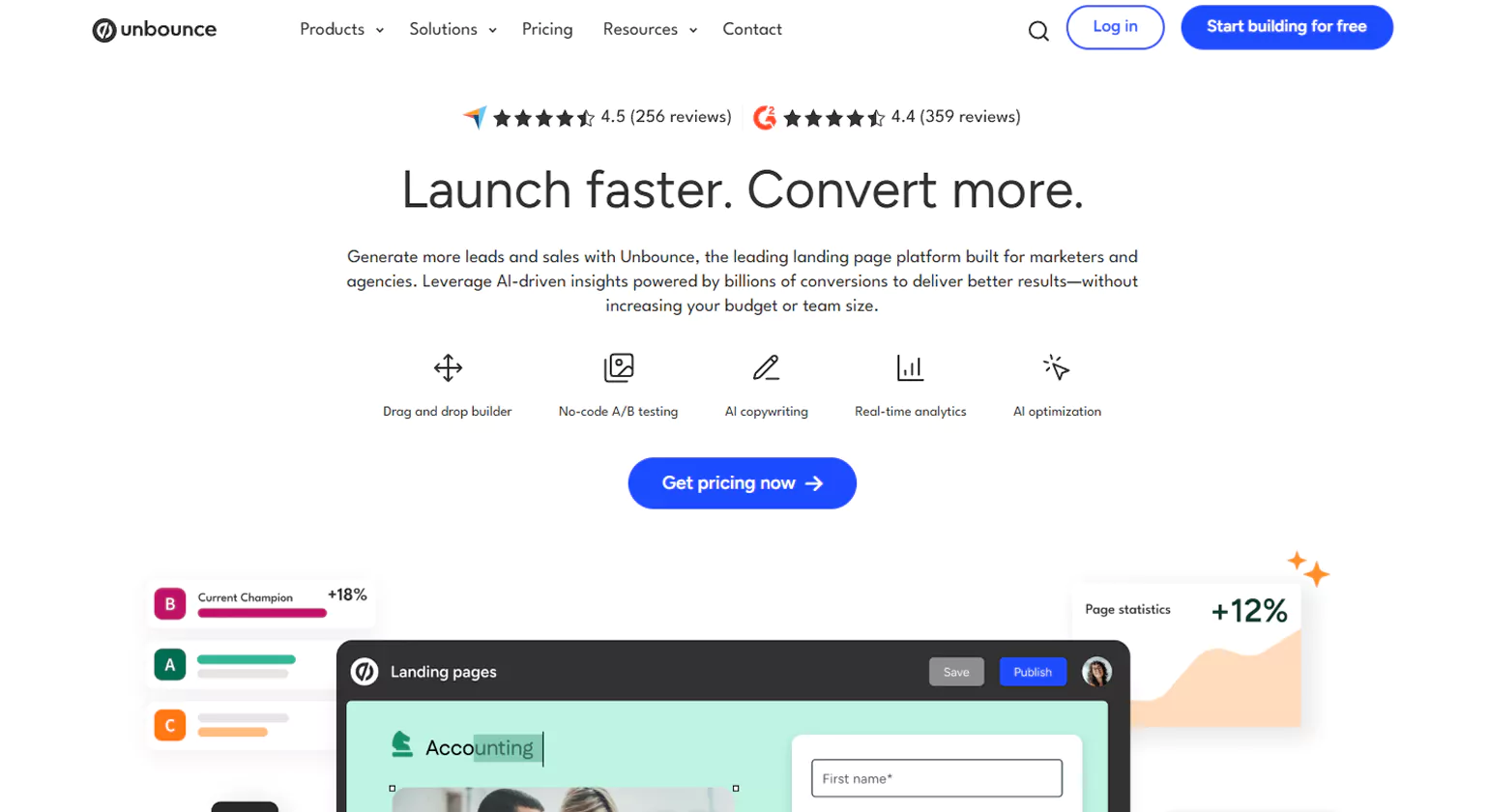
Unbounce is an advanced landing page builder designed to help businesses create, optimize, and test high-converting landing pages with no coding required. It offers an intuitive drag-and-drop editor, ab testing tools features, and smart AI-powered tools to enhance visitor engagement. The platform integrates seamlessly with other marketing tools like CRM, email, and analytics platforms. Unbounce empowers marketers to easily optimize their campaigns and improve conversion rates, providing actionable insights for better decision-making.
Unique Selling Points (USP's):
- No-Code Page Builder: Create high-converting landing pages without needing to write a single line of code.
- Smart Traffic: AI-powered feature that automatically directs visitors to the most relevant landing page variation based on their behavior.
- A/B Testing: Robust split testing capabilities to optimize landing page performance and conversion rates.
- Seamless Integrations: Connect easily with third-party tools like CRMs, email marketing platforms, and analytics services.
- Customizable Templates: Wide selection of pre-designed, fully customizable landing page templates to suit various business needs.
Key Features:
- Drag-and-Drop Editor: Intuitive interface for easy and fast page creation.
- Smart Traffic: Automatically routes visitors to the best-performing landing page variation.
- A/B Testing: Test different landing page versions to find the most effective one.
- Dynamic Text Replacement: Personalize landing pages for better user experience and higher conversions.
- Integrations: Connect with over 100 marketing tools, including CRM, email platforms, and analytics tools.
- Mobile Optimization: Fully responsive landing pages optimized for mobile devices.
- SEO Tools: Built-in features to enhance search engine visibility and ranking.
6. Adobe Target
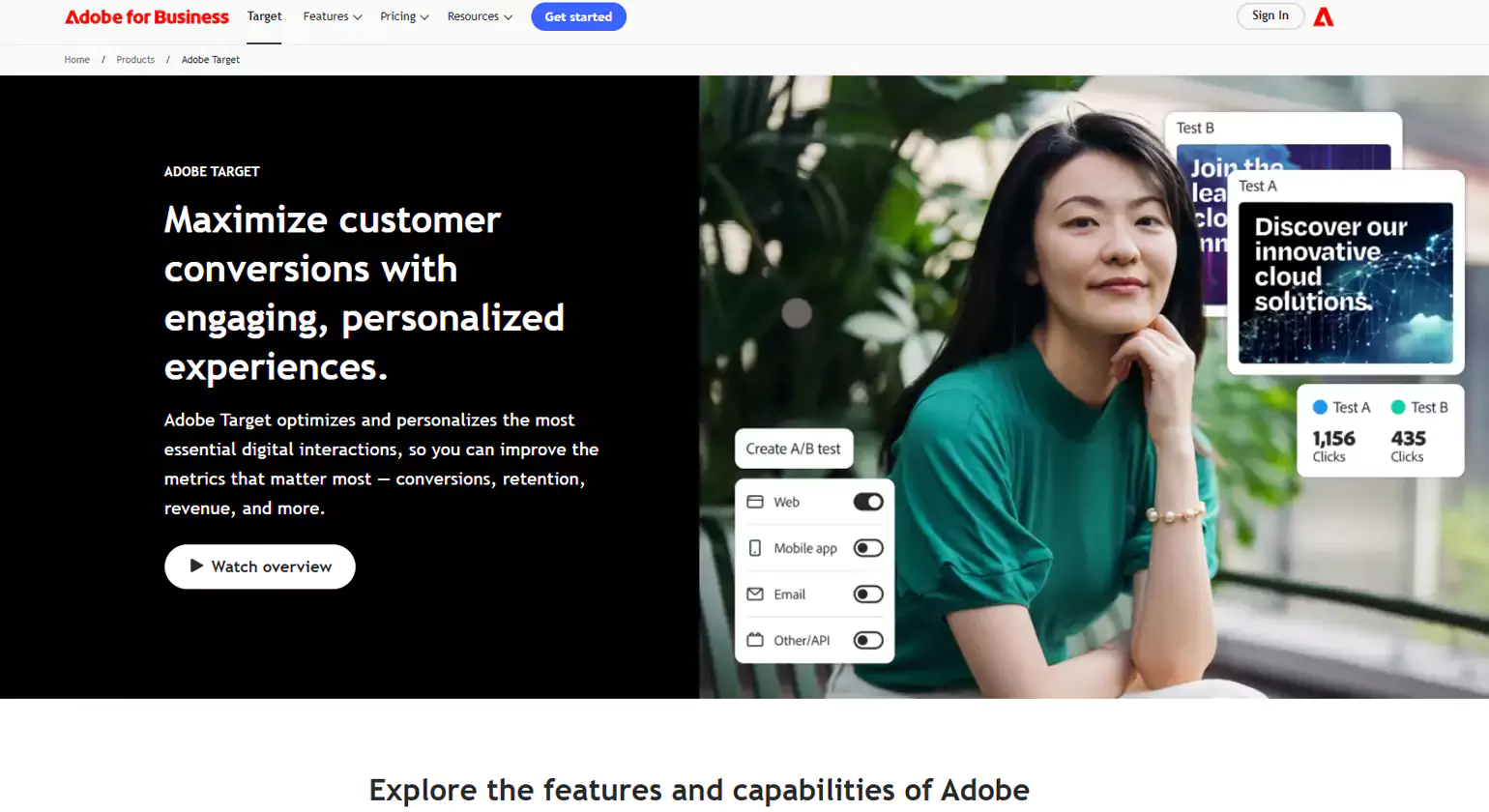
Adobe Target is a robust optimization platform that helps businesses deliver personalized experiences and ab test content to improve conversion rates and customer engagement. Integrated within the Adobe Experience Cloud, it provides advanced targeting, experimentation, and personalization features that empower marketers to create dynamic, tailored content for their website visitors. Adobe Target uses AI-powered insights to optimize ab testing tools website experiences, ensuring that customers get the most relevant interactions.
Unique Selling Points (USP's):
- AI-Powered Personalization: Leverage Adobe Sensei’s machine learning to deliver real-time, personalized experiences to your audience.
- Multivariate Testing: Run complex tests with multiple variations to determine the most effective content combinations.
- Advanced Targeting Capabilities: Target specific audience segments with personalized experiences based on behavior, demographics, or other attributes.
- Seamless Integration: Fully integrates with the Adobe Experience Cloud and other Adobe tools, providing a unified digital marketing platform.
- Omnichannel Optimization: Optimize experiences across multiple channels, including web, mobile, and email, for consistent customer interactions.
Key Features:
- AB and Multivariate Testing: Test different versions of web pages to identify the most effective designs and content for different audience segments.
- Personalization: Create tailored experiences using behavior-based or rule-based targeting, delivering the most relevant content to users.
- Automated Personalization: Use machine learning to dynamically personalize content based on real-time customer interactions.
- Visual Experience Composer: Easily create and manage experiences through a drag-and-drop interface, no coding required.
- Segmentation and Targeting: Define audience segments based on criteria such as user behaviour, location, and preferences to provide tailored content.
- Multichannel Optimization: Enhance customer experiences across various platforms, including websites, mobile apps, and email campaigns.
7. Kameleoon
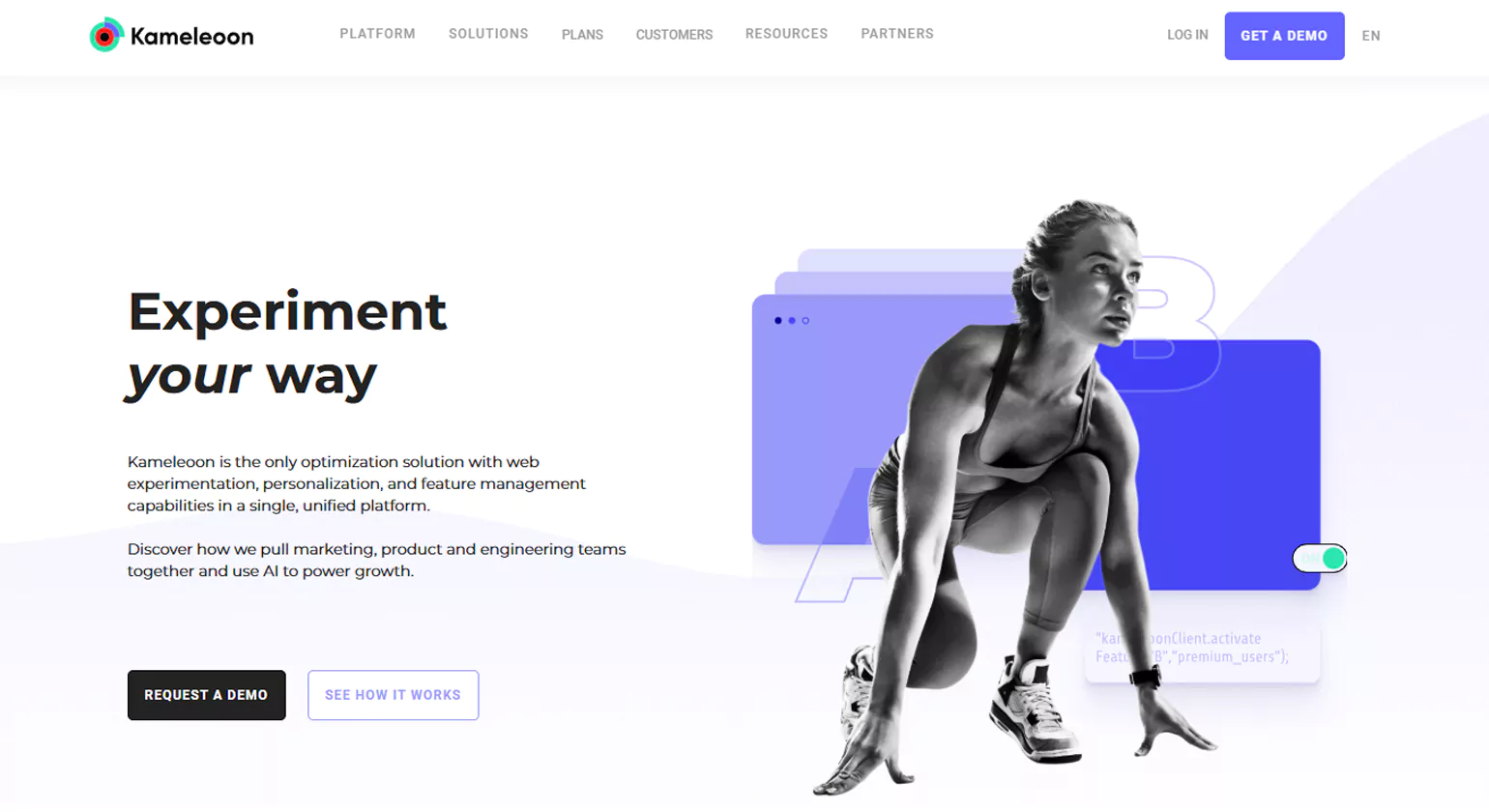
Kameleoon is a powerful AI-driven experimentation and personalization platform designed to optimize user experiences and increase conversion rates. By offering advanced features such as ab testing tools and multivariate testing, Kameleoon allows businesses to create personalized, dynamic content for each visitor based on real-time behavioral data. The platform is built to integrate seamlessly with existing tech stacks, providing marketers with deep insights and flexible tools to enhance customer journeys across websites, mobile apps, and other digital channels.
Unique Selling Points (USP's):
- AI-Powered Personalization: Leverages machine learning to deliver highly personalized experiences based on real-time user behavior.
- Comprehensive Testing: Supports A/B, multivariate, and split URL testing to ensure the best-performing content.
- Omnichannel Optimization: Optimize experiences across web, mobile apps, and other digital touchpoints for a unified customer journey.
- Real-Time Data Insights: Instant data processing and reporting to quickly optimize strategies and improve user engagement.
- Seamless Integrations: Easily integrates with various third-party tools, CRM systems, and marketing technologies.
Key Features:
- AI-Powered Personalization: Tailor website content and experiences in real-time based on user behavior, preferences, and demographic data.
- A/B & Multivariate Testing: Conduct tests to compare different variations and identify the most effective elements for optimizing conversion rates.
- Behavioral Targeting: Use real-time data to create highly personalized content and offers tailored to individual users.
- Real-Time Analytics: Gain immediate insights into campaign performance with customizable dashboards and detailed reporting.
- Omnichannel Campaigns: Optimize personalized experiences across multiple digital channels, including websites, apps, and mobile platforms.
- Integration with Third-Party Tools: Easily integrates with existing platforms like Google Analytics, CRM, CMS, and more for enhanced flexibility.
8. Split.io
Split.io is a feature flagging and experimentation platform designed to help teams release and test new features safely and efficiently. It enables developers and product teams to manage feature flags, run controlled experiments, and track feature performance in real-time. Split.io empowers businesses to reduce risk in feature releases, make data-driven decisions, and enhance customer experiences by gradually rolling out features and collecting data on their impact.
Unique Selling Points (USP's):
- Feature Flagging at Scale: Allows companies to control the rollout of features in real time, reducing deployment risks.
- Real-Time Experimentation: Run experiments and track the impact of new features on key business metrics.
- Data-Driven Decisions: Use real-time data and analytics to optimize feature releases and improve product experiences.
- Seamless Integrations: Integrates easily with existing tools, workflows, and development environments for a smooth experience.
- Collaborative Platform: Helps teams across development, product, and marketing collaborate on feature releases and experiments.
Key Features:
- Feature Flagging: Safely manage and control the release of new features with feature flags, enabling gradual rollouts or toggling features on/off.
- ab testing tools & Experimentation: Run experiments to compare different feature variants and analyze their impact on user behavior and business KPIs.
- Real-Time Analytics: Monitor performance and track metrics in real time, ensuring immediate visibility into feature effectiveness.
- Rollout Control: Implement canary releases, blue/green deployments, or percentage rollouts for precise control over feature launches.
- Targeting Rules: Define user segments and conditions to target specific groups with tailored feature releases.
- Integration with DevOps Tools: Easily integrates with CI/CD pipelines and monitoring tools to streamline the development and release process.
- Comprehensive Dashboards: Get actionable insights from data with dashboards that track feature performance, experiment results, and business impact.
- Secure and Scalable: Built to scale with your organization, offering security features and ensuring high performance even with large numbers of feature flags.
9. Freshmarketer
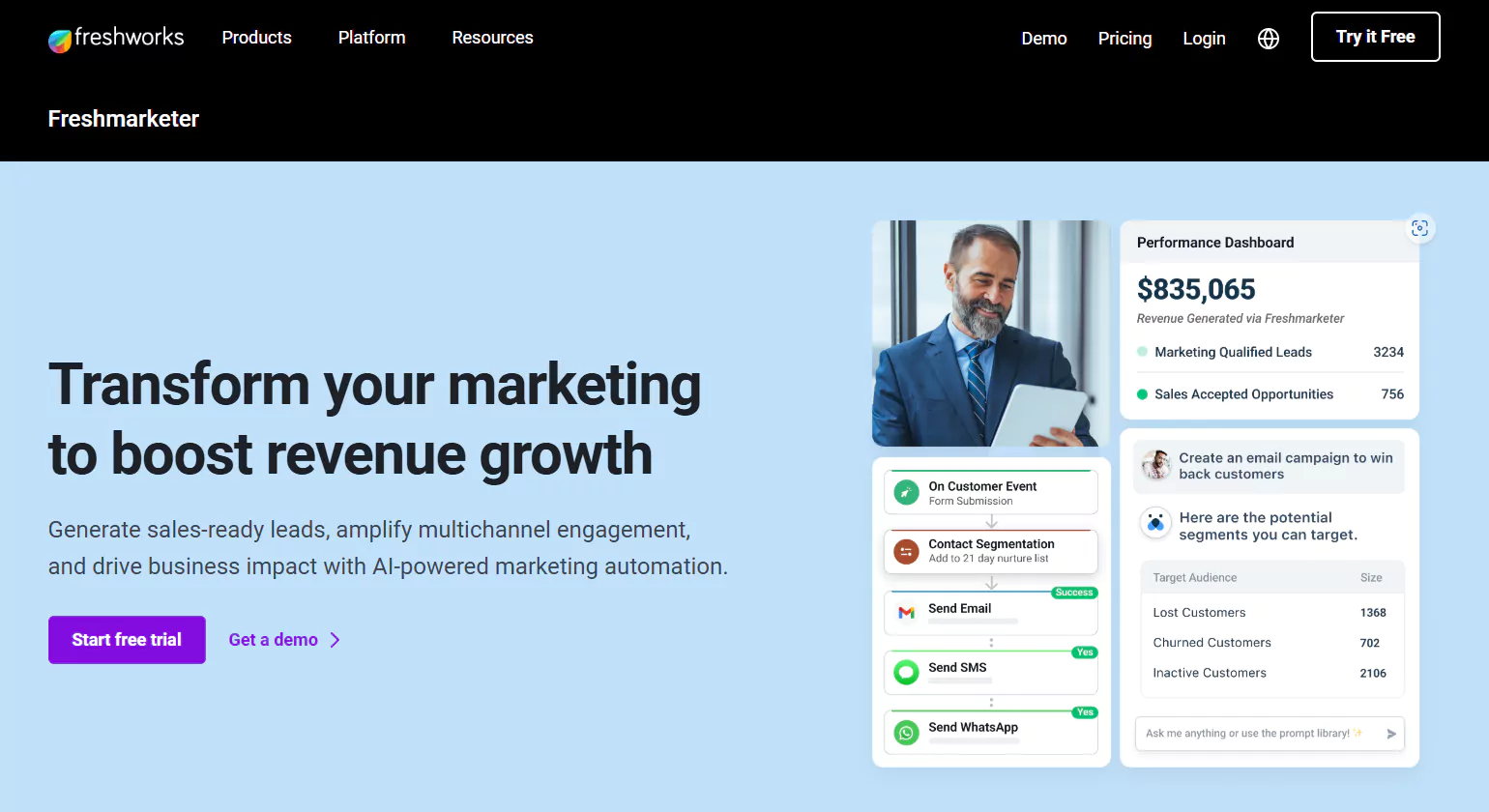
Freshmarketer is a comprehensive marketing automation tool offered by Freshworks that streamlines marketing processes by providing tools for email campaigns, customer segmentation, landing pages, and more. It empowers businesses to create personalized experiences, improve lead conversion, and enhance customer engagement across various channels. The platform is easy to use, making it ideal for both small businesses and larger enterprises looking to optimize their marketing efforts.
Unique Selling Points (USP's):
- All-in-One Marketing Automation: A unified platform that combines email, landing pages, lead nurturing, and more.
- Ease of Use: Designed for non-technical marketers, with an intuitive interface and easy-to-implement features.
- Smart Segmentation: Helps businesses create targeted campaigns based on customer behavior and demographics.
- Advanced Analytics: Provides actionable insights on campaign performance and customer engagement.
- Seamless Integration with Freshworks Suite: Works smoothly with other Freshworks tools for an integrated experience.
Key Features:
- Email Campaign Automation: Automate email workflows and nurture leads based on triggers like behavior or demographic data.
- Landing Page Builder: Drag-and-drop builder for creating high-converting landing pages.
- AB Testing: Optimize campaigns by testing different elements like subject lines, visuals, and copy.
- Lead Scoring and Segmentation: Target the right audience with personalized messages using behavior-based scoring and segmentation.
- Behavioral Triggers: Automate actions based on customer actions, like sending follow-up emails after form submissions.
- Analytics & Reporting: Track campaign success with detailed real-time insights on email open rates, conversion rates, and more.
- Multi-Channel Marketing: Reach customers via email, SMS, and in-app messages to increase engagement.
- Integrations: Easily integrates with other tools like CRM systems, social media platforms, and analytics tools.
10. Eppo
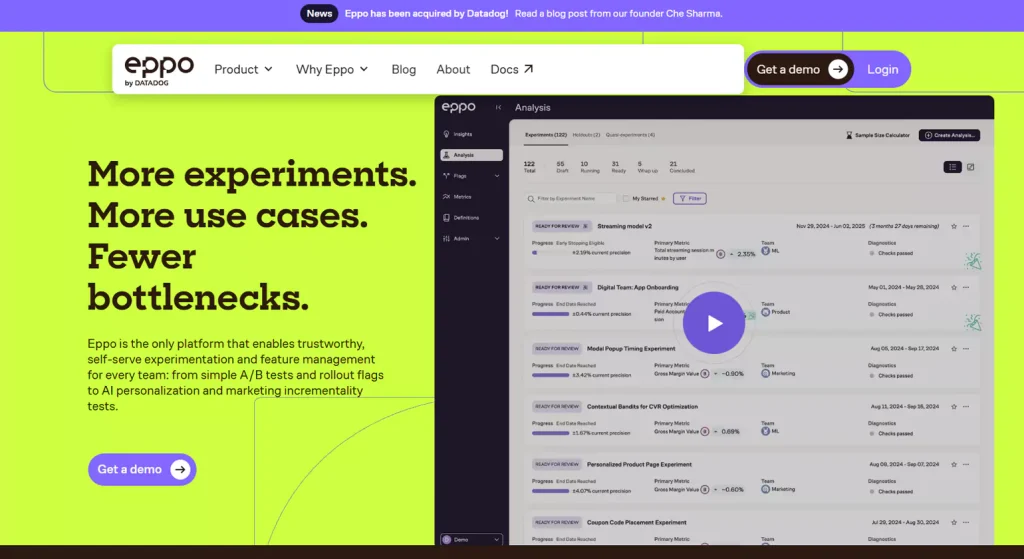
Eppo is a modern experimentation platform designed to help product, data, and growth teams run advanced ab testing tools with accuracy and scale. Unlike traditional tools, Eppo is built with a developer-first approach, ensuring experimentation integrates seamlessly into data workflows. It empowers organizations to make confident, data-driven decisions that fuel growth while reducing guesswork in product development.
Key Features of Eppo
End-to-End Experimentation: Run A/B, multivariate, and feature flag experiments across multiple platforms.
Statistically Robust Results: Reliable metrics powered by sequential testing and CUPED variance reduction.
Feature Management: Integrated feature flags to control rollouts and measure impact seamlessly.
Data Warehouse Integration: Works directly with Snowflake, BigQuery, and Redshift for precise analytics.
Collaboration & Transparency: Share insights easily across product, engineering, and growth teams.
Scalable Architecture: Designed for organizations running hundreds of experiments simultaneously.
How to Choose the Right A/B Testing Tool for Your Business
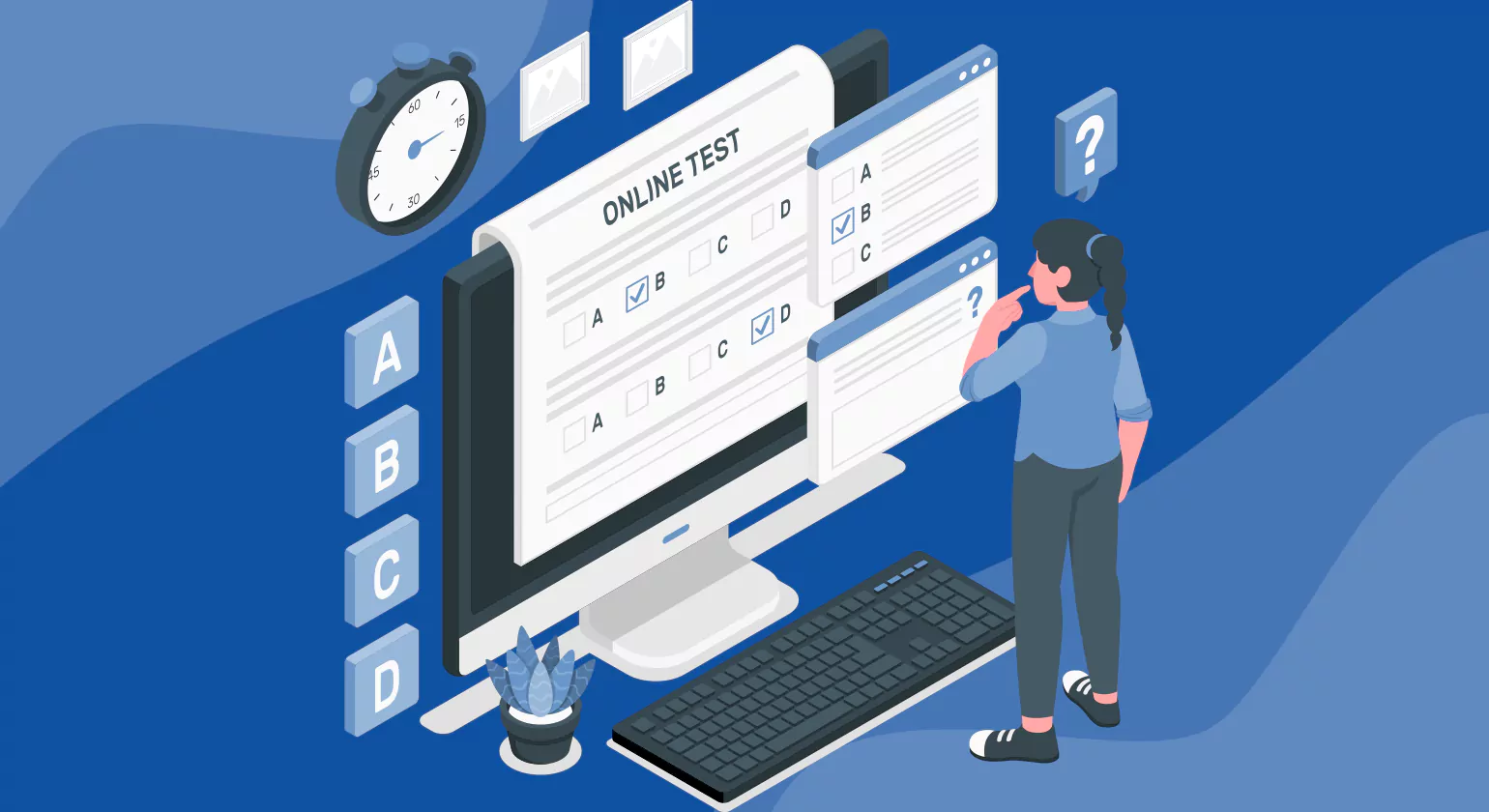
Choosing the right A/B testing tools can make a significant difference in your marketing and product strategies. With many tools for ab testing available, it’s important to focus on features that support your business goals. From ease of use to integration and support, every factor counts. Below are five key things to consider. Each one plays a vital role in helping you select the best fit.
1. Define Your Testing Goals and Use Cases
Start by identifying what you want to test—landing pages, emails, or app features—and why. Your testing goals will help determine which ab testing tool align with your objectives. Are you aiming for higher conversions, more signups, or improved engagement? Clear use cases make tool comparison easier. The right choice supports your vision from day one.
2. Assess Ease of Use vs. Technical Flexibility
Next, think about who will be using the tool—marketers, developers, or both. Some platforms are designed with simple, no-code interfaces for marketers. Others provide more technical flexibility for development teams. Ideally, the tool should offer a balance of both. This ensures your whole team can run experiments efficiently.
3. Check Integration with Your Existing Tools
An effective A/B testing tool should work seamlessly with your current stack. Whether it’s a CRM, CMS, or analytics platform, integration is key to streamlined testing. It saves time and helps consolidate your data. The best ab testing tool typically offer built-in integrations. Make sure yours supports the platforms you already use.
4. Evaluate Reporting and Analytics Capabilities
Accurate reporting helps you measure what’s working and what’s not. Look for tools for ab testing that offer real-time data, confidence metrics, and conversion tracking. These insights let you make informed decisions quickly. A clear analytics dashboard is especially helpful. It turns complex data into actionable insights.
5. Consider Budget, Scalability, and Support
Lastly, factor in your budget and long-term needs. Some ab tools offer affordable plans for startups, while others scale better for large teams. Check whether the tool can grow with your business. Also, consider available support options. Good customer service can save time and prevent roadblocks.
Types of Experiments These Tools Support
1. Split Testing (A/B Testing)
The most fundamental experiment type where two versions of a page, element, or feature are compared. Control (A) is shown to one audience segment while variation (B) is shown to another. This is the baseline for most CRO programs, used for testing headlines, button colors, CTAs, and messaging.
2. Multivariate Testing (MVT)
Tests multiple elements simultaneously to understand how different combinations perform together. Instead of changing one element at a time, MVT changes several variables—headline, button color, image, and layout—to identify the best-performing combination. This reduces test duration on high-traffic sites but requires significantly more traffic to reach statistical significance.
3. A/B/n Testing
Extends beyond binary testing by comparing three or more variations in a single experiment. Version A serves as control while B, C, D, and beyond represent different variations. Useful when you have multiple creative ideas to test simultaneously, though this approach requires more traffic and longer test duration to achieve statistical significance.
4. Split URL Testing
Compares entirely different pages hosted at different URLs rather than testing elements on the same page. Common for testing major redesigns, entirely different page concepts, or landing page variations. Split URL testing can detect large performance differences faster and often reaches significance more quickly than element-level tests.
5. Multipage/Funnel Testing
Also called sequential testing or funnel experiments, this evaluates changes across multiple connected pages in a user journey—such as checkout flows, onboarding sequences, or application processes. Tests measure how changes to individual pages or multiple pages in sequence affect the overall conversion rate through the entire funnel.
6. Server-Side Testing
Backend-controlled experiments where variation logic lives on servers rather than in browser-side code. Enables testing of backend features, personalization logic, pricing models, and complex experiments without client-side performance impact. Particularly valuable for product teams running infrastructure-level experiments.
7. Feature Flag Testing
Uses feature flags to gradually roll out features to specific user segments or percentages. Enables controlled rollouts, A/B testing of features without code deployment, instant kill switches, and safe feature management in production environments. Popular with engineering teams and product-led companies.
8. Bayesian vs. Frequentist Statistical Testing
While not experiment types per se, the statistical approach affects how results are interpreted. Bayesian analysis builds on prior knowledge and updates probabilities as data arrives, enabling earlier stopping and continuous monitoring. Frequentist analysis assumes no prior belief and requires pre-calculated sample sizes. Modern platforms allow users to choose or blend both approaches.
9. Multi-Armed Bandit Testing
AI-driven allocation that automatically shifts traffic to better-performing variations as the test progresses, rather than using fixed 50/50 splits. Ideal for long-running campaigns where you want to minimize losses on underperforming variants while still gathering data about all variations.
10. Behavioral/Contextual Testing
Tests triggered by specific user behaviors or contexts—exit intent, scroll depth, time on page, referral source, device type, geography. Tools like Qualaroo and VWO enable sophisticated behavioral targeting to deliver tests only to relevant audience segments.
11. Personalization Testing
Tests personalized experiences for different audience segments based on CRM data, purchase history, browsing behavior, predicted intent, or company attributes (for B2B). Tools like Kameleoon and Dynamic Yield enable sophisticated targeting with AI-driven audience segmentation.
12. Mobile App & Native Testing
Native iOS/Android app experiments using SDKs for feature variations, paywall testing, onboarding flow optimization, or in-app messaging. Tools like Firebase A/B Testing and Apptimize enable app stores to test features without requiring app resubmission.
How to Use A/B Testing Tools Effectively

To truly benefit from A/B testing tools, it’s important to approach testing with structure and strategy. From setting up your first experiment to avoiding mistakes, each step plays a role in improving performance and making better decisions.
1. Setting Up Your First Test
Getting started with your first test doesn’t have to be complicated. Begin by selecting one variable and defining a specific goal for the experiment. This helps keep the test focused and easier to measure.
Steps to get started:
- Define your objective (e.g., improve conversion rate)
- Choose one variable to test at a time
- Segment your audience appropriately
- Set a testing duration that matches your traffic volume
- Use your A/B testing tool to launch and monitor the test
Taking a focused and simple approach allows you to clearly see what changes are having an impact. Over time, as you become more confident, you can expand your tests to more complex elements and deeper insights.
2. Analyzing Results
Once the ab testing tools is complete, it’s time to dig into the data. Your ab testings tools will provide detailed metrics, but interpreting them correctly is what turns data into decisions.
What to look for:
- Which version had a higher conversion rate?
- Did you reach statistical significance?
- Were there unexpected user behaviors?
- How did different segments respond?
- Are the results aligned with your original goal?
After analysis, be sure to document your learnings. Even if the test didn’t yield the expected outcome, the insights gained can guide future experiments and optimize long-term strategy.
3. Common Mistakes to Avoid
Even the best A/B testing tool can’t deliver value if you’re not careful with your testing process. Avoid these frequent errors to get accurate, actionable results.
Avoid these pitfalls:
- Testing too many changes at once
- Ending a test too early
- Ignoring statistical significance
- Misinterpreting results without enough data
- Not retesting after implementing changes
By steering clear of these common issues, you ensure your tests are valid and impactful. Remember, consistent testing and refinement lead to smarter strategies and better user experiences over time.
Implementing A/B Testing in Your Marketing Strategy

Using ab testing tools in your marketing strategy helps you make smarter, data-backed decisions. It improves user experience and increases performance over time. When done consistently, it becomes a powerful tool for growth. Here are three steps to implement it effectively.
1. Setting Clear Objectives
Before running a test, define what success looks like. Having a specific goal helps keep your experiments focused and measurable. Whether it’s clicks or signups, a clear target keeps your data meaningful. It also helps avoid confusion later.
Tips for setting goals:
- Align tests with broader marketing objectives
- Choose measurable outcomes (e.g., signups, clicks, purchases)
- Keep goals specific and realistic
- Prioritize one goal per test
- Document objectives for clarity and reference
Clear goals make it easier to measure results and decide what actions to take. They also ensure every test contributes to a bigger business outcome.
2. Designing Effective Experiments
With your goals in place, structure your test around one change at a time. This makes it easier to track what caused the result. A focused setup avoids data overlap and confusion. Use reliable A/B testing tools to manage the process.
Key elements of a strong experiment:
- Test a single element (e.g., CTA button, headline, layout)
- Randomly split traffic between versions
- Avoid overlapping tests to reduce noise
- Choose a timeframe that reflects your site traffic
- Use tools for A/B testing that offer experiment templates
Good test design leads to trustworthy results. It also speeds up learning by showing what works—and what doesn’t—clearly.
3. Analyzing Results and Making Data-Driven Decisions
After your test, review performance and user behavior carefully. Look at the numbers to understand what drove the change. Focus on statistically strong data, not assumptions. That’s how ab testing companies turns into real results.
- Review conversion rates, bounce rates, and user behavior
- Look for statistically significant outcomes
- Segment results by device, audience, or location
- Identify trends and unexpected patterns
- Use insights to shape future campaigns or product updates
Smart analysis helps you scale winning strategies and refine weak ones. Over time, this leads to better marketing decisions and stronger ROI.
Real-Life Case Study Examples

Here are a few real-world examples illustrating how businesses leverage A/B testing tools to achieve measurable results:
1. E-Commerce: Increasing Average Order Value Through Pricing Tests
A mid-market e-commerce brand used VWO to test dynamic pricing on product pages. They tested three price points alongside different value propositions for the same product. The control showed the original price with generic product benefits, while variants highlighted scarcity (“Only 3 left in stock”), social proof (“Bestseller: 5,000+ sold”), and a tiered discount message. The variant with scarcity messaging combined with a 5% discount increase resulted in a 23% lift in conversion rate and 18% higher average order value over the 3-week test period.
2. SaaS: Optimizing Onboarding Funnel
A financial software company running on Optimizely tested their entire signup and feature discovery flow. They recognized that 40% of users were abandoning onboarding after step 3. The test compared the current 7-step process (control) against a simplified 4-step variation that consolidated non-critical steps. A secondary multivariate test simultaneously tested different onboarding copy and visual treatments. The streamlined flow resulted in 34% more users completing onboarding, ultimately increasing free-to-paid conversions by 12%.
3. Media: Headline Testing at Scale
A news publisher ran headline A/B tests across articles using VWO. They tested variants like: emotional framing vs. neutral framing, question format vs. statement format, and number-based headlines vs. open-ended headlines. Results showed emotional headlines drove 34% more clicks for opinion pieces, while questions drove 18% more clicks for how-to content. Number-based headlines (listicles) drove consistent 22% uplift across all content types.
Conclusion
In today’s data-driven world, using the right A/B testing tools is essential for businesses aiming to optimize their digital strategies. These tools help eliminate guesswork, allowing marketers and product teams to make decisions based on real user behavior. Whether you’re improving conversion rates, refining user experience, or testing new features, structured experimentation offers measurable results.
With so many tools for A/B testing available, choosing the right one depends on your specific goals, technical needs, and budget. The best ab testings tools empower teams to launch effective experiments, gather insights, and continuously improve performance. By integrating A/B testing into your ongoing strategy, you position your business for smarter growth and lasting success.
Must-Have Social Media Design Services for Every Growing Brand
FAQs
1. What are A/B testing tools?
A/B testing tools are platforms that let businesses compare two versions of a webpage, app, or campaign to see which performs better. They help identify which changes drive more conversions, engagement, or clicks, allowing for smarter, data-driven optimization.
2. Why should I use A/B testings tools?
Using A/B testings tools removes guesswork from marketing and product decisions. Instead of relying on opinions, you test what actually works with your audience. This leads to better performance, improved ROI, and a clearer understanding of user preferences.
3. What features should I look for in A/B testing tools?
The best A/B testing tools offer a visual editor, multiple test types (like A/B and multivariate), strong targeting options, analytics, and easy integration. Look for tools that match your technical skill level and business needs, whether you’re a beginner or a seasoned pro.
4. Are there free A/B testing tools available?
Yes, some tools offer free plans or trials. While Google Optimize was a popular free option, tools like Freshmarketer and VWO may offer basic features at no cost. These are great for startups looking to test without a large budget.
5. How long should I run an A/B test
Most tests should run for at least one to two weeks. This ensures you collect enough data to reach statistical significance. Stopping too early can give you false results, while longer tests lead to more reliable conclusions.
6. What are the best A/B testing tools in 2025?
Top A/B testing tools in 2025 include Optimizely, VWO, AB Tasty, Convert Experiences, and Adobe Target. Other strong options like Kameleoon, and Freshmarketer also offer great features, depending on your goals and budget.