Table of Contents
Introduction
The term “banking BPO services” refers to the outsourcing of different banking processes to outside service providers, which allows financial institutions to concentrate on their core competencies while increasing productivity and cutting expenses. Customer service, loan processing, compliance, data management, and fraud prevention are just a few of the many front-office and back-office functions covered by these services. Banking BPO services assist banks maintain regulatory compliance, improve customer experience, and streamline workflows by utilizing cutting-edge technology and qualified personnel. These solutions, which offer scalability, flexibility, and cost-effectiveness, are a crucial aspect of contemporary banking transformation initiatives and are perfect for both traditional and digital banks as part of larger bpo financial services.
What is Banking BPO Services?

Banking BPO (Business Process Outsourcing) Services involve contracting non-core banking operations to third-party service providers. These services are designed to help banks and financial institutions streamline their business processes, enhance operational efficiency, and reduce overhead costs.
The scope of banking BPO services includes customer service, account management, loan processing, fraud detection, data entry, risk management, and compliance support. By outsourcing these functions, bank Outsourcing Services can focus on strategic areas such as innovation, customer acquisition, and financial growth while leaving repetitive or specialized tasks to experts.
Banking BPO services are especially valuable in a highly regulated and competitive industry. With the help of experienced BPO providers and cutting-edge technologies, banks can maintain compliance, ensure data accuracy, improve turnaround times, and deliver a better customer experience. Whether for retail banking or corporate finance, the integration of specialized bpo financial services plays a crucial role in driving agility and operational excellence.
Role of BPO in Banking and Financial Services

In today’s competitive financial landscape, Business Process Outsourcing (BPO) has become a vital component for banks and financial institutions. It helps them manage operational burdens, cut costs, improve efficiency, and stay focused on innovation and customer service. Below are 10 ways BPO plays a crucial role in banking and financial services:
1. Cost Reduction
BPO in Financial Services significantly lowers operational expenses by shifting non-core tasks to third-party providers. This eliminates the need for extensive infrastructure, in-house teams, and training. Bank outsourcing Services benefit from cost-effective labor in offshore locations without compromising service quality, enabling better allocation of resources to strategic growth and innovation.
2. Improved Customer Service
Banking BPO Services provider offer 24/7 customer support through voice, chat, and email. With multilingual capabilities and advanced CRM systems, outsourced teams ensure prompt query resolution and consistent customer experiences. This enhances satisfaction, boosts retention, and frees up in-house staff for more personalized services.
3. Faster Loan and Credit Processing
Loan and credit card processing involve data verification, compliance checks, and documentation. BPO firms streamline this with automated systems and trained professionals. The result is faster turnaround times, reduced errors, and improved customer satisfaction—making the lending process efficient and scalable.
4. Regulatory Compliance Support
The banking sector is heavily regulated, and BPO firms specialize in staying updated with local and global compliance standards like GDPR, PCI DSS, and Basel III. By outsourcing compliance monitoring and reporting, banks reduce the risk of penalties while ensuring secure and lawful operations.
5. Fraud Detection and Risk Management
BPO providers use AI and machine learning tools to detect fraud patterns and assess financial risk in real-time. This enhances bank Outsourcing Services ability to prevent suspicious activities, reduce financial losses, and maintain trust. Outsourcing risk management adds a crucial layer of protection to daily transactions.
6. Back-Office Efficiency
Tasks like data entry, account reconciliation, fund transfers, and document management can overwhelm internal teams. BPO providers specialize in handling these with speed and accuracy. Their expertise ensures seamless back-office operations, allowing banks to deliver services with minimal delays and errors.
7. Enhanced Scalability
Banking BPO Services enable banks to scale operations quickly based on market demands or seasonal spikes. Whether it’s ramping up customer support during tax season or managing higher transaction volumes, BPO partners provide the flexibility to scale services without investing in additional infrastructure or hiring.
8. Focus on Core Banking Activities
By outsourcing routine functions, banks can concentrate on core areas like customer acquisition, product development, and financial advising. This strategic focus leads to stronger competitive positioning, innovation in services, and better alignment with long-term business goals.
9. Technology Integration and Automation
BPO providers often use advanced technologies such as robotic process automation (RPA), AI, and cloud solutions. These tools streamline banking workflows, reduce manual errors, and speed up transactions. Banks benefit from the latest tech without heavy upfront investment, gaining operational efficiency and digital transformation.
10. Data Analytics and Reporting
BPO in financial services firms gathers and analyzes vast amounts of transactional and customer data. Their insights support smarter decision-making, help track KPIs, and identify market trends. By outsourcing data analysis, banks can develop better strategies for customer engagement, fraud prevention, and product innovation.
Key Banking Processes Outsourced to BPO Companies

Business Process Outsourcing (BPO) has become a strategic necessity for banks and financial institutions aiming to optimize operations, reduce costs, and enhance customer experiences. As the banking landscape grows more competitive and digitally driven, many non-core yet essential functions are now outsourced to specialized BPO providers. Below are the key banking processes that are commonly outsourced:
1. Customer Support Services
One of the most outsourced banking functions is customer support. Banking BPO companies offer 24/7 multilingual support via voice, chat, and email. These services cover account inquiries, card issues, transaction disputes, and general banking information. Outsourcing ensures faster response times and higher customer satisfaction while reducing the burden on in-house teams.
2. Loan Processing
Loan origination and processing involve several steps including application validation, credit checks, documentation, and underwriting. BPO providers handle these processes efficiently with the help of automation and trained personnel. This accelerates approval times, reduces processing costs, and improves the customer experience during loan applications.
3. Data Entry and Management
Accurate data entry and proper data management are crucial in banking. BPO firms manage high-volume data tasks such as updating customer information, inputting transaction records, and maintaining financial reports. By outsourcing these repetitive tasks, banks ensure accuracy, minimize errors, and free internal resources for strategic functions.
4. Fraud Detection and Risk Management
Many banks rely on Banking BPO Services partner for proactive fraud monitoring and risk assessment. These providers utilize advanced analytics, AI algorithms, and pattern recognition tools to identify suspicious activities. Outsourcing fraud detection helps banks respond quickly to threats while ensuring secure operations.
5. KYC and AML Compliance
Know Your Customer (KYC) and Anti-Money Laundering (AML) checks are regulatory necessities. BPO companies assist in verifying identities, screening transactions, and maintaining compliance records. Their expertise in regional and global compliance standards ensures accurate due diligence and reduces the risk of fines or legal issues.
6. Account Opening and Maintenance
From initial application to account activation, BPO providers manage the end-to-end process of opening and maintaining customer accounts. They ensure proper documentation, conduct verification, and assist with customer onboarding—streamlining the process while maintaining regulatory compliance.
7. Debt Collection Services
Know Your Customer (KYC) and Anti-Money Laundering (AML) checks are regulatory necessities. BPO companies assist in verifying identities, screening transactions, and maintaining compliance records. Their expertise in regional and global compliance standards ensures accurate due diligence and reduces the risk of fines or legal issues.
8. Payment Processing
Outsourcing payment processing helps banks manage large volumes of transactions, including wire transfers, ACH payments, and mobile banking operations. BPO companies ensure fast, secure, and error-free processing, which is crucial in maintaining customer trust and financial integrity.
Benefits of Outsourcing in the Banking Sector
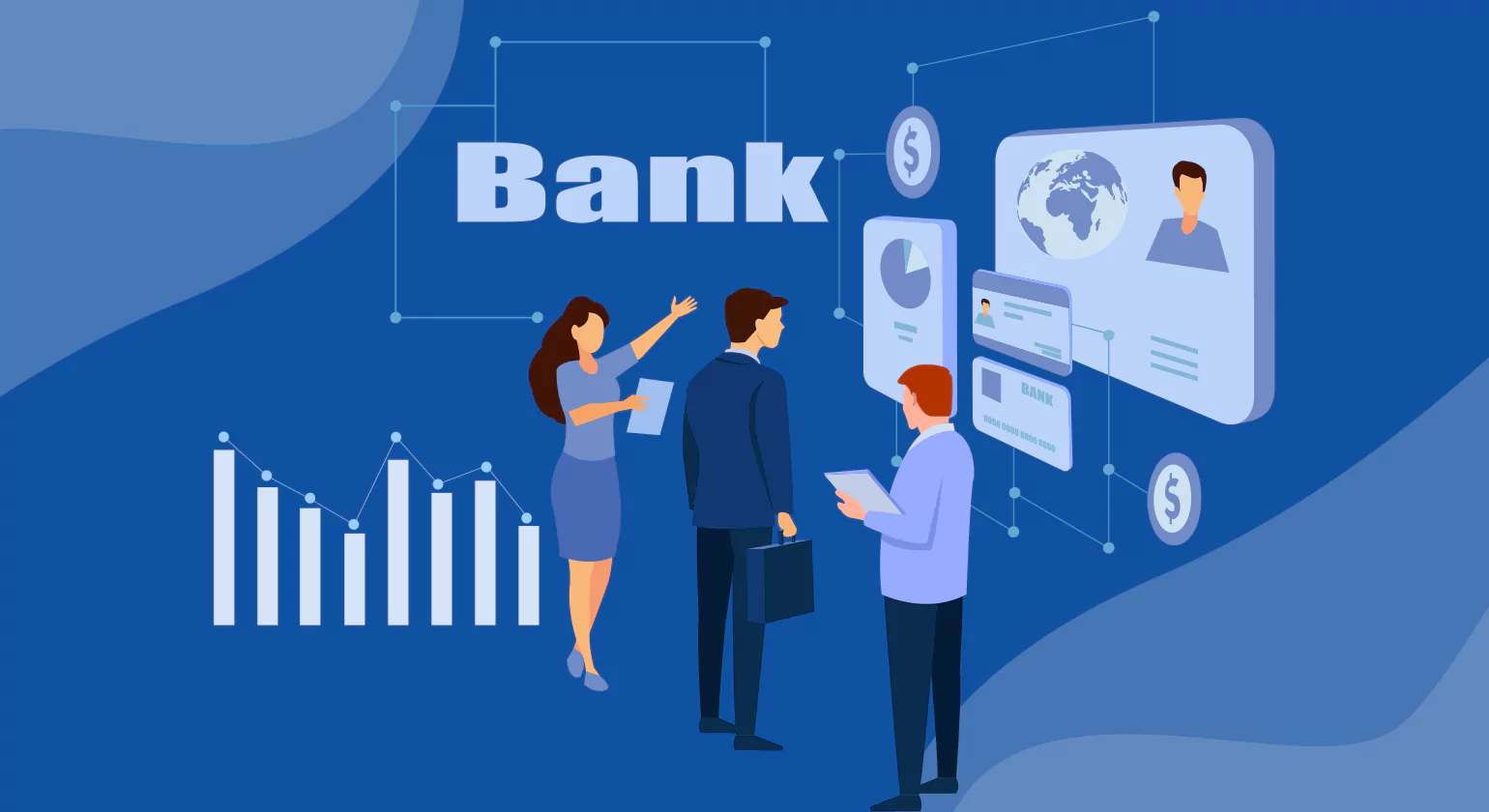
Banks are constantly under pressure to improve service delivery, maintain regulatory compliance, reduce operating expenses, and concentrate on core business tasks in the fast-paced, tech-driven financial industry. Outsourcing is one tactical method that aids in achieving each of these goals. Banks can greatly increase productivity, scalability, and customer happiness by assigning non-core and administrative tasks to specialized third-party service providers.
1. Cost Efficiency
Outsourcing reduces the need for large in-house teams and expensive infrastructure. By shifting routine tasks like data entry, customer service, or loan processing to Banking BPO Services partner, banks save significantly on salaries, training, technology investments, and overhead costs. This cost-saving is particularly crucial for banks looking to remain competitive in tight-margin environments.
2. Focus on Core Competencies
By outsourcing back-office and support functions, banks can redirect internal resources and managerial focus toward high-value, revenue-generating activities. These may include developing new financial products, improving customer engagement, and expanding into new markets. Outsourcing allows management to prioritize strategic goals instead of getting bogged down by administrative responsibilities.
3. Access to Specialized Expertise
BPO firms offer specialized services in areas like compliance management, fraud detection, and digital transformation. Partnering with them gives bank Outsourcing Services immediate access to domain experts and advanced tools without the time and cost of in-house development. This level of expertise ensures accurate, efficient, and up-to-date execution of critical processes.
4. Enhanced Operational Efficiency
Outsourcing partners typically work with structured workflows, automation technologies, and round-the-clock teams, enabling faster turnaround times and fewer errors. Whether it’s processing a loan or verifying a customer’s identity, these providers can execute tasks at scale more efficiently than most in-house setups.
5. Improved Customer Service
Many Banking BPO companies provide multilingual, 24/7 customer support via various channels such as phone, chat, and email. This ensures that customers receive timely assistance regardless of their location or time zone. Enhanced service availability leads to increased customer satisfaction, retention, and positive brand perception.
6. Scalability and Flexibility
Outsourcing gives banks the ability to scale operations up or down based on demand. For example, during seasonal peaks or new product launches, banks can quickly ramp up capacity through their outsourcing partners. Conversely, they can reduce resources without impacting internal operations during lean periods.
7. Faster Time-to-Market
Outsourcing helps accelerate the launch of new banking services and products. Since BPOs already have the infrastructure and talent ready, banks can reduce development and deployment timeframes. This agility is critical in a competitive industry where innovation speed can determine success.
8. Regulatory Compliance and Risk Mitigation
Banking BPO Services provider keep pace with global financial regulations and compliance norms. They help banks implement KYC (Know Your Customer), AML (Anti-Money Laundering), and data security measures effectively. This ensures regulatory adherence, reduces legal risks, and protects the bank’s reputation.
9. Advanced Technology Integration
Outsourcing partners often invest in cutting-edge technology—AI, machine learning, automation, and analytics—which banks can leverage without large capital outlays. These technologies enhance process accuracy, deliver customer insights, and support innovation in service delivery.
10. Business Continuity and Risk Management
Reputable outsourcing firms maintain robust business continuity and disaster recovery plans. This ensures that banking operations remain uninterrupted even in the face of unforeseen challenges like natural disasters or cyberattacks. Having offsite teams also diversifies operational risk.
Back Office Outsourcing Solutions for Banks

Institutions are constantly under pressure to increase operational effectiveness, cut expenses, and uphold excellent customer service in the fiercely competitive banking sector of today. Back office outsourcing options are one efficient approach to accomplish these objectives. These services assist banks in assigning time-consuming and non-core tasks to specialized third-party providers, such as data processing, loan servicing, document verification, and compliance inspections. Banks can concentrate more on strategic priorities like innovation, customer relationship management, and financial product creation by outsourcing these procedures.
Outsourcing back office functions not only enhances productivity but also brings access to advanced technologies and specialized expertise. Service providers invest in automation tools, artificial intelligence, and analytics platforms that help streamline workflows, improve accuracy, and minimize human error. For example, repetitive tasks like customer onboarding, account reconciliation, and transaction monitoring can be handled swiftly and securely by experienced Banking BPO Services teams. Moreover, outsourcing partners ensure that banks stay compliant with regulatory standards like KYC (Know Your Customer), AML (Anti-Money Laundering), and data protection laws—significantly reducing legal and operational risks.
The flexibility and scalability offered by outsourcing partners allow banks to adapt quickly to changing market demands. Whether it’s handling seasonal surges, launching new BPO financial services, or entering new markets, outsourcing ensures continuity without the need for heavy internal investments. Additionally, outsourcing partners often operate 24/7 and support multi-channel communications, which helps banks offer faster and more responsive customer service. Ultimately, back office outsourcing solutions not only drive cost efficiencies but also create a strong foundation for long-term growth, agility, and customer satisfaction in an increasingly digital banking landscape.
How to Choose the Right Banking BPO Partner

For banks hoping to increase productivity, streamline processes, and stay in compliance with regulations, choosing the proper Banking BPO Services partner is essential. With so many suppliers available, selecting the best one necessitates carefully weighing a number of important considerations.
1. Industry Expertise and Track Record
Choose a BPO partner with proven experience in the banking and financial sector. A provider that understands banking workflows, regulatory requirements, and customer expectations will deliver higher-quality services. Review their client portfolio, case studies, and success stories to evaluate their domain expertise.
2. Compliance and Security Standards
Banking BPO Services operation deal with highly sensitive data, making compliance and security non-negotiable. Ensure your BPO partner follows international standards like GDPR, PCI-DSS, ISO/IEC 27001, and has robust risk management practices in place. Ask about data encryption, access control, disaster recovery plans, and compliance audits.
3. Technology and Innovation Capabilities
The right BPO partner should offer more than labor cost savings—they should bring technological value. Look for providers who invest in automation, AI, machine learning, and analytics to optimize back-office tasks like document processing, customer onboarding, and transaction monitoring.
4. Customization and Scalability
No two banks are the same, and your outsourcing partner should be flexible enough to tailor services to your needs. Whether you’re a regional bank or a global financial institution, your partner should scale with your growth and adjust to changing business demands.
5. Service Level Agreements (SLAs) and Performance Metrics
A reliable Banking BPO Services partner should offer clear SLAs outlining turnaround time, accuracy rates, and customer service standards. Regular performance reports and metrics help you assess their efficiency and alignment with business goals.
6. Cultural Compatibility and Communication
Effective collaboration is built on mutual understanding and strong communication. Choose a partner whose work culture aligns with yours, and who provides responsive account management and regular updates to maintain transparency and accountability.
Challenges in Banking BPO and How to Overcome Them

Banking BPO (Business Process Outsourcing), which provides access to specialized expertise, process optimization, and cost efficiency, has become a crucial component of contemporary banking strategies. Outsourcing in the banking industry does, however, come with a number of difficulties. To guarantee efficient operations, client happiness, and regulatory compliance, they must be addressed proactively.
1. Data Security and Privacy Concerns
Challenge:
Banks deal with highly sensitive customer data. Handing this data over to a third-party BPO provider raises concerns about data breaches, unauthorized access, and compliance with regulations like GDPR and PCI-DSS.
Solution:
Partner with BPO firms that implement robust data security protocols. Look for certifications such as ISO/IEC 27001 and conduct regular security audits. Establish clear policies for data handling, access control, and incident response.
2. Regulatory and Compliance Issues
Challenge:
Banking is a highly regulated industry. Outsourcing partners must adhere to stringent legal and compliance requirements, which vary across regions and change frequently.
Solution:
Select Banking BPO Services provider with a strong compliance track record and deep understanding of financial regulations. Include compliance metrics in SLAs and schedule regular reviews to ensure adherence to updated legal frameworks.
3. Communication Barriers and Cultural Differences
Challenge:
Global outsourcing often leads to time zone gaps, language barriers, and cultural misunderstandings, which can impact service quality and project timelines.
Solution:
Choose a provider with proven experience in cross-cultural communication. Set clear expectations, provide training, and maintain open, frequent communication through regular meetings and dedicated account managers.
4. Loss of Control Over Processes
Challenge:
Outsourcing can sometimes lead to reduced visibility and control over critical operations, causing a disconnect between internal teams and the BPO provider.
Solution:
Establish strong governance frameworks. Use dashboards and reporting tools to track KPIs and performance in real time. Conduct joint planning and regular strategic reviews to stay aligned.
5. Service Quality and Customer Experience
Challenge:
Inconsistent service delivery by the Banking BPO Services provider can affect customer satisfaction, damaging the bank’s reputation and trust.
Solution:
Define quality benchmarks and include them in the contract. Regularly monitor performance, conduct audits, and gather customer feedback. Choose providers that prioritize training, continuous improvement, and quality assurance.
Impact of Banking BPO on Customer Experience

Banking BPO (Business Process Outsourcing) plays a significant role in transforming customer experience in the financial sector. By outsourcing non-core but essential operations like customer service, account processing, and loan management, banks can focus on innovation and personalized services, directly enhancing customer satisfaction.
One of the biggest advantages of BPO in financial services is improved service efficiency. With dedicated BPO teams handling high volumes of queries and transactions, customers benefit from faster response times and reduced processing delays. Whether it’s resolving account issues, processing loan applications, or handling KYC compliance, efficient turnaround builds trust and satisfaction.
Another key impact is 24/7 customer support. Many Banking BPO Services provider offer round-the-clock assistance, allowing customers to resolve issues at any time. This flexibility is essential in today’s digital-first world where customers expect instant and seamless interactions across channels.
Enhanced personalization is also made possible through BPO-led data analytics and CRM integration. Outsourcing partners can segment customer data and offer tailored services, such as custom loan offers or investment advice, leading to deeper engagement and loyalty.
However, selecting the appropriate partner is crucial to BPO’s ability to provide a satisfying client experience. Consistency, accuracy, and empathy are guaranteed in every client engagement by a tech-enabled, culturally-aligned, and well-trained BPO service.
Latest Trends in Banking BPO Services

The banking sector is still changing as a result of shifting regulations, technology breakthroughs, and consumer expectations. Banking BPO (business process outsourcing) services are adjusting to these changes by adopting fresh ideas that improve customer satisfaction, cut expenses, and increase efficiency. The following are the most recent developments influencing banking BPO solutions going forward:
1. AI and Automation Integration
Banking BPO Solutions are increasingly adopting artificial intelligence (AI), machine learning, and robotic process automation (RPA) to streamline repetitive tasks such as data entry, compliance checks, and fraud detection. This not only reduces human error but also increases speed and accuracy across operations.
2. Customer Experience (CX) Focus
There is a growing emphasis on delivering a seamless customer experience. BPOs are using advanced analytics, chatbots, and omnichannel support to handle customer queries effectively and personalize services based on customer behavior and preferences.
3. Data-Driven Decision Making
Modern BPOs use data analytics to generate insights from customer interactions, transactions, and market behavior. These insights help banks make strategic decisions, optimize services, and predict customer needs more accurately.
4. Cloud-Based BPO Services
The shift to cloud infrastructure allows Banking BPO Solutions to offer scalable, secure, and cost-effective solutions. Cloud-based platforms also enable real-time collaboration and ensure business continuity with remote access and backup.
5. Compliance and Risk Management Solutions
With stricter regulations like GDPR and evolving financial laws, BPOs are investing in compliance and risk management tools. Automated audit trails, real-time monitoring, and AI-driven compliance tools are now integral to banking BPO services.
6. Digital-First Customer Engagement
As digital banking continues to rise, BPO providers are focusing on digital-first engagement models. This includes voice AI, mobile-friendly service interfaces, and real-time support across digital channels like WhatsApp, email, and live chat.
7. Cybersecurity Enhancements
Given the sensitive nature of financial data, BPOs are upgrading their cybersecurity frameworks. Enhanced encryption, regular vulnerability assessments, and real-time threat detection systems are being prioritized.
8. Flexible and Remote Work Models
Post-pandemic, many BPOs have adopted hybrid and remote work models. This helps attract global talent, reduce operational costs, and maintain productivity while serving clients across time zones.
9. Hyper-Personalization
Banks now expect BPOs to support hyper-personalized campaigns and services. This involves using customer data to tailor offers, communication, and product suggestions at a one-to-one level.
10. Sustainability and ESG Compliance
Sustainability is becoming a key concern. BPOs are adopting eco-friendly practices and aligning with clients’ Environmental, Social, and Governance (ESG) goals to support responsible banking.
Conclusion
By increasing operational effectiveness, cutting expenses, and boosting customer satisfaction, banking BPO services are essential to the transformation of financial organizations. Banks can concentrate on innovation, compliance, and strategic expansion by outsourcing non-core operations. BPO companies offer scalable and secure solutions that are adapted to changing business demands thanks to developments in automation, artificial intelligence, and analytics. In an increasingly digital environment, working with the proper BPO service provider guarantees agility, competitiveness, and long-term success as the financial market continues to evolve. Banking BPO is no longer just a support function—it’s a strategic enabler of progress and performance in the BPO financial services sector.
Know More >>> Healthcare BPO Companies
FAQs
What are the BPO services for banking?
Banking BPO services include loan processing, customer support, data entry, fraud detection, KYC compliance, and account management. These services help banks reduce operational costs, improve service delivery, and focus on core functions. By outsourcing to expert providers, banks ensure efficiency, scalability, and regulatory compliance in handling large volumes of financial transactions and customer data.
What is BPO on a bank statement?
BPO on a bank statement typically stands for “Business Process Outsourcing” and may indicate a transaction handled by a third-party service provider. It shows that a bank function—such as customer service, loan processing, or payment support—was performed externally. This notation helps track outsourced service interactions related to banking operations or support functions.
Which of the following are examples of BPO services?
Examples of Financial BPO services include customer service, IT support, payroll processing, loan servicing, data management, fraud prevention, and KYC processing. In banking, these outsourced tasks allow institutions to operate efficiently while ensuring quality, compliance, and cost savings. BPO providers specialize in delivering these services with speed, accuracy, and industry-specific expertise.
Who typically performs a BPO?
BPO services are typically performed by third-party companies specializing in specific business functions. In the banking sector, trained professionals in BPO firms handle tasks like customer support, transaction processing, and compliance. These companies offer scalable, tech-enabled solutions that banks and financial institutions rely on for high-quality, cost-effective operations.
Who uses BPO services?
BPO services are used by banks, financial institutions, insurance companies, healthcare providers, and e-commerce businesses. In banking, organizations outsource operations like loan processing, customer service, and compliance to BPO firms. These services help institutions reduce overhead, improve efficiency, and focus on strategic growth and customer engagement.