Table of Contents
Introduction
Software Performance Testing Services is essential for businesses aiming to deliver seamless digital experiences. These services involve a range of testing techniques—such as load testing, stress testing, and scalability testing—designed to evaluate how software applications perform under various conditions. The goal is to identify potential performance issues before they impact end users, ensuring applications remain fast, stable, and reliable even under peak usage.
Software Performance Testing Services are especially critical for high-traffic platforms, enterprise applications, and mission-critical systems. By simulating real-world scenarios, these services help uncover performance bottlenecks, optimize system resources, and validate infrastructure scalability. Businesses that invest in these services not only improve user satisfaction but also gain a competitive edge through enhanced reliability and system efficiency.
What Are Software Performance Testing Services?

Software performance testing services are specialized solutions that assess how software applications perform under various workloads. These services simulate real-world scenarios to evaluate responsiveness, stability, and scalability. By identifying performance bottlenecks, they help ensure that software runs smoothly, even under stress. Businesses use performance testing services to avoid slow load times, crashes, and poor user experiences. They are essential for optimizing application speed, improving reliability, and achieving performance goals before deployment. Whether launching a new product or maintaining existing systems, these services provide critical insights that drive better software quality and user satisfaction.
Understanding the Basics of Performance Testing
Performance testing evaluates how well software functions under expected workloads. It measures speed, stability, and responsiveness to ensure smooth user experiences. This testing identifies bottlenecks, verifies system reliability, and ensures applications meet performance expectations before going live.
Key Types of Performance Testing
Performance testing includes load testing, stress testing, scalability testing, and endurance testing. Each type focuses on different performance aspects—such as handling user load, system limits, long-term stability, and growth capacity—to ensure optimal performance in various real-world scenarios.
Difference Between Load Testing and Performance Testing
Load testing measures how a system handles expected user traffic, focusing on response times and stability. Performance testing is broader, assessing overall speed, scalability, and resource usage under various conditions to ensure the application meets performance standards.
Why Software Performance Testing Services Are Crucial for Business Success
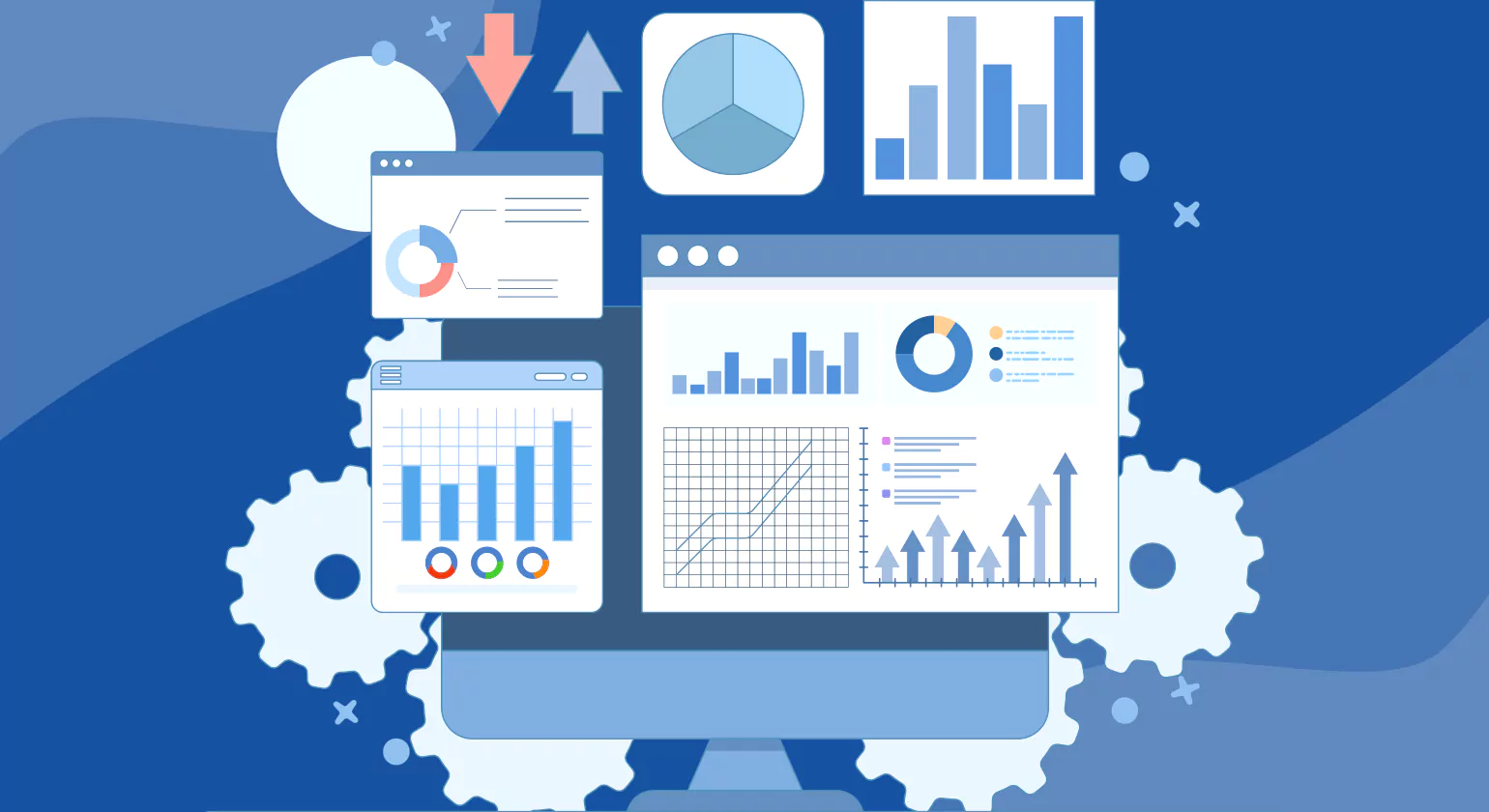
Software performance testing services are essential for ensuring that applications run efficiently under varying conditions, directly impacting business success. These services help businesses identify performance bottlenecks and system limitations before launching, preventing costly post-launch issues such as downtime, slow load times, or crashes. In today’s fast-paced digital world, where users expect seamless, fast experiences, even minor performance failures can lead to frustrated users and lost revenue. Performance testing helps companies deliver high-performing applications that maintain reliability, scalability, and speed, which are key to retaining users and boosting customer satisfaction.
Additionally, performance testing services help optimize resource usage, ensuring that businesses can handle traffic spikes without overburdening their infrastructure. By simulating real-world usage, these services ensure that software can scale as the business grows and that it meets performance expectations across devices and platforms. Ultimately, investing in performance testing service provider enhances a business’s competitive edge, supports continuous improvement, and ensures a high-quality user experience that builds trust and fosters long-term success.
Impact on User Experience
Performance testing directly affects user experience by ensuring fast load times, smooth interactions, and stable performance. A responsive, error-free application fosters user satisfaction, encourages repeat usage, and boosts customer retention, which is essential for maintaining a competitive edge.
Preventing Downtime and Enhancing Reliability
Software performance testing helps identify potential failure points before deployment, minimizing the risk of downtime. By ensuring systems can handle high loads and stress, it enhances reliability, leading to continuous availability, fewer disruptions, and improved operational efficiency for businesses.
Key Components of Comprehensive Software Performance Testing Services

Comprehensive software performance testing services include several critical components designed to ensure an application’s reliability, scalability, and responsiveness. Key components are load testing, which simulates real-world traffic; stress testing, to determine the system’s breaking point; scalability testing, to assess the software’s ability to grow with demand; and endurance testing, to measure how the software performs over extended periods. Each of these tests addresses different aspects of performance, providing valuable insights into how the application will perform under varying user loads and conditions. Together, these components ensure high-performing, user-friendly applications.
Load Testing
Load testing evaluates how an application performs under expected user traffic, ensuring it can handle peak demands without slowing down or crashing. It helps identify performance issues related to response times, server capacity, and overall user experience.
Stress Testing
Stress testing pushes an application beyond its normal operating limits to identify breaking points and failure modes. It helps uncover vulnerabilities by testing how the system reacts under extreme conditions, ensuring resilience and recovery capabilities when faced with unexpected traffic spikes.
Scalability Testing
Scalability testing assesses an application’s ability to handle increased workloads and user demands without compromising performance. It ensures the software can scale effectively, whether adding more users, processing data, or expanding resources, and helps identify potential scaling challenges early.
Stability and Endurance Testing
Stability and endurance testing evaluates how well an application performs over extended periods. This test identifies memory leaks, performance degradation, and system crashes that could occur during prolonged usage, ensuring consistent functionality and reliability under continuous operation.
Cost savings on fixes and infrastructure are a major benefit of early performance testing. Identifying issues before deployment reduces expensive post-release fixes. Efficient resource use also minimizes the need for costly infrastructure upgrades.
Top Benefits of Using Software Performance Testing Services

Regulatory compliance is a crucial aspect of business operations, especially for industries dealing with sensitive data. Back office outsourcing companies offer legal support services, including contract management, policy drafting, and regulatory compliance monitoring. They help businesses adhere to local and international laws, minimizing legal risks.
Software performance testing services offer significant advantages for businesses aiming to deliver high-quality applications. By identifying performance bottlenecks and potential vulnerabilities early in the development process, these services help optimize software performance and enhance user experience. Through techniques like load, stress, and scalability testing, businesses can ensure their applications run smoothly even under peak traffic, reducing the risk of slowdowns or crashes. This leads to improved customer satisfaction, better retention rates, and higher trust in the software’s reliability.
Moreover, load testing and performance testing provide cost efficiencies by allowing businesses to address issues before they become expensive problems post-launch. Detecting performance weaknesses early helps businesses save on resources by avoiding system overhauls and the need for emergency fixes. These services also contribute to long-term operational success by ensuring that applications are both scalable and adaptable to future growth. In an ever-evolving market, performance testing service provider ensures that an application can handle increasing user demands, changes in infrastructure, and evolving business requirements. This proactive approach not only boosts performance but also safeguards the business from unexpected downtimes and costly outages, ultimately enhancing both ROI and competitive edge.
Enhanced Application Performance
automated functional testing ensures that applications load quickly and respond efficiently, even under heavy traffic. By identifying and fixing bottlenecks, it optimizes resource usage, improving speed, scalability, and overall functionality, which enhances user experience and supports business growth.
Cost Efficiency and Resource Optimization
By identifying inefficiencies early, Software Performance Testing Services helps businesses avoid over-investing in unnecessary infrastructure. It ensures that resources are used effectively, reducing operating costs and improving system performance. This optimized use of resources helps businesses achieve greater cost-efficiency and operational excellence.
Improved User Satisfaction and Retention
Performance testing improves application reliability and speed, creating a better user experience. Fast, stable software leads to higher user satisfaction, reducing frustration. Satisfied users are more likely to return, boosting customer retention and fostering long-term business success.
Essential Tools For Effective Software Performance Testing

Choosing the right tools is essential for effective software performance testing services . These tools help simulate real-world load, uncover bottlenecks, and ensure scalable, stable applications. Leveraging them with expert guidance ensures faster, smarter, and more reliable software delivery.
Popular Performance Testing Tools in the Market
There are several popular Software Performance Testing Services tools available in the market that help businesses ensure optimal application performance. Apache JMeter is an open-source tool widely used for performance measurement. It supports various protocols, including HTTP, FTP, and JDBC, making it versatile for different testing scenarios. LoadRunner by Micro Focus is another industry-leading tool known for its ability to simulate thousands of users, providing detailed insights into how applications perform under heavy load. Gatling, with its modern architecture, offers high scalability and is commonly used for load and stress testing.
BlazeMeter, built on JMeter’s capabilities, provides cloud-based performance testing, allowing for easy scaling and testing of applications in real-world scenarios. NeoLoad is ideal for testing mobile and web applications, enabling continuous performance testing throughout the software development lifecycle. These tools provide businesses with the means to detect performance issues and optimize their applications for a seamless user experience.
Choosing the Right Tools for Your Needs
Selecting the right performance optimization software depends on the specific needs of your application and business. First, assess the type of testing you require—whether load testing, stress testing, or scalability testing—and choose a tool that supports your objectives. For businesses dealing with heavy user traffic and complex applications, tools like LoadRunner or Apache JMeter provide in-depth testing capabilities. If you’re looking for cloud-based, scalable testing, BlazeMeter may be the right choice. For teams requiring a simple and easy-to-use solution, Gatling offers a user-friendly interface with efficient results.
Additionally, consider factors like budget, ease of integration with your current workflow, and the tool’s ability to generate detailed performance reports. It’s also important to factor in the tool’s compatibility with the types of devices, platforms, and protocols your application uses. Ultimately, choosing the right tool involves balancing your testing requirements with the tool’s capabilities and cost-effectiveness.
Mimic actual user behavior across peak and off-peak traffic. Include variations in devices, geographies, and usage patterns. Realistic scenarios provide accurate insights into performance bottlenecks. This leads to better optimization and improved user experience.
How Continuous Software Performance Testing Maximizes Results

Continuous performance testing service provider is a strategic approach that integrates performance assessments throughout the software development lifecycle. By conducting regular, ongoing performance testing, businesses can identify and address issues early, ensuring that software consistently meets performance standards. This approach helps detect bottlenecks, inefficiencies, and vulnerabilities as soon as they arise, preventing larger problems that could affect the user experience or system stability after launch. Software performance testing services allow businesses to adapt quickly to changing user behaviors, system upgrades, or traffic surges, ensuring the software remains optimized over time.
Furthermore, continuous testing provides real-time insights into application performance, allowing teams to make immediate adjustments and fine-tune performance based on up-to-date data. This proactive testing method maximizes results by ensuring that applications can scale, remain stable under heavy loads, and provide a seamless user experience. By integrating performance testing into the regular development and deployment cycles, businesses can continuously improve their software, reduce downtime, lower operational costs, and boost user satisfaction, resulting in a more reliable and successful product.
Real-Time Monitoring and Adjustment
Real-time monitoring allows continuous tracking of application performance during operation. By analyzing live data, teams can detect issues immediately, adjust resources, and optimize performance. This proactive approach ensures a smooth user experience and prevents unexpected downtime or slowdowns.
Identifying Potential Bottlenecks Early
Identifying bottlenecks early helps businesses pinpoint areas where performance could degrade under stress. By using performance optimization software, teams can detect issues like slow database queries, inefficient code, or network congestion, allowing them to address these weaknesses before they impact users.
The Smart Strategy to Maximize Outcomes from Continuous Performance Testing
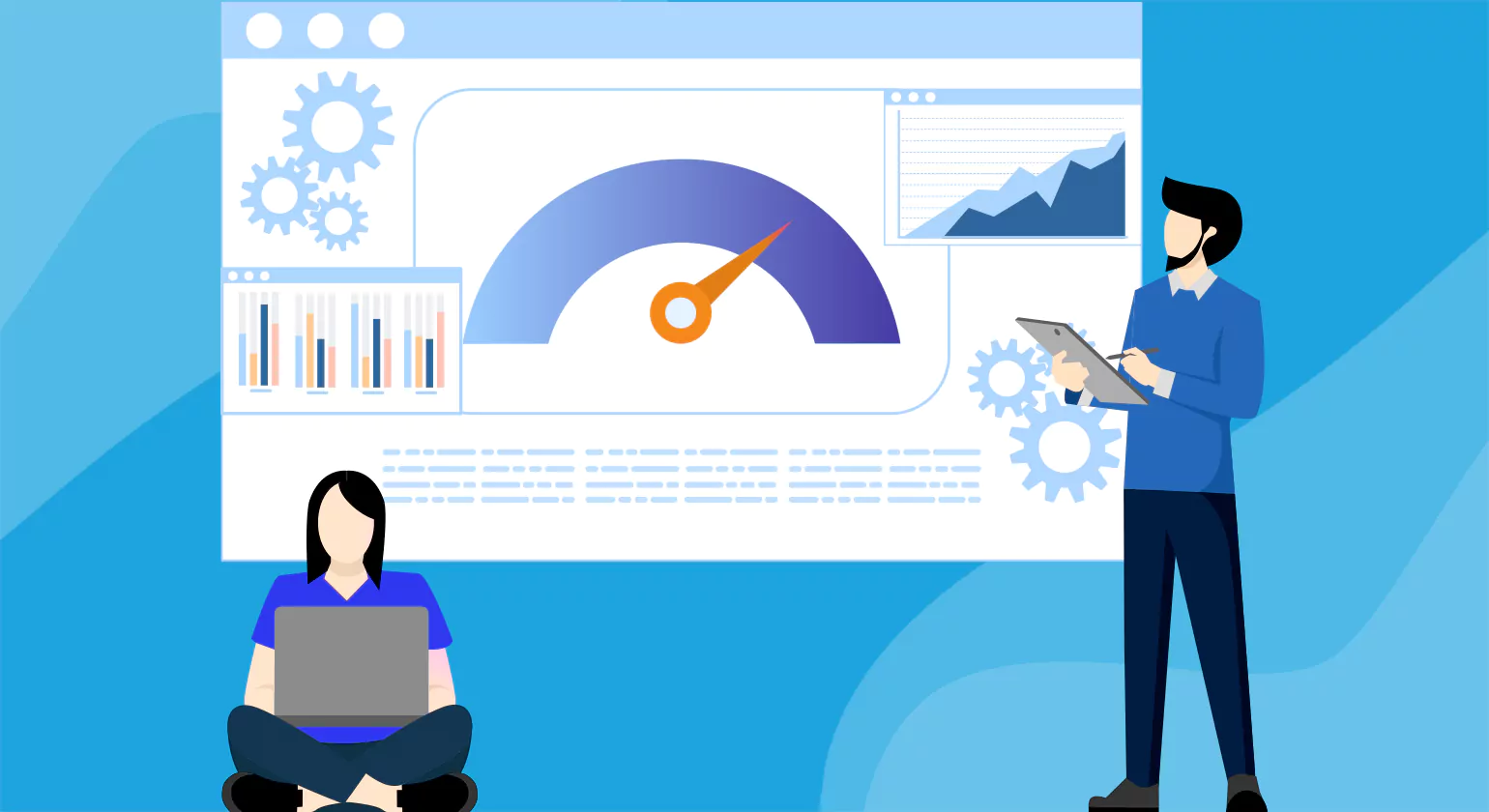
Maximizing the outcomes of continuous Software Performance Testing Services begins with integrating performance tests early in the software development lifecycle. Adopting a shift-left testing approach ensures that performance is evaluated alongside functionality from the beginning, allowing developers to catch issues before they become embedded in the final product. Automating performance tests as part of the CI/CD pipeline ensures they run regularly with every code update, offering real-time insights and immediate feedback. This proactive testing strategy helps in detecting performance regressions, memory leaks, or load-handling issues early, reducing the cost and time of fixing them post-deployment.
Additionally, leveraging modern tools that offer analytics, real-time monitoring, and visual reporting further enhances the testing process. Combining these tools with agile methodologies allows for quicker adjustments, better collaboration across teams, and faster delivery of high-performing software. Teams should focus on testing across various environments, simulating different user behaviors and traffic patterns, to ensure reliability in real-world scenarios. With Software performance testing services, organizations not only ensure consistent user experiences but also build scalable, resilient applications. Ultimately, this smart strategy boosts efficiency, reduces risks, and supports long-term business growth through reliable, high-performing digital solutions.
Automated Testing for Faster Results
Automated performance testing accelerates the testing process by running tests without manual intervention. It ensures consistent, repeatable results across environments and quickly identifies performance issues, enabling faster fixes, shorter release cycles, and increased productivity in agile and DevOps workflows
Leveraging AI and Machine Learning in Performance Testing
AI and machine learning enhance performance testing by analyzing test data patterns, predicting potential failures, and optimizing test coverage. These technologies enable smarter test execution, anomaly detection, and decision-making, leading to more efficient, accurate, and scalable performance assessments over time.
Choosing the Right Software Performance Testing Services Provider for Your Business

Selecting the right testing services provider is crucial for ensuring your applications meet both user expectations and business objectives. A reputable provider should offer a comprehensive suite of testing services, including load, stress, and scalability testing, tailored to your project’s needs. Experience in your industry and a strong portfolio of past performance testing projects are essential indicators of reliability. Look for a partner that uses modern, scalable tools and follows agile or DevOps methodologies to ensure fast, accurate, and continuous testing throughout the development lifecycle.
Additionally, automated functional testing provider should prioritize clear communication, transparency, and collaboration with your internal teams. Assess their ability to deliver actionable insights from test results, not just raw data. Customization, scalability, and flexibility are key—your ideal partner should be able to adapt to your technology stack, business model, and timelines. Cost-effectiveness is also important, but it shouldn’t compromise quality. A good performance testing provider will not only identify problems but also guide your team on optimizing application performance, reducing downtime, and improving user satisfaction. Making the right choice ensures long-term software reliability, enhances customer experiences, and supports your overall digital growth strategy.
Key Factors to Consider When Selecting a Service Provider
When selecting a performance optimization software provider, consider their expertise, toolset, scalability, industry experience, and ability to integrate with your development process. Evaluate their reporting capabilities, security standards, and commitment to delivering actionable insights for long-term performance improvement.
Questions to Ask Before Hiring a Performance Testing Company
Ask about their experience with similar projects, Software Performance Testing Services they use, approach to continuous testing, and response time for issue resolution. Inquire about result reporting, team qualifications, test environment setup, and post-testing support to ensure comprehensive, results-driven performance testing.
Common Challenges in Software Performance Testing and How to Overcome Them

Software performance testing services faces several challenges, including complex test environments, unpredictable user behavior, and limited testing resources. Simulating real-world scenarios accurately is difficult, often leading to gaps in testing coverage. Bottlenecks may remain hidden without proper test data and tools. To overcome these challenges, organizations should invest in scalable, automated testing tools, prioritize realistic test cases, and continuously monitor performance throughout development. Collaborating with skilled testers and leveraging cloud-based environments can help simulate diverse conditions more effectively. Proactive planning, automation, and continuous testing are key to ensuring accurate, reliable, and high-performing software applications.
Handling Complex Test Environments
Complex test environments with multiple systems, platforms, and integrations can hinder performance testing accuracy. Use virtualization, containerization, and cloud-based setups to replicate real-world conditions. Standardizing test environments ensures consistency, reduces errors, and enhances the reliability of performance testing company results.
Managing Test Data and Load Simulation
Effective test data management and realistic load simulation are vital for meaningful results. Generate diverse, anonymized test data that mirrors production scenarios. Use load testing tools to simulate user traffic accurately, ensuring the application can handle expected and peak loads efficiently.
Overcoming Resource Limitations
Limited hardware, time, or personnel can restrict thorough performance testing. Overcome these limitations with cloud-based solutions, automation, and performance testing-as-a-service models. Prioritize critical tests, and adopt scalable tools to maximize efficiency without compromising the depth or accuracy of testing.
How to Improve Software Performance After Testing

Improving software performance after testing begins with a thorough analysis of the test results to identify bottlenecks and inefficiencies. Focus on areas such as slow-loading components, unoptimized database queries, memory leaks, and poor coding practices. Collaborate with development teams to implement targeted optimizations, including code refactoring, database tuning, and infrastructure enhancements. Re-test after making improvements to validate results and ensure performance gains are consistent. Additionally, implement real-time monitoring to catch future issues early. Adopting a Software performance testing services improvement cycle ensures your application remains fast, scalable, and responsive, leading to a better user experience and higher customer satisfaction.
How to Improve Software Performance After Testing
Improving software performance after testing begins with a thorough analysis of the test results to identify bottlenecks and inefficiencies. Focus on areas such as slow-loading components, unoptimized database queries, memory leaks, and poor coding practices. Collaborate with development teams to implement targeted optimizations, including code refactoring, database tuning, and infrastructure enhancements. Re-test after making improvements to validate results and ensure performance gains are consistent. Additionally, implement real-time monitoring to catch future issues early. Adopting a Software performance testing services improvement cycle ensures your application remains fast, scalable, and responsive, leading to a better user experience and higher customer satisfaction.
Analyzing Test Results and Identifying Key Issues
Analyzing test results involves reviewing metrics like response times, error rates, and resource usage. Identifying key issues requires pinpointing bottlenecks, slow processes, and inefficiencies. Use detailed reports to assess performance under various conditions and highlight critical areas needing improvement.
Actionable Steps to Optimize Application Performance
To optimize application performance, start by refactoring inefficient code, optimizing database queries, and improving caching strategies. Upgrade hardware resources if necessary, reduce network latency, and test with higher traffic loads. Regular monitoring and iterative automated functional testing ensure ongoing optimization and scalability.
Conclusion
Software performance testing services are essential for ensuring that applications perform efficiently under various conditions, providing users with seamless experiences. By identifying bottlenecks, optimizing resource usage, and improving scalability, these services help businesses avoid costly downtimes and performance issues. With the right tools, methodologies, and expertise, performance testing empowers businesses to deliver high-quality software that meets user expectations. Continuous testing throughout the development lifecycle further ensures that applications remain optimized and resilient as they evolve. Investing in professional performance testing company services ultimately enhances reliability, boosts customer satisfaction, and supports long-term business growth.
To know More >>>>> How Software Customization Improves Business Efficiency
Top 15 IT Automation Tools in 2025 to Enhance Workflow
FAQs
Why is software testing important?
Software testing is essential to ensure applications work as intended without bugs or performance issues. It helps identify defects early, reducing the cost and risk of failures after release. Testing also improves software quality, user satisfaction, and system reliability across real-world conditions.
What are the different types of Software Testing?
Software testing includes various types such as functional testing, which verifies what the software does; performance testing, which checks speed and scalability; and security testing, which ensures data protection. Other types include usability, compatibility, and regression testing, each targeting different quality aspects.
When to Stop Performance Testing Without Compromising Quality?
You can stop performance testing when all critical KPIs are met under expected load conditions. Ensure there are no bottlenecks, and the system performs consistently across multiple test runs. Stopping at this point maintains quality while avoiding unnecessary resource usage and delays.
How to automate performance testing?
Automating performance testing involves integrating tools like JMeter, Gatling, or k6 into your CI/CD pipeline. It enables continuous validation of speed, scalability, and responsiveness after every code change. This approach ensures faster releases, early issue detection, and consistent application performance.
How can I ensure that my software testing is thorough and effective?
To ensure your software testing is thorough and effective, define clear test objectives and cover all functional and non-functional requirements. Use a mix of manual, automated, and performance testing methods for comprehensive coverage. Continuously review test cases, update them based on new risks, and track defects to improve quality over time.
How can I debug software tests that are failing?
Start by reviewing error logs and stack traces to pinpoint the failure cause. Check test data, environment configuration, and recent code changes for inconsistencies. Use debugging tools or step-through execution to isolate and fix the issue efficiently.