Table of Contents
You know how most of the internet feels like people just yelling into the void? Social media forums are the opposite. It’s where real conversations happen—people helping each other out, answering weird questions, actually talking. No algorithm games. Just folks who know their stuff sharing it.
What Are Social Media Forums?
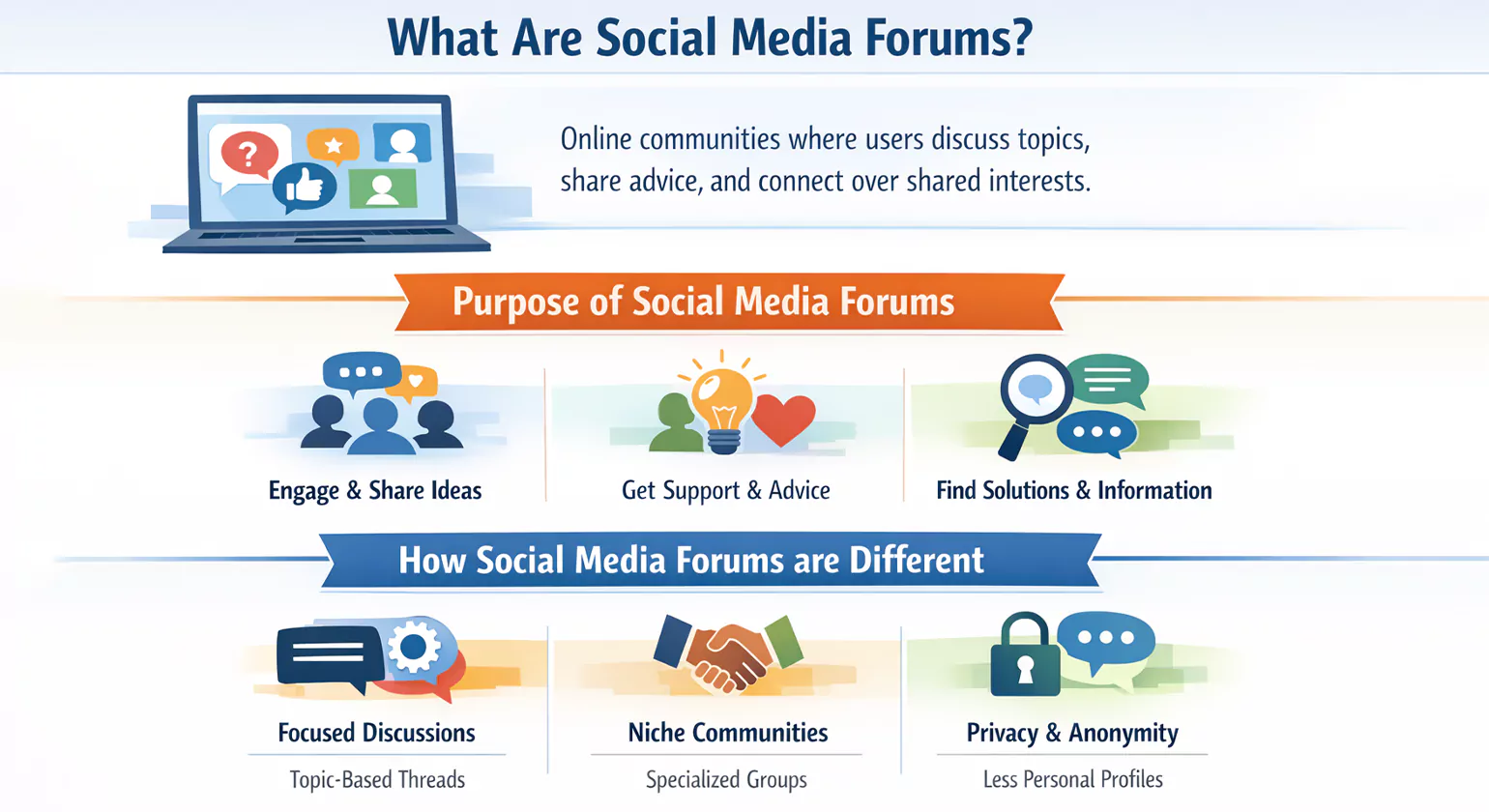
Social media forums are just places online where people talk. Not like Instagram, where you scroll and like stuff. More like a community board where someone posts a question, and others jump in to help.
Purpose of Social Media Forums
Folks use forums when they have a real problem to solve. If your phone is acting up and you don’t want to pay for a shop, you can look there. If you’re going on vacation, you want advice from travelers who know the spot. Forums are great because they offer real-life stories rather than fake ads.
How Social Media Forums Are Different
The biggest difference? Forums don’t bury old posts. On Facebook, if something was posted last month, you will probably never see it again. On a forum, that same thread stays alive. Someone can reply years later and it helps a whole new person. It is less about now and more about building something that lasts.
15 Best Social Media Forums of 2026
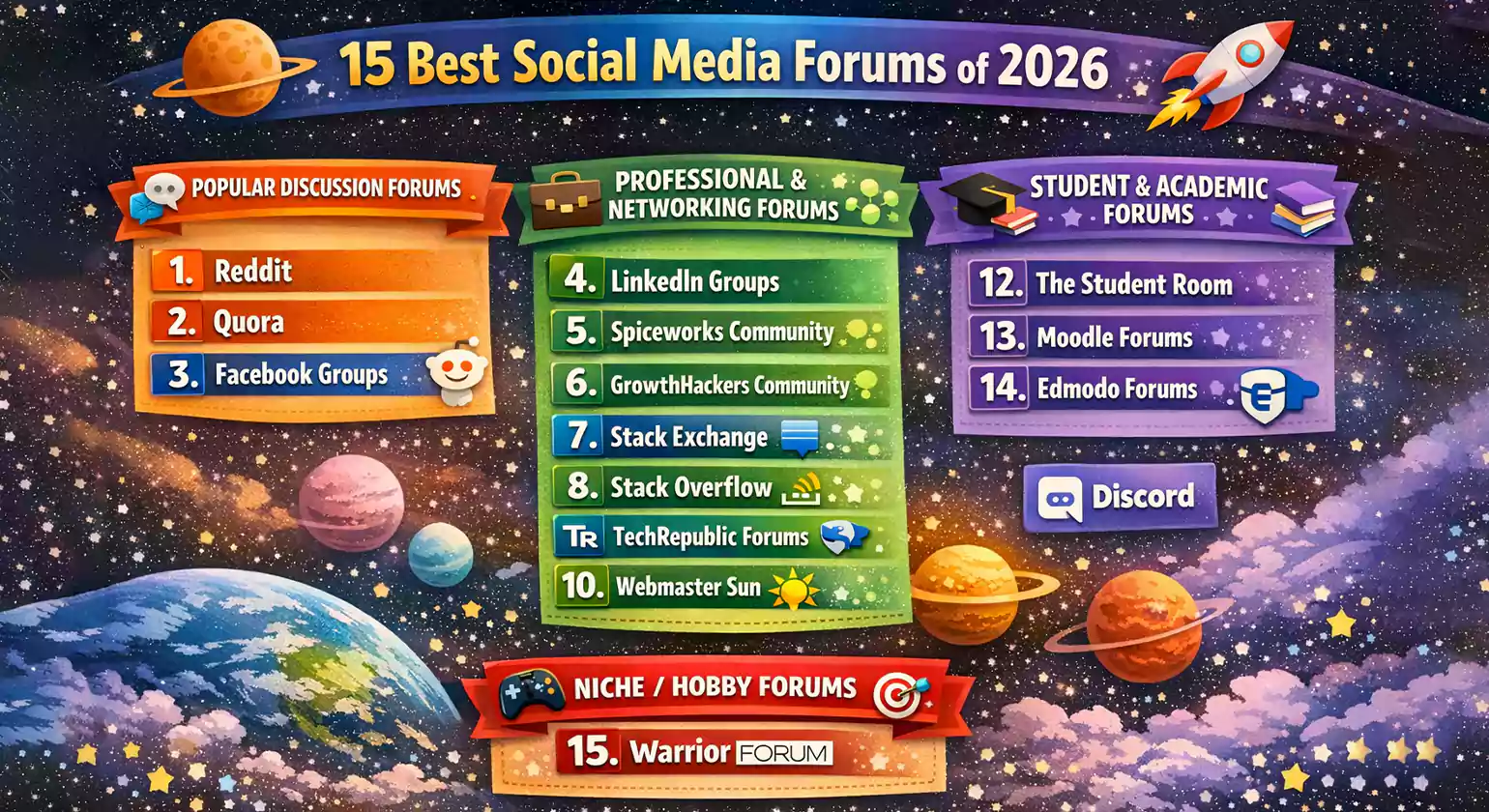
Social media forums come in many shapes and sizes. You have huge sites like Reddit, but also small spots for IT pros and students. This list shows you the 15 best picks for 2026. I sorted them by type to help you save time. These are the top options without any extra filler.
1. Reddit
Think of Reddit as a massive pile of groups called subreddits. It is a place where people ask questions, tell stories, and even bicker over silly things. No real names, so honesty runs high. Good answers float up; bad ones sink.
Why People Use It
- You’ll find a subreddit for any hobby, job, or weird interest.
- Upvotes save you from scrolling through junk.
- Moderators keep spam out.
- It’s free and you can stay anonymous.
2. Quora
Quora runs on questions and answers. You follow topics to see what questions people ask. Experts or people with real experience write the answers. You get deep, helpful replies instead of short, basic answers.
Why People Use It
- Real experts show up—doctors, engineers, people with experience.
- Post a question and get several solid answers within hours.
- Upvotes push the best replies to the top.
- Old threads are searchable, so you might not need to ask.
3. Facebook Groups
Facebook Groups are communities inside Facebook. Some are local neighbors sharing tools. Others are huge, with millions of members. Real names build trust. It’s one of those social media forums that feels familiar if you’re already on Facebook.
Why People Use It
- Real names make people more accountable.
- Admins approve members and block spam.
- You can share photos, videos, and events.
- Facebook suggests new groups based on your interests.
4. LinkedIn Groups
LinkedIn Groups are basically online clubs for your work life. People chat about news, ask for advice, and share hidden job posts. Since everyone uses their real name, the talks stay honest. It is a great spot to focus on making connections.
Why People Use It
- Profiles show real names and backgrounds.
- Hiring managers often post jobs only inside groups.
- Sharing insights helps build your reputation.
- No memes or casual clutter.
5. Spiceworks Community
Spiceworks is where IT pros go when something breaks. Network admins, help desk staff, they help each other with step‑by‑step fixes. Vendors even show up to answer directly. The vibe is friendly, not intimidating.
Why People Use It
- Over 6 million IT members means someone has seen your problem.
- Solutions are often step‑by‑step, ready to use.
- Vendors participate, so you get direct support.
- The points system rewards helpful members.
6. GrowthHackers Community
GrowthHackers is for marketers and startup folks. Members share real case studies of how we grew traffic by 200%.” The voting system pushes useful content up. It’s not about self‑promotion; it’s about learning from what actually worked.
Why People Use It
- Upvoting surfaces the best content.
- Get honest feedback on marketing ideas from experienced pros.
- Self‑promotion is discouraged, so less spam.
- Sharing your own wins builds credibility.
7. Stack Exchange
Stack Exchange is a network of Q&A sites, one for cooking, one for coding, one for philosophy. Each has strict rules and active moderators. You earn a reputation for good answers, so people put in real effort.
Why People Use It
- Over 170 specialized communities, each focused on one topic.
- Reputation points reward helpful answers.
- Low‑quality replies get removed fast.
- Follow tags to see only what you care about.
8. Stack Overflow
Think of Stack Overflow as a help desk for programmers. If your code breaks, you ask a question and get an answer from someone who knows the fix. Millions of problems have been solved here. If you Google an error, you’ll probably land on this site.
Why People Use It
- 20+ million answered questions cover almost any coding issue.
- Multiple solutions with explanations, not just code dumps.
- Reputation helps you spot trustworthy experts.
- Questions often get responses in minutes.
9. TechRepublic Forums
Working in IT or tech? TechRepublic Forums are a great spot for you. Instead of getting lost in crowded social media forums, people here chat specifically about cloud computing, project management, and online safety. The site is much smaller than Stack Overflow, so conversations feel friendly and personal. Members even share handy scripts and templates to help save you time.
Why People Use It
- Focused on real‑world business problems, not just theory.
- Connect with IT managers without the noise.
- Members share practical resources like scripts and templates.
- Safe place to ask beginner questions without getting mocked.
10. Webmaster Sun
Webmaster Sun is a forum for website owners and SEO folks. It has been around for over a decade, so old threads still hold gold. Members share real numbers, traffic, earnings, and what actually worked.
Why People Use It
- Detailed case studies with actual data, not fluff.
- Ask about hosting or SEO and get answers from veterans.
- Marketplace to buy and sell sites or services.
- No paywalls; everything is free to read.
11. Discord
Discord started for gamers but now hosts communities of all kinds. Servers act like forums with text channels and voice chat. Many groups moved here because it’s easier to manage and feels more connected.
Why People Use It
- Join servers for any hobby—coding, books, investing.
- Voice channels let people talk live, building stronger bonds.
- Moderation tools make it easy to keep things organized.
- You can create your own private server for free.
12. The Student Room
The Student Room is a UK-based forum where students help students. From GCSEs to uni applications, you’ll find revision notes and honest advice. Over 2 million members, and the vibe is genuinely supportive.
Why People Use It
- Subject-specific threads with shared notes and past papers.
- University applicants can talk to current students.
- Strict moderation keeps discussions respectful.
- Free and you can stay anonymous if you want.
13. Moodle Forums
Moodle Forums live on the Moodle app. Your teachers set them up so you can ask questions or talk about projects easily. It is a great way to get help when class is over. Plus, the whole space is private to your school only.
Why People Use It
- Teachers moderate and keep discussions on topic.
- Everything is organized by course, so no digging around.
- Instructors can grade participation to encourage engagement.
- A safe, focused online discussion forum for students.
14. Edmodo Forums
Edmodo is a social learning space for K‑12 teachers and students. Forums let teachers swap lesson plans and worksheets. Students collaborate on group projects in a controlled, ad‑free environment. Parents can join too.
Why People Use It
- Connect with teachers teaching the same grade or subject.
- Ready‑to‑use resources save hours of prep.
- No ads or inappropriate content.
- One of the best social media forums for classrooms.
15. Warrior Forum
Warrior Forum has been around for over 20 years. It’s where internet marketers share real case studies—earnings, traffic numbers, failed campaigns. There’s also a marketplace for buying and selling digital products. A deep archive of free knowledge.
Why People Use It
- Members share case studies with real numbers, not fluff.
- Marketplace lets you buy and sell digital products fairly.
- The reputation system helps you spot trustworthy members.
- A go‑to among popular discussion forums for marketers.
Effective Participation Strategy to Forums Social Media Platforms
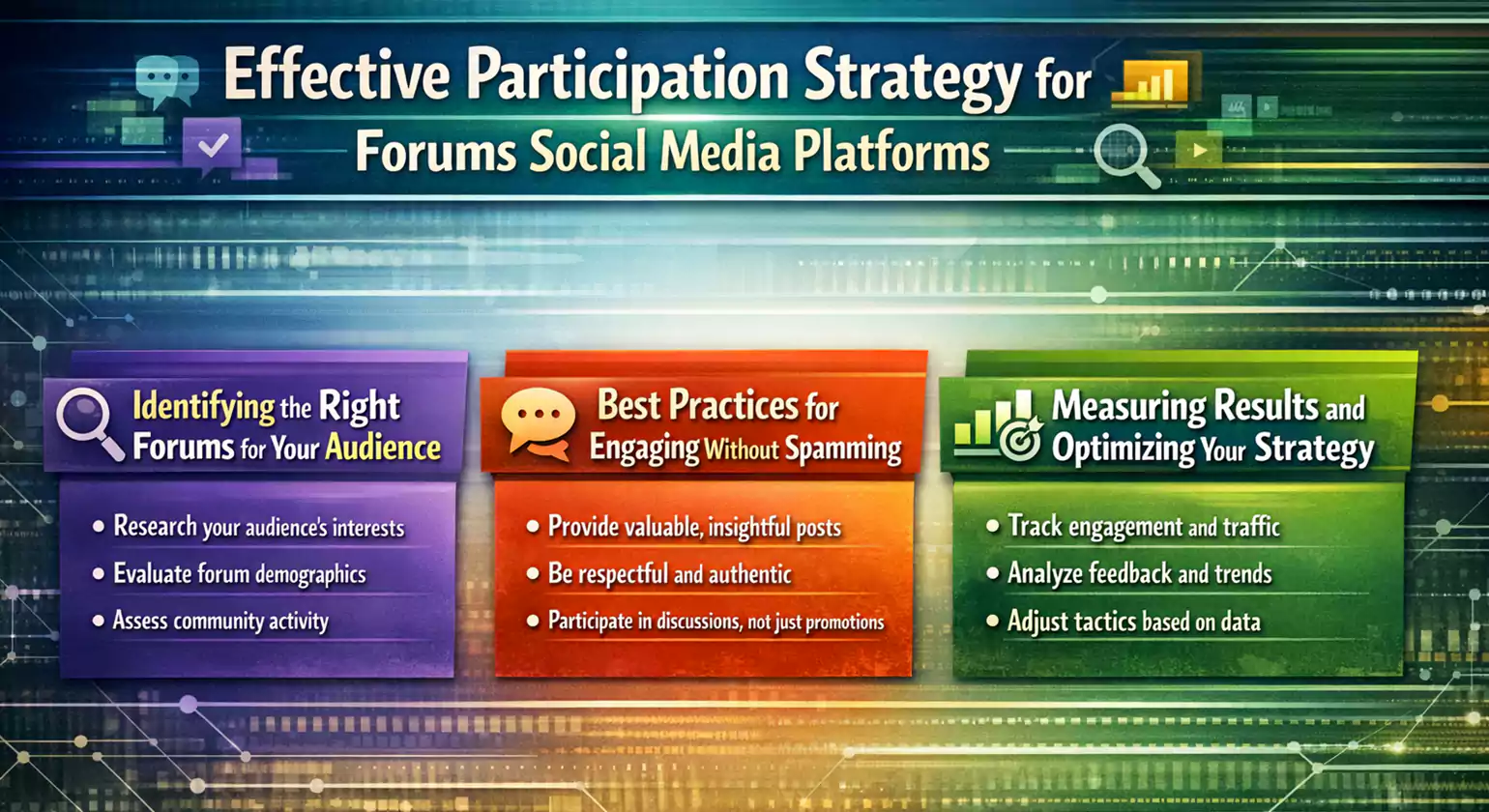
Joining social media forums isn’t enough. You need a plan. Show up, help out, and earn trust before you ever mention your own stuff. The right approach turns random posts into real connections. Let us look at how to find your ideal crowd. You will learn how to join chats without being pushy. We will also track exactly what works for your business.
Identifying the Right Forums for Your Audience
Do not waste time on big forums if your crowd is not there. Spend a few days just reading. See for places where people ask questions you can genuinely answer. If the last post is two months old, just skip it. Find two or three active places that fit your style.
Best Practices for Engaging Without Spamming
Be useful before you are visible. Answer a question thoroughly, share a tip, mention a tool you have used without linking to yourself unless it actually solves someone’s problem. If you only post your own links, people will start to ignore you. Think of social media like a fun dinner party instead.
Measure Results and Optimizing Your Strategy
Keep things simple. Just watch if people reply to you, give you an upvote, or click on your profile to see more. Use a simple link tag so you can see which forum sends you visitors. If after a month of honest effort nothing’s moving, drop that forum and focus on the one where conversations actually lead somewhere.
Conclusion
Jumping into social media forums is a smart move for your brand. These sites let you talk directly with people who care about your field. Unlike fast news feeds, forums let you build real trust through deep and helpful chats. If you want to learn new skills or find better leads, start posting in these groups today. Pick just one or two communities to join right now and watch your online network grow.
Related Blogs – Must-Have Social Media Design Services for Every Growing Brand
The Role of a Social Media Marketing Specialist Key Skills Uncovered
FAQs
1. What is the difference between a forum and social media?
Forums sort talks by topic, and you can search for them years later. Social media uses fast feeds where posts get lost very quickly.
2. Are online forums still popular in 2026?
Yes! Many people still use forums to find deep answers. Places like Reddit and Discord show that online discussion forum spaces are doing great right now.
3. What are the best alternatives to Reddit for discussion forums?
Use Quora for questions and Discord for live chats. Go to Stack Overflow for coding. They all offer a fun style of popular discussion forums.
4. Can forums help with SEO and backlinks?
Yes, but you have to be real. Dropping spam links will not work at all. Giving good answers helps you earn natural backlinks and build trust.
5. How do I find niche forums for my industry?
Just search for “best social media forums” along with your topic. You can also check Reddit, Facebook Groups, or special sites like Warrior Forum for marketing.