Table of Contents
Introduction to Procurement Outsourcing
Procurement outsourcing services is the strategic practice of transferring specific procurement activities—such as sourcing, supplier management, and contract negotiation—to external service providers. This approach allows organizations to streamline operations, reduce costs, and gain access to specialized expertise and advanced technologies. By outsourcing procurement functions, businesses can focus on core competencies while leveraging the service provider’s global supplier networks and market insights to enhance purchasing efficiency and value.
Commonly outsourced areas include indirect procurement, category management, and procurement analytics. As market competition intensifies, procurement outsourcing has emerged as a powerful tool to drive innovation, improve compliance, and achieve greater agility in supply chain operations. Whether adopted for tactical tasks or full end-to-end procurement transformation, this strategy is increasingly essential for companies aiming to stay competitive in today’s fast-paced, globalized economy.
What Is Procurement Outsourcing?

Procurement outsourcing is the process of delegating some or all procurement functions to an external service provider. These functions can range from routine tasks like purchase order processing to more strategic activities such as supplier selection, contract negotiation, and category management. By outsourcing procurement, companies aim to improve efficiency, reduce operational costs, and tap into the specialized knowledge and global supplier networks of experienced procurement firms.
This business strategy is especially beneficial for organizations that lack in-house procurement bpo outsourcing expertise or need to quickly scale their sourcing operations. It allows companies to focus on their core business areas while ensuring that procurement is handled professionally and in alignment with best practices.
Procurement outsourcing services can be partial—targeting indirect spend categories like IT, office supplies, or marketing—or full-scale, covering direct and strategic sourcing. Leading service providers also offer advanced analytics, e-procurement tools, and process automation to enhance decision-making and transparency.
Ultimately, procurement outsourcing is not just about cost savings; it’s also about driving innovation, ensuring regulatory compliance, and improving supplier relationships. As global markets become more complex and competitive, more businesses are turning to procurement outsourcing as a strategic lever for sustainable growth and operational excellence.
Why Businesses Outsource Procurement Today
In today’s highly competitive and fast-evolving marketplace, businesses are turning to procurement outsourcing as a strategic solution to enhance efficiency, reduce costs, and drive value. One of the primary reasons organizations outsource procurement services is to tap into the specialized expertise and advanced tools of third-party providers. These providers bring deep market knowledge, established supplier networks, and data-driven insights that internal teams may lack.
Cost reduction remains a key driver. Sourcing support outsourcing and procurement outsourcing services allow companies to reduce operational overheads, gain better pricing through economies of scale, and avoid investments in expensive procurement technologies. It also enables organizations to streamline processes, eliminate inefficiencies, and shift from a reactive to a proactive procurement model.
Additionally, businesses outsource procurement services to focus on core activities. Delegating non-core functions like indirect procurement frees up internal resources, allowing leadership to concentrate on growth and innovation. It also improves risk management by leveraging the supplier vetting and compliance systems of experienced providers.
Globalization and supply chain complexity further drive the need for agile, scalable procurement solutions. Outsourcing provides the flexibility to adapt quickly to market changes, manage disruptions, and expand into new markets efficiently.
Why Do Companies Prefer Procurement Outsourcing?

Procurement outsourcing has become a critical strategy for businesses aiming to optimize their purchasing operations while reducing costs and improving efficiency. By entrusting procurement bpo outsourcing activities to specialized third-party providers, companies can focus on their core competencies while benefiting from expert sourcing, vendor management, and cost-effective procurement solutions. Below is a detailed analysis of why procurement outsourcing is crucial for modern businesses.
1. Significant Cost Savings
Companies turn to Procurement outsourcing services to reduce both direct and indirect costs. External providers leverage their established supplier networks and bulk buying power to negotiate better pricing and favorable contract terms. Additionally, outsourcing cuts down on internal overhead, such as staff salaries, training, and technology investments, resulting in overall cost efficiency.
2. Access to Specialized Expertise
Procurement service providers bring deep industry knowledge and skilled professionals who stay updated on market trends, supplier performance, and regulatory changes. This expertise allows companies to optimize sourcing strategies and avoid costly mistakes, especially in complex or rapidly evolving markets.
3. Enhanced Focus on Core Business Activities
Outsourcing procurement allows companies to redirect internal resources toward strategic initiatives and core business functions. This focus leads to better innovation, customer service, and operational excellence, while procurement experts handle sourcing, supplier management, and contract execution.
4. Improved Process Efficiency and Speed
Procurement outsourcing partners deploy best-in-class technologies, automation, and standardized workflows to accelerate procurement cycles. Faster order processing and streamlined approvals minimize delays, reduce errors, and enhance overall operational agility.
5. Stronger Supplier Relationships and Risk Management
Experienced procurement firms maintain broad supplier ecosystems and manage supplier performance rigorously. Their proactive approach to compliance, quality assurance, and risk mitigation safeguards supply continuity and reduces exposure to geopolitical or market disruptions.
6. Access to Advanced Procurement Technologies
Many outsourcing providers invest in AI-driven analytics, e-procurement platforms, and spend management tools, enabling data-driven decision-making, spend visibility, and cost control. These advanced technologies also enhance supplier relationship management, improve compliance, and streamline procurement workflows, helping businesses achieve greater efficiency, transparency, and strategic sourcing outcomes.
10 Benefits of Procurement Outsourcing Services

Procurement outsourcing services provide businesses with a competitive edge by reducing costs and improving efficiency. Additionally, it enables companies to access specialized expertise and advanced outsourcing in procurement technologies. As a result, organizations can optimize their supply chain while focusing on core business functions.
1. Cost Savings
Procurement outsourcing drives significant cost reduction by leveraging the provider’s scale and supplier relationships. Outsourcing firms often negotiate better pricing due to their aggregated buying power across multiple clients. Additionally, they optimize procurement processes to minimize administrative overhead, reducing internal staffing and technology expenses. Cost savings also come from eliminating inefficiencies like duplicate orders or delayed payments. For example, companies that outsource indirect procurement often see cost reductions of 15-30%.
2. Access to Expertise
Outsourcing providers employ procurement professionals skilled in strategic sourcing, category management, and procurement outsourcing services. These experts continuously monitor global supplier markets, commodity price trends, and emerging technologies. Their specialized knowledge helps businesses avoid costly mistakes such as choosing unreliable suppliers or missing opportunities for innovation. For example, expert negotiators can secure long-term contracts with favorable terms that internal teams might overlook.
3. Focus on Core Business
By offloading time-consuming procurement tasks, internal teams can focus on driving product development, customer engagement, and business growth. Procurement outsourcing reduces the distraction of vendor management, purchase order processing, and contract administration. This focus leads to increased productivity and innovation in the company’s primary activities. For instance, a tech company outsourcing procurement bpo outsourcing can allocate more resources to R&D instead of managing supplier bids.
4. Improved Supplier Management
Outsourcing providers use advanced supplier evaluation frameworks and technology platforms to continuously assess supplier performance, compliance, and risk. They build long-term supplier relationships, fostering collaboration for quality improvement and innovation. This results in more reliable supply chains and better service levels. For example, suppliers with consistent on-time delivery and quality can be rewarded, reducing supply disruptions.
5. Enhanced Compliance
Regulatory compliance is critical in many industries such as healthcare, manufacturing, and finance. Procurement outsourcing services implement strict controls and audit trails to ensure all purchases meet legal, ethical, and corporate governance standards. This reduces the risk of fines, legal action, and reputational damage. Additionally, they ensure suppliers meet certifications and safety standards, supporting corporate social responsibility goals.
6. Risk Mitigation
Procurement outsourcing providers proactively identify and mitigate risks such as supplier insolvency, geopolitical instability, supply shortages, or quality failures. They diversify supplier bases, conduct regular audits, and develop contingency plans to ensure continuity. This proactive approach minimizes the impact of disruptions and supports steady production and service delivery.
7. Scalability and Flexibility
Outsourcing allows businesses to quickly adjust procurement volumes based on seasonal demand, new product launches, or market fluctuations without hiring or firing staff. This elasticity supports business agility and reduces fixed overhead costs. For example, a retail company might scale procurement during holiday seasons without investing in permanent staffing.
8. Access to Technology
Procurement outsourcing providers invest heavily in technology platforms, including e-procurement systems, AI-driven spend analytics, and supplier risk management tools. These technologies provide greater visibility into spend patterns, identify cost-saving opportunities, and automate routine VA tools. Companies benefit from real-time reporting and data-driven insights that might be too costly or complex to develop in-house.
9. Faster Process Cycle
Streamlined processes, combined with automation and standardized workflows in procurement outsourcing services, reduce the time taken from purchase request to order fulfillment. This acceleration improves responsiveness to market changes and reduces inventory carrying costs. For example, automated purchase orders eliminate manual approvals and errors, speeding up procurement cycles by up to 40%.
10. Innovation and Continuous Improvement
Outsourcing partners continuously analyze outsourcing in procurement processes for inefficiencies and implement innovations such as sustainable sourcing, blockchain for transparency, or predictive analytics for demand forecasting. This continuous improvement culture helps companies stay competitive and adapt to evolving market demands. For example, providers may introduce eco-friendly suppliers or streamline procurement workflows to reduce environmental impact.
Top Procurement Outsourcing Companies & Providers
1. Accenture
Accenture is a global professional procurement outsourcing companies renowned for its expertise in strategy, consulting, digital, technology, and operations. Founded in 1989 and headquartered in Dublin, Ireland, Accenture serves clients across various industries, including financial services, healthcare, communications, and manufacturing. With a workforce exceeding 700,000 employees worldwide, the company combines deep industry knowledge with cutting-edge technology to help organizations improve performance and drive innovation.
Accenture’s broad service portfolio includes digital transformation, cloud migration, artificial intelligence, cybersecurity, supply chain management, and procurement outsourcing services. Its strong focus on innovation is supported by numerous research and development centers and partnerships with leading technology firms such as Microsoft, SAP, and Oracle.
The company is also a pioneer in adopting sustainable business practices and promotes diversity and inclusion within its workforce. Through its global network, Accenture helps clients navigate complex business challenges, accelerate growth, and enhance operational efficiency.
2. GEP
GEP is a leading global provider of procurement and supply chain solutions, renowned for its innovative technology and comprehensive outsourcing services. Founded in 1999, GEP offers end-to-end top procurement outsourcing companies, strategic sourcing, supply chain consulting, and advanced analytics to help organizations optimize their procurement operations outsourcing and achieve measurable cost savings.
One of GEP’s key strengths is its proprietary technology platform, GEP SMART, a cloud-native procurement software that integrates sourcing, contract management, supplier management, and spend analysis into a single unified solution. This platform empowers businesses to automate workflows, improve transparency, and make data-driven decisions in real time.
GEP’s procurement outsourcing services cover a wide spectrum, including category management, supplier relationship management, purchase-to-pay processes, and risk management. Their global delivery model combines skilled procurement professionals with AI-powered tools to enhance efficiency, reduce costs, and mitigate supply chain risks.
3. Genpact
Genpact is a global professional procurement outsourcing companies specializing in digital transformation and business process outsourcing. Founded in 1997 as a business unit within General Electric, Genpact became an independent company in 2005 and has since grown into a leader in helping organizations reinvent their operations using advanced technologies like artificial intelligence, analytics, and automation.
With a strong presence across multiple industries—including banking and financial services, healthcare, manufacturing, and consumer goods—Genpact offers end-to-end solutions spanning finance and accounting, procurement, supply chain, and customer experience management. The company’s expertise lies in combining domain knowledge with cutting-edge technology to drive process efficiency, improve decision-making, and enhance customer outcomes.
Genpact’s procurement outsourcing services focus on optimizing spend management, supplier relationships, and contract compliance while leveraging digital tools to increase transparency and agility. By adopting a data-driven approach, Genpact helps businesses unlock significant cost savings and operational improvements.
4. Wipro Limited
Wipro Limited is a leading global information technology, consulting, and business process services company headquartered in Bangalore, India. Founded in 1945, Wipro has transformed from a vegetable oil manufacturer into one of the world’s foremost IT services firms. It offers a wide range of services including IT consulting, system integration, application development, cloud computing, cybersecurity, artificial intelligence, and business process outsourcing (BPO).
Operating in over 60 countries, Wipro serves clients across diverse industries such as banking, healthcare, retail, energy, and manufacturing. The company is known for its commitment to innovation, digital transformation, and sustainability, investing heavily in emerging technologies to help clients become more agile and competitive.
Wipro follows a customer-centric approach and emphasizes long-term partnerships, delivering value through its proprietary frameworks and platforms like Wipro HOLMES (AI and automation) and Wipro FullStride Cloud Services. The company also places strong emphasis on ESG (Environmental, Social, and Governance) principles, with a focus on ethical practices and inclusive growth.
5. Infosys Ltd
Infosys Ltd is a global leader in next-generation digital services and consulting, headquartered in Bangalore, India. Founded in 1981, Infosys has grown to become one of the largest IT services companies in the world, with a presence in over 50 countries. The company provides a wide range of services, including IT consulting, software development, business process management, and digital transformation solutions.
Infosys is known for its strong emphasis on innovation, leveraging emerging technologies like artificial intelligence, cloud computing, blockchain, and analytics to help clients accelerate their digital journeys. Its flagship AI platform, Infosys Nia, and cloud services suite have positioned the company as a key partner for enterprises seeking scalable, intelligent, and agile solutions. Additionally, Infosys provides end to end procurement services, enabling organizations to optimize operations, reduce costs, and drive greater efficiency across their supply chains.
Infosys is known for its strong emphasis on innovation, leveraging emerging technologies like artificial intelligence, cloud computing, blockchain, and analytics to help clients accelerate their digital journeys. Its flagship AI platform, Infosys Nia, and cloud services suite have positioned the company as a key partner for enterprises seeking scalable, intelligent, and agile solutions.
6. HCL
HCLTech, a global leader in IT services and business process outsourcing, offers comprehensive procurement outsourcing services solutions designed to enhance operational efficiency, reduce costs, and drive strategic value. With a strong focus on digital transformation, HCL leverages advanced technologies such as artificial intelligence, robotic process automation (RPA), and analytics to streamline and optimize the entire procurement lifecycle.
HCL’s Best procurement services cover a wide spectrum, including strategic sourcing, category management, supplier relationship management, contract management, and procurement analytics. The company’s flexible delivery model enables clients to outsource specific procurement functions or entire end-to-end processes, tailored to their unique business needs.
One of HCL’s key strengths lies in its ability to integrate digital procurement platforms with clients’ existing enterprise systems, ensuring seamless process automation and data visibility. Its global delivery centers and deep industry expertise enable customized solutions across various sectors such as manufacturing, healthcare, retail, and financial services.
7. Capgemini
Capgemini is a globally recognized consulting, technology, and outsourcing company that offers comprehensive procurement outsourcing companies through its business unit Capgemini Invent and its digital procurement platform, IBX Procurement. With a strong presence in over 50 countries and a deep heritage in digital transformation, Capgemini delivers scalable and intelligent procurement solutions tailored to the evolving needs of modern enterprises.
Capgemini’s procurement outsourcing cover the full source-to-pay (S2P) lifecycle, including spend analysis, strategic sourcing, contract and supplier management, and procure-to-pay operations. Their solutions are enhanced by advanced technologies such as artificial intelligence, robotic process automation (RPA), and analytics, enabling organizations to drive operational efficiency, reduce costs, and improve compliance.
A key differentiator is Capgemini’s ability to integrate end to end procurement services and strategies with broader digital transformation goals. By combining domain expertise with industry-leading digital tools, they help clients unlock new value from procurement, enhance supplier collaboration, and drive sustainable sourcing practices.
8. IBM Procurement Services
IBM Procurement Services is a leading global provider of procurement outsourcing companies and consulting solutions, designed to help enterprises transform their sourcing and procurement functions through advanced technology, analytics, and deep industry expertise. Leveraging decades of experience and a global network of procurement professionals, IBM offers end-to-end services including strategic sourcing, supplier management, contract administration, and procurement operations outsourcing.
A key differentiator of IBM’s procurement offering is its integration of artificial intelligence (AI) and automation through the IBM Watson platform. This allows businesses to gain predictive insights, streamline decision-making, and drive smarter purchasing behaviors. IBM’s solutions are tailored to deliver cost savings, increase efficiency, and enhance supplier performance across both direct and indirect spend categories.
IBM also emphasizes sustainable and ethical procurement practices, helping clients align with environmental, social, and governance (ESG) goals. Its global delivery model supports businesses operating across multiple regions and industries, ensuring compliance, scalability, and risk mitigation.
9. Pcura
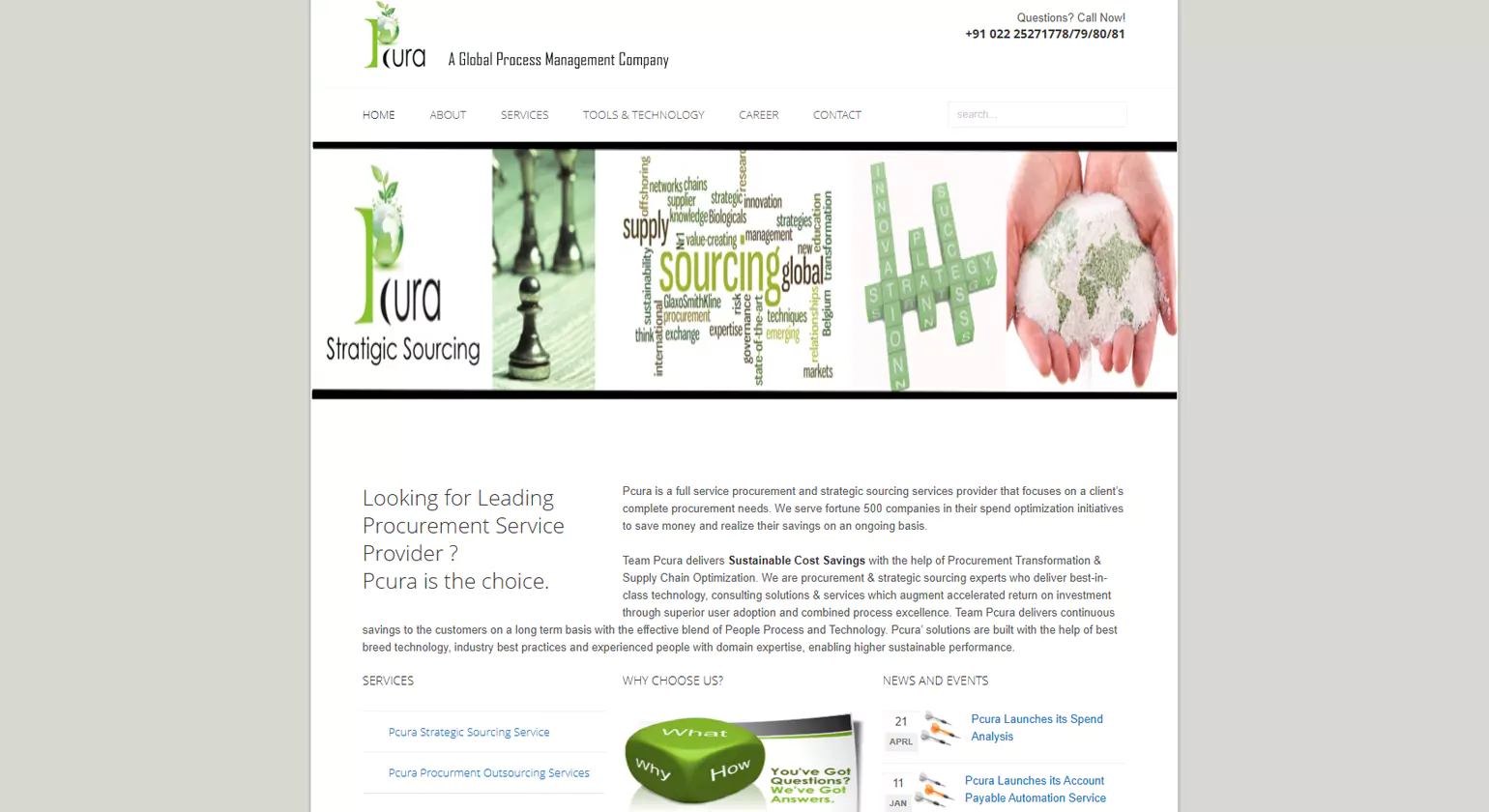
Pcura is a leading Best procurement services and solutions provider, dedicated to transforming how businesses manage sourcing, purchasing, and supplier relationships. With a focus on innovation, efficiency, and transparency, Pcura offers comprehensive procurement outsourcing services tailored to the specific needs of mid-sized and large enterprises across various industries.
At the core of Pcura’s offerings is its advanced procurement platform, which integrates AI, automation, and real-time analytics to streamline procurement processes from supplier discovery to payment. Their end-to-end services include strategic sourcing, purchase order management, contract negotiation, spend analysis, and supplier performance monitoring.
Pcura stands out for its client-centric approach, combining deep market intelligence with agile execution to deliver measurable cost savings, improved compliance, and enhanced supply chain resilience. Their team of procurement experts collaborates closely with clients to align procurement strategies with broader business objectives, enabling organizations to focus on their core competencies while Pcura manages the complexities of procurement operations outsourcing.
10. SYNNEX
SYNNEX Corporation is a leading global business process services company, specializing in IT distribution, logistics, and supply chain solutions. Founded in 1980 and headquartered in Fremont, California, SYNNEX partners with some of the world’s top technology manufacturers to deliver a broad portfolio of IT products and services to resellers, system integrators, and original equipment manufacturers (OEMs).
The company operates through two primary business segments: Technology Solutions and Concentrix, the latter providing customer engagement and business process outsourcing (BPO) services (now spun off as a separate entity). SYNNEX’s Technology Solutions arm offers services such as product procurement, logistics management, configuration, installation, and after-sales support—serving verticals like healthcare, education, government, and retail.
With a strong global presence, SYNNEX maintains a robust distribution infrastructure across North America, Asia-Pacific, and Latin America. Its ability to streamline complex supply chains, manage multi-vendor solutions, and provide tailored services makes it a key player in the IT distribution space.
8 Types of Procurement Outsourcing Services

Procurement outsourcing services are categorized based on the scope and focus of activities delegated to external providers. Businesses typically choose specific types of procurement outsourcing based on their goals, such as cost savings, operational efficiency, or strategic alignment. Moreover, selecting the right outsourcing approach ensures better resource utilization and long-term success. Procurement outsourcing providers play a crucial role in delivering these services, tailoring solutions to meet unique business needs.
1. Strategic Sourcing
Strategic sourcing is a critical component of procurement outsourcing companies, focusing on identifying and selecting suppliers who provide the best value in terms of cost, quality, and reliability. The process involves analyzing an organization’s spend data, understanding market trends, and assessing supplier capabilities to develop long-term sourcing strategies. Outsourcing providers bring specialized market knowledge and advanced tools to conduct thorough supplier evaluations, competitive bidding, and negotiation processes. This helps companies secure favorable terms, reduce risk, and foster innovation through supplier collaboration.
2. Category Management
Category management involves managing procurement within specific spend categories, such as raw materials, IT equipment, or professional services. Outsourcing providers develop tailored category strategies based on market intelligence, demand forecasting, and supplier performance data. They handle supplier segmentation, contract negotiation, and ongoing supplier relationship management to maximize value and minimize costs. This focused approach allows companies to optimize procurement spend on a granular level, aligning purchases with business objectives.
3. Procure-to-Pay (P2P) Process Outsourcing
P2P outsourcing covers the entire procurement cycle from purchase requisition through invoice processing and payment. This includes issuing purchase orders, managing approvals, receiving goods or services, and processing invoices for payment. Outsourcing providers implement standardized workflows and automation technologies, such as e-procurement platforms and robotic process automation (RPA), to improve accuracy, reduce cycle times, and enforce compliance. This service frees up internal resources, reduces manual errors, and enhances visibility into procurement spend.
4. Supplier Management
Effective supplier management is essential to maintaining a healthy supply chain. Procurement outsourcing services in this area include supplier onboarding, ensuring that new vendors meet compliance standards, and ongoing performance monitoring through key performance indicators (KPIs). Providers also conduct risk assessments to identify and mitigate potential supplier disruptions, manage disputes, and facilitate continuous improvement initiatives. Robust supplier management helps improve quality, reliability, and overall supplier collaboration.
5. Contract Management
Contract management outsourcing covers the full lifecycle of procurement contracts—from drafting and negotiation to storage and compliance monitoring. Providers use contract management software to centralize contract documentation, automate renewal reminders, and track key obligations. This reduces the risk of non-compliance and missed deadlines, ensures that contract terms are adhered to, and supports audit readiness. Effective contract management also aids in capturing and realizing savings commitments.
6. Procurement Analytics and Reporting
Data-driven decision-making is increasingly vital in procurement. Outsourced procurement outsourcing services analyze purchasing data to identify savings opportunities, supplier performance trends, and compliance gaps. Advanced analytics tools use dashboards and predictive modeling to provide actionable insights, enabling procurement leaders to optimize sourcing strategies and improve budget forecasting. By leveraging analytics, organizations can move from reactive to proactive procurement management.
7. Indirect Procurement Outsourcing
Indirect procurement involves purchasing goods and services that are not directly incorporated into the final product, such as office supplies, travel marketing services, and IT support. These spend areas are often fragmented and unmanaged, leading to inefficiencies and unnecessary costs. Outsourcing providers specialize in consolidating indirect spend, negotiating with multiple suppliers, and implementing controls to reduce maverick spending. This improves cost visibility and drives savings in non-core categories.
8. Full Procurement Transformation
Full procurement transformation is a comprehensive outsourcing model where the service provider assumes responsibility for the entire procurement function. This end-to-end procurement outsourcing service integrates strategic sourcing, category management, P2P, supplier and contract management, and analytics under a unified framework. The goal is to elevate procurement from a transactional activity to a strategic partner aligned with overall business objectives. Providers implement process improvements, technology adoption, and change management initiatives to increase procurement agility, reduce costs, and enhance supplier innovation through advanced procurement operations services.
What is the procurement outsourcing process?

Procurement and outsourcing offer businesses significant benefits, from cost savings to improved efficiency, but they also bring certain risks that require careful management. One key challenge is the potential loss of control over procurement processes, which may lead to inefficiencies if oversight is weak. Additionally, relying on third-party providers can sometimes create communication gaps, resulting in delays or misunderstandings. To overcome these risks, leading procurement outsourcing services follow a structured process that ensures transparency, alignment with business goals, and measurable value creation.
1. Comprehensive Needs Assessment and Strategy
The process begins with an in-depth evaluation of the client’s existing procurement operations, including spend categories, supplier relationships, and business objectives. This involves spend analysis, process audits, and stakeholder interviews to identify inefficiencies, risks, and opportunities. Based on these insights, the provider designs a tailored outsourcing strategy that aligns with compliance standards, financial objectives, and broader corporate priorities such as sustainability and digital transformation.
2. Strategic Supplier Sourcing and Market Intelligence
Outsourced procurement teams leverage global supplier networks and advanced market intelligence tools to discover, assess, and qualify suppliers. They evaluate supplier capabilities, personal financial stability, compliance with regulations, and sustainability practices. Data-driven analysis and benchmarking enable providers to negotiate competitive contracts, optimize pricing, and identify innovative suppliers who deliver added value, such as faster lead times or eco-friendly materials.
3. Purchase Order and Transaction Management
The outsourcing partner manages purchase order creation, approval workflows, order placement, shipment tracking, and invoice reconciliation. By automating and centralizing these tasks, they minimize errors, accelerate procurement cycles, and ensure strict adherence to company policies and budgets. This streamlined approach not only improves efficiency but also enhances transparency through real-time order tracking and detailed audit trails.
4. Contract Management and Supplier Relationship Building
Effective contract management is central to mitigating risks and ensuring compliance. Providers monitor key contract milestones such as renewals, price reviews, and compliance audits. They also track supplier performance using KPIs and scorecards, addressing issues before they escalate. By leveraging procurement outsourcing services and building strong, collaborative supplier relationships, providers foster innovation, drive continuous improvement, and secure better long-term terms for the business.
5. Advanced Spend Analytics and Cost Optimization
Using advanced analytics platforms, providers continuously monitor procurement and outsourcing data to identify spending patterns, reduce maverick spend, and consolidate supplier bases. These insights support cost-saving initiatives like demand management and process standardization. Detailed dashboards and reports give clients visibility into procurement ROI, enabling data-driven decisions that align with strategic financial goals.
6. Process Automation and System Integration
Top procurement outsourcing firms implement cloud-based platforms that integrate seamlessly with the client’s ERP and financial systems. Automation streamlines repetitive tasks such as requisition approvals and invoice matching, while enhancing communication between procurement teams, suppliers, and stakeholders. This reduces cycle times, improves accuracy, and provides the scalability needed to support business expansion into new markets.
7. Continuous Improvement and Agile Adaptation
Procurement outsourcing is not a one-time initiative—it is an evolving process. Providers embed continuous improvement frameworks that include regular performance reviews, benchmarking, and client feedback loops. This agile approach ensures end to end procurement services and strategies adapt to shifting market conditions, regulatory updates, and emerging technologies, consistently delivering greater efficiency, risk reduction, and long-term value.
Best Practices for Procurement Outsourcing Services

Procurement outsourcing services offer businesses a strategic approach to managing procurement tasks, from strategic sourcing outsourcing to supplier management with support from indirect procurement bpo consultants. However, to maximize the benefits of procurement outsourcing, organizations must adopt best practices that ensure efficiency, cost savings, and alignment with business objectives. Here are the key best practices for effective procurement outsourcing services:
1. Define Clear Objectives and Scope
Before outsourcing, it is essential to clearly define the objectives and scope of the Top procurement services. To begin with, companies should identify specific goals, such as cost reduction, efficiency improvement, or supplier diversification, as this helps streamline the process. Furthermore, establishing well-defined deliverables and performance metrics not only ensures alignment between the organization and the outsourcing partner but also enhances accountability and success.
2. Choose the Right Partner
Selecting the right outsourcing provider is critical for success. Evaluate potential partners based on their expertise, industry experience, technological capabilities, and track record. Ensure that they have a robust supplier network, a deep understanding of your industry, and the ability to scale their services to meet your business needs.
3. Develop a Comprehensive Contract
A well-structured contract is essential for a successful outsourcing relationship. Clearly outline roles, responsibilities, service level agreements (SLAs), performance metrics, and escalation procedures. Ensure the contract includes provisions for regular reviews and the flexibility to adjust the terms as business needs evolve.
4. Prioritize Data Quality and Integration
Procurement outsourcing providers relies heavily on accurate and consistent data. Ensure that your internal systems are integrated with the outsourcing partner’s tools to enable seamless data sharing and analysis. Establish data governance policies to maintain the quality and integrity of procurement and outsourcing-related information.
5. Foster Collaboration and Communication
Strong communication between your organization and the outsourcing provider is essential. Regular updates, meetings, and status reports help ensure that both parties are on the same page. Foster a collaborative relationship where feedback is encouraged, and both sides work together to resolve challenges quickly.
6. Leverage Technology and Analytics
outsourced procurement services often use advanced procurement technologies, such as automation tools and analytics platforms. Take advantage of these tools to streamline processes, enhance visibility into procurement activities, and generate actionable insights. Real-time analytics can help monitor performance, track savings, and identify areas for improvement.
7. Focus on Risk Management
Procurement outsourcing Services involve sharing sensitive business data and relying on external partners. Mitigate risks by choosing providers with robust security measures and a strong track record in regulatory compliance. Conduct regular audits and establish contingency plans to address potential supply chain disruptions or data breaches.
8. Measure and Optimize Performance
Continuously monitor the performance of your outsourcing partner using predefined KPIs, such as cost savings, supplier performance, and contract compliance. Conduct regular reviews to assess whether the outsourcing arrangement is meeting your objectives. Use the insights gained to refine processes and improve outcomes.
9. Maintain Flexibility
Business needs can evolve over time, and your outsourcing arrangement should adapt accordingly. Ensure that your contract allows for flexibility in terms of scope, pricing, and service levels. This ensures that the partnership remains beneficial even as your organization grows or market conditions change.
How to Choose the Right Procurement Outsourcing Partner

Choosing the right procurement outsourcing provider is critical to streamlining operations, reducing costs, and improving supplier relationships.
1. Define Your Objectives and Scope
Before evaluating potential partners, clearly articulate your business goals for outsourcing procurement. Are you aiming primarily to reduce costs, improve process efficiency, gain access to specialized expertise, or accelerate digital transformation? Additionally, define the scope—whether you need support for indirect procurement, strategic sourcing, supplier management, or procurement outsourcing services. This clarity ensures you select a partner whose capabilities align precisely with your needs and helps avoid scope creep and mismatched expectations.
2. Evaluate Industry Experience and Expertise
Industry-specific knowledge is crucial because procurement requirements can vary widely across sectors due to regulatory compliance, supplier ecosystems, and demand cycles. A partner with extensive experience in your industry understands these nuances and can anticipate challenges, implement best practices, and leverage industry benchmarks to drive better outcomes. Their domain expertise in sourcing support outsourcing also enables faster onboarding and reduced learning curves.
3. Assess Technological Capabilities
The right procurement partner should deploy advanced technology platforms that support data-driven decision-making, such as spend analytics, supplier performance management, and contract lifecycle management tools. Moreover, these platforms should integrate seamlessly with strategic sourcing outsourcing and procurement operations services to ensure data consistency, automate workflows, and provide real-time visibility into procurement activities—critical for transparency and control.
4. Review Supplier Network and Global Reach
A broad, diversified supplier base empowers the outsourcing partner to negotiate competitive prices and provide sourcing flexibility. For companies operating internationally, it is vital that the partner has established supplier relationships and logistical capabilities across relevant geographies to manage risks related to supply chain disruptions, tariffs, and local regulations.
5. Examine Governance, Compliance, and Risk Management
Procurement outsourcing strategies involve sensitive data and contractual commitments, so robust governance and compliance frameworks are essential. Ensure the partner has clear policies to enforce ethical sourcing, data security, regulatory compliance, and supplier risk management. This reduces your exposure to reputational and operational risks while ensuring contractual obligations are met.
6. Check References and Case Studies
Request detailed client references and success stories to evaluate how the partner has performed in real-world scenarios, particularly with companies of similar size or industry. Look for evidence of tangible benefits, such as cost savings, process improvements, or enhanced supplier collaboration. This due diligence helps validate claims and provides insights into the partner’s operational approach and reliability.
Everything You Should Know About Outsourcing Procurement

Outsourcing procurement strategy involves entrusting the development and execution of procurement functions to specialized external partners. Unlike tactical outsourcing, which focuses on day-to-day transactions or operational tasks, strategic procurement outsourcing addresses higher-level functions such as supplier relationship management, category management, risk mitigation, and long-term value creation while leveraging end-to-end procurement outsourcing and advanced procurement operations services.
A successful outsourced procurement strategy starts with a detailed assessment of an organization’s purchasing patterns, business objectives, and market environment. Based on this analysis, the outsourcing partner designs a tailored procurement roadmap aligned with overall business goals whether that’s cost optimization, innovation, sustainability, or scalability.
One of the major advantages of procurement outsourcing services is access to best practices, advanced analytics, and deep market intelligence. With cross-industry expertise, providers help companies strengthen supplier portfolios, secure favorable contracts, and uncover hidden value in the supply chain. They also play a crucial role in risk management by ensuring compliance, monitoring supplier performance, and driving diversification strategies.
Flexibility is another strength of this model. Organizations can outsource specific categories, such as indirect spend, or hand over the entire strategic procurement function, depending on internal capacity and priorities. This approach to sourcing support outsourcing allows businesses to scale services according to their needs. To ensure accountability, Service Level Agreements (SLAs) are essential. These should outline measurable KPIs, clear timelines, and penalties for underperformance. A well-structured SLA establishes transparency and provides a solid framework for evaluating the outsourcing partner’s effectiveness.
Challenges of Procurement Outsourcing

Procurement outsourcing services are continually evolving, shaped by technological innovations, sustainability initiatives, and the need for strategic cost optimization. However, organizations often encounter several challenges that must be addressed to ensure success.
1. Communication Gaps
Poor communication is one of the most common barriers to project and organizational success, often leading to misunderstandings, duplicated work, and missed deadlines. To overcome this, organizations must establish clear communication protocols from the outset, including defined roles, responsibilities, and preferred channels. Leveraging modern collaboration tools such as project management platforms, instant messaging, and video conferencing improves transparency and real-time interaction. Fostering a culture of open feedback further strengthens trust and enables early issue resolution.
2. Resistance to Change
Adopting new processes or technologies often faces resistance, slowing down progress. Implementing a structured change management framework can ease this transition. Key steps include educating employees about the reasons for change, clearly communicating its benefits, and offering comprehensive training and support. Engaging stakeholders early, addressing their concerns, and involving them in decision-making helps build ownership, reduces pushback, and encourages smoother adoption.
3. Resource Constraints
Limited budgets, skilled talent shortages, or time restrictions can hinder procurement outsourcing initiatives. Organizations can manage these challenges by prioritizing high-impact tasks, adopting agile methodologies for incremental delivery, and outsourcing specialized or routine functions. Accurate forecasting, combined with risk mitigation planning, enables teams to anticipate potential shortages and adjust resources effectively when unexpected challenges arise.
4. Lack of Clear Goals
Unclear or unrealistic objectives often result in confusion and misaligned efforts. In procurement outsourcing services, defining SMART (Specific, Measurable, Achievable, Relevant, and Time-bound) goals provides direction and ensures measurable outcomes. Regular reviews of these goals with the team help track progress, adjust strategies when necessary, and keep stakeholders aligned with the desired objectives.
5. Managing Risks and Uncertainty
Procurement outsourcing projects are vulnerable to risks such as market volatility, regulatory changes, or supply chain disruptions. Conducting thorough risk assessments and scenario planning allows organizations to identify potential vulnerabilities early. Developing contingency strategies and maintaining flexibility ensure faster adaptation, helping minimize the impact of unforeseen disruptions and safeguarding project success.
Procurement Outsourcing vs. In-House Procurement

1. Cost Efficiency
Outsourcing
Procurement outsourcing services can significantly reduce costs by leveraging the provider’s established supplier relationships, bulk buying power, and economies of scale. Service providers spread their operational costs across multiple clients, allowing smaller companies to access premium top procurement services without the burden of maintaining a large in-house team. Outsourcing converts fixed expenses (such as salaries and infrastructure) into variable costs, offering financial flexibility.
In-House
Maintaining an internal procurement team requires ongoing expenses like salaries, benefits, training, and technology investments. Smaller organizations may find it difficult to justify these fixed costs, especially if procurement volumes fluctuate. Without scale, internal teams might face higher unit costs and inefficiencies.
2. Expertise and Technology
Outsourcing
External providers bring specialized procurement expertise, deep industry knowledge, and access to cutting-edge technology platforms—such as e-procurement tools, spend analytics, and supplier management systems—that may be prohibitively expensive for individual firms to develop and maintain. These providers stay updated on market trends, regulatory changes, and best practices, delivering continuous value improvements.
In-House
Internal teams may lack exposure to broad market intelligence and advanced tools, especially in rapidly evolving industries. Building such expertise requires continuous investment in staff development and technology upgrades, which can be time-consuming and costly.
3. Control and Flexibility
Outsourcing
Outsourcing introduces a degree of control trade-off, as companies rely on third parties to manage critical procurement processes. However, well-structured contracts with clear Service Level Agreements (SLAs) and governance frameworks help maintain oversight and accountability. Some organizations may find this arrangement challenging if tight internal control or frequent adjustments are required.
In-House
Provides full control over procurement strategy outsourcing, supplier selection, and process customization. This close alignment with company culture and business priorities allows rapid responses to changing needs and closer relationship management.
4. Risk Management
Outsourcing
Providers typically implement robust risk mitigation strategies, including supplier audits, compliance checks, and data security measures. However, outsourcing can introduce risks such as over-dependence on external vendors and reduced internal visibility. Careful partner selection and contractual safeguards are essential.
In-House
Direct control enables tailored risk management aligned with corporate policies, but internal teams may lack the resources or expertise to effectively manage complex regulatory or supply chain risks without significant investment.
Top Procurement Outsourcing Trends to Watch in 2025

As businesses continue to navigate global supply chain complexities and economic pressures, procurement outsourcing is evolving into a key strategy for improving efficiency, reducing costs, and gaining access to specialized expertise. In 2025, several emerging trends are expected to reshape how companies approach procurement outsourcing Strategies. Here’s what to watch for:
1. Strategic Procurement as a Service (PaaS)
In 2025, more organizations will move beyond traditional outsourcing to adopt Procurement as a Service (PaaS). This model allows companies to outsource not just operational tasks but also strategic procurement functions such as supplier relationship management, spend analytics, and risk assessment—powered by expert third-party providers.
2. AI and Automation Integration
Artificial intelligence and robotic process automation (RPA) will play a bigger role in outsourced procurement. From automating purchase orders and invoice processing to predictive spend analysis, these technologies enhance speed, reduce human error, and enable real-time decision-making. Smart procurement outsourcing firms are integrating these tools to deliver faster, data-driven results.
3. Focus on ESG and Sustainable Sourcing
Sustainability is no longer optional. In 2025, companies will demand that procurement outsourcing partners align with Environmental, Social, and Governance (ESG) standards. This includes ethical sourcing, carbon footprint tracking, and supplier diversity—making sustainability a critical factor in vendor selection and contract compliance.
4. Rise of Specialized Niche Providers
Rather than relying solely on large outsourcing firms, businesses are turning to niche procurement providers who offer deep expertise in specific industries or categories. These specialized vendors can provide better insights, quicker adaptation to market trends, and more customized services.
5. Enhanced Risk Management and Supply Chain Resilience
With global disruptions becoming the norm, outsourcing in procurement 2025 will focus heavily on supply chain risk mitigation. Outsourcing partners will use data analytics and scenario planning to proactively address potential supply chain bottlenecks, compliance issues, and geopolitical risks.
Conclusion
Procurement outsourcing services offer organizations a strategic way to enhance efficiency, reduce costs, and access specialized expertise. By delegating procurement functions to experienced external providers, businesses can streamline sourcing, supplier management, and contract negotiations while leveraging advanced technologies and market insights. This approach allows companies to focus on their core operations, improve compliance, and accelerate procurement cycles. Moreover, outsourcing provides scalability and flexibility to adapt quickly to changing market conditions without the burden of maintaining large in-house teams.
While there are challenges such as managing control and vendor dependency, well-structured contracts and governance frameworks help mitigate these risks. Overall, outsource procurement services are an effective solution for businesses seeking to optimize their supply chain, drive innovation, and maintain competitive advantage in a dynamic global marketplace.
Know More >>>> Top Creative Branding Services to Build Your Brand Identity
>>>> Top Ecommerce Merchant Services Guide for Seamless Transactions
FAQs
1. What are procurement outsourcing services?
Procurement outsourcing services involve hiring external experts to manage purchasing activities like sourcing, supplier negotiation, and contract management. This helps companies reduce costs, improve efficiency, and access specialized skills and technology without maintaining a full in-house team, enabling better focus on core business operations.
2. What are the key benefits of procurement outsourcing?
Key benefits include cost savings, access to expert procurement professionals, improved supplier relationships, faster procurement cycles, and enhanced use of technology. Outsourcing also offers scalability, risk reduction, and frees internal teams to focus on strategic initiatives, making procurement more efficient and aligned with business goals.
3. Which procurement functions can be outsourced?
Commonly outsourced procurement functions include supplier sourcing and evaluation, purchase order processing, contract negotiation and management, spend analysis, supplier performance monitoring, and procurement strategy outsourcing development. Outsourcing can cover either specific tasks or the entire procurement process, depending on the organization’s needs.
4. How do companies maintain control when outsourcing procurement?
Companies maintain control by establishing clear contracts and Service Level Agreements (SLAs), regularly monitoring provider performance, and setting communication protocols. Strong governance frameworks and transparent reporting ensure alignment with business objectives, mitigating risks and maintaining oversight throughout the outsourcing partnership.
5. Is procurement outsourcing suitable for all businesses?
Procurement outsourcing suits businesses aiming to reduce costs, gain procurement expertise, and improve efficiency. While ideal for companies with fluctuating demand or limited internal resources, its suitability depends on the organization’s size, complexity, and control requirements. Many opt for hybrid models balancing in-house and outsourced functions.