Table of Contents
Key Takewayes
Supply chain outsourcing transforms business operations through strategic partnerships and technology integration:
- Understanding Basics: Define objectives, evaluate insourcing vs. outsourcing, and identify which functions to delegate for maximum impact
- Cost Benefits: Achieve 20-30% cost reductions through specialized outsourcing supply chain services while accessing global expertise and scalable solutions
- Risk Management: Mitigate control loss, quality issues, and compliance risks with proper vendor evaluation and comprehensive contracts
- Partner Selection: Choose providers based on technology capabilities, industry experience, financial stability, and proven track records
- Global Strategy: Navigate regional differences, compliance requirements, and cultural considerations when outsourcing supply chain management internationally
- Future Trends: Leverage AI, IoT, blockchain, and predictive analytics for competitive advantage through 2030
- Implementation Success: Focus on clear SLAs, performance metrics, seamless integration, and continuous improvement
Understanding Supply Chain Outsourcing in 2026

Outsourcing the supply chain involves working in partnership with specialized third-party companies to manage supply chain activities, including warehousing, transportation, and inventory management. Rather than employing internal staff, companies outsource the supply chain to experts who already have the necessary infrastructure and technology in place.
What Is Supply Chain Outsourcing & How It Works
The process operates on the basis of strategic partnerships, in which the service providers take care of the procurement, order fulfillment, and/or the entire end-to-end logistics. By leveraging the economies of scale and the knowledge that the service providers have, they can provide the service more efficiently than the companies themselves can.
Insourcing vs. Outsourcing: Which Is Right for Your Business?
Insourcing provides you with total control and excels when logistics are your primary competitive advantage. Outsourcing your supply chain works when you require specialized expertise, wish to reduce capital expenditure, or require rapid scalability without additional infrastructure.
Types of Supply Chain Functions You Can Outsource
The modern-day meaning of the outsourcing of the supply chain is the efficient movement of the goods, the warehouse management, and the outsourcing of the planning aspect to forecast the demand. It also includes the procurement activities like the management of the supplier relationships and the reverse logistics.
When to Outsource (and When NOT to)
Outsource when you need expert technology, when demand is unpredictable and difficult to forecast, or when you need to quickly enter new markets. Do not outsource when your business requires proprietary processes that provide you with a competitive advantage or requires constant real-time modifications.
Current Trends Shaping Supply Chain Outsourcing in 2026
AI-based predictive analytics now guide the outsourcing of supply chain management services by enabling predictions for possible disruptions. Blockchain technology provides transparent traceability. Micro-fulfillment centers minimize delivery times. These technologies have never made outsourcing supply chain services more effective and valuable. Implementing automated warehouse solutions can further streamline storage and retrieval processes, boosting operational speed and accuracy.
Strategic Benefits & Cost Optimization
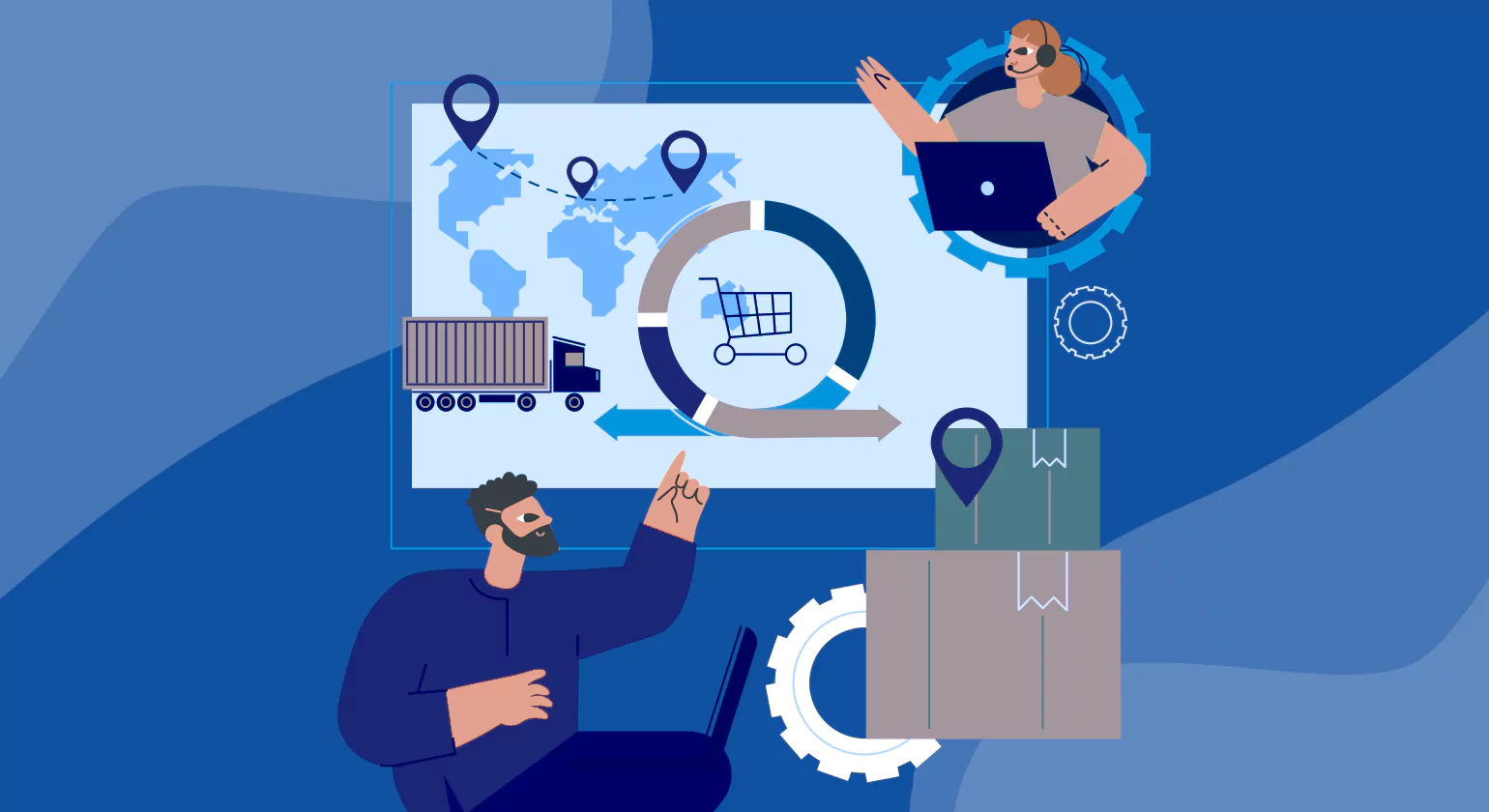
Outsourcing the supply chain can produce actual returns in the form of cost savings and the efficiency of the operation. Understanding the actual and hidden costs of outsourcing the supply chain management activities will allow companies to make a confident decision.
How Supply Chain Outsourcing Reduces Operational Costs
Outsourcing your supply chain services means that you will no longer need to own a warehouse, a transportation fleet, or specialized staff. Cost savings are realized by the providers, who can service multiple customers and thereby drive down the cost of servicing a single customer by 20-30%. You will not need to invest in technology solutions such as WMS and TMS, as they will already be in place with the supplier.
Hidden Costs & Total Cost of Ownership Analysis
In addition to provider charges, supply chain outsourcing strategy comprises of transition costs, employee training and system integration costs. Resources are needed in contract management, quality audits and performance monitoring. Divide sum of cost of ownership to include all service charges, integration of new tech, likelihood of fines in case of failure to meet SLA, and overhead in managing internal overheads before making the commitment.
Improving Business Strategy & Long-Term Planning
Supply chain planning can be outsourced to enable the leaders to concentrate on the main business expansion. As logistics specialists manage the complexity of operations, your team focuses resources on product development, market expansion, and customer relationships. Better forecasting and strategic decisions are made with data insights provided by the providers to ensure sustainable competitive advantage.
Access to Specialized Expertise & Technology
Outsourcing the supply chain management offers direct entry to the logistics specialists and the latest technology. The providers spend millions in AI-based analytics, IoT monitoring, and automation that are out of reach of individual companies. You outsource their regulatory compliance, international shipping and best practices without developing competencies internally.
Scalability & Flexibility Advantages
Supply chain outsourcing also allows the company to scale quickly during peak season without the requirement of permanent infrastructure. Manage seasonal demand resources effectively- peak season holidays, downsizing when demand is low. This flexibility allows market growth, introduction of new products, and business turnarounds without renegotiating long-term facility leases or employment of full-time employees.
Industry-Specific Benefits (Manufacturing, Retail, Healthcare, etc.)
Outsourced supply chain support helps manufacturers to reduce inventory costs and enhance just-in-time delivery. Customers have greater customer satisfaction as retailers are able to fulfill orders and returns faster. Medical professionals are also in charge of compliant management of sensitive products, having regulatory standards under specialized logistics skills.
Risks, Challenges & Mitigation Strategies

Although supply chain outsourcing can highly pay off, it is important to learn about the possible risks to succeed. Such decisions of having poor outsourcing supply chain management may create disruptions in operations, loss of money, and customer relationship damage. Risk management is a proactive strategy that cushions your business and reaps the benefits of outsourcing to the fullest.
Top 10 Risks of Supply Chain Outsourcing
The major risks entail the loss of control in operation, failure of quality, data breach, communication failure, vendor dependence, unseen costs, disruption of services, theft of intellectual property, contract infraction and nonconformance of regulations. Every risk needs to be mitigated through specific strategies according to your industry and supply chain outsourcing strategy.
Loss of Control & Quality Consistency Issues
Outsourcing the supply chain functions implies that one abandons direct control of key processes. Quality might not be in line with your internal standards, and the customer might be dissatisfied. In the absence of real-time visibility, it is hard to detect and fix any problems, which may negatively affect your brand image even before problems manifest themselves.
Data Security, Privacy & Compliance Risks
Outsourcing services providers who deal with sensitive information put your business in danger of breaches to data and privacy intrusions. The third-party systems might not have advanced security measures and you can be exposed to cyber attacks. Any regulation such as GDPR, HIPAA, or industry-specific pays get even more complicated when they are outsourced to the management of a supply chain across the borders.
Communication Barriers & Cultural Differences
Outsourcing in supply chain management activities can result in misunderstandings because of language differences and cultural variations in a global operation. Time zone differences hinder timely decision-making in critical situations, and differences in business styles create conflicting objectives. The lack of proper communication during a crisis situation is a major problem in supply chain management.
By Supply Chain logistics to specialized providers, businesses can take advantage of optimized transportation routes, bulk shipping, and established partnerships with carriers.
Dependency on Third-Party Providers
The high dependency on external sources for supply chain management outsourcing makes one vulnerable in the following ways: if your supplier is having financial problems, strikes, or operational problems, your business will be affected in its entirety.
Hidden Fees & Cost Overruns
Quotes for outsourced services in the supply chain often omit additional fees for storage overages, special handling, technology, and rush orders, etc., at the outset. When the scope of the project increases beyond the original, the exchange rate and fuel surcharges can quickly escalate the costs to far more than the original savings.
How to Mitigate Supply Chain Outsourcing Risks
Conduct thorough vetting before selecting partners. Establish performance parameters and conduct regular audits. Identify secondary partners to reduce dependency. Invest in technology that enables real-time monitoring of integrated partners. Include penalties for non-compliance in contracts. Perform scenario planning for any possible disruptions. Maintain contingency stocks.
Building a Risk Management Framework
Establish a clear framework for outsourcing in supply chain management. This is done by identifying all possible risks. We then assess the likelihood of the risks and the severity of the impact. Finally, we come up with mitigation strategies. Establish governance committees to review the performance of the providers on a monthly basis. Establish the escalation paths and the communication channels. Regular risk assessment to keep the strategy aligned to the risks.
Choosing the Right Outsourcing Partner & Implementation

The key to the long-term success of outsourcing the supply chain is the selection of the right partner. Careful evaluation of the vendors, contract building, and integration are the steps to successful outsourcing of the supply chain management, which will lead to the desired ROI.
Step-by-Step Partner Selection Process
Establish clear goals, qualify potential providers, request proposals, inspect their facilities, check their references, assess their financial condition, and compare their capabilities in terms of what they can deliver. Consider those that have a good track record in the industry and have the right technology to support your rollout.
Evaluating 3PL Providers: Essential Criteria
Consider their expertise in the industry, their geographic coverage, their technology capabilities, their financial condition, their scalability, their service quality, their compliance, and their insurance. Select those that meet your outsourcing supply chain requirements and your growth strategy.
Technology Integration Requirements (ERP, WMS, TMS)
Make sure your service provider’s WMS and TMS integrate seamlessly into your ERP system. Ask about API access, EDI, cloud-based tools, and mobile applications, as well as data security, to ensure a smooth outsourcing process.
Contract Negotiation & Service Level Agreements (SLAs)
Agree on the service levels, pricing model, termination, response times, and any penalty clauses. Also, include confidentiality agreements, force majeure, and annual contract reviews to protect both parties in the outsourcing contract.
Performance Metrics & KPIs to Track
Monitor the following critical metrics: order accuracy, aiming for 99.5 percent and above; order delivery in a timely manner; inventory accuracy; order cycle time; cost per order; customer satisfaction; warehouse productivity; returns handling speed; transportation costs; and safety incident rates.
Transition Planning & Change Management
Establish a detailed rollout plan, including transition teams, training, step-by-step data migration, early parallel operations, and a detailed description of changes. Develop processes, schedule regular meetings, and establish contingency plans to ensure a smooth transition.
Best Practices for Seamless Integration
Maintain open and transparent communication, establish a single point of contact, and share common dashboards and regular reviews. Foster a collaborative environment, invest in employee training, document processes, encourage a culture of continuous improvement, share performance indicators, and resolve problems immediately.
Hybrid Outsourcing Models (Partial vs. Full Outsourcing)
Outsourcing can be considered for only a portion of the work, a geographic hybrid approach for regional needs, a seasonal hybrid approach for peak periods, or a functional hybrid approach for strategic oversight.
Global Outsourcing Strategies & Regional Considerations

Managing international supply chain outsourcing requires getting a grip on regional dynamics, rules and regulations, and cultural issues. By strategically outsourcing and managing international supply chain outsourcing, you gain a competitive advantage by navigating currency exchange issues, rules and regulations, and geopolitical issues that affect global operations.
International Supply Chain Outsourcing Overview
Global outsourcing in supply chain operations helps in opening new markets, cutting costs, and leveraging expertise. Firms outsource their manufacturing, warehousing, and logistics to different parts of the world through strategic partnerships with service providers on different continents.
Outsourcing to Asia vs. Europe vs. Americas (Comparison)
Asia provides lower labor rates and manufacturing expertise, Europe delivers high quality and proximity to markets, while the American regions offer speed to market and cultural fit. In evaluating regions for supply chain services outsourcing, you should compare them based on costs, quality, speed to market, and business strategy.
Cross-Border Compliance & Regulatory Challenges
Navigate the complex rules and regulations related to customs regulations, licensing requirements for importing and exporting, product certifications, label requirements, and trade agreements. It is also important to ensure that your outsourcing partner for supply chain management is aligned with international standards to avoid penalties.
Currency Fluctuations & Geopolitical Risks
Also, monitor the impact of exchange rate volatility on costs, hedge when appropriate, expand the number of supplier locations, and have contingency plans in place. When building a supply chain outsourcing strategy, assess the political stability, trade regulations, sanctions, and regional conflicts to minimize the potential for disruptions.
Global Logistics Network Optimization
Developing a multi-node distribution network to balance cost and service level requirements. Optimizing where to hold inventory, which modes to use, consolidation points, and routes. Leveraging technology to gain real-time visibility into international outsourcing supply chain planning and overall performance.
Sustainability & Ethical Sourcing in Global Supply Chains
Establish and maintain programs to reduce carbon footprints, promote the use of renewable energy, reduce waste, and adhere to ethical work practices. In the process of outsourcing the brand’s supply chain operations, it is important to ensure that the suppliers adhere to environmental policies, human rights policies, and sustainability standards to enhance the brand’s reputation.
Managing Time Zones & Cultural Differences
Coordinate the overlapping work hours and establish around-the-clock communication channels. Provide cultural awareness training and respect the local way of doing business. Use collaboration tools to conduct video meetings and invest in relationship building to make outsourcing in global supply chain management effective.
Advanced Topics, Technology & Future Outlook
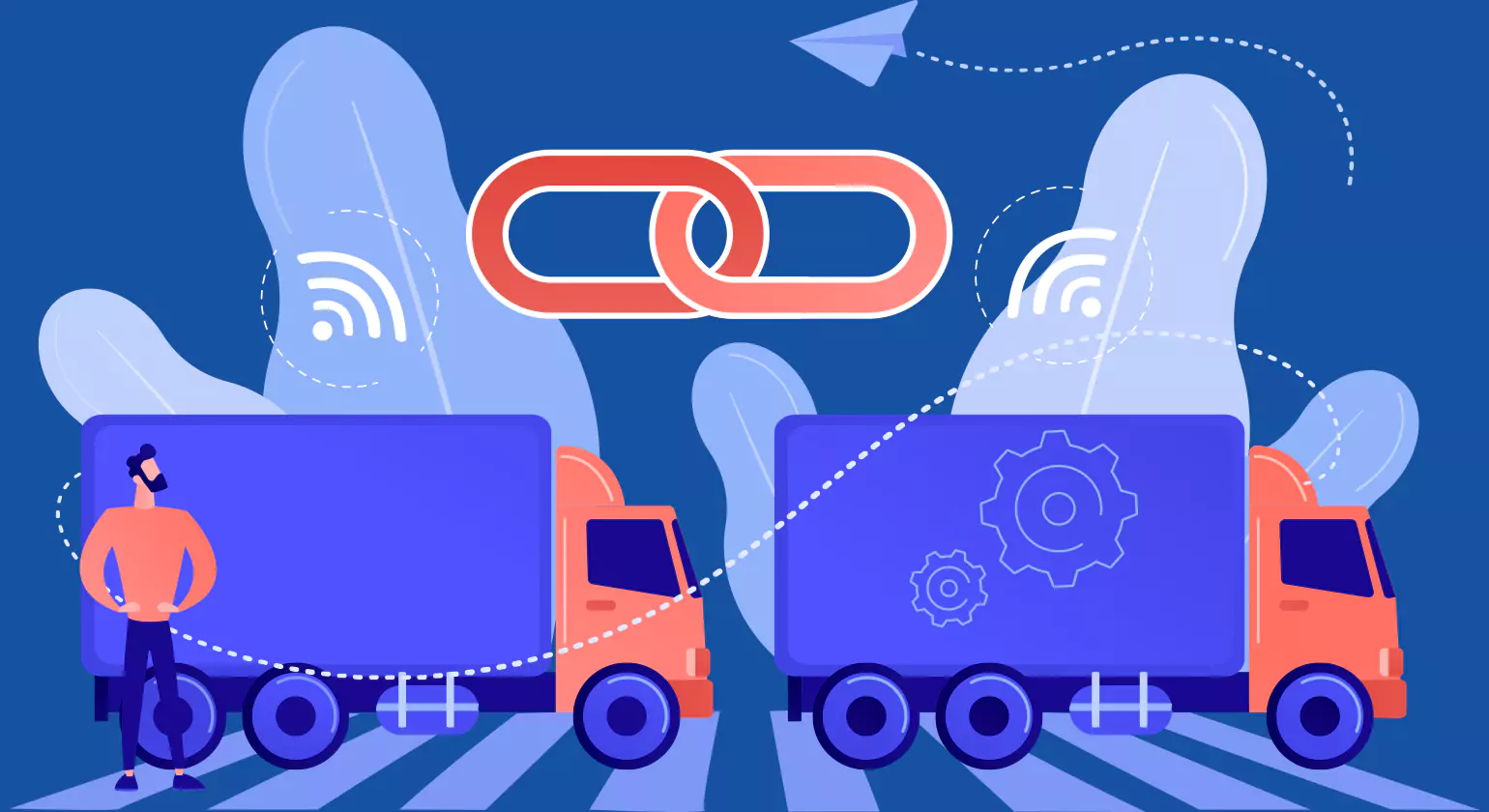
Technology plays a significant role in the outsourcing of the supply chain by relying on automation, predictive analysis, and real-time monitoring. To be competitive and resilient up to 2030, it is crucial to recognize emerging trends, develop robust contingency plans, and learn from case studies.
Technology Driving Supply Chain Outsourcing (AI, IoT, Blockchain)
AI improves route optimization and forecasting. IoT sensors enable real-time tracking and temperature verification. Blockchain provides transparent and tamper-proof transaction history. These technologies combined can significantly improve the efficiency and accuracy of outsourcing supply chain management.
Data Analytics & Real-Time Visibility Tools
Innovative analytics platforms provide insights into stock levels, demand patterns, and the performance of deliveries. Real-time dashboards track shipments, storage capacity, and order status. By leveraging these solutions, decision-making in outsourced supply chain service operations becomes seamless.
Disaster Recovery & Business Continuity Planning
Create backup supplier networks, alternative routes for transport, and additional locations for inventory. Develop communication plans for crises and conduct recovery plan tests. Effective planning can mitigate risks of disruption in supply chain management outsourcing relationships in times of crisis.
Exit Strategies: What If Outsourcing Doesn't Work?
Establish clear terms of termination and notice. Document all processes and anchor data ownership. Look for alternative sources of supply before you actually need them. Plan how knowledge will be transferred. A good exit strategy will protect your business if the outsourcing or supply relationship falls apart suddenly.
Case Studies: Real Success & Failure Stories
Success: Nike reduced logistics costs by 15% by forming effective 3PL relationships. Failure: Target’s Canadian expansion failed due to a lack of effective supply chain integration. Lessons can be learned from both success and failure in outsourcing within supply chain management.
Establish realistic expectations and Key Performance Indicators (KPIs) for the outsourced services. These KPIs should be measurable and tied to business goals. Regular monitoring and performance reviews can ensure that both parties are meeting agreed-upon objectives. Metrics such as on-time delivery, order accuracy, and inventory turnover can provide valuable insights into the success of the integration
Future of Supply Chain Outsourcing: Trends for 2026-2030
Expect more automation and greener and smarter logistics. Nearshoring and micro-fulfillment hubs will become integral components of the strategy. AI-powered predictive analytics, self-driving transport, and circular economy strategies are poised to disrupt the outsourcing of supply chain management. Ultimately, flexibility will be the major differentiator for future competitiveness.
FAQ & Common Misconceptions
- Myth: Outsourcing means losing control.
- Reality: Strategic partnerships enhance visibility.
- Myth: It’s only for large companies.
- Reality: Small businesses benefit significantly.
- Myth: It’s always cheaper. Reality: Total cost analysis determines value in outsourcing supply chain planning.
Conclusion
When you outsource your supply chain, you can achieve massive cost savings and optimize your supply chain operations. Choose the right outsourcing partner, limit risks, and leverage the latest technology to optimize logistics. Whether you are outsourcing supply chain management or developing a comprehensive supply chain outsourcing strategy, maintain clear goals, measurable KPIs, and a spirit of continuous improvement.
Releted Blogs >>> Best 10 Outsourced Accounting Services Firm for Businesses
FAQs
1.What is Supply Chain Outsourcing?
Supply chain involves hiring external companies to manage various aspects of a business’s supply chain, such as procurement, warehousing, and logistics. This strategy allows businesses to focus on core activities while leveraging the expertise of specialized providers to enhance efficiency and reduce costs
2.What are the benefits of outsourcing supply chain management?
Outsourcing supply chain management can lead to significant cost savings, improved operational efficiency, and access to advanced technologies. Companies can benefit from specialized expertise, enhanced flexibility, and the ability to scale operations according to demand fluctuations
3.What processes can be outsourced in supply chain management?
Businesses can outsource various supply chain processes, including logistics and transportation, inventory management, order fulfillment, and procurement. This flexibility allows companies to tailor their outsourcing strategy based on specific needs and goals
4.What challenges might arise from supply chain outsourcing?
While outsourcing offers many advantages, challenges include potential loss of control over processes, quality assurance issues, and reliance on external partners. Effective communication and supplier management are crucial to mitigate these risks and ensure smooth operations
5.How do I choose the right supply chain partner?
Selecting the right partner involves evaluating their experience, expertise in your industry, and ability to meet your specific needs. Look for providers with proven track records, client testimonials, and a robust infrastructure to support your supply chain operations effectively