Table of Contents
Introduction
Enterprise Process Management (EPM) is a strategic approach to optimizing business workflows, improving efficiency, and ensuring seamless operations across an organization. It focuses on aligning processes with business goals, enhancing collaboration, and leveraging technology to streamline operations.
By implementing EPM, businesses can reduce inefficiencies, cut costs, and improve overall productivity. It involves process automation, continuous monitoring, and data-driven decision-making to ensure agility and adaptability in a competitive market.
Modern EPM integrates methodologies like Business Process Management (BPM) and Lean Six Sigma, along with advanced tools such as AI-driven automation and real-time analytics. These innovations enable organizations to maintain operational excellence while responding quickly to market changes.
Whether in manufacturing, finance, healthcare, or IT, EPM helps businesses achieve scalability and sustainable growth. Adopting a structured process management approach leads to better resource utilization, improved customer satisfaction, and long-term success.
Why Does Your Business Need Process Management?
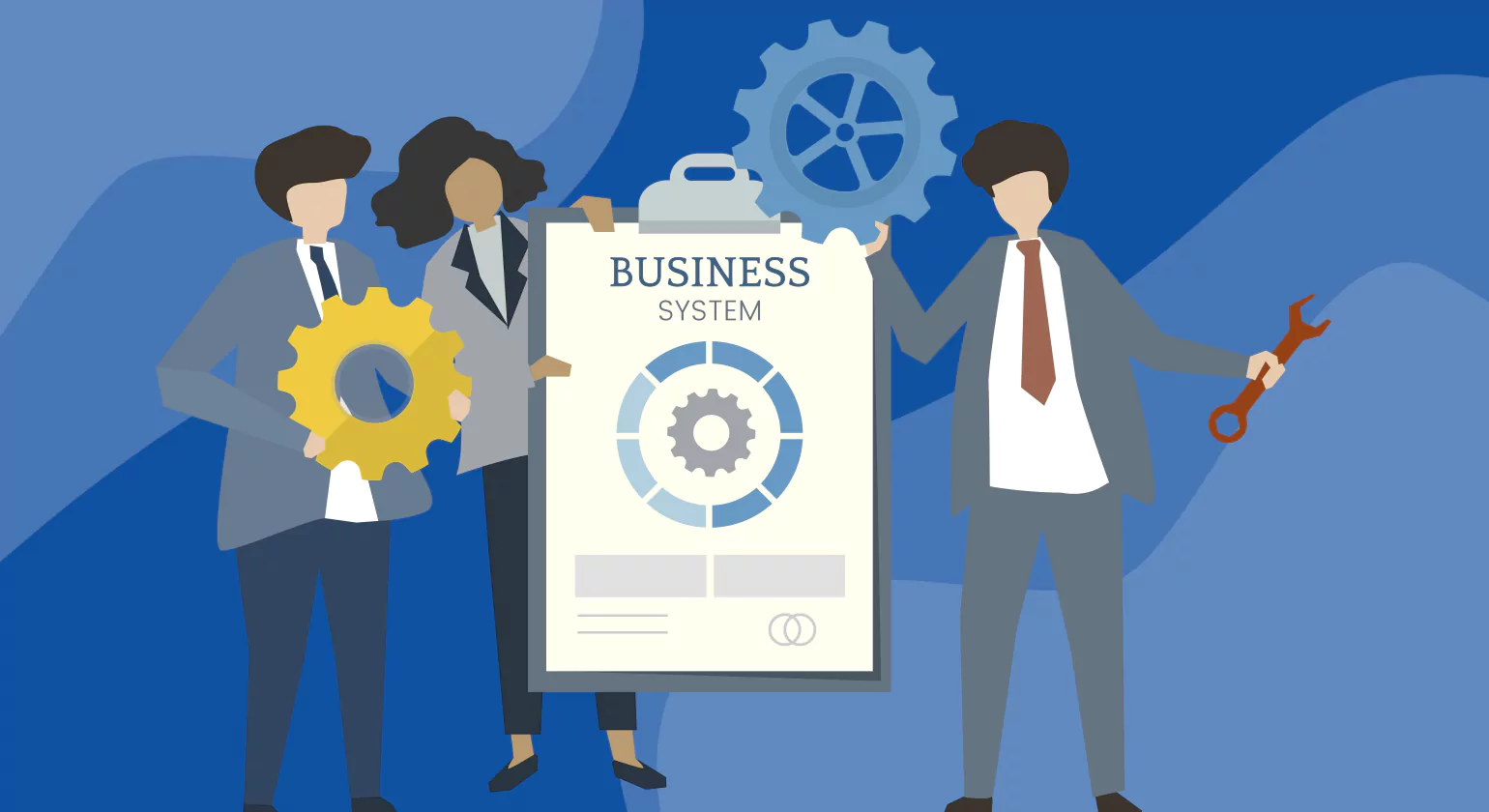
Enterprise Process Management is critical for businesses aiming to optimize operations, enhance productivity, and adapt to changing market demands. Without a formalized approach to managing processes, organizations can face inefficiencies, lack of coordination, and missed opportunities for improvement. Here’s why your business needs EPM
Increased Efficiency
EPM helps identify and eliminate redundant or ineffective processes, allowing for smoother operations and more effective use of resources. This streamlining enhances productivity, reduces operational costs, and supports better strategic decision-making.
Cost Reduction
By streamlining processes and eliminating inefficiencies, businesses can reduce operational costs and improve profitability. This also enhances productivity, optimizes resource allocation, minimizes waste, and accelerates decision-making for long-term sustainability.
Better Decision-Making
EPM provides clear data and insights, enabling informed decision-making and a proactive approach to problem-solving by identifying performance gaps, streamlining operations, aligning strategies, and driving continuous improvement across all business functions.
Consistency and Quality Control
With standardized processes, organizations can ensure consistent output and high-quality results across all departments. This approach minimizes errors, improves efficiency, streamlines collaboration, and fosters continuous improvement through measurable benchmarks and best practices.
Scalability and Flexibility
EPM systems enable businesses to scale their operations smoothly and adapt to market changes without disrupting overall performance by providing real-time insights, streamlining decision-making, and aligning strategic goals with execution across departments.
Competitive Advantage
A well-managed process system can give businesses the agility to innovate and respond to customer needs more effectively than their competitors, enabling faster decision-making, improved resource allocation, and enhanced customer satisfaction.
How Enterprise Process Management Can Set Your Business up for Success

Process Management (EPM) plays a pivotal role in setting your business up for long-term success by aligning your processes with organizational goals, optimizing operations, and driving efficiency. Here’s how EPM can provide the foundation for your success
Improved Operational Efficiency
EPM helps streamline workflows, minimize waste, and reduce redundancy, allowing your business to operate at its highest potential. This leads to faster decision-making and enhanced responsiveness to changes in the market
Better Alignment with Business Strategy
By focusing on key processes that drive value, EPM ensures that all business activities align with strategic objectives, contributing directly to organizational goals. This enhances your ability to meet customer demands and remain competitive.
Data-Driven Decision Making For Enterprise Process Management
EPM systems provide real-time data and analytics, which give insights into process performance and operational bottlenecks. Armed with this data, businesses can make informed decisions that improve efficiency, profitability, and customer satisfaction
Continuous Improvement
EPM enables businesses to continuously assess, analyze, and optimize their processes, fostering a culture of ongoing improvement. This helps your business adapt to new challenges, improve customer experience, and drive innovation
Risk Reduction and Compliance
A structured approach to process management helps identify and mitigate risks early, ensuring that your business complies with regulations, avoids costly mistakes, and manages potential disruptions effectively.
Enhanced Collaboration
EPM improves collaboration among teams by standardizing processes and creating clear communication channels. This leads to better teamwork, fewer misunderstandings, and faster project execution
Types of Enterprise Process Management Suitable for Your Business Growth

Process Management encompasses various methodologies and systems that can be tailored to your specific business needs. Understanding the different types of EPM approaches can help you choose the right one for your business growth
1. Business Process Management (BPM)
BPM focuses on optimizing and automating core business processes. It involves identifying process inefficiencies, redesigning workflows, and implementing automation to streamline operations. BPM is ideal for businesses looking to improve internal processes, enhance productivity, and reduce operational costs.
2. Lean Process Management
Lean management focuses on eliminating waste and inefficiencies from business processes. It emphasizes continuous improvement and delivering value to customers with fewer resources. This approach is beneficial for businesses aiming to cut costs while maintaining high-quality output and fast delivery
3. Six Sigma Process Management For Enterprise Process Management
Six Sigma focuses on reducing process variation and defects by using data-driven analysis. It uses a set of methodologies (such as DMAIC – Define, Measure, Analyze, Improve, Control) to improve process quality and consistency. Six Sigma is suited for businesses that need to improve precision, quality, and consistency in their processes.
4. Agile Process Management
Agile methodologies focus on flexibility, collaboration, and quick adaptation to change. It is typically used in project management but can also be applied to business processes to create more responsive and adaptive workflows. Agile is ideal for businesses that need to remain flexible in a rapidly changing environment, such as technology or product development companies
5. Total Quality Management (TQM)
TQM is a comprehensive approach to improving the quality of products and processes across an organization. It involves all employees in quality improvement initiatives and aims to foster a culture of continuous improvement. TQM is ideal for businesses focused on delivering high-quality products and services
6. Enterprise Resource Planning (ERP)
Enterprise BPM systems integrate and manage core business functions, including finance, supply chain, HR, and manufacturing. ERP systems enable businesses to streamline operations, automate processes, and achieve better coordination across departments. For businesses with complex operations, ERP is a powerful tool for process management.
7. Customer Relationship Management (CRM)
CRM systems manage interactions with customers and prospects to enhance customer satisfaction and loyalty. It automates customer service processes, marketing campaigns, and sales activities, making it easier for businesses to understand customer needs and improve their relationship management.
Features to Look for in Enterprise Process Management to Meet Your Goals

When selecting an Process Management (EPM) system for your business, it’s crucial to choose one that aligns with your specific goals. Here are the key features to look for in an EPM solution
Process Mapping and Modeling
A robust EPM tool should offer capabilities for process mapping and modeling, allowing you to visualize workflows, identify inefficiencies, and design optimized processes. This helps streamline operations and ensures better understanding across teams
Automation Capabilities
Automation is a critical feature for reducing manual tasks, improving efficiency, and minimizing errors. Look for EPM solutions that provide workflow automation, task assignment, and automatic tracking of process steps to speed up operations and reduce overhead
Real-Time Analytics and Reporting
Effective EPM solutions should offer real-time data analytics and reporting capabilities, giving you insights into process performance, bottlenecks, and areas for improvement. This enables data-driven decision-making and timely adjustments to keep processes on track
Collaboration Tools
Since modern Enterprise Process Management require teamwork across departments, your EPM solution should facilitate collaboration. Features like shared workspaces, communication tools, and document management will enhance team interaction, ensuring smooth execution of business processes
Integration Capabilities
The ability to integrate with existing enterprise business process management systems, such as CRM, ERP, and HR platforms, is essential for streamlining workflows and ensuring seamless data exchange between departments. Ensure the EPM solution you choose can easily integrate with your current software tools
Customization and Scalability
Your business may evolve, and your processes may change accordingly. Choose an Enterprise Process Management system that is flexible and scalable, allowing you to adapt workflows to your business needs and grow with your organization over time
Compliance and Risk Management Features
Compliance with industry regulations and risk management capabilities are crucial in maintaining operational standards and avoiding penalties. Look for an EPM system that helps manage compliance checks, document control, and provides tools for risk identification and mitigation.
User-Friendliness and Training Support
An intuitive, user-friendly interface ensures that employees can easily adopt the system. Additionally, having comprehensive training support will help your teams quickly learn how to use the system effectively, improving overall adoption and success
Continuous Improvement Tools
Continuous improvement is at the heart of Enterprise BPM. Features like performance dashboards, root cause analysis, and feedback loops will help identify inefficiencies and support ongoing refinement of processes.
Steps to Implement Process Management in Your Business

implementing Enterprise Process Management (EPM) within your business requires careful planning, collaboration, and structured execution. Below are the steps you can follow to implement EPM effectively
1. Define Your Business Objectives and Goals
Start by clearly defining the strategic goals your business aims to achieve through process management. Whether it’s improving efficiency, enhancing customer service, or reducing costs, having well-defined objectives will guide the entire implementation process.
2. Assess Current Processes
Conduct a thorough assessment of your existing business processes. Identify the key workflows, areas of inefficiency, bottlenecks, and gaps in your current system. This analysis will provide valuable insights into where EPM can add the most value.
3. Choose the Right EPM Solution
Select an EPM solution that aligns with your business needs and goals. Ensure the solution you choose includes the essential features like automation, analytics, integration capabilities, and scalability. Consider consulting with an EPM expert to ensure you choose the right platform
4. Map and Design New Processes
Once you have selected an EPM solution, work on mapping out and designing new or optimized processes. This is the stage where you can eliminate inefficiencies, re-engineer workflows, and set up automation. Ensure that these new processes align with your organizational goals and improve overall performance
5. Pilot the EPM System
Before rolling out the EPM solution across the entire organization, conduct a pilot test with a small group of users. This helps you identify potential issues, gather feedback, and make necessary adjustments to the system before a full-scale implementation.
6. Train Employees
Successful Enterprise Process Management implementation relies on employee buy-in and proper training. Provide comprehensive training to your teams to ensure they understand the new processes and how to use the EPM system effectively. Offer ongoing support to address any challenges they might face.
7. Integrate EPM with Existing Systems
Integration is a key step in ensuring the EPM system works seamlessly with other business systems like CRM, ERP, and HR management tools. This integration helps ensure smooth data flow across departments and eliminates silos, enabling better coordination and more efficient workflows.
8. Monitor and Analyze Performance
Once the EPM system is fully implemented, continuously monitor process performance using real-time analytics. Use the data collected to assess how well the new processes are working and identify areas for further improvement.
9. Iterate and Improve
Process Management is an ongoing process of refinement. Based on performance data, feedback, and changing business needs, continuously assess and refine your processes. Implement changes that further optimize workflows and improve outcomes, ensuring that your business remains agile and efficient
10. Scale and Expand
As your business grows, so should your processes. Ensure that your EPM solution is scalable and capable of handling the increased complexity and volume of operations. Continue to iterate on processes and adopt new technologies that will help your business stay competitive.
Optimize EPM and Process of Enterprise Risk Management

Optimizing the existing Process of Enterprise Risk Management is essential for improving performance and gaining a competitive edge in the market. Here’s how you can streamline and enhance your processes for better results
Conduct a Process Audit
Begin by auditing your current processes to identify inefficiencies, bottlenecks, and areas that can be improved. This audit helps you understand where your operations are falling short and where you can implement changes to enhance efficiency.
Standardize Best Practices
Standardizing processes ensures consistency and minimizes errors across different departments. Identify best practices within your organization and establish standardized procedures for each process. This helps streamline operations and ensures that all employees follow the most efficient and effective methods.
Automate Repetitive Tasks
Automation is one of the most powerful tools for improving performance. By automating repetitive, manual tasks (such as data entry or report generation), you reduce human error, free up resources, and speed up workflows. Implement automation software to manage routine tasks and workflows.
Leverage Data Analytics
Use data analytics to gain insights into how your processes are Enterprise Process Management performing. Monitor key performance indicators (KPIs), track process completion times, and analyze trends to spot areas for improvement. Data-driven decisions allow for continuous optimization and can provide real-time insights into performance gaps.
Continuous Improvement (Kaizen)
Adopt a continuous improvement mindset within your organization. This involves regularly reviewing and adjusting processes to ensure ongoing optimization. Tools like the PDCA (Plan-Do-Check-Act) cycle can help ensure that your processes are consistently refined to meet evolving business needs.
Empower Employees
Employees are often the best source of insights for improving processes. Encourage feedback from your team members, involve them in decision-making, and train them to identify areas where processes could be more efficient. When employees are engaged in optimizing processes, they take more ownership, leading to improved performance.
Reduce Process Variability
Process variability can lead to inconsistencies and inefficiencies. By reducing variability through standardized workflows and detailed documentation, you can improve predictability, reduce errors, and optimize process performance over time
Benchmark Against Competitors
Benchmark your processes against industry leaders and competitors. Identifying best practices from other organizations and adopting them can help you close performance gaps and gain a competitive edge. This also ensures that your processes are in line with industry standards.
Streamline Communication and Collaboration
Optimizing communication between departments is key to improving efficiency. Implement collaborative tools, establish clear communication channels, and promote transparency. This ensures that teams work together effectively, improving overall process flow.
Focus on Customer-Centric Processes
Always optimize processes with the customer experience in mind. By aligning your business processes with customer needs and expectations, you can deliver better service, reduce response times, and enhance customer satisfaction, ultimately strengthening your competitive position in the market.
Software and Tools to Implement in Enterprise Process Management

To effectively implement and manage Enterprise Process Management (EPM), businesses require the right set of tools and software solutions. These tools enable process optimization, monitoring, automation, and data-driven decision-making. Below are some essential software and tools for EPM
1. Business Process Management (BPM) Software
BPM software helps you map, automate, and monitor business processes. These tools facilitate process modeling, workflow automation, and continuous process improvement.
Bizagi
BPM software helps you map, automate, and monitor business processes. These tools facilitate process modeling, workflow automation, and continuous process improvement, ensuring greater efficiency, transparency, and alignment across departments.
Appian
Known for its low-code process management platform, Appian allows businesses to quickly develop and automate workflows, enhancing operational efficiency, reducing development time, and enabling seamless integration with existing enterprise business process management systems.
2. Robotic Process Automation (RPA) Tools
RPA tools are ideal for automating repetitive, rule-based tasks and processes. They can handle high-volume tasks with minimal human intervention, reducing errors and increasing efficiency.
UiPath
A powerful RPA tool that automates routine tasks, freeing up resources for higher-value work. It enhances efficiency, reduces human error, and enables teams to focus on strategic business growth.
Automation Anywhere
Known for automating complex workflows and integrating with various enterprise business process management systems, it streamlines operations, enhances productivity, reduces manual errors, and supports scalability across departments and large-scale organizations.
3. Enterprise Resource Planning (ERP) Systems
Enterprise Process Management systems integrate all core business processes into one unified system, helping to streamline operations, track resources, and optimize workflows.
SAP
A leading ERP system offering comprehensive features to manage finance, HR, supply chain, and other business processes, streamlining operations, enhancing productivity, improving decision-making, and driving overall business growth.
Oracle ERP Cloud
An advanced ERP system designed to improve business efficiency by integrating various functions and automating workflows, streamlining operations, enhancing data accuracy, enabling real-time insights, and supporting informed decision-making across departments.
4. Project Management and Collaboration Tools
These tools help teams collaborate effectively and manage tasks and projects within the scope of business processes. They can assist in process optimization by ensuring timely project completion and alignment across teams.
Trello
A user-friendly project management tool for creating task boards, assigning responsibilities, and tracking progress. It streamlines team collaboration, improves workflow visibility, and ensures timely completion of tasks with real-time updates.
Asana
A robust project management software offering tools for tracking tasks, setting deadlines, and improving team collaboration. It also enables real-time updates, seamless file sharing, and integrates with popular productivity tools.
5. Customer Relationship Management (CRM) Systems
CRMs help streamline customer-centric processes by managing interactions with clients, improving communication, and automating customer-related tasks. CRM systems can align with your Enterprise Process Management to improve customer service and engagement.
Salesforce
A robust project management software offering tools for tracking tasks, setting deadlines, and improving team collaboration. It also integrates with popular apps, offers real-time updates, and enhances productivity through automation.
HubSpot
A popular CRM tool for inbound marketing, sales automation, and customer service management, HubSpot offers an all-in-one platform that helps businesses attract leads, nurture customer relationships, and drive growth efficiently.
6. Process Mining Tools
Process mining tools help businesses analyze their actual processes by extracting data from systems to visualize and understand process flows. This allows businesses to identify inefficiencies and improve workflows.
Celonis
A process mining platform that visualizes, analyzes, and optimizes end-to-end processes to uncover inefficiencies, enhance operational transparency, ensure compliance, and drive data-based decisions for continuous business improvement.
Process Gold
A platform that enables businesses to discover, monitor, and optimize processes using data-driven insights, enhancing operational efficiency, reducing costs, identifying bottlenecks, and driving continuous improvement through intelligent automation and analytics.
7. Analytics and Reporting Tools
Analytics tools help businesses track KPIs, measure performance, and identify areas for improvement. These tools provide valuable insights into how processes are performing and where adjustments are needed.
Power BI
A Microsoft tool for creating visual reports and dashboards based on real-time data to track process performance is Power BI. It enables interactive data visualization, performance monitoring, and informed decision-making.
Tableau
A powerful data visualization tool that helps businesses monitor key metrics and analyze process data, enabling real-time decision-making, identifying performance trends, uncovering inefficiencies, and driving strategic improvements across operations.
8. Document Management Systems (DMS)
A Process Management helps streamline processes by centralizing document storage, enabling version control, and improving collaboration on document-related workflows
SharePoint
A document management platform that allows businesses to store, organize, and collaborate on files seamlessly, ensuring version control, secure access, real-time collaboration, and easy integration with popular productivity tools.
DocuSign
A widely used tool for electronic signatures, document workflow management, and contract automation, offering secure, legally binding e-signing capabilities, real-time tracking, seamless integrations, and streamlined approval processes across industries.
Challenges Faced in Enterprise Risk Management Process

Implementing and maintaining effective Process Management (EPM) can offer significant benefits, but it also comes with its own set of challenges. Understanding these challenges is essential to developing strategies for overcoming them
Resistance to Change
One of the biggest hurdles in EPM is overcoming resistance from employees and leadership when adopting new processes. Employees accustomed to old ways of working may be reluctant to embrace process changes, fearing increased workloads or uncertainty. This can lead to slow adoption and a lack of engagement with new processes.
Complexity in Process Mapping
Mapping complex, interdependent business processes can be a challenging task. It requires thorough analysis, cross-departmental collaboration, and an in-depth understanding of workflows across the organization. Failing to accurately map processes can lead to inefficiencies, errors, and gaps in operations
Lack of Alignment with Business Goals
EPM efforts that are not aligned with the company’s strategic goals may fail to deliver value. Without clear alignment, companies risk wasting resources on process improvements that do not contribute directly to business objectives, leading to misaligned priorities and inefficiencies
Integration Issues with Existing Systems
Integrating new EPM tools with existing legacy systems and software can be a complex and time-consuming task. Incompatibilities between platforms, data migration challenges, and the need for extensive customization can lead to delays, increased costs, and operational disruptions
Data Management and Quality
Effective EPM relies on accurate, up-to-date data to drive decision-making. Poor data quality, inconsistent data sources, or lack of data governance can undermine the effectiveness of process management initiatives. Ensuring data integrity across systems is a critical challenge in EPM.
Lack of Skilled Resources
Many organizations struggle with the shortage of skilled professionals who are capable of managing and optimizing enterprise business process management. Companies may face difficulties in recruiting or training individuals with the necessary expertise in process management, data analysis, and automation tools.
Process Inefficiencies and Bottlenecks
Despite the efforts to optimize processes, some processes may still experience inefficiencies or bottlenecks. Identifying the root causes of these issues requires continuous monitoring and fine-tuning, which can be time-consuming and resource-intensive
Continuous Monitoring and Adaptation
Enterprise process management is not a one-time initiative but a continuous process. Keeping up with the changing business environment, customer expectations, and technological advancements requires ongoing monitoring, adjustment, and process reengineering to stay competitive and responsive.
Budget Constraints
Implementing comprehensive EPM solutions often requires significant financial investment in software, training, and infrastructure. Budget constraints may limit the scope of EPM initiatives, hindering the ability to invest in the necessary tools or expand the program across the organization.
Security and Compliance Risks
Ensuring that processes align with regulatory requirements and that sensitive data is properly protected can be a complex challenge. EPM systems must be designed with compliance and security in mind to prevent data breaches, fraud, or non-compliance issues
Conclusion
Enterprise Process Management (EPM) is a crucial strategy for improving operational efficiency and performance. Overcoming implementation challenges like resistance to change and integration issues requires careful planning and the right tools. By aligning processes with business goals and fostering continuous improvement, businesses can maximize EPM’s potential. Organizations that successfully implement EPM are better equipped to remain competitive and achieve sustainable growth. Embracing EPM helps businesses adapt to market changes and drive long-term success
Know More>>>Enterprise Consulting Services to Drive Business Growth
How Enterprise App Development Works: Benefits & Steps
FAQs
What is Enterprise Process Management?
EPM is the application of Business Process Management principles to optimize and streamline organizational processes. It ensures that all processes align with strategic goals, enhancing efficiency, productivity, and overall business performance.
What are the key benefits of implementing an EPM system?
Implementing Enterprise Process Management enhances efficiency by automating tasks, aligns activities with strategic goals, improves collaboration across departments, and standardizes processes for better compliance. These benefits lead to increased productivity and reduced operational costs.
How does EPM differ from traditional process management?
EPM differs from traditional management by leveraging technology for automation and integration. It allows real-time monitoring and data-driven decisions, providing a holistic view of processes. This leads to improved agility and responsiveness in dynamic business environments.
What features should I look for in an EPM software?
Look for user-friendly interfaces, customization options to fit business needs, scalability for future growth, and integration capabilities with existing tools. These features ensure that the software effectively supports your organization’s unique processes.
How can organizations ensure successful implementation of EPM?
To ensure success, define clear objectives, engage stakeholders across departments, choose suitable software, provide thorough training for users, and continuously monitor performance. Adjustments based on feedback will help maximize the effectiveness of your EPM system.