Table of Contents
Introduction
The healthcare industry is undergoing a significant transformation as technology continues to redefine how medical services are delivered. What was once a system reliant on manual processes and physical interactions is now evolving into a digital ecosystem that prioritizes efficiency, accuracy, and patient-centered care. As we move further into 2026, technology is no longer just supporting healthcare—it is actively shaping its future.
The Shift Toward Digital Healthcare
Digital healthcare has become one of the most impactful developments in the industry. The rise of telemedicine and online healthcare platforms has changed how patients interact with medical professionals. Instead of relying solely on in-person visits, patients now have the option to consult doctors remotely.
This shift has created several advantages:
- Improved access to healthcare services in remote areas
- Reduced waiting times for consultations
- Greater convenience for both patients and providers
As digital adoption increases, healthcare systems are becoming more flexible and responsive to patient needs.
The Role of Artificial Intelligence in Modern Medicine
Enhancing Diagnosis and Clinical Decisions
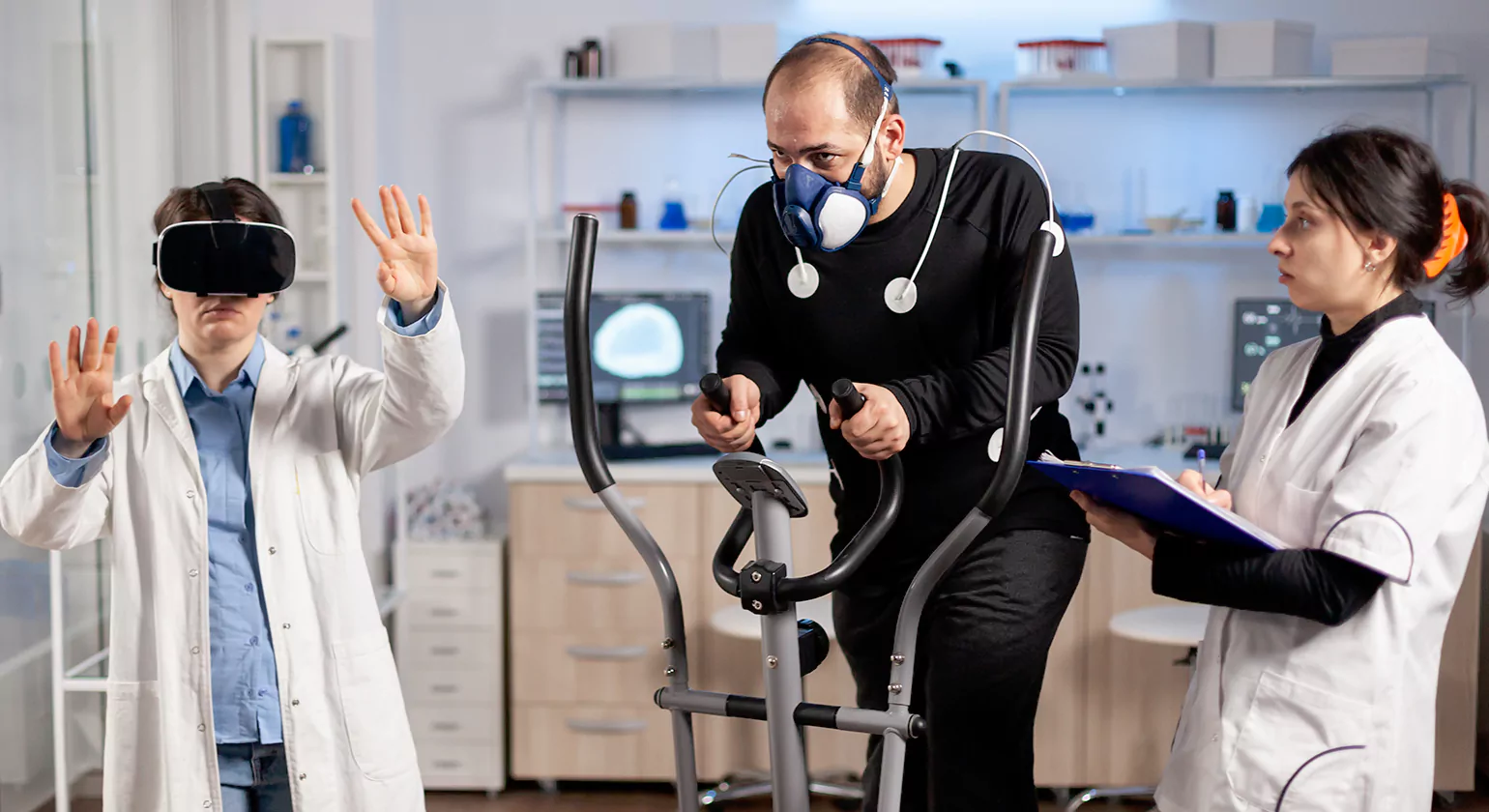
Artificial intelligence is revolutionizing the way diseases are diagnosed and treated. By analyzing vast amounts of medical data, AI systems can identify patterns that may not be immediately visible to human practitioners. This leads to faster and more accurate diagnoses.
In this context, the development and testing of intelligent systems often rely on advanced AI prototyping services, which allow healthcare organizations to experiment with machine learning models and validate their effectiveness before full-scale implementation. This approach reduces risk and accelerates innovation in clinical environments.
Supporting Healthcare Professionals
Rather than replacing doctors, AI acts as a powerful support tool. It assists in decision-making, reduces human error, and allows medical professionals to focus more on patient care. This collaboration between technology and human expertise is improving overall healthcare outcomes.
Wearable Technology and Real-Time Monitoring
Wearable devices have evolved from simple fitness trackers into essential healthcare tools. These devices continuously monitor various health indicators, providing valuable insights into a patient’s condition.
Some key benefits include:
- Continuous tracking of vital signs
- Early detection of potential health issues
- Better management of chronic conditions
This real-time monitoring enables proactive healthcare, shifting the focus from treatment to prevention.
Electronic Health Records and Data Integration

The transition from paper-based records to electronic health records (EHRs) has significantly improved the way patient information is managed. Digital records allow healthcare providers to access accurate and up-to-date information instantly.
This advancement has led to:
- Better coordination between healthcare providers
- Reduced administrative errors
- Faster and more efficient patient care
As healthcare systems become more interconnected, effective data integration will remain a critical factor in delivering high-quality services.
Robotics and Automation in Healthcare
Technology is also transforming the operational side of healthcare through robotics and automation. In surgical settings, robotic-assisted procedures have introduced greater precision and control, leading to improved patient outcomes.
Beyond surgery, automation is streamlining routine processes such as scheduling and administrative tasks. This allows healthcare professionals to dedicate more time to patient care rather than paperwork, improving both efficiency and patient satisfaction.
The Growing Importance of Cybersecurity
As healthcare systems become increasingly digital, the need to protect sensitive patient data has become more critical. Cybersecurity is now a major concern for healthcare organizations worldwide.
To address these challenges, institutions are focusing on:
- Implementing advanced data encryption methods
- Using secure cloud-based systems
- Continuously monitoring for potential threats
Protecting patient information is essential not only for compliance but also for maintaining trust in digital healthcare systems.
Future Trends in Healthcare Technology
Predictive and Preventive Care
One of the most promising developments is the use of predictive analytics to identify health risks before they become serious. This approach allows for early intervention and better disease management.
Personalized Medicine
Advancements in genetic research are making it possible to tailor treatments to individual patients. Personalized medicine ensures more effective therapies with fewer side effects.
Connected Healthcare Systems
The integration of IoT devices is creating a more connected healthcare environment where data flows seamlessly between systems. This leads to more informed decision-making and improved patient outcomes.
Conclusion
Technology is fundamentally reshaping the healthcare industry, bringing improvements in accessibility, efficiency, and quality of care. From artificial intelligence and wearable devices to robotics and data integration, these innovations are transforming how healthcare is delivered.
While challenges such as cybersecurity remain, the benefits of technological advancement far outweigh the risks. As the industry continues to evolve, healthcare is becoming more proactive, personalized, and accessible—ultimately leading to better outcomes for patients worldwide.
Know More>>> Best 15 Healthcare Managed Services Providers Across the USA
>>> Top Healthcare Virtual Assistant Tasks & Benefits