Table of Contents
Introduction
Ecommerce merchant services are essential tools and solutions that enable businesses to securely process payments, manage transactions, and optimize their online sales operations. These services allow merchants to accept payments from customers through various methods, such as credit cards, digital wallets, and other online payment systems. Additionally, ecommerce merchant services provide features like fraud protection, inventory management, and integration with ecommerce platforms. With the rise of online shopping, these services are crucial for ensuring smooth, secure, and efficient transactions. Whether you’re a small startup or a large retailer, selecting the right ecommerce merchant service is key to providing a seamless shopping experience and growing your online business.
What is an ecommerce merchant?
An ecommerce merchant is a business or individual that sells products or services through an online platform. They offer a wide range of goods or services and use the internet as a primary channel for reaching customers. Ecommerce merchants can be large retailers, small businesses, or even entrepreneurs offering niche products. These merchants typically use ecommerce websites or online marketplaces to manage and facilitate their sales transactions.
To operate successfully, ecommerce merchants need a variety of tools and services, including payment processing solutions, inventory management, and logistics. A key component of their business is providing a seamless, secure online shopping experience, ensuring customers can easily browse, purchase, and pay for their items. By leveraging ecommerce merchant services, such as payment gateways and fraud prevention tools, they can enhance their customers’ experience and drive higher sales while managing operational tasks efficiently.
What makes ecommerce merchants unique?
Ecommerce merchants are unique because they operate in a digital marketplace, giving them access to a global customer base without the limitations of physical storefronts. Unlike traditional merchants, ecommerce merchants can offer their products or services 24/7, reaching consumers from all over the world at any time. They rely heavily on technology, including ecommerce service providers and ecommerce merchant solutions, for inventory management, payment processing, and customer service, enabling them to scale rapidly and efficiently.
Additionally, ecommerce merchants using Ecommerce Merchant Services have the flexibility to specialize in niche markets, targeting specific customer segments with tailored products and marketing strategies. Their ability to leverage data analytics allows for personalized shopping experiences, better inventory control, and targeted advertising. The adaptability of ecommerce merchants in using various platforms, such as their own websites, online marketplaces, and social media channels, further differentiates them from traditional retail models, helping them stay competitive in the fast-paced online environment.
How do Ecommerce merchant service providers work?
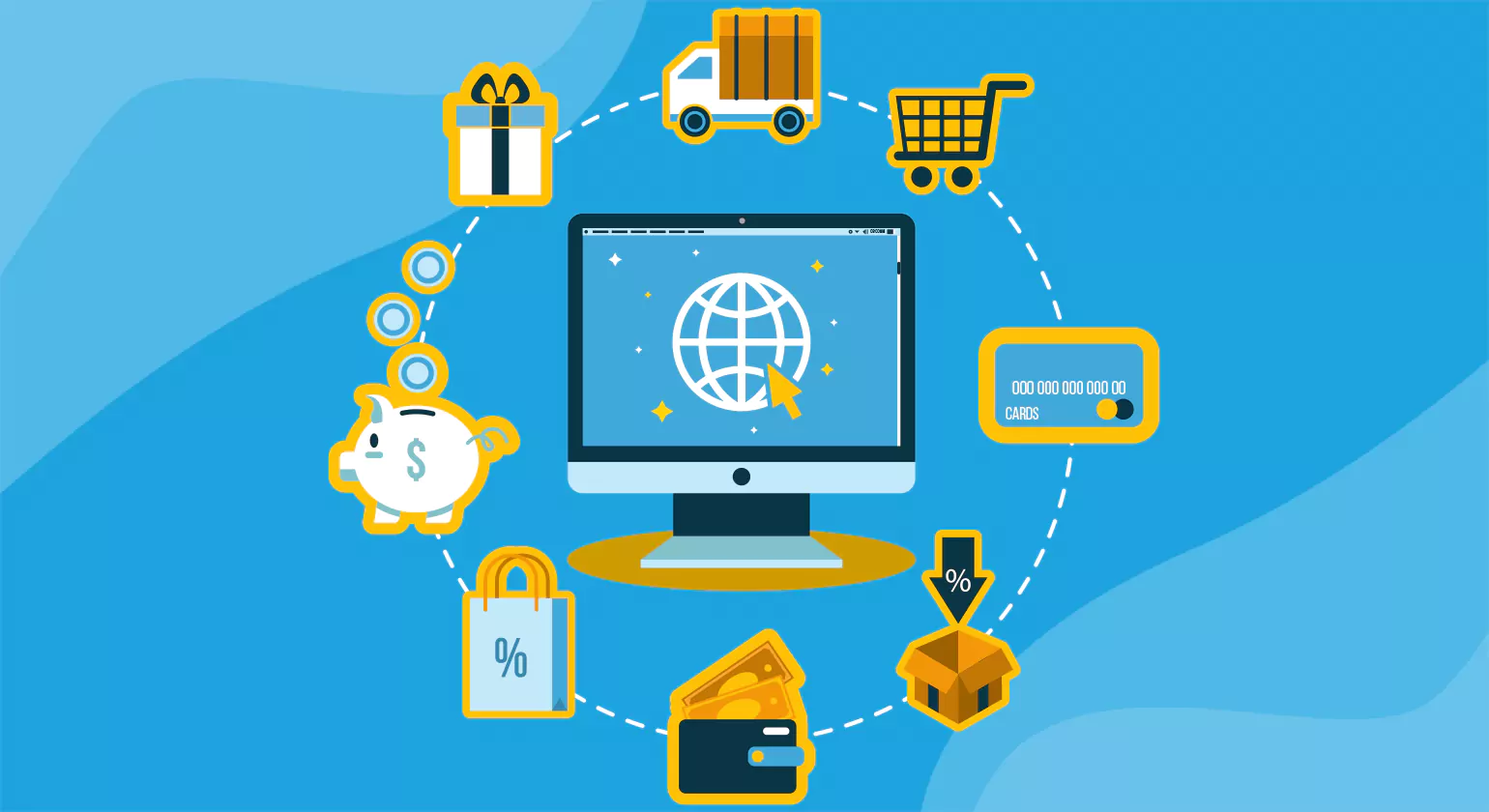
Ecommerce merchant services provider are companies that offer essential tools and solutions to businesses for processing online transactions. They enable ecommerce merchants to accept payments securely via various channels, such as credit cards, digital wallets, and bank transfers. These providers typically offer a payment gateway that securely transmits transaction details between the customer, the merchant, and the payment processor.
In addition to payment processing, ecommerce merchant service providers often offer additional features like fraud protection, chargeback management, and inventory management. These services ensure that merchants can run their businesses efficiently and securely, preventing financial losses due to fraud or operational inefficiencies.
Ecommerce merchants typically enter into a service agreement with Ecommerce Merchant Services providers, where they pay fees based on transaction volume or a flat monthly rate. By partnering with a reliable provider, merchants gain the infrastructure needed to manage payments, grow their business, and offer a seamless shopping experience to their customers.
Why Modern Business Needs Ecommerce Merchant Accounts?
In today’s digital era, ecommerce has become an integral part of business operations. As businesses shift toward online sales, having an ecommerce merchant account is essential for ensuring smooth and secure transactions. Below are key reasons why modern businesses need ecommerce merchant accounts:
1. Secure Payment Processing
Ecommerce merchant accounts allow businesses to securely process payments through various methods such as credit cards, debit cards, and digital wallets. These accounts ensure transactions are encrypted, reducing the risk of fraud and providing customers with a trusted platform to shop.
2. Seamless Online Transactions
With an ecommerce merchant Services account, businesses can provide customers with an easy and seamless checkout process. This improves the customer experience and minimizes cart abandonment, leading to higher conversion rates and increased sales.
3. Global Reach
An ecommerce merchant account enables businesses to expand their reach beyond local markets, facilitating international transactions. Merchants can accept payments from customers worldwide, which is crucial for growing their customer base and entering new markets.
4. Automation of Financial Processes
With a merchant account, businesses can automate tasks such as invoicing, payment reconciliation, and reporting. This reduces administrative workload and improves operational efficiency, allowing business owners to focus on growth and strategic initiatives. Additionally, businesses handling international transactions can benefit from secure automated VAT refunds, simplifying tax compliance and ensuring they reclaim eligible VAT with minimal effort.
5. Increased Credibility
Having an Ecommerce Merchant Services account boosts a business’s credibility. Customers are more likely to trust a company that offers secure payment options and professional transaction processing, which in turn can help build long-term relationships and increase loyalty.
What Services do Ecommerce Merchant Accounts Provide?
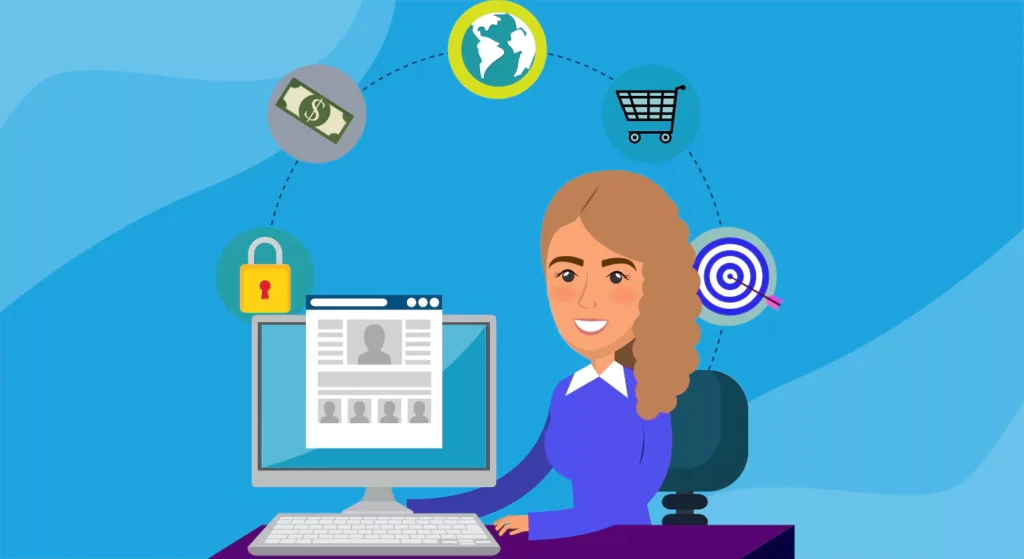
Ecommerce merchant accounts are essential for businesses that want to process online transactions securely and efficiently. These accounts are provided by financial institutions or third-party payment processors and come with various services that enable ecommerce businesses to thrive. Below are the key services provided by ecommerce merchant accounts:
1. Payment Processing
Ecommerce merchant Services accounts allow businesses to accept various forms of payment, including credit and debit cards, digital wallets (like PayPal or Apple Pay), and bank transfers. Payment gateways integrated with these accounts securely handle transactions, ensuring sensitive customer data is encrypted and protected from fraud.
2. Fraud Protection
Merchant accounts often come with built-in fraud prevention tools such as address verification systems (AVS), encryption, and real-time monitoring. These tools help detect and prevent fraudulent transactions, reducing the risk of chargebacks and losses due to fraudulent activities.
3. Payment Gateway Integration
An essential service provided by ecommerce merchant solutions is payment gateway integration. A payment gateway acts as the intermediary between the customer, the merchant, and the payment processor. It securely transmits transaction data and processes payments in real time, ensuring a smooth customer checkout experience.
4. Recurring Billing
For businesses offering subscription-based services or products, ecommerce merchant accounts often come with recurring billing features. This service automates the payment process for regular customers, making it easier for businesses to manage subscriptions, renewals, and payments without manual intervention.
5. Multicurrency Support
For businesses targeting international customers, Ecommerce Merchant Services accounts offer multicurrency support. This allows businesses to accept payments in different currencies, making it easier for customers around the world to shop in their preferred currency. This feature expands a business’s global reach and improves the customer experience.
6. Reporting and Analytics
Ecommerce merchant accounts provide businesses with detailed transaction reports and analytics. These tools allow merchants to track sales, monitor revenue trends, analyze customer behavior, and identify potential issues with payment processes. This data is crucial for making informed business decisions and improving overall operations.
7. Chargeback Management
Merchant accounts also offer chargeback management services, helping businesses resolve disputes with customers. If a customer files a chargeback, merchant account providers assist in managing the process by providing evidence of the transaction and helping merchants defend against unjustified chargebacks.
8. Mobile Payment Solutions
With the rise of mobile shopping, many ecommerce merchant accounts offer mobile payment solutions. This allows businesses to accept payments on-the-go via mobile devices, making it easier for customers to purchase from any location using their smartphones.
9. Integration with Ecommerce Platforms
Merchant accounts can integrate with popular ecommerce platforms like Shopify, WooCommerce, and Magento. This integration ensures a smooth flow of transactions from the ecommerce store to the payment processor, making it easier for businesses to manage their online operations.
10. Customer Support
Most ecommerce merchant account providers offer customer support services to assist merchants with technical issues, troubleshooting payment problems, and resolving account-related queries. Access to reliable support is crucial for maintaining smooth business operations and minimizing downtime.
Benefits of Using Ecommerce Merchant Services

These services provide numerous benefits to businesses operating in the online marketplace. They are essential for managing transactions, securing payments, and enhancing the overall ecommerce experience. Here are the key benefits of using these services:
1. Secure Payment Processing
The primary benefit of ecommerce merchant services is secure payment processing. Merchant accounts enable businesses to accept various payment methods, including credit/debit cards, bank transfers, and digital wallets. These services integrate robust encryption and fraud protection measures to ensure that sensitive customer data is securely transmitted, reducing the risk of data breaches and fraudulent transactions.
2. Expanded Payment Options
These services support a variety of payment methods, giving businesses the flexibility to accept payments from a wide range of customers. This includes global payment solutions like PayPal, mobile wallets like Apple Pay, and international credit card networks. By offering more payment options, businesses can cater to a diverse customer base and improve their chances of converting sales.
3. Increased Customer Trust and Satisfaction
A secure and seamless payment experience increases customer trust, which is vital for building long-term relationships. When customers feel confident about the safety of their personal and financial information, they are more likely to complete a purchase. The integration of trusted payment processors and fraud prevention tools within ecommerce merchant services contributes to a positive, secure shopping experience that boosts customer satisfaction.
4. Improved Cash Flow Management
These accounts provide businesses with real-time payment processing and direct deposit features, ensuring faster access to funds. Unlike traditional payment methods, which may require waiting for checks to clear or lengthy processing times, these services ensure that payments are processed quickly, improving overall cash flow management and liquidity for businesses.
5. Recurring Billing for Subscription-Based Businesses
For businesses that offer subscription services or products, ecommerce service providers offer recurring billing features. This allows businesses to automatically charge customers on a predetermined schedule, reducing administrative workload and ensuring consistent revenue streams. Subscription-based businesses can also provide a more convenient and predictable payment experience for their customers.
6. Multicurrency and Global Reach
Ecommerce merchant services often include support for multicurrency transactions, enabling businesses to sell to customers around the world. Whether it’s accepting payments in euros, yen, or other local currencies, businesses can seamlessly process payments from international customers. This broadens a business’s market reach and allows them to compete on a global scale.
7. Analytics and Reporting Tools
These services come with reporting and analytics features that allow businesses to track and analyze sales data, customer behavior, and transaction trends. These insights can help businesses identify profitable products, monitor performance, and make data-driven decisions to optimize sales strategies. Reporting tools also assist in detecting discrepancies and improving operational efficiency.
8. Simplified Chargeback Management
Chargebacks are an unfortunate reality in ecommerce. However, these services often offer chargeback management features, helping businesses address disputes and manage chargeback claims effectively. Account providers may offer assistance in providing evidence to resolve chargebacks and minimize losses, allowing businesses to protect their revenue and maintain a good relationship with payment processors.
9. Easy Integration with Ecommerce Platforms
Most ecommerce merchant services integrate seamlessly with popular online platforms such as Shopify, WooCommerce, and Magento. This integration simplifies the payment process, enabling businesses to set up payment gateways quickly and efficiently. A smooth integration means fewer technical hassles and more time to focus on business growth.
10. Mobile Payment Solutions
With the growing trend of mobile commerce, these services often provide mobile payment solutions that enable businesses to accept payments via smartphones and tablets. Whether customers are shopping through mobile apps or making on-the-go purchases, businesses can cater to mobile shoppers and increase conversion rates by providing a mobile-friendly payment experience.
Essential Features to Consider in a Best Merchant Service Provider

When choosing the best Ecommerce Merchant Services provider for your ecommerce business, it’s important to consider various features that can help streamline your payment processes, improve security, and enhance customer experience. Here are the essential features to consider:
1. Secure Payment Processing
The security of your customers’ data is paramount. The best e-commerce merchant services provider use advanced encryption technologies and secure payment gateways to protect sensitive information. Ensure that the provider complies with the Payment Card Industry Data Security Standard (PCI DSS) to avoid data breaches and fraud risks.
2. Multiple Payment Methods
A good merchant service provider should support a wide variety of payment methods. This includes credit and debit cards, mobile wallets (e.g., Apple Pay, Google Pay), e-checks, and digital payment systems (e.g., PayPal). Offering multiple payment options ensures that customers have the flexibility to pay via their preferred method, enhancing the shopping experience.
3. Fast and Reliable Payment Processing
Speed is critical for both businesses and customers. Choose a provider that offers fast and reliable payment processing to ensure your transactions are completed efficiently. Faster processing times improve cash flow and reduce delays in payment transfers.
4. Transparent Pricing and Fees
The best merchant service providers offer clear and transparent pricing with no hidden fees. It’s important to understand all the associated costs, including transaction fees, monthly service fees, setup fees, and any additional charges for services like chargeback management or international payments. Transparent pricing helps businesses budget effectively.
5. Integration with Ecommerce Platforms
A seamless integration between your Ecommerce Merchant Services provider and your ecommerce platform is essential for smooth operations. Ensure that the provider supports integration with popular platforms like Shopify, WooCommerce, Magento, and BigCommerce. A good integration will make the payment process simple and save time on technical setups.
6. Customer Support
Reliable customer support is a must for any merchant service provider. Whether you encounter technical issues, need assistance with chargebacks, or have questions about your account, responsive and knowledgeable customer service can save you time and prevent disruptions in your business.
7. Chargeback Protection and Management
Dealing with chargebacks can be time-consuming and costly for businesses. Look for a merchant service provider that offers chargeback protection and management features. These can include tools for tracking and disputing chargebacks, reducing the impact on your business.
8. Mobile Payment Options
With the rise of mobile commerce, it’s crucial for your merchant service provider to offer mobile payment solutions. This allows customers to make purchases via mobile devices, increasing the likelihood of conversion. Mobile payment capabilities are essential for businesses looking to engage the growing number of mobile shoppers.
9. Multi-currency and International Payment Support
If you plan to sell globally, consider an Ecommerce Merchant Services provider that supports multi-currency transactions. The ability to accept payments in different currencies enables you to tap into international markets and reach customers worldwide. Look for providers that offer competitive exchange rates and international payment processing capabilities.
10. Reporting and Analytics
Advanced reporting and analytics tools are essential for understanding sales trends, customer behavior, and transaction performance. The best merchant service providers offer comprehensive dashboards that provide real-time data, helping you make informed business decisions. These insights can help improve your marketing strategy, inventory management, and overall performance.
How to Choose an ecommerce Merchant Service Provider?
Choosing the right merchant service provider (MSP) is crucial for any ecommerce business, as it impacts payment processing, security, and customer satisfaction. Here’s how you can choose the best merchant service provider for your needs:
1. Evaluate Your Business Needs
The first step in choosing a merchant service provider is understanding your business requirements. Consider factors like your sales volume, the types of payments you want to accept (credit/debit cards, mobile payments, etc.), and whether you plan to sell internationally. These details will help you determine which provider can meet your specific needs.
2. Check for Security Features
Security should be a top priority when selecting an Ecommerce Merchant Services provider. Ensure that the provider complies with PCI DSS (Payment Card Industry Data Security Standard) regulations. Look for features like end-to-end encryption, fraud detection, and secure payment gateways to protect your customers’ sensitive information.
3. Compare Pricing and Fees
Merchant service providers have different pricing structures. Compare transaction fees, monthly fees, setup charges, chargeback fees, and any hidden costs. Transparent pricing is important to ensure that there are no surprise costs down the line. Choose a provider that offers competitive rates for your business size.
4. Integration with Ecommerce Platforms
Ensure the merchant service provider integrates seamlessly with your ecommerce platform. Providers that work well with popular platforms like Shopify, WooCommerce, and Magento can save you time on setup and reduce the risk of technical issues.
5. Customer Support
Good customer support is essential for resolving payment issues quickly. Look for a provider that offers 24/7 support through various channels such as phone, email, and chat. Reliable customer service ensures that you can resolve any problems without disruptions to your business.
Best Ecommerce Merchant Services for Online Businesses
Running an online store requires secure and seamless payment solutions to ensure customer satisfaction and smooth operations. The best ecommerce merchant services help businesses process payments efficiently while maintaining high security standards. Here’s what to consider:
1. Diverse Payment Options
Top payment solutions support multiple payment methods, including credit and debit cards, mobile wallets, and alternative options. They also handle multiple currencies, allowing businesses to cater to international customers effectively.
2. Advanced Security Measures
PCI-compliant security is essential. Look for encryption, tokenization, and fraud prevention tools to protect sensitive customer and business data. Level 1 PCI DSS compliance ensures the highest standard of protection for high-volume online transactions.
3. Integration and Real-Time Management
Effective services provide easy integration with platforms like Shopify, WooCommerce, or BigCommerce. Access to a secure, mobile-friendly dashboard allows real-time transaction tracking, sales monitoring, and reporting, enhancing operational efficiency.
4. Scalability and Flexibility
The best ecommerce merchant services grow with your business. Features like recurring billing, affiliate management, and customizable solutions ensure your payment system can adapt to increasing transaction volumes and evolving business needs.
5. Transparent Pricing and Support
Competitive transaction rates, clear pricing structures, and minimal hidden fees are key. Responsive customer support and comprehensive onboarding resources ensure businesses can address issues promptly and maintain smooth payment operations.
Using the best payment solution allows online businesses to streamline payments, reduce risks, and provide a seamless shopping experience. Prioritizing security, flexibility, and wide-ranging payment options ensures efficient operations and long-term growth.
Top Ecommerce Merchant Service Providers

When choosing an ecommerce merchant service provider (MSP), it’s important to consider factors such as pricing, ease of integration, security features, and customer support. Here are some top ecommerce merchant service providers that cater to businesses of all sizes:
1. PayPal
PayPal is one of the most popular and widely accepted Ecommerce Merchant Services providers globally. It offers a range of solutions for online payments, including PayPal Payments Pro for advanced merchants, and PayPal Here for mobile point-of-sale solutions. With robust fraud protection and a secure environment, PayPal is trusted by millions of businesses.
2. Stripe
Stripe is known for its developer-friendly payment solutions, allowing ecommerce businesses to accept payments seamlessly on their websites or mobile apps. It supports various payment methods including credit and debit cards, Apple Pay, and Google Pay. Stripe’s easy integration with major ecommerce platforms makes it a popular choice.
3. Square
Square is known for its simplicity and affordability, especially for small to mid-sized ecommerce businesses. Square offers an all-in-one payment solution, including payment processing, invoicing, inventory management, and reporting. It’s an ideal choice for businesses looking for a straightforward, cost-effective solution.
4. Authorize.Net
A trusted provider for online payment gateways, authorize.Net offers secure transaction processing for ecommerce businesses. With features like recurring billing, fraud prevention tools, and mobile payment options, it is a popular choice for businesses seeking a reliable and customizable payment solution.
5. Shopify Payments
If you are using Shopify as your ecommerce platform, Shopify Payments is a seamless, integrated option for accepting payments. It eliminates transaction fees and provides a straightforward setup. Shopify Payments supports multiple payment options and offers a user-friendly interface.
Common Challenges in Ecommerce Merchant Services and How to Overcome Them

Running an ecommerce business comes with its set of challenges, especially when managing merchant services. Here are some of the common hurdles and solutions:
1. Payment Fraud and Security Risks
Fraudulent transactions and security breaches can be costly for ecommerce businesses. Customers are more likely to trust sites with secure payment methods.
Solution:
Ensure your ecommerce merchant Services provider offers advanced fraud protection tools such as encryption, secure payment gateways, and tokenization. Additionally, comply with PCI-DSS (Payment Card Industry Data Security Standard) regulations to ensure safe transactions.
2. Integration with Multiple Platforms
Ecommerce merchants often struggle with integrating different payment systems and platforms. This can lead to a lack of synchronization between payment gateways and ecommerce platforms, resulting in delays or errors.
Solution:
Choose a merchant service provider that offers seamless integration with popular ecommerce platforms like Shopify, WooCommerce, or Magento. Many providers also offer APIs to allow easy customization and integration.
3. High Transaction Fees
Transaction fees, especially for international payments, can eat into profit margins. Ecommerce businesses often face challenges when dealing with fees that vary across payment processors.
Solution:
Compare pricing structures across different providers before committing. Look for providers that offer transparent pricing, lower transaction fees, and no hidden costs. Some providers also offer special rates for high-volume transactions.
4. Managing Multiple Payment Methods
Customers expect a variety of payment options, but managing multiple payment methods can be complex for merchants.
Solution:
Opt for a merchant service provider that supports multiple payment methods such as credit cards, PayPal, digital wallets, and bank transfers. This ensures a smooth and diverse payment experience for customers, enhancing their satisfaction.
5. Delayed Payouts
Many merchants face delays in receiving payments due to long payout cycles, which can affect cash flow.
Solution:
Choose a merchant service provider that offers faster payout options. Some providers offer daily or instant payouts, which can significantly improve cash flow for businesses.
Conclusion
Ecommerce merchant services are vital for businesses seeking to thrive in the digital marketplace. They streamline payment processing, enhance customer experience, and offer secure transactions. With features like fraud prevention, multiple payment options, and seamless platform integration, these services support businesses in meeting customer expectations and scaling operations. Choosing the right provider ensures cost-efficiency, reliability, and growth opportunities. As ecommerce continues to expand, leveraging merchant services becomes essential for staying competitive and delivering value to customers in a fast-paced online environment.
Know More >>>> Top Benefits of Business Verification Services
FAQ'S
1. What does an ecommerce merchant do?
An ecommerce merchant sells products or services online through digital platforms. They manage inventory, process payments securely, and ensure a smooth customer experience. Ecommerce merchants often use tools like online storefronts, payment gateways, and marketing strategies to attract and retain customers while efficiently handling logistics and transactions.
2. What is online merchant services?
Online merchant services facilitate digital transactions for ecommerce businesses. These include payment gateways, credit card processing, fraud prevention, and multi-currency support. They enable businesses to accept payments online securely, ensuring a seamless customer experience and efficient handling of financial operations, essential for any ecommerce setup.
3. How does a merchant get paid?
A merchant gets paid through a payment processor that transfers funds from a customer’s payment method (credit card, debit card, etc.) to the merchant’s bank account. This process involves authorization, settlement, and fund transfer, typically taking 1–3 business days depending on the Ecommerce Merchant Services provider.
4. How do I know who my merchant service provider is?
You can identify your merchant service provider by reviewing your bank statement or payment processor account. Look for charges or deposits labeled with the provider’s name. Alternatively, check records from when your business account or payment gateway was set up, as it will include the provider’s details.
5. What is merchant services on my bank statement?
Merchant services on your bank statement refer to charges, fees, or transactions related to payment processing services. These fees are typically for credit card processing, payment gateway usage, or monthly account maintenance provided by your merchant service provider to enable your business’s transactions.
6. what is the best software for seamless e-commerce transactions?
The best software for seamless e‑commerce transactions focuses on smooth checkout, strong integrations, and reliable performance. Platforms like WooCommerce, Shopify, and BigCommerce offer flexibility, SEO tools, and multi-channel selling, helping businesses provide a friction-free shopping experience and scale efficiently.