Table of Contents
Key Takewayes
- Natural backlinks Ideas are earned organically and remain the strongest trust signal for Google’s 2026 Core Updates
- Understanding the difference between natural and unnatural backlinks protects your site from penalties
- Editorial, guest post, and infographic backlinks deliver the highest SEO value
- Original research, broken link building, digital PR, and HARO outreach are the most effective earning strategies
- Anchor text variety and controlled link velocity prevent over-optimization penalties
- Regular backlink audits using Ahrefs or SEMrush identify and remove toxic links before they damage rankings
- Tracking DR, referring domains, organic traffic, and keyword rankings measures real backlink impact
- E-E-A-T principles, thought leadership content, and AI-assisted outreach define the future of natural link building in 2026
Understanding Natural Backlinks in 2026

What Are Natural Backlinks & Why Google Loves Them
Natural backlinks ideas are those that are earned in an honest and legitimate manner, where other websites genuinely refer to your content as it provides real value to their users. For Google, these are votes of confidence that prove your content is worthy of higher rankings in the Google results. Unlike other types of backlinks, these are legitimate and authentic, which is exactly what Google will reward in their algorithm update in 2026.
Natural vs Unnatural Backlinks: Key Differences & Risks
On the other hand, natural backlinks are those that grow on their own with no exchange or payment. The unnatural ones are those that are acquired through various schemes, including paid ones, link farms, and PBNs. The Spam Update by Google aims to eliminate various schemes of deception, including unnatural link schemes. The emphasis here is to focus on the quality of the links.
How Natural Backlinks Impact SEO Rankings
The impact of natural backlinks ideas is felt on three critical factors, which are domain authority, page authority, and topical relevance. A strong backlink to your page transfers link equity, thereby improving the visibility of your page in the search engine results. Websites with strong backlink profiles tend to perform better than their competitors, receive more traffic, and recover quickly from algorithm changes.
Backlink Metrics You Must Understand (DA, DR, TF, Spam Score)
Understanding key backlink metrics helps evaluate link quality effectively:
- DA (Domain Authority): Moz’s 1–100 score predicting ranking potential
- DR (Domain Rating): Ahrefs’ measurement of backlink profile strength
- TF (Trust Flow): Majestic’s metric measuring link trustworthiness
- Spam Score: Moz’s indicator of potentially harmful or low-quality links
Target backlinks from sites with high DA/DR, strong TF, and low spam scores for maximum SEO impact.
Types of Natural Backlinks & Their SEO Value
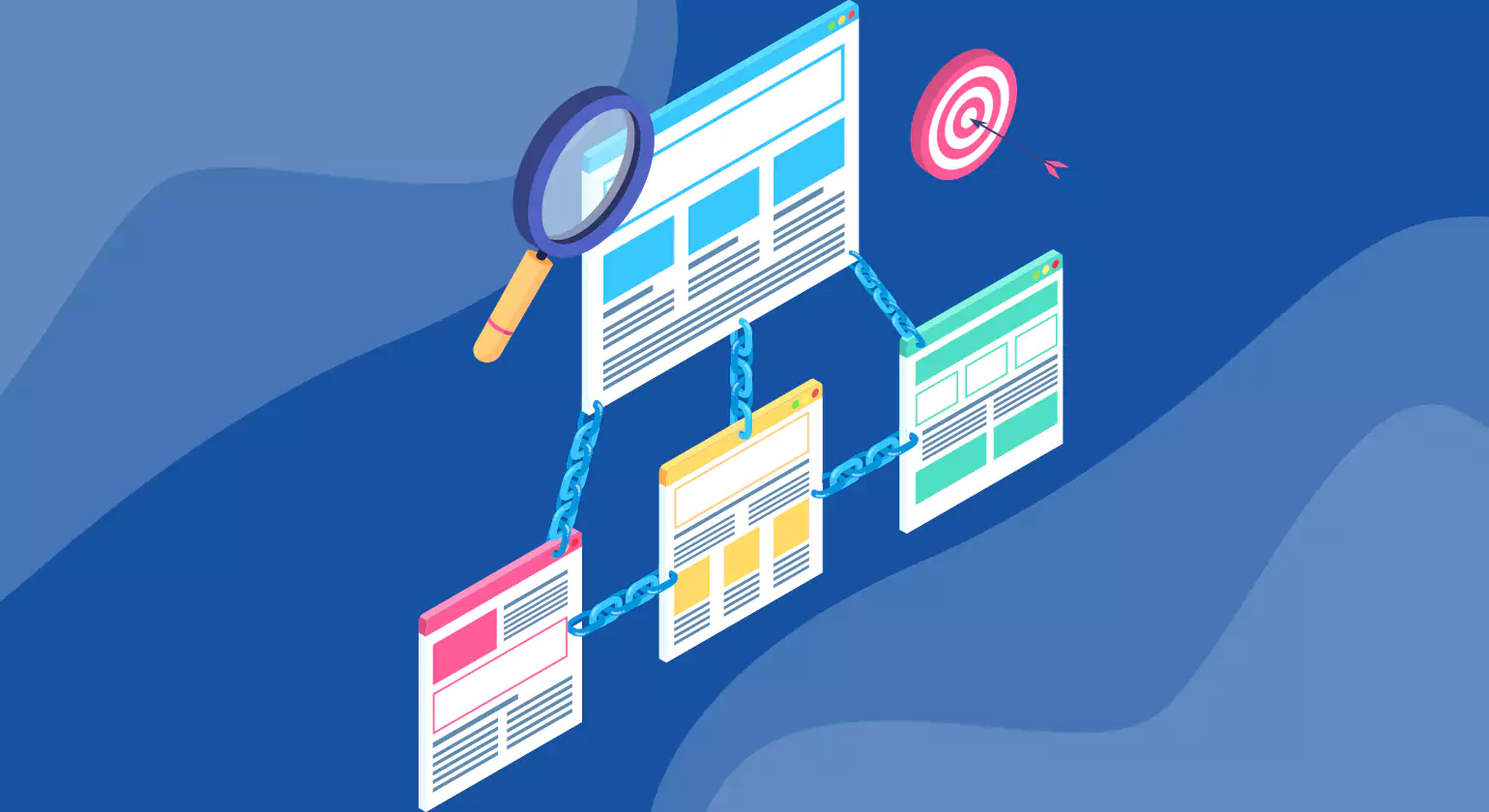
Understanding different Natural backlinks Ideas types helps you prioritize strategies that deliver maximum SEO impact in 2026.
Editorial & Contextual Backlinks (Highest Value)
Earned backlinks from editorial sites occur when other credible sites naturally reference your content within their content. These backlinks are the most valuable to your SEO, especially since they are coming from real endorsements. Adding links to content-rich sites signals to Google that your site is authoritative on the subject, which can greatly improve your rankings.
Guest Post & Resource Page Backlinks
Guest post backlinks are achieved by sharing valuable content on reputable industry websites. Resource page backlinks are acquired by creating “best of” lists that link back to your tools or guides. This method drives targeted traffic and establishes you as a trusted authority in your industry.
Infographic, Podcast & Interview Backlinks
Infographic backlinks are created by other sites sharing your infographics and linking to you as a source. The same concept is used for getting links from podcasts and expert interviews. These methods help you earn a variety of quality links and expand your brand’s outreach to interested audiences.
Forum, Social Media & Citation Backlinks
Relevant backlinks from forums and communities like Reddit or Quora may drive targeted traffic if the responses actually add value. Links from social media will increase the visibility of your content and drive traffic. Directory citations from reputable business listing sites improve local SEO and ensure brand consistency across trusted online platforms.
Testimonial & Directory Backlinks
Testimonial backlinks are earned when a business features your review and links to your site. Directories are another source of high-quality backlinks that will improve your local SEO rankings. These are both low-effort, high-reward strategies that will continue to improve your overall backlink profile.
Testimonial & Directory Backlinks
Testimonial backlinks are those from business sites that have published the review and included a YouTube Backlink Generator to your site. Directory backlinks from reputable directories, especially those in the same industry as you, will help boost your SEO presence in the local search engines. Both are relatively easy to get, but very valuable, and will continually build on your backlink profile.
Proven Natural Backlink Building Strategies

To build quality backlinks, it takes time, quality content, and strategic outreach. Below are ten tested methods to build quality links that can improve SEO authority in 2026.
Create Original Research & Data Studies
Conduct original surveys, stats, or industry reports that establish your domain as a primary source. Reporters and content creators tend to use new info as a source, creating quality editorial links that enhance authority.
Broken Link Building Step-by-Step
Identify dead links from quality sites using Link Prospecting tools like Ahrefs or SEMrush. Create new content that aligns with the original topic and contact the webmaster. This is a win-win strategy to build quality links and fix dead links.
Digital PR & HARO Outreach Strategy
To do this, you can utilize a tool called HARO or “Help a Reporter Out,” which allows you to provide accurate and expert responses to journalists’ questions. By getting featured in prominent media outlets like Forbes or Business Insider, you’ll be able to secure high-authority editorial backlinks that may improve your domain authority and organic traffic.
Skyscraper Content Technique
To begin with, you’ll need to find high-ranking content in your niche or industry. Then, you’ll need to write a much more detailed and better version of that content and contact websites that have already linked back to that original piece. This method, proposed by Brian Dean, is guaranteed to secure natural backlinks ideas from relevant websites that are already interested in your niche or industry.
Guest Blogging on Authority Sites
Additionally, you’ll need to write informative and valuable content for prominent industry websites. This will allow you to provide real value to readers rather than focusing solely on acquiring backlinks. High-quality guest posts for prominent websites will allow you to increase your authority and secure natural backlinks simultaneously.
Build Free Tools, Templates & Calculators
Free tools like SEO audit templates, budget calculators, and content planners usually generate consistent organic backlinks. People link to useful tools because they recommend useful tools to their visitors. This is one of the best ROI-based passive link building strategies.
Leverage Infographics & Visual Content
Use tools like infographics to present complex data in an attractive visual format. Share your infographics on infographic sharing sites like infographicjournal.com and on social media platforms. When your infographics are embedded on other websites, they link back to your site as a backlink.
Podcast Appearances & Expert Interviews
Guesting on industry podcast shows will also get you some backlinks from show notes and other pages. Provide unique insights that will motivate podcasters to link to your site, which will improve your brand authority and organic backlink profile.
Industry-Specific Strategies
Make it industry-specific. SaaS brands benefit from directories listing integrated applications and review sites. E-commerce sites build links via product roundup lists. Healthcare sites build editorial links by referencing studies. Local businesses build backlinks via sponsorships and local directories.
Community Engagement & Forum Participation
Engage in sharing helpful responses in Reddit, Quora, and other relevant forums. Share links to relevant content if it adds value. Participate regularly in order to enhance your reputation and generate traffic as well as links from the interested community.
Anchor Text & Link Velocity Strategy
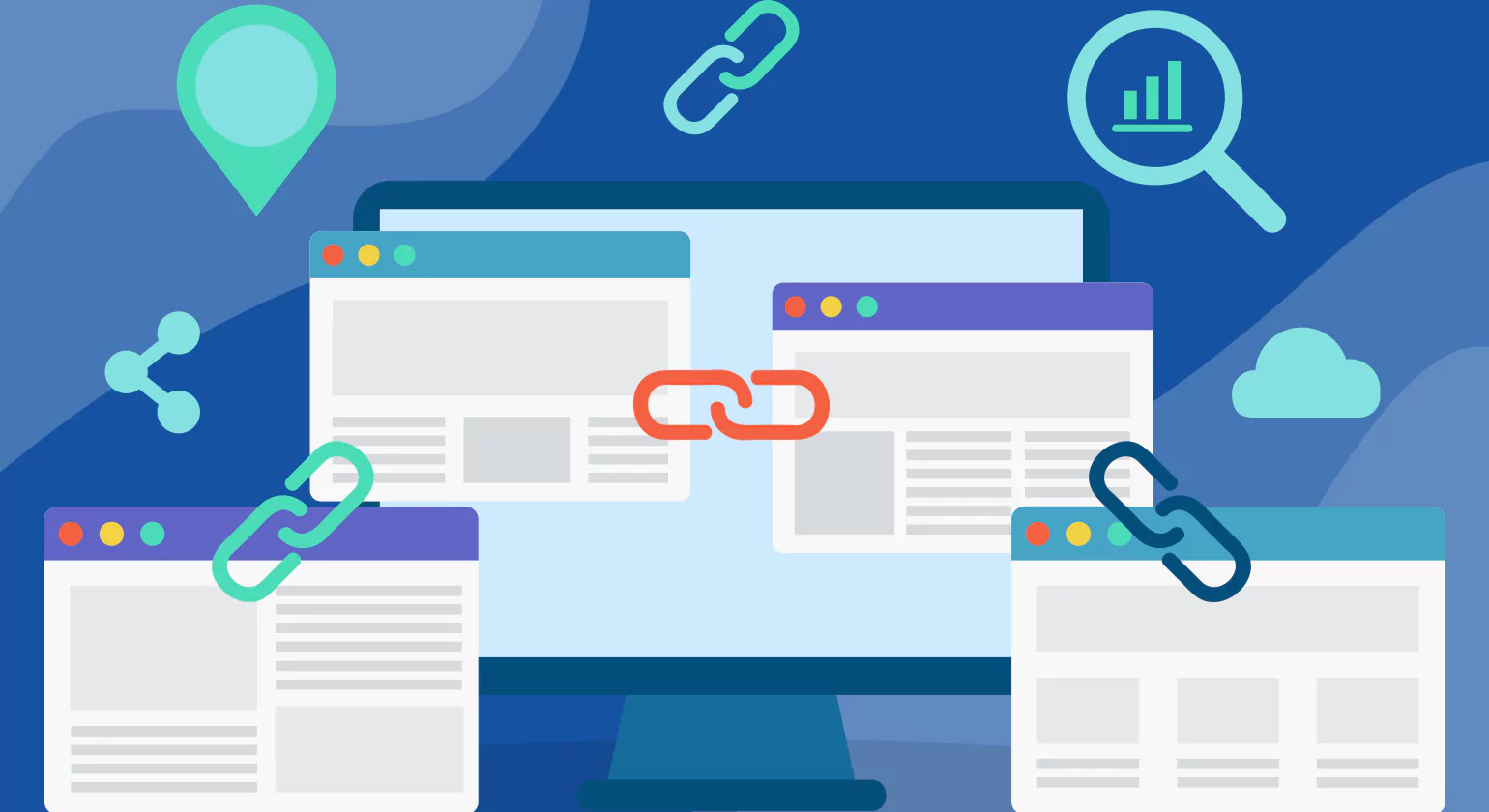
Mastering anchor text distribution and link velocity is critical for building a natural backlinks ideas profile that withstands Google’s 2026 Core Updates without triggering penalties.
Types of Anchor Text & Best Practices
Anchor text signals relevance to search engines. The main types include:
- Exact Match: Uses target keyword directly (use sparingly — max 5%)
- Partial Match: Includes keyword variation naturally
- Branded: Your business name as anchor text
- Naked URL: Raw link like www.yoursite.com
- Generic: “Click here” or “read more” phrases
Always prioritize relevance and context over keyword stuffing in anchor text selection.
Natural Anchor Text Ratio for 2026
Google’s 2026 algorithm rewards diverse, natural-looking anchor profiles. Recommended distribution:
- Branded anchors: 40–50%
- Generic anchors: 20–25%
- Partial match: 15–20%
- Exact match: 3–5%
- Naked URLs: 5–10%
Over-optimized exact match anchors remain a leading cause of manual penalties in 2026.
How Fast Should You Build Backlinks (Link Velocity Guide)
Link velocity refers to the speed at which you acquire backlinks. Building too fast raises red flags. Safe guidelines by stage:
- New websites: 2–5 backlinks per month
- Growing sites: 10–20 backlinks per month
- Established authority sites: 30–50+ per month
Gradual, consistent growth always outperforms sudden unnatural spikes.
Internal Linking Strategy to Boost Backlink Performance
With internal links, you can spread the power of your website, thereby amplifying the power of your natural backlinks ideas. Use internal links to point high-powered pages to your in-depth content. In addition, use a logical structure for your website. Perform a monthly audit to find orphan pages.
Backlink Audit, Tools & Toxic Link Removal

Best Natural Backlink Tools in 2026 (Ahrefs, SEMrush, Moz)
Three of the best tools to define backlink analysis in 2026 are Ahrefs, with the largest backlink database, real-time updates, domain rating, and a toxic backlink detector. SEMrush contributes in-depth toxicity scores, authority, and backlink gap analysis. Moz excels with Domain Authority tracking and spam score detection. The best practice to get the complete picture is to use at least two tools.
How to Conduct a Complete Backlink Audit
Start by exporting your full backlink profile from Ahrefs or SEMrush. Analyze each linking domain for relevance, authority, and spam signals. Flag links from low-DA sites, link farms, irrelevant niches, or domains with high spam scores above 30%. Document everything in a spreadsheet categorized as keep, monitor, or remove.
Identifying & Removing Toxic Backlinks
Toxic links are usually from spammy directories, private blog networks (PBNs), and sites that are not relevant to your content, including foreign sites. You should contact the owners of these sites and ask them to remove the links. Record all your attempts to contact these sites to be used later in your disavow report.
How to Use Google Disavow Tool Safely
Only disavow links that you are unable to remove. Use Google Search Console to upload a correctly formatted disavow file in .txt format. Don’t disavow quality links; it may do more harm than good for your website.
Monitoring Your Backlink Profile Monthly
Turn on automated alerts in Ahrefs or SEMrush for lost and acquired backlinks. Review your backlinks once a month: monitor Domain Rating changes, detect any toxic backlinks, and monitor competitor backlinks to stay one step ahead and protect yourself.
Measuring Results & Real Case Studies

Key Metrics to Track Backlink Performance
Monitor these critical metrics monthly to measure natural backlink impact:
- Domain Rating (DR) & Domain Authority (DA): Track authority growth over time
- Referring Domains: Quality unique domains matter more than total backlink count
- Organic Traffic Growth: Measure traffic increases tied to new backlink acquisition
- Keyword Rankings: Monitor position improvements for target keywords
- Spam Score: Keep below 5% to avoid Google penalties
- Anchor Text Distribution: Ensure natural, varied anchor text ratios
Use Ahrefs, SEMrush, or Google Search Console for accurate monthly reporting.
Real Case Study: How Natural Backlinks Grew Organic Traffic 300%
A B2B SaaS company published 12 original research studies aiming to address data gaps in their industry. In just eight months, 340 high-authority domains naturally linked back to their work. The effect was obvious: organic traffic increased by 300 percent, domain rating improved from 28 to 61, and target keywords moved from page 4 to page 1. The key take-away: publish data that is actually valuable and original.
Common Natural Backlink Mistakes to Avoid
- Prioritizing quantity over quality backlinks
- Using exact-match anchor text repeatedly
- Ignoring toxic backlink removal
- Building links too quickly (unnatural velocity)
- Neglecting internal linking structure
Future of Natural Link Building — AI & 2026 Trends
The rambling of AI-generated content across search results is a testament to the value of human expertise and actual data that is no longer replaceable. With the 2026 Core Updates from Google, E-E-A-T: experience, expertise, authoritativeness, and trustworthiness is now the prized factor in content. In the coming years, link building is set to be determined by digital PR, thought-leadership content, and AI-based personalized approaches instead of traditional link-building strategies.
Conclusion
The best way forward in 2026 is still natural backlinks ideas. This means that creating quality content consistently, leveraging digital PR strategies, creating original research, and earning editorial backlinks will ensure that your website grows in authority over time. However, quality is more important than quantity, and you need to monitor backlinks and ensure that you’re following Google’s E-E-A-T guidelines.
FAQs
1. What are natural backlinks?
Natural backlinks are links to your website that are earned organically without paid promotion or outreach. They come from other websites referencing your content because it’s valuable, relevant, or authoritative, helping improve your SEO and search engine rankings.
2. What is the difference between a backlink and a hyperlink?
A backlink is a link from one website to another, while a hyperlink can refer to any clickable link that directs users to another resource, which may be internal or external. In essence, all backlinks are hyperlinks, but not all hyperlinks are backlinks since they may not point to an external site
3. Which types of links are the most valuable?
The most valuable types of links are editorial backlinks from high-authority, relevant websites. These are earned naturally when others link to your content due to its quality. Contextual links, .edu or .gov links, and backlinks with targeted anchor text also carry strong SEO value.
4. Why are natural backlinks important for SEO?
Natural backlinks are a key factor in improving your website’s search engine ranking. They signal to search engines that your content is valuable and authoritative. Websites with a strong natural backlink profile are often ranked higher in search results, leading to more organic traffic.
5. How many backlinks do I need for good SEO?
While there is no set number of backlinks required for good SEO, quality matters more than quantity. A few high-quality, relevant backlinks from authoritative sources are far more beneficial than numerous low-quality links. Focus on building a strong, natural backlink profile over time.
6. How to make your backlinks look natural?
To make your backlinks look natural, focus on earning them through high-quality, relevant content. Vary your anchor texts, avoid over-optimization, and get links from diverse, authoritative sources. Build links gradually and prioritize relevance over quantity.