Table of Contents
Introduction
In the dynamic landscape of digital products and services, ensuring a seamless and engaging user experience (UX) is paramount for businesses to thrive. Enter the UX consultant, a professional specializing in optimizing user experiences across various platforms and interfaces. A UI UX design consultant or user experience consultant delves into understanding user behaviors, preferences, and pain points to craft solutions that enhance usability, satisfaction, and overall product success.
Their role encompasses a spectrum of tasks, from conducting user research and usability testing to creating wireframes and prototypes. While similar in focus, a ui ux consultant differs from a UX designer in their emphasis on strategy, analysis, and guiding overall UX direction rather than solely executing design tasks. In 2026, the demand for UX consultants continues to rise as companies recognize the pivotal role of user experience in driving customer loyalty and business growth. This article explores the nuances between ui and ux consultants and UX designers, the steps to becoming a UX consultant, the benefits of UX consulting, and the top UI & UX design companies for 2026.
What Is a UX Consultant?

A UX (User Experience) consultant is a professional who specializes in optimizing the interaction between users and digital products or services. Their primary goal is to enhance user satisfaction by improving the usability, accessibility, and overall experience of a product. UX consultants typically work with businesses, organizations, or development teams to identify user needs, analyze user behavior, and recommend design solutions that align with both user expectations and business objectives.
One of the key responsibilities of a UX consultant is to conduct thorough research to understand the target audience and their preferences, pain points, and behaviors. This research may involve user interviews, surveys, usability testing, and data analysis. Based on these findings, UX consultants develop user personas and user journey maps to visualize the user experience and identify areas for improvement.
Once they have a comprehensive understanding of the user’s perspective, UX consultants collaborate with designers, developers, and other stakeholders to implement design changes or enhancements. They provide valuable insights and recommendations throughout the design and development process, ensuring that the final product meets the needs of the users while aligning with the business goals.
UX consultants also play a crucial role in evaluating the effectiveness of design solutions through usability testing and feedback analysis. A user experience consultant monitors key performance indicators (KPIs) such as conversion rates, engagement metrics, and user satisfaction scores to measure the impact of their recommendations and identify areas for further optimization.
Overall, a ui ux consultant acts as a bridge between users and businesses, advocating for user-centered design principles and helping organizations create products and services that deliver exceptional user experiences.
What Does a UX Consultant Do?

A UX (User Experience) consultant is a professional who specializes in optimizing the experience users have when interacting with digital products, ui ux design consulting services, or systems. Their role is multifaceted, encompassing a range of tasks aimed at understanding user needs, identifying pain points, and crafting solutions to enhance overall user satisfaction. Here’s a more in-depth look at what a UX consultant does:
1. User Research and Analysis
UX consultants begin by conducting comprehensive user research to gain insights into the target audience. This involves employing various methods such as interviews, surveys, contextual inquiries, and user testing sessions. They analyze the gathered data to understand user behaviors, goals, preferences, and pain points. This research forms the foundation for informed decision-making throughout the design process.
2. Strategy Development
Based on the findings from user research, UX consultants develop strategic plans to address identified issues and improve the overall user experience. They work closely with stakeholders to align user experience goals with business objectives. This may involve creating user personas, journey maps, and conducting competitive analysis to identify opportunities for differentiation.
3. UX Design Recommendations
ui ux consulting services provide actionable recommendations for improving the design and usability of digital products. This includes creating wireframes, prototypes, and design specifications prioritizing clarity, consistency, and ease of use. They focus on optimizing navigation, information architecture, and visual hierarchy to enhance the user interface and interaction design
4. Usability Testing and Evaluation
A crucial aspect of a UX consultant’s role is conducting usability testing to evaluate the effectiveness of design solutions. They create prototypes or use existing products to simulate user interactions and gather feedback. Through observation and analysis, they identify usability issues and iteratively refine designs to improve overall user satisfaction.
5. Stakeholder Collaboration
ui ux consulting services serve as liaisons between users and stakeholders, advocating for user-centered design principles throughout the product development lifecycle. They collaborate with cross-functional teams including product managers, developers, and marketers to ensure that user experience goals are integrated into the decision-making process.
Overall, a ui ux consultant leverages their expertise in research, design, and strategy to create digital experiences that are intuitive, efficient, and enjoyable for users. By focusing on understanding user needs and aligning design solutions with business objectives, they contribute to the success of digital products and UI UX design consulting services in today’s competitive market.
UX Consultant vs UX Designer

UX Consultant
A UX consultant operates at a strategic level, delving deep into the overarching user experience landscape of a product or service. They possess a comprehensive understanding of user psychology, market trends, and business objectives. Consultants meticulously analyze user behaviors through various research methodologies, including interviews, surveys, and analytics. They decipher complex data to unearth insights that inform critical decisions regarding product direction and user satisfaction. By collaborating closely with stakeholders across departments, from executives to development teams, they ensure alignment of design strategies with business goals. Moreover, they often contribute to organizational change by advocating for user-centric practices and fostering a culture of continuous improvement. Beyond project-specific tasks, UX consultants may also offer training workshops and mentorship to nurture UX maturity within an organization.
UX Designer
Conversely, a UX designer operates at a more tactical level, focusing on the tangible elements that shape user interactions. They possess a keen eye for detail and an intuitive understanding of usability principles. Designers translate user research findings and business requirements into intuitive wireframes, prototypes, and polished designs. They iteratively refine their creations based on user feedback, constantly striving to enhance usability and aesthetics. Designers leverage their expertise in design tools and techniques to craft visually compelling interfaces that resonate with users. Their collaboration with developers ensures seamless integration of design solutions into the final product, considering technical constraints and optimization opportunities. While designers are deeply involved in the execution of design artifacts, they also contribute valuable insights to strategic discussions, drawing from their intimate understanding of user needs and design principles.
Top 5 UI & UX Design Companies For 2026

In 2026, the top UI & UX design companies are setting new standards in user experience. Moreover, these firms combine innovative technology with user-centered design principles. As a result, they deliver seamless, engaging interfaces that drive customer satisfaction. Therefore, choosing the right company can transform your digital presence effectively.
1. Ossisto

Ossisto combines virtual assistant expertise with specialized UI/UX consulting to offer comprehensive digital solutions. Their team emphasizes understanding client goals and user needs to create visually appealing and easy-to-navigate interfaces. Furthermore, Ossisto uses the latest tools and methodologies, with a skilled UI UX consultant guiding the process to optimize user journeys and ensure every interaction is smooth and meaningful. By partnering with startups, small businesses, and enterprises, they tailor designs that not only look great but also drive engagement and conversions. Their commitment to continuous improvement and user feedback makes them a trusted choice for businesses aiming to elevate their digital presence.
Key Features
User research and analysis
Wireframing and prototyping
Mobile-friendly and responsive designs
Custom UI/UX solutions for businesses
Usability testing and enhancement
Why Choose Ossisto?
Affordable and tailored design solutions
Focus on delivering a seamless user experience
Experienced team of UI/UX designers
Quick turnaround time and flexible project management
2. SolveIt
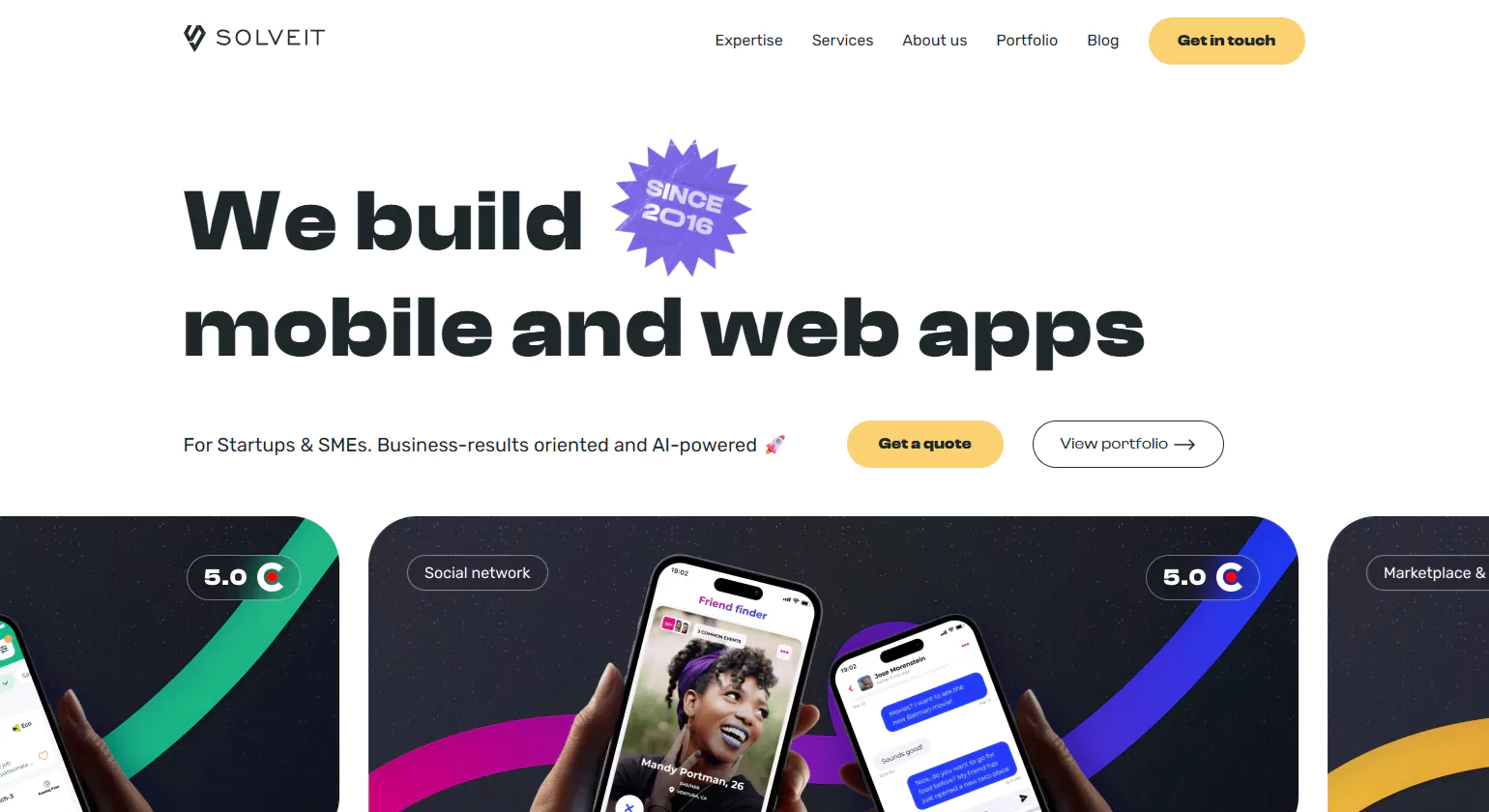
SolveIt stands out for its commitment to blending creativity with functionality. They prioritize understanding user behavior through in-depth research, which helps tailor designs that are intuitive and engaging. Additionally, their development team ensures smooth implementation across platforms, resulting in consistent user experiences. By integrating the latest design trends and technologies, SolveIt helps businesses boost customer satisfaction and achieve their digital goals efficiently. Their collaborative approach also guarantees that client feedback is incorporated at every stage, making the final product both innovative and user-friendly.
Key Features
UX research and consulting
Intuitive mobile and web app designs
Data-driven UX/UI strategies
Interactive prototyping and testing
Cross-platform compatibility
Why Choose Solvelt?
Strong focus on research and data-backed design decisions
Expertise in creating high-converting digital products
User-centric approach for maximum usability
Skilled professionals with years of experience
3. DD.NYC
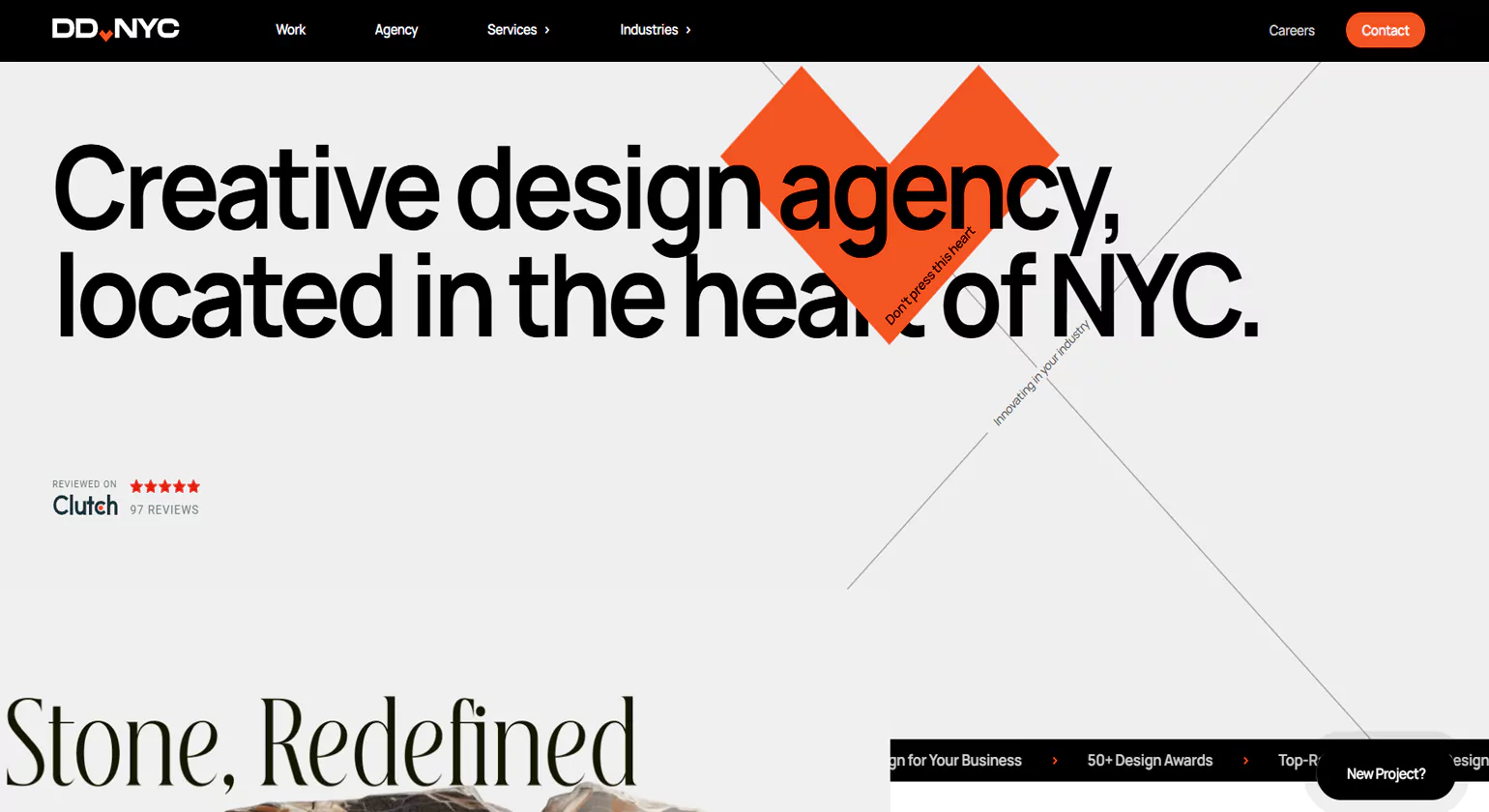
DD.NYC is known for its sophisticated approach to UI/UX design, offering premium solutions that balance aesthetics with functionality. Their team collaborates closely with clients to understand brand identity and user expectations, resulting in polished, high-performing interfaces. Whether working with startups or established enterprises, DD.NYC ensures each project reflects modern design trends and delivers exceptional user experiences. With a strong focus on creativity and usability, they help brands stand out in competitive digital landscapes while ensuring seamless interaction across all platforms.
Key Features
High-end UI/UX design
Brand identity development
Interactive website and mobile app design
User behavior analysis and insights
Creative and aesthetically pleasing interfaces
Why Choose DD.NYC?
Creative and modern design approach
Emphasis on brand storytelling through UI/UX
Trusted by major brands and startups
Industry-leading design expertise
4. UX Studio
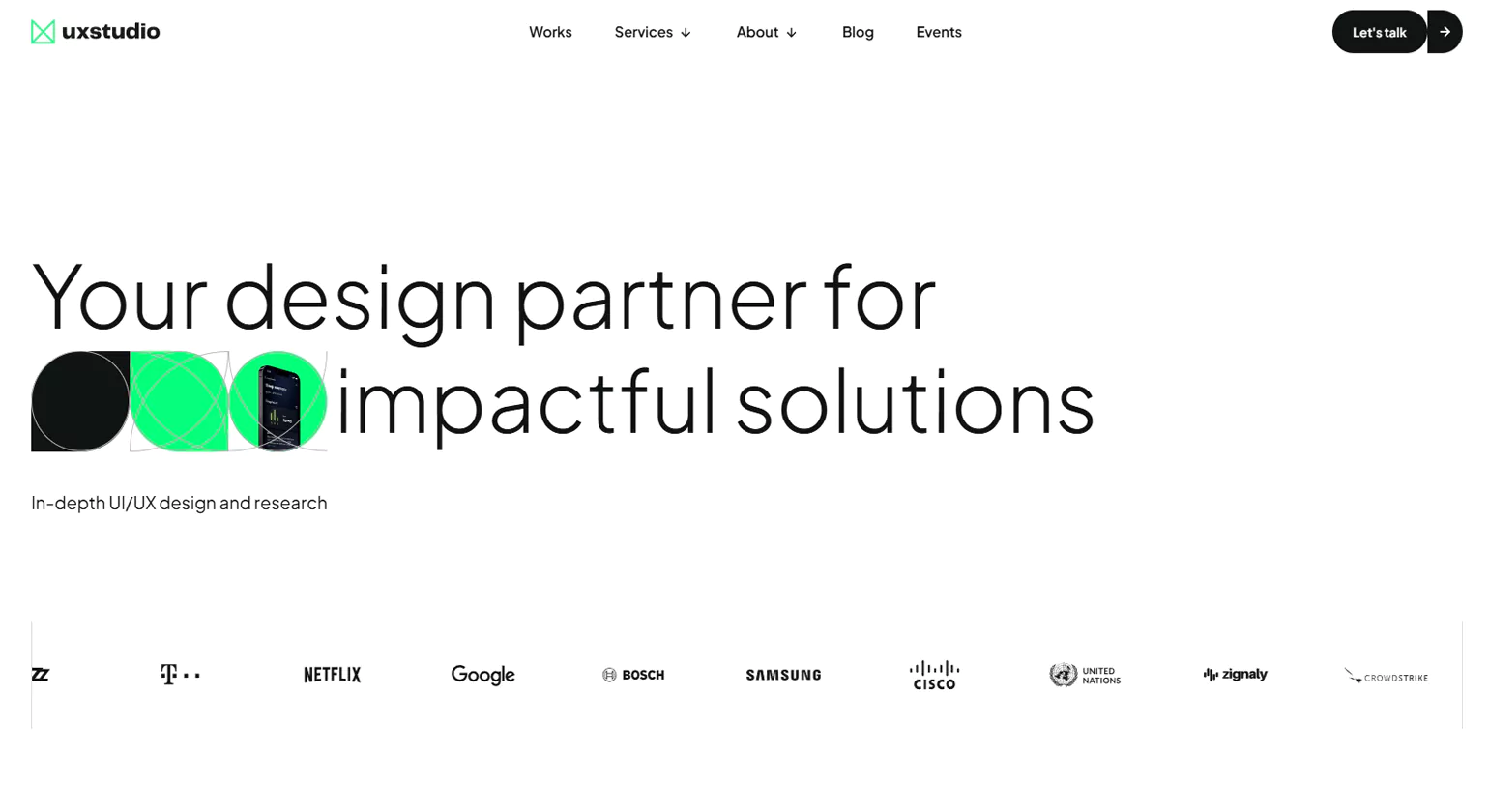
UX Studio stands out for its commitment to research-driven design, ensuring that every user interface is backed by real user insights and data. Their team provides comprehensive UI UX consultant services, from discovery and prototyping to final implementation. Serving a wide range of industries, UX Studio crafts intuitive, user-friendly experiences that align with business goals. Their strategic approach, combined with a strong emphasis on usability, makes them a go-to agency for companies seeking impactful and effective design solutions.
Key Features
UX research and design audits
Custom web and mobile app UI/UX design
Usability testing and A/B testing
AI-driven UX optimization
Agile and iterative design process
Why Choose UX Studio?
Research-driven and data-backed design approach
Strong focus on conversion rate optimization
Expertise in designing for diverse industries
Exceptional user engagement strategies
5. Metalab
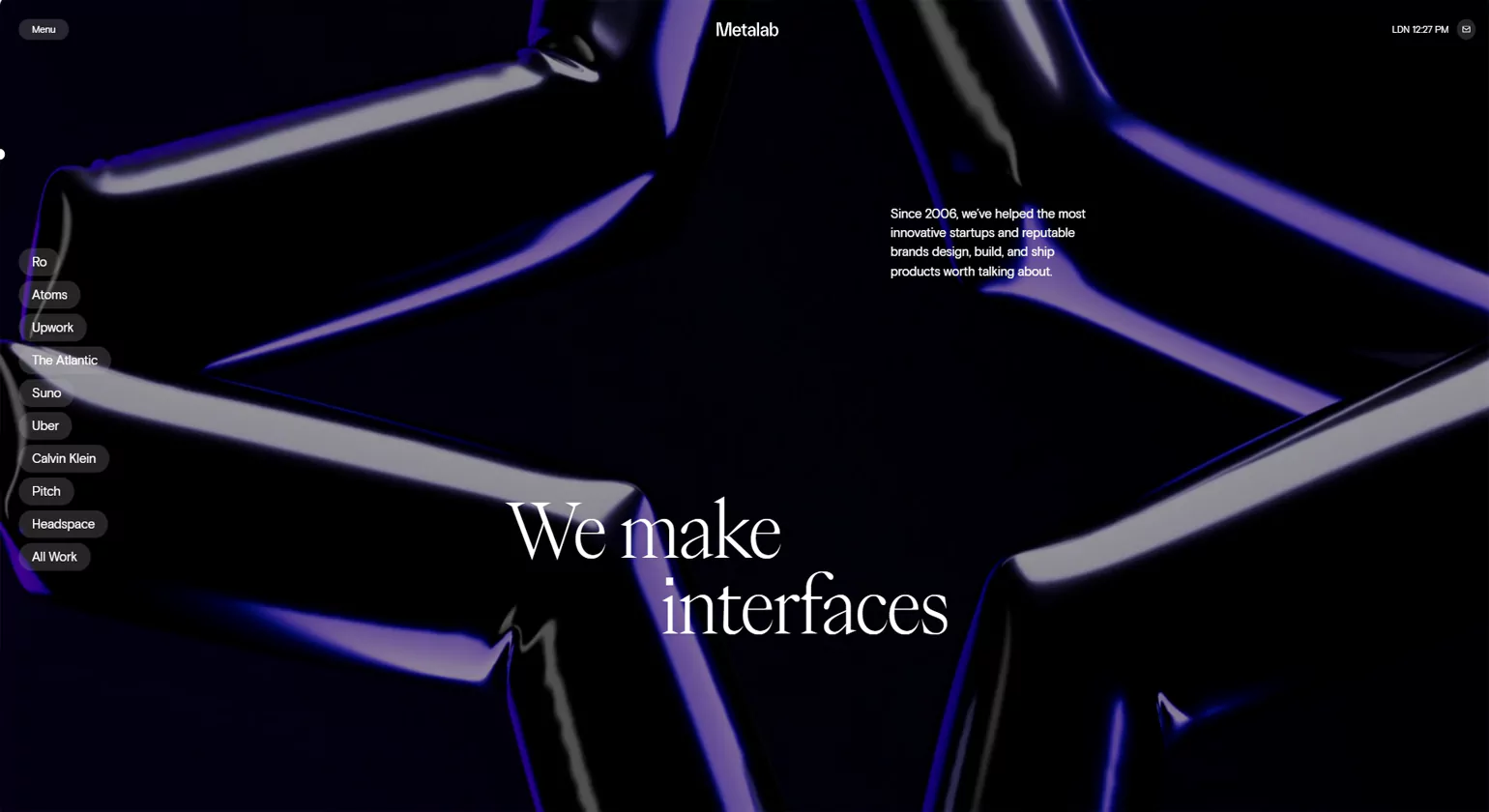
Metalab is a renowned UI/UX agency recognized for shaping digital products that reach millions of users globally. Their expertise lies in creating innovative, visually striking designs that blend form and function seamlessly. By collaborating closely with clients, Metalab ensures every product aligns with both user needs and brand vision. Their portfolio spans startups to tech giants, reflecting their ability to deliver world-class user experiences across diverse platforms and industries.
Key Features
UI/UX design for startups and enterprises
Extensive user research and analysis
Product strategy and design sprints
Interactive prototyping and testing
Scalable and adaptable design solutions
Why Choose DD.NYC?
Designed for top-tier companies and global brands
Emphasis on innovation and usability
Expert team with vast industry experience
Proven track record of successful digital products
How To Become a UX Consultant in 2026

Becoming a UI UX consultant in 2026 involves a multifaceted approach that encompasses education, skills development, practical experience, ongoing learning, networking, and adaptability to industry trends. Here’s an in-depth exploration of each aspect:
1. Educational Foundation
A solid educational background is essential. Pursue a bachelor’s degree in a relevant field such as HCI, psychology, design, or computer science. Look for programs that offer courses specifically focused on UX/UI design, interaction design, and user research. These programs provide a theoretical understanding of human behavior, design principles, and information architecture.
2. Practical Skills
Develop proficiency in design tools like Adobe XD, Sketch, Figma, or other industry-standard software. Additionally, master user research methodologies, including qualitative and quantitative techniques such as interviews, surveys, usability testing, and analytics interpretation. Gain expertise in prototyping and wireframing to effectively communicate design concepts and iterate on solutions.
3. Portfolio Development
Build a comprehensive portfolio showcasing your projects, highlighting your problem-solving process, design thinking, and the impact of your work on user experiences. Include case studies that demonstrate your ability to identify user needs, create user personas, conduct user testing, and iterate based on feedback. Your portfolio should reflect a diverse range of projects across different industries and platforms.
4. Experience Acquisition
Seek internships, freelance gigs, or entry-level positions in UX/UI design to gain practical experience. Work on real-world projects, collaborate with multidisciplinary teams, and engage with clients to understand their business objectives and user requirements. This hands-on experience will help you refine your skills, build your confidence, and expand your professional network.
5. Continued Learning
The field of UX/UI design is constantly evolving. Stay updated with the latest industry trends, emerging technologies, and best practices by attending workshops, webinars, conferences, and online courses. Consider pursuing advanced degrees or certifications to deepen your expertise and credibility in the field.
6. Networking and Collaboration
Engage with the UX community by participating in local meetups, industry events, online forums, and social media groups. Connect with fellow professionals, mentors, and potential clients to exchange ideas, seek advice, and explore collaboration opportunities. Building a strong network can open doors to job opportunities, mentorship, and lifelong learning.
7. Adaptability and Flexibility
The digital landscape is constantly changing, so it’s essential to stay adaptable and flexible in your approach. Embrace new tools, methodologies, and design trends, and be willing to experiment and iterate on your processes. Cultivate a growth mindset and a passion for lifelong learning to thrive in the dynamic field of UX consultancy.
By following this comprehensive approach, you can position yourself for success as a UI UX design consultant in 2026 and beyond.
Benefits of UX Consulting

1. Enhanced User Satisfaction
user experience consultant delves deep into understanding the psyche and behavior of users. Consultants gain valuable insights into user needs, preferences, and pain points by conducting comprehensive user research, including interviews, surveys, and usability testing. This in-depth understanding enables them to design digital products and UI UX design consulting services that align closely with user expectations, ultimately leading to heightened user satisfaction and loyalty.
2. Improved Usability
ui ux consultants meticulously evaluate the usability of digital interfaces, identifying areas of friction and inefficiency. Through heuristic evaluations, task analyses, and usability testing, consultants pinpoint usability issues such as confusing navigation, unclear messaging, or cumbersome workflows. By addressing these issues through iterative design improvements, businesses can significantly enhance the usability of their products, resulting in smoother user interactions and increased efficiency.
3. Reduced Development Costs
Early investment in user experience consulting can yield substantial cost savings throughout the development lifecycle. By conducting user research and usability testing early on, consultants help businesses identify potential design flaws and usability issues before they escalate into costly problems during development. This proactive approach minimizes the need for extensive rework and redesign later in the process, ultimately reducing development costs and accelerating time to market.
4. Competitive Advantage
In today’s saturated market, delivering exceptional user experiences can set businesses apart from their competitors. user experience consultant enables companies to differentiate themselves by creating digital products and services that resonate deeply with users. By prioritizing user needs and preferences, businesses can carve out a unique position in the market, attracting and retaining customers who value the superior experience they provide.
5. Increased Conversion Rates
A seamless user experience can have a significant impact on conversion rates and revenue generation. UX consultants focus on optimizing digital interfaces for conversion by removing obstacles to purchase, streamlining the checkout process, and enhancing overall user engagement. Through careful analysis of user behavior and iterative design refinements, consultants help businesses maximize conversion opportunities and drive revenue growth.
6. Better Accessibility
Accessibility is a fundamental aspect of user experience, ensuring that digital products and ui UX design consulting services are usable by people of all abilities. UX consultants advocate for inclusive design practices, conducting accessibility audits, and implementing design solutions that accommodate diverse user needs. By prioritizing accessibility, businesses demonstrate their commitment to inclusivity and compliance with accessibility standards, thereby reaching a broader audience and avoiding potential legal issues.
7. Data-Driven Decision Making
UX consulting relies on data and research to inform design decisions and strategy. Consultants leverage quantitative data such as user analytics and qualitative insights from user research to identify opportunities for optimization and innovation. By adopting a data-driven approach, businesses can make informed decisions about their digital strategies, continuously improving the user experience based on real user feedback and behavior. This iterative process fosters ongoing refinement and innovation, ensuring that digital products evolve to meet the changing needs and expectations of users.
UX vs UI design: What’s the difference?
User Experience (UX) Design
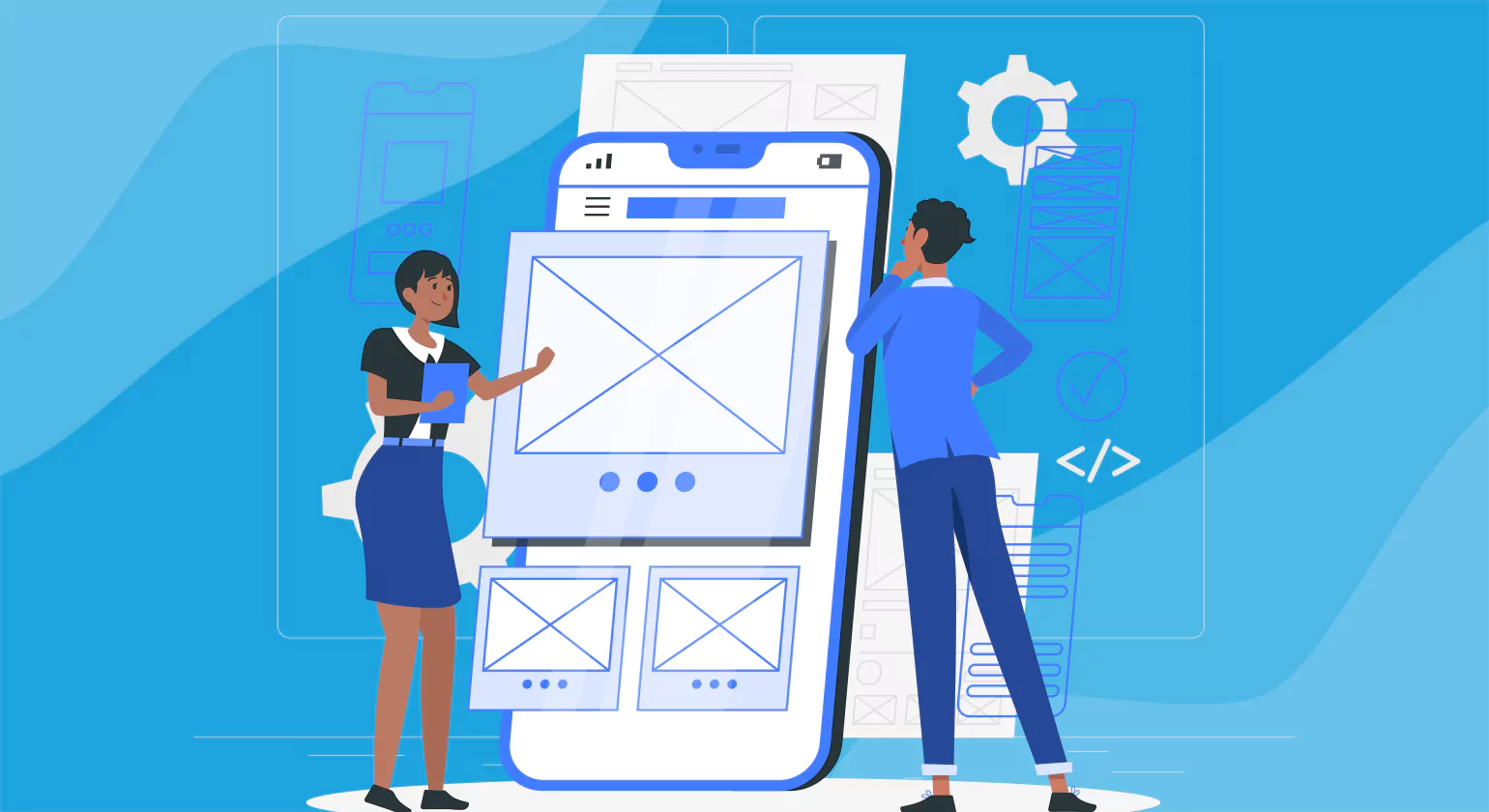
UI UX design Consultant is a holistic approach to crafting digital products and services with the end-user in mind. It encompasses various aspects of the user’s interaction, perception, and emotional response to a product. UX designers aim to understand the users’ needs, behaviors, and pain points through research methods such as user interviews, surveys, and usability testing.
1. Research and Discovery
UX designers gather information about the target audience, their goals, and the context in which they will use the product. This phase may include conducting user interviews, creating personas, and analyzing competitors.
2. Information Architecture
This stage involves organizing and structuring the content and functionality of the product to facilitate intuitive navigation and findability. UX designers create sitemaps, user flows, and wireframes to define the structure of the product.
3. Interaction Design
Interaction design focuses on designing the interface elements and interactions that allow users to accomplish tasks efficiently and effectively. This includes defining user journeys, creating prototypes, and conducting usability testing to refine the design.
4. Visual Design
While UX design primarily deals with the functionality and usability of a product, visual design focuses on its aesthetic appeal. Visual designers work on aspects such as typography, color palettes, and imagery to create visually engaging interfaces that align with the brand identity
5. Evaluation and Iteration
Throughout the design process, ui ux consultant continuously evaluate the product’s usability and effectiveness through usability testing, user feedback, and analytics. They use this feedback to make iterative improvements to the design.
UX design is about creating a seamless and delightful experience for users by understanding their needs and designing products that meet those needs effectively.
User Interface (UI) Design
User Interface (UI) design focuses on the visual aspects of the product, including its layout, typography, color scheme, and interactive elements. UI designers work closely with UX designers to translate the UX vision into visually appealing and user-friendly interfaces.
1. Visual Design
UI designers create the visual elements of the product, including buttons, icons, and other graphical elements. They pay attention to principles of visual hierarchy, contrast, and consistency to ensure that the interface is easy to understand and navigate.
2. Prototyping
UI designers use prototyping tools to create interactive prototypes that simulate the final product’s appearance and behavior. Prototypes allow designers to test the usability of the interface and gather feedback from stakeholders before finalizing the design.
3. Responsive Design
With the proliferation of mobile devices and varying screen sizes, UI designers must ensure that the interface is responsive and adapts seamlessly to different devices and resolutions. They use techniques such as fluid grids, flexible images, and media queries to create responsive designs.
4. Accessibility
UI designers also consider accessibility principles to ensure that the interface is usable by people with disabilities. This may involve designing alternative text for images, providing keyboard navigation options, and ensuring sufficient color contrast for readability.
5. Collaboration
UI designers collaborate closely with other members of the design team, including UX designers, developers, and product managers, to ensure that the visual design aligns with the overall UX vision and technical requirements.
In summary, UI design focuses on creating visually appealing and intuitive interfaces that enhance the overall user experience. It complements UX design by translating the UX vision into tangible design elements that users interact with.
Why do Businesses Need UX/UI Consultancy So Much?

Businesses today recognize the critical importance of UX/UI consultancy due to the profound impact that user experience has on various aspects of their operations. Here’s an in-depth look at why businesses need UX/UI consultancy:
1. User-Centricity as a Competitive Edge
In an era where customer expectations are continually evolving, businesses must prioritize user satisfaction to stay competitive. UX/UI consultancy enables businesses to understand their users deeply, empathize with their needs, and tailor digital experiences accordingly. By placing users at the center of the design process, businesses can differentiate themselves from competitors and foster stronger customer loyalty.
2. Strategic Decision-Making
UX/UI consultancy provides businesses with valuable insights derived from user research, usability testing, and data analysis. These insights inform strategic decision-making processes, such as product development roadmaps, feature prioritization, and market positioning. By aligning design decisions with user needs and business goals, consultancy services help businesses make informed choices that drive growth and profitability.
3. Cost-Efficiency and Risk Mitigation
Investing in Ui UX consultant early in the product development lifecycle can yield substantial cost savings and risk mitigation benefits. By identifying usability issues, user pain points, and design flaws early on, businesses can avoid costly redesigns, reworks, and post-launch fixes. Additionally, consultancy services help businesses anticipate potential challenges, mitigate risks, and optimize resource allocation, resulting in more efficient and effective product development processes.
4. Conversion Optimization and Revenue Generation
A well-designed user experience can significantly impact conversion rates and revenue generation. UX/UI consultancy focuses on optimizing digital interfaces to enhance usability, streamline user journeys, and maximize engagement. By reducing friction points, improving accessibility, and guiding users towards desired actions, consultancy services help businesses increase conversion rates, average order values, and overall revenue streams.
5. Brand Reputation and Customer Satisfaction
User experience directly influences brand perception and customer satisfaction levels. Positive experiences foster trust, loyalty, and advocacy, whereas negative experiences can tarnish brand reputation and drive customers away. UX/UI consultancy ensures that digital products reflect positively on the brand, align with brand values, and deliver consistent, cohesive experiences across touchpoints. By prioritizing user satisfaction and brand reputation, businesses can build enduring relationships with customers and maintain a competitive edge in the market.
What Abilities Should be There in a Top UI UX Consultant?

A top consultant possesses a multifaceted skill set that encompasses a deep understanding of user behavior, design principles, business objectives, and technological possibilities. Here’s a more in-depth look at the abilities required:
1. User-Centric Mindset
The foundation of UI/UX consultancy lies in empathizing with users. UX UI Consultants must have a keen ability to understand user needs, motivations, and pain points through various research methods such as interviews, surveys, and usability testing.
2. Information Architecture
They excel in organizing and structuring information in a way that facilitates intuitive navigation and comprehension. This involves creating effective sitemaps, taxonomies, and user flows to optimize the user journey.
3. Interaction Design
They craft meaningful interactions between users and digital interfaces, ensuring seamless and engaging experiences. This involves designing intuitive gestures, animations, and micro-interactions that enhance usability and delight users.
4. Visual Design
They possess a strong grasp of design principles such as typography, color theory, and layout to create visually appealing interfaces. They have the skills to create polished and aesthetically pleasing designs while maintaining consistency and brand identity.
5. Prototyping and Wireframing
They are proficient in creating prototypes and wireframes to visualize and iterate on design concepts. This involves using tools like Sketch, Adobe XD, or Figma to quickly translate ideas into tangible prototypes for user testing and feedback.
6. Usability Testing and Analysis
They have experience in planning, conducting, and analyzing usability tests to gather insights and validate design decisions. This includes synthesizing feedback, identifying usability issues, and iterating on designs based on user feedback.
7. Business Acumen
They understand the strategic goals and objectives of the business and align design decisions with these goals. This involves balancing user needs with business requirements to create solutions that drive value and achieve measurable outcomes.
8. Communication and Collaboration
They excel in collaborating with cross-functional teams, including designers, developers, product managers, and stakeholders. They can effectively communicate design concepts, rationale, and recommendations to diverse audiences, fostering collaboration and buy-in.
9. Continuous Learning
They stay updated on the latest UI/UX trends, tools, and best practices through continuous learning and professional development. They seek out opportunities to expand their skills and knowledge to deliver innovative and cutting-edge solutions.
10. Problem-Solving Skills
They approach design challenges with creativity, critical thinking, and analytical problem-solving skills. They can identify and address complex problems through iterative design processes, experimentation, and user-centered methodologies.
Overall, a top ui ux consultant combines technical expertise, creativity, empathy, strategic thinking, and effective communication to deliver exceptional digital experiences that meet both user and business needs.
Conclusion
In the fast-paced digital world of 2026, UX consultants are essential for delivering optimal user experiences across platforms. They provide strategic insights into usability, accessibility, and user satisfaction, going beyond the scope of typical design roles. With expertise in UX principles, research, and communication, these professionals guide businesses in crafting intuitive, user-centric solutions. Their role is increasingly valued as companies strive to remain competitive and meet evolving user expectations. UI/UX consultants help streamline digital products, boost customer satisfaction, and drive growth. Leading design companies in 2026 emphasize innovation, collaboration, and personalized design excellence.
Read More >>>
Boost Business Success with Creative UI UX Design Services
Top UX Testing Tools and Tips for Better App Design 2026
FAQs
1. What does a ui ux consultant do?
A UI/UX consultant analyzes user needs and business goals to improve digital experiences. They provide strategic guidance on usability, accessibility, and design, helping create intuitive interfaces. Their goal is to enhance user satisfaction and drive product success.
2. What are the 4 C's of UX?
The 4 C’s of UX are Clarity, Consistency, Communication, and Credibility. These principles guide the design of user experiences that are easy to understand, reliable, cohesive across platforms, and build trust with users, ensuring smooth and effective interactions.
3. What are the golden rules of UI UX?
The golden rules of UI/UX include clarity, consistency, user control, feedback, efficiency, accessibility, and aesthetic design. These principles ensure interfaces are easy to use, visually appealing, and focused on enhancing the overall user experience across all platforms.
4. How can I improve the usability of my website or app?
To improve usability, focus on clear navigation, responsive design, and fast load times. Use intuitive layouts, readable fonts, and consistent visuals. Conduct user testing, gather feedback, and regularly update based on user behavior to enhance overall experience.
5. What role does responsive design play in UI/UX?
Responsive design ensures websites and apps adapt seamlessly to different screen sizes and devices. This improves usability and accessibility, providing a consistent and enjoyable user experience across desktops, tablets, and smartphones, which is essential for retaining and engaging users.