Table of Contents
Introduction
In today’s digital landscape, businesses must prioritize user-friendly experiences to stay ahead. Creative UI UX services play a crucial role in designing intuitive interfaces that engage users and enhance brand perception. By combining aesthetics with functionality, these services ensure seamless navigation, ultimately improving customer satisfaction. As a result, companies can drive higher conversions and long-term success.
Moreover, with ever-evolving technology, businesses must adapt to changing user expectations. A well-crafted UI/UX strategy not only attracts new users but also retains existing ones. By focusing on user behavior and design trends, organizations can create compelling digital experiences. Consequently, investing in professional UI/UX services becomes essential for business growth.
UI/UX Design and Development Services: A Complete Guide

In today’s competitive digital ecosystem, users demand seamless, fast, and intuitive digital experiences. Whether it’s a mobile app, website, or enterprise product, creative UI UX services and development play a crucial role in defining how users interact, feel, and engage with your brand. A strong design doesn’t just attract—it converts, retains, and builds loyalty.
Understanding UI/UX Design and Development
ChatGPT said:
User Experience (UX) focuses on how users interact with a product and how easily they achieve their goals. It involves research, usability testing, and wireframing to ensure logical flow and functionality.
User Interface (UI), on the other hand, shapes the look and feel—typography, color palettes, icons, and layouts that make an interface visually appealing and consistent. Services UI design complements UX by bringing the visual and interactive aspects to life.
When UI and UX work together, they create products that are both beautiful and efficient. This balance enhances usability, accessibility, and overall satisfaction. Businesses investing in UI/UX design and development services often see reduced churn, improved engagement, and a better return on investment.
Key Phases of UI/UX Design and Development
The design process goes far beyond visuals—it’s a strategic journey aimed at aligning user expectations with business goals. Below are the key stages professionals follow:
- Research and Discovery – The foundation of every successful design begins with user research, competitor analysis, and persona development. This phase helps identify real user needs and pain points.
- Wireframing and Prototyping – Designers create low-fidelity wireframes and clickable prototypes to visualize how users will interact with the interface before development begins.
- Visual Design and Interaction – Once the layout is tested and approved, the team crafts visual elements, brand guidelines, and interaction models to ensure consistency across all devices.
- Front-End Development – Developers transform static designs into responsive, functional interfaces using HTML, CSS, and modern JavaScript frameworks like React or Angular.
- Testing and Iteration – Usability testing and A/B testing ensure the product is intuitive. Feedback is analyzed, improvements are made, and final deployment ensures performance and accessibility standards are met.
Choosing the Right Creative UI UX Services for Your Business

Selecting the best UI UX services is crucial for delivering seamless digital experiences. A well-designed interface enhances user satisfaction, improves engagement, and drives business growth. With so many options available, businesses must carefully evaluate service providers to find the right fit. By considering expertise, portfolio, and industry trends, companies can make informed decisions.
Key Factors to Consider
Finding the right UI UX design and development services requires a strategic approach. Businesses should assess their goals, target audience, and brand identity before choosing a service provider. A team with a strong portfolio and experience in various industries can create customized solutions. Additionally, incorporating the latest design trends ensures a modern and user-friendly experience.
- Industry expertise – Choose a provider with experience in your business sector.
- User research focus – Ensure they prioritize audience needs and behavior.
- Creative and functional design – A balance between aesthetics and usability is essential.
- Comprehensive services – Look for end-to-end solutions, from research to execution.
- Proven track record – Check past projects and client testimonials for credibility.
Why a Strong UI UX Strategy Matters
A well-planned UI UX design improves user interactions, making digital platforms more accessible and engaging. The right UI UX design and development services help businesses create intuitive, user-friendly websites and apps. A structured design approach enhances brand trust and boosts customer retention. Therefore, investing in quality UI UX services ensures long-term business success.
The Importance of User Experience in Digital Transformation

Digital transformation continues to redefine how organizations operate, communicate, and deliver value. From cloud computing to artificial intelligence, emerging technologies are revolutionizing every industry. Yet one key factor determines whether this transformation truly succeeds — User Experience (UX).
A well-designed UX goes beyond visual appeal; it ensures that digital tools, apps, and systems are intuitive, efficient, and aligned with human behavior. When users find interactions simple and meaningful, adoption increases, productivity improves, and transformation goals are achieved faster.
Why User Experience Is Central to Digital Transformation
User Experience lies at the heart of every digital transformation initiative. As organizations implement new digital solutions, the end goal should be to make technology work for people, not against them. A strong UX strategy enables that connection by ensuring ease, clarity, and accessibility.
Here’s why it matters more than ever in 2025:
- Boosts Adoption and Engagement: Whether it’s employees learning a new platform or customers using a digital service, a frictionless interface encourages engagement and reduces resistance to change.
- Drives Efficiency and Productivity: Intuitive design minimizes errors, reduces training time, and helps users accomplish tasks faster.
- Delivers Higher ROI: Businesses that prioritize UX see measurable gains through increased conversions and reduced operational costs.
- Supports Brand Credibility: A seamless digital experience communicates professionalism and reliability — essential in a competitive digital market.
- Improves Customer Satisfaction and Retention: Positive experiences lead to stronger relationships, higher trust, and lasting loyalty.
Embedding UX into a Successful Digital Strategy
To maximize digital transformation outcomes, creative UI UX services must be integrated from the very beginning — not treated as an afterthought. Companies can achieve this through a few essential practices, leveraging UX design solutions to ensure user-centered and effective digital experiences.
- Start with User Research: Understand user needs, behaviors, and pain points before designing or deploying new systems.
- Design for Accessibility: Ensure products are inclusive and functional for users of all abilities.
- Maintain Consistency: Provide a unified experience across mobile, desktop, and web platforms to strengthen familiarity and trust.
- Test, Analyze, and Iterate: Gather feedback, track performance metrics, and continuously refine the design for better usability.
- Encourage Collaboration: Align designers, developers, and business teams to create solutions that serve both user satisfaction and business goals.
The Role of a User Interface Consultant in Business Success

A user interface consultant helps businesses create seamless, engaging, and user-friendly digital experiences. By analysing user behaviour and industry trends, they optimize interfaces for better usability and functionality. With a strong UI strategy, businesses can improve customer satisfaction and drive higher engagement. Investing in expert guidance ensures a competitive edge in the ever-evolving digital landscape.
Who Is a UI Consultant?
A UI consultant is a specialist who focuses on designing and improving user interfaces for digital platforms. They ensure that websites and applications are visually appealing, easy to navigate, and aligned with user expectations. By conducting usability research and testing, they identify areas that need improvement. Their expertise helps businesses enhance digital products for a better user experience.
How a UI Consultant Enhances Digital Products
A well-designed user interface is essential for improving customer retention and engagement. Creative UI UX services play a vital role in refining digital products by making them more intuitive and efficient. A UI consultant implements best practices to ensure that the interface is both aesthetically pleasing and highly functional. Their strategies help businesses attract users and convert them into loyal customers.
1. User-Cantered Design
Creating interfaces that prioritize user needs and expectations.
2. Enhanced Navigation
Designing smooth and intuitive pathways for seamless interaction.
3. Visual Consistency
Ensuring branding and design elements remain uniform across platforms.
4. Usability Testing
Identifying pain points and refining the interface for a better experience.
5. Performance Optimization
Improving speed and responsiveness for smoother user interaction.
6. Conversion Optimization
Enhancing UI elements to encourage user engagement and sales.
Key Trends in Creative UI UX Services for 2025
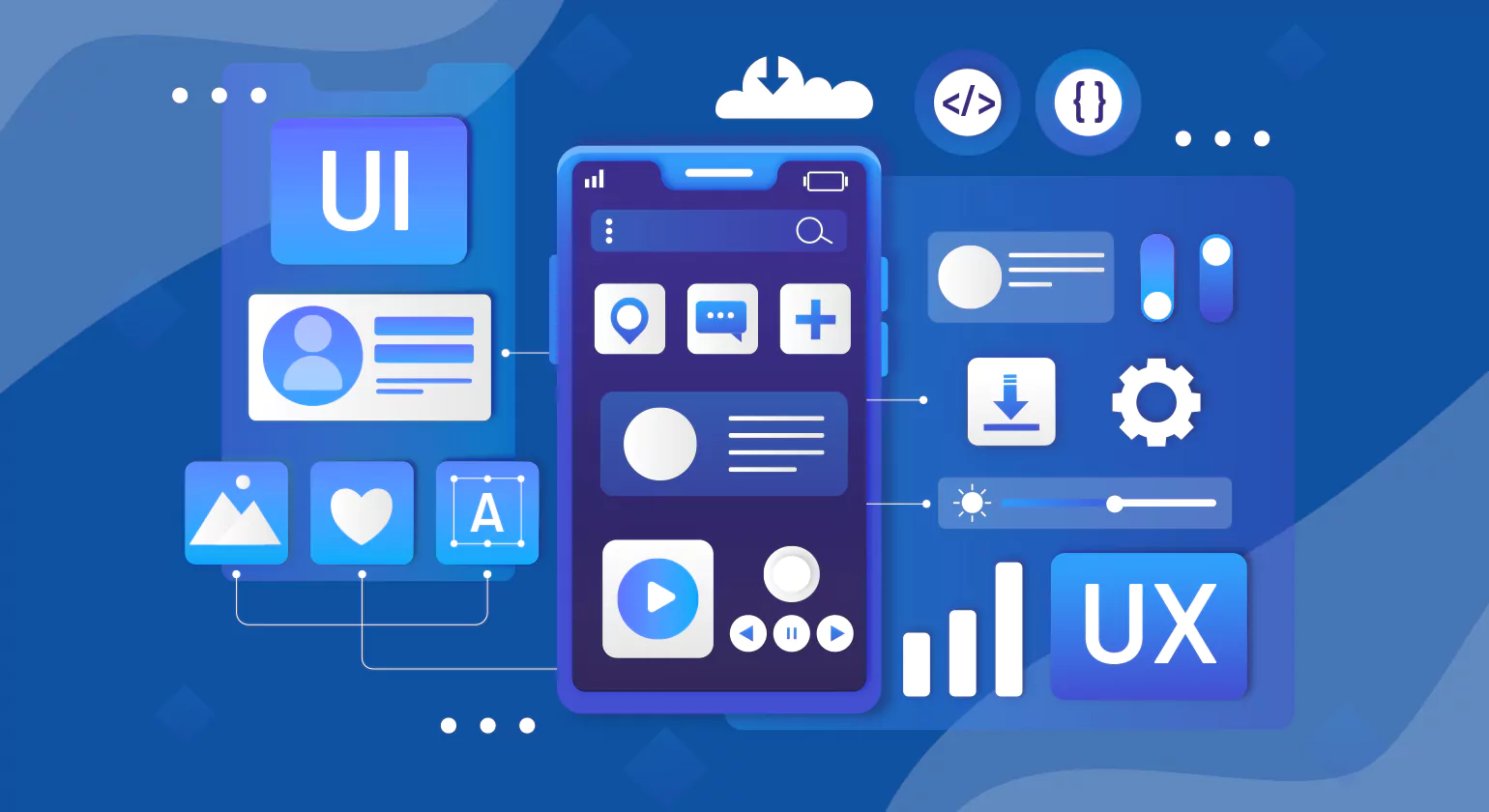
The future of creative UI UX services is driven by innovation, making digital interactions more seamless and engaging. Businesses must adapt to emerging trends like AI-driven personalization and hands-free interfaces to enhance user experience. These advancements improve accessibility, efficiency, and customer satisfaction. By embracing new technologies, companies can create intuitive and future-ready digital products.
AI and Machine Learning in UI UX
AI and machine learning are transforming UI UX by creating smarter, more personalized experiences. These technologies analyse user behaviour to optimize interfaces, predict actions, and enhance engagement. With AI-powered automation, businesses can improve usability and customer interactions. In 2025, AI-driven UX will set new standards for efficiency and personalization.
- Personalized UX – AI tailors content based on user behaviour.
- Predictive design – Smart interfaces anticipate user actions.
- AI chatbots – Enhancing support with real-time assistance.
- Automated testing – AI detects and fixes usability issues.
The Rise of Voice and Gesture Interfaces
Voice and gesture-based interactions are making digital experiences more natural and accessible. These interfaces provide hands-free navigation, improving usability for all users, including those with disabilities. As smart devices evolve, businesses must integrate voice and gesture controls. In 2025, these technologies will enhance convenience and user engagement.
- Voice search – Quick access to information using commands.
- Gesture control – Touch-free navigation for better usability.
- Smart assistants – AI-powered voice interactions for support.
- Enhanced accessibility – Easier navigation for all users
The UX Design Process: The Ultimate 8-Step Guide
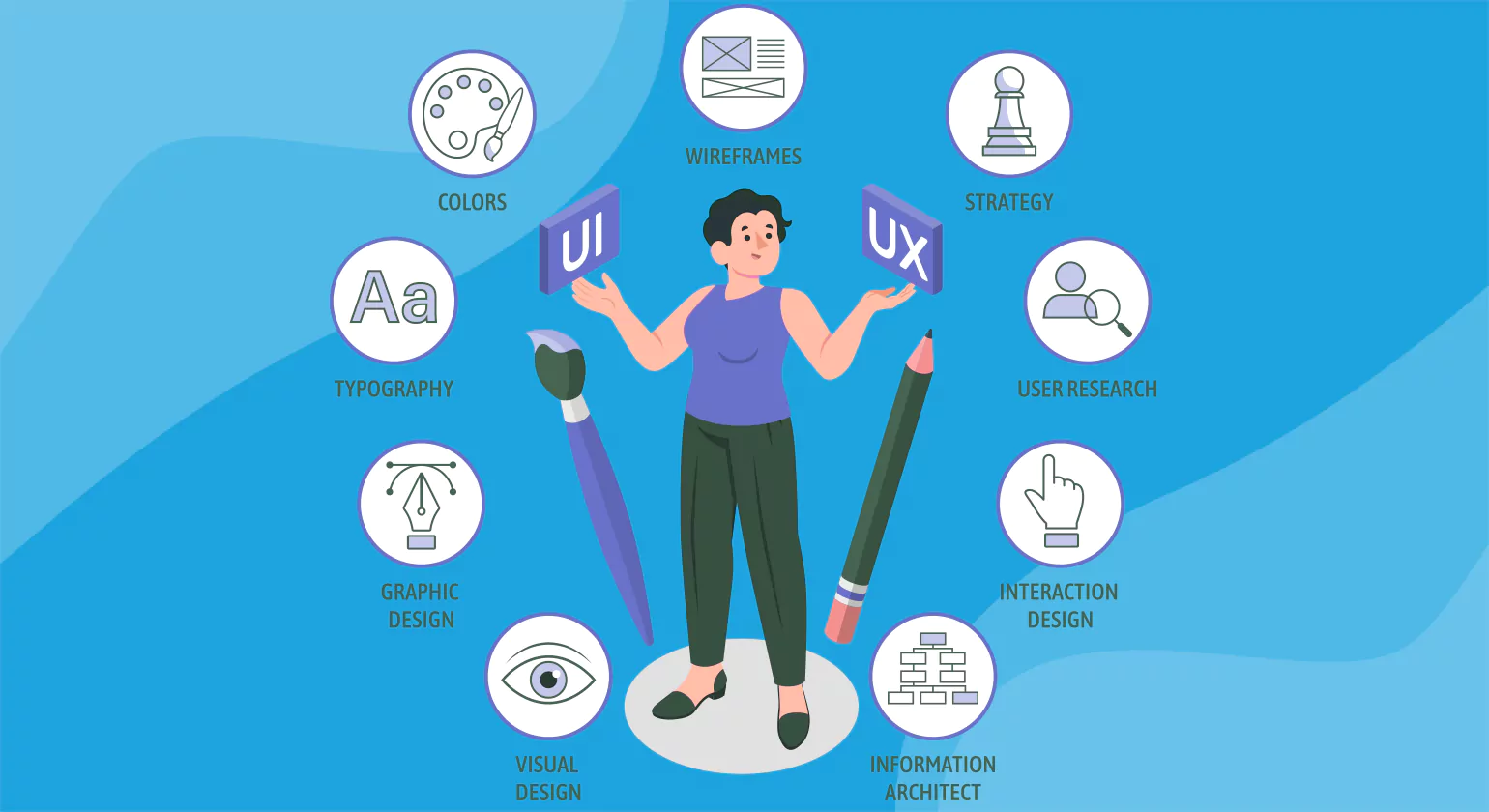
In today’s digital landscape, creating intuitive and user-friendly experiences is paramount. Creative UI UX services serve as a structured approach to crafting products that not only meet user needs but also delight them. This guide delves into the eight essential steps that form the backbone of effective UX design.
1. Define
The foundation of any successful design begins with a clear understanding of the problem. In this phase:
- Stakeholder Interviews: Engage with business leaders to grasp objectives and constraints.
- User Identification: Determine who the end-users are and their primary goals.
- Problem Statement: Articulate the core issue the design aims to solve.
By establishing a solid definition, designers ensure alignment with business goals and user needs, leveraging UX design solutions to create effective and user-centered outcomes.
2. Research
Thorough research informs design decisions and uncovers insights that might not be immediately apparent. This step involves:
- User Research: Conduct surveys, interviews, and observations to understand user behaviors and pain points.
- Market Analysis: Study competitors and industry trends to identify opportunities and threats.
- Persona Creation: Develop detailed user personas to represent the target audience effectively.
Comprehensive research provides a user-centered perspective, guiding the design process.
3. Ideation
With insights in hand, the team brainstorms potential solutions. Key activities include:
- Sketching: Create low-fidelity wireframes to visualize ideas.
- Mind Mapping: Explore various design directions and their implications.
- Collaborative Workshops: Engage cross-functional teams to refine concepts.
Ideation fosters creativity and ensures diverse perspectives are considered.
4. Design
Transforming ideas into tangible designs occurs in this phase:
- Wireframing: Develop basic layouts to outline structure and functionality.
- Prototyping: Build interactive models to simulate user interactions.
- UI Design: Focus on aesthetics, including color schemes, typography, and branding elements.
The design phase brings concepts to life, readying them for user testing.
5. Testing
Validating design choices ensures they resonate with users:
- Usability Testing: Observe real users interacting with prototypes to identify issues.
- A/B Testing: Compare different design versions to determine which performs better.
- Feedback Loops: Gather insights from stakeholders and users to inform refinements.
Testing helps uncover usability issues and areas for improvement.
6. Implementation
With validated designs, the development team brings the product to fruition:
- Development Handoff: Provide developers with design specifications and assets.
- Collaboration: Maintain close communication between designers and developers to ensure fidelity.
- Quality Assurance: Test the product to ensure it meets design and functionality standards.
Effective implementation bridges the gap between design and the final product.
7. Launch
Releasing the product to users marks a significant milestone:
- Deployment: Make the product available to the target audience.
- Monitoring: Track user interactions and performance metrics.
- Support: Offer assistance to users and address any immediate issues.
A successful launch sets the stage for user adoption and feedback collection.
8. Iteration
Continuous improvement ensures the product remains relevant and effective:
- User Feedback: Collect and analyze user input to identify areas for enhancement.
- Analytics Review: Examine usage data to uncover patterns and pain points.
- Design Refinement: Make necessary adjustments to improve user experience.
Iteration is a cyclical process that drives ongoing product optimization, supported by services UI design to enhance visual and interactive elements.
UI UX Best Practices for Business Websites and Apps
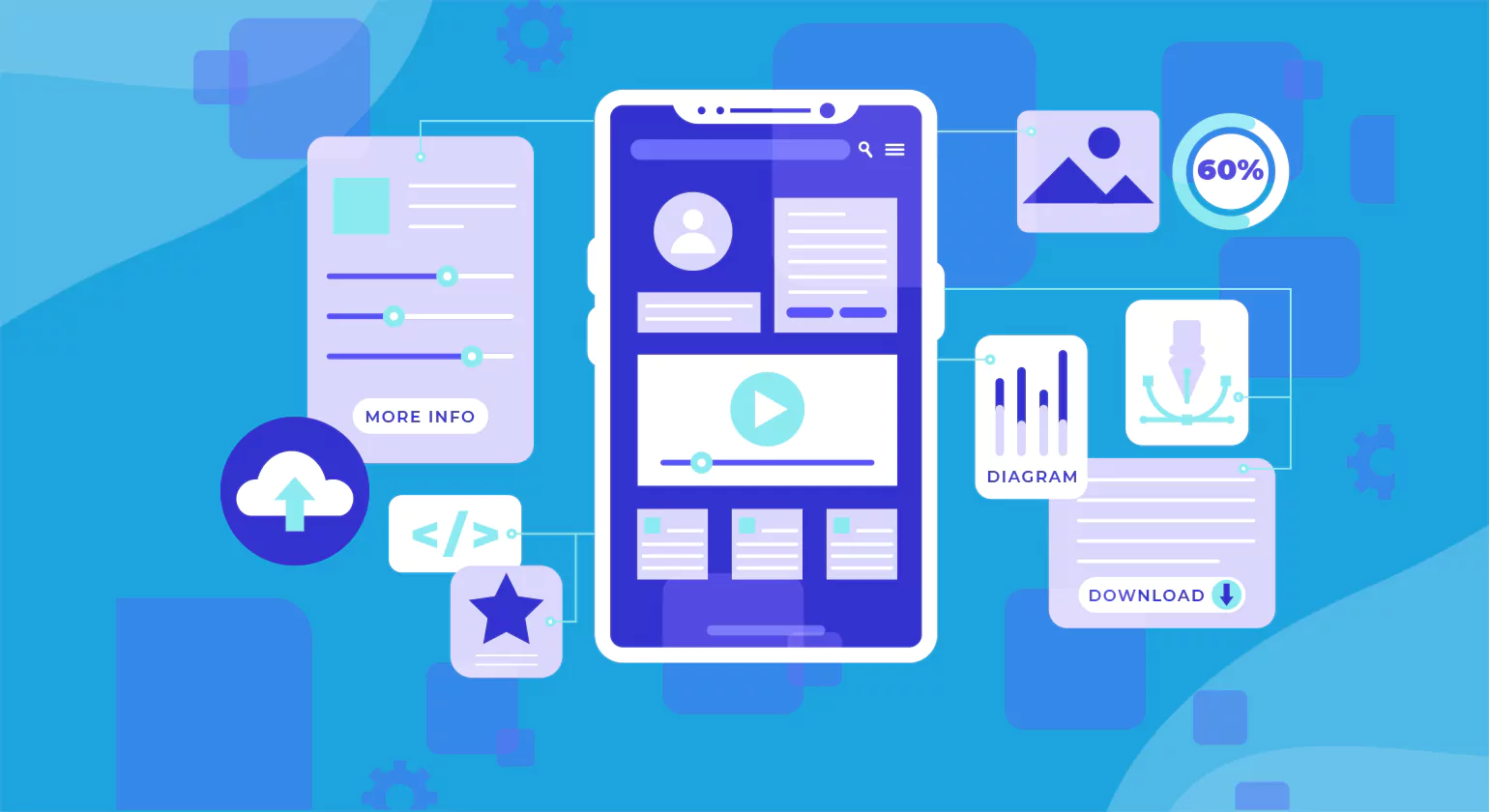
A well-designed creative UI UX services approach ensures that business websites and apps offer a smooth, engaging, and user-friendly experience. A clear layout, fast performance, and seamless navigation keep users interested and improve retention. Businesses that prioritize UI UX see higher engagement, better conversion rates, and stronger customer loyalty. Implementing best practices helps create a digital experience that meets user expectations.
1. How to Improve User Engagement with UI UX
User engagement is essential for the success of any website or app. A well-structured UI UX makes navigation easy, guiding users toward the desired actions. Fast-loading pages, interactive elements, and clear content organization improve the overall experience. Businesses that focus on usability and design can significantly boost user interaction and conversions.
- Simple navigation – Users should find information quickly and easily.
- Fast performance – Optimize loading speeds to prevent frustration.
- Mobile responsiveness – Ensure smooth functionality on all screen sizes.
- Visually appealing design – Use high-quality graphics and a clean layout.
- Clear CTAs – Guide users with easy-to-spot action buttons.
A good UI UX should make interactions effortless, encouraging users to stay longer. Well-placed buttons, readable fonts, and logical information flow contribute to a smooth experience. Businesses should also personalize interactions to make users feel valued. These small details can significantly impact engagement and customer satisfaction.
2. Common Mistakes in UI UX and How to Avoid Them
Many businesses unknowingly make UI UX mistakes that harm user experience. Cluttered layouts, slow load times, and inconsistent branding can confuse visitors. Ignoring usability testing leads to poor engagement, as users struggle to navigate the platform. Avoiding these common errors helps create a more seamless and enjoyable experience.
- Too much clutter – Keep designs simple and organized.
- Ignoring mobile users – Optimize for all devices to improve accessibility.
- Inconsistent branding – Maintain uniform colour, fonts, and styles.
- Unreadable text – Use proper contrast and font sizes for clarity.
- Skipping user testing – Collect feedback to refine the design.
Best User Experience Companies Offering Creative UI UX Services

Finding the right partner can significantly impact the success of a digital product. The best user experiences companies focus on innovation, usability, and seamless interaction to enhance customer satisfaction. With a strong UI UX strategy, businesses can improve engagement, increase conversions, and build brand loyalty. Therefore, choosing a company with expertise and a proven track record is essential for long-term success.
What Makes a Great UI UX Company?
Not all UI UX design and development services are the same, so it’s important to choose a company that aligns with your goals. The best firms offer a user-cantered approach, combining research, strategy, and creativity to deliver intuitive designs. They also stay updated with the latest industry trends to provide modern and scalable solutions.
- User-focused design – Companies prioritize usability and user satisfaction.
- Strong portfolio – Proven experience across industries ensures high-quality results.
- Innovative approach – Creative solutions that enhance engagement and interaction.
- Full-service expertise – From research to implementation, a complete UI UX process.
- Positive client feedback – Reviews and testimonials confirm their reliability.
Top Benefits of Working with Leading UX Companies
Partnering with a top user experience company ensures that businesses get high-performing, aesthetically pleasing, and user-friendly digital products. These companies use data-driven insights and cutting-edge technologies to create seamless experiences. Moreover, their expertise helps businesses avoid costly design mistakes while optimizing usability.
- Enhanced user engagement – Intuitive designs encourage users to stay longer.
- Higher conversion rates – A smooth user journey leads to better conversions.
- Improved brand perception – A well-designed interface strengthens brand identity.
- Data-driven design – User research and analytics shape better experiences.
- Faster development process – Expert teams streamline design and implementation.
- Ongoing support and improvements – Continuous enhancements for long-term success.
How Creative UI UX Services Drive Customer Retention and Loyalty
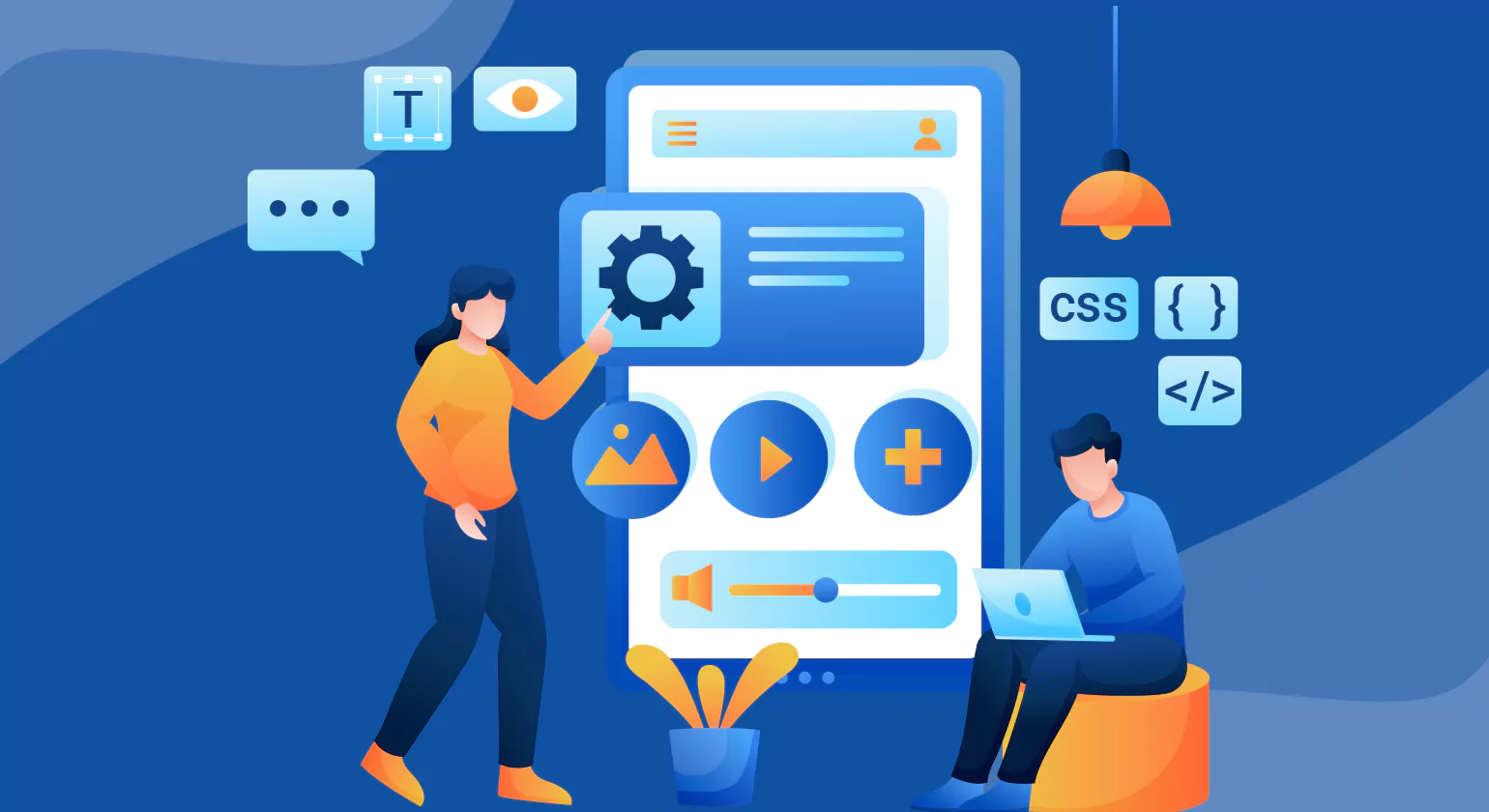
A well-designed UI UX does more than just enhance usability; it plays a crucial role in retaining customers and building long-term loyalty. When users have a seamless and enjoyable experience, they are more likely to return and engage with the brand. Businesses that invest in UI UX design create digital platforms that are intuitive, visually appealing, and user-friendly. As a result, customers develop trust and a strong connection with the brand.
The Impact of UI UX on Customer Retention
A positive user experience keeps customers engaged, reducing the chances of them switching to competitors. A simple, efficient, and visually pleasing interface makes interactions effortless, encouraging users to stay longer. Businesses that focus on optimizing UI UX can significantly improve retention rates and overall customer satisfaction.
- Smooth navigation – Users can easily find what they need without frustration.
- Personalized experiences – Tailored content and recommendations enhance engagement.
- Consistent branding – A unified design builds trust and recognition.
- Fast-loading pages – Speed improves user satisfaction and reduces bounce rates.
- Seamless mobile experience – Optimized designs ensure usability on all devices.
How UI UX Builds Customer Loyalty
Customer loyalty is built when users repeatedly choose a brand because of a positive experience. A well-crafted UI UX fosters an emotional connection by making every interaction smooth and enjoyable. By continuously improving design elements and addressing user pain points, businesses can strengthen relationships with their audience.
- User-friendly interfaces – Simplified design enhances ease of use.
- Engaging visuals and animations – Aesthetics play a role in user satisfaction.
- Proactive support features – Chatbots and FAQs help users quickly find solutions.
- Regular updates and improvements – Keeping designs fresh and functional builds trust.
- Emotional connection – A seamless experience makes users feel valued.
Measuring the Success of UI UX Design and Development Services
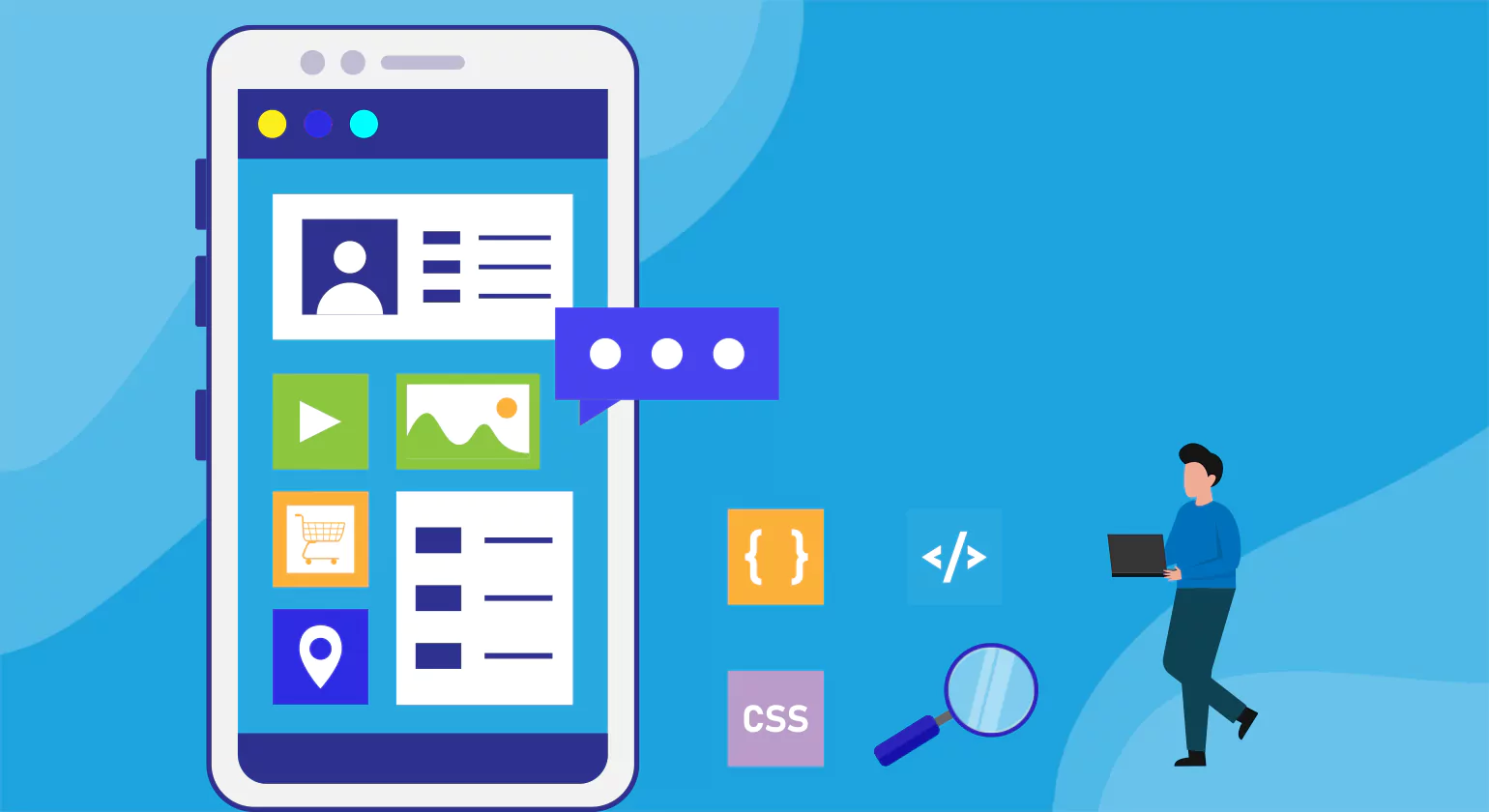
A well-executed creative UI UX services, design and development services strategy should not only look good but also deliver measurable results. To ensure that the design effectively enhances user experience, businesses must track performance and optimize accordingly. By analysing key metrics and using the right tools, companies can identify areas for improvement and refine their digital products.
1. Key Metrics for Evaluating UI UX Performance
Measuring UI UX success requires analysing specific data points that reflect user behaviour and interaction. These metrics help businesses understand how users engage with their websites or apps and whether any usability issues exist. Tracking these performance indicators allows for continuous improvement and a more seamless user experience.
- User engagement rate – Measures time spent on the platform and interaction levels.
- Bounce rate – Tracks how quickly users leave the site, indicating potential issues.
- Conversion rate – Evaluates the effectiveness of the design in driving actions.
- Task success rate – Analyses how easily users complete desired actions.
- Customer satisfaction score – Gathers user feedback on their experience.
2. Tools for Tracking and Optimizing User Experience
To gain deeper insights into user behaviour, businesses must utilize advanced tools for tracking and analysis. These tools help identify pain points, monitor usability trends, and optimize the overall experience. By leveraging data, companies can refine to align with user expectations.
- Google Analytics – Tracks user activity, engagement, and traffic patterns.
- Heatmaps (Hotjar) – Visualizes where users click and scroll the most.
- A/B Testing Tools – Compares different design versions to find the best-performing one.
- Session Recording Tools – Captures real-time user interactions for deeper insights.
- Usability Testing Platforms – Gathers direct feedback from real users.
Conclusion
Investing in creative UI UX services is essential for businesses aiming to deliver seamless and engaging digital experiences. A well-crafted UI UX design not only attracts users but also keeps them engaged for longer. By focusing on usability and visual appeal, businesses can enhance customer satisfaction and brand loyalty.
Choosing the right UI UX design and development services plays a key role in optimizing user interactions. From research to execution, every design element should be carefully crafted to enhance usability. Tracking key performance metrics helps businesses refine their design, eliminate pain points, and leverage services UI design for improved visual and interactive experiences.
In today’s competitive landscape, working with the best user experience companies gives businesses an advantage. A well-structured UI UX strategy boosts conversions, enhances engagement, and strengthens customer trust. By staying updated with the latest trends, businesses can create intuitive and future-ready digital products using UX design solutions. Prioritizing user experience leads to sustainable growth and a strong digital presence..
Read More >>> Top 5 Leading UI UX Consultant Companies to Watch in 2025
Digital Banner Display: Complete Beginner-to-Advanced Guide
FAQs
1. What are creative UI UX services, and why are they important?
Creative UI UX services focus on designing visually appealing and user-friendly digital experiences to improve engagement, usability, and customer satisfaction.
2. What UI/UX design services can do for your Business
UI/UX design services enhance business growth by improving user experience, boosting engagement, and increasing conversions. Through user research, wireframing, prototyping, and visual design, these services build brand credibility, reduce redesign costs, provide a competitive edge, and optimize digital products for higher customer satisfaction and SEO performance.
3. What is UI UX Design? Key Components and Importance Explained
UI/UX design combines User Interface and User Experience to create visually appealing, intuitive, and user-friendly digital products. UI focuses on design elements like typography, color, and layout, while UX ensures usability, accessibility, and smooth user journeys, driving engagement, conversions, brand credibility, and overall business success.
4. Why UX Design Skills Are in High Demand for Tech Roles in 2025
UX design skills are in high demand in 2025 as seamless user experiences drive customer retention, satisfaction, and revenue. With the rise of digital platforms, AI integration, accessibility, and immersive devices, skilled UX professionals ensure intuitive, inclusive, and competitive designs that strengthen brand value across industries.
5. What are the latest trends in creative UI UX services for 2025?
Trends include AI-driven design, voice interfaces, dark mode UI, augmented reality, and hyper-personalization for better user engagement.
6. How do creative UI UX services improve customer retention?
They provide smooth navigation, personalized experiences, fast load times, and intuitive design to keep users engaged and satisfied.
7. What are the latest trends in creative UX design for 2025?
Key 2025 trends in creative UX design include AI-driven personalization, immersive AR/VR experiences, and sustainable, inclusive design. Interactive 3D elements, advanced micro-interactions, and voice user interfaces enhance engagement, while minimalistic, role-based layouts and ethical design practices ensure intuitive, accessible, and environmentally conscious digital experiences.
8.How do I choose the right agency for innovative UI/UX design services and branding?
To choose the right agency for innovative UI/UX design services and branding, define your goals, review portfolios, and assess industry expertise. Prioritize agencies with research-driven processes, transparent communication, and proven results. Compare pricing models, check client feedback, and ensure they offer long-term post-launch support for consistent brand growth.
9. What tools are used in modern mobile app design services?
Modern mobile app design services rely on tools like Figma, Sketch, and Adobe XD for UI design and prototyping. Adobe Photoshop and Illustrator enhance visual assets, while Zeplin and InVision streamline developer collaboration. Tools like Proto.io, Framer, and UXPin enable high-fidelity, interactive prototypes for seamless app design workflows.
10. Why should businesses outsource UI UX development services?
Businesses outsource UI UX development services to reduce costs, access global design expertise, and boost scalability. Outsourcing offers flexibility, faster project delivery, and fresh creative insights while allowing internal teams to focus on core operations. It ensures innovative, user-centered designs without the overhead of maintaining an in-house team.