Table of Contents
Introduction
Team engagement tools are software solutions designed to enhance collaboration, communication, and motivation within teams. They help improve team performance by facilitating real-time messaging, task management, feedback collection, and performance tracking. Tools like Slack, Microsoft Teams, and Trello enable seamless communication and project coordination, ensuring that team members stay connected and aligned. Team engagement tools boost productivity and morale by streamlining workflows and encouraging open communication. They also provide insights into team performance, helping managers identify challenges and implement effective solutions. Implementing the right tools fosters a more engaged, motivated, and high-performing team environment.
What are Team engagement tools?

Team engagement tools are software solutions designed to improve collaboration, communication, and motivation within a team. These tools help keep team members connected, foster a positive work environment, and enhance productivity. Common features include real-time messaging, task management, performance tracking, and employee feedback systems.
Popular team engagement tools like Slack, Microsoft Teams, and Trello enable seamless communication and project coordination. They allow team members to share updates, track progress, and resolve issues quickly, ensuring everyone stays aligned on goals.
By using team engagement tools, businesses can boost employee morale, improve workflow efficiency, and increase overall team performance. These tools also provide valuable insights through data analytics and feedback mechanisms, helping managers identify areas for improvement and maintain a motivated workforce.
Why should you use Team engagement tools?

Team engagement tools are essential for improving communication, collaboration, and overall team performance. They provide a centralized platform where team members can communicate in real-time, share updates, and manage tasks efficiently. Tools like Slack, Microsoft Teams, and Asana enable seamless communication, helping to reduce misunderstandings and delays. By creating a structured and connected work environment, these tools ensure that everyone is aligned with the team’s goals and progress.
Using team engagement tools enhances employee motivation and accountability. Features such as performance tracking, feedback collection, and recognition help managers understand employee strengths and challenges. This allows them to provide targeted support and encouragement, increasing job satisfaction and retention rates. When employees feel valued and supported, they are more likely to stay engaged and productive.
Additionally, team engagement tools improve decision-making and efficiency. With access to real-time data and insights, managers can identify bottlenecks, track progress, and adjust strategies as needed. Automated workflows and task management features reduce manual effort and improve overall team efficiency. By fostering a culture of collaboration and transparency, team engagement tools drive better performance and stronger team dynamics.
The Importance Of Team Engagement

Team engagement is crucial for building a productive and motivated workforce. Engaged teams communicate more effectively, collaborate seamlessly, and work towards common goals with greater focus. When team members feel connected and valued, they are more likely to contribute innovative ideas and support each other. Engagement fosters a sense of purpose and strengthens team dynamics, leading to improved performance and a positive work environment.
High levels of team engagement directly impact business success. Engaged teams are more productive, experience lower turnover rates, and demonstrate higher customer satisfaction. Employees who feel supported and recognized are more likely to stay motivated and committed to their work. Effective team engagement also enhances problem-solving and decision-making, as team members are more willing to share insights and collaborate on solutions.
Implementing team engagement tools and strategies helps maintain consistent motivation and alignment. Tools like Slack, Microsoft Teams, and Asana enable real-time communication and performance tracking, ensuring that team members stay informed and connected. Regular feedback, goal setting, and recognition further strengthen engagement, driving both individual and team success. Investing in team engagement creates a positive work culture, boosts morale, and leads to sustained business growth.
The 10 Benefits of Tools for Team Engagement

Team engagement is essential for fostering collaboration, boosting morale, and improving overall business performance. Tools for team engagement play a crucial role in creating a connected and motivated workforce. They help streamline communication, enhance productivity, and ensure that team members remain aligned with organizational goals. Below are the top 10 benefits of using team engagement tools:
1. Improved Communication
Effective communication is the foundation of any successful team. Engagement tools like Slack, Microsoft Teams, and Zoom provide real-time messaging, video conferencing, and file-sharing capabilities. These features ensure that team members can communicate quickly, clarify doubts, and share updates without delays, leading to better teamwork and reduced misunderstandings.
2. Enhanced Collaboration
Team engagement tools enable seamless collaboration, regardless of team size or location. Platforms like Asana and Trello allow team members to work together on projects, assign tasks, and track progress. This ensures that everyone is on the same page and working towards common goals, improving overall team efficiency.
3. Increased Productivity
Engagement tools help eliminate time-wasting activities and improve task management. Tools like Monday.com and Basecamp allow teams to prioritize tasks, set deadlines, and automate repetitive processes. This increases focus and allows teams to accomplish more in less time.
4. Better Accountability and Transparency
When tasks and responsibilities are clearly defined, team members feel more accountable for their work. Tools like ClickUp and Jira provide visibility into task progress, deadlines, and performance metrics. This transparency ensures that everyone knows their role and responsibilities, promoting a culture of accountability.
5. Stronger Team Bonding and Morale
Engagement tools that include recognition and feedback features, such as Bonusly and Kudos, help boost team morale. Acknowledging individual and team achievements reinforces positive behavior and encourages a supportive work environment. When team members feel valued, their motivation and satisfaction increase.
6. Efficient Problem-Solving and Decision-Making
Engagement tools enable quick access to data and insights, allowing teams to make informed decisions. Tools like Miro and Notion facilitate brainstorming sessions and collaborative decision-making. When teams can analyze problems together and generate solutions, it leads to faster and more effective decision-making.
7. Reduced Employee Turnover
Engaged employees are more likely to stay with a company. When team members feel connected, supported, and recognized, they develop a sense of loyalty to the organization. Tools that provide continuous feedback, recognition, and professional development opportunities reduce employee turnover and improve job satisfaction.
8. Flexible Work Environment
Engagement tools support remote and hybrid work models by providing flexible communication and collaboration options. Platforms like Zoom and Slack allow teams to stay connected, regardless of location or time zone. This flexibility helps maintain productivity and engagement, even in a distributed work environment.
9. Real-Time Performance Monitoring
Tracking team performance in real time allows for quick adjustments and improvements. Tools like Hubstaff and Toggl provide detailed performance insights and time-tracking features. Managers can identify bottlenecks, redistribute workloads, and ensure that teams remain productive and focused.
10. Increased Creativity and Innovation
When team members feel heard and valued, they are more likely to contribute creative ideas. Engagement tools that encourage open communication and collaboration, such as Miro and Loom, create an environment where innovation thrives. Teams that regularly share and build on ideas can develop more effective strategies and solutions.
10 Top Team Engagement Tools Your Team Needs

Team engagement is essential for building a productive, motivated, and connected workforce. Effective team engagement tools streamline communication, enhance collaboration, and boost employee satisfaction, leading to improved performance and reduced turnover. The right tools empower teams to work more efficiently, align on goals, and stay motivated. Here are the top 10 team engagement tools that can transform how your team operates:
1. SweetHawk
Overview:
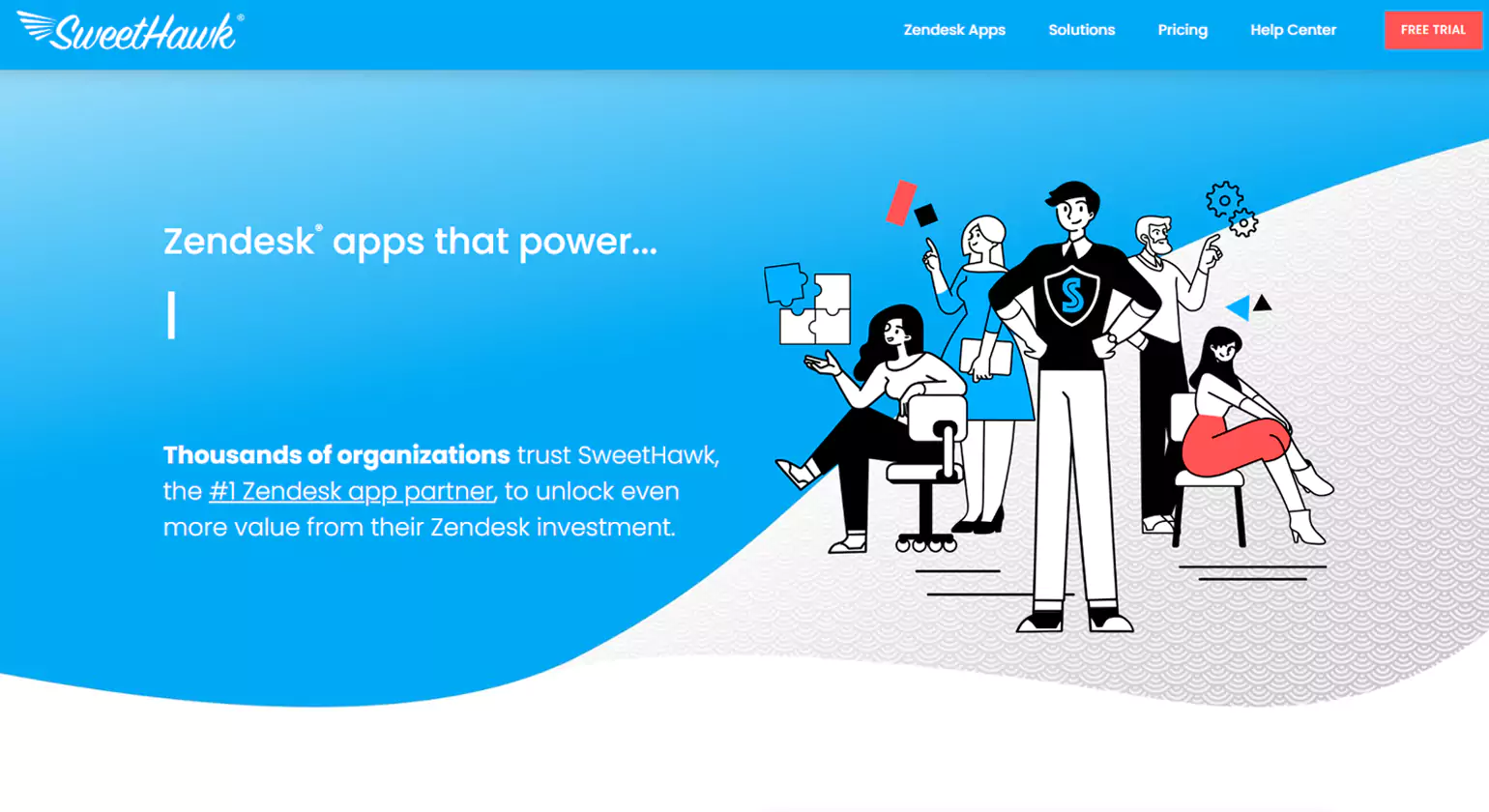
SweetHawk is a powerful suite of apps designed to enhance the capabilities of Zendesk, making it easier for teams to manage tasks, automate workflows, and improve customer interactions. It provides a user-friendly interface and integrates seamlessly with existing systems, allowing businesses to streamline operations and improve team efficiency.
Key Features:
Task and workflow automation
Customizable templates for efficient task management
Real-time reporting and analytics
Seamless integration with Zendesk
Why Choose SweetHawk?
SweetHawk is ideal for teams using Zendesk, as it expands the platform’s capabilities with advanced automation and customization options. Its intuitive design and powerful integrations help teams save time, improve response rates, and maintain consistent customer service quality.
2. SurveyMonkey
Overview:
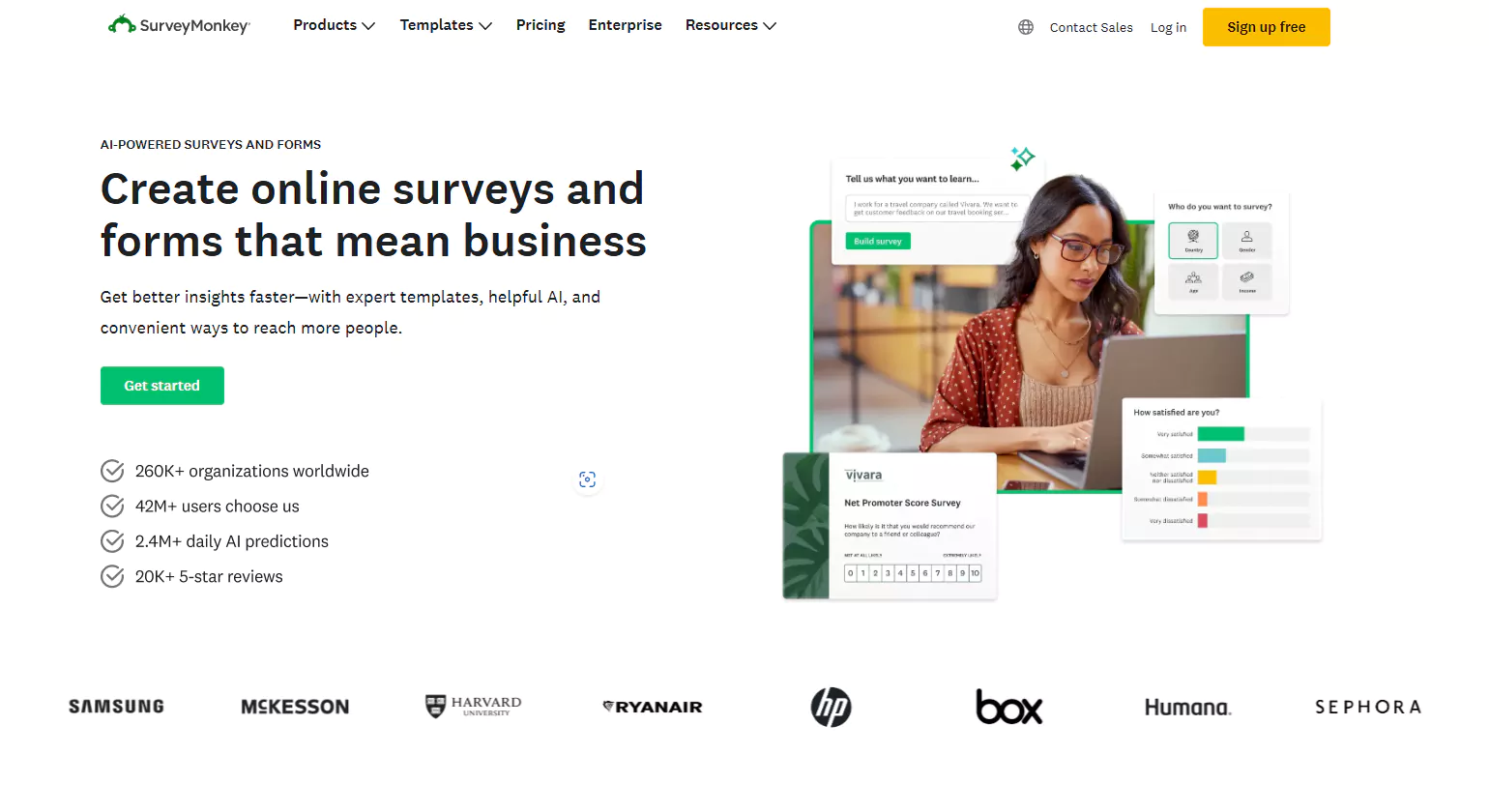
SurveyMonkey is a leading survey platform that enables teams to collect and analyze feedback efficiently. It helps businesses understand employee satisfaction, identify gaps in performance, and make data-driven decisions to improve team engagement and performance using team management tools.
Key Features:
- Pre-built survey templates
- Real-time data analysis and reporting
- Customizable survey questions
- Anonymous response options for honest feedback
Why Choose SurveyMonkey?
SurveyMonkey empowers teams to gather valuable insights through easy-to-create surveys. Its real-time analytics and feedback features help businesses identify and address employee concerns, improving overall team satisfaction and performance.
3. Qualtrics
Overview:
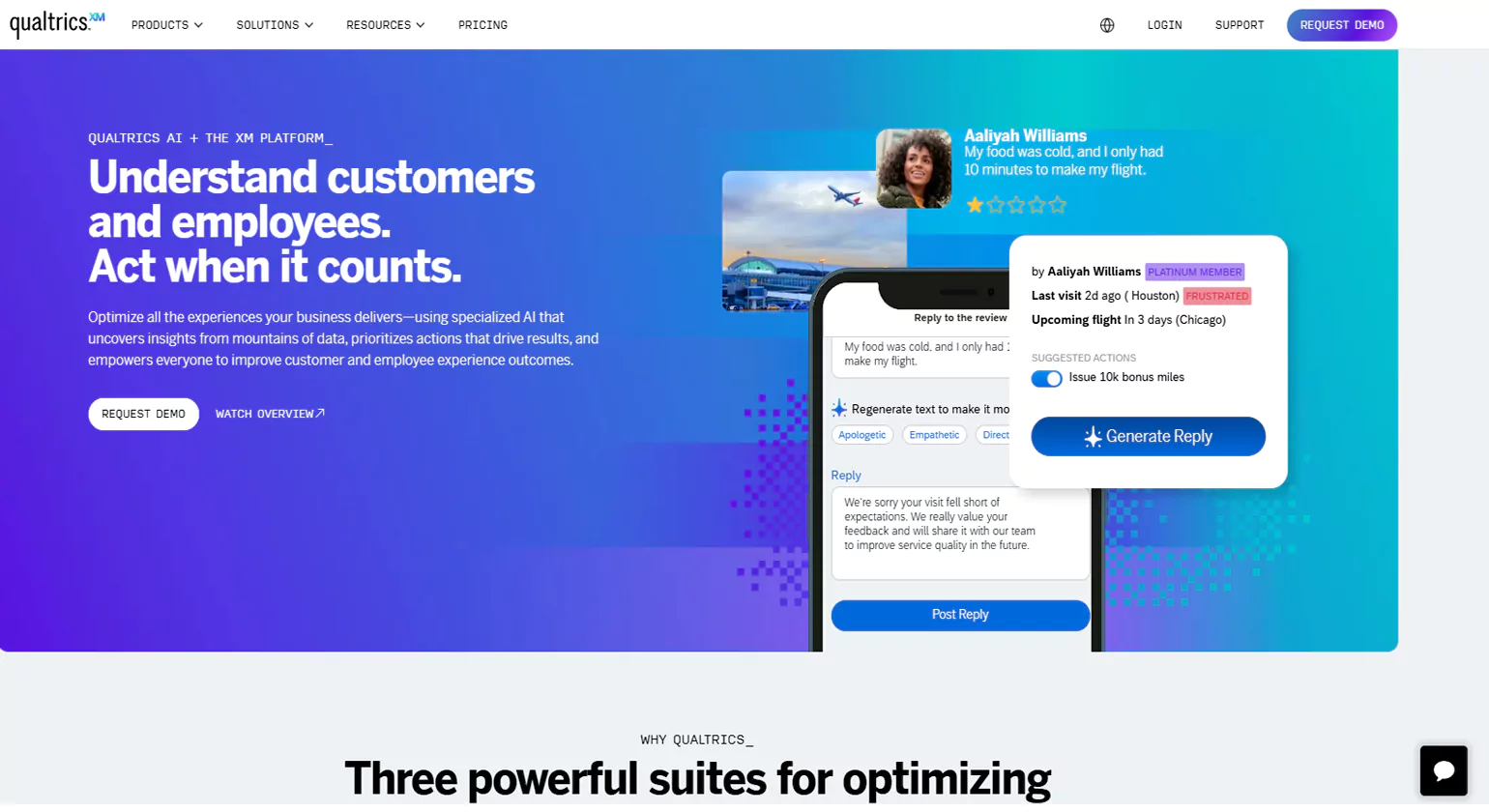
Qualtrics is an experience management platform that helps businesses understand and improve employee engagement. It provides deep insights into employee behavior and performance, enabling businesses to create personalized engagement strategies.
Key Features:
AI-driven insights and predictive analysis
Employee sentiment tracking
Customizable employee experience programs
Real-time feedback and reporting
Why Choose Qualtrics?
Qualtrics provides businesses with the tools to measure and enhance employee engagement. Its AI-driven analysis helps identify trends and develop strategies that align with employee needs, fostering a more motivated and productive workforce.
4. LumApps
Overview:
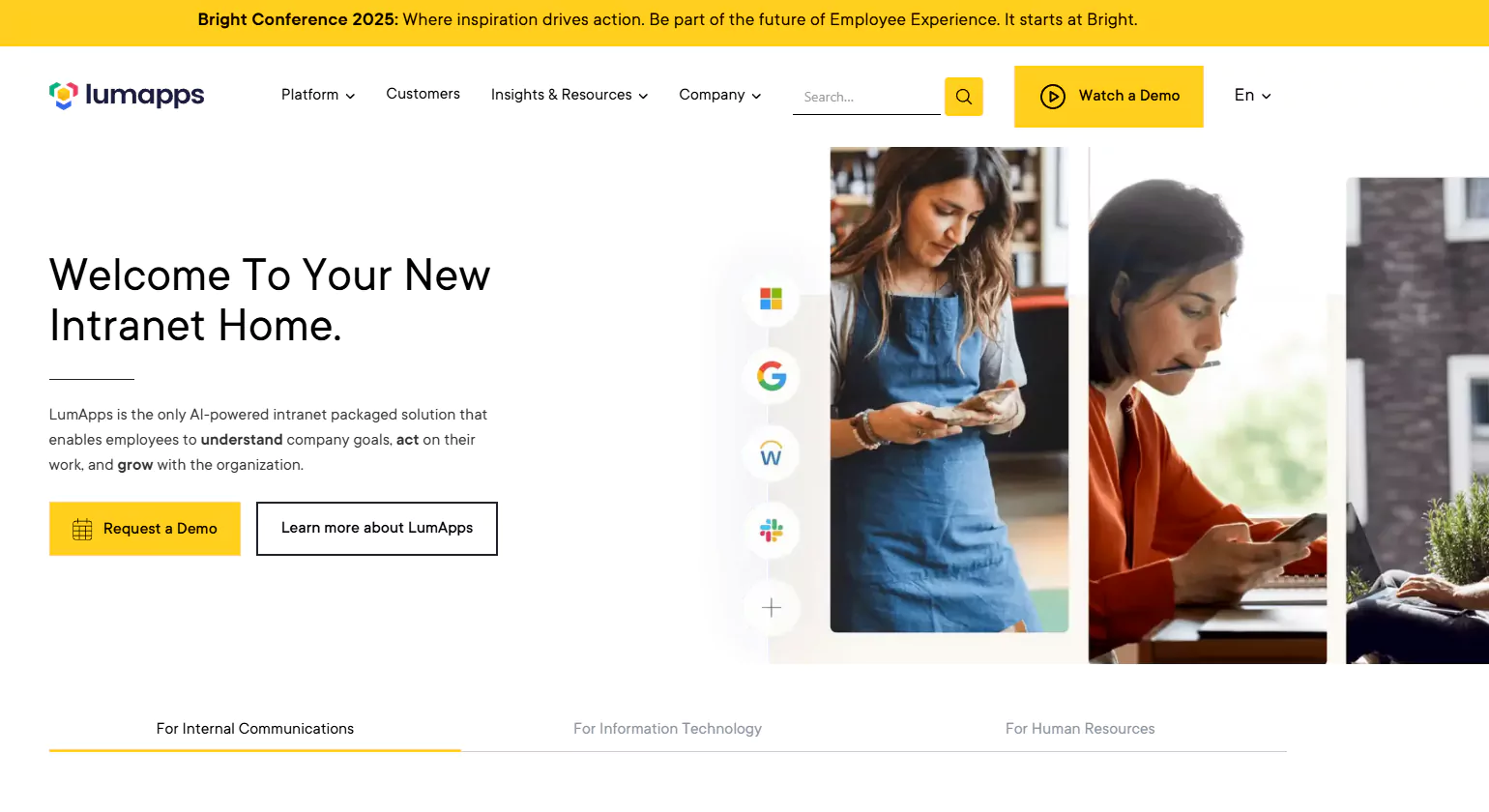
LumApps is a social intranet platform designed to enhance internal communication and employee engagement. It centralizes company news, resources, and updates, helping teams stay informed and connected.
Key Features:
Personalized employee dashboards
Integration with Google Workspace and Microsoft 365
Secure file sharing and collaboration
Real-time communication channels
Why Choose LumApps?
LumApps creates a unified space for team communication and collaboration. Its personalized dashboards and seamless integrations make it easy for teams to access resources and stay aligned on business goals.
5. Echo AI
Overview:
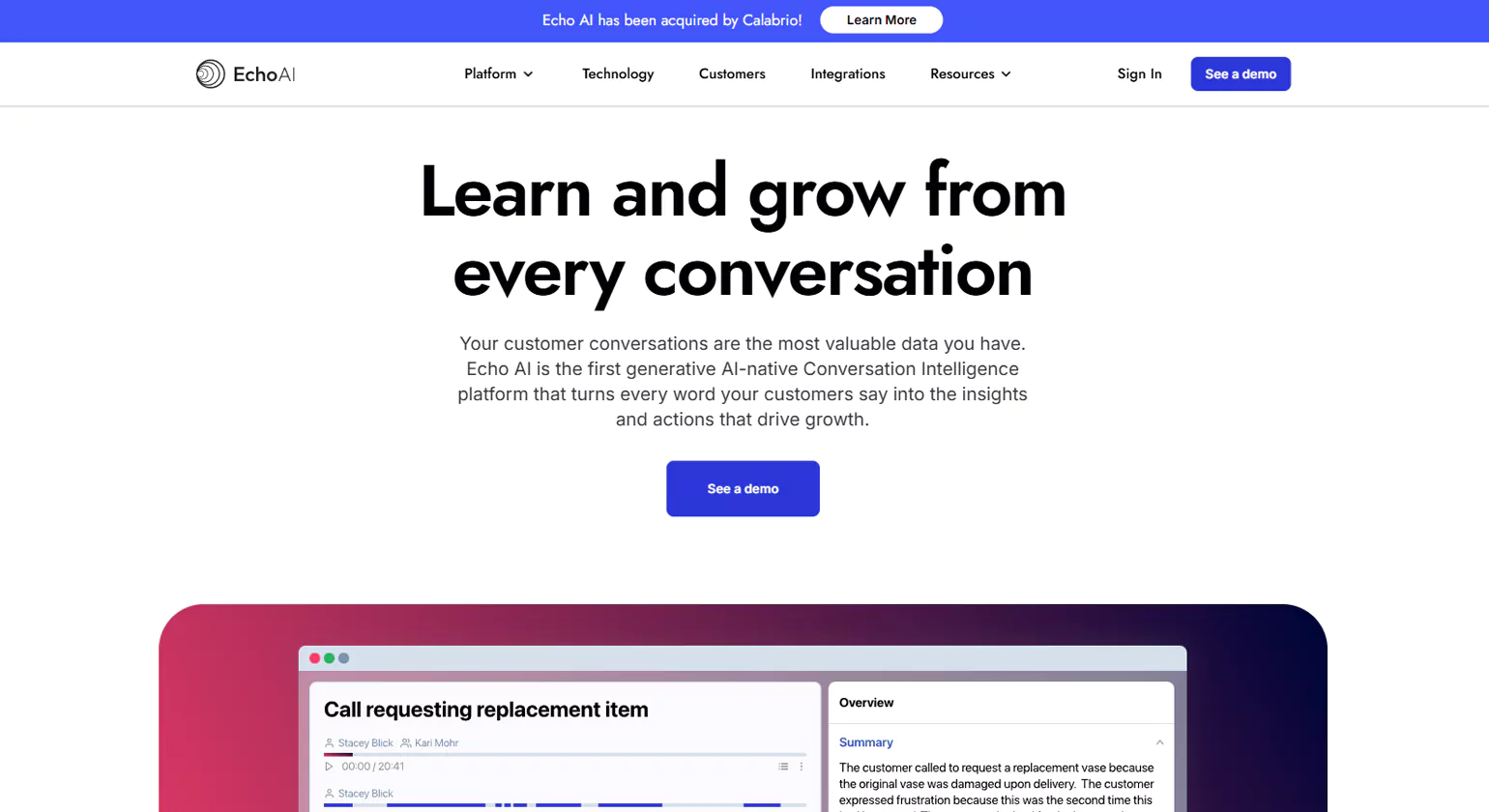
Echo AI is an artificial intelligence-based platform that enhances employee engagement through personalized insights and automated communication. It helps teams stay connected and motivated by providing real-time feedback and actionable insights.
Key Features:
AI-driven engagement recommendations
Automated performance feedback
Real-time communication and updates
Data-driven insights for better decision-making
Why Choose Echo AI?
Echo AI helps businesses drive employee engagement through smart automation and data analysis. Its AI-powered features improve communication and ensure that teams stay motivated and aligned with company objectives.
6. Gamifier
Overview:
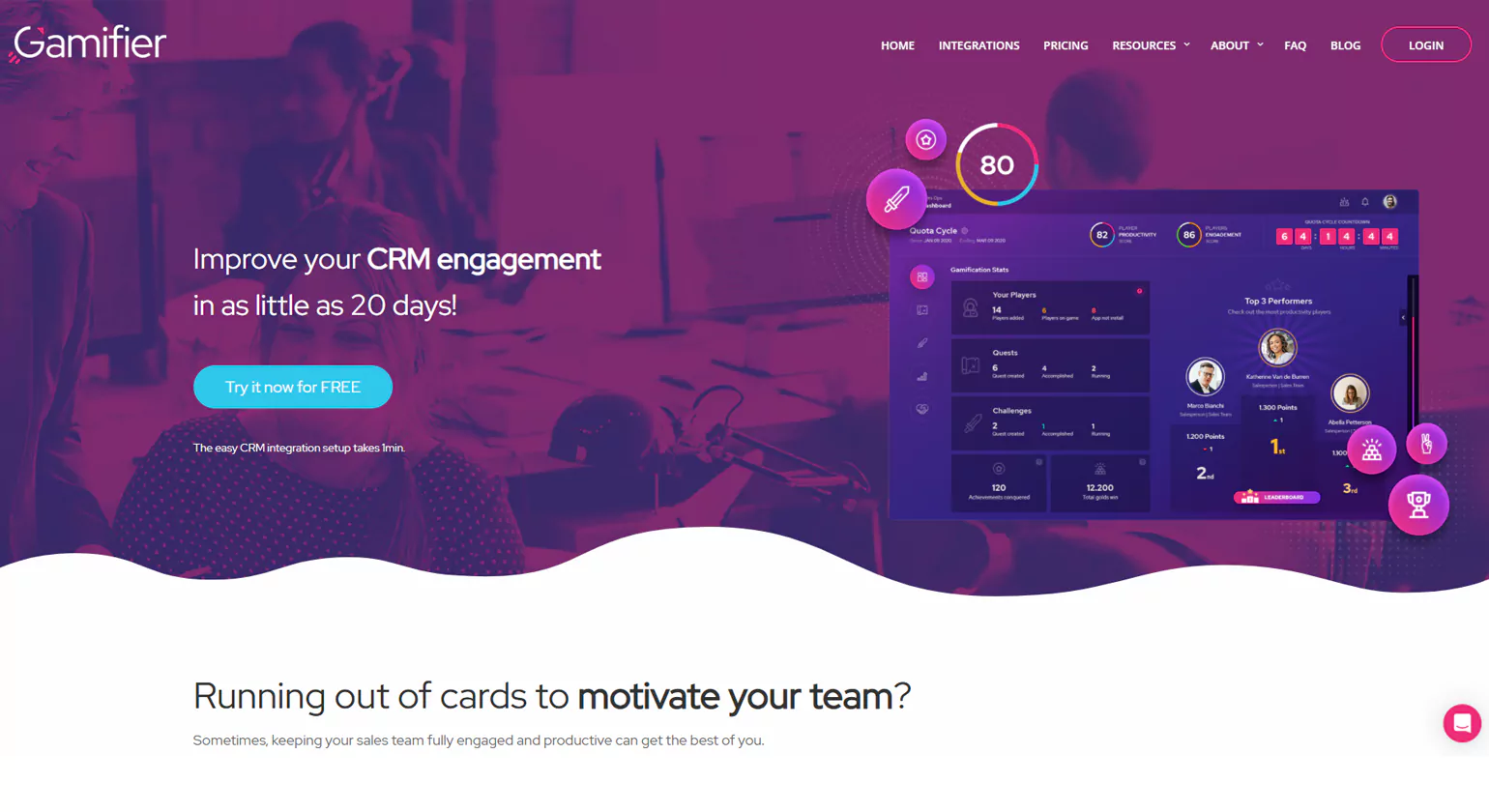
Gamifier is a gamification platform designed to boost employee motivation and engagement. It uses game-based techniques to improve performance and encourage healthy competition within teams, making it one of the most effective team management tools for enhancing collaboration and productivity.
Key Features:
- Real-time performance tracking
- Achievement-based rewards and recognition
- Competitive leaderboards
- Customizable challenges and goals
Why Choose Gamifier?
Gamifier increases team motivation by turning work into a game. Its competitive elements and reward systems create a fun and engaging work environment, leading to increased productivity and employee satisfaction. As a powerful team management tool, it helps teams stay focused and motivated while achieving their goals.
7. Slack
Overview:
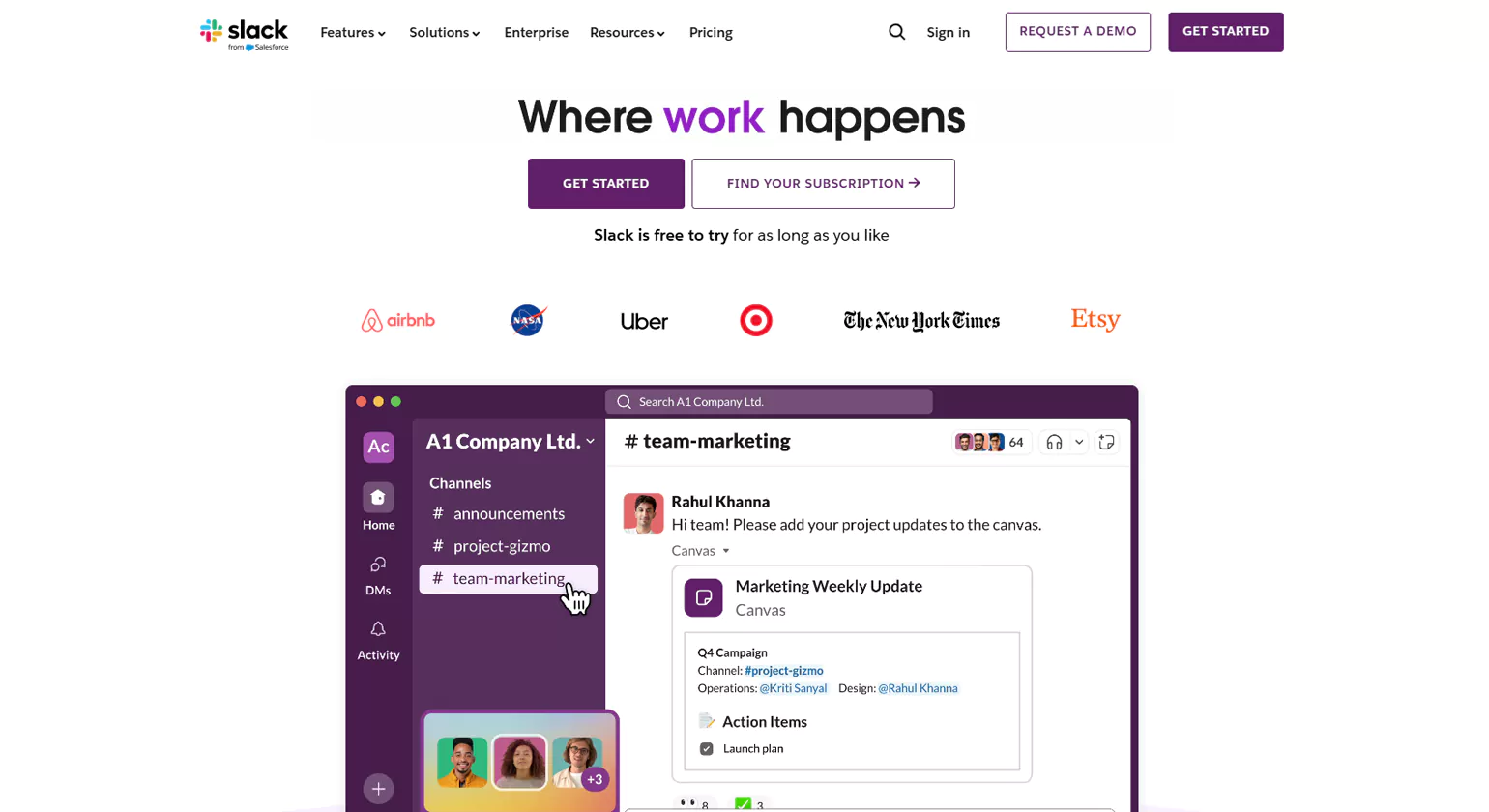
Slack is a widely used communication platform that helps teams collaborate more effectively. It provides real-time messaging, file sharing, and integration with third-party tools, making it easier for teams to stay connected and productive.
Key Features:
Instant messaging and group chats
File sharing and collaboration
Integration with over 2,000 apps
Searchable message history
Why Choose Slack?
Slack’s intuitive interface and extensive integrations make it a go-to platform for team communication. It helps teams stay organized, streamline workflows, and improve overall collaboration.
8. Intelly
Overview:
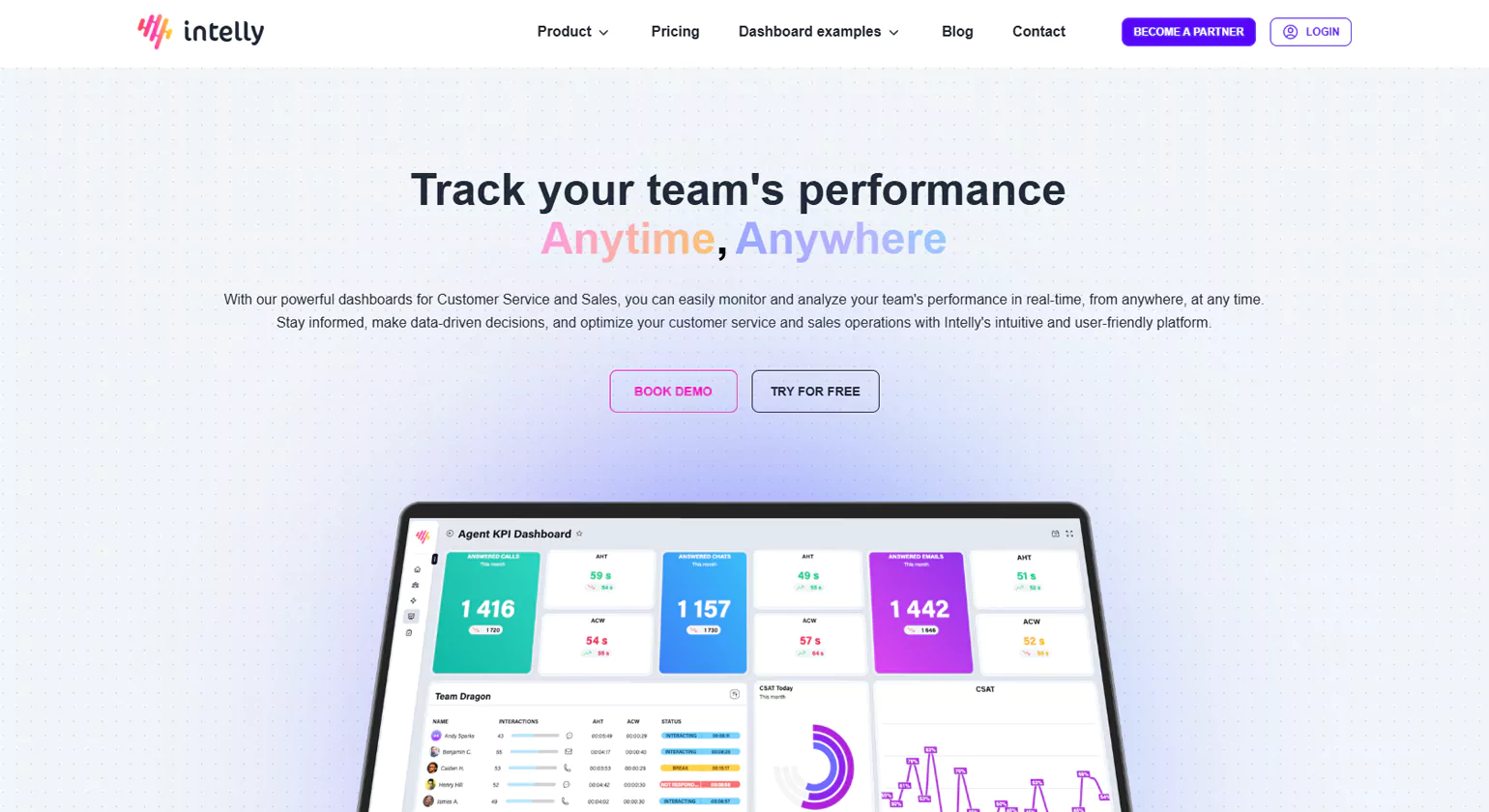
Intelly is a team engagement and performance management platform that helps businesses track employee progress and improve team alignment. It provides insights into employee behavior and identifies areas for improvement.
Key Features:
Performance tracking and reporting
Real-time employee feedback
Goal setting and progress monitoring
Customizable dashboards
Why Choose Intelly?
Intelly’s performance management tools help businesses align team efforts with company goals. Its real-time tracking and feedback capabilities ensure that employees stay motivated and productive.
9. Spinify
Overview:
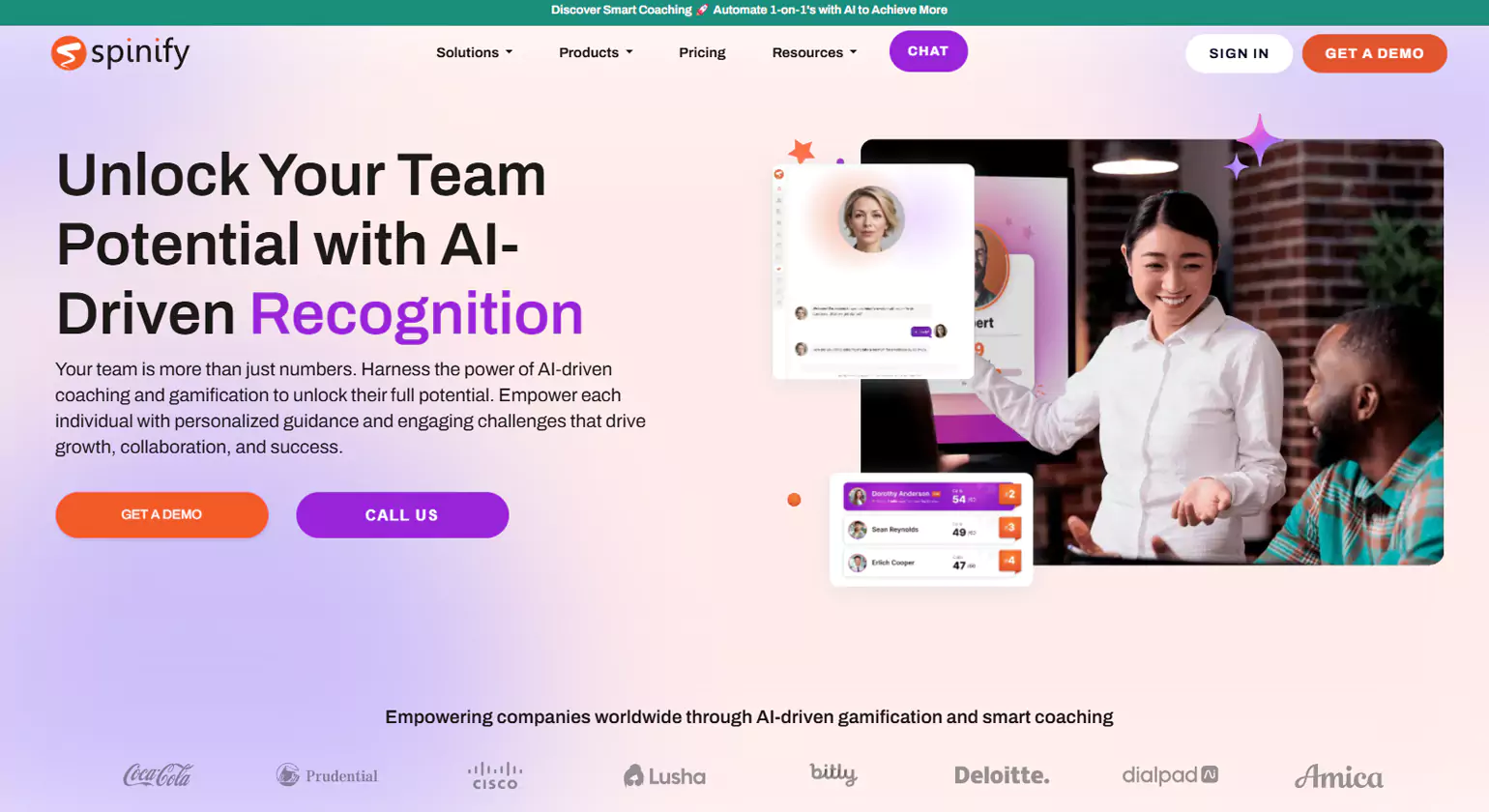
Spinify is a gamification platform that motivates teams through competitive challenges and performance-based rewards. It helps create a fun and competitive work environment, improving employee morale and productivity.
Key Features:
Competitive leaderboards and scoring
Performance-based rewards and recognition
Real-time progress tracking
Customizable challenges and goals
Why Choose Spinify?
Spinify turns work into a game, encouraging healthy competition and increased motivation. Its real-time tracking and reward systems help teams stay focused and achieve higher performance levels.
10. Monday.com
Overview:
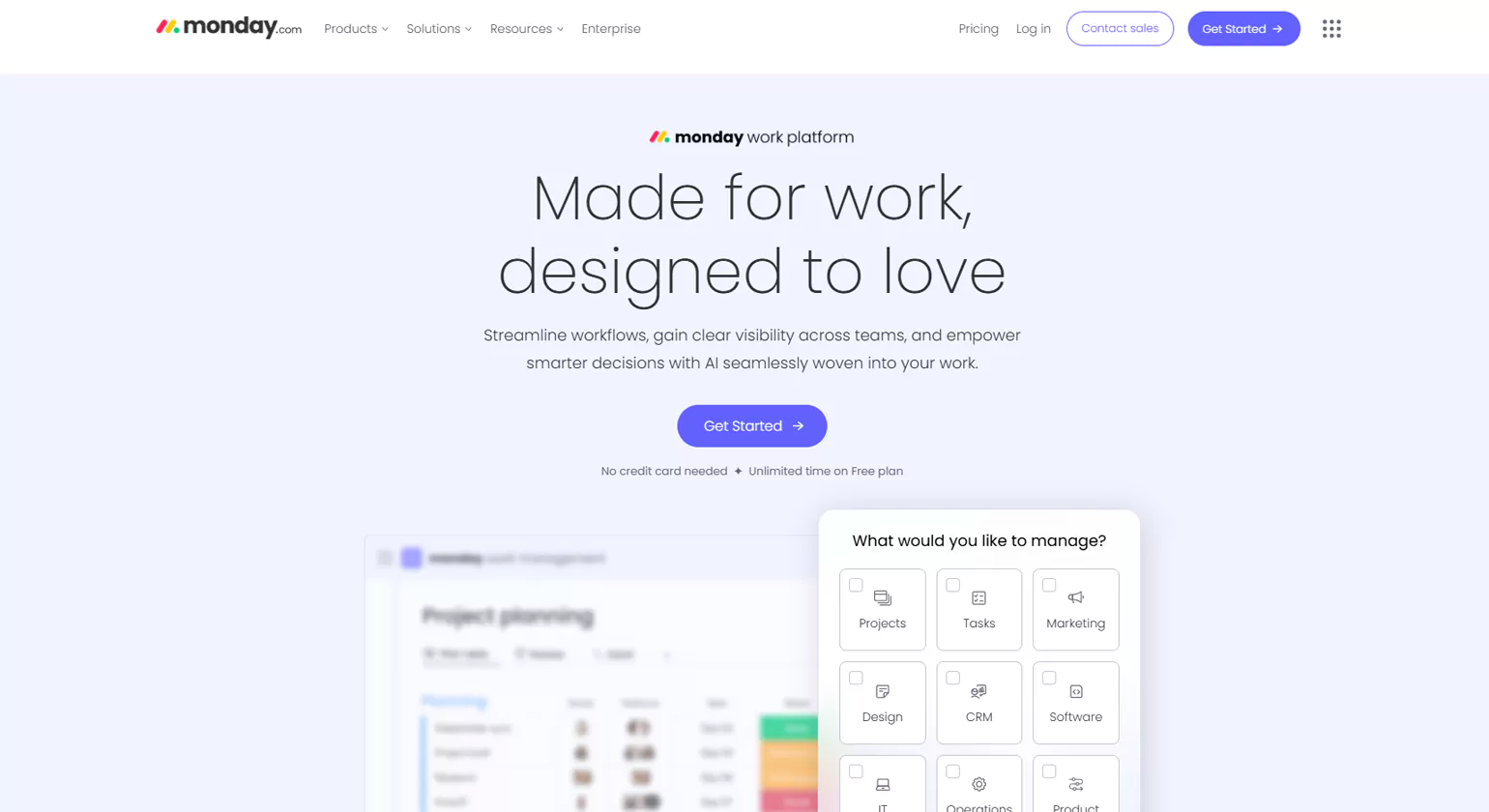
Monday.com is a versatile work operating system that helps teams manage tasks, projects, and workflows. It provides customizable templates and real-time tracking features to keep teams aligned and productive.
Key Features:
Drag-and-drop task management
Customizable project templates
Real-time progress tracking
Integration with third-party apps
Why Choose Monday.com?
Monday.com’s user-friendly interface and powerful customization options make it easy for teams to manage tasks and projects. Its real-time tracking and integration capabilities ensure that teams stay organized and productive.
Key types of Team engagement tools

Team engagement tools are essential for building a motivated, productive, and connected workforce. They help streamline communication, boost employee morale, and foster a sense of collaboration. By using the right tools, businesses can improve employee satisfaction and drive better performance. Here are the key types of team engagement tools that businesses can leverage to create a highly engaged and effective team:
1. Communication Tools
Effective communication is the foundation of a well-functioning team. Communication tools enable team members to share information, provide feedback, and collaborate in real-time. These tools help reduce misunderstandings, improve transparency, and ensure that everyone is on the same page.
Examples:
Slack – A real-time messaging platform with channels for organized communication.
Microsoft Teams – A collaboration tool that integrates messaging, video calls, and file sharing.
Zoom – A video conferencing tool for virtual meetings and team catch-ups.
Benefits:
Encourages open and quick communication
Reduces the need for lengthy email chains
Facilitates remote work and hybrid team collaboration
2. Project Management Tools
Project management tools help teams stay organized, track progress, and meet deadlines efficiently. They provide visibility into tasks and responsibilities, ensuring that team members are aligned on project goals.
Examples:
Monday.com – A flexible platform for managing tasks and projects.
Asana – A tool for tracking tasks, assigning responsibilities, and setting deadlines.
Trello – A visual board-based tool for organizing and managing tasks.
Benefits:
Improves accountability and task completion rates
Enhances team collaboration and resource allocation
Helps teams track milestones and progress in real-time
3. Performance and Feedback Tools
Performance and feedback tools allow businesses to measure employee engagement, track performance, and provide constructive feedback. They help identify strengths and areas for improvement, enabling continuous growth and development.
Examples:
Lattice – A platform for managing performance reviews and employee feedback.
15Five – A tool that facilitates weekly check-ins and performance tracking.
Culture Amp – A feedback and survey platform that measures employee engagement and satisfaction.
Benefits:
Helps managers understand team performance and challenges
Encourages open and transparent communication
Promotes a culture of continuous improvement
4. Gamification Tools
Gamification tools use competition, rewards, and recognition to boost team motivation and engagement. By turning work into a game, these tools make tasks more engaging and encourage higher participation.
Examples:
Spinify – A leaderboard-based tool that rewards team members for performance.
Gamifier – A platform that turns business goals into fun challenges.
Bunchball – A gamification tool that uses points, badges, and leaderboards to motivate teams.
Benefits:
Increases motivation and productivity
Encourages friendly competition
Improves team collaboration and performance
5. Recognition and Reward Tools
Recognition and reward tools help businesses appreciate and motivate their teams by acknowledging their efforts and achievements. Recognizing employees’ contributions boosts morale and encourages a positive work culture.
Examples:
Bonusly – A peer-to-peer recognition platform that allows employees to give each other points.
Kudos – A platform that enables employees to recognize and celebrate each other’s achievements.
Blueboard – A reward platform that allows employees to choose their own rewards.
Benefits:
Boosts employee morale and motivation
Encourages peer-to-peer recognition
Helps retain top talent and improve job satisfaction
6. Survey and Feedback Collection Tools
Survey and feedback tools help businesses gather insights into employee satisfaction, engagement levels, and challenges. They enable businesses to address issues promptly and improve the work environment.
Examples:
SurveyMonkey – A survey platform that allows businesses to gather employee feedback.
Qualtrics – A platform that collects and analyzes employee sentiment.
TINYpulse – A tool that gathers real-time employee feedback to improve company culture.
Benefits:
Helps identify employee concerns and address them
Improves employee satisfaction and engagement
Encourages open and honest communication
7. Learning and Development Tools
Learning and development tools help teams improve their skills, stay updated on industry trends, and grow professionally. They provide resources for training, career development, and knowledge sharing.
Examples:
Udemy for Business – A platform for online learning and skill development.
LinkedIn Learning – A tool for accessing professional courses and training materials.
Coursera for Business – A platform for business-oriented training and skill development.
Benefits:
Enhances employee skill sets and performance
Improves employee retention and satisfaction
Encourages continuous learning and professional growth
Features To Look For In Team Engagement Software
Team engagement software plays a vital role in improving communication, collaboration, and productivity within organizations. The right tool can enhance team morale and increase overall efficiency. To ensure you choose the best solution for your team, it’s essential to focus on key features that align with your business goals and team dynamics. Here are the essential features to look for in team engagement software:
1. Real-Time Communication
Effective team engagement relies on seamless communication. Look for software that offers real-time messaging, video calls, and chat functions. This ensures that team members can share updates, ask questions, and provide feedback without delays, improving overall workflow and reducing miscommunication.
2. Feedback and Recognition Tools
A good team engagement platform should allow for continuous feedback and recognition. Features like surveys, polls, and peer-to-peer recognition foster a positive work culture. Employees feel valued when their efforts are acknowledged, which boosts motivation and engagement.
3. Performance Tracking and Analytics
Tracking employee performance helps identify strengths and areas for improvement. Look for software that provides detailed performance metrics and reports. This allows managers to make informed decisions, set achievable goals, and provide tailored support to team members.
4. Goal Setting and Alignment
Clear goal-setting features help align individual and team objectives with company goals. Look for software that supports OKRs (Objectives and Key Results) or other goal-setting frameworks. This keeps the team focused and aligned with the company’s strategic vision.
5. Gamification and Incentives
Gamification features, such as leaderboards, badges, and point-based systems, increase engagement by making work more interactive and rewarding. Providing incentives for task completion or performance improvements encourages healthy competition and boosts team morale.
6. Task and Project Management
Integrated task and project management features are essential for streamlining workflows. Tools that allow task assignment, deadline setting, and progress tracking ensure that team members are accountable and projects are completed efficiently.
7. Customization and Flexibility
Every team has unique needs, so it’s important to choose software that allows customization. Look for platforms that enable you to tailor dashboards, workflows, and notifications to suit your team’s preferences and work style.
8. Mobile Accessibility
In a remote or hybrid work environment, mobile accessibility is crucial. Ensure that the team engagement software has a fully functional mobile app that allows team members to stay connected and productive from anywhere.
9. Integration with Existing Tools
Seamless integration with existing tools like Slack, Microsoft Teams, or project management platforms is essential. This reduces the learning curve and ensures smooth adoption of the new software.
10. Security and Data Privacy
Protecting sensitive business and employee data is crucial. Choose software with advanced security measures such as encryption, multi-factor authentication, and role-based access control to ensure data privacy and compliance.
Pricing Strategies For Different Budgets
Effective pricing strategies are essential for businesses to remain competitive and maximize profitability, regardless of budget size. For small businesses with limited budgets, cost-plus pricing is a straightforward approach where a fixed profit margin is added to the production cost. Penetration pricing, which involves setting a low initial price to attract customers and gain market share, is another effective strategy for businesses working with tight budgets. Additionally, bundle pricing, where products or services are offered together at a discounted rate, can encourage more sales and increase perceived value without increasing costs significantly.
For larger businesses with more flexibility, dynamic pricing allows companies to adjust prices based on market demand, competitor pricing, and customer behavior. Premium pricing, where products are priced higher to reflect quality and exclusivity, works well for brands aiming to establish a high-end image. Value-based pricing, where prices are set according to the perceived value to customers, can maximize profitability while aligning with customer expectations. By choosing the right pricing strategy based on available resources and market position, businesses can effectively balance profitability and customer satisfaction.
Future Trends In Team Engagement Technology
The future of team engagement technology is being shaped by artificial intelligence (AI) and machine learning. AI-powered platforms can analyze team behavior, predict engagement trends, and offer personalized solutions to enhance collaboration. Real-time sentiment analysis tools are becoming more advanced, allowing managers to assess team morale and respond to issues promptly. Virtual reality (VR) and augmented reality (AR) are also gaining traction, creating immersive team-building experiences and improving remote collaboration. These technologies provide a more engaging and interactive work environment, bridging the gap between physical and virtual teams.
Another key trend is the integration of employee wellness and engagement tools. Platforms are evolving to include mental health support, stress management resources, and burnout prevention features. Gamification remains a strong driver of engagement, with more sophisticated reward systems and interactive challenges encouraging participation. Cloud-based solutions with mobile compatibility ensure that team engagement tools remain accessible and scalable, supporting the growing demand for flexible and remote work environments.
Conclusion
Team engagement tools are essential for fostering a productive and motivated workforce. They enhance communication, collaboration, and overall employee satisfaction, leading to better performance and team cohesion. By integrating features such as real-time feedback, performance tracking, and employee recognition, these tools create a positive work environment. As technology evolves, team engagement platforms will continue to offer more personalized and interactive solutions, driving employee engagement and business success. Investing in the right team engagement tools ensures a more connected, motivated, and efficient team, ultimately contributing to long-term organizational growth and success.
Know More >>>> Outsource Video Editing
Faqs
Is Tools of Engagement a stand-alone?
Tools of Engagement can function as stand-alone solutions or integrate with existing platforms. They are designed to improve team communication, collaboration, and productivity by providing features like real-time feedback, task tracking, and performance analysis, helping teams operate more efficiently.
What is measure of engagement?
The measure of engagement refers to assessing how actively and emotionally involved team members are. It includes tracking factors like participation, feedback, motivation, and productivity through surveys, performance reviews, and engagement tools to identify strengths and areas for improvement.
How to increase team engagement?
To increase team engagement, encourage open communication, recognize employee contributions, set clear goals, provide professional growth opportunities, and use engagement tools to monitor progress and gather feedback. Creating a supportive work environment helps boost motivation and team cohesion.
What is the greatest strength of your team?
The greatest strength of a team is often its ability to collaborate effectively. Strong communication, diverse skill sets, mutual trust, and adaptability enable teams to overcome challenges and achieve goals efficiently, driving overall success and innovation.
How to manage conflict in a team?
To manage conflict in a team, encourage open dialogue, listen to all perspectives, identify the root cause, and work toward a compromise. Establishing clear guidelines for communication and conflict resolution helps prevent misunderstandings and promotes a harmonious work environment.
What are the top benefits of adopting advanced team engagement solutions for business growth?
Advanced team engagement solutions streamline communication, boost productivity, and enhance collaboration across departments. These tools improve employee retention, encourage active participation, and create a culture of engagement that directly supports business scalability and long-term success.
How does a completely customizable team engagement tool improve collaboration and workplace productivity?
A completely customizable team engagement tool allows businesses to tailor features, track performance, and improve collaboration. Custom options boost employee participation, enhance communication, and create flexible solutions that adapt to unique workplace needs, increasing overall productivity.
What are the best Microsoft Teams engagement tools for boosting employee interaction and participation?
Microsoft Teams engagement tools provide polls, surveys, integrations, and gamification features. These tools encourage collaboration, improve employee interaction, and simplify communication, making it easier for teams to stay connected, motivated, and aligned with organizational goals.
Why should organizations invest in modern team engagement software to enhance workforce motivation?
Team engagement software helps organizations improve morale, track employee performance, and create interactive workflows. By investing in these tools, businesses build stronger engagement, increase motivation, and ensure effective collaboration that supports both employee satisfaction and long-term growth.