Table of Contents
Introduction
Employee Management are comprehensive solutions designed to help businesses streamline their workforce administration. These services encompass a wide range of tasks, including recruitment, onboarding, payroll, performance management, benefits administration, and compliance. By outsourcing or optimizing these functions, organizations can improve efficiency, reduce administrative burdens, and focus on strategic growth. Employee management services ensure that businesses maintain a productive, satisfied workforce while staying compliant with labor laws and regulations. These services are essential for both small businesses seeking to improve HR functions and large organizations aiming to enhance employee satisfaction and retention.
What are Employee Management Services?

Employee management services refer to professional solutions designed to help businesses effectively handle various aspects of workforce administration. These services encompass a range of functions, including recruitment, onboarding, payroll processing, performance monitoring, benefits administration, and compliance with labor laws. By streamlining HR processes, employee management service enable organizations to focus on their core operations while ensuring employees are well-supported and engaged.
These services are often provided by third-party firms or through advanced HR management software. They aim to improve employee satisfaction, reduce administrative burdens, and enhance overall productivity. With features like real-time tracking, automated workflows, and data-driven insights, businesses can optimize workforce management, ensuring smooth operations and better decision-making. Whether for small businesses or large enterprises, employee management are essential for fostering a positive work environment and achieving organizational goals.
Importance of Employee Management in Businesses

Employee management plays a vital role in the success and growth of any business. It involves effectively organizing, supporting, and guiding employees to maximize productivity and align their efforts with the company’s goals. Proper employee management ensures clear communication, task delegation, and performance tracking, which are crucial for maintaining a motivated and efficient workforce. By fostering a positive work environment and addressing employee concerns, businesses can reduce turnover rates and improve job satisfaction.
Moreover, employee management impacts overall organizational performance by streamlining workflows and optimizing resource utilization. It helps businesses comply with labor laws, maintain accurate payroll, and provide benefits, ensuring employees feel valued and secure. Effective management also drives employee development through training and feedback, building a skilled and dedicated workforce. In today’s competitive market, businesses that prioritize employee management are better equipped to adapt, innovate, and achieve long-term success.
Key Features of Employee Management Services
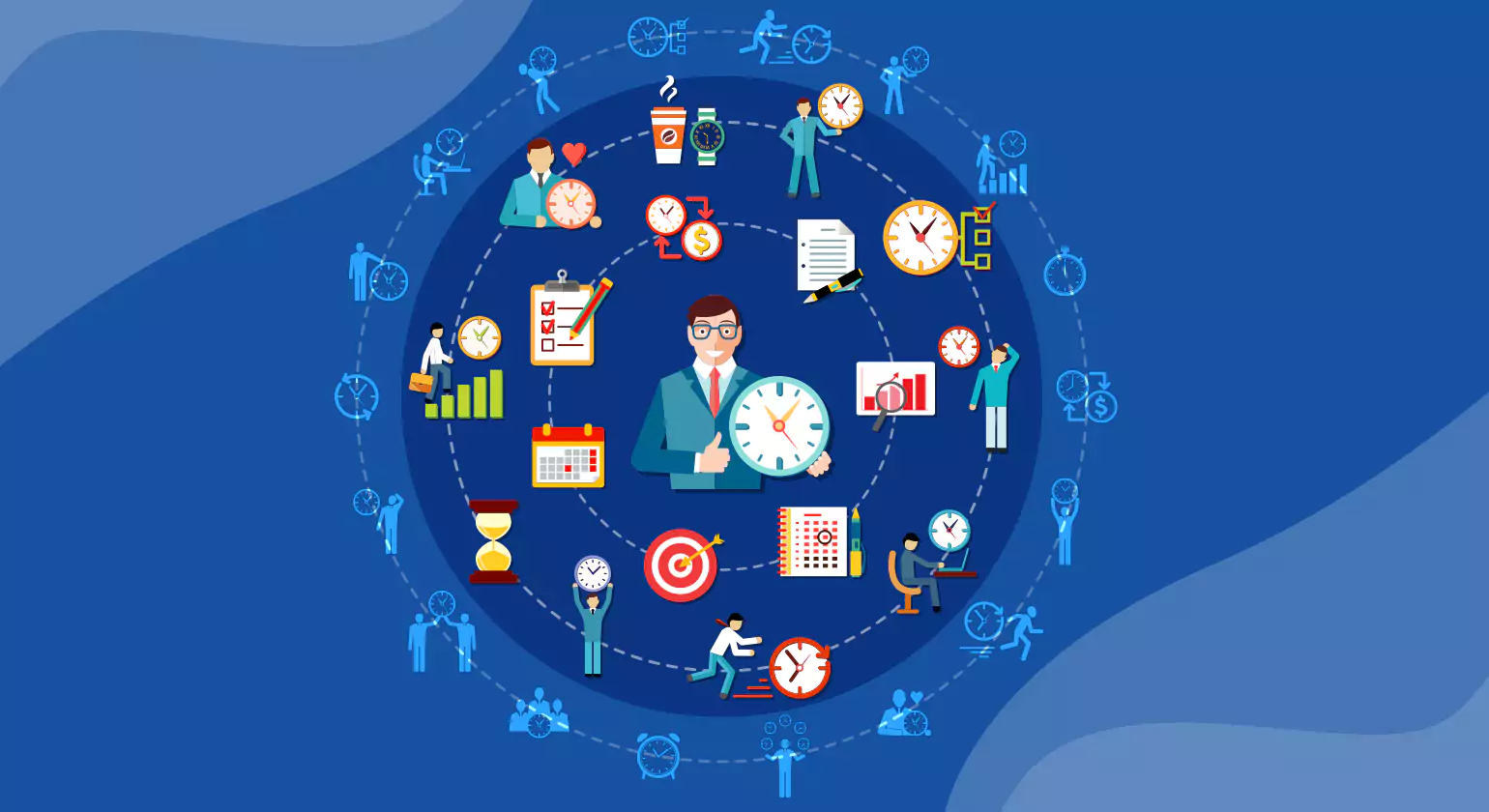
Employee management services are essential for streamlining HR processes and ensuring effective workforce management. These services offer a range of features designed to enhance productivity, improve employee satisfaction, and simplify administrative tasks. Below are some key features of employee management services:
1. Employee Onboarding and Training
Efficient onboarding ensures that new hires are seamlessly integrated into the organization. CRM for Employee management services offer tools for digital documentation, orientation scheduling, and training modules to help employees quickly adapt to their roles. A structured onboarding process reduces turnover and enhances employee engagement.
2. Payroll Management
Accurate and timely payroll processing is a cornerstone of CRM for employee management services. Automated systems handle salary calculations, tax deductions, and direct deposits, minimizing errors and ensuring compliance with labor laws. These services also generate detailed payroll reports for financial transparency.
3. Time and Attendance Tracking
Employee management solutions, such as employee scheduling software, often include time-tracking tools that monitor attendance, work hours, and leave requests. These features help maintain productivity, ensure fair compensation, and prevent unauthorized overtime. Advanced systems integrate biometric or mobile check-ins for real-time tracking.
For example, in the field service industry, where employees often work remotely or travel between job sites, accurate tracking is essential. A GPS time tracking app allows managers to verify employee locations and job durations, improving accountability and streamlining payroll. These tools also help optimize route planning and reduce time theft.
4. Performance Management
Performance tracking tools enable managers to set goals, evaluate employee performance, and provide constructive feedback. Features such as real-time progress tracking, performance reviews, and analytics foster a culture of accountability and continuous improvement within the organization. Modern 360-degree employee review software can enhance this process by gathering comprehensive feedback from multiple stakeholders for more holistic performance.
5. Benefits Administration
Managing employee benefits can be complex, but employee management services simplify this process. From health insurance to retirement plans, these solutions streamline enrollment, manage updates, and ensure employees receive the benefits they’re entitled to. This feature enhances job satisfaction and retention.
6. Compliance and Legal Support
Staying compliant with labor laws and regulations is critical for avoiding penalties. Employee management services monitor changes in legal requirements, handle documentation, and ensure adherence to industry standards. This feature provides businesses with peace of mind and reduces legal risks.
7. Employee Engagement and Communication
These services often include tools to enhance employee engagement, such as surveys, feedback platforms, and internal communication channels. Encouraging open dialogue between employees and management fosters a collaborative workplace culture.
Employee management services and intranet solutions both aim to streamline organizational communication and efficiency. By integrating these systems, businesses can enhance employee engagement through improved internal networks and workflows.
8. Data Analytics and Reporting
Employee management systems provide detailed analytics on workforce performance, attendance trends, and overall HR efficiency. These insights help businesses make data-driven decisions, identify areas for improvement, and optimize resource allocation.
9. Integration with Existing Systems
Modern employee management solutions can integrate with other business tools like CRMs, accounting software, and project management platforms. This integration ensures a seamless flow of information and reduces redundancy across systems.
In the rapidly evolving business landscape, keeping up with technological advancements is crucial for effective employee management. Integrating sophisticated staffing software solutions can boost productivity, streamline operations, and enhance decision-making within an organization. By seamlessly aligning technology-driven insights with employee management practices, businesses are better equipped to handle recruitment, onboarding, and performance evaluations. Leveraging the right tools leads to improved outcomes and a more engaged workforce.
10. Scalability and Customization
Employee management services are designed to grow with your business. They offer customizable features to address unique organizational needs, making them suitable for small businesses and large enterprises alike.
10 Employee Benefit Management Services

Employee benefit management services help organizations streamline the administration of employee benefits, ensuring compliance and enhancing workforce satisfaction. Below are ten essential services businesses can leverage:
1. Health Insurance Administration
Benefit management services handle health insurance enrollment, premium deductions, and claims processing. They streamline communications with insurance providers, ensuring employees have access to the right plans while simplifying administrative tasks for HR teams. This service ensures compliance with health regulations and enhances employee well-being.
2. Retirement Plan Management
These services assist with the administration of 401(k), pension plans, or other retirement savings programs. They oversee employee contributions, employer matching, and compliance with federal laws, making it easier for businesses to provide secure retirement options to their workforce.
3. Leave and Time-Off Management
Benefit management services track employee leaves, vacations, and sick days while ensuring adherence to company policies and legal requirements. This includes managing Family and Medical Leave Act (FMLA) requests and offering self-service tools for employees to view or apply for time off.
4. Wellness Program Coordination
Companies can offer wellness programs, including gym memberships, mental health support, or stress management initiatives, through benefit management services. These services ensure seamless coordination, improving employee health and productivity while fostering a positive workplace culture.
5. Flexible Spending Account (FSA) and Health Savings Account (HSA) Management
These services handle the setup and management of FSAs and HSAs, allowing employees to save pre-tax dollars for medical expenses. Benefit administrators ensure compliance with IRS regulations and provide resources to educate employees on how to maximize these accounts.
6. Employee Assistance Programs (EAPs)
Benefit management services often include EAPs that provide confidential support for personal and professional challenges. This may include counseling, financial advice, or legal assistance, helping employees address stressors that could impact their productivity and morale.
7. Education Assistance Programs
These services manage tuition reimbursement and student loan assistance programs. By offering financial support through employee system management for continued education or loan repayments, companies can attract and retain skilled employees while encouraging career growth.
8. Childcare and Family Support Benefits
Childcare benefits, such as on-site daycare, childcare subsidies, or parental leave, can be managed through these services. They ensure compliance with family-related workplace laws and simplify processes for employees needing support in balancing work and family life.
9. Life and Disability Insurance Management
Benefit management services oversee life and disability insurance policies, ensuring timely enrollment and clear communication of coverage options. These programs offer employees peace of mind and financial security for unforeseen circumstances.
10. Customized Benefits Platforms
Advanced benefit management services provide platforms where employees can choose and customize their benefits packages. These tools simplify enrollment, enhance transparency, and empower employees to select options that best suit their needs.
How to Choose the Best Employee Management Service Provider
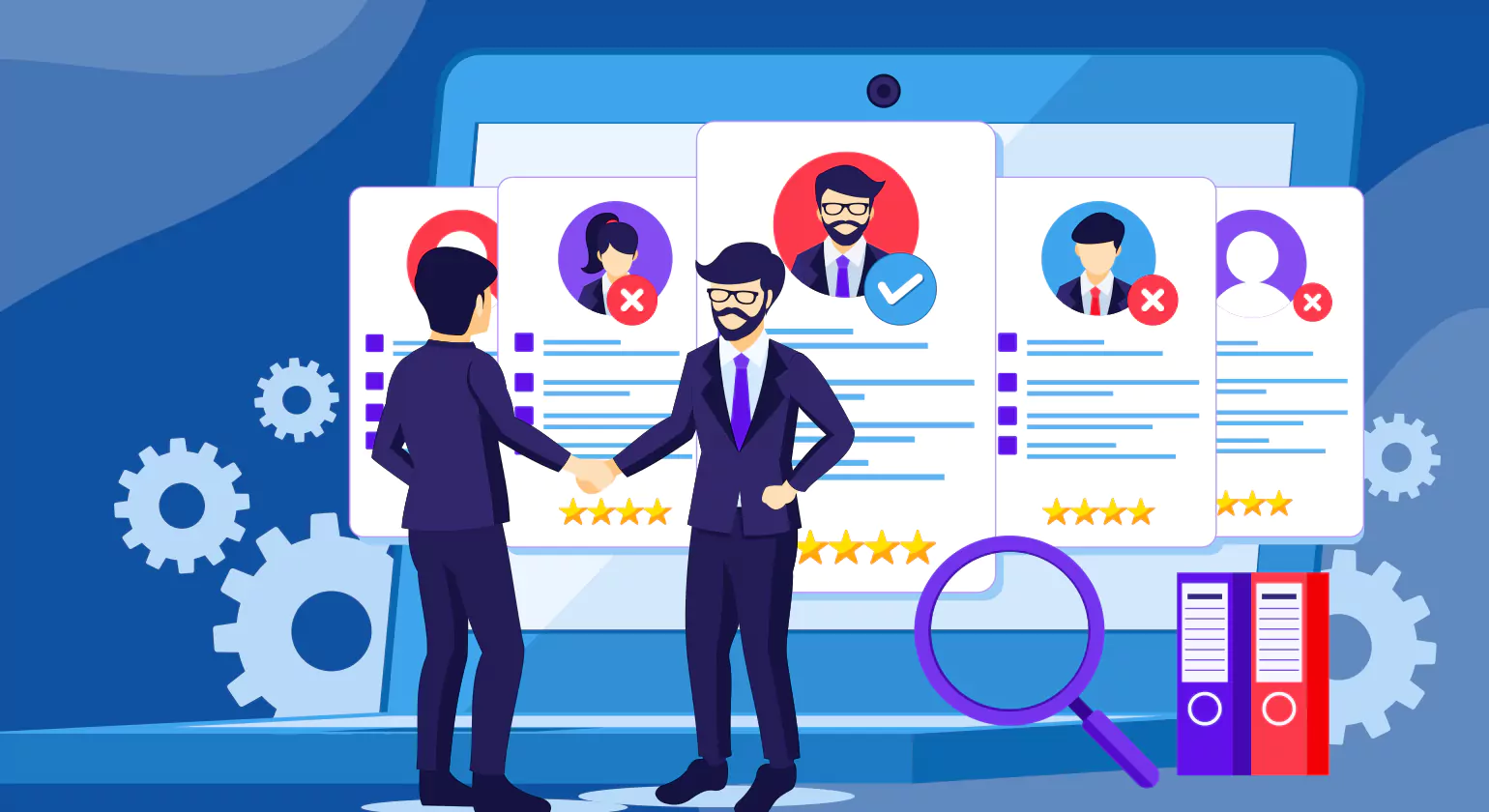
Selecting the Best employee management service provider is crucial for optimizing HR processes and ensuring employee satisfaction. With numerous options available, it’s essential to evaluate providers based on specific business needs and priorities. Here are key factors to consider when choosing the right partner:
1. Assess Your Business Needs
Identify your organization’s challenges and goals, such as payroll management, performance tracking, or compliance assistance. Knowing your requirements will help you focus on providers that offer relevant services tailored to your needs, ensuring a better fit for your business operations.
2. Evaluate Service Offerings
Examine the range of services a provider offers, such as recruitment support, benefits administration, training, and time tracking. Ensure the provider covers all essential aspects of employee management to avoid gaps in functionality and streamline HR processes effectively.
3. Check for Scalability
Choose a provider that can scale its services as your business grows. Whether you’re a small startup or a growing enterprise, the service provider should accommodate your changing workforce size and evolving needs, ensuring long-term partnership viability.
4. Review Technology and Tools
Modern employee management services often rely on advanced software solutions. Look for providers offering user-friendly platforms with features like real-time analytics, mobile accessibility, and integration with existing tools to improve efficiency and decision-making.
5. Verify Industry Expertise
Select a provider with experience in your industry. Industry-specific expertise ensures they understand your unique challenges, regulations, and workforce dynamics, enabling them to offer tailored employee system management solutions that align with your business goals.
6. Ensure Compliance and Security
The provider must prioritize compliance with labor laws and data security standards. Confirm that they use secure platforms, comply with regulations like GDPR or HIPAA, and have measures in place to protect sensitive employee data.
7. Consider Cost and ROI
Compare pricing models of different providers and assess the value they deliver. While affordability is important, prioritize quality and long-term benefits over initial costs to ensure a strong return on investment.
8. Look for Customization Options
Every organization has unique requirements. Opt for a provider that offers customizable solutions, allowing you to tailor services to align with your company’s policies and culture.
9. Evaluate Customer Support
Reliable customer support is essential for resolving issues promptly. Choose a provider with accessible, responsive, and knowledgeable support to ensure smooth operations.
10. Read Reviews and Get References
Research customer testimonials and request references from the provider’s existing clients. This helps you gauge their employee system management reputation, reliability, and service quality.
Top Employee Management Software and Tools

Employee management software and tools simplify HR tasks, enhance productivity, and ensure seamless workforce management. Below are some of the top tools and their key features:
1. BambooHR
BambooHR is an all-in-one HR software designed for small and medium-sized businesses. It streamlines employee onboarding, time tracking, and performance management. With an intuitive interface and mobile app, it offers valuable insights through HR analytics, helping businesses make data-driven decisions and improve employee engagement.
2. Zoho People
Zoho People is a cloud-based HR solution offering tools for attendance tracking, performance reviews, and payroll integration. It allows businesses to automate HR workflows, customize employee records, and maintain compliance. Its user-friendly interface makes it ideal for managing remote and on-site teams efficiently.
3. Gusto
Gusto specializes in payroll, benefits administration, and compliance. Its intuitive platform supports employee onboarding, tax filings, and direct deposits. Gusto is particularly popular among small businesses for its affordable plans and ability to simplify complex HR tasks, ensuring employees are paid accurately and on time.
4. ADP Workforce Now
ADP Workforce Now is a robust employee management tool offering payroll, benefits administration, and compliance services. It integrates with various HR applications and provides real-time analytics to improve decision-making. Its scalability makes it suitable for businesses of all sizes.
5. Monday.com
Monday.com is a versatile project and team management platform that doubles as an employee management tool. It enables businesses to track team progress, assign tasks, and monitor deadlines. Its customizable dashboards provide a clear view of workflows, enhancing team collaboration and efficiency.
6. Workday
Workday is a comprehensive HR and finance management tool suitable for large organizations. It includes features for talent management, payroll, and workforce analytics. Workday’s AI-powered tools offer predictive insights, helping businesses plan strategically for recruitment, workforce planning, and overall business growth.
7. Paycor
Paycor focuses on payroll, time tracking, and HR compliance. It simplifies benefits administration and offers tools for employee performance reviews. Its analytics dashboard provides actionable insights, helping businesses identify workforce trends and improve operational efficiency.
8. SAP SuccessFactors
SAP SuccessFactors is a comprehensive HR tool for talent management, payroll, and learning. It offers advanced features like AI-driven analytics and personalized employee experiences. Ideal for global organizations, it supports compliance with international labor laws and promotes workforce development.
9. Rippling
Paycor focuses on payroll, time tracking, and HR compliance. It simplifies benefits administration and offers tools for employee performance reviews. Its analytics dashboard provides actionable insights, helping businesses identify workforce trends and improve operational efficiency.
10. Kronos Workforce Central
Kronos Workforce Central is a leading tool for workforce management, offering features like time tracking, scheduling, and labor analytics. It helps businesses optimize employee schedules, control labor costs, and enhance compliance, making it suitable for organizations with complex scheduling needs.
Challenges in Employee Management

Employee management is a critical aspect of running a successful organization, but it comes with its share of challenges. These hurdles can impact productivity, employee satisfaction, and overall business performance if not addressed effectively. Below are some of the key challenges in employee management:
1. Communication Gaps
Effective communication is vital for a productive workplace. Misunderstandings, unclear instructions, or a lack of open dialogue between management and employees can lead to decreased morale and inefficiencies. Bridging communication gaps with regular meetings, feedback systems, and transparent communication channels is crucial.
2. Retaining Top Talent
Employee turnover can be costly and disruptive. Retaining skilled employees requires a combination of competitive compensation, professional growth opportunities, and a positive work environment. Businesses often struggle to meet employee expectations in these areas, leading to dissatisfaction and high attrition rates.
3. Balancing Workload and Employee Well-being
Overburdened employees may experience burnout, which can reduce productivity and lead to higher absenteeism. Striking the right balance between workload and well-being through flexible work arrangements, proper resource allocation, and mental health support is a persistent challenge for managers.
4. Adapting to Technological Changes
As workplaces adopt advanced technologies, employees may struggle to adapt to new tools or processes. Resistance to change or inadequate training can hinder productivity. Businesses must invest in continuous learning and provide employees with the necessary resources to stay updated.
5. Ensuring Compliance
Navigating labor laws and workplace regulations can be complex. Non-compliance can lead to financial penalties and reputational damage. HR teams must stay informed about changing laws, manage employee documentation accurately, and implement policies to ensure legal adherence.
6. Diversity and Inclusion
Promoting diversity and inclusion in the workplace is a challenge that requires consistent effort. Businesses must overcome unconscious bias, ensure equal opportunities, and create an environment where all employees feel valued and included.
7. Measuring Employee Performance
Tracking and evaluating employee performance can be challenging without clear metrics or tools. Subjective performance reviews may lead to employee dissatisfaction and missed opportunities for growth. Implementing transparent and data-driven performance evaluation systems can help overcome this issue.
8. Building Employee Engagement
Keeping employees engaged and motivated is an ongoing challenge. Lack of recognition, poor management practices, or a disconnect from company goals can lead to disengagement. Recognizing achievements, fostering a positive culture, and aligning employees with the organization’s mission are essential for improving engagement.
Outsourcing vs. In-House Employee Management Services
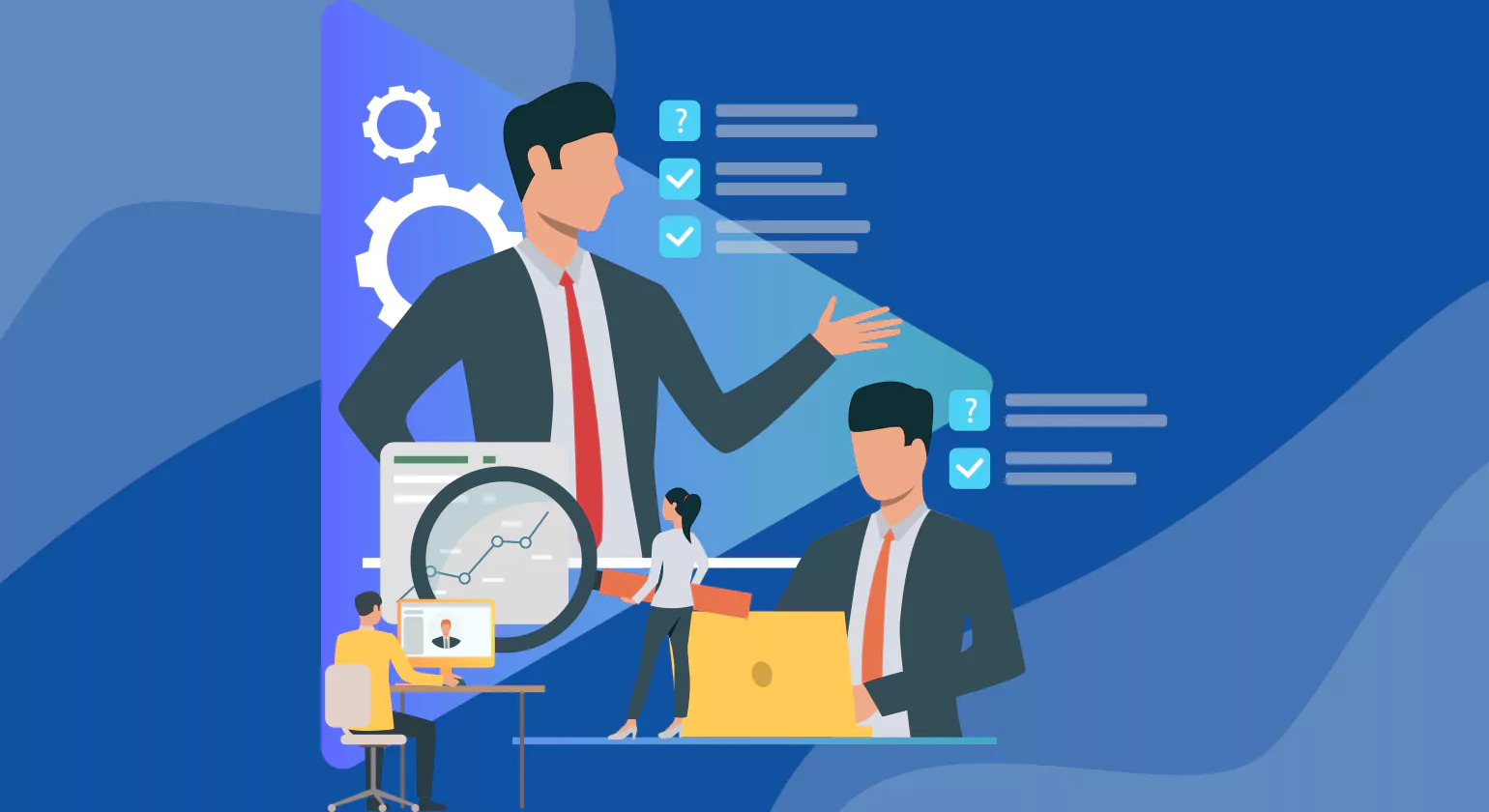
Managing employees effectively is crucial for any organization, but deciding between outsourcing and in-house employee management can be challenging. In-house management gives companies greater control over HR processes like recruitment, payroll, and compliance. It allows for tailored strategies aligned with company culture and specific needs. However, it can be resource-intensive, requiring dedicated HR teams, tools, and continuous training to stay updated with labor laws and industry best practices.
On the other hand, outsourcing employee management services provides businesses with access to expert HR professionals, advanced technology, and cost-effective solutions. Service providers handle tasks such as benefits administration, compliance, and performance tracking, reducing administrative burdens on internal teams. Outsourcing is particularly advantageous for small to medium-sized businesses that lack the resources to maintain a full-scale HR department. While it may limit direct control over processes, outsourcing allows companies to focus on core operations while ensuring HR tasks are managed efficiently and in compliance with regulations.
Employee Engagement and Retention Strategies
1. Provide Opportunities for Growth and Development
Employees are more likely to stay with a company that invests in their career growth. Offering professional development opportunities, training programs, and mentorship initiatives can help employees expand their skills and advance in their careers. Providing clear pathways for growth motivates employees to remain with the company for the long term.
2. Recognize and Reward Achievements
Employees are more likely to stay with a company that invests in their career growth. Offering professional development opportunities, training programs, and mentorship initiatives can help employees expand their skills and advance in their careers. Providing clear pathways for growth motivates employees to remain with the company for the long term.
3. Foster a Positive Company Culture
A healthy workplace culture promotes collaboration, respect, and open communication. Creating an inclusive environment where employees feel valued and respected enhances engagement and reduces turnover. Encouraging social interactions, team-building activities, and aligning company values with employee actions can help strengthen organizational culture.
4. Offer Competitive Compensation and Benefits
Competitive salary packages, health benefits, retirement plans, and other perks are essential for retaining employees. Regularly reviewing and adjusting compensation based on market trends and employee performance ensures that employees feel fairly rewarded. Benefits like flexible working hours, remote work options, and wellness programs can also improve employee satisfaction.
5. Provide Work-Life Balance
A good work-life balance is crucial for preventing burnout and increasing job satisfaction. Flexible work arrangements, such as remote work options, compressed workweeks, or flexible hours, allow employees to manage their personal and professional responsibilities effectively. Encouraging employees to take breaks and use vacation days can improve overall well-being and engagement.
6. Encourage Open Communication
Fostering open communication between employees and management helps build trust and transparency. Regular check-ins, feedback sessions, and anonymous surveys allow employees to voice their concerns, share ideas, and feel heard. Open lines of communication also make employees feel more connected to the company’s goals and mission.
7. Align Employee Goals with Company Objectives
When employees understand how their work contributes to the company’s overall success, they feel more invested in their roles. Regularly sharing company goals and performance metrics helps employees see the bigger picture and how their efforts impact the organization’s growth. Aligning personal and professional goals fosters a sense of purpose and engagement.
8. Empower Employees with Autonomy
Empowering employees to make decisions and take ownership of their work can enhance job satisfaction. Offering autonomy fosters a sense of responsibility, trust, and motivation, encouraging employees to perform at their best. Encouraging creativity and innovation also promotes a positive environment where employees feel valued.
9. Implement Employee Wellness Programs
Employee well-being is a top priority for retention. Wellness programs that focus on mental, physical, and emotional health can reduce stress, boost morale, and enhance productivity. Initiatives such as gym memberships, stress management workshops, and mental health days show employees that their well-being matters to the organization.
10. Conduct Stay Interviews
While exit interviews focus on why employees leave, stay interviews explore why employees stay and what keeps them engaged. These interviews can provide valuable insights into retention strategies and help identify potential areas for improvement in the workplace environment. By addressing concerns proactively, companies can enhance employee satisfaction and reduce turnover.
Conclusion
In conclusion, Employee Management Services play a vital role in enhancing organizational efficiency, improving employee satisfaction, and ensuring legal compliance. By outsourcing or optimizing HR functions such as recruitment, payroll, and performance management, businesses can reduce administrative burdens, streamline operations, and focus on strategic growth. These services help companies maintain a motivated, engaged workforce, leading to higher productivity and retention. Whether for small businesses or large enterprises, leveraging employee management is key to creating a positive work environment and fostering long-term success.
Know More>>> HR Consulting Services for Small Business Guide
Complete Payroll Processing for Business Success in 2025
FAQ'S
1. What are Employee Management Services?
Employee Management Services refer to outsourced or internal systems and solutions designed to handle various aspects of employee lifecycle management, including recruitment, onboarding, payroll, performance, compliance, and offboarding.
2. Which is an example of an employee service?
An example of an employee service Management is an Employee Assistance Program (EAP), which provides counseling and mental health support. Other examples include wellness programs, training sessions, career development, and flexible work arrangements, all aimed at improving employee well-being, productivity, and job satisfaction.
3. Why are Employee Management Services important?
Employee Management Services are vital for optimizing HR operations, ensuring compliance, and enhancing employee productivity. They automate key tasks like payroll, attendance, and performance tracking, reducing errors and administrative workload. These services help businesses stay organized, meet legal requirements, and foster a more engaged and efficient workforce, making them essential for long-term success.
4. Who can benefit from Employee Management Services
Small businesses, startups, and large enterprises all benefit from Employee Management Services. These services streamline HR tasks, improve workforce efficiency, and ensure compliance with labor laws. Ideal for companies seeking to reduce manual processes, boost employee satisfaction, and focus on growth without sacrificing HR quality or accuracy.
5. How to manage employees in a small business?
To manage employees in a small business, set clear expectations, maintain open communication, provide training, and recognize achievements. Use HR software for organization, encourage teamwork, and offer flexibility to boost morale. Effective leadership, employee engagement, and a positive work culture enhance productivity and business success.
6. What is ems software
EMS software, or Event Management Software, is a digital tool that helps plan, organize, and manage events efficiently. It streamlines tasks like scheduling, registration, communication, and reporting for seamless event execution.