Table of Contents
Introduction
Starting a new business is exciting, but getting the word out can be a challenge. With the right Marketing Tools for Startups, businesses can build brand awareness, attract customers, and grow quickly without spending a fortune. From social media management to email marketing and SEO, leveraging the right resources can make all the difference.
Today’s digital landscape offers a wide range of marketing tools tailored for startups. Platforms like Canva for design, HubSpot for customer relationship management, and Google Analytics for insights help streamline efforts and maximize impact. Automation and AI-powered tools also save time, allowing small teams to focus on strategy and growth.
Choosing the right Marketing Tools for Startups depends on your startup’s goals, audience, and budget. Whether you’re looking to drive traffic, improve conversions, or engage with customers, the right combination of tools can accelerate success. In this guide, we’ll explore some of the best marketing tools to help your startup thrive.
Why Marketing Tools Are Essential for Startup Success

Marketing Tools for Startups play a crucial role in helping startups establish their brand, reach the right audience, and scale efficiently. With limited resources and high competition, startups need smart solutions to streamline marketing efforts, improve engagement, and drive growth. Here are five key reasons why marketing tools are essential for startup success:
1. Cost-Effective Branding and Promotion
Startups often have tight budgets, making it essential to maximize every dollar spent on marketing. Marketing Tools for Startups like Canva for design, Mailchimp for email campaigns, and social media schedulers help create professional branding without hiring expensive agencies. These platforms provide affordable and scalable solutions to maintain a strong brand presence.
2. Efficient Audience Targeting
Understanding your target market is crucial for success. Marketing Tools for Startups like Google Analytics, Facebook Ads Manager, and HubSpot help startups gather data, analyze customer behavior, and create targeted campaigns. By leveraging data-driven insights, startups can reach the right audience with personalized messaging that improves engagement and conversion rates.
3. Automation Saves Time and Resources
Automating repetitive tasks allows small teams to remain agile and focused on high-level strategy. However, automation can only go so far. For complex workflows that require a human touch—such as specialized data entry, custom CRM management, or executive assistance—integrating professional business support solutions into your operation ensures that your marketing engine runs smoothly even as you scale.
4. Enhanced Customer Engagement
Building strong relationships with customers is key to long-term success. Marketing Tools for Startups like Customer relationship management (CRM) systems (HubSpot, Salesforce), email marketing platforms (Klaviyo, ConvertKit), and live chat software help startups interact with customers effectively. These tools enable personalized communication, leading to higher customer satisfaction and loyalty.
5. Data-Driven Decision Making
Analytics tools like Google Analytics and SEMrush provide powerful insights into your website performance. However, data without a strategy can be overwhelming. Many high-growth startups work with small business growth experts to interpret these metrics and translate them into a high-level roadmap that aligns their marketing efforts with their overall business objectives.
20 Best Marketing Tools for Startups for Rapid Growth in 2025
Marketing is the backbone of any startup’s success, and having the right tools can help businesses scale quickly and efficiently. From building a strong online presence to optimizing SEO, managing social media, and automating marketing efforts, the right tools save time and enhance results. Here are 20 of the best marketing tools for startups in 2025:
1. WordPress
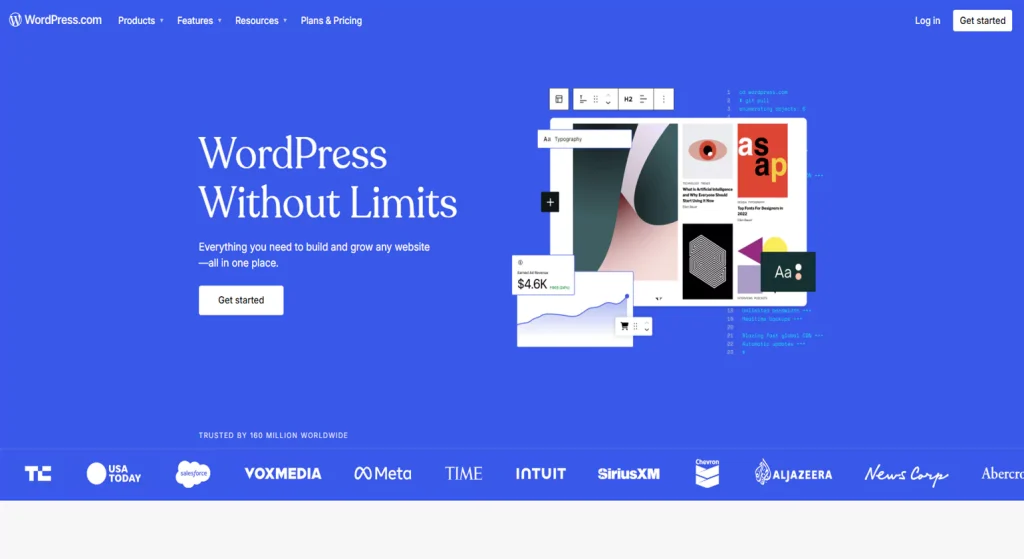
WordPress is one of the best marketing tools for startups and the world’s most popular website builder, powering over 40% of all websites. It offers a flexible and scalable platform suitable for startups of all sizes. With thousands of themes, plugins, and customization options, WordPress makes it easy to create a professional website or landing page without coding. Whether you need a simple blog or a full-fledged eCommerce store, WordPress provides everything you need to establish your online presence.
Key Features:
- Drag-and-drop page builders like Elementor and Gutenberg
- SEO-friendly with built-in optimization tools
- Thousands of free and premium themes
- Extensive plugin library for added functionality
- Supports eCommerce via WooCommerce
Why Use It?
WordPress is a cost-effective, flexible, and scalable solution that helps startups build a powerful online presence with complete control over their website.
2. Wix
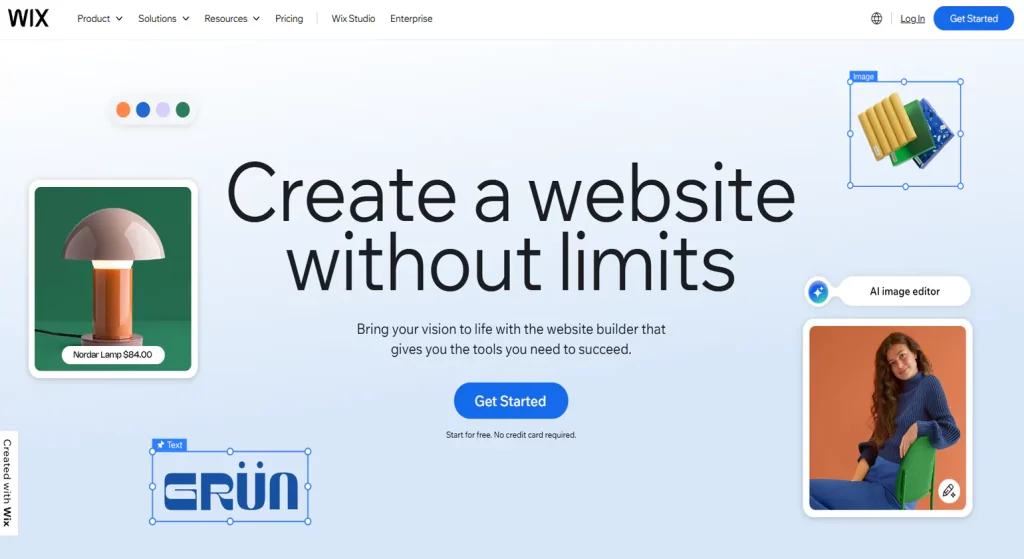
Wix is a user-friendly website builder that enables startups to create stunning websites with ease. Featuring an intuitive drag-and-drop interface and a vast library of customizable templates, Wix is perfect for businesses that want a professional-looking website without technical skills. It also includes built-in SEO tools, eCommerce capabilities, and AI-powered design assistance, making it a great all-in-one solution for startups.
Key Features:
- AI-powered website design with Wix ADI
- 800+ customizable templates
- Built-in SEO and marketing integrations
- eCommerce and payment processing options
- Mobile optimization for responsive design
Why Use It?
Wix offers an all-in-one, easy-to-use platform that helps startups quickly build and launch a professional website without coding.
3. SEMrush
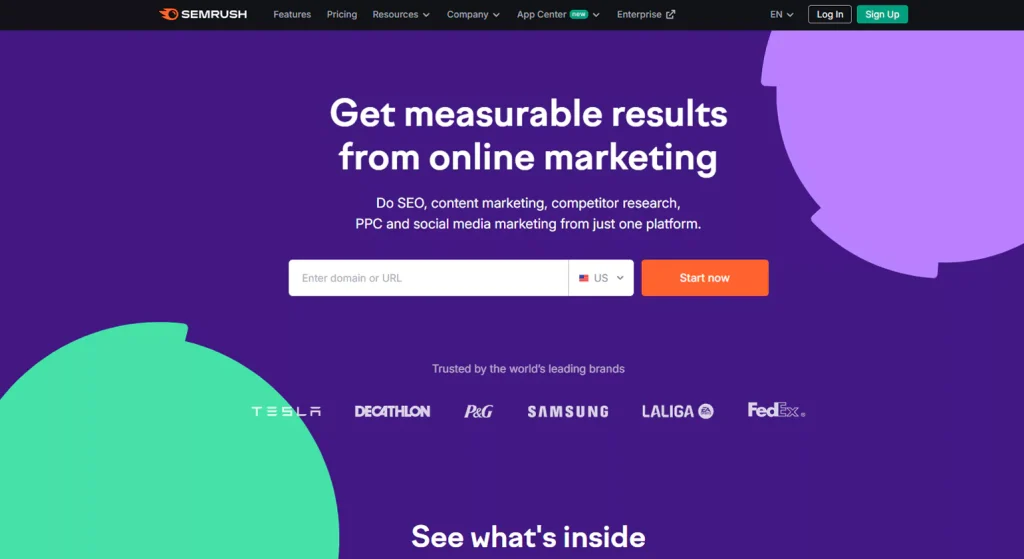
SEMrush is one of the best Marketing Tools for Startups and an all-in-one digital marketing platform designed to boost SEO, track competitors, and improve online visibility. It provides deep insights into keyword rankings, backlinks, and site audits, making it an essential tool for startup business tools looking to optimize their search engine presence. With competitor analysis and PPC research, SEMrush helps businesses refine their strategies and stay ahead of the competition.
Key Features:
- Keyword research and SEO tracking
- Competitor analysis and backlink audits
- PPC and content marketing insights
- Site audit for technical SEO improvements
- Social media and brand monitoring
Why Use It?
SEMrush provides powerful SEO insights and competitive analysis, helping startups optimize their online presence and drive organic traffic.
4. Ubersuggest
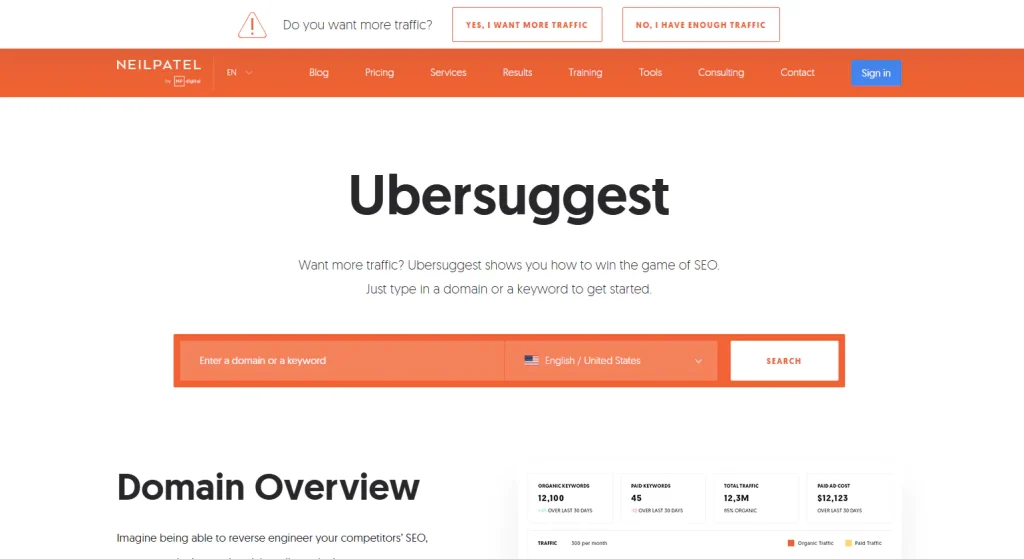
Ubersuggest is one of the best marketing tools for startups, created by Neil Patel, is a beginner-friendly SEO tool that helps startups with keyword research, backlink analysis, and content ideas. It provides a simple yet effective interface for finding high-ranking keywords and understanding SEO trends. With its free features and affordable pricing, Ubersuggest is a great tool for startups looking to improve their online search visibility without breaking the bank.
Key Features:
- Keyword research with search volume and difficulty scores
- Backlink analysis and domain authority checks
- Competitor SEO strategy insights
- Content ideas and topic suggestions
- Site audit to improve technical SEO
Why Use It?
Ubersuggest is an affordable and easy-to-use SEO tool that helps startups optimize their content and improve search rankings.
5. Google Search Console
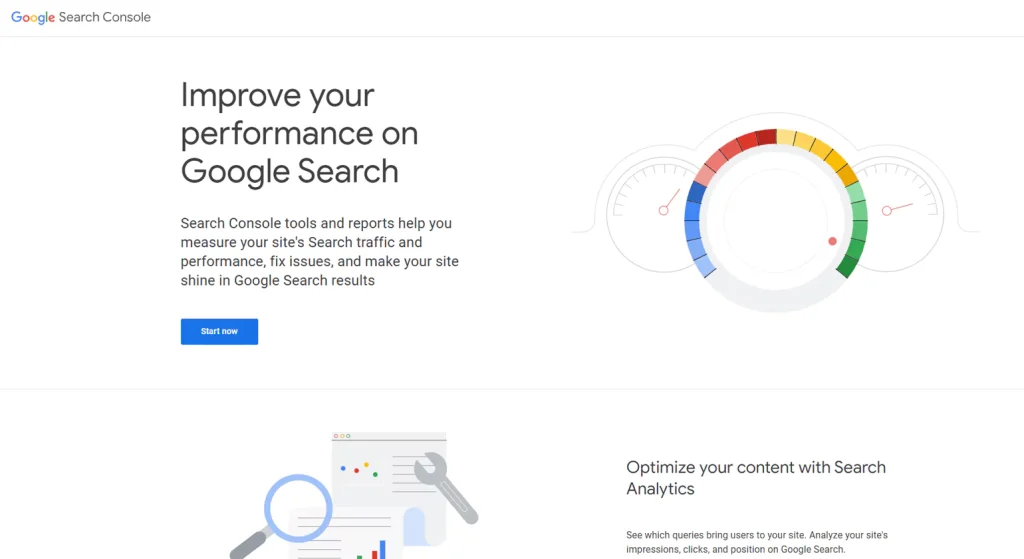
Google Search Console is a free tool from Google that helps website owners monitor and optimize their site’s performance in search results. It provides insights into search traffic, indexing issues, and mobile usability, allowing startups to fix errors and improve their visibility on Google. By tracking keyword performance and click-through rates, startups can refine their SEO strategies for better results.
Key Features:
- Monitor website performance in Google Search
- Identify and fix indexing and mobile usability issues
- Submit sitemaps for better crawling and indexing
- Analyze keyword performance and click-through rates
- Receive alerts on security issues and errors
Why Use It?
Google Search Console is a must-have tool for startups to track and improve their website’s SEO performance for free.
6. Buffer
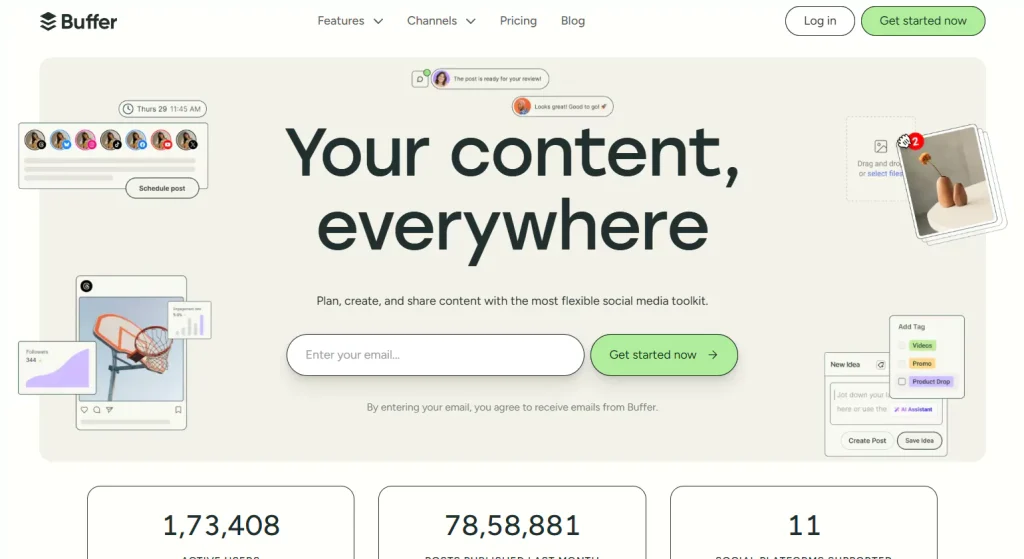
Buffer is a social media management tool that allows startups to schedule posts, track performance, and engage with audiences across multiple platforms. Its simple and intuitive interface makes it easy to plan content in advance, analyze engagement metrics, and improve social media strategy. With team collaboration features, startups can streamline their social media efforts and maintain a consistent online presence.
Key Features:
- Schedule posts across multiple social media platforms
- Social media analytics and performance tracking
- Team collaboration and approval workflows
- Customizable posting schedules
- Integration with Instagram, Facebook, Twitter, LinkedIn, and more
Why Use It?
Buffer simplifies social media management, helping startups save time while maintaining a strong online presence.
7. Hootsuite
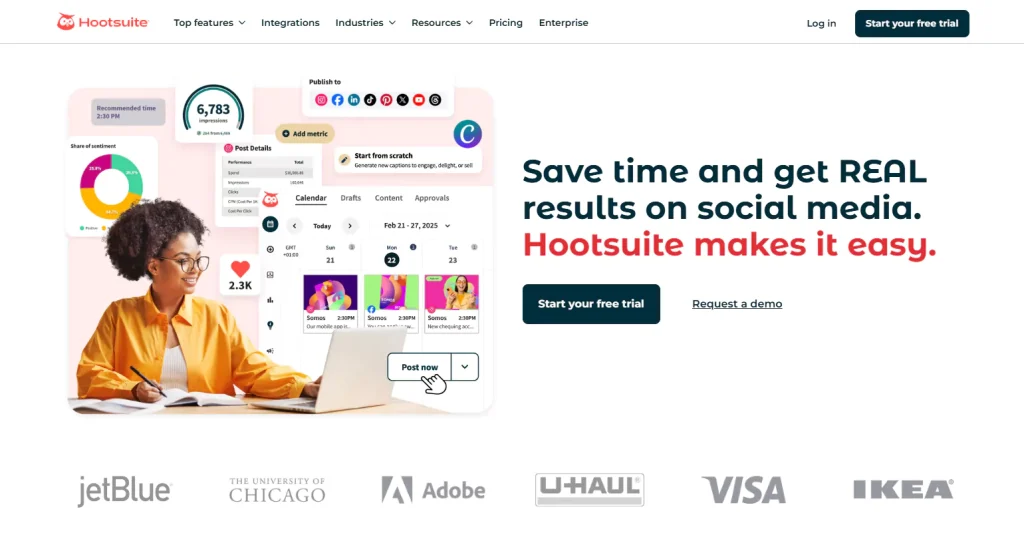
Hootsuite is one of the best marketing tools for startups and is a comprehensive social media management platform that helps startups schedule posts, monitor social conversations, and analyze performance. It supports multiple accounts, allowing businesses to manage all their social media channels from one dashboard. Hootsuite’s advanced analytics and engagement tools make it a powerful choice for startups looking to grow their audience and improve brand awareness.
Key Features:
- Schedule and publish posts on multiple platforms
- Monitor brand mentions and social media conversations
- Advanced analytics and reporting tools
- Social listening and engagement tracking
- Integration with third-party apps and CRM systems
Why Use It?
Hootsuite provides an all-in-one solution for managing social media, increasing engagement, and tracking performance across different platforms.
8. Mailchimp
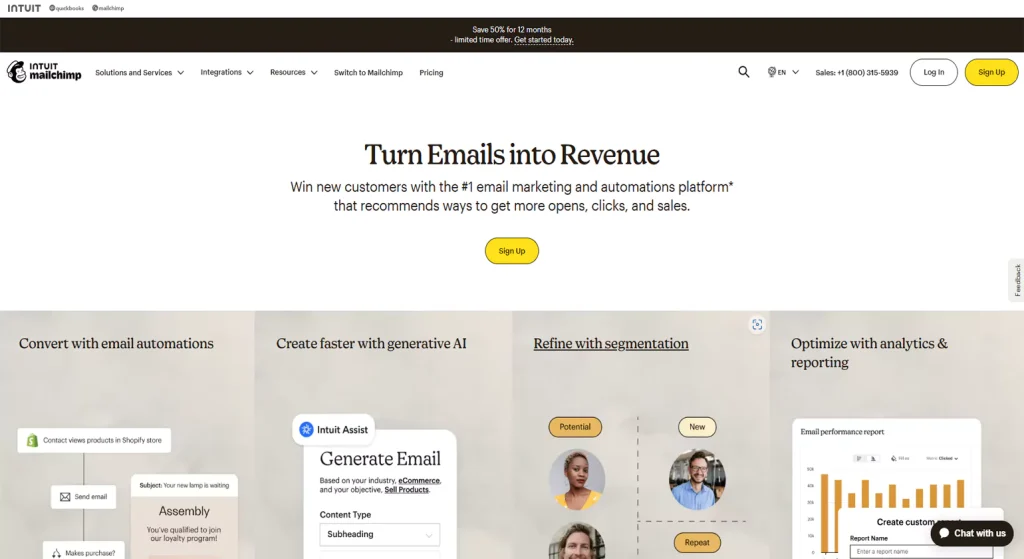
Mailchimp is one of the most popular Marketing Tools for Startups, offering an easy-to-use platform for startups to build, automate, and analyze email campaigns. With customizable templates, segmentation features, and AI-powered insights, Mailchimp helps businesses engage with their audience effectively. It also integrates with eCommerce platforms, making it ideal for startups looking to nurture leads and drive conversions.
Key Features:
- Drag-and-drop email builder with customizable templates
- Marketing automation and customer journey mapping
- Audience segmentation and personalization
- Built-in analytics and A/B testing
- Integration with eCommerce platforms like Shopify and WooCommerce
Why Use It?
Mailchimp provides a beginner-friendly and feature-rich email marketing solution to grow and retain customers.
9. Kit
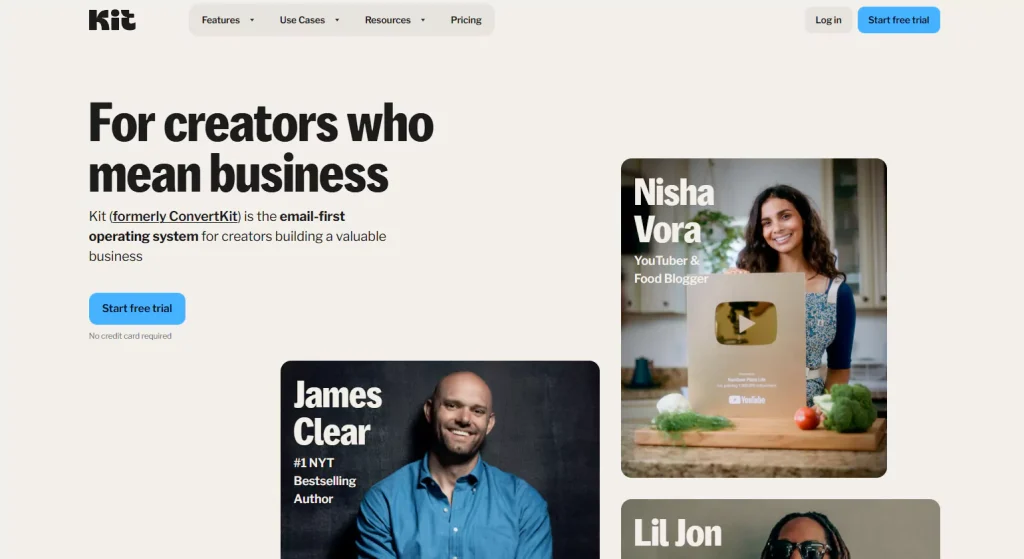
Kit is an AI-powered marketing automation tool designed for small businesses and startups. It helps automate email campaigns, social media ads, and retargeting efforts, allowing businesses to maintain customer engagement with minimal effort. Kit integrates seamlessly with Shopify, making it a great choice for eCommerce startups looking to boost sales.
Key Features:
- AI-driven automated email marketing
- Social media ad creation and management
- Retargeting campaigns to increase conversions
- Seamless Shopify integration
- Performance tracking and insights
Why Use It?
Kit automates essential marketing tasks, helping startups focus on growing their business while improving customer engagement.
10. HubSpot
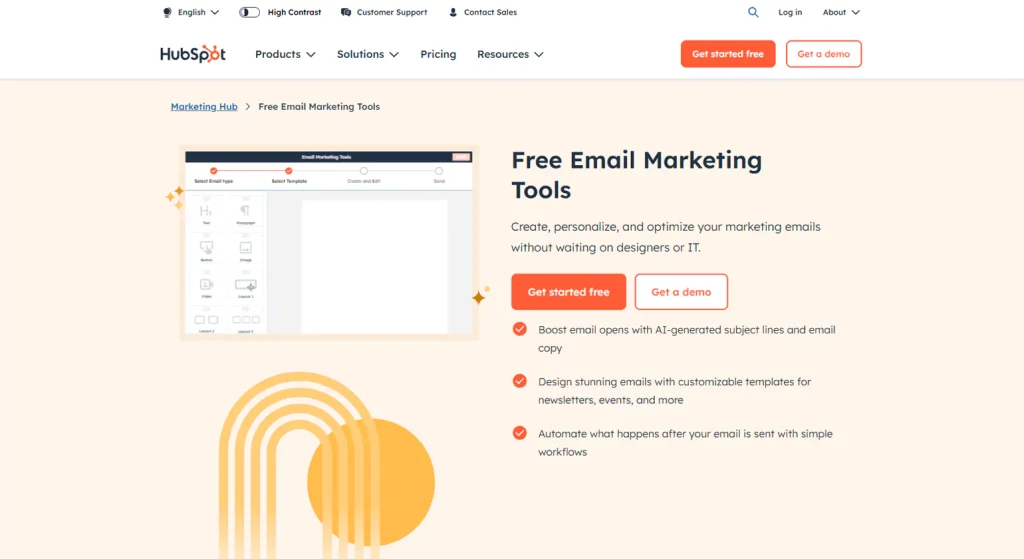
HubSpot’s email Marketing Tools for Startups offers powerful automation and personalization to help startups create high-converting campaigns. With its drag-and-drop editor, detailed analytics, and CRM integration, businesses can build effective email sequences that nurture leads and drive conversions. It’s an excellent choice for startups looking for an all-in-one marketing and sales solution.
Key Features:
- Drag-and-drop email editor with pre-built templates
- Advanced automation workflows for lead nurturing
- Personalized email content based on customer behavior
- CRM integration for seamless marketing and sales alignment
- Real-time performance analytics and A/B testing
Why Use It?
HubSpot offers a powerful combination of email marketing, automation, and CRM, making it ideal for startups aiming to scale quickly.
11. Grammarly
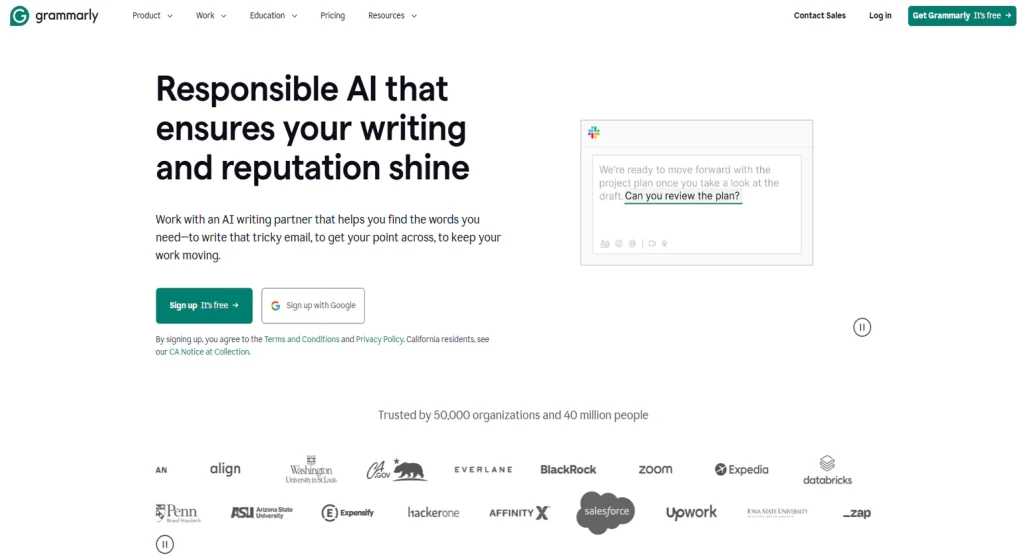
HubSpot’s email marketing tool offers powerful automation and personalization to help startups create high-converting campaigns. With its drag-and-drop editor, detailed analytics, and CRM integration, businesses can build effective email sequences that nurture leads and drive conversions. It’s an excellent choice for startups looking for an all-in-one marketing and sales solution.
Key Features:
- AI-powered grammar and spell check
- Tone and style analysis for better communication
- Plagiarism detection for original content
- Browser extension and integrations with Google Docs, Word, and more
- Personalized writing insights and reports
Why Use It?
Grammarly helps startups create high-quality, professional content that enhances brand credibility and engagement
12. BuzzSumo
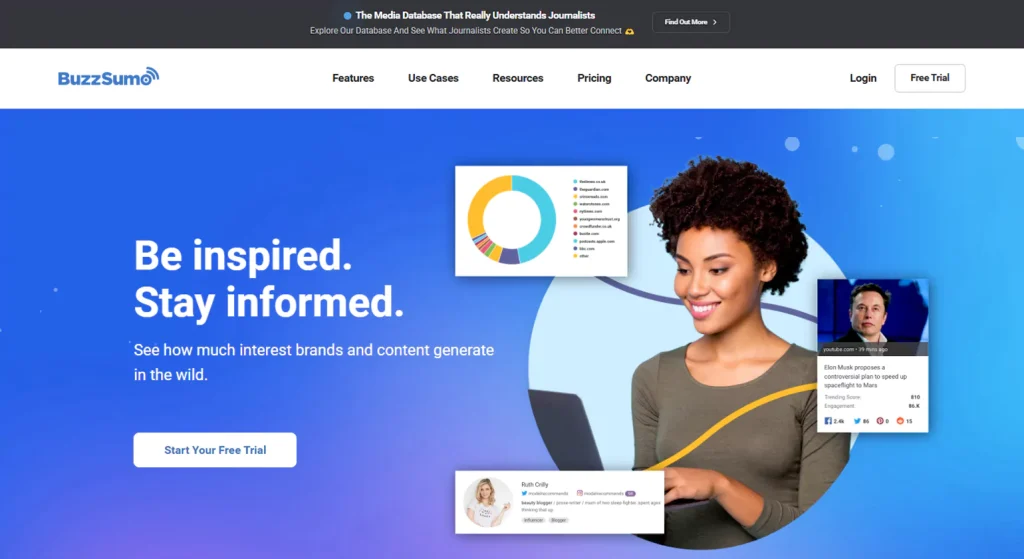
BuzzSumo is one of the top Marketing Tools for Startups and a content research and analytics tool that helps startups identify trending topics, discover influencers, and analyze competitors’ content strategies. By finding high-performing content in your niche, startups can create data-driven marketing campaigns that attract and engage their target audience.
Key Features:
- Content research and trend analysis
- Competitor content performance tracking
- Influencer discovery for outreach campaigns
- Social media engagement insights
- Keyword and backlink analysis
Why Use It?
BuzzSumo helps startups create highly engaging, data-driven content that resonates with their audience.
13. Google Ads
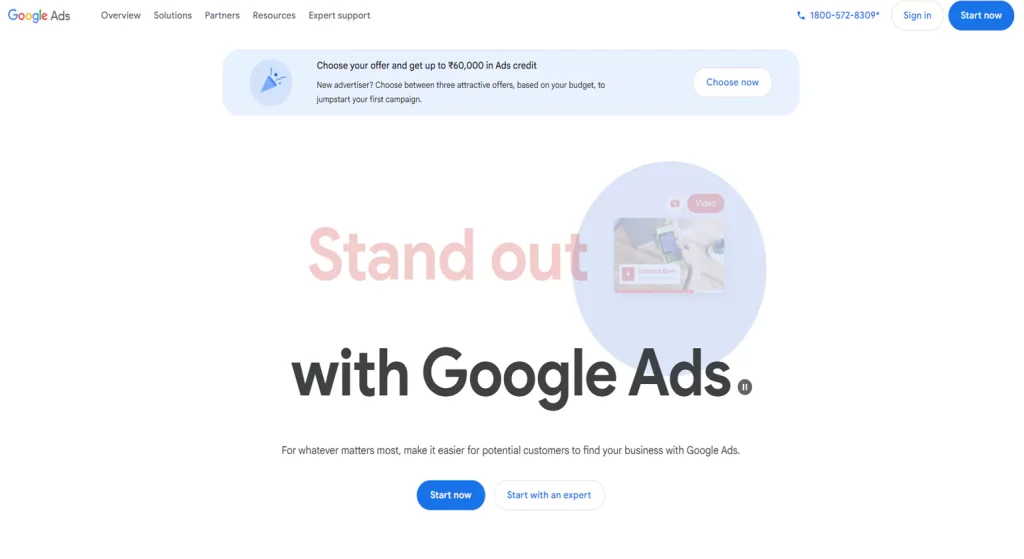
Google Ads is the most powerful pay-per-click (PPC) advertising platform, allowing startups to reach potential customers through search, display, YouTube, and more. With its advanced targeting options and real-time analytics, startups can create highly effective ad campaigns to drive traffic and conversions.
Key Features:
- Keyword targeting for search ads
- Display and video ad campaigns
- Retargeting and audience segmentation
- AI-powered Smart Bidding for better ROI
- Performance tracking and conversion analytics
Why Use It?
Google Ads helps startups generate immediate traffic and leads with highly targeted ad campaigns.
14. Facebook Ads Manager
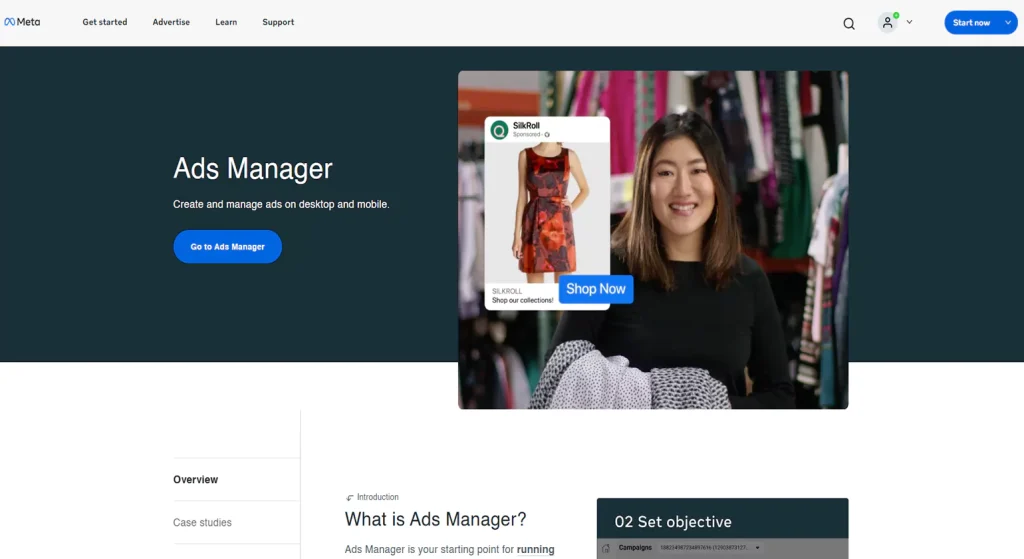
Facebook Ads Manager is an essential Marketing Tools for Startups looking to reach audiences on Facebook and Instagram. It provides advanced targeting options, allowing businesses to create personalized ad campaigns based on demographics, interests, and behaviors. With built-in analytics, startups can optimize their ads for maximum impact.
Key Features:
- Advanced audience targeting and segmentation
- Retargeting campaigns for higher conversions
- A/B testing and performance tracking
- Multiple ad formats (carousel, video, stories, etc.)
- Integration with Instagram and Messenger ads
Why Use It?
Facebook Ads Manager offers highly targeted advertising options, helping startups connect with the right audience and increase conversions.
15. LinkedIn Ads
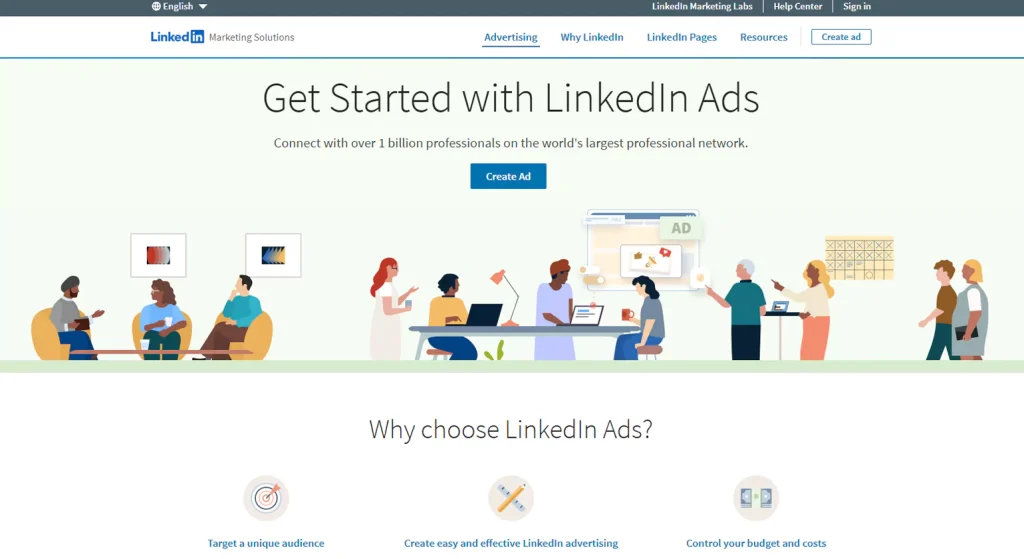
LinkedIn Ads is the go-to advertising platform for B2B startups looking to reach professionals and decision-makers. It allows businesses to create sponsored content, message ads, and display ads tailored to specific industries and job roles.
Key Features:
- B2B-focused audience targeting
- Sponsored content and lead generation ads
- InMail ads for direct messaging
- Detailed demographic and firmographic analytics
- Integration with LinkedIn Sales Navigator
Why Use It?
LinkedIn Ads is the best choice for startups targeting professionals, making it ideal for B2B marketing and lead generation.
16. Google Analytics
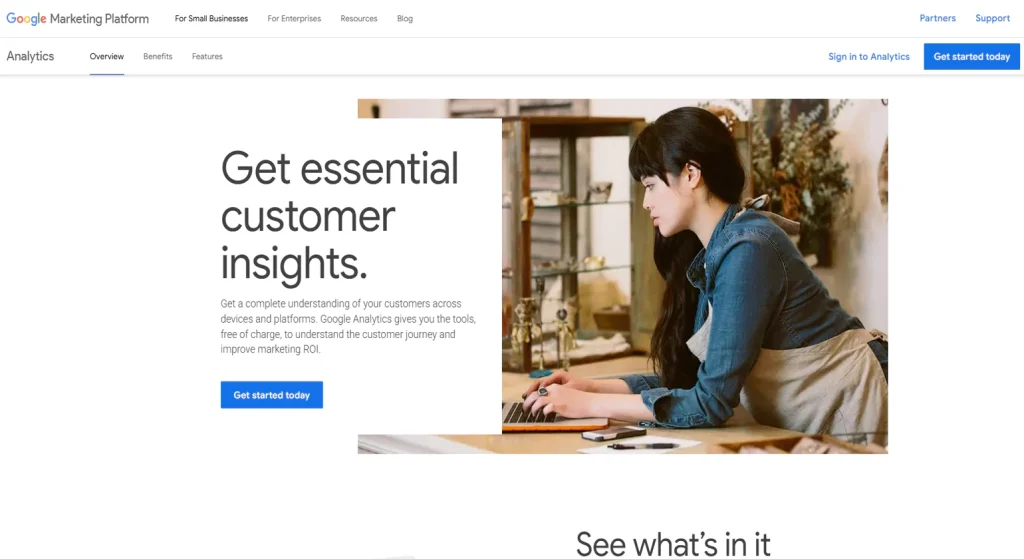
Google Analytics is a free yet powerful tool that helps Marketing Tools for Startups track website traffic, user behavior, and conversion rates. By analyzing data insights, businesses can optimize their marketing strategies and improve user experience.
Key Features:
- Real-time and historical website analytics
- Audience insights, including demographics and interests
- Traffic source tracking and campaign performance analysis
- Goal tracking and conversion optimization
- Custom reports and dashboard creation
Why Use It?
Google Analytics provides in-depth insights that help startups make data-driven decisions to optimize their marketing efforts.
17. HubSpot CRM
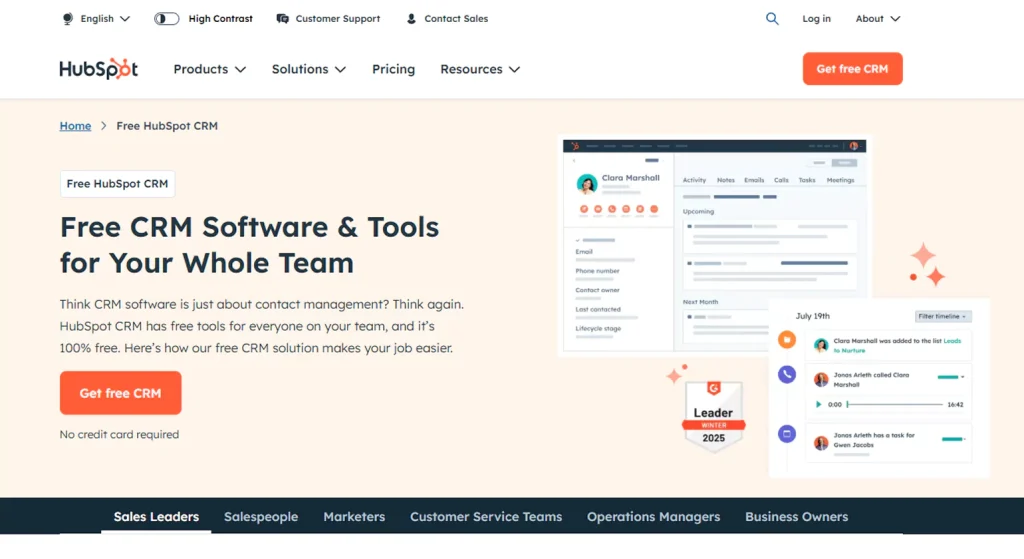
HubSpot CRM is a free, user-friendly tool that helps startups manage customer relationships, track interactions, and automate sales processes. It provides an all-in-one solution for marketing, sales, and customer service.
Key Features:
- Contact and lead management
- Email tracking and automation
- Sales pipeline tracking and reporting
- Live chat and chatbot integration
- Integration with HubSpot’s marketing suite
Why Use It?
HubSpot CRM simplifies lead and customer management, helping startups scale their sales and marketing efforts efficiently.
18. Salesforce
Salesforce is a robust CRM platform that provides advanced sales, marketing, and customer service automation. It’s ideal for startups looking for scalability and deep customization.
Key Features:
- AI-powered sales insights
- Lead scoring and pipeline management
- Email and marketing automation
- Customer support and engagement tools
- Extensive third-party integrations
Why Use It?
Salesforce provides enterprise-level CRM solutions that help startups build strong customer relationships and scale efficiently.
19. Upfluence
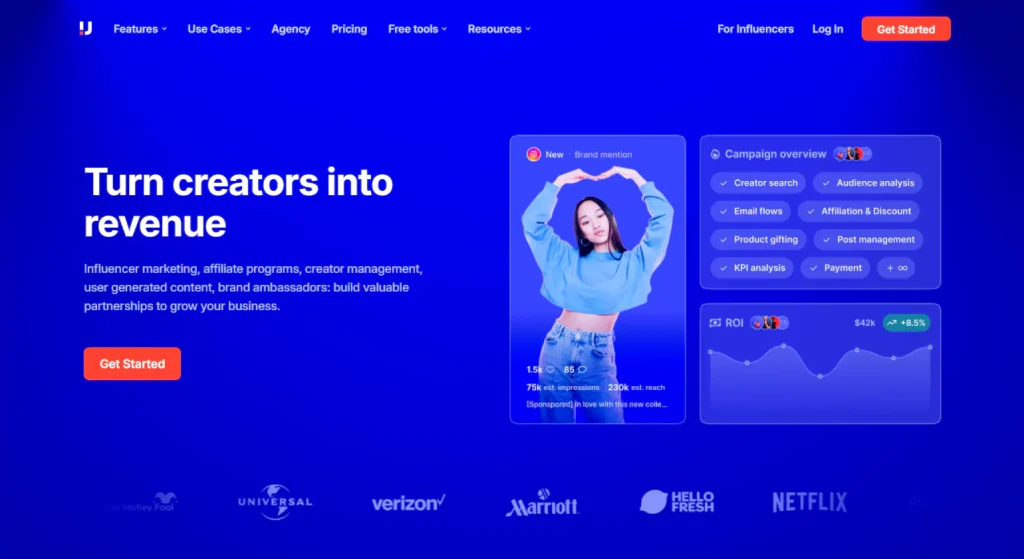
Upfluence is one of the top Marketing Tools for Startups and a leading influencer marketing platform that helps startups connect with influencers to drive brand awareness and sales. With its powerful search engine, businesses can find relevant influencers based on audience demographics, engagement rates, and industry relevant niches. The platform also offers influencer relationship management and campaign tracking, making it easier for startups to collaborate with content creators effectively.
Key Features:
- Advanced influencer search with audience analytics
- End-to-end campaign management and tracking
- AI-powered influencer recommendations
- Automated outreach and negotiation tools
- Performance analytics and ROI measurement
Why Use It?
Upfluence simplifies influencer marketing, helping startups find the right creators and track campaign performance efficiently.
20. ReferralCandy

ReferralCandy is one of top Marketing Tools for Startups and a referral marketing tool designed to help startups boost customer acquisition through word-of-mouth. It enables businesses to create automated referral programs, rewarding existing customers for bringing in new ones. With seamless integration into eCommerce platforms like Shopify and WooCommerce, ReferralCandy helps startups turn satisfied customers into brand advocates.
Key Features:
- Customizable referral program setup
- Automated reward distribution (discounts, cash, gifts)
- Integration with eCommerce platforms and email marketing tools
- Fraud detection and referral tracking analytics
- Performance dashboards to measure ROI
Why Use It?
ReferralCandy makes it easy for startups to increase customer retention and sales by leveraging word-of-mouth marketing.
How to Pick the Perfect Marketing Tools for Your Startup’s Needs

Choosing the perfect Marketing Tools for Startups requires a clear understanding of your business goals, budget, and target audience. Start by identifying the key marketing functions you need, such as website building, SEO, social media management, email marketing, or paid advertising. Consider tools that align with your growth stage—early-stage startups may prioritize cost-effective, easy-to-use platforms, while scaling businesses may need more advanced automation and analytics features. Additionally, check for integrations with your existing software to ensure seamless workflows and data sharing.
It’s also essential to evaluate the scalability and user-friendliness of the tools before making a decision. Look for platforms that offer free trials or flexible pricing plans so you can test their effectiveness before committing. Read customer reviews, compare features, and analyze ROI potential to ensure you’re investing in the right solutions. Ultimately, the best Marketing Tools for Startups should simplify your workflow, enhance customer engagement, and help you achieve measurable results without overwhelming your team. Additionally, consider the level of customer support and community resources available, as these can be crucial for troubleshooting and maximizing the tool’s potential.
Common Marketing Challenges for Startups & How to Overcome Them

1. Limited Budget
Many startups struggle with tight marketing budgets, making it difficult to invest in paid advertising and premium tools. To overcome this, prioritize cost-effective strategies like content marketing, organic social media growth, and SEO. Utilize free or low-cost Marketing Tools for Startups and focus on building strong relationships with early customers through referral programs and email marketing.
2. Low Brand Awareness
Building brand recognition from scratch is challenging, especially in competitive markets. Startups can overcome this by consistently creating valuable content, leveraging social media, and collaborating with influencers. Engaging storytelling and strategic PR efforts can also help establish credibility and attract attention from the right audience.
3. Finding the Right Target Audience
Without a well-defined audience, marketing efforts can become inefficient. Conduct market research, analyze competitor strategies, and use customer insights to refine your target audience. Marketing Tools for Startups like Google Analytics and social media analytics can help track audience behavior, allowing you to tailor marketing messages effectively.
4. Generating Leads & Conversions
startup business tools often face difficulties in attracting and converting leads. To improve lead generation, optimize landing pages, use lead magnets like eBooks or free trials, and implement email marketing campaigns. A/B testing different strategies can also help identify what resonates most with potential customers.
5. Keeping Up with Marketing Trends & Technology
The digital marketing landscape is constantly evolving, making it hard for startups to keep up. Stay informed by following industry blogs, attending webinars, and networking with other entrepreneurs. Adopting flexible marketing strategies and testing new tools can help your startup stay competitive and adapt to changing trends.
Conclusion
In conclusion, effective marketing is essential for the growth and success of any startup, but it comes with its own set of challenges. By leveraging the right marketing tools for startups, focusing on cost-effective strategies, and staying adaptable to industry trends, startups can build brand awareness, generate leads, and drive long-term customer engagement. The key is to continuously analyze performance, optimize campaigns, and remain customer-focused to ensure sustainable business growth in an ever-evolving digital landscape. With the right approach and a commitment to innovation, startups can turn marketing challenges into opportunities and establish a strong market presence.
FAQ’s
1. What types of marketing tools should a startup consider?
Startups can benefit from tools across lead-generation, analytics, marketing automation, CRM, email marketing, landing-page building, live chat, SEO, content creation, and social media scheduling — depending on business goals.
2. Why is lead-generation software important for new businesses?
Lead-generation tools help startups identify website visitors, track behavior, and capture potential customers who might otherwise slip through — enabling focused outreach and better conversion chances.
3. Can startups start with free plans for marketing tools?
Yes, many tools offer free plans or trial periods (e.g. free-tier CRM or limited-feature analytics/email tools), which helps startups experiment without major costs before scaling up.
4. What is marketing automation and when should startups use it?
Marketing automation automates repetitive tasks — like emailing, lead nurturing, or data syncing — and is useful once a startup has a growing user base to streamline workflows and maintain consistency.
5. How can analytics tools help startups improve marketing performance?
Analytics tools collect data on user behavior, track engagement and conversions, helping startups understand what works (or doesn’t), optimize campaigns, and make data-driven marketing decisions.
6. Do startups always need expensive marketing tools from the start?
Not necessarily — many marketing tools offer budget-friendly pricing or free versions suitable for small teams. Early adoption can begin with minimal spend and scale up as user base grows.
7. How important is content marketing for startups?
Content marketing (like blogs) helps startups build visibility, authority and organic reach — attracting inbound traffic, building community, and supporting long-term growth.
8. Can social media scheduling tools help a small startup?
Yes, social media tools let small teams plan, schedule and manage posts across platforms ahead of time, saving time and ensuring consistent presence online.
9. What should startups prioritize: automation or manual marketing?
Early on, manual outreach may work — but as customer base grows, marketing automation becomes valuable to manage leads, automate follow-ups, and scale efficiently.
10. How can landing-page optimization tools benefit startups?
These tools help create effective, conversion-oriented landing pages quickly (via drag & drop, A/B testing), which maximize lead capture and reduce developer dependence.