Table of Contents
Introduction
In today’s digital landscape, websites are no longer static pages but dynamic platforms that engage users. Interactive web page design has become a vital component of modern web design, offering enhanced user experiences and driving business growth. This blog explores the meaning, benefits, and key elements of interactive web design, and why businesses should invest in creating interactive websites. With the rise of interactive web development, brands can now craft seamless, engaging digital journeys that captivate users and convert interest into action.
What Is the Meaning of an Interactive Website Designs

An interactive website designs is actively engage users by incorporating various elements that allow direct interaction with the content, features, and functionalities. Unlike static websites, which present information in a one-way manner, interactive web page design create a dynamic and engaging environment. This interactivity can be achieved through elements such as forms that collect user input, quizzes that provide personalized feedback, animations that capture attention, videos that tell compelling stories, and interactive infographics that present complex data in an easily digestible format. These components work together to create a richer and more immersive user experience, making the website not just a source of information but a platform for engagement.
The primary goal of an interactive website designs is to create a more engaging and memorable user experience. By allowing users to actively participate in the content, these websites can encourage visitors to spend more time on the site and to return in the future. This increased engagement can lead to higher user satisfaction and loyalty, as well as improved conversion rates for businesses. Moreover, interactive website designs can provide valuable insights into user behavior and preferences, enabling businesses to tailor their offerings and marketing strategies more effectively. Partnering with an interactive web design agency ensures that businesses leverage cutting-edge design techniques to build dynamic, user-focused websites that stand out in a digital landscape where user experience is paramount. Additionally, integrating data enrichment solutions can enhance personalization by refining user data and improving customer insights for more targeted engagement.
Why Businesses Should Have Interactive Design Website
In an era where user experience is paramount, businesses must adopt interactive website design to stay competitive. Interactive web design allows businesses to create engaging and personalized experiences for their users, which is crucial for capturing and retaining user attention. By incorporating elements such as interactive forms, dynamic content, and multimedia features, businesses can significantly reduce bounce rates and keep visitors on their sites longer. This heightened engagement not only enhances the user experience but also increases the likelihood of conversions, as users are more likely to take desired actions when they feel involved and valued. Furthermore, the data collected from user interactions can provide valuable insights into customer preferences and behaviors, enabling businesses to refine their strategies and offerings.
Benefits of Interactive Web Design
Interactive design website has become a crucial element in modern digital strategies, offering a range of advantages that can significantly enhance the effectiveness of a website. Here’s a closer look at the benefits of integrating interactive elements into your web design:
Enhanced User Engagement
interactive website designs fosters a dynamic user experience that goes beyond static content. By incorporating elements such as interactive infographics, animations, and clickable content, users are encouraged to actively engage with the website. This heightened engagement leads to longer site visits, as users are more likely to explore various sections and interact with multiple features. Engaged users are not only more likely to stay on the site longer but also to return in the future, boosting overall site traffic and visibility.
Improved User Experience
A seamless and enjoyable user experience is at the heart of
interactive website designs. When users encounter interactive elements that are intuitive and easy to navigate, their overall satisfaction increases. Features like interactive forms, responsive buttons, and real-time feedback contribute to a smoother user journey. This positive experience translates to higher user satisfaction, which can lead to increased loyalty and repeat visits. A well-designed interactive website makes it easier for users to find what they’re looking for, reducing frustration and improving overall usability.
Increased Conversions
Interactive website design can play a pivotal role in guiding users through the buyer journey. By using interactive features such as product configurators, virtual tours, and personalized recommendations, you can create a more engaging and persuasive experience. These interactive elements help to address user needs and preferences more effectively, leading to a higher likelihood of conversions. For instance, a product configurator allows users to customize products to their specifications, which can increase their confidence in making a purchase and drive sales.
Better Data Collection
One of the significant advantages of interactive web design is the ability to collect valuable data from users. Interactive elements such as surveys, polls, and feedback forms enable you to gather insights into user preferences, behaviors, and opinions. This data is crucial for making informed business decisions, optimizing marketing strategies, and improving overall site performance. By leveraging interactive features for data collection, you gain a deeper understanding of your audience, which can enhance your ability to tailor content and offers to meet their needs.
Stronger Brand Identity
An interactive website design can significantly bolster your brand identity. By incorporating interactive elements that align with your brand’s values and personality, you create a unique and memorable user experience. Features like interactive storytelling, engaging animations, and immersive media contribute to a distinct brand presence that sets you apart from competitors. A well-designed interactive website not only attracts users but also leaves a lasting impression, reinforcing your brand’s image and fostering a stronger connection with your audience.
What’s Different in Interactive Web Design?
best interactive websites mark a significant evolution from traditional static and dynamic web design approaches. Understanding these differences is crucial for creating engaging and user-friendly websites. Interactive web development plays a key role in this transformation. By incorporating data enrichment solutions, businesses can enhance user experiences through personalized content and targeted interactions. Here’s a comprehensive look at how interactive web page design stands apart:
Static vs. Interactive Web Design
Interactive website development fosters a dynamic user experience that goes beyond static content. By incorporating elements such as interactive infographics, animations, and clickable content, users are encouraged to actively engage with the website. This heightened engagement leads to longer site visits, as users are more likely to explore various sections and interact with multiple features. Engaged users are not only more likely to stay on the site longer but also to return in the future, boosting overall site traffic and visibility.
Static Web Design
Static web design refers to web pages with fixed content. Each page is a separate HTML file, and any updates require manual changes to the code. These pages don’t respond to user inputs or interactions beyond simple navigation.
Interactive Web Design
In contrast, interactive web page design incorporates elements that engage users through dynamic and responsive interactions. This design approach uses JavaScript, AJAX, and other technologies to create a more engaging user experience. Interactive elements can include forms, buttons, animations, and real-time updates that adapt to user inputs.
The primary difference is that while static design offers a set, unchanging experience, interactive web page design evolves based on user interaction, creating a more personalized and engaging experience.
Dynamic vs. Interactive Web Design
Dynamic Web Design
Dynamic web design involves web pages that change based on user behavior or other variables. These pages pull data from databases and can display different content depending on user actions or inputs. For instance, dynamic pages might show personalized content based on user preferences or past interactions. Leveraging interactive web development, these designs can further enhance user engagement by providing real-time, responsive experiences.
Interactive websites
interactive web page design goes a step further by not only changing content but also enhancing how users interact with the page. It focuses on user engagement through interactive elements such as hover effects, interactive charts, and real-time feedback. These elements not only change content but also provide immediate feedback and adapt to user actions in real time, making the experience more immersive.
Principles of Effective Interactive Websites
Effective interactive web page design are built on several key principles that ensure they meet user needs and provide a seamless experience. Here’s an in-depth look at these essential principles:
User-Centered Design
At the heart of effective interactive website designs is user-centered design. This principle involves prioritizing the needs, preferences, and behaviors of users throughout the design process. By conducting user research, gathering feedback, and analyzing user behavior, designers can create interactive web page designs that resonate with their target audience. Understanding what users want and how they interact with content helps in designing features and layouts that enhance usability and satisfaction.
Intuitive Navigation
Intuitive navigation is crucial for ensuring that users can easily find what they’re looking for without confusion. In interactive web design, this means creating a clear, logical structure for the website. Menus, buttons, and links should be easy to locate and use, with a consistent layout across the site. Effective interactive website design incorporates user-friendly navigation elements that guide users effortlessly through different sections and functionalities.
Responsive Design
Responsive design ensures that interactive web design provides a consistent and seamless experience across all devices, including desktops, tablets, and smartphones. A responsive website adapts its layout and content to fit different screen sizes and orientations, maintaining usability and readability. This principle is essential for accommodating diverse user preferences and ensuring that interactive elements function properly on any device.
Fast Load Times
Website performance is a critical factor in user satisfaction. Fast load times are essential for reducing user frustration and improving engagement. In interactive websites examples, optimizing performance involves minimizing file sizes, using efficient coding practices, and leveraging caching techniques. Quick load times ensure that interactive features, such as animations and real-time updates, work smoothly, keeping users engaged and preventing them from abandoning the site due to slow performance.
Accessibility
Designing with accessibility in mind is fundamental to creating an inclusive interactive web page design. This principle involves ensuring that all users, including those with disabilities, can interact with the website effectively. Implementing features such as keyboard navigation, screen reader compatibility, and alternative text for images helps in making the website accessible to everyone. Prioritizing accessibility not only broadens your audience but also demonstrates a commitment to creating an inclusive digital environment.
5 Examples of Interactive Web Design

Parallax Scrolling
interactive websites examples like Apple use parallax scrolling to create a 3D effect by moving background and foreground elements at different speeds. This adds depth and draws users into the storytelling experience.
Hover Effects
E-commerce sites like ASOS use hover animations on product images. When a user hovers over an item, it changes to show alternate views or details—creating a dynamic, informative interaction without a single click.
Interactive Infographics
News and data platforms such as The New York Times offer interactive charts and graphs. Users can click or hover over data points to explore deeper insights, making complex data visually digestible.
Gamified Experiences
Duolingo’s language learning platform gamifies its interface with progress bars, badges, and animations. This design keeps users motivated and encourages repeat interaction.
Customized User Journeys
Sites like Spotify create personalized experiences using best interactive websites examples quizzes or behavior-based content recommendations. These elements make users feel seen and connected to the brand.
How Interactive Websites Can Make Business Grow

Interactive website design are more than just a trend; they are a powerful tool for driving business growth. By leveraging interactive design website, businesses can achieve several key benefits that contribute to their success. Here’s how interactive website design can significantly impact business growth:
Attracting and Retaining Customers
Interactive web page design plays a crucial role in attracting and retaining customers. Engaging features such as interactive content, dynamic visuals, and personalized experiences capture users’ attention and keep them on the site longer. When visitors find the content compelling and the interactions enjoyable, they are more likely to return. This increased engagement helps build a strong connection with users, encouraging repeat visits and enhancing customer retention.
Boosting Conversion Rates
Effective interactive web page design can significantly boost conversion rates. By incorporating elements like interactive product demos, calculators, or chatbots, businesses can guide users seamlessly through the sales funnel. These interactive features provide users with valuable information, answer their queries in real time, and create a more engaging experience that drives them towards making a purchase or taking desired actions. This enhanced guidance and engagement increase the likelihood of converting visitors into customers.
Enhancing Brand Loyalty
A positive and memorable user experience is essential for fostering brand loyalty. Interactive web design offers opportunities to create unique and personalized interactions that leave a lasting impression. By providing users with enjoyable and meaningful experiences, businesses can build stronger emotional connections with their audience. This, in turn, enhances customer loyalty and encourages users to advocate for the brand, resulting in positive word-of-mouth and increased brand reputation.
Gaining Competitive Advantage
In a crowded marketplace, standing out is crucial. Businesses with interactive website design gain a competitive advantage by offering a more engaging and innovative user experience compared to their competitors. interactive web page design can differentiate a brand, attract more attention, and make a memorable impact on potential customers. By embracing interactive elements, businesses can set themselves apart and capture the interest of their target audience more effectively.
Gathering Valuable Insights
Interactive features on websites provide valuable data on user behavior and preferences. By tracking interactions, businesses can gain insights into what users find engaging, which features they use most, and where they encounter obstacles. This data is instrumental in refining business strategies, optimizing user experiences, and making informed decisions. Leveraging these insights helps businesses continuously improve their interactive websites examples and better meet the needs of their customers.
Key Elements of Interactive Website Design
Interactive website design incorporates various elements that enhance user engagement and create a dynamic online experience. Here are some key components that contribute to effective interactive design website:
Interactive Navigation
Interactive navigation is crucial for a seamless user experience. Menus and buttons with responsive features such as hover effects and animations make the navigation process more engaging. For instance, when users hover over a menu item, it might change color, expand, or reveal additional options. These interactive elements not only make navigation more intuitive but also add an extra layer of visual appeal that keeps users interested and helps guide them through the website efficiently.
Multimedia Content
Incorporating multimedia content is a fundamental aspect of interactive web design. Videos, animations, and interactive infographics can capture users’ attention and convey information in an engaging way. For example, explainer videos can simplify complex topics, while interactive infographics allow users to explore data dynamically. Multimedia content not only enriches the user experience but also helps in effectively communicating key messages and retaining user interest.
Forms and Surveys
interactive design website forms and surveys are essential for collecting user data and providing personalized experiences. Modern interactive design website often includes forms that adapt based on user inputs, such as auto-filling fields or dynamic validation messages. Surveys can be designed to offer immediate feedback or personalized recommendations based on user responses. These interactive elements help in gathering valuable information from users while enhancing their overall experience on the site.
User-Generated Content
Integrating features that allow users to contribute content is another vital element of interactive web design. User-generated content such as reviews, comments, and social media integrations adds authenticity and builds community. For instance, enabling users to leave reviews on products or services not only fosters engagement but also provides social proof that can influence other potential customers. Social media integrations allow users to share content directly from the website, increasing reach and visibility.
Gamification
Gamification introduces game-like elements into interactive website development to boost user engagement. Incorporating features such as quizzes, challenges, and rewards can make the website experience more enjoyable and motivating. For example, a business might include a quiz to help users find products that suit their needs, or offer rewards for completing certain actions. Gamification elements encourage users to interact more deeply with the site, increasing time spent on the page and promoting ongoing engagement.
Top 10 Interactive Web Design Providers
1. Ossisto

Ossisto specializes in creating highly interactive web page design that enhance user engagement and drive business growth. With a focus on custom solutions and cutting-edge technology, Ossisto delivers websites that are both visually appealing and functionally robust. Their team emphasizes user-centered design to ensure that interactive elements align with client objectives and user needs.
2. ElephantMark
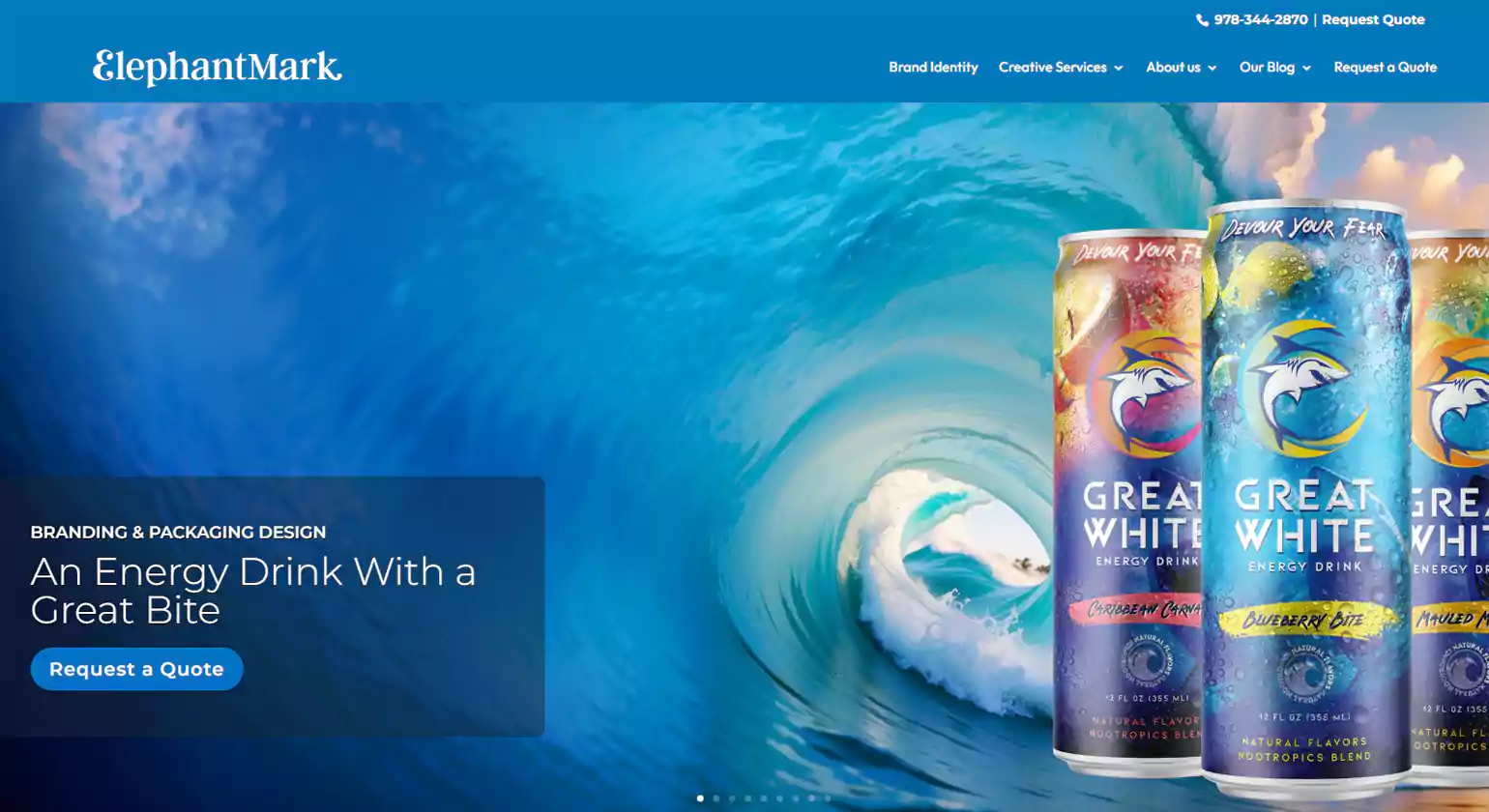
ElephantMark is known for its innovative approach to interactive web design. They blend creativity with technical expertise to develop engaging websites that captivate users and foster long-term connections. Their focus on responsive design and interactive features ensures that clients receive websites that perform well across all devices and provide a seamless user experience.
3. DD.NYC
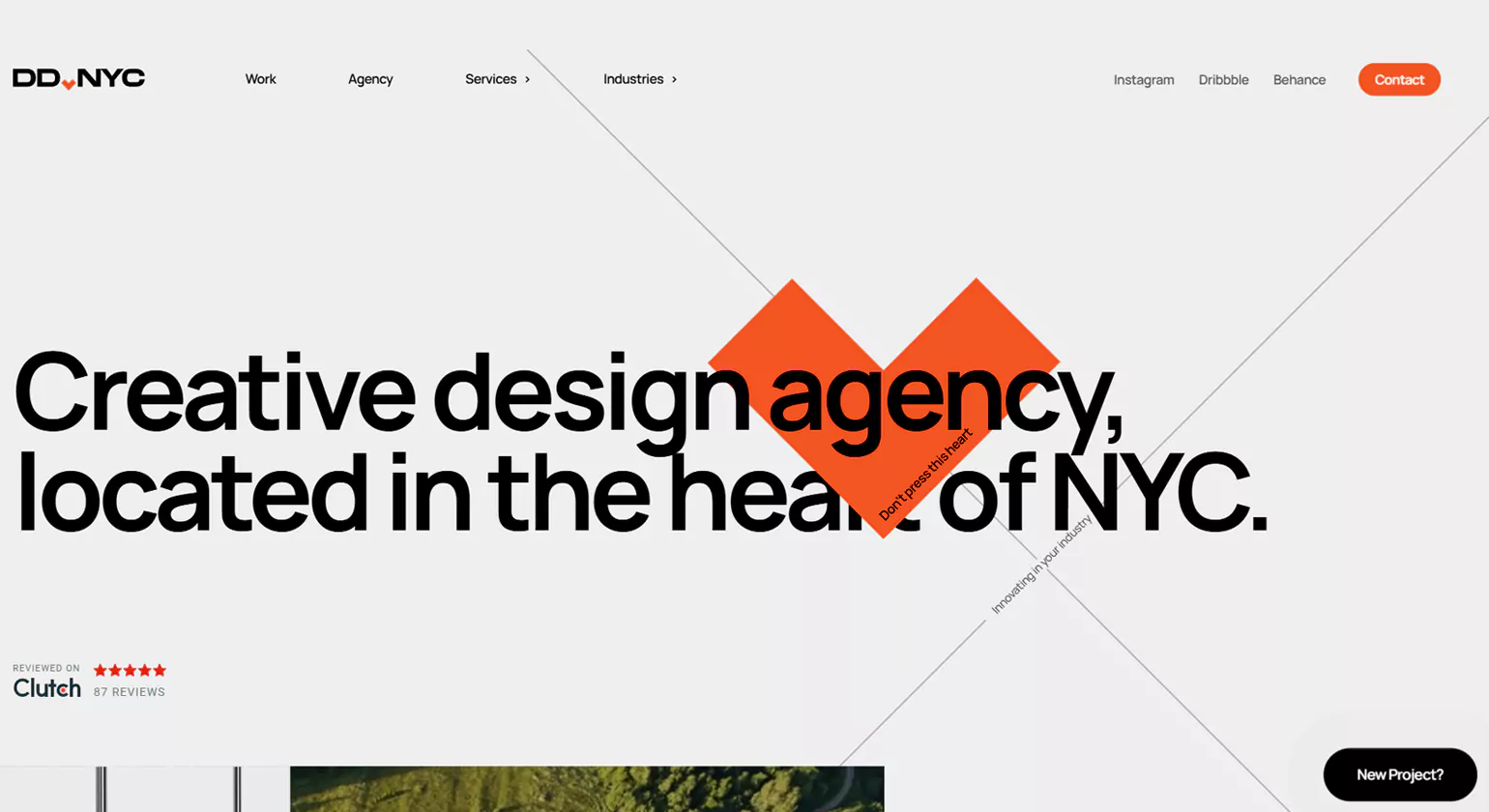
DD.NYC excels in crafting interactive websites that stand out in the digital landscape. Their team integrates advanced interactive elements with compelling visuals to create memorable user experiences. DD.NYC is dedicated to delivering high-quality, user-focused websites that not only attract attention but also drive engagement and conversions.
4. Consensus Creative
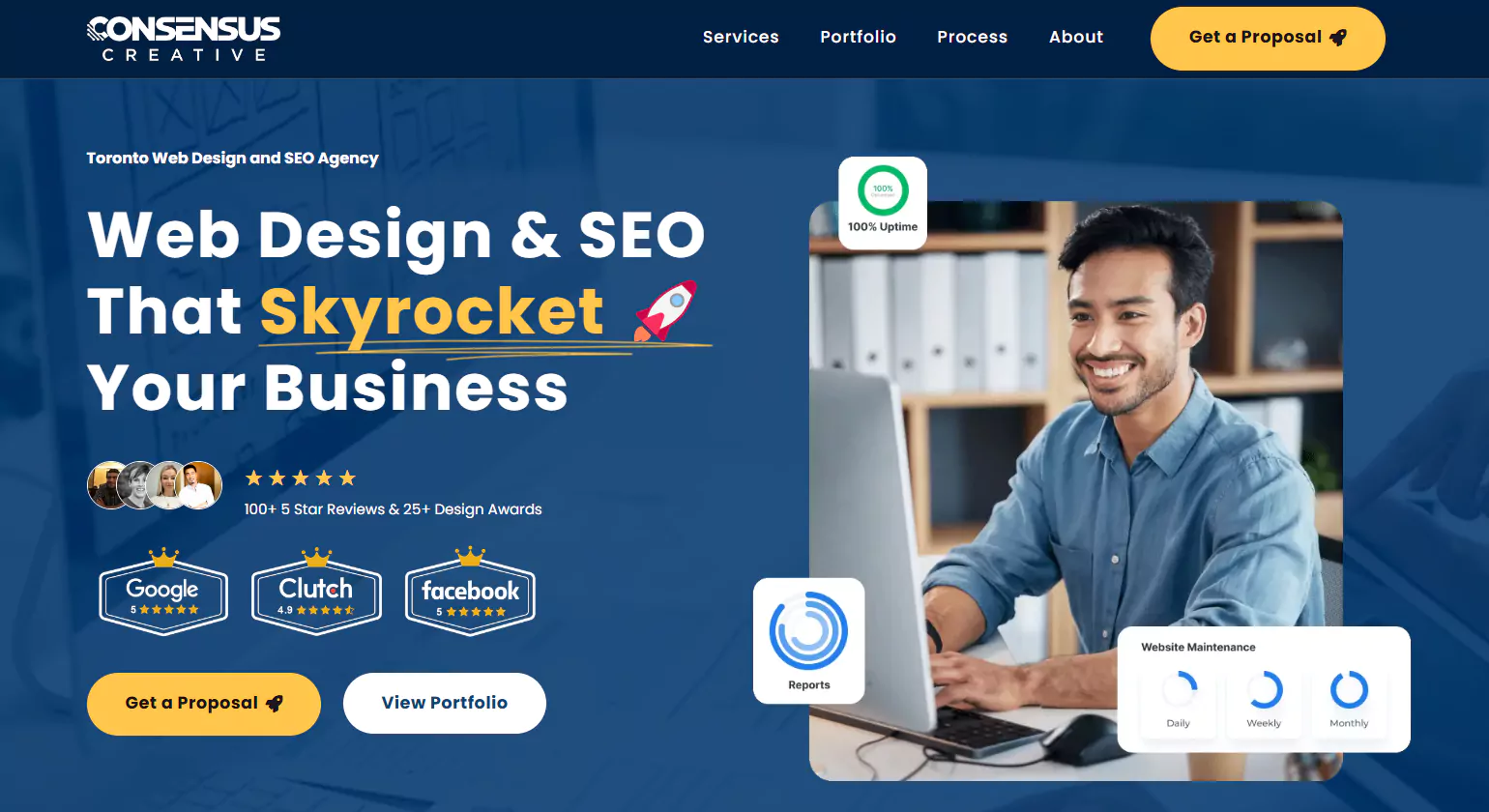
Consensus Creative is a leader in interactive website design, offering solutions that combine aesthetic appeal with functionality. Their expertise in creating interactive elements like animations, multimedia content, and dynamic interfaces helps businesses engage users effectively. Consensus Creative focuses on creating unique, user-centric designs that enhance brand presence and drive user interaction.
5. The Bureau Of Small Projects

The Bureau Of Small Projects is renowned for its bespoke interactive web design services. They specialize in developing custom solutions that cater to the specific needs of their clients. With a strong emphasis on user experience and interactive features, they create websites that are both visually striking and highly functional.
6. Incrementors Web Solutions

Incrementors Web Solutions offers top-notchinteractive website design services that prioritize user engagement and functionality. Their team uses the latest technologies and design trends to build interactive websites that provide a seamless experience across all platforms. Incrementors focuses on delivering results-driven designs that align with client goals and enhance user interaction.
7. The Media Captain

The Media Captain is distinguished by its ability to create Interactive Web Design that drive results. Their approach combines strategic planning with creative design to develop websites that engage users and achieve business objectives. The Media Captain’s expertise in interactive elements and responsive design ensures high performance and user satisfaction.
8. Web Loft Designs
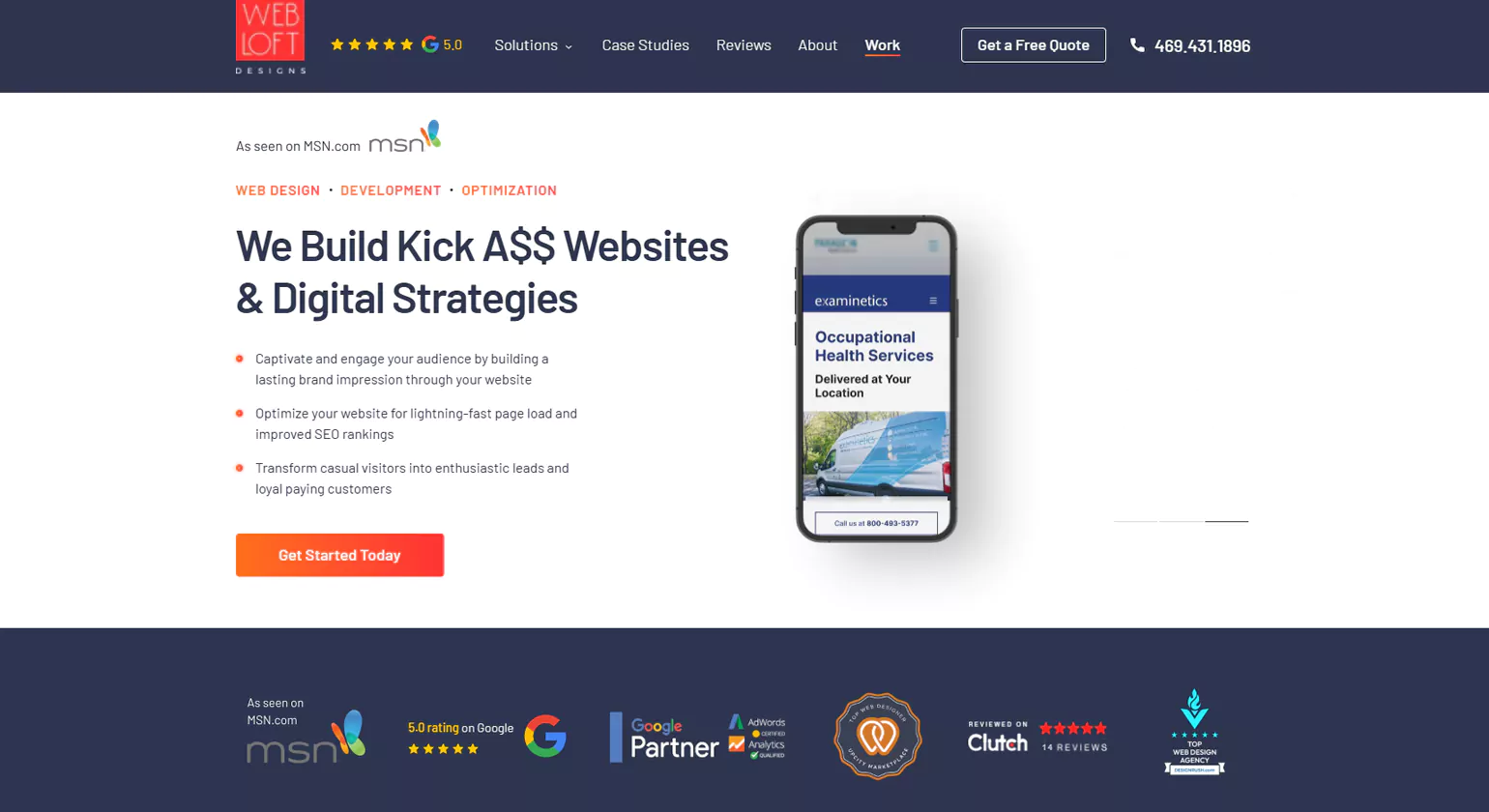
Web Loft Designs is known for its creative and interactive web design solutions. They focus on developing engaging websites that incorporate interactive features and multimedia content to enhance user experience. With a commitment to delivering high-quality, visually appealing designs, Web Loft Designs helps businesses stand out in the digital marketplace.
9. Ladybugz Interactive Agency
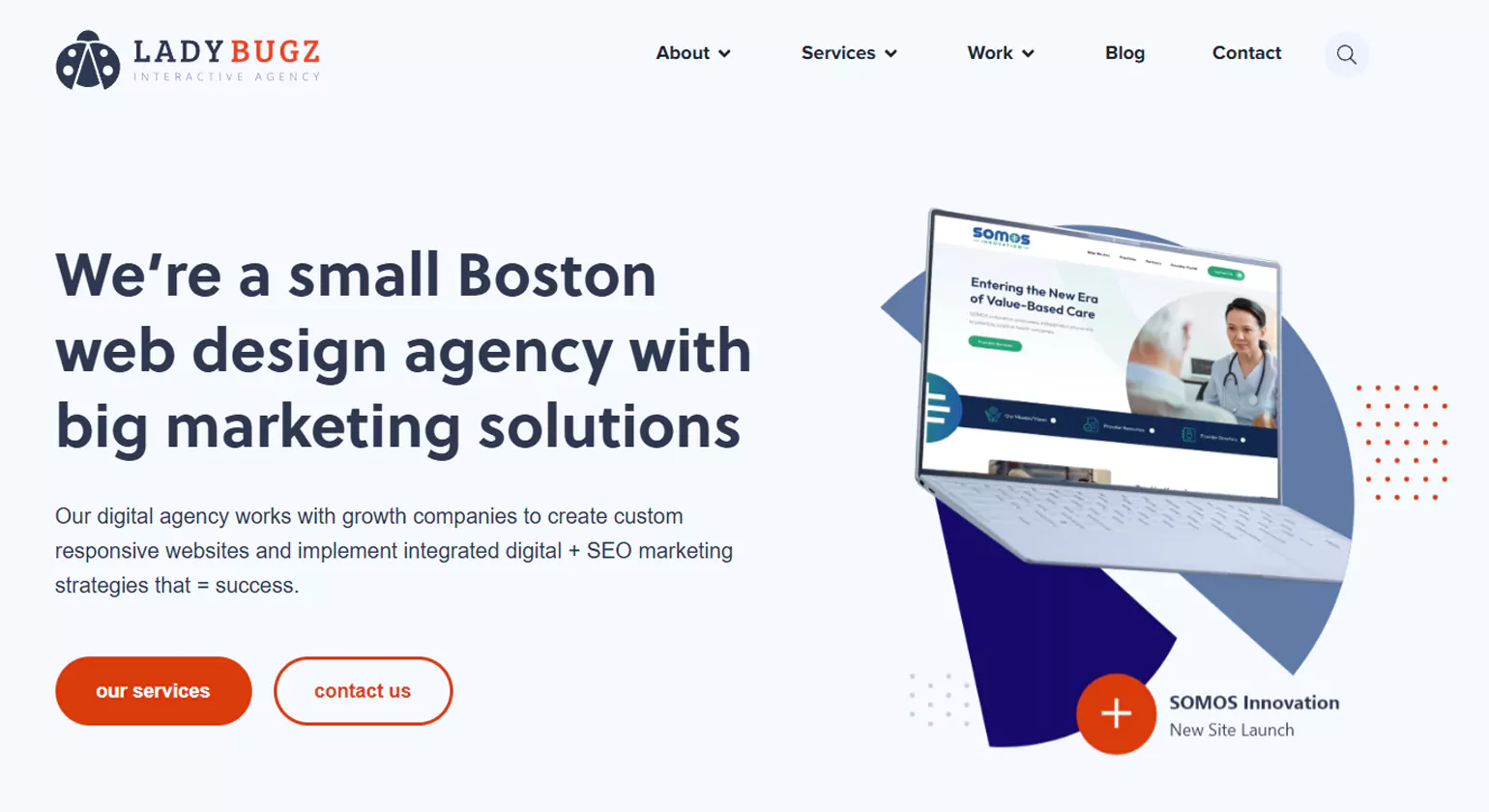
Ladybugz Interactive Agency specializes in crafting interactive web page design that captivate and convert. Their team leverages interactive elements and custom functionalities to create websites that engage users and drive business growth. Ladybugz is dedicated to delivering innovative solutions that align with client needs and exceed user expectations.
10. Speak Creative
Speak Creative excels in developing interactive website design that foster user engagement and enhance brand presence. Their approach combines creativity with technology to build dynamic websites featuring interactive elements and responsive design. Speak Creative focuses on creating memorable user experiences that support client goals and drive interaction.
Tools and Technologies for Interactive Website Design
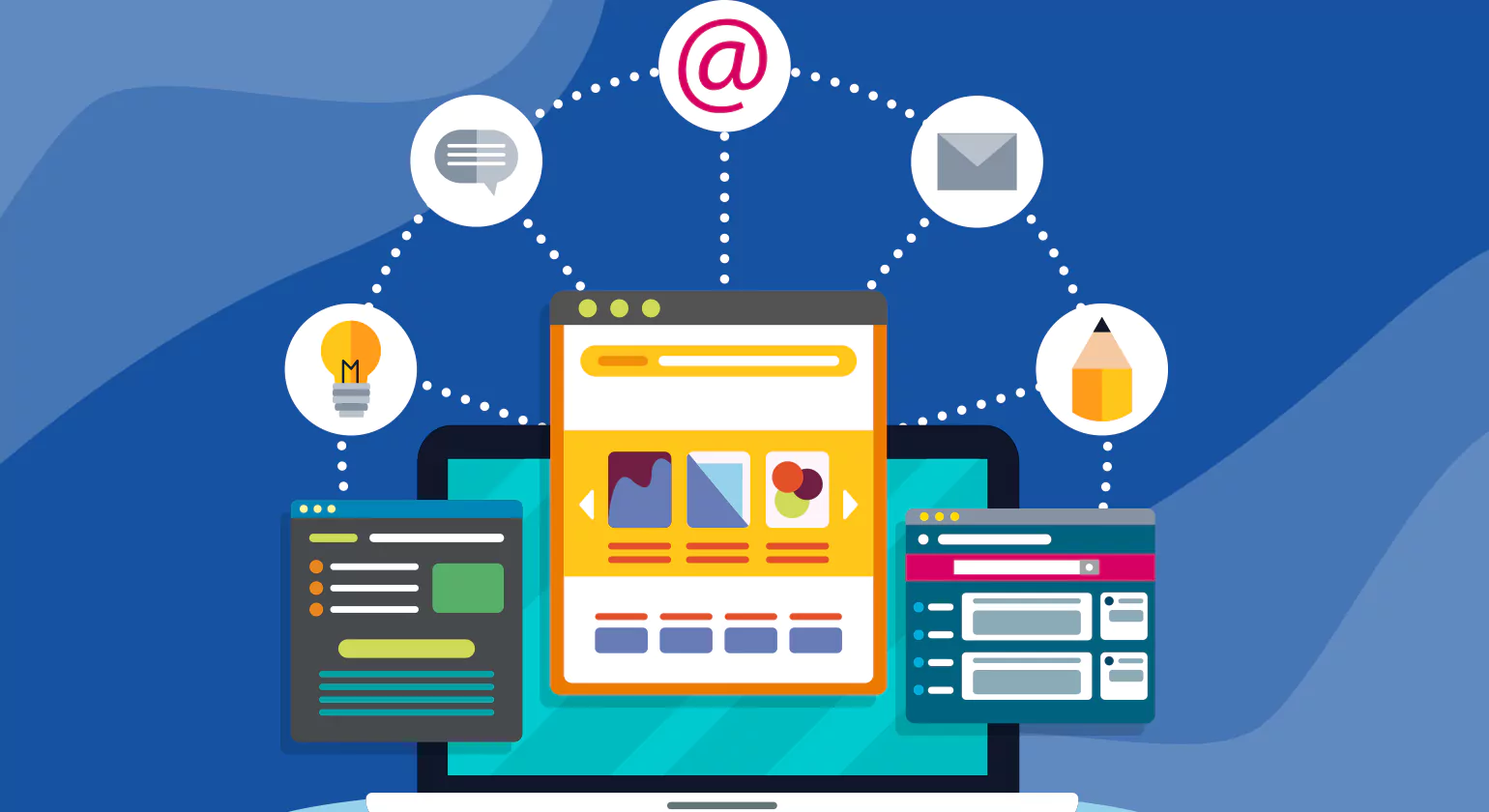
Creating engaging and dynamic interactive website design requires a combination of various tools and technologies. Here’s an in-depth look at the essential components that drive interactive web page design
HTML5 and CSS3
HTML5 and CSS3 form the cornerstone of interactive web design. This provides the structure and content of a website, while CSS3 handles the styling and layout. Together, they enable the creation of rich, interactive elements such as multimedia embeds, animations, and responsive designs. HTML5’s semantic elements and CSS3’s advanced styling capabilities allow designers to build engaging interfaces that adapt to different screen sizes and devices, enhancing user experience across platforms.
JavaScript
JavaScript is a critical programming language for interactive website design, enabling dynamic interactions and animations. It allows developers to create responsive and interactive features like sliders, form validations, and real-time updates. With JavaScript, websites can respond to user actions instantaneously, providing a more engaging and fluid user experience. Additionally, JavaScript frameworks and libraries, such as jQuery, enhance the language’s capabilities by simplifying complex tasks and improving functionality.
Frameworks and Libraries
Frameworks and libraries are essential for streamlining the development of interactive web components. Tools like React, Angular, and Vue.js offer pre-built solutions for managing user interfaces, state, and data. React’s component-based architecture allows for the efficient creation of reusable interactive elements, while Angular provides a robust framework for building complex applications with two-way data binding. Vue.js combines the best features of React and Angular, offering a flexible and approachable solution for interactive web design.
Content Management Systems (CMS)
Content Management Systems (CMS) such as WordPress and Drupal are vital for integrating interactive features into websites. These platforms offer extensive customization options and plugins that enable the addition of interactive elements without extensive coding. WordPress, with its vast ecosystem of plugins and themes, allows for the easy incorporation of interactive features like sliders, galleries, and forms. Drupal provides a more robust and scalable solution, suitable for complex websites requiring advanced interactive functionalities.
Design Tools
Design tools are crucial for creating and prototyping interactive web page design. Software like Adobe XD, Sketch, and Figma offers powerful features for designing interactive elements and user interfaces. Adobe XD provides a comprehensive solution for designing and prototyping interactive experiences, including animation and transitions. Sketch is known for its user-friendly interface and vector-based design capabilities, making it ideal for web and mobile UI design. Figma stands out for its collaborative features, allowing teams to work together in real-time on interactive design website.
Challenges and Solutions in Interactive Web Design Examples

Designing interactive website design involves various challenges, each requiring careful consideration and strategic solutions. Addressing these issues effectively ensures a smooth, engaging user experience and a well-functioning site. Here’s an in-depth look at common challenges in interactive web design and their solutions:
Performance Issues
Challenge: Interactive elements, such as animations and dynamic content, can lead to performance issues, slowing down the website and affecting user experience. Heavy media files and inefficient code can exacerbate these problems.
Solution: To mitigate performance issues, it is crucial to employ efficient coding practices and optimize media files. Minify and compress CSS and JavaScript files to reduce their size, and use responsive images that are appropriately sized for different devices. Implementing lazy loading for images and deferring non-essential scripts can also help improve load times and overall performance.
Complexity
Challenge: Creating interactive web page design can be complex and time-consuming, especially when integrating multiple interactive elements and ensuring they function cohesively.
Solution: Utilizing frameworks and libraries can streamline the development process and reduce complexity. Tools like React, Angular, and Vue.js offer pre-built components and functionalities that simplify the creation of interactive features. These frameworks help manage state and interactions efficiently, allowing developers to focus on customizing and enhancing the user experience rather than building components from scratch.
Accessibility
Challenge: Ensuring that all users, including those with disabilities, can interact with the website poses a significant challenge. Interactive elements must be accessible to users with various needs and disabilities.
Solution: Adhering to accessibility guidelines, such as those outlined by the Web Content Accessibility Guidelines (WCAG), is essential. Implement features like keyboard navigation, screen reader support, and alternative text for images to enhance accessibility. Regular testing with diverse user groups and accessibility tools helps identify and address potential issues, ensuring a more inclusive interactive web design.
Cross-Browser Compatibility
Challenge: Interactive features may not perform consistently across different browsers and devices, leading to discrepancies in user experience.
Solution: Comprehensive testing on multiple browsers and devices is necessary to ensure cross-browser compatibility. Use tools like BrowserStack or LambdaTest to test the website’s functionality across various environments. Employing standardized coding practices and avoiding browser-specific features can also help maintain consistency in how interactive elements are rendered.
User Resistance
Challenge: Some users may find interactive elements distracting or confusing, which can detract from the overall user experience.
Solution: To address user resistance, design interactive elements with user preferences in mind. Conduct user research to understand your audience’s preferences and provide options for engaging with interactive features. Offering alternatives, such as a simplified version of the site or the ability to turn off certain interactions, ensures that users can choose their preferred experience without feeling overwhelmed.
Conclusion
Interactive websites are essential for businesses looking to create engaging and memorable user experiences. By understanding the principles and benefits of interactive web design, businesses can leverage these dynamic platforms to drive growth and stay ahead in the competitive digital landscape. Investing in interactive design website is not just about aesthetics; it’s about creating meaningful connections with users and fostering long-term success.
FAQs
1. What Is the Meaning of an Interactive Website?
An interactive website actively engages users by letting them interact with elements like forms, quizzes, and animations. Unlike static sites, it responds to input, providing a personalized, engaging experience that keeps visitors longer and encourages exploration.
2. Why Should Businesses Have Interactive Websites?
Interactive websites help businesses engage visitors, improve user experience, and build stronger connections. Personalized interactions boost engagement, increase conversions, and create memorable brands, while also providing valuable user behavior data to support smarter business decisions.
3. What Are the Benefits of Interactive Web Design?
Interactive web design boosts user engagement, extends site visit duration, and improves conversions by creating immersive, enjoyable experiences. It encourages deeper exploration and interaction, making complex information easier to understand and effectively communicating your brand’s message.
4. What Essential Features Should Every Interactive Website Have?
Key features include user-friendly navigation, responsive design, and dynamic content like quizzes, forms, and animations. Fast loading, mobile optimization, and micro-interactions enhance experience. Personalized content and intuitive interfaces boost engagement, retention, and conversions by creating immersive, enjoyable user journeys.
5. What Are the Best Tools and Frameworks for Building Interactive Websites?
Top tools include JavaScript frameworks React, Angular, and Vue.js for dynamic interfaces. HTML5 and CSS3 enable animations. WordPress with plugins offers easy interactivity. Adobe XD and Figma aid design. Backend tools like Node.js support real-time data. Choose tools based on project needs to craft engaging, high-performance sites.
6. How to Build Interactive Websites?
Start by planning user journeys and goals. Use HTML, CSS, and JavaScript to create animations and interactive elements. React or Angular handle complex interactions. Add multimedia for engagement. Ensure mobile-friendliness and fast load times. Use CMS with plugins for ease. Test and refine for intuitive, visually appealing user experiences.
7. Which Website Design Tools Support Interactive Elements?
Design tools like Adobe XD, Figma, and Sketch enable prototyping of animations. Visual Studio Code supports JavaScript frameworks. WordPress and Drupal offer interactive plugins. Webflow blends design and development visually. InVision facilitates team collaboration with interactive prototypes enhancing user experience before launch.
8. What Tools Are Used for Web Design?
Popular tools include Adobe Photoshop and Illustrator for graphics; Adobe XD, Figma, Sketch for UI design; Visual Studio Code for coding. Bootstrap aids responsive sites. WordPress supports content management with themes/plugins. Testing tools like BrowserStack ensure cross-browser functionality. Together, they create user-friendly, effective websites.
9.What Is a Static Website vs a Dynamic Website?
Static sites show fixed content the same for visitors; simple and fast but non-interactive. Dynamic sites use server scripts and databases, generating real-time, personalized, and interactive content. Dynamic sites support logins, comments, and updates, offering richer user experiences but requiring more resources and complexity.
10. Who Has the Best Interactive Website Design Services?
Top services include agencies like Ramotion, Fantasy, and Locomotive, specializing in UX/UI and cutting-edge interactivity. They create immersive designs with animations, gamification, and real-time updates tailored to business goals. Their portfolios and reviews highlight excellence in boosting engagement and conversions through custom interactive solutions.