Table of Contents
Introduction
What is Customer Journey Consulting?
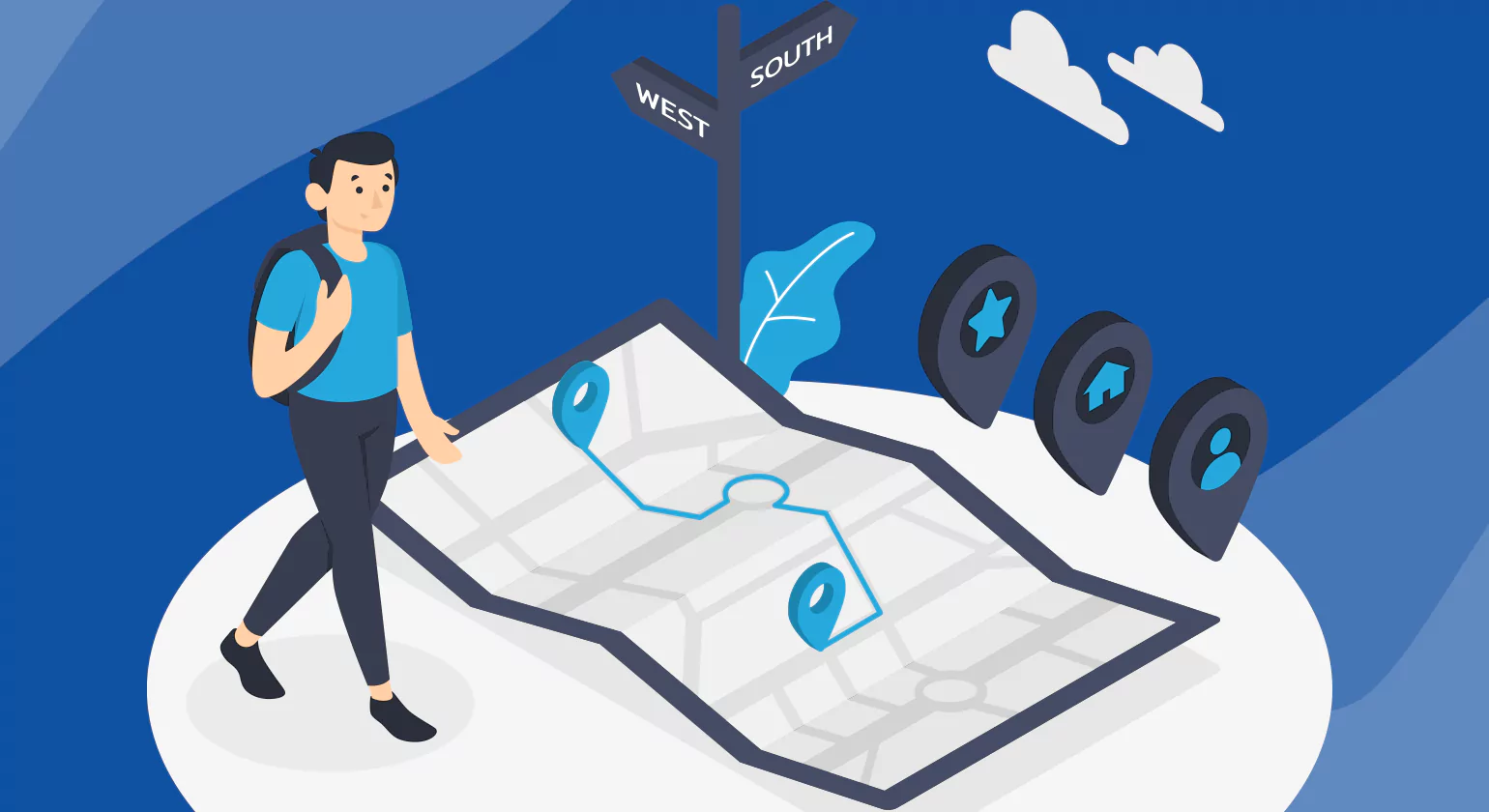
Customer Journey Consulting is a specialized service that aids businesses in understanding and optimizing the various interactions customers have with their brand across different touchpoints. This involves mapping the entire end to end Customer journey consulting from initial awareness to post-purchase engagement, identifying key stages such as consideration, decision, and loyalty. Consultants use data-driven insights to pinpoint pain points and opportunities for improvement, ensuring a seamless and engaging experience for customers. By developing detailed customer personas and analyzing behavior, they create strategies tailored to meet the specific needs and expectations of different customer segments.
Key Components
It involves several key components that collectively help businesses enhance their customer experiences. Here are five essential elements:
1. Journey Mapping
This involves creating a visual representation of the customer’s interactions with the brand across various touchpoints. Consultants identify each stage of the journey, such as awareness, consideration, purchase, retention, and advocacy, to understand how customers move through these phases and where they might encounter obstacles.
2. Customer Personas
Developing detailed profiles of different customer segments is crucial. These personas include demographic information, behaviors, preferences, and pain points, helping businesses tailor their strategies to meet the specific needs of each group. Personas provide a deeper understanding of who the customers are and what they expect from their interactions with the brand.
3. Touchpoint Analysis
Consultants assess all the touchpoints where customers interact with the brand both online and offline. This analysis helps identify which touchpoints are working well and which ones need improvement. By understanding the significance of each touchpoint, businesses can prioritize areas that have the most impact on the customer experience.
4. Data Collection and Analysis
Gathering data using automation tools from sources such as surveys, customer feedback, web analytics, and CRM systems is essential. Consultants analyze this data to gain insights into customer behavior, preferences, and pain points. This information is critical for making informed decisions about where to focus improvement efforts.
5. Strategy Development and Implementation
Based on the insights gathered from journey mapping, personas, and data analysis, consultants develop a comprehensive strategy to enhance the customer journey analytics Consulting. This includes actionable recommendations to improve touchpoints, personalize experiences, and integrate technology effectively.
What are the Benefits of Customer Journey Consulting?
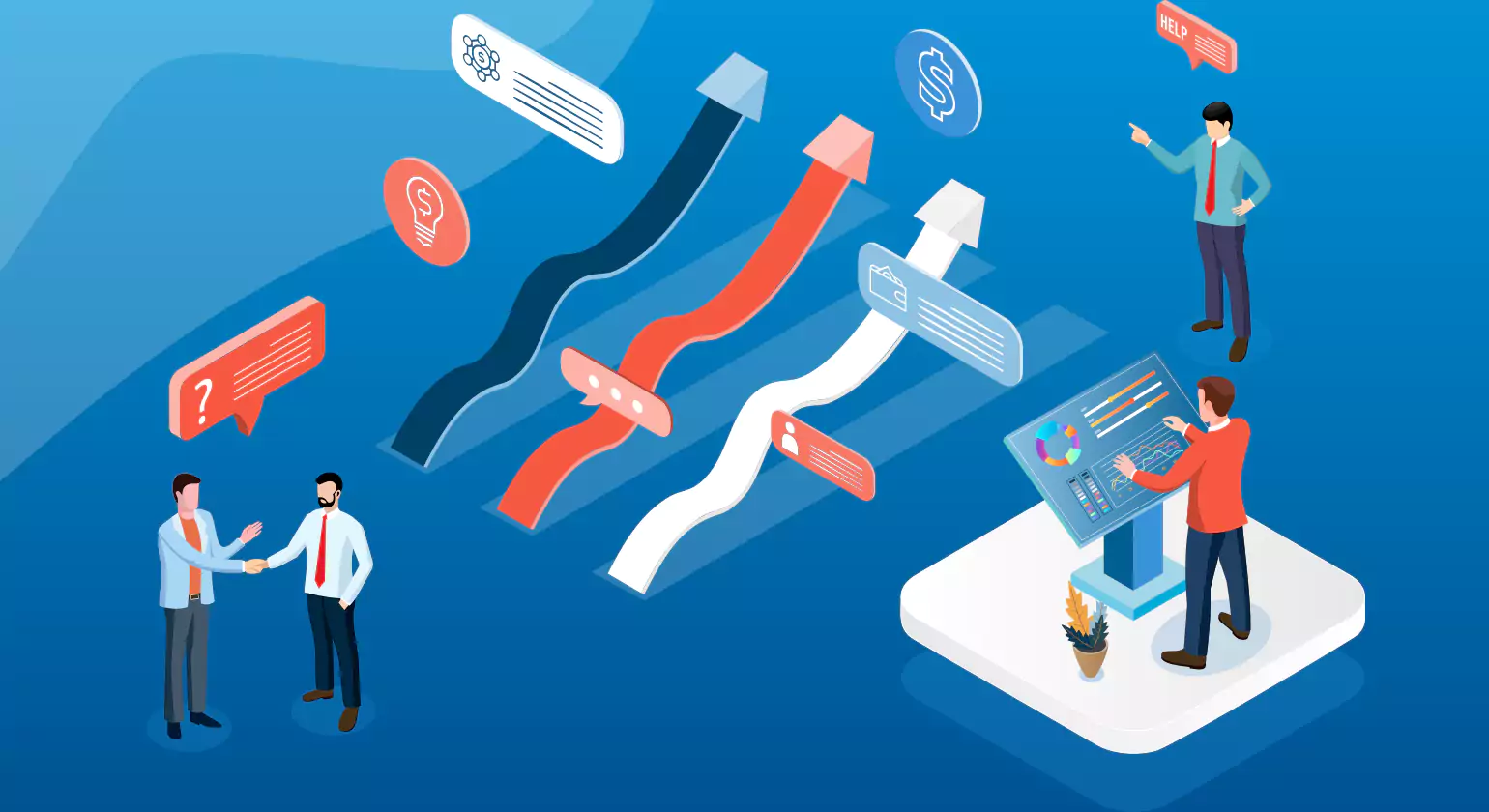
Customer journey consulting or customer journey mapping offers several significant benefits to businesses aiming to enhance customer experience and drive growth. By leveraging customer journey mapping consulting services, companies gain deeper insights into customer behaviors, pain points, and expectations—enabling them to optimize touchpoints, personalize engagement, and improve overall satisfaction.
1. Enhanced Understanding of Customer Experience
Mapping the customer journey provides a comprehensive view of how customers interact with your brand across various touchpoints. This understanding helps identify pain points, preferences, and opportunities for improvement. By visualizing each stage—from awareness to post-purchase engagement—businesses can tailor marketing strategies, optimize user experiences, and implement targeted interventions that increase satisfaction, loyalty, and long-term revenue. Additionally, journey mapping enables cross-functional alignment, ensuring all departments work cohesively to meet customer expectations and deliver consistent, personalized experiences at every interaction.
2. Improved Customer Satisfaction
By addressing pain points and optimizing touchpoints based on insights from journey mapping, businesses can significantly enhance the overall customer experience consultancy. This proactive approach enables brands to deliver seamless, personalized interactions at every stage of the customer journey expert . As a result, customers feel understood and valued, leading to higher satisfaction, stronger loyalty, and increased advocacy. Moreover, leveraging journey insights allows businesses to identify gaps in processes, refine communication strategies, and implement targeted improvements that drive measurable growth.
3. Increased Customer Retention
A well-mapped Customer Journey Analytics Consulting ensures consistent and positive interactions throughout the entire customer lifecycle. By analyzing each touchpoint, businesses can identify friction, optimize processes, and deliver personalized experiences that resonate with customers. This consistency builds trust and loyalty, encouraging repeat purchases and long-term engagement. Additionally, leveraging analytics allows companies to anticipate customer needs, proactively address issues, and streamline communications across channels. The result is not only a reduction in churn and improved retention rates but also stronger brand advocacy, higher customer lifetime value, and a competitive edge in the market.
4. Alignment of Cross-functional Teams
End-to-end customer journey mapping encourages collaboration across departments—such as marketing, sales, and customer service—to deliver a seamless experience at every touchpoint. By aligning teams around a unified understanding of the Customer journey consulting, businesses can break down silos, improve internal communication, and ensure that each interaction reflects consistent messaging and brand values. This collaborative approach not only enhances the overall customer experience but also fosters cross-functional accountability, allowing teams to proactively address pain points, identify opportunities for innovation, and implement strategies that drive engagement, satisfaction, and loyalty. Ultimately, end-to-end journey mapping transforms organizational operations, ensuring that every department works cohesively to create meaningful, personalized experiences that strengthen customer relationships and drive sustainable business growth.
5. Identification of Opportunities for Innovation
Mapping the customer journey reveals gaps and opportunities where innovative solutions can be implemented to differentiate your brand. By analyzing customer interactions at every stage, businesses can identify pain points, inefficiencies, or unmet needs, allowing them to proactively design strategies that enhance the overall experience. This insight not only improves satisfaction and loyalty but also helps businesses stay ahead of competitors by anticipating and adapting to evolving customer expectations. Leveraging journey mapping to innovate touchpoints, communication strategies, and service delivery ensures that the brand remains relevant, customer-centric, and positioned as a leader in its industry. Over time, these continuous improvements contribute to stronger engagement, higher retention rates, and sustainable growth.
6. Optimized Marketing and Sales Strategies
Insights from customer journey mapping enable businesses to tailor marketing messages and sales strategies to specific stages of the journey. By understanding customer behavior, preferences, and pain points at each touchpoint, organizations can deliver highly targeted communications that resonate with prospects and existing customers. This personalized approach not only improves engagement but also increases conversion rates and overall effectiveness of campaigns. Moreover, aligning marketing and sales strategies with journey insights ensures resources are used efficiently, driving a higher ROI (Return on Investment).
7. Data-driven Decision Making
Journey mapping is grounded in data and customer insights, providing a solid foundation for strategic decision-making. By analyzing quantitative and qualitative data from customer interactions, businesses can identify trends, pain points, and high-impact opportunities. This evidence-based approach allows organizations to prioritize initiatives based on both potential impact and feasibility, ensuring resources are allocated effectively. Decisions supported by real customer insights reduce risks, enhance the relevance of strategies, and drive measurable improvements in customer experience. Ultimately, data-driven journey mapping empowers businesses to make informed choices that optimize processes, improve satisfaction, and strengthen long-term loyalty.
8. Enhanced Customer Lifetime Value
By continuously refining and optimizing Customer journey consulting on the customer journey Solutions, businesses can increase customer lifetime value (CLV). Satisfied customers are more likely to make repeat purchases, engage in upselling or cross-selling opportunities, and advocate for the brand.
Overall, Customer journey consulting mapping is a valuable tool for businesses seeking to deliver exceptional customer experience consultancy, improve operational efficiency, and drive sustainable growth in competitive markets.
Key Stages of the Customer Journey Services
1. Awareness
At this stage, potential customers recognize a need or problem and become aware of your brand as a possible solution. Marketing efforts such as content marketing, social media campaigns, SEO, and advertisements play a critical role in attracting attention. A strong awareness strategy ensures your brand is visible when buyers start exploring options.
2. Consideration
Once aware, customers begin comparing solutions. They actively research products or services, read reviews, analyze pricing, and weigh benefits. Providing detailed guides, case studies, testimonials, and product comparisons helps build trust and positions your brand as the preferred choice.
3. Decision
In the decision stage, the buyer is ready to take action. Simplifying the purchasing process, offering clear calls-to-action, personalized recommendations, and secure transactions enhances conversion. Promotions, demos, and free trials can also influence the final choice.
4. Retention
Post-purchase engagement is vital to ensure satisfaction. Effective onboarding, responsive customer support, loyalty programs, and personalized follow-ups help retain customers, reduce churn, and encourage repeat business.
The Process of Customer Journey Consulting
Customer journey consulting involves understanding and optimizing the entire path a customer takes from initial awareness to post-purchase advocacy. Here’s a detailed walkthrough of the process:
1. Discovery Phase
The discovery phase sets the foundation for the customer experience consultancy project. It involves defining the project scope, objectives, and desired outcomes. This stage typically includes initial meetings with key stakeholders to understand their goals and expectations. It’s crucial to gather existing data about customer behaviors, pain points, and touchpoints to inform further research and analysis.
2. Research and Analysis
This step involves gathering comprehensive data about the customer journey Strategy. It includes conducting qualitative research through interviews and focus groups, quantitative research via surveys and analytics tools, and possibly ethnographic research to observe customer behavior firsthand. The goal is to uncover insights into how customers interact with the brand across different stages of their journey.
3. Persona Development
Customer personas are detailed profiles that represent different segments of a brand’s target audience. Persona development involves synthesizing data collected during research to create fictional characters that embody the demographics, behaviors, motivations, and pain points of real customers. These personas help teams empathize with and understand their customers better.
4. Identifying Pain Points
During journey mapping, pain points are identified—moments where customers experience frustration, confusion, or dissatisfaction. These could be due to poor website navigation, long wait times, unclear communication, etc. Pinpointing these pain points is crucial as they highlight areas that need improvement to enhance the customer experience.
5. Opportunity Mapping
Once pain points are identified, the next step of customer journey consulting is to explore opportunities for improvement. This involves brainstorming and strategizing ways to address the identified issues and capitalize on strengths. Opportunities may include optimizing digital touchpoints, improving customer service processes, or introducing new engagement tactics.
6. Strategy Development
Based on insights gathered from research, persona development, journey mapping, and opportunity analysis, a comprehensive strategy is formulated. This strategy outlines specific actions and initiatives aimed at improving the overall customer experience consultancy. It may involve redesigning user interfaces, personalizing marketing efforts, enhancing product offerings, or integrating new technologies.
7. Implementation Planning
Implementation planning details how the strategy will be executed. This includes creating a timeline, assigning responsibilities to team members or departments, allocating resources (budget, technology), and setting measurable goals and KPIs (Key Performance Indicators) to track progress. Clear communication and alignment across the organization are essential during this phase.
8. Monitoring and Optimization
After implementing changes, ongoing monitoring is essential to assess their impact on the consulting customer experience on the Customer journey consulting, and business outcomes. This involves tracking KPIs, analyzing customer feedback, and using analytics tools to measure improvements in customer satisfaction, retention rates, and sales performance. Optimization entails making adjustments based on data insights to continually enhance the customer experience.
What Does Customer Journey Mapping Consultants Do?
Customer Journey Mapping Consultants play a crucial role in helping businesses understand and improve their customer experiences. Here are six key activities they engage in:
1. Identify and Define Touchpoints
Customer journey mapping consultants begin by identifying all the touchpoints where customers interact with the brand through support roles. This includes both online and offline interactions such as websites, social media, digital customer experience consulting service calls, emails, in-store visits, and any other relevant channels. By mapping out these touchpoints, consultants help businesses understand the full scope of the customer journey Strategy.
2. Create Detailed Customer Personas
To provide a clear picture of different customer types, consultants develop detailed personas representing key segments of the customer base. These personas include demographic information, behaviors, needs, and pain points, helping businesses tailor their strategies to specific customer groups.
3. Analyze Customer Data and Feedback
Using various data sources like surveys, feedback forms, analytics tools, and CRM systems, Customer journey consulting gather and analyze customer data. This analysis helps identify patterns, behaviors, and sentiments, uncovering areas where customers experience friction or dissatisfaction.
4. Map the Current Customer Journey
Customer journey mapping consultants visually map the current customer journey, highlighting each stage from initial awareness to post-purchase. This map includes emotional highs and lows, identifying moments of delight and frustration. It serves as a baseline to understand the existing customer experience and pinpoint critical areas for improvement.
5. Develop and Recommend Improvements
Based on the insights gained from mapping and analysis, consultants propose actionable recommendations to enhance the customer journey Solutions. This can include strategies for improving touchpoints, personalizing experiences, streamlining processes, and leveraging technology to create a more cohesive and satisfying customer experience.
6. Implement and Monitor Changes
Customer journey mapping consultants assist in implementing the recommended changes, often working closely with different departments within the business. They may also provide training and resources to ensure effective execution. After implementation, consultants monitor the impact of these changes through key performance indicators (KPIs) and customer feedback, making further adjustments as needed to continually optimize the customer journey analytics Consulting.
Challenges Faced by Customer Journey Strategy Consulting
Customer journey consulting face several challenges in their work, which can impact the effectiveness of their strategies and recommendations. Here are some common challenges along with potential solutions:
1. Data Fragmentation and Integration
- Challenge: Customer data is often fragmented across different systems and departments, making it challenging to create a unified view of the customer journey consultant.
- Solution: Implement a robust data integration strategy that consolidates data from various sources (CRM systems, social media platforms, website analytics, etc.). Use Customer Data Platforms (CDPs) or integration tools that allow real-time data syncing and provide a single source of truth for customer insights. Collaborate with IT teams to streamline data processes and ensure data quality.
2. Limited Customer Insight Depth
- Challenge: Obtaining deep, actionable insights into customer behaviors, preferences, and motivations can be difficult.
- Solution: Conduct thorough customer research using a combination of qualitative and quantitative methods. Utilize techniques such as customer interviews, surveys, focus groups, and ethnographic studies to gain a comprehensive understanding of customer journeys. Leverage advanced analytics and machine learning algorithms to uncover hidden patterns and predictive insights from large datasets. Engage with customer service teams for frontline insights and feedback.
3. Mapping Complex Customer Journeys
- Challenge: customer journey consultant Strategy can be complex, especially in industries with long buying cycles or multiple decision-makers.
- Solution: Break down complex journeys into manageable stages and touchpoints. Create journey maps that account for different customer personas, buying scenarios, and decision-making processes. Use visualization tools and techniques to map out various pathways customers may take based on their interactions with the brand. Validate journey maps through stakeholder workshops and customer validation sessions to ensure accuracy and completeness.
4. Balancing Automation with Personalization
- Challenge: Striking a balance between leveraging automation for efficiency and maintaining personalized customer experiences can be tricky.
- Solution: Segment customers based on behavior, preferences, and demographics to tailor automated communications and interactions. Implement marketing automation platforms that allow for dynamic content personalization based on real-time data. Use AI-driven algorithms to predict customer needs and personalize recommendations. However, ensure that automated processes retain a human touch by incorporating opportunities for personalized customer service interactions and feedback mechanisms.
5. Measuring Impact and ROI
- Challenge: Demonstrating the impact of journey mapping initiatives on business outcomes, such as customer satisfaction, retention, and revenue, can be challenging.
- Solution: Define clear Key Performance Indicators (KPIs) aligned with business goals before implementing journey mapping strategies. Track metrics such as Net Promoter Score (NPS), customer churn rates, average order value (AOV), and conversion rates to measure the effectiveness of improvements. Conduct A/B testing and control groups to compare outcomes before and after implementing changes.
How to Choose the Right Customer Journey Mapping Consulting Services
- Firstly, assess the consulting firm’s experience and expertise in customer journey mapping. Look for consultants with a proven track record in conducting thorough research, developing actionable insights, and implementing successful strategies. Evaluate their past projects and client testimonials to gauge their ability to deliver results aligned with your business goals. A firm with diverse industry experience can bring valuable perspectives and best practices tailored to your specific sector.
- Secondly, consider the methodologies and tools used by the consulting customer experience service. Effective customer journey consultant mapping requires robust methodologies that blend qualitative and quantitative research techniques. Ensure the firm employs a structured approach to gather customer insights, create detailed journey maps, and identify actionable recommendations. Look for consultants who leverage advanced analytics, customer segmentation techniques, and innovative tools to uncover deep-rooted digital customer experience consulting behaviors and pain points.
- Lastly, prioritize consultants who emphasize collaboration and customization. The success of customer journey mapping hinges on understanding your unique business challenges and customer demographics. Choose a customer journey consulting service that prioritizes collaboration with your internal teams, fostering a co-creative approach. They should be willing to adapt their methodologies to align with your organizational culture, goals, and existing customer experience initiatives. A customized approach ensures that recommendations are practical, achievable, and tailored to drive meaningful improvements in customer satisfaction and business outcomes.
Customer Journey Map Examples for Professional Services

Here are five examples of customer journey maps tailored for professional services:
1. Consulting Firm (B2B)
This Customer journey consulting map focuses on the client’s experience from initial contact through project completion. It includes stages such as initial inquiry, proposal development, project kickoff, ongoing communication, and post-project follow-up. Key touchpoints may include meetings, presentations, emails, and milestone reviews.
2. Legal Services (B2C)
This map outlines the client’s journey when seeking legal assistance. It starts with the client’s realization of a legal need, research and referrals, initial consultation, engagement of services, case progress updates, and resolution. Touchpoints may include website interactions, phone calls, meetings, document reviews, and court appearances.
3. Financial Advisory Services (B2C)
This journey map tracks how clients navigate financial planning services. It covers stages like awareness through referrals or marketing, initial consultation, financial assessment, personalized strategy development, ongoing reviews, and adjustments. Touchpoints include initial meetings, financial assessments, phone calls, emails, and portfolio reviews.
4. HR Consulting (B2B)
This map details the client’s journey when engaging HR consulting services. It includes stages such as needs assessment, proposal submission, contract negotiation, implementation of HR solutions, training sessions, ongoing support, and periodic reviews. Touchpoints may involve workshops, webinars, surveys, reports, and feedback sessions.
5. Marketing Agency (B2B or B2C)
This journey map illustrates how clients experience working with a marketing agency. It begins with the client’s decision to seek marketing services, agency selection process, onboarding, campaign strategy development, execution, monitoring, reporting, and performance review meetings. Touchpoints include pitches, strategy sessions, creative reviews, campaign launches, analytics reports, and strategy adjustments.
These examples demonstrate how customer journey maps can be tailored to different professional services sectors, highlighting key stages and touchpoints that influence client satisfaction and retention. Each map aims to improve understanding of client needs, optimize service delivery, and foster stronger client relationships through enhanced experiences.
Conclusion
In conclusion, customer journey consulting plays a vital role in helping businesses understand, optimize, and enhance their mapping strategies for growth. By understanding the customer journey, assessing key touchpoints, and integrating insights effectively, businesses can drive positive outcomes and deliver exceptional customer experiences. With the guidance of experienced consultants, businesses can navigate the complexities of the modern marketplace with confidence, driving sustainable growth and success.
Read more –
10 Benefits of Implementing B2B Travel Solutions
The Essential Services of Digital Product Consulting
FAQs
1. What is customer journey consulting?
Customer journey consulting is a service offered by experts to help businesses understand and optimize the path customers take when interacting with their brand. Consultants analyze various touchpoints and stages to improve the overall customer experience and drive growth.
2. What are the 7 stages of customer journey?
The seven stages of the customer journey typically include Awareness, Consideration, Evaluation, Purchase, Post-Purchase, Loyalty, and Advocacy. Each stage represents a different phase of the customer’s interaction with a brand, from initial awareness to ongoing loyalty and advocacy.
3. What is the basic customer journey?
The basic customer journey outlines the typical path a customer takes when interacting with a brand. It begins with awareness, followed by consideration and evaluation, leading to a purchase decision. Post-purchase, the customer may experience loyalty and advocacy stages based on their satisfaction with the product or service.
4. What are the 4 A's of the customer journey?
The 4 A’s of the customer journey consultant stand for Awareness, Appeal, Ask, and Act. These represent the key stages where businesses aim to attract customers’ attention, appeal to their interests, encourage them to take action, and ultimately convert them into loyal advocates for the brand.
5. What is the B2B customer journey?
The B2B customer journey consultant is the process businesses follow when purchasing products or services from other businesses. It typically includes stages such as awareness, consideration, decision, and retention. Throughout this journey, businesses identify needs, research solutions, evaluate options, make purchasing decisions, and maintain ongoing relationships with suppliers or service providers.
6. What is CX in consulting?
CX (Customer Experience) in Customer journey consulting refers to optimizing interactions between a brand and its customers to enhance satisfaction, loyalty, and advocacy through strategic improvements across touchpoints, processes, and communication channels, ensuring a seamless, personalized, and memorable experience at every stage.
7. What is CRM in customer journey?
CRM (Customer Relationship Management) in the customer journey involves using technology and strategies to manage and analyze customer interactions and data throughout the lifecycle, aiming to improve relationships, enhance customer retention, streamline processes, and drive long-term sales growth and loyalty.