Table of Contents
Introduction
B2B travel solutions represent a transformative approach to managing and optimizing corporate travel for businesses. In the dynamic landscape of business-to-business interactions, these solutions cater specifically to the unique travel needs of organizations and their employees. B2B travel solutions encompass a range of comprehensive tools and platforms designed to streamline and enhance every aspect of corporate travel planning, booking, and management.
These solutions go beyond traditional consumer-focused travel platforms, offering specialized features such as negotiated rates, policy enforcement, and detailed reporting tailored to the intricacies of business travel. Whether it’s achieving cost savings, ensuring policy compliance, or enhancing risk management, B2B travel solutions play a pivotal role in elevating the efficiency, convenience, and overall travel experience for companies engaged in business travel. As businesses seek strategic and tailored approaches to manage their travel requirements, B2B travel solutions emerge as essential tools, facilitating smarter, more cost-effective, and seamlessly integrated corporate travel experiences.
The Importance of B2B Travel Solutions in the Travel Industry

In the travel industry, B2B travel solutions are incredibly important for businesses to thrive. These solutions streamline communication and transactions between different players in the industry, such as travel agencies, hotels, and transportation services. By using B2B solutions, businesses can efficiently manage bookings, handle payments, and coordinate logistics, leading to smoother operations and improved customer experiences.
B2B travel solutions also contribute to cost savings and increased revenue for businesses. By automating processes and reducing manual tasks, companies can save time and resources. Additionally, these solutions often provide access to a wider network of partners and suppliers, enabling businesses to expand their offerings and reach new markets. This not only enhances their competitiveness but also opens up opportunities for growth and development within the travel industry.
10 Benefits of B2B Travel Solutions On Your Business Trips

Efficient travel management is essential for businesses that frequently send employees on trips. Business-to-business (B2B) travel solutions are tailored platforms or services that streamline Custom Travel Planning Services, bookings, and expense management. These solutions are designed to cater specifically to corporate needs, providing convenience, cost savings, and enhanced control over travel arrangements. Let’s explore ten key benefits of using B2B travel solutions for your business trips.
1. Cost Savings
B2B travel solutions often offer negotiated rates with airlines, hotels, and car rental companies. By accessing corporate discounts, businesses can save significantly on travel expenses. Additionally, these platforms allow companies to set travel budgets and monitor spending, ensuring that trips stay within financial limits.
2. Streamlined Booking Process
These solutions simplify the booking process, allowing businesses to manage all aspects of travel, from flights to accommodation, in a centralized platform. This streamlines the planning and booking of business trips, saving time for employees and travel managers. Integrating comprehensive passport visa services further enhances this process, ensuring all travel compliance needs are seamlessly met.
3. Enhanced Travel Policy Compliance
B2B travel solutions are built with compliance features that ensure employees adhere to the company’s travel policies. The system can automatically flag bookings that exceed predefined limits or deviate from approved vendors, helping businesses maintain consistency and control over travel arrangements.
4. Real-Time Support and Assistance
Business travelers often face unexpected challenges, such as flight delays, cancellations, or last-minute changes. B2B travel providers offer 24/7 support to address these issues quickly, minimizing disruptions. Dedicated travel agents or chat support can assist with rebookings or alternative arrangements.
5. Centralized Expense Management
Tracking travel expenses can be complicated, especially for large teams. B2B travel solutions often come with integrated expense management tools that allow employees to upload receipts and track spending. This centralization simplifies reimbursement processes and provides the finance team with clear records for auditing.
6. Time Savings
By automating repetitive tasks like itinerary creation, expense reporting, and booking confirmations, B2B travel platforms free up valuable time for employees. This efficiency allows staff to focus on productive tasks rather than getting bogged down in administrative details.
7. Access to Analytics and Insights
B2B travel platforms provide detailed reporting and analytics tools that help businesses gain insights into their travel patterns and expenses. These insights can be used to negotiate better deals with vendors, identify cost-saving opportunities, and improve overall travel strategies.
8. Customizable Solutions
Every business has unique travel needs. B2B travel solutions offer customization options to match specific requirements, such as setting preferred airlines, hotel chains, or class of travel. Businesses can also configure approval workflows, ensuring that all bookings are reviewed and approved by relevant stakeholders.
9. Improved Safety and Compliance
Travel safety is a top priority for companies sending employees abroad. B2B travel solutions provide real-time updates on travel risks, weather conditions, and local regulations. Many platforms also include duty-of-care features, allowing businesses to track employees’ locations during trips and provide support in emergencies.
10. Better Collaboration and Communication
B2B travel platforms often include tools for collaboration, allowing teams to coordinate their travel plans more effectively. Whether it’s sharing itineraries, updating schedules, or making group bookings, these platforms foster seamless communication among colleagues and stakeholders.
Key Features Of B2B Travel Solutions

In today’s globalized and digitally driven travel industry, B2B travel solutions have become essential tools for travel agencies, tour operators, and corporate travel managers. These platforms streamline managing bookings, optimizing travel experiences, and enhancing operational efficiency. Here’s an in-depth look at the key features of B2B travel solutions and how they empower businesses in the travel ecosystem.
1. Centralized Booking Management
A centralized booking management system is the backbone of any B2B travel solution. It allows travel businesses to manage flights, hotels, car rentals, and holiday packages from a single platform. Centralization eliminates the need for manual handling, reduces errors, and improves operational efficiency. Travel agents can easily view and manage bookings, cancellations, and amendments in real time.
2. Robust Inventory Management
B2B travel solutions offer extensive inventory management capabilities, providing access to a wide range of travel products, including flights, accommodations, and transportation. These platforms integrate with global distribution systems (GDS), APIs, and local suppliers to ensure businesses have a diverse and up-to-date inventory. This ensures competitive pricing and availability for clients.
3. Multi-Currency and Multi-Language Support
With businesses operating across borders, B2B travel platforms are designed to support multiple currencies and languages. This feature is crucial for catering to global markets, providing seamless service to clients worldwide, and enabling localized user experiences.
4. Dynamic Pricing and Markup Control
Dynamic pricing engines allow travel agencies to set competitive pricing strategies based on real-time demand, seasonality, or market trends. Markup control features enable businesses to customize pricing for different agents, sub-agents, or corporate clients, ensuring profitability while maintaining transparency.
5. Advanced Search and Filtering Options
A good B2B travel solution provides advanced search and filtering options, enabling users to quickly find the best deals based on specific criteria. Whether it’s searching for flights with specific layovers or finding hotels within a set budget, these tools save time and improve customer satisfaction.
6. API and Third-Party Integration
B2B travel platforms often include robust APIs that integrate with third-party systems, such as global distribution systems (GDS), payment gateways, CRM tools, and accounting software. These integrations ensure seamless connectivity and efficient data exchange between systems, reducing manual work and improving accuracy.
7. Real-Time Data and Reporting
Access to real-time data is essential for informed decision-making. B2B travel solutions provide detailed reports and analytics on bookings, revenue, customer trends, and operational performance. These insights enable businesses to identify areas for improvement, track performance, and develop strategies to boost profitability.
8. User-Friendly Agent Portal
Travel agents require intuitive portals to manage bookings and interact with the system effectively. Modern B2B travel solutions provide user-friendly dashboards that allow agents to view itineraries, make reservations, issue invoices, and manage customer information effortlessly.
9. Payment and Billing Solutions
B2B travel platforms include flexible payment options like credit card processing, net banking, and payment wallets. They also support invoicing and billing features, enabling businesses to efficiently manage transactions with agents and suppliers. Split payment functionalities are often available for corporate clients or sub-agents.
10. White Label Solutions
White-label capabilities allow travel agencies to customize the platform with their branding, creating a seamless experience for their customers. This feature is especially beneficial for startups or smaller agencies looking to establish a professional and trustworthy online presence.
Top 5 B2B Travel Solutions For Your Company

Managing corporate travel can be a complex and time-consuming task, especially for businesses that need to track expenses, enforce policies, and ensure smooth operations. Business-to-business (B2B) travel solutions simplify this process, providing tools for seamless bookings, expense management, and real-time travel insights. Here are the top five B2B travel solutions, including Ossisto, that can help your company streamline corporate travel effectively.
1. Ossisto
Overview
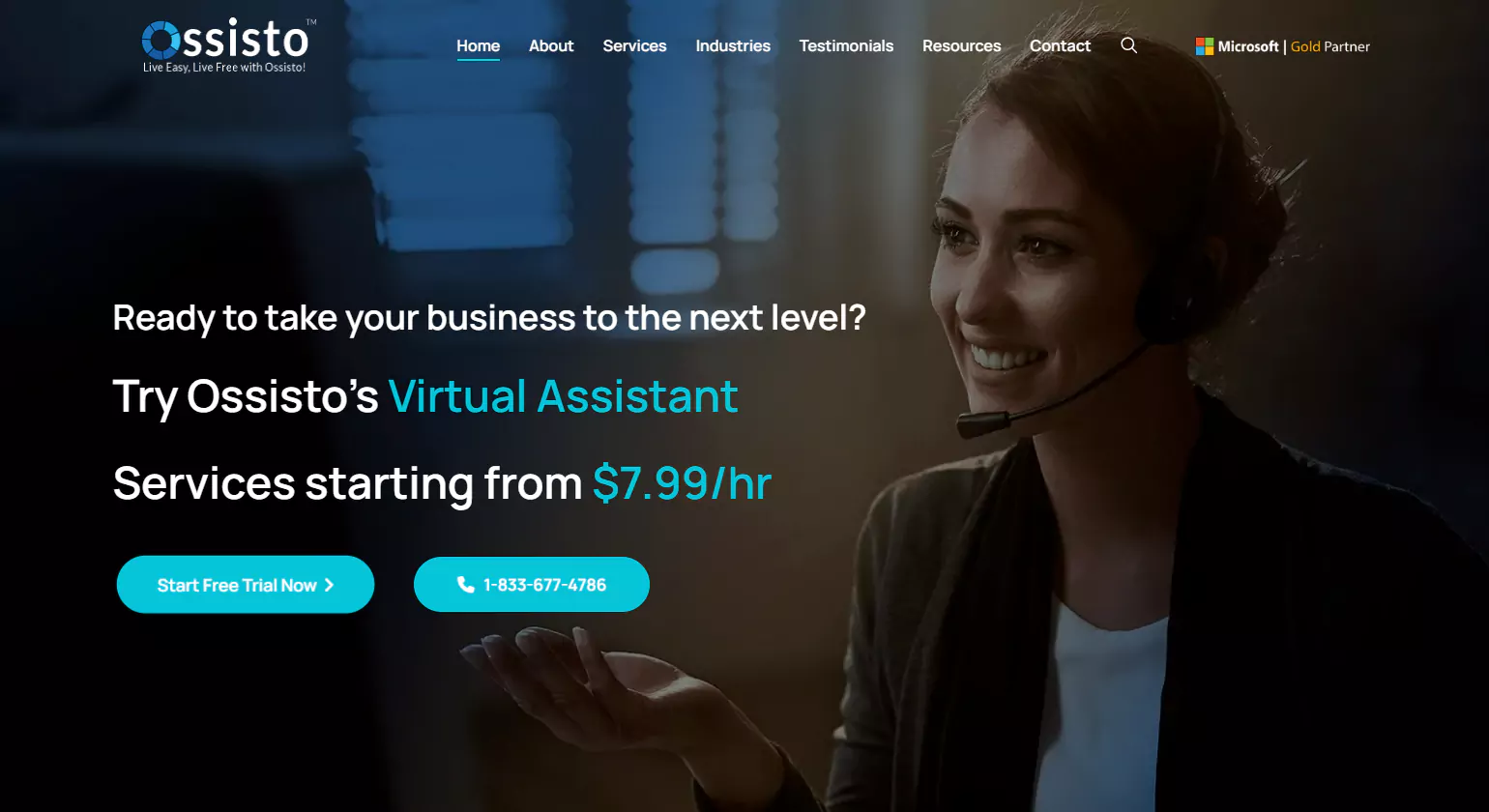
Ossisto stands out by combining travel management with virtual assistant services, making it a unique and cost-effective solution for small to mid-sized businesses. With Ossisto, companies can delegate travel-related tasks such as booking flights, managing itineraries, and tracking expenses to skilled virtual assistants, allowing employees to focus on core responsibilities.
Key Features
- Personalized virtual assistant support for travel tasks
- End-to-end travel planning, including bookings and itinerary management
- Budget tracking and compliance with company travel policies
Ossisto’s personalized approach and affordability make it an excellent choice for businesses looking to combine human expertise with automation in travel management.
2. SAP Concur
Overview
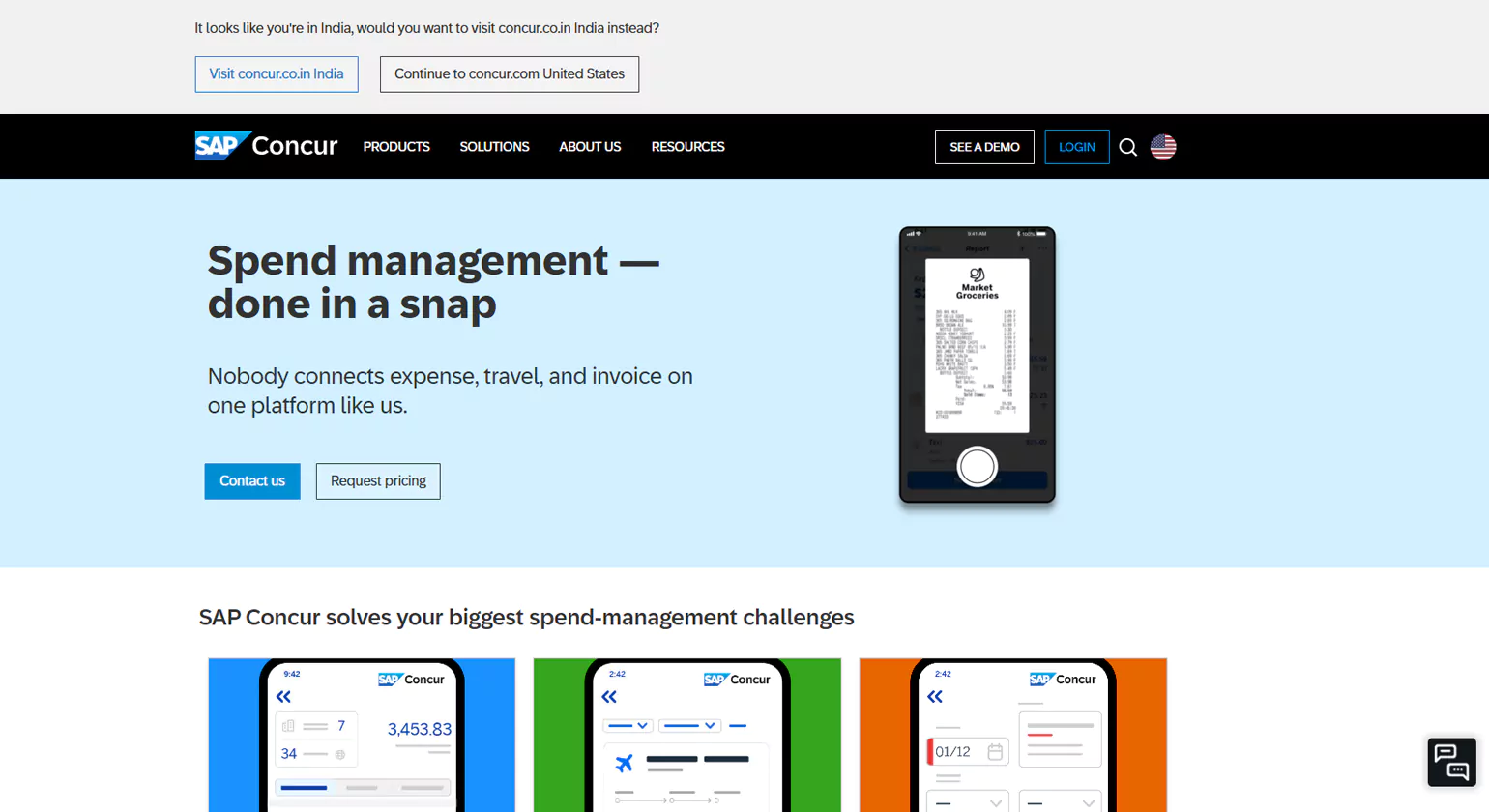
SAP Concur is a market leader in travel and expense management, offering businesses a platform to simplify travel bookings and automate expense reporting. Its integration capabilities with booking tools and detailed analytics help companies maintain cost control and compliance with travel policies.
Key Features
- Automated expense tracking and reporting
- Integration with platforms like TripIt for easy travel management
- Detailed analytics for travel spending insights
SAP Concur is a strong choice for companies looking to optimize their travel processes while ensuring transparency and efficiency.
3. TravelPerk
Overview
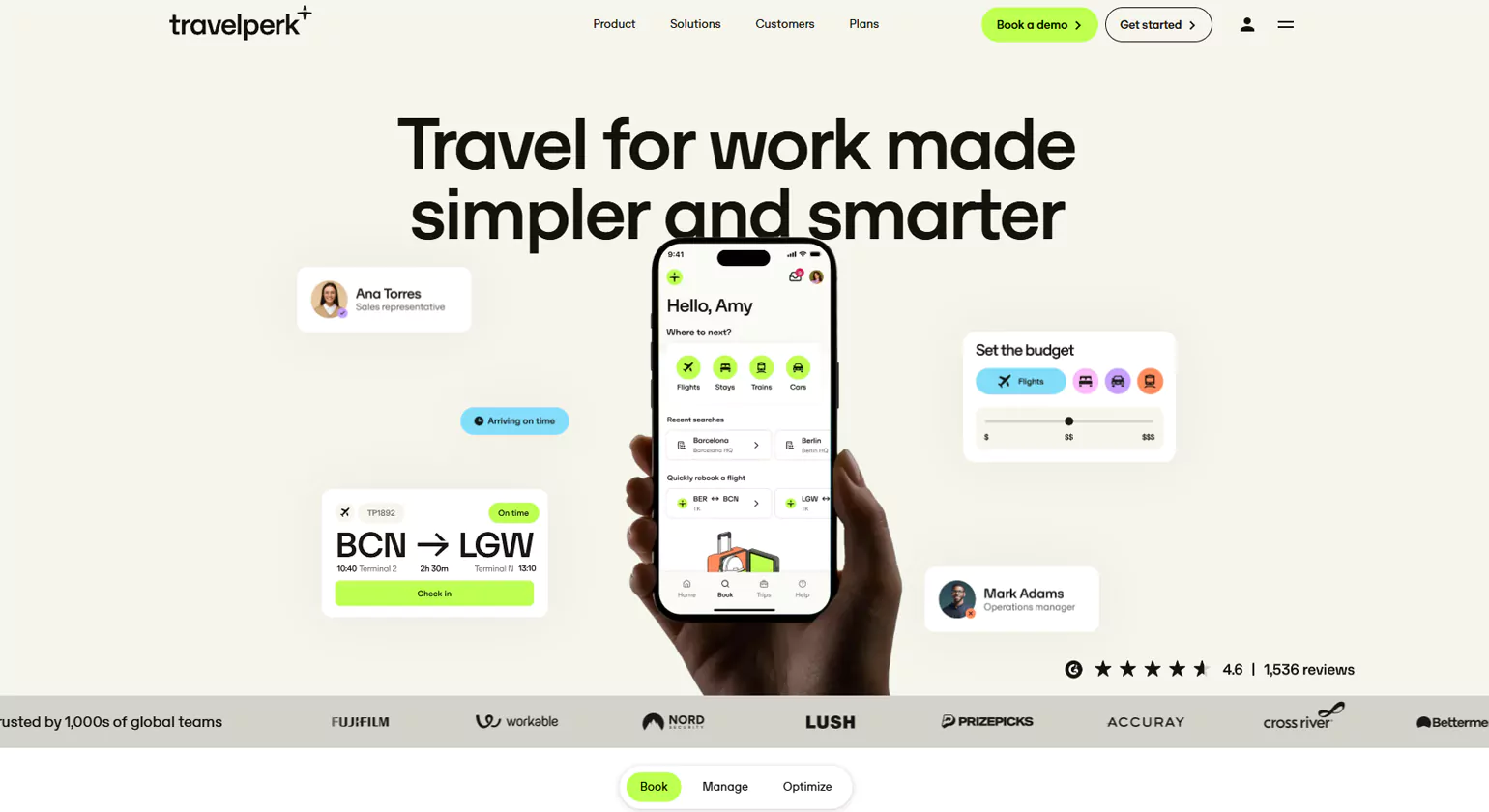
TravelPerk offers a modern and intuitive travel management solution that caters to businesses of all sizes. With a vast inventory of flights, hotels, and car rentals, it provides a centralized platform for corporate travel needs. Its flexible cancellation policies make it ideal for businesses dealing with unpredictable travel plans.
Key Features
- Centralized access to flights, accommodations, and more
- Flexible cancellation and refund policies
- Real-time updates and travel tracking
TravelPerk’s user-friendly interface and flexibility make it a go-to solution for managing corporate travel seamlessly.
4. Egencia
Overview
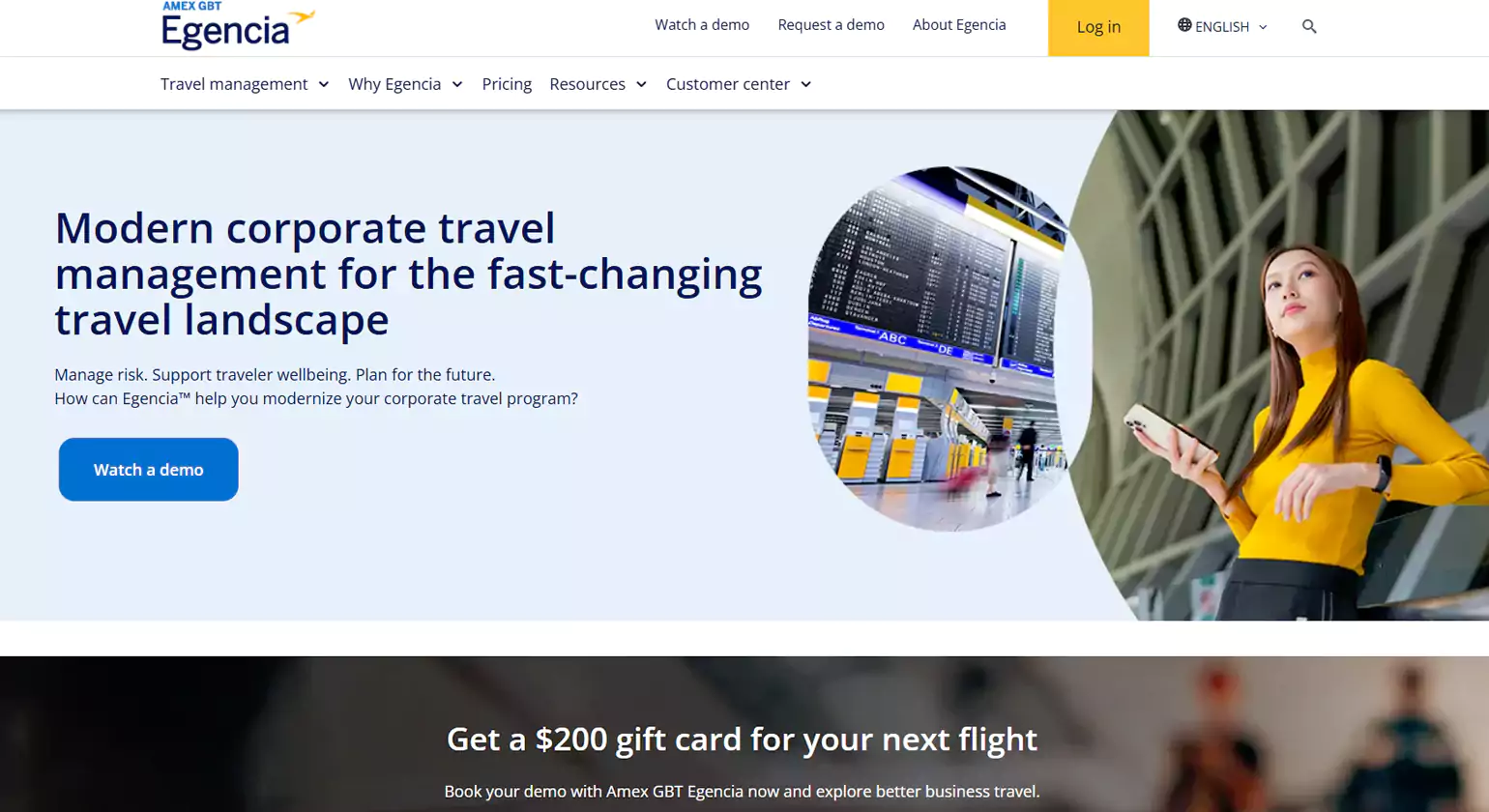
Egencia, part of the Expedia Group, is a comprehensive travel management solution tailored for businesses with global operations. Its platform offers advanced tools for booking, expense tracking, and policy enforcement, ensuring a hassle-free travel experience for employees and managers alike.
Key Features
- Extensive global inventory for flights and accommodations
- Integrated expense tracking and policy compliance tools
- Personalized support and travel insights
Egencia’s global reach and robust features make it ideal for companies with complex and international travel needs.
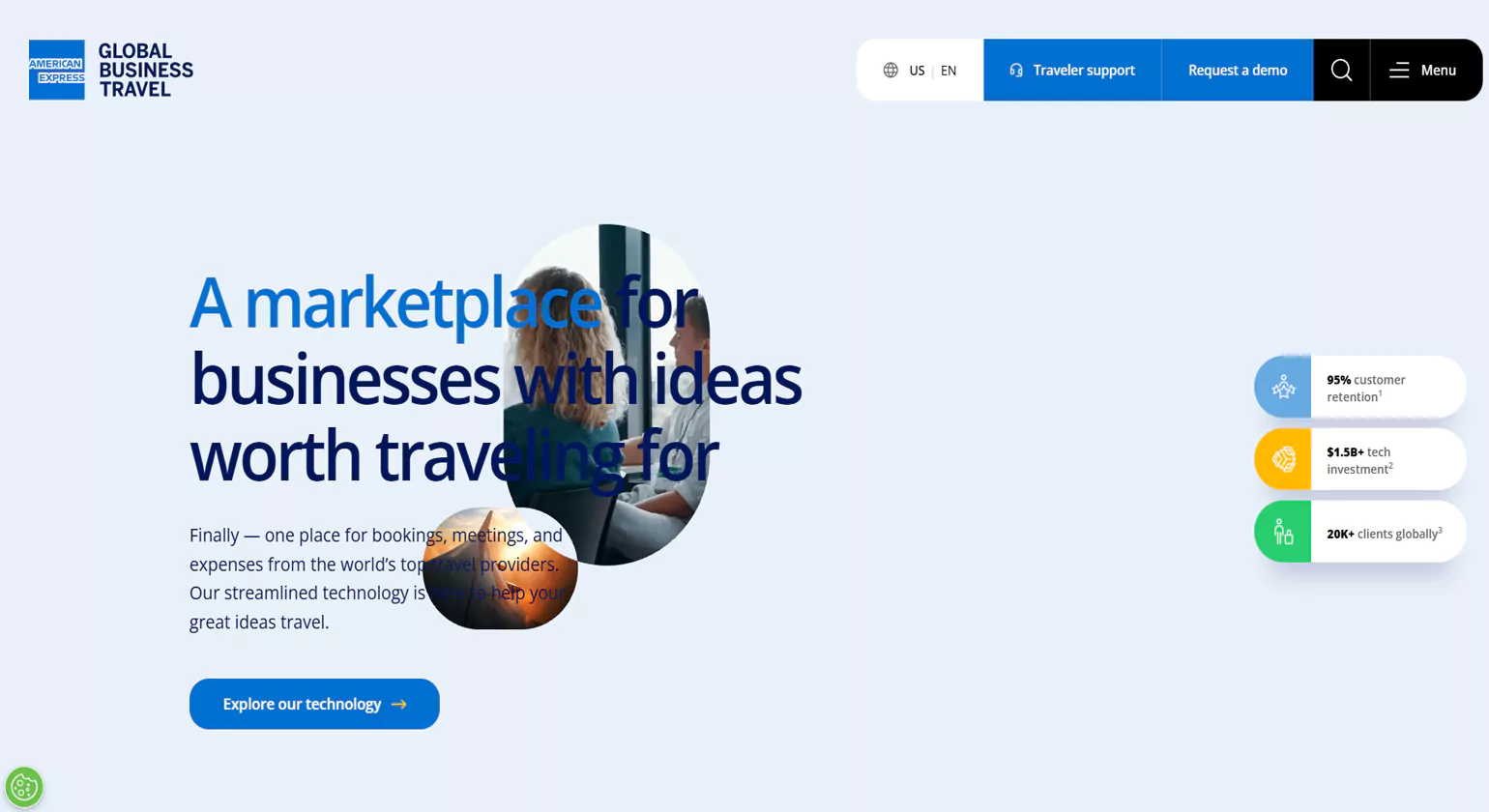
5. AMEX GBT (American Express Global Business Travel)
Overview
American Express Global Business Travel (GBT) is a trusted solution for managing corporate travel. Known for its exceptional customer support, AMEX GBT provides customized solutions, real-time updates, and consulting services to optimize travel programs.
Key Features
- Expert consulting for travel program optimization
- 24/7 traveler support
- Advanced analytics for tracking travel trends and costs
AMEX GBT’s tailored approach and focus on customer satisfaction make it a popular choice for businesses that require a high level of support.
Best Practices for Choosing and Implementing B2B Travel Solutions

When choosing and implementing B2B Travel Solutions, it’s crucial to adhere to best practices to ensure success. By following these best practices, you can effectively choose and implement business travel solutions that align with your business needs and drive positive outcomes.
1. Assess Business Needs
- Conduct a comprehensive analysis of your organization’s travel requirements, considering factors such as the frequency of travel, destinations, and budget constraints.
- Engage with key stakeholders, including travel managers, finance departments, and business travelers, to understand their specific needs and pain points.
2. Research Solutions
- Explore a variety of business travel solutions available in the market, ranging from standalone platforms to integrated travel management systems.
- Consider factors such as the scalability of the solution to accommodate future growth, its ability to integrate with existing systems and software, and the level of support provided by the vendor.
3. Prioritize Comprehensive Features
- Look for solutions that offer a wide range of features to streamline the entire travel management process, from booking and itinerary management to expense tracking and reporting.
- Assess the flexibility of the solution to adapt to your organization’s unique workflows and policies, such as approval processes and travel policy compliance.
4. Detailed Reporting and Analytics
Advanced reporting features provide businesses with insights into travel expenses, patterns, and trends. This data-driven approach enables companies to make informed decisions, identify areas for cost optimization, and negotiate better deals with travel suppliers.
5. Seek Recommendations and Reviews
- Reach out to industry peers, professional networks, and online communities to gather insights and recommendations based on their experiences with different B2B travel solutions.
- Read reviews and testimonials from existing customers to assess the reliability, performance, and user satisfaction of potential solutions.
6. Develop Detailed Implementation Plan
- Create a comprehensive implementation plan that outlines key milestones, timelines, and responsibilities for all stakeholders involved in the deployment of the B2B travel solution.
- Define clear objectives and success criteria to measure the effectiveness of the implementation process and ensure alignment with organizational goals.
7. Collaborate with Vendors
- Establish open lines of communication with the chosen vendor, fostering a collaborative partnership throughout the implementation process.
- Work closely with vendor representatives to address any technical issues, customization requirements, or training needs that may arise during deployment.
8. User Training Programs
- Develop customized training programs tailored to the needs of different user groups, including travel managers, administrative staff, and business travelers.
- Provide comprehensive training materials, interactive sessions, and ongoing support to ensure users are proficient in utilizing the B2B travel solution effectively.
9. Regular Evaluation and Feedback
- Implement mechanisms for gathering feedback from users and stakeholders at regular intervals to assess the performance, usability, and satisfaction with the B2B travel solution.
- Use feedback and performance metrics to identify areas for improvement and optimization, driving continuous enhancement of the travel management process.
10. Optimization and Updates
- Stay informed about updates, new features, and best practices provided by the solution vendor, leveraging these resources to optimize the performance and functionality of the B2B travel solution.
- Proactively address any issues or challenges that may arise, implementing necessary optimizations and customizations to align the solution with evolving business needs.
Conclusion
In conclusion, B2B travel solutions stand as indispensable assets for businesses navigating the complexities of corporate travel. From cost savings and streamlined booking processes to enhanced policy compliance and detailed analytics, these solutions offer a comprehensive approach to optimizing every facet of business travel. As businesses prioritize efficiency, cost-effectiveness, and employee satisfaction in their travel endeavors, business travel solutions emerge as strategic allies, facilitating a seamless and tailored travel experience for companies and their workforce. Embracing these solutions ensures that businesses can navigate the world of corporate travel with agility, intelligence, and a heightened focus on achieving their strategic objectives.
FAQ'S
What does B2B mean in travel industry?
In the travel industry, B2B stands for “Business-to-Business,” signifying transactions and interactions between businesses rather than with individual consumers.
Is a travel agency B2B?
Yes, a travel agency can be considered B2B when it caters to other businesses, offering travel services tailored to the specific needs of corporate clients or industry partners.
What is the meaning of B2B agent?
A B2B agent in the travel industry refers to an intermediary or agency that primarily serves other businesses, facilitating travel-related transactions and services for corporate clients, travel management companies, or industry partners.
What is B2B example in tourism?
An example of B2B in tourism is a travel agency providing exclusive travel packages or negotiated rates to other businesses, such as corporate clients or travel management companies.
Which is the best B2B portal for booking flights?
Several B2B portals cater to flight bookings, with popular options including Expedia for Business, Travelport, and Sabre. The choice depends on specific business needs, preferences, and available features for streamlined flight bookings.
What are the benefits of using B2B portals for booking flights?
B2B portals offer various benefits such as access to negotiated rates, simplified booking processes, comprehensive flight options, and specialized support tailored to business travel needs.
What are some common examples of B2B transactions in the tourism industry?
Examples include hotels offering discounted rates to corporate clients, tour operators partnering with travel agencies to sell packages, and transportation companies providing shuttle services to event organizers.
How do B2B relationships benefit businesses in the tourism sector?
B2B relationships enable businesses to access new markets, increase revenue through bulk sales, establish mutually beneficial partnerships, and leverage the expertise and resources of industry peers.