Table of Contents
Introduction
Custom ecommerce development refers to the creation of tailored online shopping platforms that meet the specific needs and requirements of a business. Unlike generic ecommerce solutions, custom ecommerce development services focus on providing a unique user experience, seamless integration with existing systems, and scalable functionality to support business growth. By leveraging the latest technologies and design principles, the best ecommerce website development company ensures a secure, user-friendly, and efficient shopping environment. This approach allows businesses to implement distinctive features, personalized branding, and advanced analytics, leading to improved customer satisfaction and increased sales.
What is Custom eCommerce Development

Custom eCommerce development refers to the process of creating an online shopping platform tailored to the specific needs and requirements of a business. Instead of using pre-built templates or existing eCommerce platforms, custom development involves building a website or application from scratch or heavily customizing existing solutions to fit the unique features and functionalities desired by the business. Investing in custom eCommerce software development allows businesses to create a highly personalized and scalable platform that meets their unique goals and enhances user experience.
Why Choose Custom eCommerce Development

Ecommerce development offers several advantages over off-the-shelf solutions:
Tailored Solutions for Unique Business Needs
Custom E-commerce development allows you to build an eCommerce platform that aligns perfectly with your specific business requirements. You can incorporate essential features and functionalities for your niche market, enhancing user experience and driving conversions.
Competitive Edge and Brand Differentiation
By creating a unique and personalized online shopping experience, you can differentiate your brand from competitors. Custom design elements, intuitive navigation, and innovative features can help you stand out in a crowded market, attracting and retaining customers.
Long-term Scalability and Adaptability
Custom eCommerce solutions are designed with scalability in mind, allowing your platform to grow alongside your business. You can easily integrate new features, expand product offerings, and accommodate increasing traffic without being constrained by the limitations of pre-built platforms.
Key Advantages of Customized Marketing for E-Commerce

1. Improved Customer Engagement
Customized marketing helps brands connect with customers on a deeper level by delivering messages, offers, and product suggestions that match individual interests. When shoppers feel that a brand understands their needs, they are more likely to engage with content, open emails, and explore new products. This personalized approach enhances the overall customer experience and keeps audiences actively involved with the brand.
2. Higher Conversion Rates
Personalized marketing campaigns are proven to drive more conversions by targeting the right audience with the right message at the right time. When customers see relevant recommendations or offer based on their browsing and purchase behavior, they are more likely to complete a purchase. This focused strategy reduces cart abandonment and improves the effectiveness of digital ads, resulting in a better return on investment for e-commerce businesses.
3. Enhanced Customer Retention
Customization plays a vital role in building lasting customer relationships. By continuously tailoring offers, communication, and loyalty programs to suit individual preferences, brands create a sense of appreciation and trust. Customers who feel valued are more likely to return, make repeat purchases, and even advocate for the brand. Over time, this increases lifetime value and strengthens brand loyalty in a competitive online market.
4. Data-Driven Insights
Customized marketing relies on data analytics to understand customer behavior, preferences, and buying patterns. This data-driven approach enables e-commerce brands to make informed decisions and optimize their campaigns for better performance. Insights from personalization efforts help identify trends, forecast demands, and uncover opportunities for upselling or cross-selling. As a result, marketing strategies become more precise and effective over time.
5. Stronger Brand Differentiation
In a crowded e-commerce landscape, personalized marketing helps brands stand out by offering unique experiences tailored to each shopper. Instead of generic promotions, customers receive content and product suggestions that align with their needs and tastes. This individual attention not only builds stronger emotional connections but also positions the brand as customer-centric and innovative, setting it apart from competitors.
Popular Features of Custom eCommerce Websites
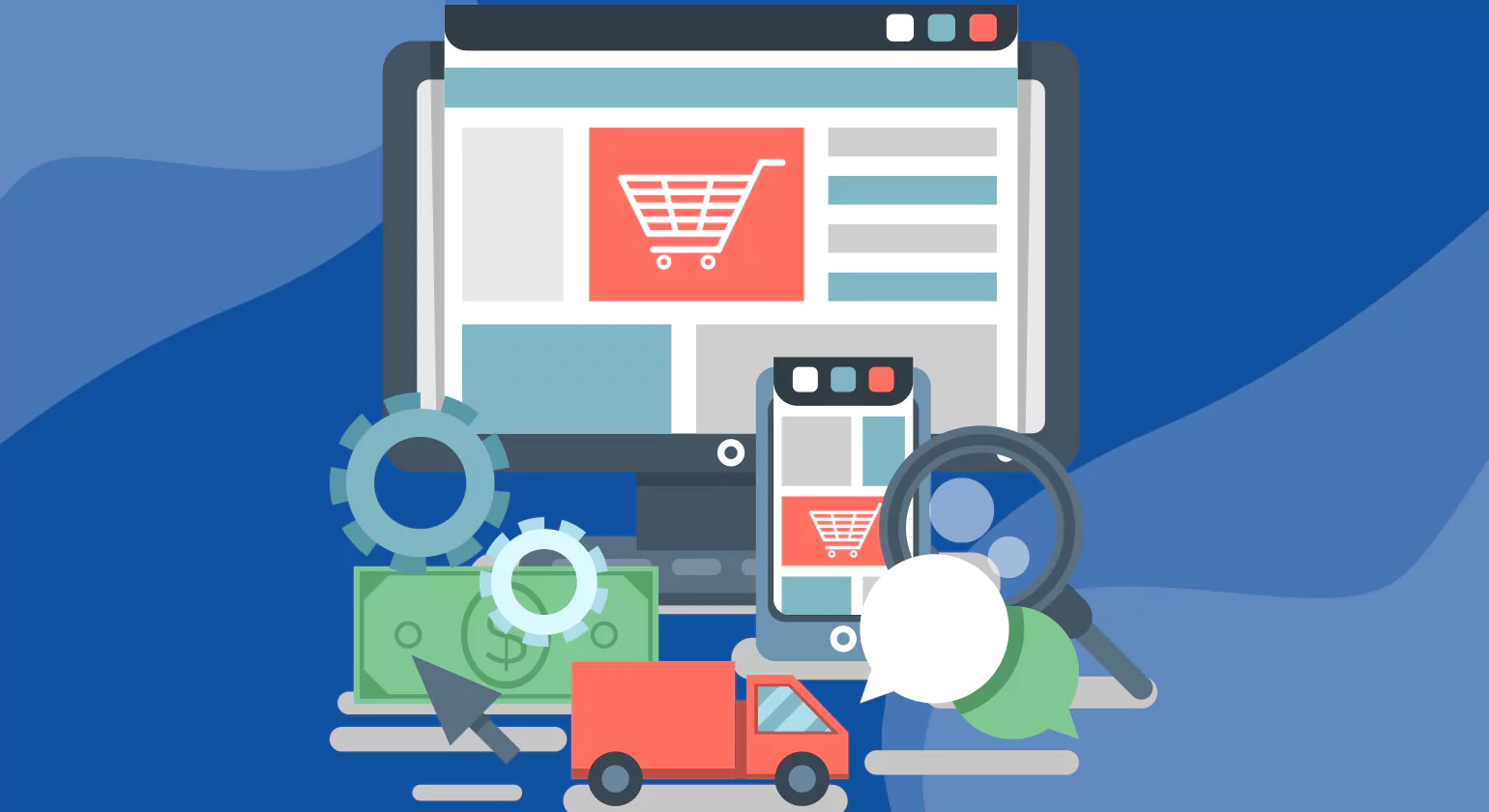
Custom eCommerce website Development often incorporate various features tailored to meet the specific needs of businesses and their target audiences. Some popular features include:
1. User-Friendly Navigation
User-friendly navigation is the cornerstone of a successful Custom Ecommerce Development. It ensures that visitors can easily find what they’re looking for, leading to higher engagement and conversion rates. A well-organized navigation menu with clear categories and subcategories simplifies the browsing experience. Additionally, intuitive navigation elements such as breadcrumbs, search bars, and filters help users explore products efficiently. By prioritizing user-friendly navigation, eCommerce websites enhance customer satisfaction and encourage repeat visits.
2. Responsive Design
In today’s digital landscape, responsive design is essential for catering to users accessing websites from various devices. Whether customers are browsing on desktops, smartphones, or tablets, a responsive eCommerce website adapts seamlessly to different screen sizes and resolutions. This ensures a consistent and optimized browsing experience, regardless of the device used. By embracing responsive design principles, eCommerce businesses can reach a broader audience and increase accessibility, ultimately driving more conversions and sales
3. Product Search and Filtering
Effective product search and filtering functionality empower users to quickly locate desired items amidst vast product catalogs. By implementing robust search algorithms and intuitive filtering options, Custom Ecommerce websites enable shoppers to refine their search results based on criteria such as price, size, color, and brand. This streamlines the shopping process and enhances user satisfaction by presenting relevant products tailored to individual preferences. Product search and filtering features are invaluable tools for improving discoverability and facilitating seamless navigation within eCommerce platforms.
4. Personalized Recommendations
Personalized product recommendations leverage data analytics and machine learning algorithms to suggest relevant items to individual shoppers. By analyzing past purchase history, browsing behavior, and demographic information, Custom E-commerce Development can deliver tailored product suggestions that resonate with each user’s interests and preferences. Personalized recommendations enhance the shopping experience by presenting curated selections that inspire engagement and drive conversions. By harnessing the power of personalization, eCommerce businesses can increase sales, foster customer loyalty, and differentiate themselves in a competitive market.
5. Multiple Payment Options
Offering a variety of payment options accommodates diverse customer preferences and increases convenience during the checkout process. From credit/debit cards and digital wallets to alternative payment methods like PayPal and Apple Pay, eCommerce websites should support a range of secure payment gateways. By providing multiple payment options, businesses can cater to global audiences and reduce barriers to purchase, ultimately boosting sales and revenue.
6. Secure Checkout Process
A secure checkout process is essential for instilling trust and confidence in online transactions. Implementing SSL encryption, PCI compliance, and robust fraud detection measures ensures that sensitive customer information remains protected throughout the checkout process. By prioritizing security, eCommerce websites safeguard against data breaches and unauthorized access, enhancing customer trust and loyalty. A secure checkout process is paramount for building a reputable brand and fostering long-term customer relationships.
7. Customer Reviews and Ratings
Customer reviews and ratings provide valuable social proof that influences purchase decisions and builds credibility for products and brands. By enabling customers to share their experiences and opinions, eCommerce websites facilitate transparency and trust within the online shopping community. Integrating customer reviews and ratings into product pages helps shoppers make informed choices and fosters a sense of community engagement. By leveraging user-generated content, eCommerce businesses can enhance product discoverability, increase conversions, and cultivate brand advocacy.
8. Wishlist and Save for Later
The wishlist and save for later features allow shoppers to curate personalized collections of desired items for future consideration. By enabling users to save products to their wishlist or cart for later purchase, Custom Ecommerce Development Solutions encourage engagement and facilitate repeat visits. These features also serve as convenient reminders for customers to revisit items they’re interested in, ultimately increasing the likelihood of conversion. By catering to users’ preferences and browsing habits, wishlist and save for later functionalities enhance the overall shopping experience and drive sales.
9. Social Media Integration
Social media integration enables eCommerce websites to leverage the power of social networks for marketing, engagement, and customer acquisition. By integrating social sharing buttons, product tagging, and user-generated content feeds, eCommerce platforms facilitate seamless interaction between the website and popular social media platforms. This allows customers to share their favorite products, reviews, and purchases with their social networks, expanding brand reach and driving referral traffic. Social media integration also enables eCommerce businesses to run targeted advertising campaigns and engage with customers in real-time, fostering community building and brand loyalty.
10. Inventory Management
Effective inventory management is essential for ensuring accurate product availability and timely order fulfillment. By implementing robust inventory tracking systems and automated alerts for low stock levels, eCommerce websites can optimize inventory replenishment and prevent overselling. Real-time inventory management capabilities enable businesses to track stock levels across multiple warehouses or locations, streamline order processing, and minimize backorders. By maintaining optimal inventory levels, eCommerce businesses can enhance customer satisfaction, reduce operational costs, and maximize revenue.
11. Order Tracking and Notifications
Order tracking and notifications provide customers with visibility and transparency into the status of their purchases from checkout to delivery. By sending automated email or SMS notifications at key stages of the order fulfillment process, eCommerce websites keep customers informed and engaged throughout their shopping journey. Order tracking functionality allows customers to monitor shipment progress in real-time, track delivery updates, and anticipate arrival times accurately. By offering seamless order tracking and notifications, eCommerce businesses enhance the overall customer experience and build trust and loyalty.
12. Customer Support Features
Effective customer support features empower businesses to deliver exceptional service and resolve inquiries promptly. Live chat support, help center resources, and FAQs enable customers to find answers to common questions and issues quickly. Additionally, integrated ticketing systems and email support channels facilitate efficient communication and resolution of customer queries and concerns. By prioritizing responsive customer support, eCommerce websites demonstrate commitment to customer satisfaction and retention. Providing accessible and reliable support options ensures that customers feel valued and supported throughout their shopping experience, ultimately contributing to long-term success and growth.
13. Content Management System (CMS)
A robust content management system (CMS) empowers eCommerce websites with the flexibility to create, manage, and publish digital content seamlessly. Whether it’s product descriptions, blog posts, or promotional banners, a user-friendly CMS simplifies content creation and updates, allowing businesses to keep their website dynamic and engaging. By providing intuitive editing interfaces, version control, and scheduling capabilities, CMS platforms enable eCommerce businesses to maintain a cohesive brand identity and deliver compelling content that resonates with their target audience.
14. Integration with Third-Party Services
Integration with third-party services extends the functionality of eCommerce websites by seamlessly connecting with external tools and platforms. Whether it’s payment gateways, shipping carriers, marketing automation software, or analytics tools, robust integration capabilities enable eCommerce businesses to leverage best-in-class solutions that cater to their specific needs. By integrating with popular third-party services, eCommerce websites can enhance operational efficiency, improve customer experiences, and unlock new growth opportunities. From streamlining order processing to optimizing marketing campaigns, third-party integrations play a crucial role in driving eCommerce success.
15. Scalability and Customization
Scalability and customization are essential considerations for eCommerce websites looking to accommodate growth and evolving business needs. A scalable architecture ensures that websites can handle increasing traffic, transactions, and data volumes without sacrificing performance or reliability. By leveraging cloud-based infrastructure, elastic scaling capabilities, and modular design principles, eCommerce platforms can scale seamlessly to meet fluctuating demand and support future expansion. Furthermore, robust customization options empower businesses to tailor their eCommerce websites to unique branding requirements, user preferences, and industry-specific workflows. Whether it’s customizing product catalogs, designing unique storefronts, or implementing personalized user experiences, scalability and customization enable eCommerce businesses to adapt and thrive in a competitive market landscape.
Benefits of Custom eCommerce Development Services

Custom Ecommerce development services offer a plethora of benefits, each contributing to a seamless and efficient online shopping experience. Let’s delve into each advantage:
Uniqueness and Brand Identity
- Custom eCommerce Website development allows businesses to create a unique online presence that reflects their brand identity. Unlike pre-built templates or generic solutions, custom development enables businesses to design their website from scratch, incorporating branding elements such as color schemes, logos, and messaging consistently throughout the site.
- By establishing a distinct visual identity, businesses can differentiate themselves from competitors and leave a lasting impression on visitors. This uniqueness fosters brand recognition and helps build trust and loyalty among customers.
Enhanced Security Measures
- Security is paramount in eCommerce, where sensitive customer data such as payment information is exchanged. Custom Development enables businesses to implement robust security measures tailored to their specific needs and compliance requirements.
- This may include features such as SSL encryption, secure payment gateways, two-factor authentication, and regular security audits. By prioritizing security, businesses can protect their customers’ data, minimize the risk of data breaches, and build trust and credibility.
Scalability and Flexibility
- One of the key advantages of custom ECommerce is scalability. Custom-built platforms are designed to accommodate growth and adapt to evolving business needs over time.
- Unlike off-the-shelf solutions that may have limitations in terms of scalability and customization, custom eCommerce platforms can be easily scaled up or modified to meet increased demand, integrate new features, or support expansion into new markets.
- This scalability and flexibility ensure that businesses can future-proof their eCommerce infrastructure and remain competitive in a rapidly evolving digital landscape.
Full Control over Functionality
- With custom eCommerce Website development, businesses have complete control over the features and functionalities of their online store. They can tailor the platform to meet their specific requirements and objectives, rather than being constrained by the limitations of pre-built solutions.
- This level of control allows businesses to prioritize and implement features that are essential to their operations and customer experience, resulting in a more efficient and effective eCommerce platform.
Creative Freedom in Design
- Custom development offers businesses creative freedom in designing their eCommerce website. Instead of being restricted to pre-designed templates, businesses can work with designers and developers to create a visually stunning and user-friendly interface that aligns with their brand aesthetic and enhances the overall user experience.
- Custom designs can incorporate unique layouts, animations, and interactive elements that captivate visitors and encourage engagement. By prioritizing aesthetics and usability, businesses can create a memorable and immersive shopping experience that sets them apart from competitors.
Improved Website Speed
- Website speed is a critical factor in eCommerce, impacting user experience, search engine rankings, and conversion rates. This allows businesses to optimize their website’s performance for speed and efficiency.
- Developers can write clean, optimized code and leverage advanced techniques such as caching, image optimization, and content delivery networks (CDNs) to minimize loading times and improve overall site performance.
- A faster website not only enhances the user experience but also reduces bounce rates and increases the likelihood of conversions, ultimately driving revenue and business growth.
Personalized User Experience
- Personalization is key to engaging today’s consumers and fostering loyalty. This enables businesses to personalize the shopping experience for individual users based on their preferences, behavior, and purchase history.
- This may include personalized product recommendations, targeted marketing messages, and dynamic content tailored to each user’s interests and demographics.
- By delivering relevant and personalized experiences, businesses can increase customer satisfaction, drive repeat purchases, and maximize the lifetime value of their customers.
Streamlined Checkout Process
- The checkout process is a critical stage in the customer journey, where friction can lead to cart abandonment and lost sales. Development allows businesses to optimize and streamline the checkout process for maximum efficiency and convenience.
- Developers can design intuitive checkout flows, eliminate unnecessary steps, and implement features such as guest checkout, saved payment methods, and one-click purchasing to simplify the buying process and reduce friction.
- A streamlined checkout process increases conversion rates and revenue while minimizing cart abandonment, ultimately driving growth and profitability for businesses.
Compatibility with Various Browsers
- In today’s multi-device and multi-platform world, ensuring compatibility across different browsers and devices is essential for delivering a seamless user experience. This enables businesses to optimize their website for compatibility with various browsers, operating systems, and screen sizes.
- Developers can perform thorough testing and optimization to ensure that the website functions correctly and displays properly on all major browsers, including Chrome, Firefox, Safari, and Edge, as well as on mobile devices such as smartphones and tablets.
Time-saving Solutions
- Custom Ecommerce development Services can save businesses time and resources by automating repetitive tasks, streamlining workflows, and integrating with third-party tools and systems.
- Developers can build custom solutions and integrations tailored to the specific needs of the business, such as inventory management, order fulfillment, and customer relationship management (CRM).
- By automating manual processes and consolidating disparate systems, businesses can increase efficiency, reduce errors, and free up valuable time and resources to focus on strategic initiatives and business growth. This is particularly relevant when implementing a custom ecommerce, as it streamlines operations, enhances customer experiences, and enables businesses to adapt swiftly to market changes. Custom Ecommerce platforms offer tailored solutions that cater to specific business needs, ensuring seamless integration with existing systems and optimal performance throughout the entire e-commerce ecosystem.
Key Factors to Consider While Developing an eCommerce Application
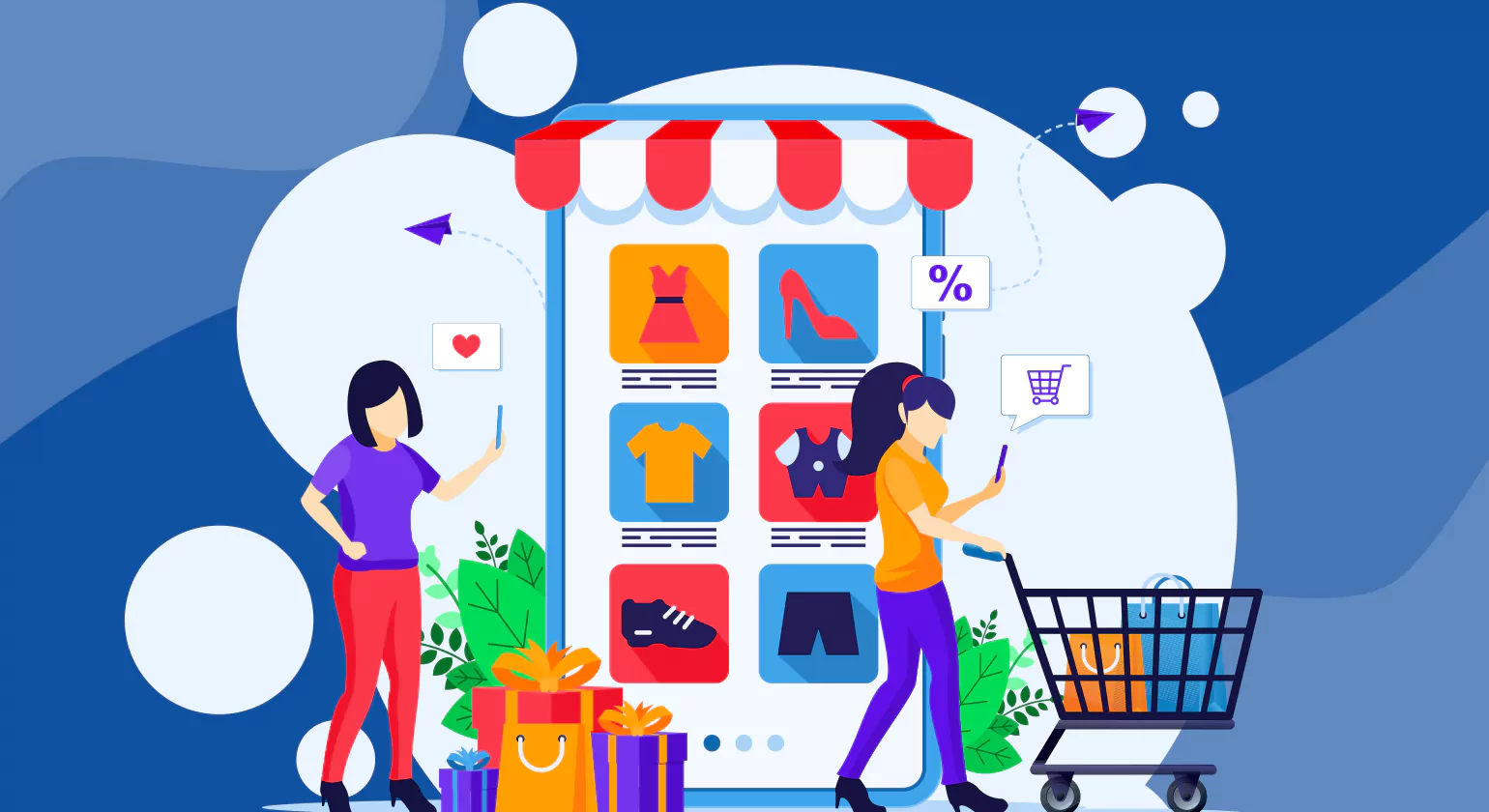
1. User Experience and Interface Design
A seamless user experience is the foundation of a successful eCommerce app. The interface should be visually appealing, easy to navigate, and optimized for mobile users. Clear product categories, smooth checkout processes, and quick loading times enhance customer satisfaction. Responsive design ensures accessibility across all devices, improving retention and conversion rates. Investing in a well-structured UX/UI design helps build a lasting impression and drives repeat purchases.
2. Security and Payment Integration
Security is a top priority for any eCommerce platform. Implementing SSL certificates, data encryption, and multi-factor authentication ensures safe transactions. Integrating secure and popular payment gateways like PayPal, Stripe, or Razorpay builds customer confidence. Compliance with data protection regulations such as GDPR is also essential. A trustworthy and transparent payment process reduces cart abandonment and encourages more successful checkouts.
3. Scalability and Performance
An eCommerce app must be scalable to handle growing user traffic, product listings, and order volumes. Choosing a robust backend framework and cloud infrastructure allows your application to expand effortlessly as the business grows. High performance and fast loading times are critical for user satisfaction. Regular performance testing, caching mechanisms, and database optimization further enhance reliability. Scalability ensures your app remains efficient even during peak shopping seasons.
4. Personalization and Customer Engagement
Personalization helps create meaningful shopping experiences that resonate with users. Implementing AI-driven product recommendations, dynamic offers, and tailored content increases customer loyalty and conversions. Push notifications and email campaigns can further engage users based on their behavior and preferences. Gamification elements like reward points or wishlists also keep customers coming back. A personalized marketing approach strengthens brand relationships and enhances user satisfaction.
5. Inventory and Order Management
Efficient inventory and order management ensure smooth operations for both customers and business owners. Real-time inventory tracking prevents overselling and keeps stock levels updated automatically. Integrating automation tools helps manage orders, returns, and deliveries with minimal errors. Features like order history and shipment tracking improve transparency and user trust. A well-managed backend system ensures timely fulfillment, reduces costs, and enhances the overall customer experience.
How to Build a Custom Ecommerce Website

Creating a custom ecommerce website can significantly boost your online sales and provide a seamless shopping experience for your customers. Here’s a step-by-step guide to help you build your own custom ecommerce website.
1. Define Your Goals and Objectives
Before starting, identify your business goals and objectives. Consider what you want to achieve with your ecommerce site, such as increasing sales, expanding your customer base, or enhancing brand visibility.
2. Choose the Right Platform
Select an ecommerce platform that suits your needs. Popular options include Shopify, WooCommerce, and Magento. These platforms offer various customization options and integrations to help you build a unique online store.
3. Design Your Website
Work with a professional web designer or use customizable templates to create a visually appealing and user-friendly website. Focus on a clean layout, intuitive navigation, and mobile responsiveness to ensure a positive user experience.
4. Develop Key Features
Incorporate essential ecommerce features such as a shopping cart, payment gateway, product catalog, and inventory management system. Ensure that your site is secure, fast-loading, and easy to navigate.
5. Optimize for SEO
Implement SEO best practices to enhance your website’s visibility on search engines. Use relevant keywords, optimize product descriptions, and ensure your site is mobile-friendly. Google Map SEO Services can also help improve local search rankings.
6. Set Up Analytics
Integrate analytics tools like Google Analytics to track your website’s performance. Monitor key metrics such as traffic, conversion rates, and customer behavior to make informed decisions and improve your site over time.
7. Test and Launch
Before going live, thoroughly test your website to identify and fix any issues. Test different devices and browsers to ensure compatibility. Once everything is working smoothly, launch your site and start promoting it through various marketing channels.
8. Maintain and Update
Regularly update your website with new products, content, and features. Perform routine maintenance to keep your site secure and running efficiently. Continuously optimize your site based on customer feedback and analytics data.
Emerging Technologies in Custom Ecommerce Development
The landscape of custom e-commerce development is rapidly evolving with the introduction of emerging technologies. Artificial Intelligence (AI) and Machine Learning (ML) are at the forefront, enabling personalized shopping experiences through predictive analytics and customer behavior analysis. AI-powered chatbots and virtual assistants enhance customer service by providing instant support and recommendations. Additionally, Augmented Reality (AR) is revolutionizing product visualization, allowing customers to virtually try on products or see how items would look in their homes, thereby reducing return rates and increasing customer satisfaction.
Blockchain technology is another game-changer in ecommerce, offering enhanced security and transparency for transactions. Smart contracts ensure secure and automated order processing, while decentralized payment systems provide safer alternatives to traditional methods. Furthermore, the integration of Internet of Things (IoT) devices allows for real-time inventory management and personalized marketing strategies based on customer interaction data. As these technologies continue to advance, they are setting new standards for custom ecommerce development services, driving efficiency, and delivering superior user experiences.
Customer Centric Ecommerce Design and Development

Customer-centric ecommerce design and development prioritize the needs and preferences of the user, ensuring a seamless and engaging shopping experience. This approach involves creating intuitive navigation, fast-loading pages, and responsive designs that work well on all devices. By incorporating user-friendly interfaces and clear calls to action, businesses can enhance user satisfaction and drive conversions. Personalization is also key, with features like product recommendations, tailored content, and personalized offers based on user behavior and preferences, making the shopping experience more relevant and engaging for each customer.
Furthermore, a customer-centric approach emphasizes the importance of robust customer support and streamlined checkout processes. Implementing AI-powered chatbots and live chat options ensures that customers receive prompt assistance, while secure and diverse payment options build trust and convenience. Gathering and analyzing customer feedback is crucial for continuous improvement, allowing businesses to address pain points and adapt to evolving customer needs. By focusing on these elements, ecommerce businesses can build strong relationships with their customers, foster loyalty, and ultimately achieve long-term success in a competitive market.
Future Trends in Custom eCommerce Development
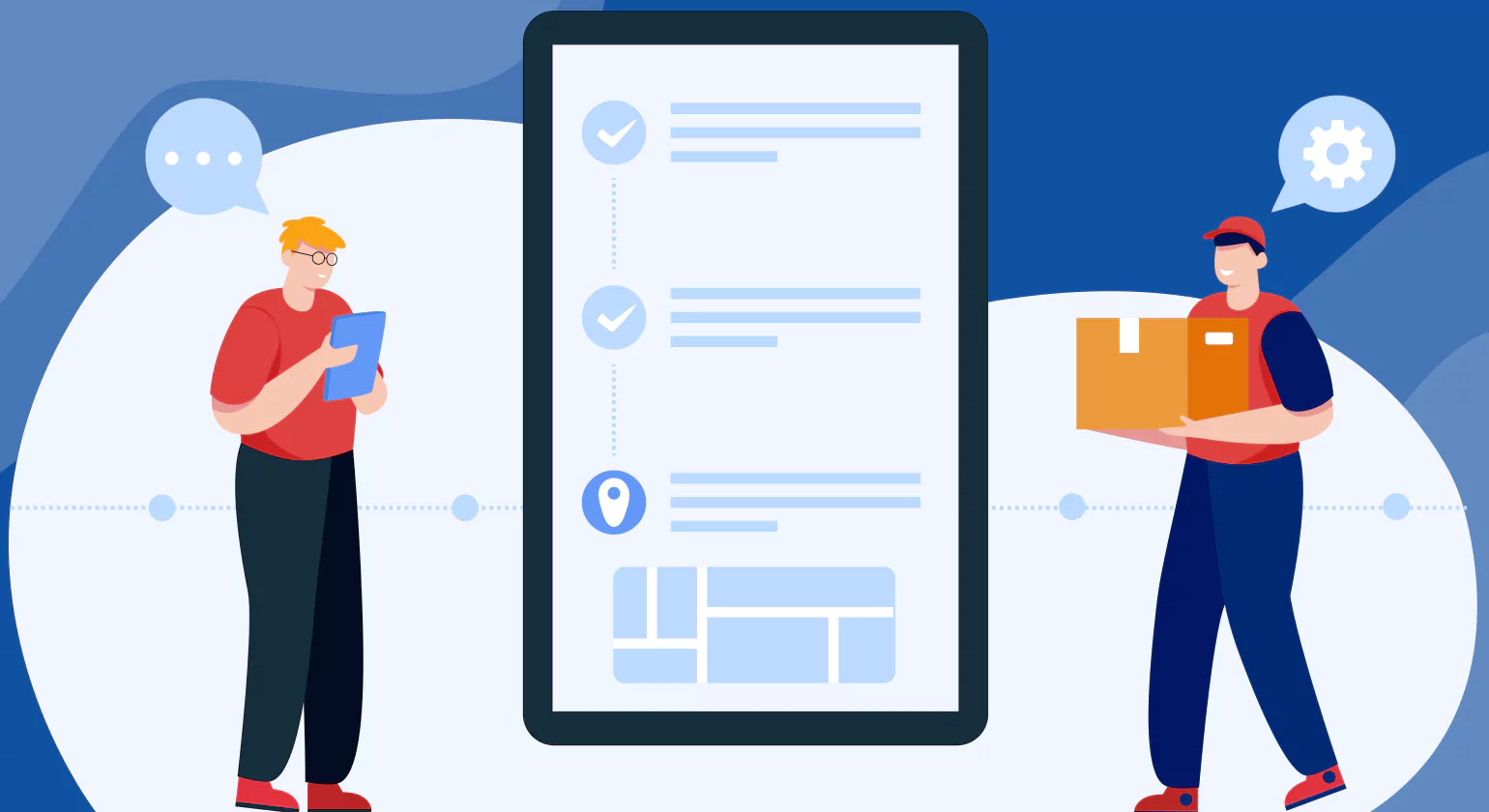
In the realm of eCommerce development, several trends are expected to shape the future landscape:
1. Personalization
Customization will extend beyond just product offerings to create personalized shopping experiences tailored to individual preferences and behaviors. This may include personalized recommendations, dynamic pricing, and targeted marketing campaigns.
2. AI and Machine Learning
These technologies will play a crucial role in Custom Ecommerce Development, powering intelligent chatbots for customer service, predictive analytics for inventory management, and advanced recommendation systems.
3. Voice Commerce
With the rising popularity of virtual assistants like Alexa and Google Assistant, voice commerce is anticipated to grow. Developers will focus on optimizing eCommerce platforms for voice search and seamless voice-enabled transactions.
4. Augmented Reality (AR) and Virtual Reality (VR)
AR and VR technologies will revolutionize the way consumers shop online by providing immersive experiences. Custom eCommerce solutions will integrate AR/VR features for virtual product trials, 3D product visualization, and interactive shopping environments.
5. Mobile Commerce
As mobile usage continues to soar, custom ecommerce web development will prioritize mobile-first approaches, ensuring seamless shopping experiences across devices. Progressive web apps (PWAs) and accelerated mobile pages (AMP) will gain traction for their speed and user-friendly interfaces.
6. Blockchain Technology
Blockchain offers enhanced security and transparency in eCommerce transactions. Custom solutions may leverage blockchain for secure payments, supply chain management, and counterfeit prevention.
7. Subscription-based Models
Subscription-based eCommerce models are becoming increasingly popular. Custom development will focus on creating flexible subscription platforms with features like customizable subscription plans, automated subscription billing, and subscription management tools.
8. Social Commerce
Social media platforms are evolving into shopping hubs. Custom eCommerce solutions will integrate social commerce features, enabling users to discover and purchase products directly from social media channels.
9. Sustainability and Ethical Shopping
With growing awareness of environmental and social issues, custom eCommerce platforms will emphasize sustainability and ethical sourcing. Features like eco-friendly product filters, transparency in supply chains, and carbon footprint calculators may become standard.
10. Headless Commerce
Headless commerce architecture decouples the frontend presentation layer from the backend commerce functionality, offering flexibility and scalability. Custom solutions will adopt headless architecture to deliver omnichannel experiences and faster page load times.
Conclusion
In conclusion, custom ecommerce development offers businesses a tailored solution to meet their unique needs and goals in the online marketplace. By opting for custom development instead of off-the-shelf solutions, businesses can create a fully customized ecommerce platform that reflects their brand identity, enhances user experience, and maximizes conversion opportunities. With the ability to integrate specialized features, scale according to growth, and maintain full control over functionality and design, custom e-commerce development provides a competitive edge in the digital landscape. Ultimately, investing in custom e-commerce development empowers businesses to adapt to evolving market trends, differentiate themselves from competitors, and achieve long-term success in the eCommerce industry.
Know More >>>> Custom WordPress Development: Everything You Need to Know
Best Custom Website Development Services for Startups
FAQ's
1. What is custom eCommerce development?
custom ecommerce web development refers to the process of building an online shopping platform tailored specifically to the needs and requirements of a business. It involves creating a unique website or application from scratch rather than using pre-built templates or platforms.
2.What is custom ecommerce website development and why is it important for businesses?
Custom ecommerce website development involves creating a tailor-made online store designed to meet specific business goals. It enhances scalability, security, and user experience, allowing businesses to differentiate themselves, increase conversions, and adapt to evolving market trends effectively in 2025’s competitive digital landscape.
3.How do you choose the right custom ecommerce development company for your needs?
Selecting the right custom ecommerce development company requires evaluating expertise, portfolio, technology stack, and client reviews. Ensure they provide scalable solutions, secure payment integrations, mobile-optimized designs, and ongoing support to align with your business growth and customer expectations in 2025.
4. What features can be included in a custom eCommerce website?
Features can vary greatly depending on business needs but may include product catalog management, secure payment gateways, user account management, order tracking, inventory management, discount/promotion management, and various customization options.
5. Is custom eCommerce development SEO-friendly?
Yes, custom eCommerce websites can be designed with SEO best practices in mind, ensuring that your site is optimized for search engines. This includes factors such as site structure, page speed, mobile-friendliness, and metadata optimization.
6. Do custom eCommerce websites support mobile devices?
Yes, custom eCommerce websites can and should be designed to be mobile-responsive, ensuring a seamless user experience across various devices and screen sizes.
7.What are the benefits of hiring custom ecommerce development services?
Hiring custom ecommerce development services delivers a personalized online store tailored to business needs, with enhanced performance, responsive design, and secure transactions. It improves customer engagement, SEO visibility, and conversion rates while supporting future growth and integration with emerging technologies in 2025.
8.How does custom ecommerce web design enhance user experience and sales?
Custom ecommerce web design focuses on intuitive navigation, fast loading, and responsive layouts, creating a seamless shopping experience. Optimized for conversions, it builds trust, reduces cart abandonment, and enhances engagement, directly boosting sales and customer loyalty in 2025’s digital-first marketplace.
9.What makes custom ecommerce solutions different from standard ecommerce platforms?
Custom ecommerce solutions offer full flexibility, scalability, and unique features tailored to business goals, unlike standard platforms. They integrate advanced functionalities, personalized user experiences, and robust security, enabling businesses to stay competitive and adapt to 2025 ecommerce trends efficiently.
10.What is ecommerce custom development and why is it important for businesses?
Ecommerce custom development involves building tailor-made online stores designed to meet specific business needs. It ensures unique features, scalable architecture, secure payment integration, and seamless user experiences. Custom solutions enhance conversions, improve customer engagement, and help businesses stay competitive in 2025’s dynamic e-commerce landscape.