Table of Contents
Introduction
In an era where customer experience is paramount, call centers remain crucial touchpoints between businesses and their customers. The efficiency of a call center hinges on two key elements: equipment and software. With the right tools, including the best contact center tools, companies can optimize customer interactions, streamline operations, and boost overall productivity. This guide explores the best call center tools available, the types of software used, key features, and how to choose the best solution for your business.
What Are Call Center Equipment and Software?

Call center equipment consists of essential hardware that enables smooth and efficient communication between agents and customers. This includes noise-canceling headsets that enhance call clarity, VoIP (Voice over Internet Protocol) phones for cost-effective communication, and computers with robust processing power to handle multiple applications. Additionally, routers, servers, and cloud-based infrastructure play a vital role in maintaining seamless connectivity and data storage. Call centers also rely on Private Branch Exchange (PBX) or cloud-based phone systems to manage high call volumes efficiently. These call center tools ensure that customer interactions are handled professionally while maintaining high service standards.
Call center software enhances operational efficiency through automation, analytics, and customer relationship management. Automatic Call Distribution (ACD) systems route calls to the most suitable agents based on skill or availability, while Interactive Voice Response (IVR) systems allow customers to navigate options using voice commands or keypads. CRM software stores and manages customer data, ensuring personalized and informed interactions. Call recording and analytics tools help monitor agent performance and identify areas for improvement. Workforce management software optimizes scheduling and tracks productivity. By integrating these contact center tools, businesses can improve customer satisfaction while streamlining operations and reducing costs.
10 Best Call Center Tools for Enhanced Customer Support
1. Aircall
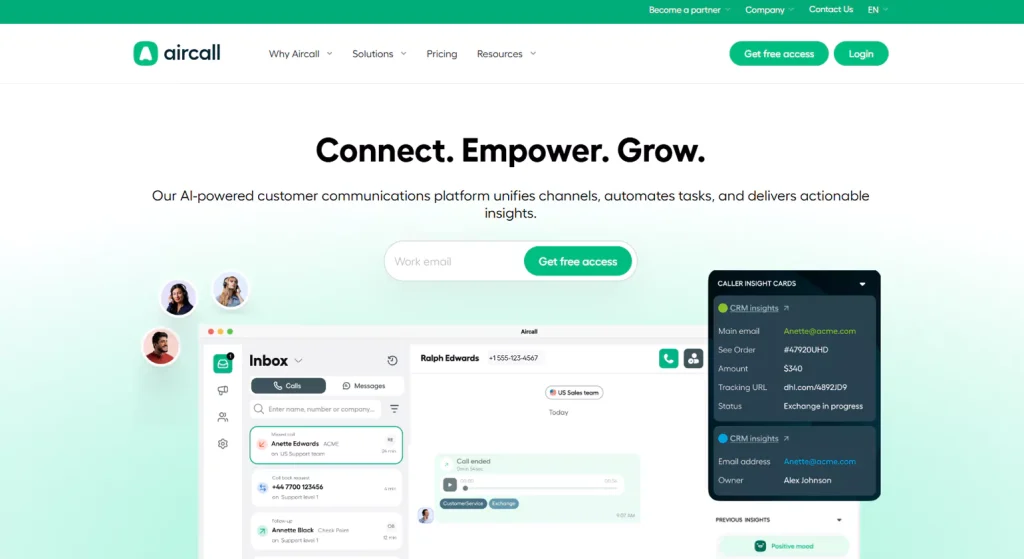
Aircall is a user-friendly VoIP-based call center tool designed for sales and customer support teams. It provides essential features such as call routing, IVR, call recording, and real-time analytics to improve business communication. Aircall’s cloud-based platform enables teams to work remotely while maintaining high-quality customer service. The tool integrates with various CRM and helpdesk solutions, streamlining workflows and enhancing productivity. With its ease of use and cost-effective pricing, Aircall is an excellent choice for businesses looking to optimize their customer support operations without a complex setup.
2. JustCall
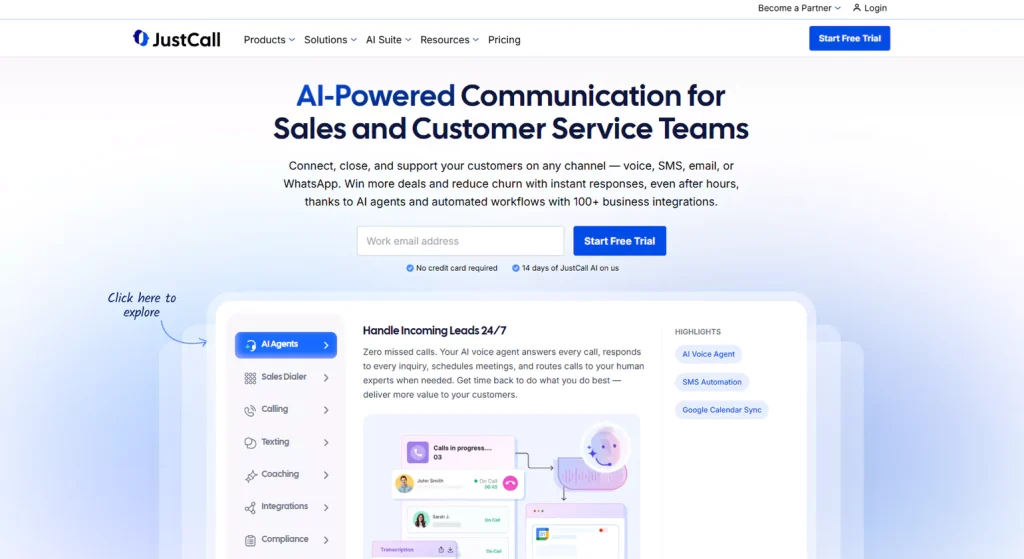
Call center software enhances operational efficiency through automation, analytics, and customer relationship management. Automatic Call Distribution (ACD) systems route calls to the most suitable agents based on skill or availability, while Interactive Voice Response (IVR) systems allow customers to navigate options using voice commands or keypads. CRM software stores and manages customer data, ensuring personalized and informed interactions. Call recording and analytics tools help monitor agent performance and identify areas for improvement. Workforce management software optimizes scheduling and tracks productivity. By integrating these call center tools, businesses can improve customer satisfaction while streamlining operations and reducing costs.
3. Nextiva
Nextiva is a powerful call center tools that provides VoIP services, intelligent call routing, and automation features. Businesses benefit from call forwarding, voicemail-to-email, and real-time analytics that help improve communication efficiency. Nextiva’s cloud-based infrastructure allows businesses to scale easily and maintain seamless customer interactions. Its AI-driven automation enhances agent productivity, ensuring faster response times. The tool’s integration capabilities with popular CRMs make it a preferred choice for organizations looking to enhance their customer service operations. With Nextiva, businesses can improve their communication strategies and provide exceptional support experiences.
4. Zendesk Talk
Zendesk Talk is a cloud-based call center tool designed to integrate seamlessly with Zendesk CRM, allowing businesses to manage customer inquiries efficiently. It offers features like IVR, call routing, call recording, and real-time analytics to enhance customer service workflows. Businesses benefit from automated ticket creation, ensuring smooth customer interactions. Zendesk Talk’s cloud-based nature enables remote accessibility, making it ideal for teams operating from different locations. With AI-driven insights, businesses can improve response times and customer satisfaction. Zendesk Talk is a top choice for organizations looking to streamline customer support with an integrated Call Center Tools solution.
5. LiveAgent
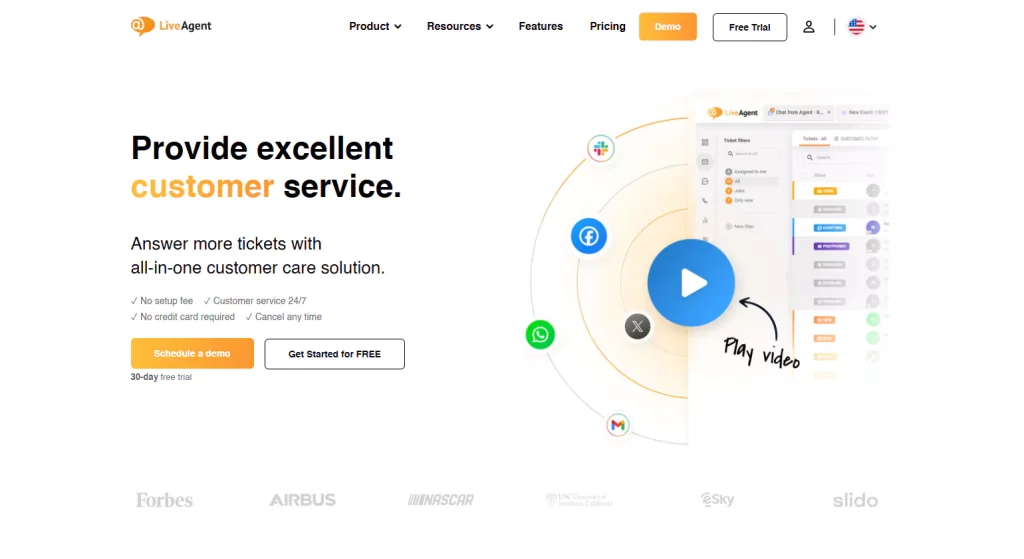
LiveAgent is an all-in-one call center tool that combines helpdesk, live chat, and omnichannel communication capabilities. Businesses can handle customer inquiries via voice, email, chat, and social media from a unified dashboard. With features like IVR, call recording, and real-time monitoring, LiveAgent enhances customer service efficiency. The tool’s automation capabilities reduce agent workload and improve response times. Businesses benefit from detailed reporting and analytics that help optimize customer interactions. LiveAgent’s affordability and feature-rich interface make it an excellent choice for businesses aiming to enhance customer engagement and streamline call center operations.
6. CloudTalk
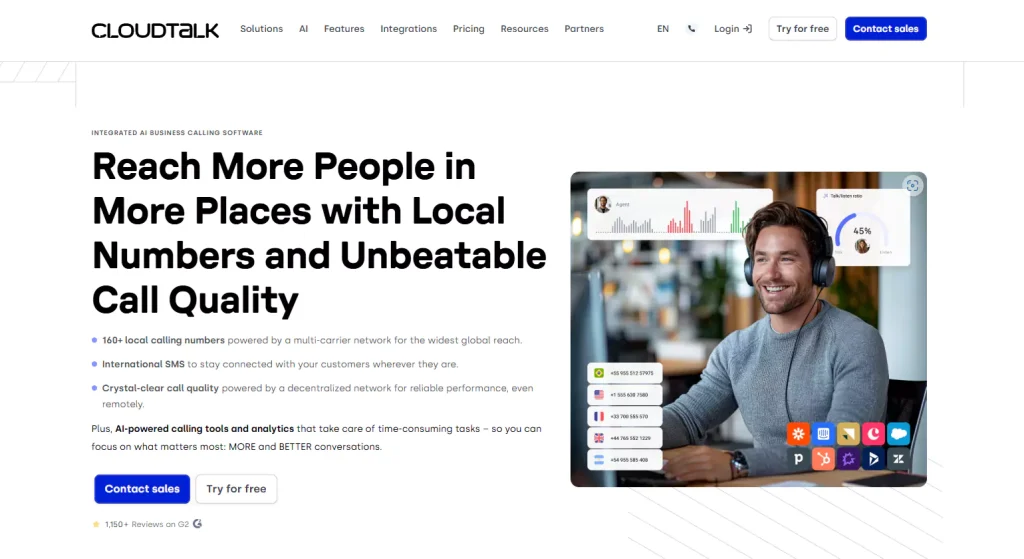
CloudTalk is a leading cloud-based call center tool that helps businesses manage customer interactions seamlessly. With intelligent call routing, IVR, and call analytics, CloudTalk improves communication efficiency. Its AI-driven automation ensures faster response times and better agent productivity. Businesses benefit from seamless integrations with CRMs and helpdesks, streamlining workflows. CloudTalk’s cloud infrastructure ensures flexibility and scalability, making it an excellent option for businesses of all sizes. With real-time call monitoring and performance tracking, companies can optimize their customer service strategies and enhance overall call center efficiency. CloudTalk stands out among Call Center Tools for its robust features and ease of use.
7. Aloware

Aloware is an innovative AI-driven call center tool designed for sales and support teams. It offers intelligent call routing, automation, and SMS capabilities to enhance customer interactions. Aloware’s cloud-based infrastructure ensures businesses can operate remotely while maintaining high-quality service. The tool integrates seamlessly with CRMs, enabling businesses to manage customer inquiries efficiently. Real-time analytics and reporting help organizations monitor performance and optimize their support strategies. With AI-powered automation, Aloware reduces agent workload, ensuring faster resolutions. Businesses looking for a modern and scalable call center tool will find Aloware a valuable solution.
8. RingCentral
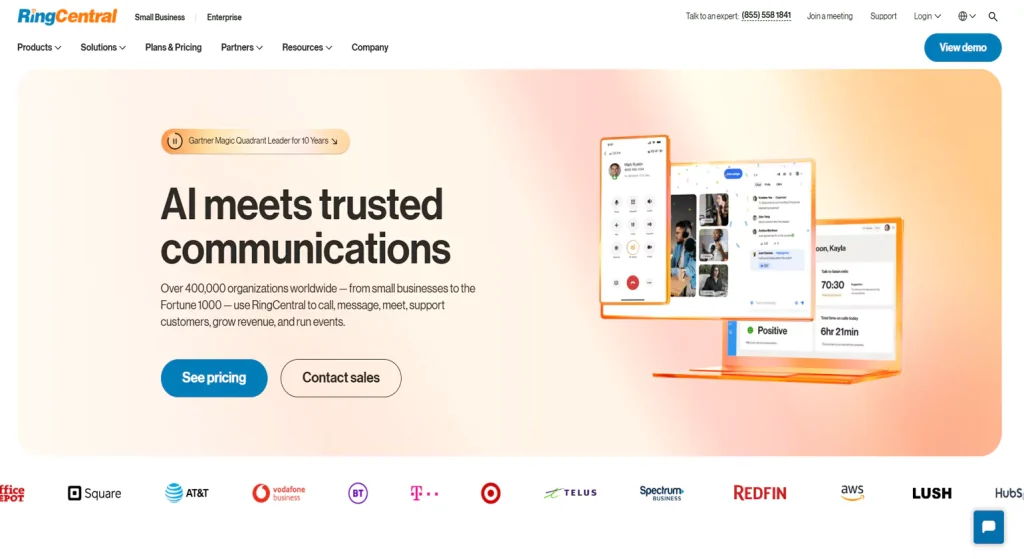
RingCentral is a comprehensive cloud-based call center tools designed for enterprises. It offers intelligent call routing, workforce management, and AI-driven insights to enhance customer interactions. Businesses can handle inquiries across multiple channels, including voice, chat, email, and social media. RingCentral’s automation capabilities streamline customer service operations and improve agent productivity. Its seamless CRM integrations ensure efficient workflow management. With advanced analytics and reporting, businesses can track performance and continuously optimize their customer service strategies. RingCentral is a reliable choice for businesses seeking an enterprise-grade call center solution with global scalability.
9. Dialpad AI Contact Center
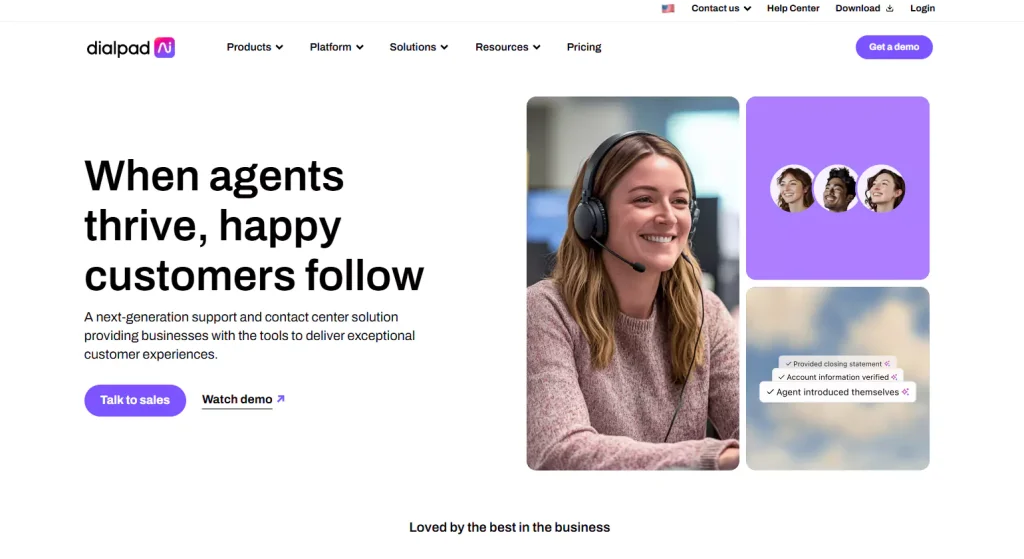
Dialpad AI Contact Center is a cutting-edge call center tool that leverages artificial intelligence to enhance customer interactions. It offers real-time call transcription, sentiment analysis, and automated responses to improve efficiency. Businesses benefit from IVR, intelligent call routing, and seamless CRM integrations. Dialpad’s AI-powered analytics provide actionable insights to optimize call center quality monitoring tools
. With a cloud-based infrastructure, businesses can scale operations effortlessly while maintaining excellent customer service. As one of the leading Call Center Tools, Dialpad’s intuitive interface and AI-driven features make it a preferred choice for businesses aiming to modernize their contact center operations.
10. Genesys
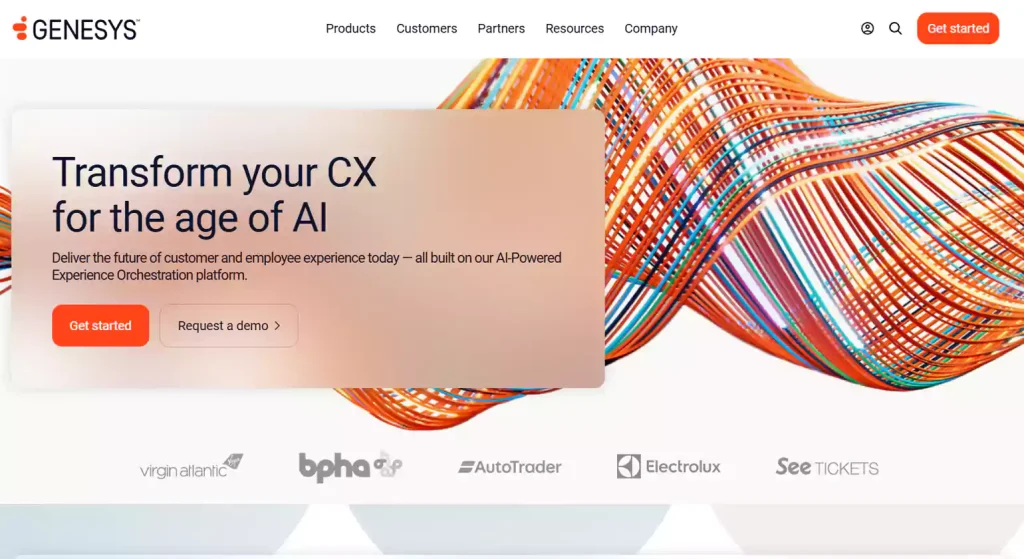
Genesys is a market-leading call center tool that offers AI-powered customer engagement solutions. With omnichannel support, businesses can handle customer interactions through voice, chat, email, and social media. Genesys’ intelligent call routing ensures customers connect with the right agents, improving satisfaction rates. The platform’s AI-driven automation reduces agent workload and enhances operational efficiency. Businesses benefit from real-time analytics and workforce optimization tools, ensuring high-quality customer service. Genesys is ideal for enterprises looking for a scalable and feature-rich call center tool to enhance their customer experience.
These top call center quality monitoring tools empower businesses to streamline customer interactions, boost agent productivity, and enhance overall customer satisfaction. Whether a startup or a large enterprise, investing in the right call center tool can significantly improve customer service efficiency and business growth.
Types of Call Center Software: Choosing the Best Solution for Your Business

Call center software is an essential tool for businesses aiming to improve customer interactions and streamline communications. Choosing the right software can enhance productivity, customer satisfaction, and overall business performance. Below, we explore different types of contact center tools, their features, and how they can benefit your business.
On-Premise Call Center Software
On-premise call center software is installed and maintained on company-owned servers. This type of software offers complete control over operations, security, and customization, making it ideal for businesses with strict regulatory compliance requirements or those that handle sensitive customer data.
Key Benefits:
Greater Control: Companies have full control over data, security settings, and custom integrations.
Enhanced Security: Since all data is stored within the company’s infrastructure, there is a reduced risk of breaches compared to cloud-based alternatives.
Reliable Performance: Without reliance on internet connectivity, on-premise solutions can deliver uninterrupted service even during outages.
Challenges:
High Upfront Costs: Requires significant investment in hardware, software, and IT support.
Limited Scalability: Expanding capacity may require additional infrastructure investment.
Cloud-Based Call Center Software
Cloud-based call center software is hosted on remote servers, allowing businesses to access their call center tools from anywhere. It is highly scalable and cost-effective, making it a preferred choice for small to medium-sized enterprises (SMEs) and remote teams.
Key Benefits:
Lower Initial Investment: No need for expensive hardware or maintenance.
Remote Accessibility: Agents can work from anywhere with an internet connection.
Easy Scalability: Businesses can quickly adjust capacity based on demand.
Challenges:
Dependency on Internet Connection: Service disruptions can occur if there is poor internet connectivity.
Limited Customization: Some providers may offer limited customization options compared to on-premise solutions.
Outbound Call Center Software
Outbound call center software is designed for sales teams, telemarketing agencies, and customer outreach programs. It includes automation tools that enhance efficiency and improve customer engagement.
Key Features:
Predictive Dialing: Automatically dials numbers, increasing agent productivity.
Lead Management: Organizes prospects and tracks customer interactions.
CRM Integration: Connects with customer relationship management (CRM) software to streamline sales efforts.
Key Benefits:
Increased Sales Efficiency: Agents can focus on conversations instead of manually dialing numbers.
Better Lead Tracking: Helps manage prospects and follow up effectively.
Improved Compliance: Features such as Do Not Call (DNC) list management ensure adherence to regulations.
Inbound Call Center Software
Inbound call center software is designed for customer support and service teams that handle incoming calls, inquiries, and complaints.
Key Features:
Interactive Voice Response (IVR): Automates call routing to the right department.
Call Queue Management: Reduces wait times and improves customer satisfaction.
Real-Time Monitoring: Provides analytics on agent performance and call quality.
Key Benefits:
Enhanced Customer Experience: Efficient call routing ensures customers reach the right agent quickly.
Reduced Operational Costs: Automation reduces the need for manual call handling.
Improved Agent Productivity: Helps manage call volumes effectively, reducing hold times.
Omnichannel Call Center Software
Omnichannel call center software integrates multiple communication channels, including voice, chat, email, and social media, into a single platform. This ensures a seamless customer experience across different touchpoints.
Key Features:
Unified Customer Profiles: Stores interaction history across channels for personalized service.
AI-Driven Chatbots: Provides instant responses to common customer queries.
Social Media Integration: Enables businesses to manage customer inquiries from platforms like Facebook and Twitter.
Key Benefits:
Consistent Customer Experience: Customers receive the same level of service across all channels.
Higher Efficiency: Agents can manage multiple channels from a single interface.
Data-Driven Insights: Provides a complete view of customer interactions, helping businesses optimize strategies.
AI-Powered Call Center Software
Artificial Intelligence (AI) is transforming call center operations by enhancing automation, speech analytics, and customer insights. AI-powered call center software enables businesses to offer Call Center Tools faster, more efficient, and personalized support.
Key Features:
Speech Analytics: Analyzes voice interactions to detect customer sentiment and agent performance.
AI Chatbots: Handles routine inquiries, freeing up agents for complex issues.
Predictive Analytics: Forecasts customer needs and suggests proactive solutions.
Key Benefits:
Increased Efficiency: Reduces the workload on human agents by handling repetitive tasks.
Improved Customer Satisfaction: AI-driven insights help tailor responses to customer needs.
Cost Savings: Automating support reduces labor costs and improves resource allocation.
Benefits of Using Call Center Tools
Call center tools play a crucial role in enhancing customer service operations by streamlining communication, automating repetitive tasks, and providing actionable insights. Businesses that adopt the right call center software experience significant improvements in efficiency, agent performance, and overall customer satisfaction.
Improved Efficiency and Customer Satisfaction
Call center tools enable faster and more accurate responses to customer queries. Features like automatic call distribution (ACD), intelligent routing, and IVR systems reduce wait times by directing callers to the most qualified agent or self-service option. This helps minimize frustration and increases first-call resolution rates. Additionally, omnichannel capabilities allow customers to connect through their preferred channels—be it phone, chat, or email—ensuring a seamless and personalized support experience.
Better Agent Productivity
Modern call center tools provide agents with intuitive dashboards, customer history, and scripts, all in one place. This reduces the time spent searching for information and helps agents focus on resolving issues efficiently. Tools like auto-dialers, real-time coaching, and call transcription assist agents in managing high call volumes without compromising quality. Moreover, performance tracking dashboards help supervisors monitor KPIs like average handle time and customer satisfaction scores, enabling continuous improvement and targeted training.
Centralized Customer Data and Insights
One of the biggest advantages of using call center software is the ability to integrate with CRM systems. This integration centralizes all customer interactions—across calls, chats, emails, and social media—into a single platform. It gives agents a 360-degree view of the customer journey, allowing them to provide more informed and personalized support. Additionally, advanced analytics and reporting features help businesses identify trends, monitor team performance, and uncover areas for optimization. These insights drive data-backed decision-making and help refine customer service strategies over time.
Enhanced Collaboration and Remote Flexibility
Many modern call center platforms support remote work, enabling teams to collaborate from anywhere. Cloud-based tools offer secure access to customer data, call recordings, and internal notes—ensuring that agents and supervisors can stay aligned. Features like internal chat, shared knowledge bases, and team performance tracking promote transparency and teamwork, regardless of location. This flexibility not only supports business continuity but also improves employee satisfaction and retention.
Call Center Software Features

In today’s fast-paced business landscape, efficient customer service is crucial for success. Call centers serve as the backbone of customer support, ensuring smooth interactions between businesses and clients. To enhance performance, modern contact center tools and Call Center Tools are equipped with a range of features designed to improve efficiency, optimize operations, and enhance customer satisfaction. Below, we explore these essential features in detail.
Automatic Call Distribution (ACD)
Automatic Call Distribution (ACD) is a key feature that ensures calls are routed to the most appropriate agents based on predefined criteria such as skill, experience, and availability. This helps reduce wait times and improves customer experience by ensuring they are connected with the right agent for their query. With advanced ACD systems, businesses can streamline their operations and maintain high levels of service efficiency.
Interactive Voice Response (IVR)
Interactive Voice Response (IVR) systems allow customers to interact with an automated menu before reaching a live agent. IVR systems offer self-service options, enabling customers to resolve common issues without human intervention. This feature helps reduce call volume for agents and improves response times. A well-designed IVR system can enhance customer satisfaction by providing quick and effective solutions.
Call Recording and Monitoring
Call recording and monitoring features are essential for quality assurance and compliance. Supervisors can listen to live calls or review recorded conversations to ensure agents follow company guidelines and provide high-quality customer service. Call center tools equipped with these capabilities help businesses identify training needs, address customer complaints effectively, and maintain regulatory compliance.
CRM Integration
Customer Relationship Management (CRM) integration allows agents to access detailed customer information in real-time. This feature enables personalized interactions by providing a complete history of customer interactions, including past purchases, preferences, and previous support inquiries. CRM-integrated call center software enhances agent productivity and improves customer satisfaction by delivering a more personalized experience.
Predictive Dialing
Predictive dialing is an advanced outbound call management feature that increases efficiency by automatically dialing numbers based on algorithms that predict agent availability. This minimizes idle time between calls and ensures agents connect with potential customers more frequently. Predictive dialing is particularly useful for telemarketing campaigns, sales teams, and customer outreach programs, helping businesses maximize their outbound call efforts.
Real-Time Analytics and Reporting
Real-time analytics and reporting provide valuable insights into call performance, customer satisfaction levels, and agent productivity. call center manager tools can track key performance indicators (KPIs) such as average handling time, call resolution rates, and customer feedback scores. With these insights, businesses can make data-driven decisions to optimize operations and improve overall service quality.
Omnichannel Support
Customers today expect seamless support across multiple communication channels, including phone calls, emails, live chat, and social media. Omnichannel support ensures that customer interactions are managed efficiently across all touchpoints. This feature allows businesses to maintain consistency in customer service and provide a unified experience, regardless of the communication channel used.
Workforce Management
Workforce management tools help call centers optimize agent scheduling, track performance, and forecast call volumes. By using historical data and predictive analytics, businesses can ensure that they have the right number of agents available to handle peak and off-peak call times. Workforce management solutions also assist in measuring agent efficiency and identifying areas for improvement.
AI and Automation
Why Call Centers are Still Essential in the Age of AI

While AI has transformed customer service, call centers remain indispensable for businesses aiming to provide high-quality, personalized support. AI-driven automation offers efficiency and convenience, but human intervention is crucial in many areas where empathy, problem-solving, and compliance play a vital role. Below, we explore the reasons why Call Center Tools continue to be essential in the age of AI.
Human Touch: The Irreplaceable Element of Customer Service
One of the primary reasons call centers remain vital is the human touch they provide. AI and chatbots can answer simple questions and resolve basic issues, but they lack the emotional intelligence needed to handle complex customer concerns. When customers are frustrated or require nuanced assistance, human agents can empathize, reassure, and provide personalized solutions that AI cannot fully replicate. This human connection fosters stronger relationships between businesses and their customers, leading to higher satisfaction and loyalty.
Brand Reputation: Building Trust Through Personalized Service
call center equipment and software play a critical role in maintaining and enhancing brand reputation. A well-handled call can turn an unhappy customer into a loyal advocate. Personalized interactions, tailored recommendations, and active listening help build trust and credibility, which AI alone cannot achieve. By integrating advanced call center tools, businesses can ensure their agents have real-time access to customer data, enabling them to offer informed, relevant, and thoughtful responses that reinforce brand loyalty.
Escalation Handling: The Need for Human Expertise
While AI excels at handling routine tasks and basic inquiries, it often falls short when dealing with unique or complex issues. AI may misinterpret customer intent or provide generic solutions that do not fully address the problem. Human agents are essential for handling escalations, resolving disputes, and making judgment-based decisions that require critical thinking. Call center tools, such as customer relationship management (CRM) integrations, enable agents to manage these escalations efficiently by providing access to comprehensive customer histories.
Compliance and Security: Ensuring Regulatory Adherence
Certain industries, such as healthcare, finance, and legal services, require strict compliance with regulations and data security measures. AI can assist with compliance monitoring, but human oversight is necessary to ensure regulations are followed correctly. Call centers help maintain compliance by training agents to adhere to industry-specific guidelines and monitor interactions for potential security risks. Businesses leveraging AI-enhanced call center tools can improve compliance while maintaining the necessary human oversight for secure and ethical customer interactions.
Omnichannel Strategy: The Perfect Balance Between AI and Human Agents
Customers engage with businesses through multiple channels, including phone calls, emails, live chat, and social media. While AI can manage certain aspects of these interactions, human agents provide the critical connection across various channels, ensuring a seamless customer experience. Omnichannel support that integrates AI-powered automation with human expertise creates a balanced approach that enhances efficiency while preserving the personal touch customers expect.
How to Choose the Right Call Center Tool

Selecting the best call center software depends on your business needs. With an array of options available, it is crucial to identify the right solution that enhances operational efficiency, improves customer interactions, and drives business growth. Below are key factors to consider when choosing the best call center equipment, contact center tools, and software for your organization.
Business Size and Needs
The right call center tool should align with your business size and operational requirements. Small businesses may benefit from cloud-based solutions that offer flexibility and lower costs. On the other hand, large enterprises might require a hybrid or on-premise system to manage high call volumes and integrate seamlessly with existing infrastructure. Understanding your business model will help you select a tool that optimally supports your operations.
Scalability: Planning for Growth
Your call center software should be able to grow with your business. As your customer base expands, your call center tools must be capable of handling increased call volumes without affecting service quality. Scalable solutions allow businesses to add new features, onboard additional agents, and expand support across multiple locations without the need for an entirely new system.
Integration Capabilities: Seamless Connectivity
Effective customer service requires seamless connectivity between different software applications. Your call center tool should integrate with essential business systems such as Customer Relationship Management (CRM), helpdesk software, and ticketing systems. Integration enhances efficiency by providing agents with real-time customer data, ensuring a smooth and personalized service experience.
Ease of Use: Boosting Agent Productivity
A user-friendly interface is essential for minimizing training time and enhancing agent productivity. Complicated systems with steep learning curves can lead to frustration and inefficiencies. The best call center tools offer intuitive dashboards, simple navigation, and easy access to customer information, allowing agents to focus on delivering high-quality service instead of struggling with technology.
AI and Automation: Enhancing Efficiency
Modern call center tools incorporate AI-driven features to improve efficiency. AI-powered chatbots, sentiment analysis, and predictive analytics can assist agents by automating routine tasks, analyzing customer interactions, and providing data-driven insights. Automated workflows reduce response times and ensure that agents can focus on more complex customer issues, ultimately improving overall service quality.
Security and Compliance: Protecting Sensitive Data
Security is a critical factor when choosing a call center tool, particularly for industries with strict regulatory requirements. Your software should comply with industry standards such as GDPR, HIPAA, or PCI DSS to ensure data protection and customer privacy. Features like call encryption, secure access controls, and compliance monitoring help businesses maintain security and meet legal obligations.
Cost: Evaluating Pricing Models
Call center tools come with different pricing models, including subscription-based services and one-time purchases. While cloud-based solutions typically offer pay-as-you-go pricing, on-premise software may require a higher upfront investment but provide long-term cost savings. Businesses should evaluate the total cost of ownership, considering factors such as maintenance, support, and feature scalability, to ensure the best return on investment.
Conclusion
Call centers play a vital role in delivering superior customer service and fostering business growth. Investing in the right call center equipment and software ensures efficient operations, enhances customer satisfaction, and drives revenue. By understanding the available call center tools, features, and selection criteria, businesses can make informed decisions to build a future-ready contact center.
Read More >>>>> Top 11 Call Center Companies in the United States
Step By Step Guide to Real Estate Cold Calling Services
FAQs
What are the key differences between on-premise and cloud-based call center software?
On-premise software is installed locally on your servers, offering more control over data and security but requiring significant upfront costs and maintenance. Cloud-based software is hosted online, providing scalability, lower costs, and easier updates, but may have security concerns and dependency on internet connectivity.
How does predictive dialing improve sales productivity in call centers?
Predictive dialing automates the dialing process, connecting agents only to live calls, which reduces idle time and increases talk time by up to 300%. This allows agents to focus on conversations rather than manual dialing, leading to higher productivity and sales conversions.
What are the benefits of integrating CRM tools with call center software?
Integrating CRM with call center software enhances customer interactions by providing agents with real-time access to customer data. This personalizes service, streamlines workflows, and automates tasks like logging calls and updating customer records, ultimately improving customer satisfaction and sales efficiency.
How can call center analytics help in improving customer satisfaction?
Call center analytics provide insights into call metrics such as wait times, resolution rates, and customer feedback. These insights help identify areas for improvement, optimize agent performance, and refine service strategies to enhance overall customer experience and satisfaction.
What are the essential features to look for in call center software for 2025?
Essential features include VoIP telephony, IVR and ACD for efficient call routing, auto dialers for outbound campaigns, call recording and analytics for quality assurance, CRM integration for personalized service, and workforce management tools to optimize agent productivity and scheduling. Additionally, consider omnichannel support to handle multiple communication channels effectively.