Table of Contents
Key Takeaways
- SEO project management tools are software solutions designed to organize, track, and streamline SEO workflows, from keyword research to reporting, making team coordination more efficient.
- Essential features include task tracking, project timelines, analytics integration, collaboration capabilities, automated reporting, and SEO-specific workflow support.
- Efficient project management reduces errors, improves productivity, enhances team collaboration, and ensures timely achievement of SEO objectives, and maximizes ROI.
- Strategies include setting clear goals, prioritizing tasks, using dashboards, scheduling regular check-ins, tracking progress, and continuously optimizing campaigns.
What Are SEO Project Management Tools?

SEO project management tools are specialized platforms which assist teams in their development of search engine optimization strategies through their planning and execution and their performance tracking. The system integrates standard project management tools which include task assignment and deadline management and team collaboration with tools which support SEO operations like keyword monitoring and site evaluation and performance measurement.
The tools enable efficient operations because they store all campaign information in one location while they monitor project development and they make sure all technical tasks and on-page tasks and content creation tasks are finished according to schedule. The most common tools used by businesses to connect their SEO activities with their overall marketing objectives are Asana and Trello and SEMrush and Ahrefs.
How SEO Project Management Tools Support Organized SEO Workflows
Instead of juggling spreadsheets, emails, and sticky notes, these platforms create a clear roadmap for SEO work. Tasks are broken down into manageable steps, deadlines are set, and progress is easy to track. For example, when a blog post moves from research to writing to publishing, everyone can see where it stands without constant check-ins, keeping workflows smooth and predictable.
Why SEO Teams Rely on Structured Project Management for Better Results
SEO success doesn’t happen by accident—it requires consistency and coordination. Structured project management helps teams stay focused on priorities, avoid last-minute rushes, and follow proven processes. When tasks are clearly assigned and timelines are realistic, teams can spend less time reacting to issues and more time improving rankings, traffic, and overall campaign performance.
How SEO Project Management Improve Collaboration and Accountability
SEO often involves writers, strategists, developers, and clients working together. Project management tools create a shared space where everyone knows their role and responsibilities. Updates, feedback, and approvals are easy to manage, reducing confusion and delays. With clear ownership of tasks, accountability improves, helping teams work more efficiently and deliver consistent, high-quality SEO results.
15 Best SEO Project Management Tools in 2026
Managing SEO campaigns requires the right tools to optimize workflow, track progress, and improve performance. Whether you’re handling keyword research, technical audits, or link building, SEO project management tools help streamline tasks and boost efficiency. Below are 15 of the best project management tools in 2026, along with their key features and benefits:
1. Semrush
Semrush is one of the most powerful SEO project management tools, offering a suite of tools for keyword research, competitor analysis, and site audits. It provides project management software for SEO capabilities, allowing teams to track tasks and monitor SEO performance in real time. With features like backlink analysis, a backlink manager tool, on-page SEO suggestions, and traffic insights, Semrush helps digital marketers optimize their strategies efficiently. Its user-friendly interface and extensive database make it a go-to solution for businesses and agencies looking to dominate search rankings.
Key Features
- Comprehensive keyword research and competitor analysis
- Automated site audits with actionable insights
- Backlink monitoring and outreach management
- Position tracking for keywords and visibility trends
- Integration with Google Analytics and Search Console
Benefits: Semrush helps businesses improve their SEO performance with data-driven insights, making it easier to monitor and optimize campaigns for long-term success.
2. Moz Pro
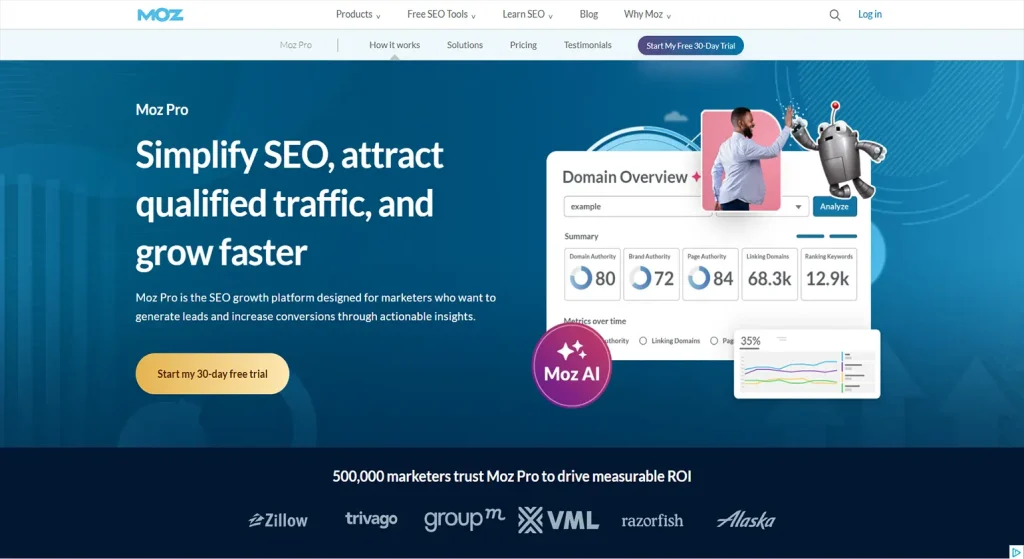
Moz Pro is a feature-rich SEO tool designed to simplify optimization efforts through data-driven insights. It offers powerful keyword research, site audits, and link analysis to help users enhance their search rankings. The tool’s intuitive interface and accurate domain authority (DA) metrics make it a favorite among SEO professionals. Moz Pro also includes a rank-tracking tool that helps businesses measure their keyword positions and progress over time.
Key Features
- Keyword Explorer for in-depth keyword research
- Site audits to identify and fix technical SEO issues
- Rank tracking with historical data insights
- Backlink analysis with domain authority metrics
- On-page optimization recommendations
Benefits: Moz Pro provides detailed SEO insights and simplifies complex tasks, making it easier for businesses to improve rankings and stay ahead of competitors.
3. Ahrefs

Ahrefs is a comprehensive SEO tool known for its advanced backlink analysis and keyword research capabilities. It provides deep insights into competitors’ strategies, allowing businesses to identify opportunities for growth. With its content explorer, users can find trending topics and improve their content strategy. Ahrefs also includes a site audit feature that scans websites for SEO issues and provides actionable recommendations.
Key Features
- Industry-leading backlink analysis and domain authority metrics
- Keyword Explorer for extensive keyword research
- Content Explorer to discover top-performing topics
- Site audit tool for identifying technical SEO issues
- Rank tracking for keyword performance monitoring
Benefits: Ahrefs is ideal for businesses looking to improve their backlink strategy and gain deeper competitive insights to strengthen their SEO efforts.
4. SE Ranking
SE Ranking is one of the best SEO project management tools designed for businesses and agencies. It offers a comprehensive set of tools, including keyword tracking, competitor analysis, and website audits. The platform is user-friendly and provides automated reporting, making it easier for teams to track their progress. SE Ranking also includes a white-label feature, making it an excellent choice for agencies managing multiple clients.
Key Features
- Accurate keyword rank tracking across different locations
- In-depth competitor analysis and SEO performance tracking
- Website audit tool for fixing technical issues
- Social media management and reporting integration
- White-label reports for agencies and businesses
Benefits: SE Ranking provides a cost-effective solution with powerful SEO and reporting features, making it ideal for businesses of all sizes.
5. Serpstat
Serpstat is an SEO and PPC analysis tool that helps businesses optimize their digital marketing strategies. It offers keyword research, backlink analysis, and site audits in a single platform. Serpstat is widely used for competitive analysis, providing valuable insights into organic and paid search management. Its affordability makes it a great option for startups and small businesses.
Key Features
- Keyword research and SERP analysis for SEO and PPC
- Backlink analysis to track and improve link-building efforts
- Site audit tool for detecting SEO issues
- Rank tracking for keywords in multiple regions
- AI-driven content marketing recommendations
Benefits: Serpstat offers a budget-friendly SEO solution with a wide range of features, making it an excellent choice for growing businesses.
6. Screaming Frog
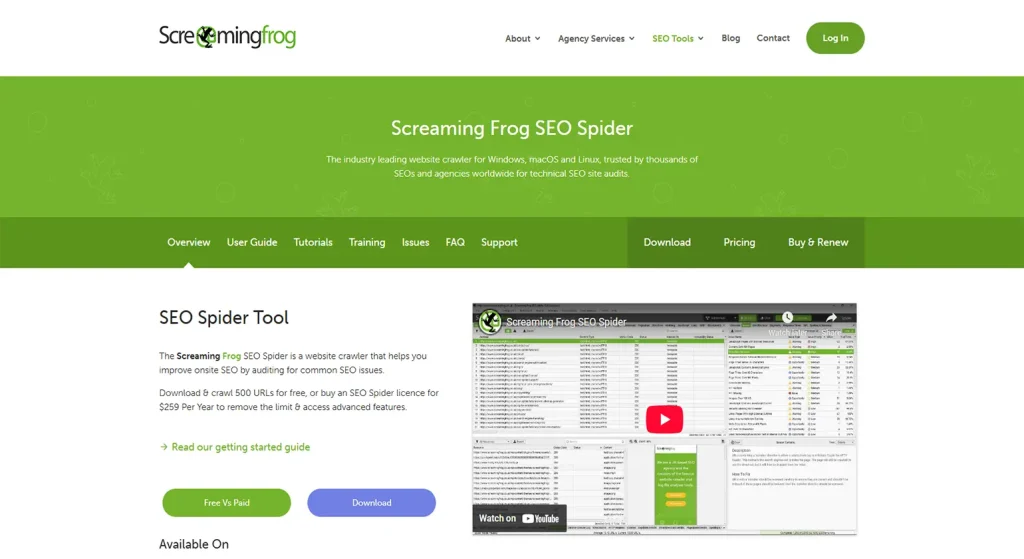
Screaming Frog is a technical SEO tool that helps users identify on-site issues affecting search rankings. It’s particularly useful for large websites, allowing businesses to analyze their site structure and detect broken links, duplicate content, and missing metadata. With its SEO Spider tool, users can crawl websites efficiently and gather critical insights for optimization.
Key Features
- Website crawling for technical SEO audits
- Detection of broken links, duplicate content, and redirect chains
- XML sitemap generation for improved indexing
- Integration with Google Analytics and Search Console
- Custom extraction for data analysis and insights
Benefits: Screaming Frog simplifies technical SEO audits, helping businesses quickly identify and resolve site issues that impact search engine rankings.
7. Asana

Asana is one of the top SEO project management tools that helps teams organize and manage SEO campaigns efficiently. While it is not an SEO-specific tool, its powerful task management features make it an excellent choice for SEO teams. With features like task assignments, due dates, and workflow automation, Asana ensures that SEO projects stay on track and deadlines are met.
Key Features
- Task and project management with kanban boards and lists
- Workflow automation to streamline repetitive SEO tasks
- Collaboration tools for teams to track progress in real time
- Customizable templates for different SEO campaigns
- Integration with SEO tools like Semrush, Google Drive, and Slack
Benefits: Asana enhances team productivity by providing a structured workflow, making SEO project management more efficient and organized.
8. SurferSEO
SurferSEO is a powerful on-page SEO tool that helps content creators and marketers optimize their content based on data-driven insights. It analyzes top-ranking pages and provides recommendations for improving keyword usage, content structure, and readability. The tool also offers a content editor with real-time scoring, ensuring that every piece of content is fully optimized before publication.
Key Features
- AI-driven content optimization based on SERP analysis
- Keyword research and topic clustering for improved SEO strategy
- Content editor with real-time scoring and NLP recommendations
- SEO audits to analyze existing pages and suggest improvements
- SERP similarity analysis to understand competitor strategies
Benefits: SurferSEO enhances content marketing strategies by providing real-time insights, making it easier to create highly optimized and rank-worthy content.
9. GTmetrix
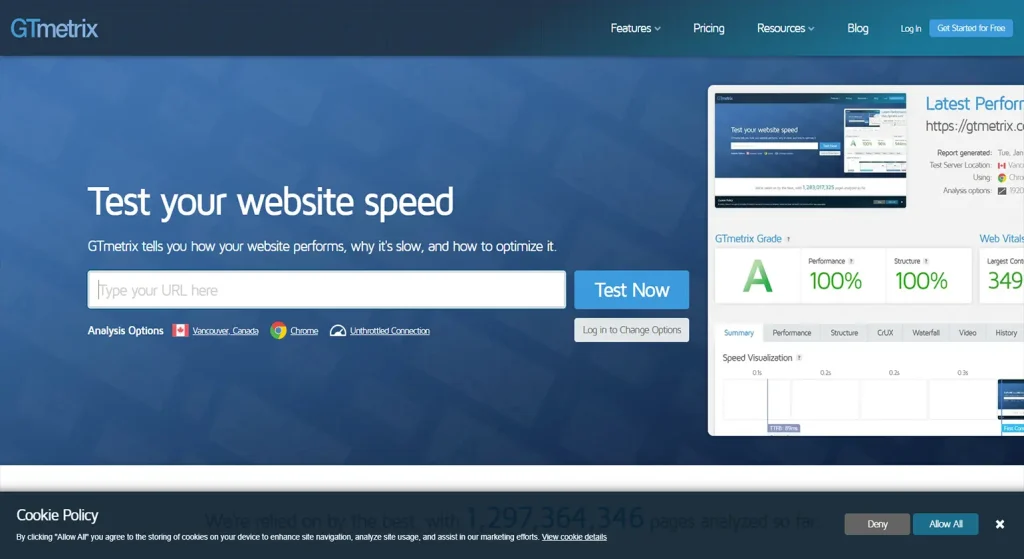
GTmetrix is a website performance and one of the best SEO project management tools that helps businesses improve page load times. Since site speed is a critical ranking factor for SEO, GTmetrix provides in-depth reports on performance metrics and offers actionable recommendations for enhancing site speed. It also includes waterfall charts to identify bottlenecks in site performance.
Key Features
- Detailed performance reports with Core Web Vitals analysis
- Waterfall charts to pinpoint slow-loading elements
- Mobile and desktop performance testing
- Real-time monitoring with scheduled performance audits
- Integration with Lighthouse for improved speed insights
Benefits: GTmetrix helps businesses optimize website speed, ensuring a better user experience and improved search rankings.
10. Google Looker Studio
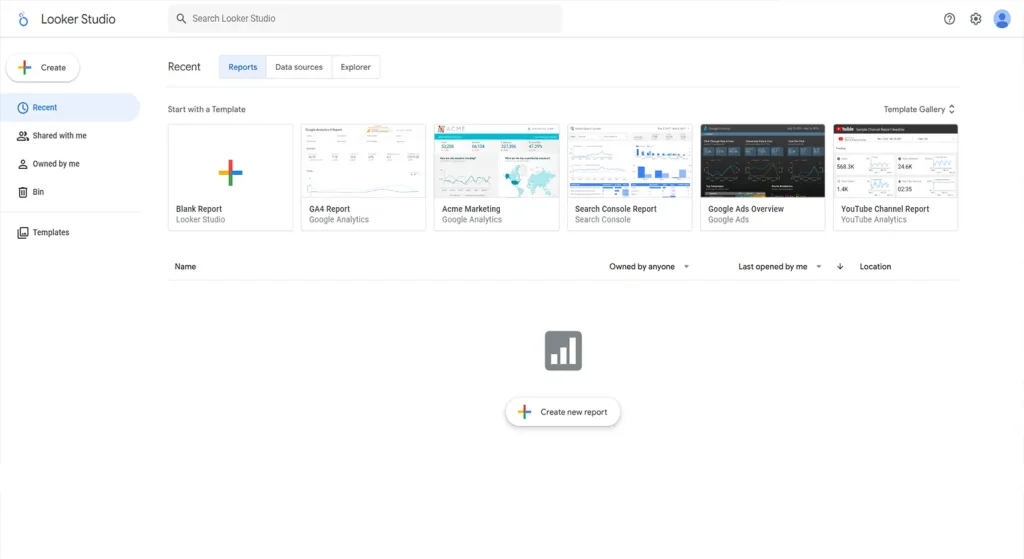
Google Looker Studio (formerly Google Data Studio) is a free data visualization tool that allows marketers to create customizable SEO reports. It integrates with multiple data sources, including Google Analytics, Search Console, and third-party Local SEO tools, to provide actionable insights. Users can create real-time dashboards to track keyword rankings, traffic trends, and SEO performance metrics.
Key Features
- Integration with Google Analytics, Search Console, and third-party SEO tools
- Customizable SEO dashboards with real-time data updates
- Interactive data visualizations for easy analysis
- Automated reporting and sharing capabilities
- Collaboration tools for team-based SEO monitoring
Benefits: Google Looker Studio simplifies SEO data tracking by creating dynamic reports, making it easier for teams to monitor performance and make data-driven decisions.
11. Hotjar
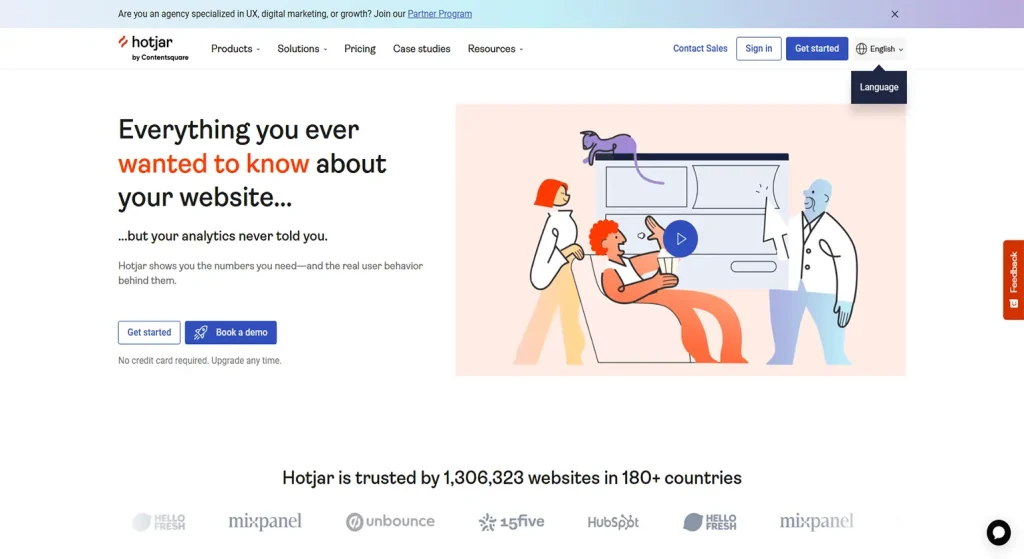
Hotjar is a user behavioral analytics tool that helps businesses understand how visitors interact with their websites. While not a traditional SEO tool, Hotjar provides insights into user engagement through heatmaps, session recordings, and feedback polls. These insights help marketers optimize website design and content for better user experience and SEO performance.
Key Features
- Heatmaps to visualize user interactions on web pages
- Session recordings to track visitor behavior and identify friction points
- Surveys and feedback tools to collect user insights
- Conversion funnel analysis to optimize user journeys
- Integration with Google Analytics and other SEO tools
Benefits: Hotjar helps businesses improve website usability and engagement, leading to lower bounce rates and higher search rankings.
12. Sitebulb
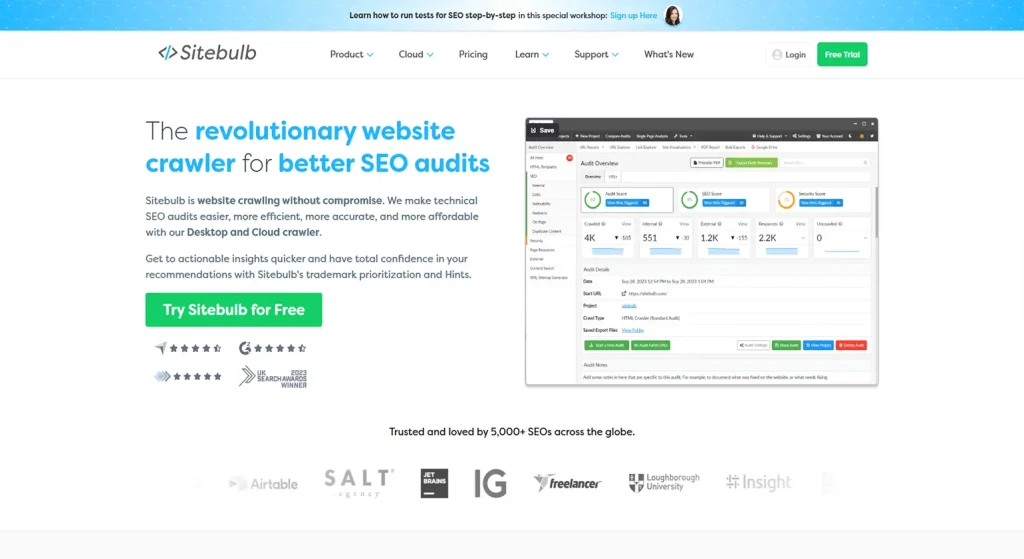
Sitebulb is one of the best SEO project management tools and SEO audit tool that provides detailed insights into technical SEO issues. It offers visualized reports that make it easy to understand website performance, crawlability, and ranking factors. Sitebulb is particularly useful for in-depth audits, helping SEO professionals identify and fix issues related to indexing, duplicate content, and mobile optimization.
Key Features
- Comprehensive SEO audits with visualized reporting
- Crawling and indexing analysis for better site structure optimization
- Duplicate content detection and internal linking analysis
- Mobile and Core Web Vitals assessment
- Integration with Google Search Console and other SEO tools
Benefits: Sitebulb simplifies technical SEO analysis by providing in-depth reports and actionable recommendations, helping businesses optimize their websites for better rankings.
13. ClickUp
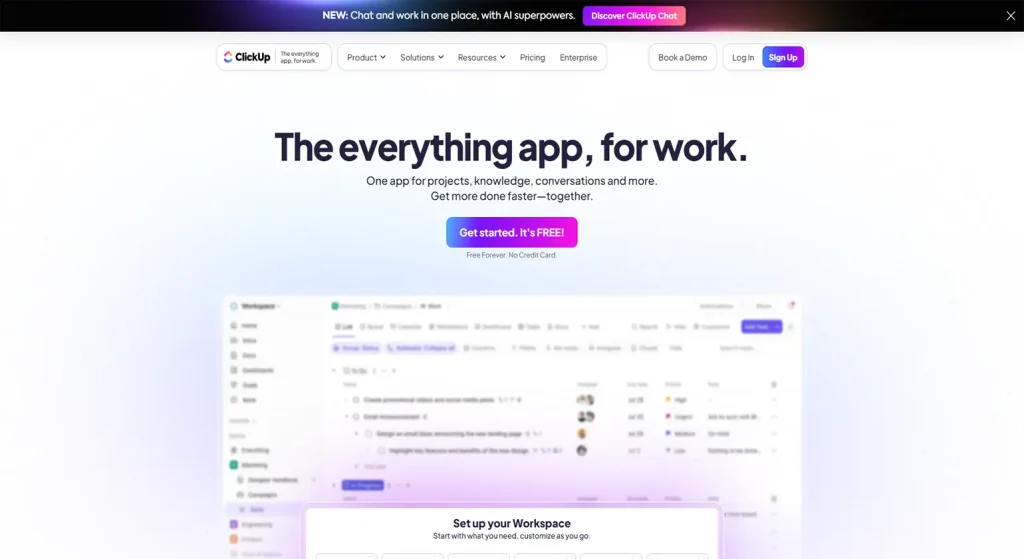
ClickUp is a highly customizable project management tool that helps SEO teams organize, track, and manage their campaigns efficiently. While not an SEO-specific tool, ClickUp provides powerful task management, automation, and collaboration features that streamline SEO workflows. Teams can create SEO roadmaps, assign tasks, track deadlines, and integrate ClickUp with popular SEO tools for seamless project execution.
Key Features
- Customizable workflows and kanban boards for SEO project management
- Task automation to streamline repetitive SEO activities
- Goal tracking and reporting for campaign performance analysis
- Document collaboration for content planning and keyword research
- Integrations with Semrush, Google Analytics, and more
Benefits: ClickUp improves SEO team productivity by offering an organized, scalable, and automated approach to project management.
14. Rank Ranger
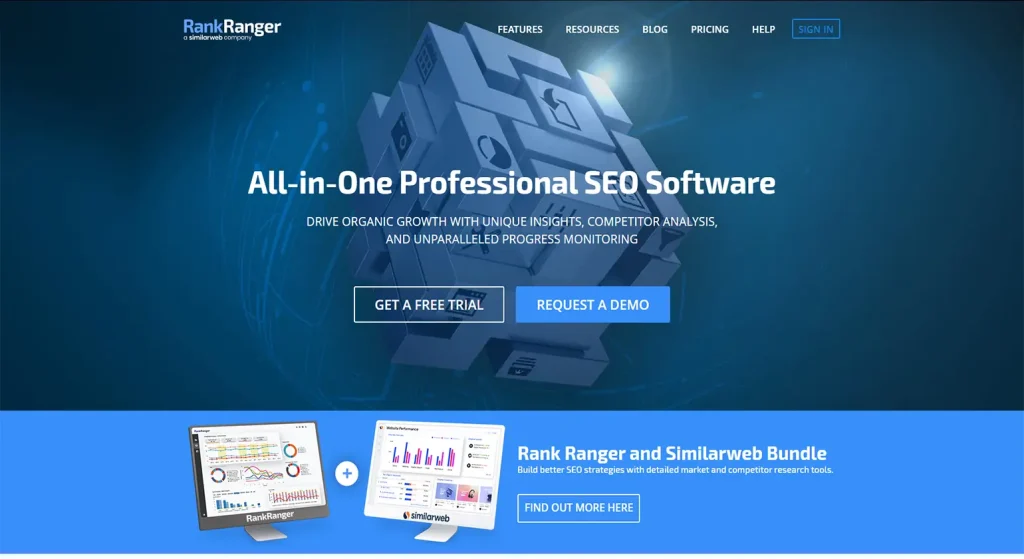
Rank Ranger is an advanced SEO tracking tool that provides in-depth rank monitoring, competitive analysis, and customizable reports. It offers real-time keyword tracking across multiple search engines and locations, making it an excellent choice for businesses targeting diverse audiences. With its white-label reporting and Application programming interface (API) integrations, Rank Ranger is especially useful for agencies and enterprises.
Key Features
- Accurate keyword rank tracking across multiple search engines
- Competitor analysis to compare rankings and SEO performance
- White-label reporting for agencies and client management
- Integration with Google Analytics and Search Console for real-time data
- SERP feature tracking, including featured snippets and local packs
Benefits: Rank Ranger helps businesses stay ahead of competitors by providing precise rank tracking and in-depth SEO performance insights.
15. BrightEdge
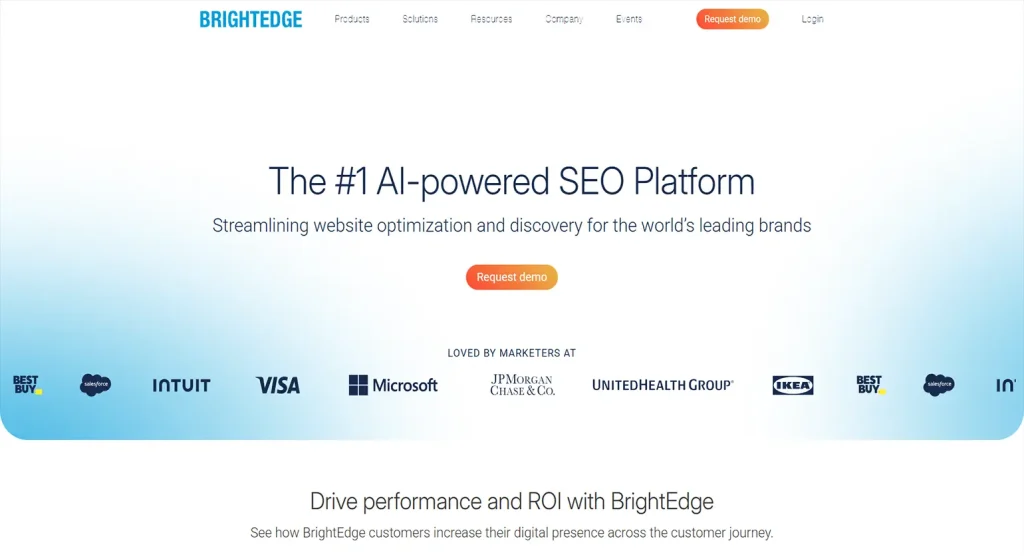
BrightEdge is one of the most powerful SEO project management tools and content marketing platform that leverages AI-driven insights to improve search performance. It provides real-time SEO recommendations, competitive benchmarking, and ecommerce content optimization strategies to help businesses maximize their visibility. BrightEdge is trusted by large organizations for its data-driven approach to SEO and extensive automation capabilities.
Key Features
- AI-powered SEO recommendations for content and technical optimization
- Competitive benchmarking to analyze market trends and strategies
- Automated keyword tracking and rank reporting
- Content performance analytics with actionable insights
- Enterprise-grade automation for large-scale SEO campaigns
Benefits: BrightEdge empowers businesses with AI-driven SEO strategies, ensuring scalable and data-backed optimization for long-term success.
Key Features to Look for in an SEO Project Management Tool

Choosing the right SEO project management services requires understanding the key features that can enhance efficiency and improve results. The best tools offer a combination of SEO functionalities and project management capabilities to help teams stay organized and achieve their goals. Here are five essential features to look for:
1. Task and Workflow Management
An effective SEO project management tool should allow you to create, assign, and track tasks with clear deadlines and priorities. Features like kanban boards, Gantt charts, and task dependencies help teams manage workflows efficiently, ensuring that all SEO activities—such as content optimization, link building, and audits—are executed on time.
2. SEO Data Integration and Reporting
The tool should integrate with Google Analytics, Search Console, and other SEO platforms to pull real-time data. Automated reporting features help track keyword rankings, traffic trends, and backlink performance, enabling data-driven decision-making. Customizable dashboards and scheduled reports keep stakeholders informed about SEO progress without manual effort.
3. Collaboration and Communication Tools
SEO projects often involve multiple team members, from content creators to technical SEO specialists. SEO project management tools should include built-in communication features like chat, comments, and file sharing to facilitate collaboration. Integrations with Slack, email, or other communication platforms help ensure seamless coordination across teams.
4. Automation and AI-Powered Insights
Automation can significantly reduce manual tasks like keyword tracking, performance alerts, and reporting. Some tools also leverage AI to provide actionable insights, such as content optimization suggestions, technical issue detection, and competitor analysis. These smart features help SEO teams work more efficiently and make informed decisions faster.
5. Scalability and Customization
Every SEO team has unique needs, so flexibility is key. The best seo project management software tools offer customizable workflows, reporting templates, and integrations to adapt to different strategies. Whether you’re managing a small in-house SEO campaign or a large agency with multiple clients, scalability ensures the tool can grow with your business.
How to Select the Right SEO Project Management Tool for Your Needs

- Assess Your SEO Workflow Needs: You must identify your required tasks which include keyword tracking, content planning, backlink monitoring and reporting to determine which tool will best suit your operational requirements.
- Ease of Use and Interface: Your team needs to use a platform that provides both simple navigation and straightforward design because it will help them learn the system more quickly.
- Integration Capabilities: The system needs to provide seamless integration with Google Analytics Google Search Console CMS and social media platforms to enable efficient data transfer.
Collaboration Features: Project management tools should enable teams to work together by providing task distribution capabilities and a system for team members to share feedback and track progress with live updates.
Reporting and Analytics: A tool should provide comprehensive reporting options together with visual dashboard displays and automated reporting functions to enable users to monitor their SEO metrics.
Scalability: You should evaluate whether the software can manage increased project requirements which include adding new team members and clients and operating multiple websites.
Budget and Pricing Plans: You should compare different pricing structures because they help you determine whether the tool delivers value which matches your financial limits through its initial payment and ongoing expenses.
SEO Project Management Success: 10 Smart Strategies to Stay on Track

SEO projects aren’t just about rankings—they’re about coordination, timing, consistency, and smart decision-making. From aligning teams to managing expectations and adapting to constant search changes, strong project management is what turns SEO plans into real results. Using seo project management tools helps keep work structured, measurable, and far less stressful. When everything is organized properly, campaigns stay focused and deliver results in a way that actually works.
1. Define Your SEO Goals and Strategy
Before any work begins, it’s essential to know why you’re doing SEO in the first place. Goals should be specific and meaningful—such as increasing qualified traffic, improving visibility for high-intent keywords, or supporting lead generation. Once goals are clear, build a strategy around them. This prevents wasted effort and ensures every task contributes to a bigger outcome, not just activity for the sake of activity.
2. Plan the Project
SEO becomes much easier when it’s planned instead of reactive. Break the campaign into clear phases—research, implementation, optimization, and review. Assign responsibilities, set timelines, and account for dependencies like content approvals or technical updates. A solid plan keeps teams aligned, avoids bottlenecks, and helps everyone understand how their work fits into the overall campaign.
3. Make Use of SEO Tools and Resources
Managing SEO without proper resources can slow everything down. Tools help organize tasks, analyze data, and track performance, while internal resources ensure the right people are involved at the right time. Whether it’s coordinating with developers, writers, or strategists, having the right support structure allows SEO teams to work efficiently and focus on strategy instead of manual work.
4. Establish Standard Operating Procedures (SOPs)
SEO projects benefit greatly from consistency. Standard operating procedures outline how recurring tasks should be handled, from content publishing to technical checks and reporting. SOPs reduce guesswork, maintain quality standards, and make it easier to scale campaigns or onboard new team members without disrupting workflows.
5. Track Progress and Performance Metrics
SEO results don’t happen overnight, which makes tracking progress especially important. Monitoring performance helps teams understand what’s improving, what’s stalled, and where adjustments are needed. Regular check-ins prevent surprises and keep campaigns moving forward with data-backed decisions instead of assumptions.
6. Communicate With Clients and Stakeholders
Strong communication is often what separates successful SEO projects from frustrating ones. Clients and stakeholders don’t just want results—they want clarity. Sharing updates, explaining priorities, and setting realistic timelines builds trust and reduces confusion. When everyone understands the process, collaboration improves and expectations stay aligned.
7. Troubleshooting & Adjustments
SEO rarely follows a straight line. Rankings fluctuate, technical issues appear, and algorithms change. Instead of reacting emotionally, effective SEO project management focuses on identifying issues early, analyzing the cause, and making informed adjustments. This flexible mindset helps campaigns stay resilient and prevents small problems from becoming major setbacks
8. Scaling SEO Efforts & Long-Term Success
As campaigns gain traction, the focus often shifts from improvement to expansion. Scaling SEO might involve targeting new keywords, creating more content, or optimizing additional pages. Planning for growth ensures that expansion doesn’t compromise quality. A scalable approach supports long-term success rather than short-term wins.
9. Prioritize Tasks Based on Impact and Resources
Not every SEO task deserves equal attention. Smart prioritization means focusing on activities that deliver the highest impact with the resources available. This helps teams avoid burnout and ensures time is spent on actions that truly contribute to performance, especially when managing multiple campaigns or tight deadlines.
10. Document Learnings and Optimize Future Campaigns
Every SEO project generates valuable insights. Documenting outcomes, challenges, and successes creates a reference point for future work. Over time, this knowledge helps teams refine strategies, avoid repeated mistakes, and build more predictable, high-performing SEO campaigns.
Common Mistakes to Avoid When Using SEO Project Management Tools

SEO project management tools can streamline workflows and improve results, but improper usage can lead to inefficiencies. Avoid these common mistakes to maximize the effectiveness of your tool and enhance your SEO strategy:
1. Ignoring Proper Tool Setup and Customization
Many users fail to configure their SEO tools according to their specific needs. Skipping customization options, such as setting up automated reports, defining workflows, or integrating essential platforms like Google Analytics, can limit the tool’s potential. Taking the time to properly set up and tailor the tool ensures better organization and accurate data insights.
2. Overlooking Team Collaboration and Task Assignments
SEO is a team effort, yet many businesses neglect to use collaboration features effectively. Failing to assign tasks, set deadlines, or communicate within the tool can lead to confusion and missed opportunities. Utilizing built-in communication, task management, and file-sharing features helps teams work efficiently and stay on top of SEO priorities.
3. Relying Solely on Automated Insights
Automation is valuable, but blindly following AI-generated suggestions without human oversight can be risky. SEO requires strategic decision-making, and not all automated recommendations align with long-term goals. It’s essential to review data critically, validate insights, and combine automation with expert analysis to implement the best SEO strategies.
4. Neglecting Regular Audits and Performance Reviews
Many businesses set up SEO project management tools but fail to conduct regular audits and progress checks. Without routine performance reviews, issues like declining rankings, broken links, or outdated content can go unnoticed. Scheduling frequent audits and monitoring key SEO metrics ensures continuous improvement and helps businesses stay ahead of the competition.
Importance of Managing SEO Projects Efficiently

- Effective management achieves three goals by organizing tasks and ensuring deadlines are fulfilled and establishing team member roles which leads to reduced work waste.
- The proper supervision of on-page and off-page and technical SEO activities ensures their correct execution which results in continuous search ranking enhancements.
- Project management success enables precise resource distribution which includes budget and tools and workforce while preventing both excessive spending and insufficient resource use.
- Teams achieve effective collaboration through dedicated communication channels and established operational processes which help them avoid repeated work and mistakes.
- Projects that receive proper management enable precise KPI measurement and ongoing progress reports which facilitate SEO success assessment.
Conclusion
SEO project management tools are essential for streamlining workflows, improving team collaboration, and enhancing search performance. By choosing the right tool and using it effectively, businesses can optimize their SEO strategies, track progress efficiently, and adapt to changing search engine algorithms. With structured project management, teams can achieve better rankings, drive more organic traffic, and ensure long-term digital success. Additionally, these tools help eliminate inefficiencies, reduce manual workload, and provide valuable insights for data-driven decision-making.
FAQs
1. What is an SEO project management tool?
An SEO project management tool is a software solution designed to help teams organize, track, and manage SEO-related tasks efficiently. These tools assist with keyword research, content planning, technical SEO audits, rank tracking, and reporting, ensuring a structured and strategic approach to SEO campaigns.
2. Why do businesses need an SEO project management tool?
Businesses need an SEO project management tool to streamline their SEO workflow, improve collaboration, and track progress effectively. These tools help teams manage multiple SEO tasks, automate reporting, monitor search rankings, and ensure that optimization efforts align with business goals.
3. What key features should I look for in an SEO project management tool?
An ideal SEO project management tool should include task automation, keyword tracking, SEO audit capabilities, reporting dashboards, and integrations with tools like Google Analytics and Search Console. It should also support collaboration, allowing teams to assign tasks, set deadlines, and track progress seamlessly.
4. How do SEO project management tools improve team collaboration?
These tools centralize all SEO-related activities in one platform, making it easier for teams to assign tasks, share files, and communicate efficiently. Features like shared workspaces, real-time updates, and task-tracking help teams stay aligned and work towards common SEO objectives.
5. Are SEO project management tools suitable for small businesses?
Yes, many SEO project management tools cater to small businesses by offering scalable pricing plans, user-friendly interfaces, and essential features like keyword tracking, reporting, and automation. Tools like Asana, ClickUp, and SE Ranking provide budget-friendly options for small teams.
6. How do I choose the best SEO project management tool for my needs?
To select the right tool, assess your SEO goals, budget, and team size. Look for features that align with your needs, such as technical audits, automation, and integrations with existing marketing tools. Many platforms offer free trials, allowing you to test their effectiveness before committing.