Table of Contents
Key takeaways
- Promotional marketing tools help businesses develop their marketing strategies through which they achieve their business objectives. They establish brand value through their communication to target audiences while creating product distinction which leads to customer buying behavior.
- Businesses gain better campaign management through effective promotional marketing tools which enable them to track their campaigns, evaluate their results, and manage their budget expenditures.
- Businesses need promotional marketing tools to remain competitive while using the tools to handle their campaigns and establish a powerful presence in both digital and traditional marketing channels.
What Are Promotional Marketing Tools and Why Do Businesses Use?
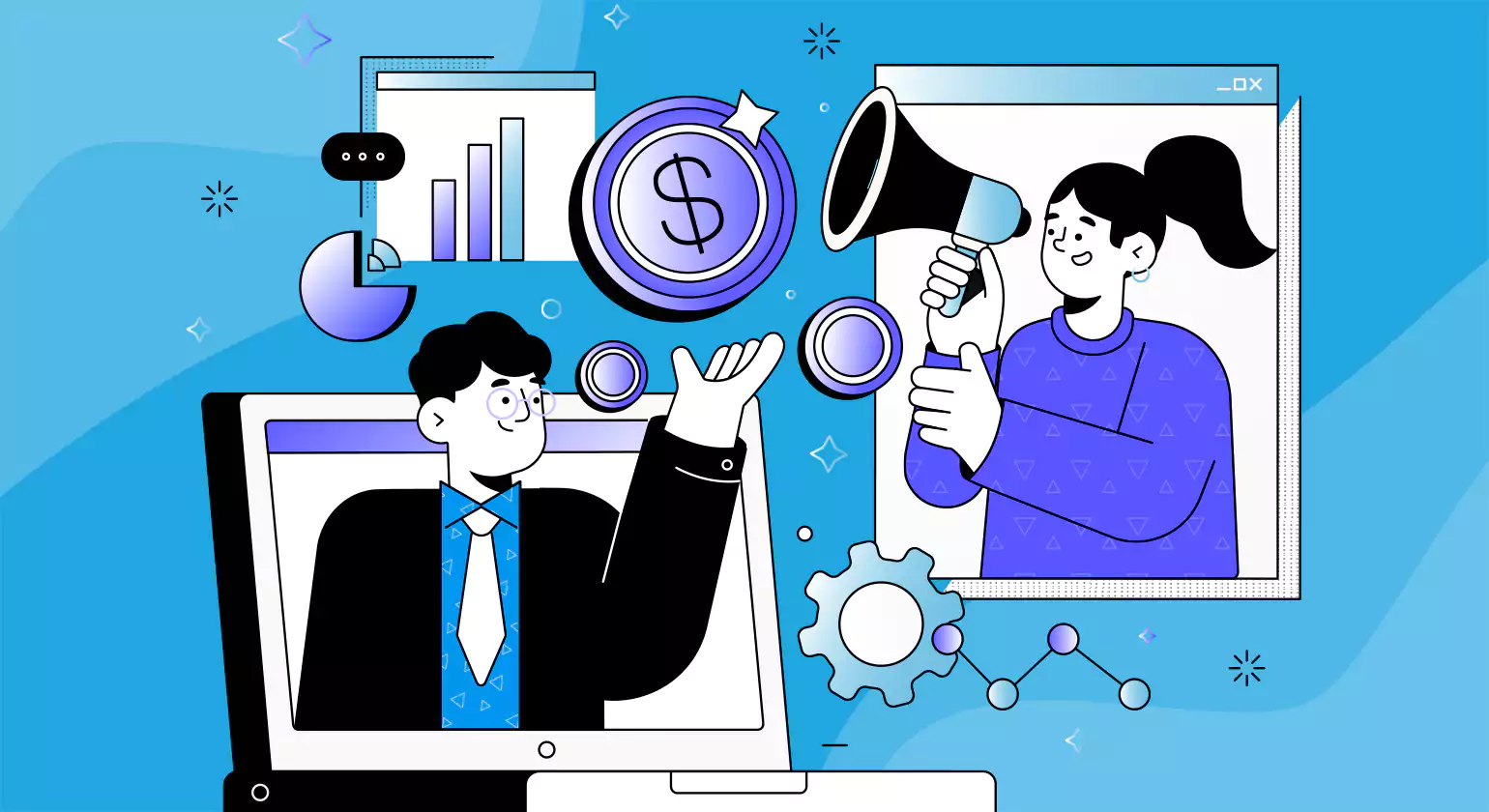
Promotional marketing tools help businesses develop their marketing strategies through which they achieve their business objectives. The marketing mix component which handles product promotion exists as one of four fundamental elements which marketers use to design their promotional strategies.
All promotional marketing tools use advertising which includes both social media ads and TV spots together with sales promotions which feature discounts and coupons and public relations which includes press releases and personal selling and direct marketing through email campaigns and SEO and influencer partnerships. The tools establish brand value through their communication to target audiences while creating product distinction which leads to customer buying behavior.
Key Examples
- Digital advertising solutions include Facebook and Instagram platforms together with Google Ads, which enable marketers to reach their desired audience.
- Sales incentives include buy-one-get-one free offers together with flash sales and free product samples.
- The content tools include email newsletters and blogs together with branded merchandise which includes items like pens and mugs.
- Public relations and events include trade shows and sponsorships which provide organizations with credibility.
Business Benefits
Businesses use these tools to build brand awareness, reach new customers, and reinforcing recall. They drive sales through urgency tactics like limited time offers and improve ROI via data analytics for optimization. Additional gains include customer loyalty from personalized engagement and scalability across channels.
15 Promotional Marketing Tools to Optimize Your Marketing ROI
In an era where data‑driven decisions and personalized experiences define success, choosing the right promotional marketing tools can dramatically elevate your campaign effectiveness and return on investment (ROI). These tools help marketing professionals automate workflows, track performance in real time, enhance audience engagement, and scale efforts without multiplying manual work. Below is a curated list of 15 high‑impact solutions across analytics, automation, advertising, and creative execution—each designed to support modern promotional strategies and measurable business growth.
1. Plerdy – Analytics & Conversion Optimization Tools
Plerdy is a comprehensive analytics suite that enables marketers to track user behavior, record heatmaps, and evaluate conversion funnels. With real‑time insights into how visitors interact with your site, Plerdy helps identify performance bottlenecks and optimize key pages such as landing pages and product detail screens. Its conversion optimization features—like event tracking and UX analysis—empower teams to refine messaging and layout, increase engagement, and ultimately boost conversion rates. For businesses focused on improving on‑site performance and making data‑backed decisions, Plerdy is a vital tool in the promotional stack.
USP: Real-time heatmaps, event tracking, and conversion funnel analysis.
Marketing Impact: Plerdy helps teams understand why users drop off and where improvements are needed. It is especially valuable for CRO-focused campaigns, landing page optimization, and UX testing.
2. WordPress – Website & Content Management Platform
WordPress is the world’s most widely used content management system (CMS), powering millions of branded websites, blogs, and e‑commerce portals. Its flexibility allows marketers to design promotional pages, publish SEO‑optimized content, manage media libraries, and integrate a variety of plugins for analytics, forms, and email capture. With built‑in SEO tools and hundreds of customizable themes, WordPress supports both beginners and experienced teams in building high‑performance digital experiences that attract organic traffic and convert visitors into subscribers and customers.
USP: Flexible, SEO-friendly CMS with a vast plugin ecosystem.
Marketing Impact: WordPress enables brands to control messaging, scale content production, and integrate promotional workflows across channels without technical dependency.
Use Case: A small business can use heatmaps to adjust product page layouts, increasing conversions by up to 20%.
Best Practice: Pair WordPress with SEM tools to improve organic reach and track content performance.
3. Mailchimp – Email Marketing Automation
Mailchimp remains a leading email marketing solution known for its intuitive interface and powerful automation capabilities. It enables marketers to create segmented campaigns, schedule automated journeys, and track engagement metrics like open rates and click‑through performance. With robust reporting and audience segmentation tools, Mailchimp supports personalized outreach that nurtures leads and strengthens customer relationships—making it invaluable for promotional campaigns that rely on timely, targeted email communication.
USP: Advanced automation, audience segmentation, and A/B testing.
Marketing Impact: Mailchimp supports lead nurturing, retention campaigns, and lifecycle messaging with measurable engagement and ROI insights.
4. SocialPilot – Social Media Scheduling & Management
SocialPilot is a social media management platform designed for businesses and agencies to schedule, publish, and analyze content across multiple networks from a single dashboard. It offers bulk scheduling, client management features, and performance analytics to ensure messages are published at optimal times. SocialPilot’s centralized calendar and reporting tools simplify cross‑platform promotional planning and help teams maintain consistency and efficiency in social engagement efforts.
USP: Multi-account scheduling, reporting, and team collaboration.
Marketing Impact: SocialPilot helps maintain consistent brand presence, optimize posting schedules, and measure social campaign performance efficiently.
Use Case: An agency can plan a month of posts for five clients in under an hour, ensuring consistent engagement.
5. Semrush – SEO & Competitor Analysis Tools
Semrush is an all-in-one competitive intelligence platform that helps marketers research keywords, monitor organic rankings, and analyze competitor strategies. With features like site audits, backlink tracking, content gap reports, and promotional marketing tools, Semrush empowers marketing teams to uncover SEO opportunities that increase visibility and traffic. Its extensive competitive research capabilities provide a strategic advantage by revealing what works in a specific niche and where untapped growth potential exists.
USP: Keyword research, backlink tracking, and competitive intelligence.
Marketing Impact: Semrush enables brands to identify growth opportunities, outrank competitors, and align content with search demand.
Best Practice: Use Semrush’s “Content Gap” feature to target keywords competitors are ranking for but your brand is not, capturing new leads.
6. BuzzSumo – Content Research & Trend Insights
BuzzSumo specializes in content discovery and trend analysis, allowing marketing teams to identify high‑performing topics, monitor industry influencers, and track social engagement patterns. By analyzing which articles, videos, and posts resonate most with audiences, BuzzSumo helps inform content strategy and surface ideas that are more likely to generate shares, backlinks, and audience interaction—making it an effective tool for crafting promotional content that performs.
USP: Discover trending content and key influencers.
Marketing Impact: BuzzSumo helps marketers create timely, shareable content backed by proven engagement data.
Use Case: A marketing team can identify trending topics in the tech industry and collaborate with influencers for content amplification.
7. HubSpot Marketing Hub – All‑in‑One Marketing Automation
HubSpot Marketing Hub is a unified platform that integrates email marketing, CRM, social media publishing, landing pages, automation workflows, and detailed analytics. Its visual workflow builder makes it easy to orchestrate multi‑stage campaigns that nurture leads through the customer journey. With robust analytics and contact segmentation, HubSpot helps teams tailor promotional activity to each audience segment and accurately measure the impact of each campaign on revenue growth.
USP: Integrates CRM, email, social media, landing pages, and analytics.
Tip: Use HubSpot to integrate email, social, and landing pages for a seamless customer journey.
Marketing Impact: HubSpot provides a unified view of the customer journey, making it ideal for scalable, data-driven promotional operations.
8. Hootsuite – Social Media Monitoring & Engagement
Hootsuite is a trusted solution for monitoring social conversations, scheduling posts, and engaging with audiences across major networks. With real‑time listening tools and customizable dashboards, marketers can track brand sentiment, identify trending topics, and respond quickly to customer interactions. Hootsuite’s integrated analytics also offer insights into performance patterns, making it easier to refine social strategies and optimize engagement in promotional campaigns.
Marketing Impact: Hootsuite enables proactive brand management and responsive engagement strategies.
USP: Real-time social listening, scheduling, and reporting.
Best Practice: Monitor competitor mentions and trending hashtags to adjust campaigns in real-time.
9. Canva – Graphic Design for Promotional Campaigns
Canva is a user‑friendly visual design platform that empowers businesses to create professional graphics, presentations, social media visuals, and print materials without extensive design skills. Its extensive library of templates and brand kits ensures consistency across all promotional assets. For teams that need to produce high‑quality creative quickly and cost‑effectively, Canva streamlines design workflows and enhances visual communication across every channel.
USP: Easy-to-use design platform with templates and brand kits.
Marketing Impact: Canva accelerates creative production while maintaining visual consistency across campaigns.
10. Unbounce – Landing Pages & Conversion Tools
Unbounce is a landing page and conversion optimization platform that enables marketers to build responsive, high‑performing landing pages without developer support. With A/B testing, dynamic text replacement, and conversion analytics, Unbounce helps teams tailor landing experiences to specific audience segments and measure what resonates best. This tool is especially valuable for promotional campaigns focused on lead generation and paid advertising ROI.
USP: Drag-and-drop landing page builder with A/B testing and analytics.
Marketing Impact: Unbounce improves campaign ROI by aligning landing experiences with audience intent.
11. Google Ads – Paid Search Advertising Campaigns
Google Ads is the leading platform for paid search marketing, allowing businesses to display ads to users actively searching for products and services. With keyword targeting, bid optimization, and detailed performance metrics, Google Ads functions as one of the most effective promotional marketing tools, helping marketers attract highly relevant traffic and drive conversions based on user intent. Strategic use of search, display, and video ad formats can significantly amplify reach and accelerate campaign impact.
USP: Keyword-targeted ads with precise bidding and analytics.
Marketing Impact: Google Ads drives immediate visibility and scalable lead generation when optimized correctly.
12. Facebook Ads Manager – Paid Social Campaigns
Facebook Ads Manager enables precise targeting across Facebook, Instagram, and the Meta Audience Network. Its advanced audience segmentation and dynamic creative tools allow marketers to tailor promotional content to specific user interests, behaviors, and demographics. Performance tracking and optimization features help maximize engagement and conversion outcomes, making this platform essential for paid social promotional efforts.
USP: Advanced audience targeting, dynamic ads, and analytics.
Marketing Impact: This platform excels in audience targeting, brand awareness, and retargeting efficiency.
13. Ahrefs – SEO & Backlink Analysis Tools
Ahrefs is a comprehensive SEO platform known for its powerful backlink index, keyword research features, and site auditing tools. By analyzing competitor backlink profiles and identifying high‑value keywords, marketers can strengthen their organic search strategy. Ahrefs also helps uncover technical SEO issues and track ranking progress, making it a key resource for enhancing search visibility and long‑term traffic growth.
USP: Comprehensive SEO tool for backlinks, keyword research, and site audits.
Marketing Impact: Ahrefs supports long-term organic growth and authority building.
14. Mailerlite – Email Marketing for SMBs
Mailerlite is an accessible email marketing solution ideal for small to medium‑sized businesses. It offers email automation, drag‑and‑drop editors, and audience segmentation in an easy‑to‑use interface. With cost‑effective pricing and essential features like campaign reporting and A/B testing, Mailerlite supports targeted promotional campaigns that nurture leads and retain customers without overwhelming complexity.
USP: Affordable and user-friendly email automation platform.
Marketing Impact: Mailerlite is ideal for SMBs seeking simplicity without sacrificing effectiveness.
15. Instagram & TikTok Marketing Tools – Social Media Promotions
Instagram and TikTok each offer native tools for creators and businesses to drive engagement through visual storytelling. Built‑in features like Reels, shopping tags, analytics dashboards, and ad placement options help brands connect with audiences using short‑form video and interactive content. These platforms’ trend‑driven nature makes them powerful channels for viral promotions and influencer collaborations that expand reach and build brand affinity among younger demographics.
USP: Native tools for short-form video, trends, and influencer engagement.
Marketing Impact: These platforms enable viral reach, influencer-led growth, and strong brand affinity among younger audiences.
Case Study: Turning Traffic into Conversions for a Growing E-Commerce Brand
A mid-sized e-commerce brand came to us struggling to convert website visits into sales. Traffic was there, but engagement and conversions were low. Their campaigns were scattered across tools, and customer journeys weren’t cohesive.
What We Did –
- Landing Pages: Using Unbounce and Plerdy, we optimized pages and tested layouts, improving clarity and CTAs.
- Email Campaigns: Through Mailchimp and Mailerlite, we sent personalized messages based on browsing and purchase history.
- Content & Social: We used BuzzSumo and Semrush to create relevant blogs and videos, and scheduled posts with SocialPilot and Hootsuite for consistent engagement.
- SEO & Ads: Ahrefs and Google Ads helped target high-intent keywords and ensure seamless ad-to-site experience.
Results
- Landing page conversions ↑ 28%
- Email engagement ↑ 35%
- Social engagement doubled
- Overall revenue ↑ 18% in three months
Key Takeaway
It wasn’t just the tools—it was how we integrated them to create a seamless, personalized experience. Testing, analyzing, and coordinating across channels turned scattered efforts into measurable growth.
8 Advanced Promotional Marketing Strategies Using Promotional Marketing Tools
AI-Driven Personalization
AI tools analyze customer data to create personalized ads and emails and content which performs at 40 to 50 percent higher open rates because of its personalized recommendations. Businesses integrate these into their websites and applications to deliver interactive content which adapts to user behavior.
Predictive Analytics Campaigns
The analytics platforms enable organizations to execute machine learning models which estimate consumer purchasing behavior and send targeted offers before customers begin their search, which improves sales funnel efficiency. The organization employs this approach to decrease customer attrition while increasing conversion rates.
Conversational Marketing with Chatbots
The implementation of AI chatbots as promotional marketing tools on websites and social platforms enables users to interact with businesses through real-time communication, which helps customers complete their purchases by reducing their decision-making process. The system operates through messaging applications to provide users with continuous access to service at all times.
Generative AI Video Ads
The Generative AI tools allow users to create infinite video advertisement variations which they can use to perform quick A/B tests and execute highly specific advertising campaigns without incurring expensive production expenses. This enhances creative output for TikTok and YouTube content creators.
Augmented Reality Try-Before-Buy
The implementation of AR filters and applications enables users to test virtual products which include furniture arrangements and makeup applications and this results in a 20% conversion rate increase. The system provides e-commerce businesses with a complete virtual shopping experience.
Gamified Loyalty Programs
The creation of gamification tools which incorporate rewards and challenges and leaderboards will help businesses increase customer engagement through their applications and email campaigns. The process transforms audiences who observe content into people who actively support brands.
In-Game and Social Commerce Ads
The platform enables users to add branded content into video games while they can use Instagram and TikTok native tools to create shoppable posts which allow customers to make purchases without any obstacles. The system delivers contextual marketing which does not disrupt user experience to reach Gen Z consumers.
Employee and UGC Amplification
The system enables employees to use social media tools for advocacy while businesses use social media to gather user-generated content which they use to create reliable advertising campaigns that build consumer trust. The system provides businesses with organic reach expansion through hashtag usage and incentive programs.
12 Proven Promotional Marketing Methods to Boost Your Brand
Promotional marketing isn’t about testing random tactics and hoping something works. The brands that truly stand out treat promotion as a connected system. Every message, channel, and interaction works together to guide people from first discovery to long-term loyalty.
Each method plays a different role. Some help people notice your brand for the first time. Others build credibility and trust. And a few are designed to nudge buyers toward action or keep existing customers coming back. What really separates effective promotion from wasted effort is knowing when to use each method, who it’s meant for, and how to measure whether it’s working.
With the right promotional marketing tools in place, businesses can apply these methods consistently, track performance across channels, and refine their approach as they grow. Below are 12 proven promotional marketing methods that help brands get noticed, earn trust, and drive real results.
Advertising for Brand Visibility
Advertising is often the first introduction between your brand and a potential customer. It puts your message in front of people long before they’re ready to buy—and that early exposure matters more than many realize. Whether it’s a search ad, a social media campaign, or a short video, advertising helps your brand feel familiar when the decision moment finally arrives.
The most effective advertising doesn’t try to shout over everyone else. Instead, it focuses on consistency and clarity. Strong brands guide audiences through a journey—highlighting a problem, introducing a solution, and reinforcing what makes them different. Over time, this repetition builds recognition and trust without feeling repetitive.
Clicks and impressions are useful, but they’re not the whole story. True impact often shows up later, through increased brand searches, repeat exposure, and conversions influenced by earlier ads. When people recognize your name before they’re ready to buy, advertising has already done its job.
Sales Promotion – Discounts, Bundles, and Offers
Sales promotions are designed to give people a gentle push when they’re on the fence. A limited-time discount, a bundle, or a special offer can reduce hesitation and create a sense of urgency.
However, promotions work best when they’re used thoughtfully. Constant discounts can actually hurt your brand by teaching customers to wait for deals. Smarter brands tie promotions to behavior—like a first purchase, an abandoned cart, a renewal, or an upgrade—so offers feel timely and relevant.
For instance, offering a small incentive after someone has viewed a product multiple times feels helpful rather than desperate. When promotions are well-timed and personalized, they increase conversions while protecting long-term brand value.
Public Relations (PR) – Media and Brand Reputation
Public relations is about shaping how people talk about your brand when you’re not in the room. Media coverage, interviews, awards, and expert features build credibility in ways paid ads simply can’t.
Good PR takes time. It’s built through consistent storytelling across press coverage, leadership messaging, and brand communications. Over time, this consistency positions your business as trustworthy and authoritative.
PR also provides long-term protection. Brands with strong reputations and media relationships tend to recover faster from challenges. When trust is already established, customers and partners are far more willing to give you the benefit of the doubt.
Personal Selling – Direct Engagement Techniques
Personal selling is especially effective when buying decisions are complex or high-value. Instead of pushing a product, modern sales teams focus on understanding needs and offering tailored solutions.
The best sales conversations are informed by insight. Knowing which pages a prospect visited, what content they engaged with, or which emails they opened allows sales reps to have more meaningful, relevant discussions. This shifts the conversation from selling to problem-solving.
When done well, personal selling builds trust, improves deal quality, and strengthens long-term relationships. Customers feel supported rather than pressured—and that makes all the difference.
Direct Marketing – Email, SMS, and Direct Mail
Direct marketing gives brands a direct line to their audience. Email, SMS, and even physical mail allow you to communicate without relying on algorithms or paid placements.
Success here comes down to relevance. High-performing campaigns adapt based on where someone is in their journey. A new subscriber may need education, while a loyal customer might appreciate exclusive access or early offers.
Testing is key. Small changes in subject lines, timing, or message tone can significantly impact engagement, making experimentation one of the most valuable promotional marketing tools available to marketers. When direct marketing is thoughtful and data-driven, it strengthens customer relationships, improves response rates, and delivers value without overwhelming audiences.
Digital Marketing – Online Campaign Strategies
Digital marketing brings everything together—visibility, engagement, and conversion—inside a measurable online environment. It includes paid ads, organic search, websites, and conversion optimization working as one system.
A common mistake is focusing too much on traffic and not enough on experience. Sending people to unclear or mismatched landing pages wastes budget and opportunity. Successful digital strategies align messaging from the first click to the final action.
When done right, digital marketing creates smooth, intuitive journeys that feel helpful, not forced—leading to better engagement and stronger ROI.
Social Media Marketing – Engagement and Reach
Social media is where brands get to show their personality. Beyond promotion, it’s a space for conversation, feedback, and connection.
Each platform has its own style and audience behavior. What performs well on LinkedIn may not work on TikTok or Instagram. Brands that understand these differences—and adapt their content accordingly—tend to see stronger engagement.
Responding to comments, sharing behind-the-scenes moments, and joining conversations signal authenticity. Over time, this builds loyalty and trust that goes far beyond likes or shares.
Content Marketing – Blogs, Videos, and Guides
Content marketing helps customers long before they’re ready to buy. Blogs, videos, and guides answer questions, explain options, and reduce uncertainty.
The most effective content is grounded in real experience. It tackles specific challenges, addresses common objections, and supports different stages of the buyer journey. This depth improves search performance while building credibility.
When content consistently delivers value, customers start to trust your expertise—often before they ever speak with your sales team.
Influencer Marketing – Leveraging Trusted Voices
Influencer marketing works because it feels human. People trust recommendations from voices they already follow and respect.
Bigger reach doesn’t always mean better results. The most effective partnerships focus on relevance and authenticity. An influencer who truly understands your product and audience will outperform someone with a large but disengaged following.
Long-term collaborations build familiarity and trust, making influencer marketing feel like a natural extension of your brand rather than a paid promotion.
Event Marketing – Webinars, Trade Shows, and Launches
Events create opportunities for real-time connection. Webinars, trade shows, and product launches allow brands to educate, interact, and showcase expertise.
The biggest returns usually come after the event. Follow-up emails, recorded sessions, demos, and nurturing campaigns extend the value well beyond the live moment.
When events are integrated into a broader marketing strategy, they become powerful tools for trust-building and lead generation.
Sponsorship Marketing – Strategic Brand Partnerships
Sponsorships connect your brand with experiences and values your audience already cares about. Whether it’s a conference, community initiative, or industry event, the right sponsorship strengthens brand perception.
Simply placing a logo isn’t enough. Effective sponsorships include storytelling, engagement opportunities, and content that ties the partnership back to the audience’s interests.
When done thoughtfully, sponsorships feel authentic and meaningful—not promotional.
Word-of-Mouth Marketing – Referral and Advocacy Programs
Word-of-mouth marketing turns happy customers into growth drivers. Referrals, testimonials, and advocacy programs rely on trust rather than persuasion.
Timing and simplicity are crucial. Asking for referrals when customers are most satisfied—and making it easy to share—dramatically increases participation. Incentives help, but genuine enthusiasm delivers the strongest results.
Over time, advocacy compounds. Loyal customers bring in new ones, lowering acquisition costs and strengthening brand credibility at the same time.
All-in-One vs. Specialized Promotional Marketing Tools
Choosing between an all-in-one marketing platform and specialized promotional tools isn’t just a software decision—it shapes how efficiently your marketing runs, how easily it scales, and how much value you get over time. Most businesses today juggle multiple channels at once: email, social media, search, paid ads, content, and more. How you manage all of that behind the scenes can either simplify your life or quietly slow you down.
This comparison isn’t about declaring one option “better” than the other. Instead, it’s about understanding which approach fits your goals, team size, budget, and growth stage. Some businesses thrive with everything neatly centralized in one place. Others get better results by choosing best-in-class tools for specific jobs.
Advantages of All-in-One Marketing Platforms
All-in-one marketing platforms bring multiple functions—email marketing, CRM, social scheduling, automation, analytics, and lead management—under one roof. Their biggest strength is simplicity through centralization.
With everything connected in a single system, teams spend less time jumping between tools and more time focusing on execution. Campaigns are easier to manage, performance is easier to track, and sales and marketing teams can work from the same data instead of separate dashboards.
Consistency is another major benefit. When all your channels live in one platform, messaging, branding, and reporting stay aligned. This is especially helpful for smaller teams or businesses without dedicated technical resources. There’s less setup, fewer integrations to worry about, and a faster learning curve for new users.
From a bigger-picture standpoint, all-in-one platforms make lifecycle marketing easier. You can follow a prospect from their first interaction all the way through conversion and retention without losing visibility. That full-funnel view helps teams make smarter decisions and focus on long-term customer value, not just short-term wins.
When Specialized Promotional Tools Perform Better
Specialized promotional tools are designed to do one thing—and do it extremely well. Whether it’s SEO research, email deliverability, conversion optimization, paid advertising, or content analysis, these tools go deeper than most all-in-one platforms can.
They’re often the go-to choice for experienced teams with clear workflows and high performance expectations. For example, a business competing in a crowded market may need advanced keyword insights, detailed audience targeting, or robust testing features that only specialized tools offer.
Another advantage is flexibility. Specialized tools tend to evolve quickly, adding features that respond to new trends and platform changes. For teams that care deeply about optimization—fine-tuning campaigns, testing variations, or personalizing experiences—building a custom stack of specialized tools can unlock stronger results than relying on a single, broad platform.
Integration, Scalability, and Pricing Considerations
Integration is where these two approaches really differ. All-in-one platforms keep integrations to a minimum, which simplifies setup but can limit customization. Specialized tools, on the other hand, require more planning to ensure data flows smoothly between systems—but that extra effort often pays off in flexibility.
Scalability also depends on where your business is headed. Early-stage teams or those with limited resources often appreciate all-in-one platforms for their predictable pricing and easier management. As companies grow, though, they may start to feel constrained by limited customization, shallow reporting, or channel-specific limitations.
Pricing structures reflect this difference. All-in-one platforms usually bundle features together, which can be cost-effective early on—even if you don’t use everything. Specialized tools tend to use modular pricing, so you only pay for what you need. The trade-off is that costs can add up as your tool stack expands.
How to Choose the Right Promotional Marketing Tools for Your Business
Choosing marketing tools isn’t about picking the one with the most features—it’s about picking the ones that actually help you achieve your goals. The right promotional marketing tools make your campaigns smoother, your data cleaner, and your results easier to measure. The wrong ones? They create confusion, wasted budget, and half-finished campaigns.
Think of it like building a kitchen: it’s not about having every gadget on the market—it’s about having the right knives, pans, and appliances that match your cooking style. Similarly, your marketing stack should support your strategy, fit your team’s workflow, and grow with your business.
Selecting Tools Based on Marketing Goals
- Awareness: If your goal is to get noticed, look for tools that help you reach the right audience, track engagement, and understand trends. Think social listening platforms or analytics dashboards.
- Lead generation & conversion: For turning interest into action, you need strong automation, targeting, and optimization features. Email marketing, CRM integrations, and A/B testing tools fit here perfectly.
- Retention & loyalty: Tools that track customer behavior, personalize messaging, and measure engagement make keeping customers easier and more profitable.
B2B vs. B2C Promotional Tool Requirements
- B2B: Longer sales cycles, multiple decision-makers, and relationship-driven engagement define the space. Look for tools that support lead nurturing, account-based marketing, detailed attribution, and CRM integration.
- B2C: Speed, scale, and emotional connection are key. Tools should handle high-volume campaigns, real-time personalization, social engagement, and seamless mobile experiences. Behavioral targeting is especially important here.
Budget Planning and ROI Evaluation
Budgeting for tools isn’t just about the sticker price. A cheap tool that slows your team down or produces poor results ends up costing more in the long run.
When evaluating ROI, look at:
- Direct returns: Leads, conversions, and revenue generated.
- Indirect returns: Time saved, workflow efficiency, improved data quality, and better decision-making.
Also, consider pricing flexibility. Scalable, usage-based models help growing businesses adapt without constantly switching platforms, while transparent cost structures prevent surprises down the line.
Data Security, Compliance, and Reliability Factors
Data security isn’t optional. Your tools handle sensitive customer information, so compliance and reliability are non-negotiable.
Make sure your tools:
- Follow relevant data protection laws.
- Offer secure storage and clear access controls.
- Are reliable, with minimal downtime and accurate reporting.
Beyond technical safeguards, vendor stability and support matter too. Regular updates, responsive service, and long-term reliability ensure your campaigns run smoothly and your team can trust the data powering decisions.
Best Practices for Using Promotional Marketing Tools Effectively
Using promotional tools isn’t just about plugging in software—it’s about using them smartly to make your marketing more efficient, personalized, and measurable. When applied thoughtfully, these tools can save time, improve targeting, and boost ROI. But tools alone won’t deliver results; it’s how you integrate them into a workflow, plan campaigns, and refine your approach that makes the difference.
Think of it like having a high-end kitchen: having the tools is great, but knowing when, how, and in what order to use them is what turns ingredients into a delicious meal. The same principle applies to marketing—tools empower you, but strategy drives results.
Campaign Planning and Execution Strategies
A successful campaign starts long before hitting “publish.” You need a clear plan: what’s the goal, who’s your audience, how will you measure success, and which channels will you use? Without these building blocks, even the best tools can’t deliver meaningful results.
Execution is where tools shine. Content calendars, automated workflows, and A/B testing capabilities ensure that your campaigns go out at the right time, with the right message, and with minimal manual effort. For example, scheduling emails or social posts in advance keeps your brand consistently visible, while testing different headlines or CTAs helps identify what actually resonates with your audience.
Audience Targeting and Personalization Best Practices
Generic messages no longer cut it. People expect content that feels relevant and tailored to them. That’s where audience targeting and personalization come in. By leveraging segmentation, behavioral data, and demographics, you can deliver messages that align with a person’s preferences, interests, and purchase behaviors.
Advanced promotional marketing tools can help automate this personalization. Imagine a customer who abandoned a shopping cart last week—an automated email reminder with a small incentive can nudge them to complete their purchase. Or a loyal customer could receive early access to a new product, making them feel valued. Personalization isn’t just about using someone’s first name—it’s about delivering the right message, in the right channel, at the right time.
Maintaining Cross-Channel Promotion Consistency
Consistency matters. If your email says one thing, your social posts another, and your ads something completely different, audiences get confused—and that erodes trust. Strong brands deliver a unified experience across all channels.
Marketing tools can centralize templates, messaging, and reporting so your campaigns look and feel cohesive everywhere. Whether it’s email, social media, paid ads, or website content, maintaining the same tone, visual style, and value proposition helps audiences remember your brand and engage more deeply. Think of it as a symphony: each instrument plays a part, but together they create harmony.
Measuring Results and Optimizing Campaigns
The magic of promotional tools are that they allow you to track performance in real time. Every campaign should be measured and refined continuously. Look at engagement rates, conversions, cost per acquisition, and ROI to see what’s working and what’s not.
Good tools don’t just report—they guide you. Predictive insights and automated recommendations can help you adjust targeting, messaging, or timing to improve results mid-campaign. Over time, these insights compound, making each new campaign smarter, more efficient, and more profitable than the last.
Common Mistakes to Avoid When Using Promotional Marketing Tools
Even the best promotional marketing tools can fall flat if they’re not used thoughtfully. Many businesses invest heavily in fancy technology, only to see underwhelming results because of overlooked strategy, inconsistent execution, or poor operational practices. The good news? Most mistakes are avoidable. By recognizing common pitfalls, you can maximize ROI, engage your audience more effectively, and make your marketing efforts truly count.
Think of tools as a high-performance car: having it is great, but if you don’t know how to drive—or take care of it—you won’t reach your destination efficiently. Let’s break down the mistakes to avoid and how to steer clear of them.
Ignoring Audience Targeting and Segmentation
One of the biggest missteps is treating all audiences the same. Sending the same message to everyone is like throwing spaghetti at the wall—you might get some hits, but most of it will miss.
Segmentation is key. Divide your audience by demographics, behavior, purchase history, or intent, and tailor your messages accordingly. For example, a first-time shopper might receive a welcome offer, while a loyal customer could get early access to a new product. Personalized messaging increases relevance, boosts conversions, and builds long-term loyalty.
Overlooking Data Analysis and Performance Metrics
Tools generate mountains of data, but simply collecting it isn’t enough. Launching campaigns without monitoring results is like sailing without a compass—you won’t know where you’re going or how to adjust course.
Track engagement rates, click-throughs, conversions, and ROI. Use this data to tweak campaigns, optimize budgets, and make decisions based on evidence rather than gut feeling. Over time, these insights allow your campaigns to improve continuously and deliver better results with less wasted effort.
Using Too Many Tools Without Integration
Having too many tools that don’t talk to each other creates confusion, inefficiency, and inconsistent messaging. Imagine juggling multiple apps, spreadsheets, and dashboards—you’re bound to drop the ball somewhere.
The solution? Create an integrated tool stack. Centralize data, automate workflows, and sync campaigns across channels. Integration makes collaboration smoother, ensures consistent branding, and provides accurate reporting, helping your team stay on top of campaigns without unnecessary stress.
Neglecting Mobile and Multi-Platform Optimization
A huge chunk of your audience interacts with brands via mobile devices or across multiple platforms. Ignoring this reality leads to clunky experiences, high bounce rates, and lost opportunities.
Make sure your tools support responsive design, mobile-friendly content, and cross-platform tracking. Whether someone engages on a phone, tablet, or desktop, your campaigns should feel seamless. Consistent, optimized experiences across devices not only improve performance but also strengthen brand credibility.
Failing to Update Content and Campaigns Regularly
Stale content is a silent campaign killer. Old messaging, outdated graphics, and neglected landing pages make your brand feel irrelevant—and audiences will tune out.
Regularly refresh your creative assets, messaging, and promotions. Updating content keeps campaigns aligned with current trends, audience preferences, and market changes. Dynamic campaigns stay engaging, improve SEO performance, and help your brand remain top-of-mind.
Relying Solely on Automation Without Personalization
Automation is powerful—it saves time and scales efforts—but it can backfire if overused. Generic, robotic messages turn audiences off rather than engaging them.
The best approach combines automation with personalization. Use behavioral triggers, lifecycle-based messaging, and context-aware content to make each interaction feel relevant and thoughtful. Automation handles the heavy lifting, while personalization ensures your audience feels seen and valued. This balance improves engagement, loyalty, and overall ROI.
Conclusion
Promotional marketing tools are powerful, but their impact depends entirely on how thoughtfully they’re used. The best results come from combining the right technology with clear strategy, audience understanding, and continuous optimization. Avoiding common pitfalls—like ignoring segmentation, over-relying on automation, or neglecting cross-channel consistency—can save time, money, and frustration.
At the end of the day, these tools are there to make your marketing smarter, not harder. When applied strategically, they help you reach the right people, deliver meaningful experiences, and measure success in ways that drive real business growth. Think of them as your marketing co-pilot: they guide, streamline, and amplify your efforts—but only when you know how to steer.
Read More >>>
Top 20 Marketing Analytics Companies to Watch in 2026
Best Podcast Marketing Services in 2025 for Growth
Faqs
1. How do promotional marketing tools help improve ROI?
Promotional marketing tools make your campaigns smarter, not harder. They help you automate tasks, track real-time performance, and understand exactly how your audience interacts with your brand. By showing what works and what doesn’t, these tools let you cut wasted spend, fine-tune messaging, and deliver personalized experiences that really drive results—and boost ROI across every channel.
2. How can I create a successful promotional advertising campaign?
A winning promotional campaign starts with knowing your goals and audience. Segment your audience, pick the right channels, and craft messaging that resonates. Use tools to schedule, test, and track campaigns so you can see what’s working. Small tweaks based on real-time data—like adjusting headlines or timing—can turn a decent campaign into one that drives real engagement and conversions.
3. Which types of promotions marketing work best for online businesses?
For online businesses, promotions that feel personal and timely perform best. Think limited-time discounts, bundle deals, referral incentives, and targeted email or social campaigns. Digital strategies like retargeting ads, influencer partnerships, or trending content amplify reach and engagement. The key is combining urgency, personalization, and consistent messaging across channels to turn clicks into loyal customers.
4. What services does a marketing tools agency provide?
A marketing tools agency acts like a guide for navigating the tech stack. They help choose, set up, and optimize tools for email campaigns, social media, SEO, content, and analytics. By connecting platforms and streamlining workflows, agencies make campaigns easier to manage, more targeted, and measurable—helping you save time while boosting engagement and ROI across all marketing efforts.
5. Which product promotion strategies work best for different audiences?
Promotion isn’t one-size-fits-all. B2B audiences respond best to case studies, webinars, and email nurturing that provide value and build trust. B2C audiences, on the other hand, love discounts, social campaigns, influencer shout-outs, and referral programs. The trick is matching your strategy to audience behavior, interests, and purchase intent—so every promotion hits the right note and drives results.