Table of Contents
Introduction
The content marketing financial industry is evolving rapidly, and with increasing digitalization, competition is fiercer than ever. Traditional marketing techniques no longer suffice in engaging modern consumers who seek relevant, informative, and value-driven interactions. Content marketing in financial services has emerged as a critical approach for institutions aiming to build trust, establish authority, and foster long-term relationships with clients.
In 2025, financial institutions must embrace innovative content marketing strategies that leverage personalization, optimization, and digital engagement. This article provides an in-depth analysis of content marketing financial services, explores effective strategies, and emphasizes the importance of content optimization services in ensuring success.
The Importance of Content Marketing in Financial Services

Content marketing in financial services is essential for building trust, engaging customers, and establishing industry authority. It helps financial institutions educate clients, simplify complex concepts, and provide valuable insights that drive informed decisions. With increasing digital competition, well-crafted content enhances visibility, strengthens customer relationships, and improves brand credibility.
By leveraging strategic content marketing, financial firms can attract, retain, and nurture clients effectively. Personalized and optimized content ensures relevance, fostering long-term customer loyalty. As financial services evolve, a strong content strategy remains a key driver of growth, positioning firms as trusted advisors in an increasingly competitive market.
Why Content Marketing Matters
Establishes Trust and Credibility
Trust is the foundation of the financial sector, and content marketing for financial services institutions plays a crucial role in building it. By providing accurate, transparent, and insightful content, financial institutions can establish themselves as reliable sources of information. Well-researched articles, expert insights, and compliance-focused content help foster consumer confidence, positioning the institution as a credible industry leader.
Enhances Customer Engagement
Engaging content encourages customers to interact with financial brands, leading to deeper connections and increased brand loyalty. Interactive tools, educational blogs, and video content make complex financial topics easier to understand. By addressing customer pain points and providing relevant solutions, financial institutions can boost engagement, improve user experience, and drive higher conversion and retention rates.
Improves SEO and Online Visibility
Content optimization services enhance a financial institution’s online presence by improving search engine rankings. Strategically integrating relevant keywords, optimizing metadata, and publishing high-quality content help attract organic traffic. SEO-driven content ensures that Content marketing for financial services Industry appears in top search results, increasing discoverability and making it easier for potential clients to find and engage with the brand.
Supports Lead Generation and Nurturing
High-quality content serves as a powerful tool for attracting and converting potential clients. Informative articles, case studies, and whitepapers educate customers about financial products and services, guiding them through the decision-making process. By consistently delivering value-driven content, institutions can nurture leads, build strong relationships, and encourage prospects to take action, ultimately driving business growth.
Drives Customer Retention
Personalized content tailored to individual customer needs enhances retention and long-term engagement. By leveraging data insights and AI-driven personalization, financial institutions can deliver relevant recommendations, timely updates, and customized financial advice. Providing ongoing value through informative content helps strengthen client relationships, ensuring customer satisfaction and loyalty in an increasingly competitive financial landscape.
What is Content Marketing in Financial Services?

Content marketing in financial services involves creating and distributing valuable, informative, and engaging content to educate and attract customers. It helps financial institutions simplify complex topics, build trust, and establish authority in the industry. By using blogs, videos, whitepapers, and social media, firms can address customer concerns and provide actionable insights. Content marketing enhances brand visibility, supports lead generation, and nurtures long-term relationships. Personalized and optimized content ensures relevance, improving customer engagement and retention. In a competitive market, a strong content strategy is essential for financial institutions to connect with and guide their audience effectively.
Types of Content Used in Financial Services Marketing
Educational Blogs and Articles
Insightful blog posts and articles help financial institutions educate customers on important topics like investment strategies, loan options, and financial planning. Well-researched content simplifies complex financial concepts, builds trust, and empowers clients to make informed decisions. Consistently publishing high-quality blogs enhances brand credibility, boosts SEO, and attracts potential customers seeking financial guidance.
Whitepapers and eBooks
Whitepapers and eBooks provide in-depth analysis on financial trends, compliance updates, and risk management. These long-form content pieces position financial institutions as thought leaders by offering well-researched, data-driven insights. Businesses and investors benefit from these resources, helping them navigate market uncertainties and regulatory changes while reinforcing the institution’s expertise and industry authority.
Infographics
Infographics present complex financial data in a visually appealing and easy-to-understand format. By using charts, graphs, and concise explanations, financial institutions can effectively communicate key insights about topics like investment trends, budgeting tips, and market performance. Infographics enhance engagement, making financial education more accessible to a wider audience across various digital platforms.
Videos and Webinars
Videos and webinars are powerful tools for simplifying Content marketing in financial services concepts and increasing audience engagement. Short videos explain topics like mortgage options or retirement planning, while live webinars allow experts to interact with customers in real time. These formats cater to visual learners, improve customer retention, and help financial institutions establish trust and credibility in a competitive market.
Newsletters and Email Marketing
Newsletters and email marketing campaigns keep clients informed about financial trends, policy changes, and investment opportunities. By delivering personalized, relevant content directly to subscribers’ inboxes, financial institutions can maintain consistent communication, nurture leads and strengthen customer relationships. Effective email marketing enhances engagement, promotes services, and encourages clients to take action based on valuable insights
Social Media Content
Social media content allows financial institutions to engage with audiences on platforms like LinkedIn, Twitter, and Instagram. Sharing industry news, financial tips, and expert opinions fosters thought leadership and brand visibility. Interactive posts, live Q&A sessions, and customer success stories build trust and encourage meaningful conversations, making social media an essential tool for digital financial marketing.
Key Strategies of Content Marketing For Financial Institutions

In 2025, financial institutions must adopt advanced content marketing strategies to stay competitive. Personalization through AI-driven insights ensures tailored customer experiences, while interactive content like quizzes and financial calculators boosts engagement. SEO-driven content optimization enhances online visibility, attracting more clients. Omnichannel distribution across websites, social media, and email marketing ensures consistent messaging.
Thought leadership through expert blogs, whitepapers, and webinars builds credibility. Compliance-focused content ensures transparency and trust, strengthening customer relationships. By leveraging these strategies, financial institutions can drive customer engagement, improve retention, and establish themselves as industry leaders in an evolving digital landscape. Below are key strategies for 2025:
Hyper-Personalization Through AI and Data Analytics
AI-driven personalization enables Content marketing in financial services institutions to create content tailored to individual user preferences, browsing history, and financial goals. By leveraging data analytics, institutions can deliver highly relevant content, improving engagement and conversion rates. Personalized emails, dynamic website content, and customized financial recommendations enhance user experience and foster stronger customer relationships.
Interactive Content to Boost Engagement
Interactive content such as financial calculators, quizzes, polls, and live Q&A sessions makes financial education more engaging. These tools allow customers to receive personalized financial insights, making complex topics easier to understand. Interactive content not only boosts user participation but also strengthens customer trust, increasing overall brand engagement and retention rates.
Omnichannel Content Distribution
Consumers interact with financial brands across multiple platforms, including social media, websites, mobile apps, and email. A strong omnichannel strategy ensures consistent messaging and seamless customer experiences. By integrating content across various touchpoints, financial institutions can enhance user engagement, build brand loyalty, and provide valuable financial insights at every stage of the customer journey.
SEO-Optimized Content for Higher Visibility
Content optimization services help financial institutions rank higher on search engines by implementing SEO best practices. Keyword research, mobile-friendly content, structured data, and high-quality backlinks improve search visibility. SEO-driven content marketing increases organic traffic, making financial services more discoverable to potential clients while strengthening brand authority in a competitive digital landscape.
Thought Leadership and Authority Building
Establishing thought leadership positions financial institutions as trusted industry experts. Publishing insightful blogs, whitepapers, market analysis, and Content marketing in financial services reports enhances credibility. By sharing expert opinions, predictions, and strategic insights, institutions can attract professionals, investors, and businesses, strengthening their reputation and influence in the financial sector.
Compliance-Focused Content Marketing
Regulatory compliance is crucial in Virtual assistant financial services, requiring institutions to create content that adheres to legal and ethical standards. Transparent, accurate, and compliant content builds consumer trust and protects institutions from regulatory risks. By addressing compliance guidelines in marketing materials, financial firms can demonstrate responsibility, maintain credibility, and foster long-term customer confidence.
Leveraging Influencer and Affiliate Marketing
Collaborating with financial influencers, industry experts, and affiliate marketers helps expand reach and credibility. Influencers can share insights, promote financial products, and educate audiences through blogs, social media, and video content. Affiliate partnerships drive traffic and conversions, increasing brand awareness and customer trust in a highly competitive financial market.
Content Optimization and Personalization in Financial Services Marketing

Content marketing in financial services and personalization in financial services marketing enhance customer engagement by delivering relevant, data-driven content. Optimization ensures content is SEO-friendly, mobile-responsive, and easily accessible, improving visibility and search rankings. Personalization tailors content based on user behavior, preferences, and financial goals, increasing engagement and conversions.
AI and data analytics help financial institutions deliver customized experiences across multiple channels. Personalized recommendations, dynamic email campaigns, and interactive tools strengthen customer relationships. By combining personalization strategies with high-quality financial content, brands can build trust, enhance user experience, and foster long-term customer loyalty in a competitive digital landscape.
The Role of Content Optimization Services
Content optimization services enhance financial content by making it well-structured, keyword-rich, and highly engaging. These services include SEO optimization, mobile responsiveness, metadata enhancement, and readability improvements. By refining content for search engines and user experience, financial institutions can increase visibility, attract more clients, and drive higher engagement and conversions. These services involve:
Keyword Research and Integration
Identifying and integrating high-ranking financial keywords enhances content visibility and search engine rankings. Financial institutions must research industry-specific terms that align with user intent and strategically incorporate them into blogs, web pages, and metadata. Effective keyword placement improves organic traffic, making financial content more discoverable and relevant to potential clients.
Metadata and On-Page SEO Optimization
Optimizing metadata, including title tags, meta descriptions, headers, and alt text, boosts search rankings and click-through rates. Well-structured content with relevant keywords and compelling descriptions improves visibility. On-page SEO tactics, such as internal linking and content structuring, enhance readability and engagement, ensuring financial institutions reach their target audience effectively.
Mobile and User Experience Optimization
With mobile users increasing, financial content must be mobile-friendly and responsive. Content marketing in financial services page load speed, formatting for smaller screens, and improving navigation enhance the user experience. A seamless mobile experience reduces bounce rates, increases engagement, and ensures customers can access financial insights and services anytime, anywhere, without friction.
A/B Testing and Performance Analytics
Regular A/B testing and analytics help refine content strategies by measuring user engagement, click-through rates, and conversion performance. Financial institutions can test different headlines, visuals, CTAs, and formats to identify what resonates best with audiences. Data-driven insights allow continuous optimization, ensuring content remains relevant, effective, and aligned with customer preferences.
Localization and Multilingual Content
Providing region-specific and multilingual content ensures financial institutions reach diverse audiences effectively. Adapting content to local markets, languages, and cultural nuances improves customer engagement and trust. Localization involves translating content accurately, incorporating region-specific financial regulations, addressing unique customer needs, enhancing accessibility and brand credibility in global markets.
Personalization in Financial Services Content Marketing
Personalization is key to delivering relevant content marketing for financial services institutions that meets individual consumer needs. By leveraging AI and data analytics, financial institutions can analyze user behavior, preferences, and financial goals to create tailored experiences. Personalized recommendations, dynamic email campaigns, and customized financial advice enhance engagement and trust. AI-driven insights help institutions predict customer needs, optimize content delivery, and provide real-time solutions. This approach improves customer satisfaction, boosts conversions, and strengthens long-term relationships. With data-driven personalization, financial firms can ensure that their content remains relevant, timely, and impactful in an increasingly competitive digital landscape.
Segment Audiences Effectively
Financial institutions can enhance content personalization by categorizing users based on demographics, interests, and financial behaviors. By analyzing data such as spending habits, investment preferences, and life stages, institutions can create targeted content that resonates with specific audience segments. This approach improves engagement, ensuring that consumers receive relevant and valuable financial information.
Deliver Tailored Recommendations
Using AI-driven insights, financial institutions can provide personalized financial advice, product suggestions, and investment insights. By analyzing user data, institutions can recommend suitable banking solutions, insurance plans, or investment opportunities. Tailored recommendations enhance user experience, build trust, and increase the likelihood of customer conversions and long-term engagement with financial services.
Use Dynamic Content Strategies
Dynamic content strategies enable real-time content adjustments based on user behavior and interactions. Financial institutions can personalize website content, emails, and mobile app interfaces according to user preferences. By displaying relevant financial insights, promotions, or educational resources, dynamic content keeps users engaged, improves retention, and enhances overall customer experience.
Enhance Email and Social Media Engagement
Personalized emails and targeted social media content drive higher engagement and customer loyalty. Financial institutions can segment email lists to send relevant updates, investment tips, and promotional offers. Social media campaigns tailored to user interests increase interaction and brand trust. Customized messaging strengthens customer relationships and ensures financial content remains valuable and impactful.
Top 11 Content Marketing For Financial Advisors
Top content marketing companies for financial services content marketing agencies help institutions enhance their digital presence, engage customers, and drive conversions. These firms offer content-related services, SEO, and personalized strategies to improve visibility, credibility, and customer trust in the competitive content marketing financial industry.
1. Ossisto

Ossisto specializes in content marketing in financial services by providing tailored digital marketing solutions. Their content optimization services help financial firms enhance their online presence, improve engagement, and attract clients through well-structured, SEO-optimized content. They focus on blog writing, social media management, and website content creation to drive business growth.
Key Features:
SEO-Optimized Content Strategy – Boosts search visibility and organic traffic.
Industry-Specific Blog Writing – Engages target audiences with relevant insights.
Social Media Content Management – Enhances brand consistency across platforms.
Website Copy Enhancement – Improves user experience and lead conversion.
Why Choose Us
Choose Ossisto for reliable virtual assistance and social media management services tailored to small businesses. We deliver efficient, cost-effective solutions, ensuring your brand grows online while you focus on core business priorities.
2. CSTMR
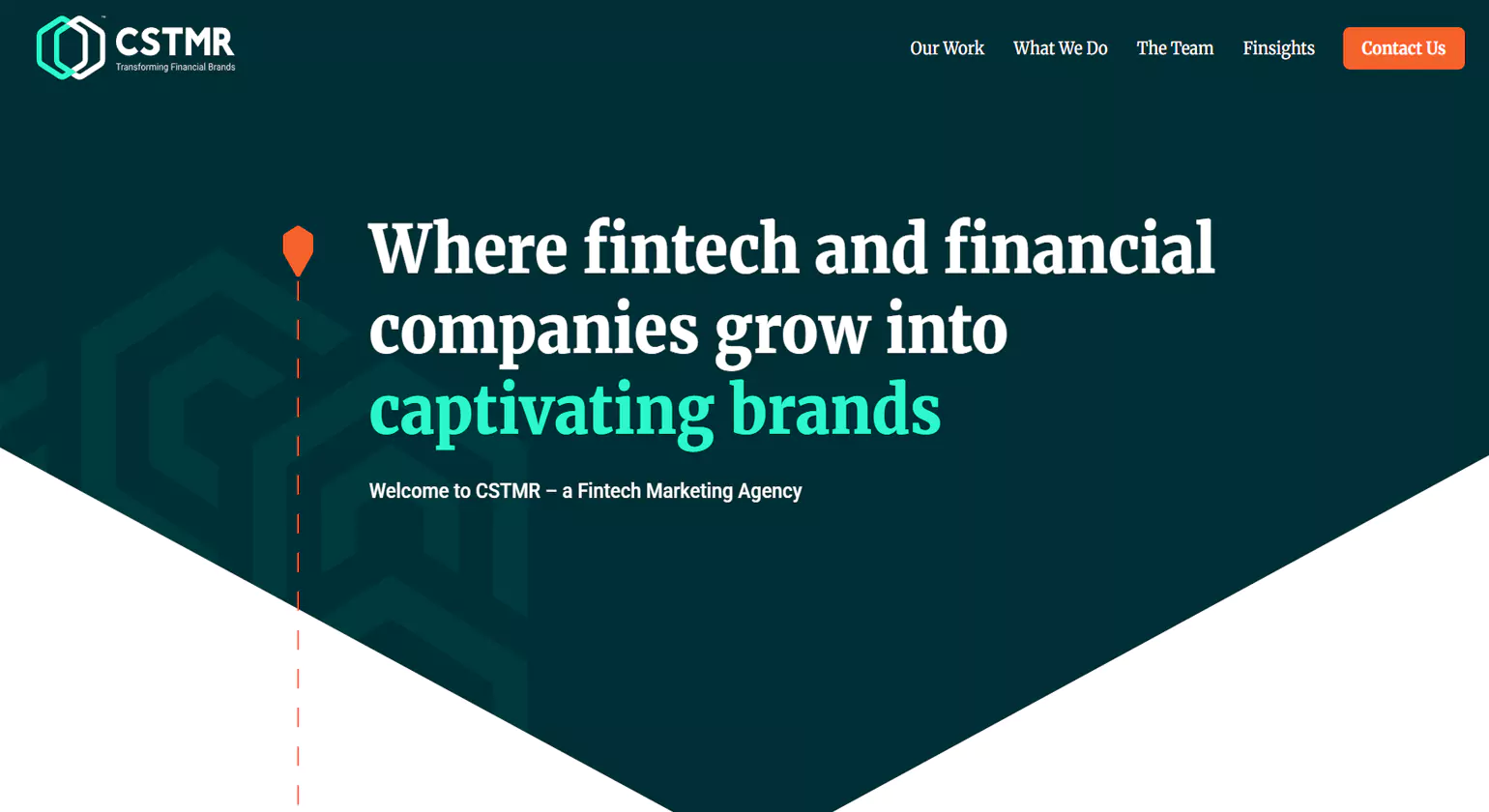
CSTMR is a leading agency offering content marketing in financial services, focusing on digital growth strategies. Their services include SEO, branding, and performance-driven content creation. By leveraging AI-driven insights and data analytics, CSTMR helps financial institutions develop targeted campaigns that increase engagement, brand trust, and lead generation.
Key Features
Tailored Financial Content Strategy – Custom content aligned with industry trends and compliance standards.
Multi-Channel Campaign Execution – Distribution across web, email, and social platforms.
Real-Time Performance Analytics – Insightful reporting to optimize campaigns continuously.
Conversion-Focused Design – Messaging and visuals crafted to drive qualified leads.
Why Choose Us
CSTMR offers expert customer experience solutions that enhance engagement and loyalty. Choose us for personalized strategies, actionable insights, and seamless support that elevate your brand-customer relationships.
3. Ext. Marketing
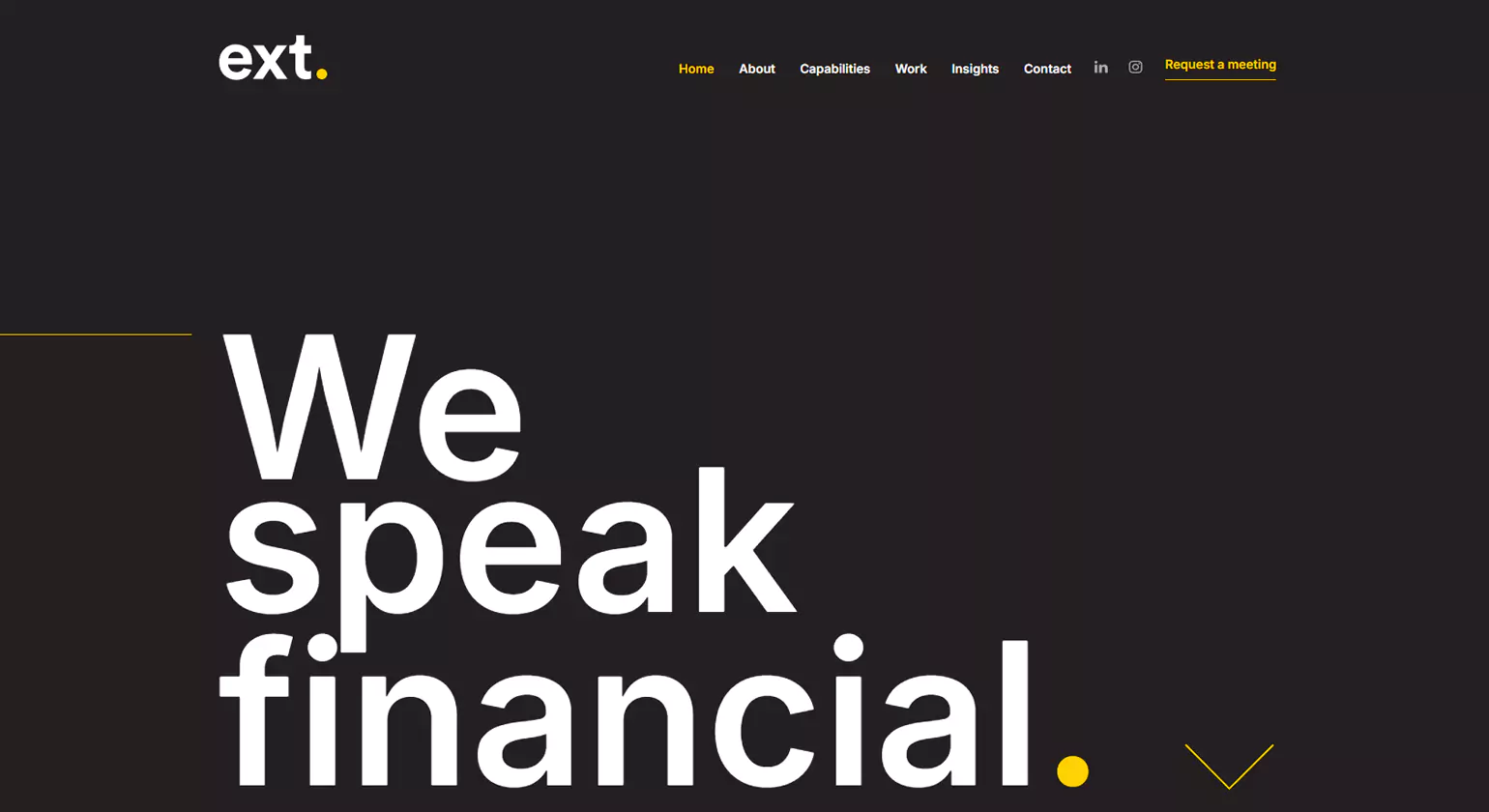
Ext. Marketing delivers specialized content marketing in financial services, catering to banks, investment firms, and insurance providers. Their services ensure compliance-friendly, high-quality financial content. They create compelling blogs, whitepapers, and thought leadership articles to help financial brands educate, engage, and retain their audience in an increasingly competitive market.
Key Features
Compliance Expertise: Ensures all content aligns with regulatory standards in the financial sector.
Industry-Specific Focus: Tailored strategies for banking, investment, and insurance audiences.
Multi-Format Content Delivery: Offers a range of formats including articles, newsletters, and infographics.
Strategic Thought Leadership: Positions clients as trusted authorities through expert-driven content.
Why Choose Us
Ext. Marketing drives measurable results through innovative digital marketing campaigns. Choose us for customized strategies, data-driven insights, and creative solutions that help your business achieve growth and visibility.
4. Snappy Kraken
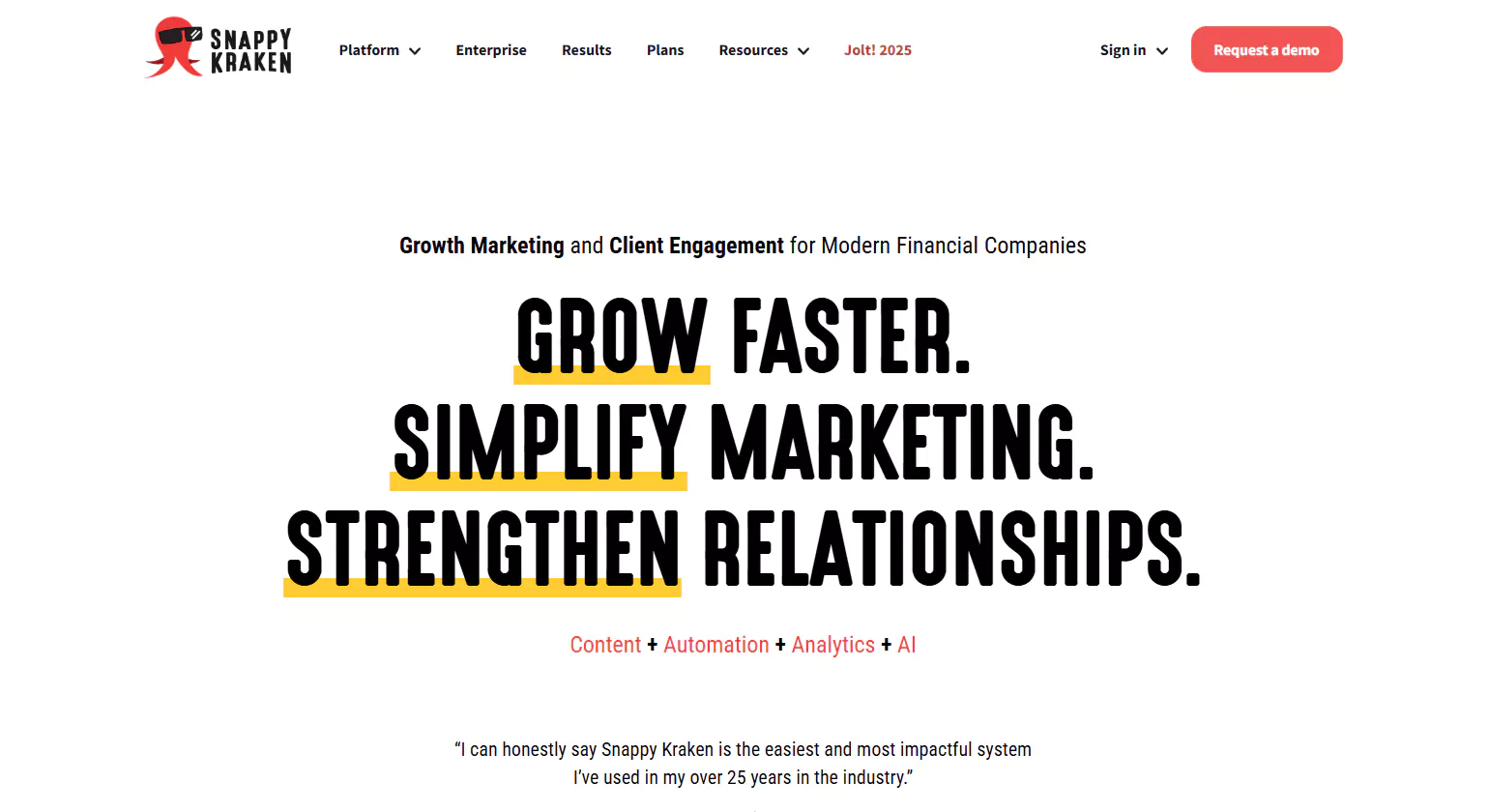
Snappy Kraken provides automated content marketing financial services, helping firms streamline their marketing efforts. Their services include dynamic email campaigns, personalized website content, and social media engagement. By utilizing AI-powered insights, they enhance customer interactions, improve brand visibility, and drive higher conversion rates for financial institutions.
Key Features:
Pre-built, customizable marketing campaigns
Automated client journey mapping
Real-time performance analytics
Compliance-friendly content for financial advisors
Why Choose Us
Snappy Kraken specializes in automated marketing solutions for financial services. Choose us for streamlined campaigns, compliance-friendly tools, and intelligent client engagement that drives measurable ROI.
5. Kitces.com
Kitces.com is a trusted platform for financial professionals, offering high-value content marketing in financial services. Their services focus on research-driven articles, in-depth financial insights, and educational materials. By delivering expert analysis and thought leadership, Kitces.com helps financial advisors and firms stay ahead in the evolving financial landscape.
Key Features:
Expert-Led Research: Content created and reviewed by experienced financial professionals.
CE-Eligible Content: Offers continuing education credits for financial advisors.
Podcast and Newsletter Access: Regular updates through audio and email formats.
Member-Only Resources: Exclusive tools, webinars, and templates for subscribers.
Why Choose Us
Kitces.com is a trusted resource for financial advisors seeking insights and strategies. Choose us for expert advice, in-depth research, and actionable guidance to grow your practice and make informed decisions.
6. Contently
Contently specializes in content marketing in financial services by providing data-driven storytelling and high-quality content creation. Their services include AI-powered content strategy, SEO enhancements, and audience targeting. Contently helps financial brands create compelling narratives that build trust, engage users, and improve online visibility through customized content strategies.
key features
AI-Powered Content Strategy – Uses advanced algorithms to plan and optimize content based on audience behavior and industry trends.
SEO Optimization Tools – Enhances content visibility and rankings through keyword insights and performance analytics.
Custom Content Creation – Delivers high-quality, compliant content tailored to financial audiences.
Audience Targeting and Engagement – Identifies and reaches the right segments with personalized content to boost user engagement and trust.
Why Choose Us
Contently delivers premium content marketing solutions that engage audiences. Choose us for high-quality storytelling, creative strategies, and scalable campaigns that enhance brand visibility and drive conversions.
7. BankBound
BankBound focuses on content marketing in financial services, specifically for banks and credit unions. Their services include website content, blog management, and SEO-driven strategies. By implementing tailored financial content, BankBound helps institutions improve their digital presence, increase organic traffic, and build lasting customer relationships.
Key Features:
Industry-specific content tailored for banking and credit unions
SEO optimization to boost search engine rankings
Comprehensive blog and editorial calendar management
Performance tracking and content analytics for measurable results
Why Choose Us
BankBound provides specialized marketing services for financial institutions. Choose us for data-driven strategies, innovative campaigns, and measurable results that strengthen your brand and grow your customer base.
8. Effeect
Effeect is known for its innovative approach to content marketing in financial services. Their content services help financial institutions create engaging, conversion-focused content. With expertise in social media, SEO, and paid advertising, Effeect delivers strategies that enhance brand awareness, attract leads, and improve audience retention.
Key features
Tailored content strategies aligned with content marketing financial industry trends.
Multichannel marketing integration for consistent brand messaging.
Advanced audience targeting to boost lead quality.
In-depth performance analytics to track and optimize campaigns.
Why Choose Us
Effeect offers creative marketing solutions to elevate brand presence. Choose us for strategic campaigns, innovative ideas, and measurable results tailored to meet your business objectives efficiently.
9. Flycast Media
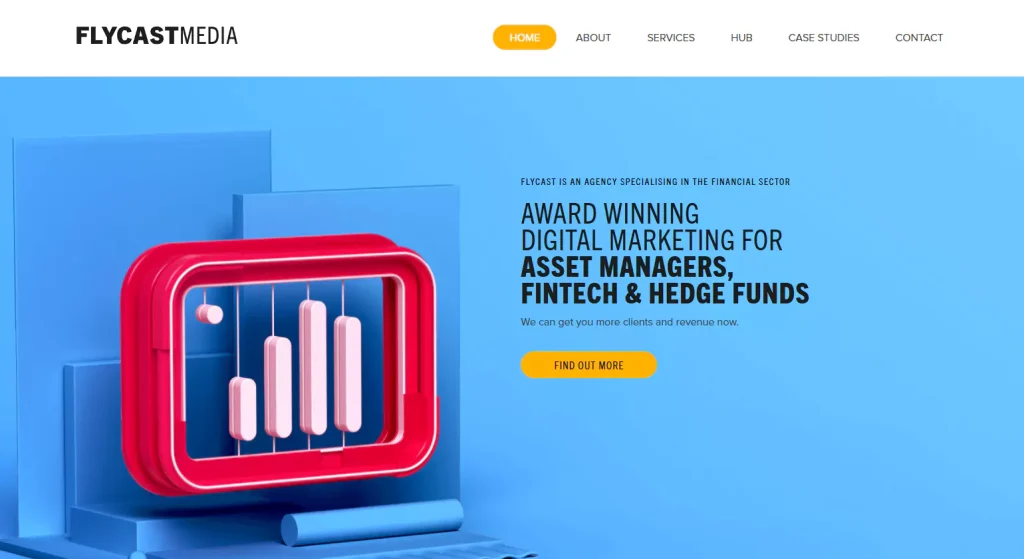
Flycast Media provides expert content marketing in financial services, helping firms build authority and trust. Their services include SEO, UX-driven content strategy, and multimedia content creation. By using data analytics and AI tools, they ensure that financial institutions reach the right audience with personalized and impactful content.
key features
SEO-Optimized Financial Content – Crafting search engine-friendly content tailored to the financial sector to boost visibility.
UX-Driven Strategy – Designing content that enhances user experience and engagement across digital platforms.
Multimedia Content Creation – Producing diverse content formats including blogs, videos, and infographics for wider reach.
AI & Data-Backed Insights – Leveraging AI tools and analytics to deliver personalized and performance-driven content.
Why Choose Us
Flycast Media specializes in digital media and advertising solutions. Choose us for targeted campaigns, expert strategy, and creative execution that maximizes engagement and drives business growth.
10. 2Novas
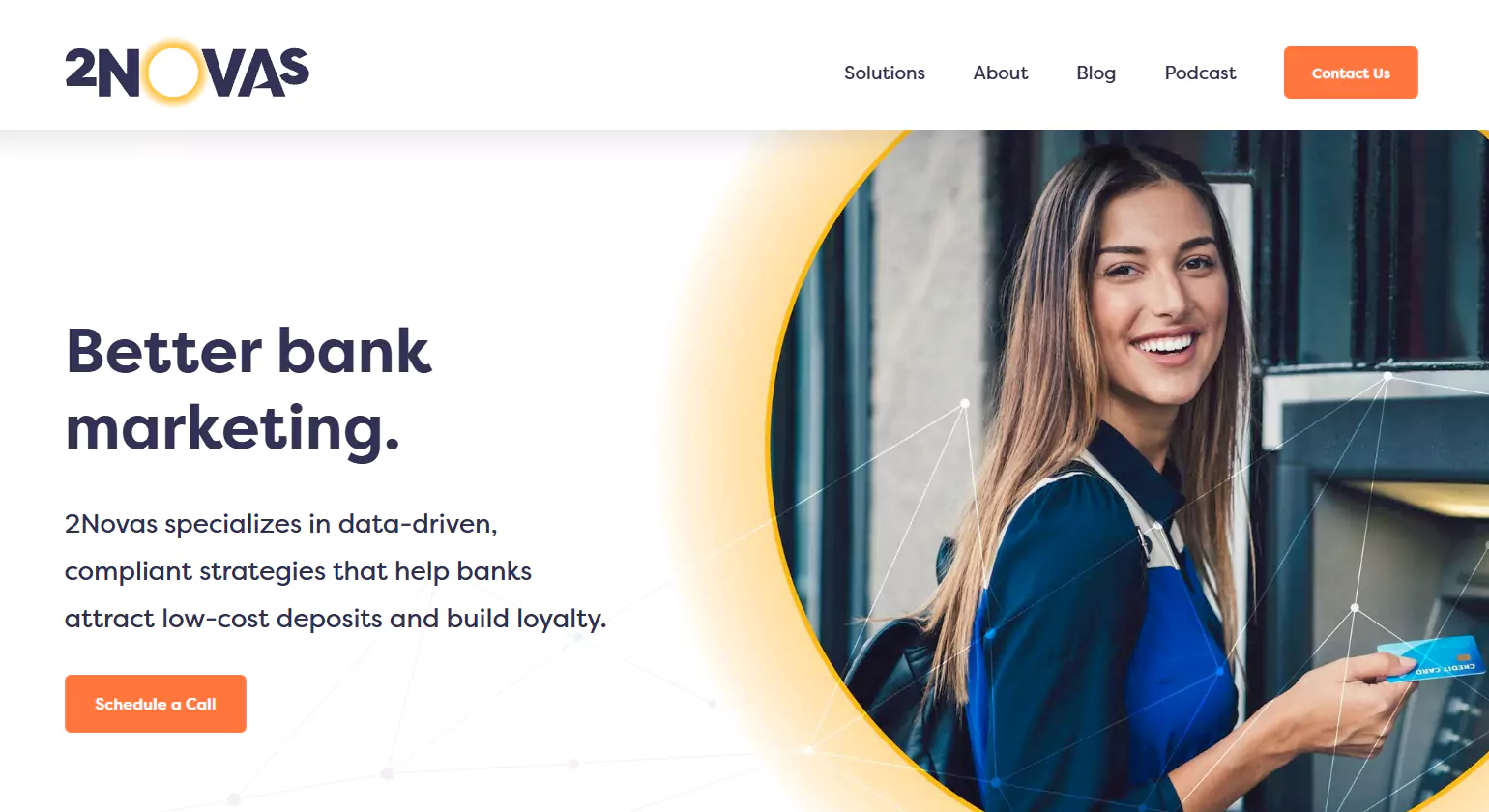
2Novas specializes in content marketing financial services, offering creative storytelling and brand-building strategies. Their services focus on delivering high-quality digital content that improves user experience, boosts engagement, and strengthens financial brands. With a strong focus on innovative marketing tactics, 2Novas helps financial institutions enhance customer connections.
Key Features
Custom Content Strategy – Tailored plans based on industry trends and audience insights.
SEO-Optimized Content – Enhances visibility and drives organic traffic.
Multi-Channel Distribution – Ensures content reaches audiences across platforms.
Performance Analytics – Tracks engagement metrics to refine strategies continuously.
Why Choose Us
2Novas provides integrated marketing and branding services. Choose us for innovative strategies, expert execution, and measurable outcomes that help your business expand its reach and achieve long-term success.
11. BusySeed
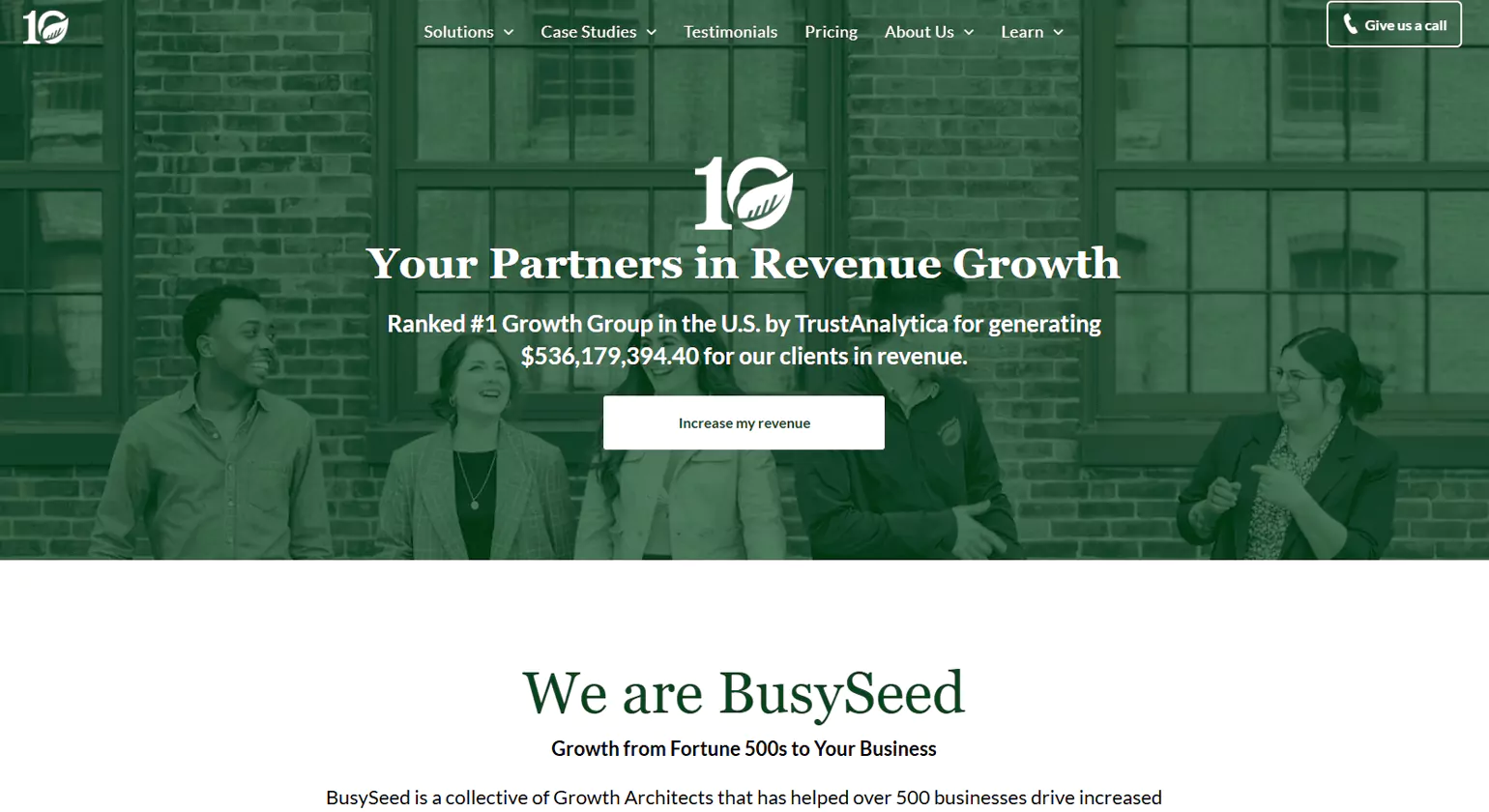
BusySeed is a top provider of content marketing financial services, offering data-driven content solutions for financial firms. Their services include AI-powered content strategies, social media marketing, and SEO-driven blogging. By optimizing content for maximum impact, BusySeed helps financial institutions attract, engage, and retain customers effectively.
Key Features
AI-Enhanced Content Creation – Generates relevant, high-performing content tailored to financial audiences.
Omnichannel Distribution – Promotes content across platforms for a consistent brand presence.
Real-Time Performance Tracking – Monitors engagement metrics to continuously refine campaigns.
Compliance-Focused Messaging – Ensures all content meets the financial industry’s content marketing regulations and standards.
Why Choose Us
Choose BusySeed for data-driven Magento SEO solutions tailored to boost your online visibility. Their expert team delivers measurable results through innovative optimization strategies, ensuring your store ranks higher, attracts quality traffic, and achieves sustainable eCommerce growth.
Measuring the Impact of Content Marketing in Financial Services

Content marketing in financial services has become a powerful tool for building trust, enhancing customer engagement, and driving business growth. However, to maximize its effectiveness, financial institutions must measure its impact accurately. By analyzing various metrics, companies can refine their strategies and improve their content to achieve better results
Website Traffic and Engagement Metrics
Website traffic is a primary indicator of content effectiveness. Financial institutions should track unique visitors, page views, session duration, and bounce rates. High engagement levels indicate that the content is valuable and relevant. Content services play a crucial role in improving readability, SEO performance, and user experience, ensuring audiences stay longer and interact with the content.
Conversion Rates and Lead Generation
One of the key goals of content marketing in financial is to generate leads and convert them into customers. Financial firms should measure the effectiveness of landing pages, calls-to-action (CTAs), and downloadable resources such as whitepapers and eBooks. Tracking form submissions, email sign-ups, and demo requests can provide insights into how well content resonates with the target audience.
SEO Performance and Organic Reach
Search engine rankings directly impact the visibility of financial content. Institutions should analyze keyword rankings, organic traffic, and backlinks to assess their SEO strategy. Effective content optimization services ensure that financial content is well-structured, keyword-rich, and aligns with search engine algorithms, improving discoverability and online presence.
Social Media Engagement and Shareability
Social media platforms play a crucial role in content marketing in financial services. Financial brands should track likes, shares, comments, and follower growth across platforms like LinkedIn, Twitter, and Facebook. High engagement rates indicate that content is resonating with the audience and reaching a broader network.
Customer Retention and Brand Loyalty
Content marketing helps build long-term relationships with customers. Institutions should monitor customer feedback, repeat website visits, and subscription renewals to evaluate brand loyalty. Personalized content strategies can enhance customer experience, fostering trust and long-term engagement.
Trends Shaping the Future of Content Marketing in Financial Services

As the financial industry evolves, new trends are shaping content marketing strategies. Financial firms must stay ahead by adopting innovative approaches and leveraging content services to remain competitive.
AI-Driven Personalization
Artificial intelligence is revolutionizing content marketing in financial services by enabling hyper-personalization. AI tools analyze customer data to deliver personalized content, product recommendations, and tailored financial insights. Personalized content increases engagement and conversions, making content marketing more effective.
Interactive Content and Gamification
Interactive content, such as financial calculators, quizzes, and virtual consultations, enhances user engagement. Gamification elements like rewards, leaderboards, and challenges can encourage users to interact more with financial content. Content services ensure seamless integration of interactive elements, improving user experience and retention rates.
Video Content and Webinars
Video marketing continues to dominate digital platforms. Financial institutions are increasingly using explainer videos, webinars, and live Q&A sessions to educate and engage audiences. Video content enhances storytelling and simplifies complex financial concepts, making it an essential component of content marketing in financial services.
Voice Search and Conversational Content
With the rise of smart assistants like Alexa and Google Assistant, optimizing content for voice search is becoming crucial. Financial firms should create conversational content that answers user queries naturally. Content optimization services can help structure content for voice search, ensuring better visibility in search results.
Compliance-Driven Content Marketing
Regulatory compliance is a major concern in financial services. Content must adhere to legal and ethical guidelines while providing valuable insights. Financial institutions should focus on transparent, compliant, and informative content to build trust and credibility among customers.
Omnichannel Content Strategy
Customers interact with financial institutions through multiple channels, including websites, social media, email, and mobile apps. An effective omnichannel content strategy ensures consistent messaging across all touchpoints. Financial firms streamline their content distribution, maximizing engagement and brand recognition.
Thought Leadership and Authority Building
Establishing thought leadership through expert blogs, industry reports, and research-driven content is essential for financial brands. Providing in-depth analysis and market insights positions institutions as trusted industry leaders. High-quality content marketing in financial services strengthens credibility and attracts a loyal customer base.
Conclusion
Content marketing in financial services continues to evolve, offering numerous opportunities for financial institutions to connect with their audience, build trust, and drive business growth. Measuring content effectiveness through website traffic, conversions, SEO performance, and engagement metrics ensures continuous improvement. Emerging trends like AI-driven personalization, interactive content, and video marketing are shaping the future of financial content strategies. Content optimization services play a crucial role in enhancing visibility, engagement, and compliance. By leveraging data-driven insights and innovative marketing techniques, financial institutions can stay ahead in a competitive digital landscape, delivering valuable content that meets customer needs and expectations.
Related Blogs >>> Virtual Bookkeeping Assistants: ROI, Security & Services
FAQs
1.What is Content Marketing in Financial Services?
Content marketing in financial services delivers informative, compliant content like blogs, videos, and reports to engage clients. It simplifies complex topics, builds trust, and strengthens brand authority, helping firms attract, educate, and retain customers by addressing their financial concerns effectively.
2.Why is Content Marketing Important in Financial Services?
Content marketing financial services builds trust, educates clients, and boosts brand credibility. It simplifies complex concepts, supports informed decisions, improves SEO, drives organic traffic, generates leads, and positions firms as credible experts in a competitive financial landscape.
3.What Types of Content Are Effective in Financial Services?
Effective financial content includes blogs, whitepapers, videos, and infographics that simplify complex topics. Educational guides, market insights, and webinars build trust, while newsletters and social media boost engagement, enhance visibility, and generate leads in a competitive financial landscape.
4.How do content optimization services improve SEO?
Content optimization services boost SEO by refining keywords, improving readability, and optimizing meta tags, internal links, and multimedia. They enhance user engagement, reduce bounce rates, and ensure mobile-friendliness to increase organic traffic and improve search engine visibility effectively.
5.How do content optimization services improve SEO?
Content optimization services enhance SEO by improving structure, keyword use, and readability. They apply best practices like meta tags, internal linking, and mobile formatting, while optimizing speed and user experience to attract organic traffic and boost search engine engagement.
6.What tools are used in content optimization?
Content optimization tools like Google Analytics, SEMrush, Ahrefs, and Grammarly help improve performance, keyword targeting, and readability. Yoast SEO and Surfer SEO enhance on-page elements, while Google Search Console tracks visibility for better rankings and user engagement.