Table of Contents
Introduction
Tiered Link Building is an advanced strategy often employed by digital marketers to improve a website’s search engine ranking. The concept revolves around creating multiple levels or “tiers” of backlinks, where links from different sources and authority levels are used to influence a website’s position in search results. Each tier is designed to enhance the effectiveness of the preceding tier, with higher-quality links pointing to intermediate links, which in turn, point to the target website.
One key benefit of this link building is the ability to scale the process while managing risk. By distributing the link-building effort across multiple tiers, marketers can use less authoritative or even safer links in the lower levels, while keeping more powerful links focused on the top tiers. This method allows for improved control over the flow of link equity, optimizing the entire structure for better SEO performance.
Despite its effectiveness, tiered link building requires careful planning and execution. A well-constructed link pyramid, for example, ensures that lower-tier links don’t overshadow or harm the website’s SEO by avoiding penalties. The strategy relies on a deep understanding of link authority and the balance of building natural, organic-looking backlink profiles that help search engines trust the linked site.
What is Tiered Link Building?

Tiered link building is an SEO strategy where backlinks are structured in multiple levels or “tiers” to maximize a website’s authority and improve search engine rankings. In this approach, the most authoritative and powerful backlinks are placed at the top tier, directly pointing to the target website. Lower tiers consist of backlinks that point to the higher-level links, creating a pyramid-like structure. The goal is to enhance the link equity flowing through the tiers, which ultimately boosts the target site’s visibility on search engines. By stacking backlinks in this hierarchical way, the strategy aims to increase the site’s trustworthiness and authority over time.
The key advantage of tiered link building is that it allows for controlled risk management. Marketers can place lower-quality, safer backlinks on the lower tiers without directly affecting the main site’s SEO performance. Higher-quality, more authoritative links are reserved for the top-tier links, ensuring that the link profile remains strong and natural-looking. This method can be particularly effective when scaling link-building efforts, as it distributes the workload across different link levels while maintaining the overall integrity of the site’s backlink profile.
Understanding the Different Types of Tiers in Link Building
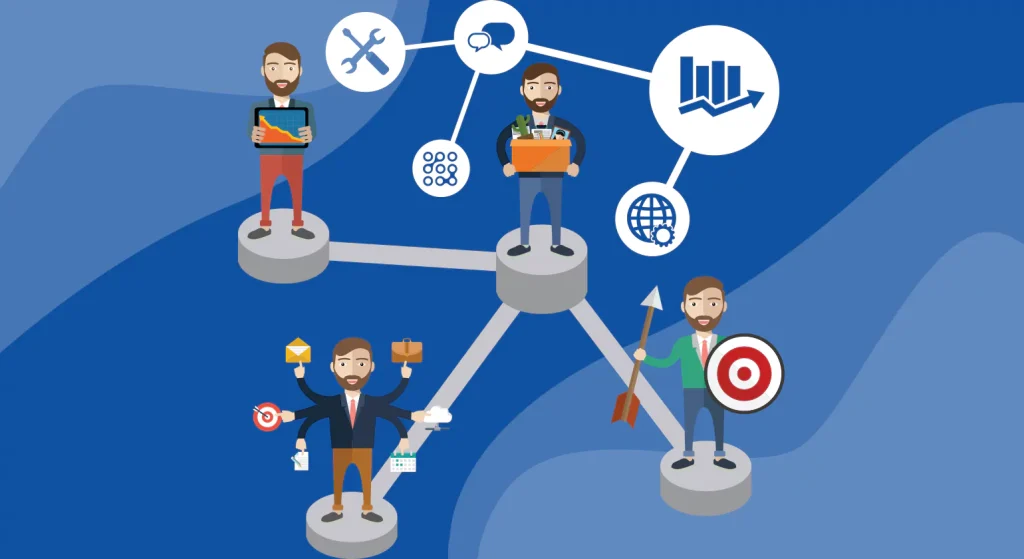
In tiered link building, backlinks are organized into multiple levels or “tiers,” each serving a specific purpose in enhancing a website’s SEO performance. Here are the five common types of in link building tier:
Tier 1: High-Quality Backlinks
These are the most authoritative and relevant links, directly pointing to the target website. Tier 1 backlinks usually come from high-authority domains, such as top blogs, news sites, or industry leaders. These links provide significant SEO value and play a crucial role in boosting the website’s search engine rankings.
Tier 2: Supporting Backlinks
Tier 2 links point to the high-quality backlinks in Tier 1, helping to strengthen their authority. These links are generally from reputable but less authoritative sources, such as niche-specific blogs, forums, or secondary websites. They don’t directly impact the target site but contribute to enhancing the Tier 1 links’ power.
Tier 3: Indirect Backlinks
These backlinks support the Tier 2 links, providing a secondary level of link authority. Tier 3 backlinks often come from directories, social bookmarking sites, or low-to-medium authority pages. While they don’t directly influence the target site, they help generate additional trust and relevance for the Tier 2 links.
Tier 4: Minimal Authority Links
Tier 4 links are the lowest in the hierarchy and are typically sourced from less reputable websites, such as automated link-building tools or low-quality directories. While these links hold minimal SEO value, they still help build a natural-looking link profile and support higher tiers in the overall link structure.
Tier 5: Link Indexing and Crawling Support
These are the least authoritative links, often used to boost the indexing and crawling process of other tiers. Tier 5 links might come from websites with little to no relevance to the niche, like generic article directories or low-traffic blogs. Their main purpose is to facilitate the flow of link equity and ensure that the more powerful links get indexed by search engines.
10 Key Benefits of a Tiered Backlink Strategy
A tiered backlink strategy offers several advantages that can significantly boost a website’s SEO performance. Here are five key benefits:
1. Enhanced Link Authority Flow
One of the main benefits of a tiered backlink strategy is the ability to efficiently pass link equity across multiple levels. By pointing lower-tier links to higher-quality links, you amplify the authority flowing to the target website. This hierarchical structure ensures that the most powerful backlinks contribute directly to improving search engine rankings.
2. Risk Management and Control
Tiered link building allows for controlled risk management by using lower-quality backlinks in the lower tiers. This prevents low-authority links from harming the target site’s SEO. By keeping powerful links in the top tiers, you reduce the risk of penalties from search engines, ensuring a safer and more sustainable SEO strategy.
3. Scalability of Link Building Efforts
With a tiered structure, link building becomes more scalable and manageable. Instead of focusing solely on obtaining top-tier backlinks, you can focus on acquiring a mix of link types across different levels. This makes it easier to build a more extensive backlink profile over time without overwhelming resources or risking over-optimization.
4. Natural Link Profile Development
A tiered strategy helps create a more organic and diverse link profile. By building links to other backlinks (instead of directly to the website), you mimic the natural backlink patterns seen in successful sites. Search engines tend to favor websites that accumulate links in a natural, organic manner, which helps in long-term ranking improvement.
5. Long-Term SEO Benefits
Tiered link building is designed to offer long-term Search Engine Optimization (SEO) results. By consistently building and maintaining a multi-level backlink structure, the website’s overall authority continues to grow, even if some lower-tier links lose effectiveness over time. This ongoing process ensures that the site maintains a strong, organic ranking position and benefits from the compounding impact of multiple backlinks.
6. Increases Indexing Rates
Tier-2 and tier-3 links also strengthen the overall backlink pyramid by creating a natural link profile, reducing risks of penalties, and amplifying the impact of your tier-1 backlinks. This layered strategy enhances authority flow, improves crawl rates, and helps build sustainable rankings for long-term SEO success.
7. Improves Content Longevity
Even if older guest posts or backlinks lose visibility, tiered links keep them refreshed and relevant in search algorithms. By consistently pointing supportive links to these assets, you maintain their authority, extend their lifespan, and ensure they continue driving value to your primary site for lasting SEO impact.
8. Supports Competitive Keywords
Highly competitive niches require more powerful strategies. A tiered backlink approach provides the extra authority needed to compete effectively by reinforcing your tier-1 links, diversifying your link profile, and accelerating authority transfer. This layered system strengthens your site’s credibility, helping you outrank competitors and achieve sustainable long-term search engine visibility.
9. Cost-Effective SEO Growth
Instead of chasing high-authority links only, tiered backlinks maximize the value of existing ones, making it a budget-friendly SEO method. By boosting the strength of links you already have, this approach reduces costs, increases ROI, and ensures every backlink contributes effectively to your site’s overall authority and ranking power.
10. Creates a Natural Link Profile
Tiered linking mimics natural link growth, reducing the chances of penalties and making your backlink profile look more organic. This layered strategy distributes authority across different levels, avoids suspicious link patterns, and signals trustworthiness to search engines, helping your website maintain stability while steadily climbing search rankings.
How Does Tiered Link Building Service Actually Work?
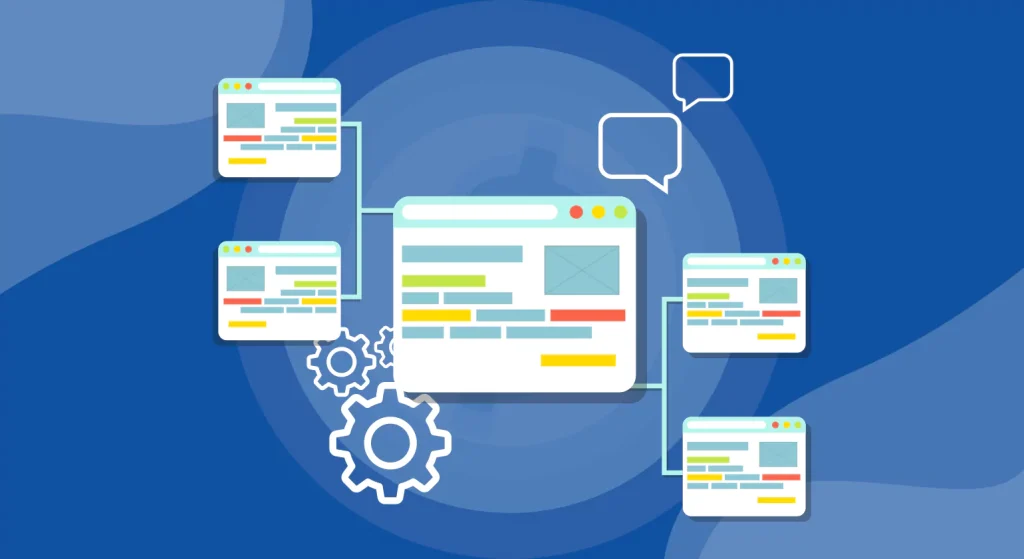
tiered link building service works by organizing backlinks into different levels, or “tiers,” with each tier serving a specific purpose in strengthening the overall link profile. At the highest level, Tier 1 links are the most authoritative and valuable. These are typically acquired from high-quality websites, such as major industry blogs, reputable media outlets, and well-established domains. These links pass significant SEO value directly to the target pages, boosting their rankings in search engine results. The key here is that Tier 1 links are highly relevant and come from trusted sources, ensuring they contribute strong, sustainable link equity.
Next comes Tier 2, which supports the Tier 1 links by acquiring backlinks from medium-authority websites. These links typically come from smaller, niche blogs, forums, or online communities. While Tier 2 links don’t pass as much authority as Tier 1 links, they still play a crucial role in strengthening the backlink profile. Tier 2 links are primarily designed to amplify the authority and link equity of Tier 1 backlinks. Essentially, they act as secondary support that enhances the overall SEO effectiveness of your main website or target pages.
Finally, Tier 3 links complete the structure by further amplifying the backlink profile. These are usually acquired from low-authority websites, such as forums, social media posts, comment sections, and other user-generated content sources. While these links may not provide much direct link equity to the main website, they help to distribute link signals and promote the Tier 2 links. By creating a layered link profile, tiered link building helps ensure that the entire link-building process appears natural to search engines, reduces the risk of penalties, and maximizes the overall SEO impact over time.
Common Pitfalls to Avoid in Multi-Tier Link Building

While multi-tier link building can be a highly effective strategy for improving SEO, there are several common pitfalls that should be avoided to ensure long-term success. Here are some of the most important ones:
1. Overuse of Low-Quality Links
A common mistake is relying too heavily on low-quality or spammy links in the lower tiers. While it’s true that lower-tier links don’t directly affect the target website, they still play a role in supporting the link hierarchy. If the lower tiers are filled with irrelevant or low-authority links, it can create an unnatural link profile and potentially harm the overall SEO strategy. Ensure that lower-tier links are still somewhat relevant and trustworthy to avoid drawing penalties from search engines.
2. Neglecting Natural Link Diversity
A successful tiered link-building strategy should have a diverse set of backlinks across various types of domains and platforms. Relying too much on a single source, such as only directory listings or only social bookmarking sites, can make the link profile appear unnatural. It’s crucial to build links from different sources, including blogs, forums, industry sites, and social media, to maintain a diverse and organic backlink profile.
3. Excessive Focus on Tier 1 Links
While Tier 1 links are undoubtedly the most powerful in the structure, it’s important not to neglect the other tiers. A common mistake is over-focusing on acquiring top-tier links and ignoring the supporting roles of Tiers 2 and 3. If the lower tiers are not sufficiently developed, the Tier 1 links may not receive the full benefit of the additional authority passed through the pyramid, reducing the overall effectiveness of the strategy.
4. Failure to Monitor and Refresh Links
Links, particularly those in the lower tiers, can lose their value over time. Search engines might devalue links from certain domains, or they may simply become broken or outdated. Neglecting to monitor and refresh the links in each tier can result in a decline in SEO performance. It’s essential to regularly audit and update the link structure to ensure that it remains effective and aligned with current SEO practices.
While tiered link building can be a powerful strategy, it requires careful attention to detail and planning. Avoiding these common pitfalls will ensure a more effective, sustainable approach to link building that maximizes SEO benefits without risking penalties.
The Role of Tier 2 Link Building in SEO Success
tier 2 link building service is an advanced SEO strategy that focuses on strengthening the authority and effectiveness of your primary backlinks. While Tier 1 links directly connect to your website, Tier 2 links are built to support those Tier 1 links, enhancing their value and boosting overall SEO performance.
1. Boosts Link Equity
Tier 2 backlinks pass authority to your Tier 1 links, making them more powerful. By funneling additional link juice to your main backlinks, you increase their SEO weight, which ultimately strengthens your site’s domain authority and search engine rankings.
2. Improves Indexation of Backlinks
Not all Tier 1 links get indexed by Google immediately. Tier 2 link building helps search engines discover and index these links faster. With more supporting links pointing to them, search engines view your backlinks as important and crawl them more frequently.
3. Enhances Referral Traffic
tiered link building strategy placed on blogs, forums, and content platforms can drive indirect referral traffic to your Tier 1 links. This additional visibility increases the chances of users clicking through to your main website, generating more targeted traffic.
4. Supports Long-Term Ranking Stability
High-quality Tier 2 backlinks add sustainability to your SEO efforts. Instead of relying solely on a few Tier 1 links, creating a supportive network ensures your rankings remain stable even when algorithms shift or competitors build new backlinks.
5. Diversifies Backlink Profile
Search engines reward natural link-building patterns. By building Tier 2 links across different sources such as guest posts, Web 2.0 properties, social shares, and niche forums, you create a diverse backlink structure. This reduces the risk of over-optimization and increases trustworthiness.
6. Amplifies Content Reach
When Tier 2 links are built on relevant platforms, they also expand the reach of your Tier 1 content. This not only strengthens SEO but also increases content visibility across multiple channels, boosting brand authority.
Step-by-Step Implementation Process for Building Tiered Backlinks
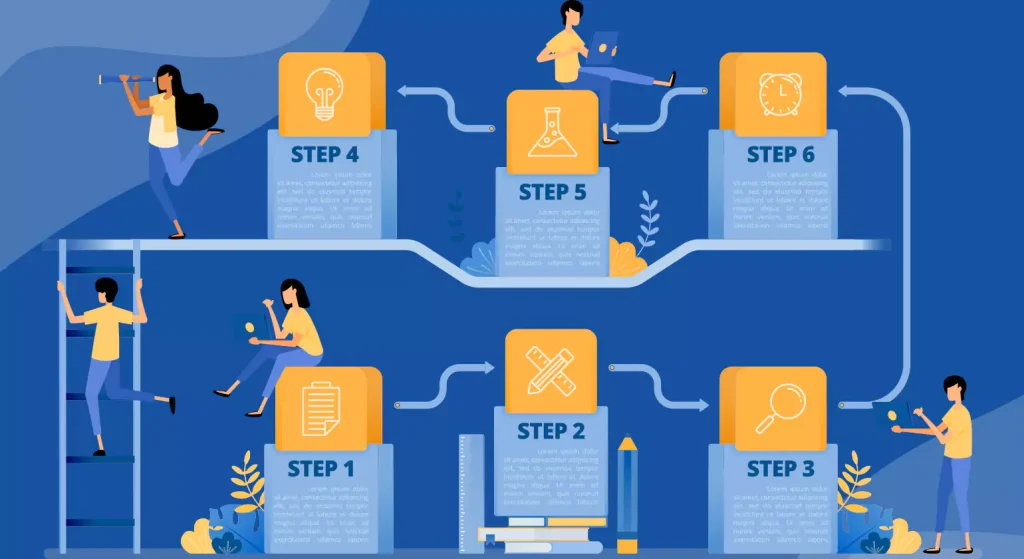
Building tiered backlinks requires a methodical, step-by-step approach to ensure effectiveness and minimize risks. Here’s a clear implementation process to guide you through the process of building a successful tiered link-building strategy:
1. Conduct a Thorough SEO Audit
Before starting the Tiered Link Building process, perform an in-depth SEO audit of the website you want to improve. Analyze the current backlink profile, identify the target pages for improvement, and assess the website’s authority and overall health. Understanding where your site stands will help you identify the most important pages and content that need tiered backlinks.
2. Define Your Goals and Target Pages
Determine the specific goals of your tiered link-building campaign. Are you focusing on boosting rankings for specific keywords or improving the overall authority of the site? Once you’ve set your goals, select the target pages or blog posts you want to optimize. These pages will be the focal points for the backlink structure.
3. Build Tier 1 Links (High-Authority Backlinks)
Begin by acquiring high-quality, authoritative backlinks to your target pages (Tier 1). These should come from reputable sources such as industry-leading blogs, news outlets, government websites, and educational institutions. Focus on relevance and authority to ensure these links pass valuable link equity. Common methods for acquiring Tier 1 links include:
- Guest posting on reputable websites
- Influencer outreach
- Building relationships with industry bloggers
- Getting featured in high-quality directories
- Collaborating on expert roundups or interviews
4. Develop Tier 2 Links (Supportive Backlinks)
Once you’ve secured your Tier 1 links, the next step is to build backlinks to these top-tier links (Tier 2). These links help enhance the authority of your Tier 1 backlinks, boosting their effectiveness in improving rankings. Tier 2 links typically come from moderately authoritative sites, including:
- Niche-specific blogs
- Social media profiles and posts
- Medium-level industry directories
- Forum posts and discussions
- Web 2.0 properties (e.g., WordPress, Blogger)
These links should be relevant to the industry but don’t need to have the same high authority as Tier 1 links.
5. Establish Tier 3 Links (Indirect Backlinks)
Tier 3 links serve as the foundation for supporting Tier 2 backlinks. These are typically lower-quality links but are still useful for creating a more natural, distributed link profile. Sources for Tier 3 links include:
- Article directories
- Low-traffic blogs
- Comment sections on forums or websites
- Bookmarking sites (e.g., Reddit, Digg)
- Classified ads or listing sites
These links indirectly help amplify the impact of Tier 2 backlinks by providing additional trust signals.
6. Ensure Proper Link Flow and Distribution
The key to tiered link-building success is ensuring that link equity flows naturally and effectively from the lower tiers up to the target website. Avoid placing too many links on the lower tiers that could overwhelm the higher-tier links. Focus on maintaining a balanced distribution of links throughout each tier. Additionally, ensure that the lower-tier links don’t directly point to the target site but only help build the authority of the higher-tier links.
Top Tiered Link Building Tools to Supercharge Your SEO Efforts
To effectively implement a tiered link-building strategy, leveraging the right tools can make a significant difference in terms of efficiency and results. Here are some top tools to help supercharge your tiered link-building efforts:
1. Ahrefs
Ahrefs is a powerful SEO tool that helps with backlink analysis, competitive research, and link-building campaigns. It can be especially useful for tiered link building service because it allows you to track the quality of backlinks, analyze competitors’ link profiles, and identify high-authority sites for Tier 1 links.
2. SEMrush
SEMrush is another comprehensive SEO tool with a robust backlink analysis feature. It allows you to identify high-quality backlink opportunities and monitor the performance of your link-building efforts across different tiers. SEMrush also includes a link-building tool that can help find prospects for Tier 2 and Tier 3 links by discovering relevant websites that accept guest posts, collaborations, and other backlink-building tactics.
3. Majestic SEO
Majestic is a backlink-focused SEO tool that excels in analyzing link profiles and determining link quality. It features a unique metric called the “Trust Flow,” which helps measure the quality of backlinks in your tiers. Using Majestic, you can evaluate the authority of potential Tier 1, Tier 2, and Tier 3 backlinks, ensuring that the links in each tier are naturally flowing link equity without raising red flags with search engines.
4. BuzzSumo
BuzzSumo is a content research tool that also aids in link-building by helping you discover high-authority sites in your niche. It allows you to find popular articles and websites that are likely to provide opportunities for Tier 1 links, such as guest posts, influencer outreach, or content collaborations. BuzzSumo helps identify top-performing content and backlink opportunities, enabling you to develop a strategy that supports your tiered approach.
5. Linkody
Linkody is a link-management tool that helps track backlinks and analyze the effectiveness of your link-building efforts. It allows you to monitor the health and status of backlinks across all tiers, ensuring that your Tier 1, Tier 2, and Tier 3 links remain intact and authoritative.
By incorporating these tools into your tiered link-building process, you can streamline your workflow, track performance more effectively, and ensure that your link profile remains healthy and authoritative.
Best Practices for Tier 2 Link Building Campaigns
1. Choose the Right Tier 1 Links to Boost
High-quality, niche-relevant links pointing to your site.
Backlinks placed on authoritative blogs, guest posts, or niche directories.
Links that have the potential to rank independently and bring referral traffic.
2. Diversify Tier 2 Sources
Web 2.0 blogs (WordPress, Blogger, Medium).
Niche-specific forums and communities.
Social bookmarking sites and content-sharing platforms.
Press release submissions and article directories.
3. Leverage Contextual Links
Links are embedded within relevant, high-quality content.
Anchor text variation is maintained to avoid over-optimization.
Supporting content provides value and relevance to both users and search engines.
4. Maintain Anchor Text Diversity
- Use branded, generic, and long-tail anchors along with target keywords.
- Create a natural anchor text profile that minimizes risk of penalties.
5. Focus on Content Quality at Every Level
Writing unique, relevant, and engaging content around your target niche.
Adding multimedia elements like images, infographics, or videos.
Ensuring readability and formatting for user engagement.
Proven Strategies for Effective Backlink Management in 2026

1. Focus on Quality Over Quantity
- In 2026, Google’s algorithms continue to prioritize the quality and relevance of backlinks over the sheer number of links pointing to a website. High-quality backlinks from authoritative, niche-specific websites can significantly boost your rankings, whereas a large quantity of low-quality backlinks can result in penalties or devaluation.
- Regularly audit your backlink profile to ensure that your tiered link building strategy come from reputable sources, and remove or disavow harmful links that could potentially hurt your SEO efforts.
2. Diversify Your Backlink Sources
- A diverse backlink profile is crucial in avoiding over-optimization and appearing spammy to search engines. By acquiring links from a variety of sources—such as blogs, news sites, directories, forums, and social media—you create a more organic and natural-looking profile.
- In 2026, focusing on building a mix of dofollow and nofollow links across different platforms ensures a balanced and sustainable backlink strategy. Additionally, incorporating local backlinks and industry-specific sources can increase the relevance and authority of your profile.
3. Leverage Content Marketing for Link Acquisition
- Content marketing remains a powerful tool for acquiring backlinks. Creating valuable, evergreen content—such as blog posts, infographics, case studies, or guides—can naturally attract high-quality backlinks from authoritative websites.
- In 2026, interactive content like quizzes, webinars, and tools is also gaining traction in terms of link-building opportunities. Promoting content through outreach and partnerships is essential to drive backlinks, but ensure your content addresses the audience’s pain points and is optimized for both users and search engines.
4. Engage in Strategic Outreach and Relationship Building
- Outreach is a cornerstone of any effective backlink strategy. However, in 2026, it’s crucial to take a more personalized, relationship-based approach. Instead of sending mass outreach emails, focus on building genuine connections with influencers, industry experts, and content creators.
- When reaching out, offer something valuable in return—whether it’s a guest post, a mention, or a collaboration. This approach increases the likelihood of securing high-quality backlinks and long-term partnerships that can benefit your site’s SEO in the long run.
5. Monitor Your Backlink Profile Regularly
In 2026, backlink management tools like backlink managers, Ahrefs, SEMrush, and Moz have become more advanced in detecting potential issues with your link profile. Regularly monitor the health of your backlinks using a backlink manager to ensure they continue to support your SEO efforts.
This includes identifying broken links, tracking the growth of new backlinks, and disavowing toxic or low-quality links that could harm your rankings. By keeping a close eye on your link profile, you can quickly address any potential issues before they affect your website’s SEO performance.
Real-World Examples of Successful Tiered Link Building Campaigns

1. Backlinko's Link Building Strategy
Brian Dean of Backlinko is known for using tiered link-building strategies to rank for competitive keywords. His team built authoritative Tier 1 links from high-quality websites, like Huffington Post and Entrepreneur. Tier 2 links came from smaller blogs and forums. This strategic, multi-tier approach helped Backlinko dominate search results and grow organic traffic significantly.
2. The Skyscraper Technique by Brian Dean
Brian Dean also pioneered the Skyscraper Technique, which utilizes tiered link building. First, he created high-quality content (Tier 1), then reached out to websites linking to similar content for backlinks. Tier 2 links included those from social media, forums, and smaller blogs. This method helped his blog gain exponential traffic and rank on Google’s first page.
3. Neil Patel's SEO Case Studies
Neil Patel, a leading SEO expert, has employed a multi-tiered approach to building backlinks for his clients. He begins with Tier 1 links from high-authority websites like Forbes and Inc. Tier 2 links come from medium-sized sites and smaller influencers in the niche. By using this method, Patel has helped several websites achieve top rankings and steady organic traffic growth.
4. Airbnb's SEO Success
Airbnb used a tiered link-building strategy to gain high rankings in competitive travel and accommodation niches. Tier 1 links were acquired from trusted travel websites and large publications. Tier 2 links came from local travel blogs and niche forums. This approach contributed to Airbnb’s organic growth and helped them achieve a dominant position in search results.
These real-world examples show that tiered link building, when executed with care and strategy, can lead to dramatic improvements in search rankings, website traffic, and overall SEO performance.
Conclusion
In conclusion, tiered link building strategy is a highly effective and structured SEO strategy that enhances a website’s authority and rankings through a multi-level approach. By organizing backlinks into distinct tiers, it ensures that high-quality, authoritative links (Tier 1) are supported by secondary (Tier 2) and tertiary (Tier 3) links, creating a natural and robust backlink profile. This approach not only strengthens the primary website but also helps mitigate risks associated with over-optimization, ensuring long-term SEO success and improved organic visibility. When executed strategically, link building can significantly accelerate a website’s growth and improve its performance in search engine rankings.
FAQs
1. What is tiered link building?
It is an SEO strategy that involves creating multiple layers or “tiers” of backlinks to boost the authority and rankings of a website. The strategy organizes links into levels: Tier 1 links come from high-authority sites, Tier 2 links support Tier 1, and Tier 3 links help amplify the Tier 2 links.
2. How do Tier 1, Tier 2, and Tier 3 links work together?
Tier 1 links are the most valuable and authoritative, passing the strongest SEO signals directly to your website. Tier 2 links support these by reinforcing the credibility of Tier 1 links, while Tier 3 links provide further amplification, helping to distribute link signals and build a natural backlink profile.
3. What types of websites should I target for Tier 1 links?
For Tier 1 links, target authoritative, high-quality websites that are relevant to your niche. These can include industry-leading blogs, news outlets, educational institutions, and major media publications. The goal is to acquire links from websites that hold significant trust and domain authority.
4. Can tiered link-building help with local SEO?
Yes, it can be effective for local SEO. By acquiring Tier 1 links from local directories, news outlets, and community sites, and supporting these with Tier 2 and Tier 3 links, you can improve your website’s local search visibility and authority.
5. Does tiered link building still work?
Yes, it still works effectively when done correctly. By focusing on high-quality Tier 1 links and supporting them with Tier 2 and Tier 3 links, this strategy enhances authority, rankings, and organic traffic.