Table of Contents
Introduction to Technical Product Management: What It Is and Why It Matters
Technical Product Management (TPM) is the intersection of technology and business, focusing on creating and delivering products that meet both technical requirements and market needs. Unlike traditional product management, TPM involves a deep understanding of the technical side of product development while aligning it with the business vision and strategy.
The Growing Importance of Technical Product Management in Today’s Tech World
In an era where technology is at the heart of almost every business, Technical Product Managers play a crucial role in ensuring that products are not only functional but also scalable, secure, and innovative. With the rapid pace of technological advancements, TPMs are essential in managing complex products, ranging from software solutions to integrated systems. Their ability to navigate technical complexities and business objectives makes them indispensable in the tech landscape.
How Technical Product Managers Bridge the Gap Between Business and Technology
TPMs act as liaisons between technical teams (developers, engineers) and business teams (marketing, sales). They translate business goals into technical requirements and communicate technical constraints to business stakeholders. By balancing these perspectives, TPMs ensure that the final product delivers value to users, is feasible to develop, and meets the market’s demands. This synergy between business and technology is key to building successful products in today’s competitive market.
What is Technical Product Management?
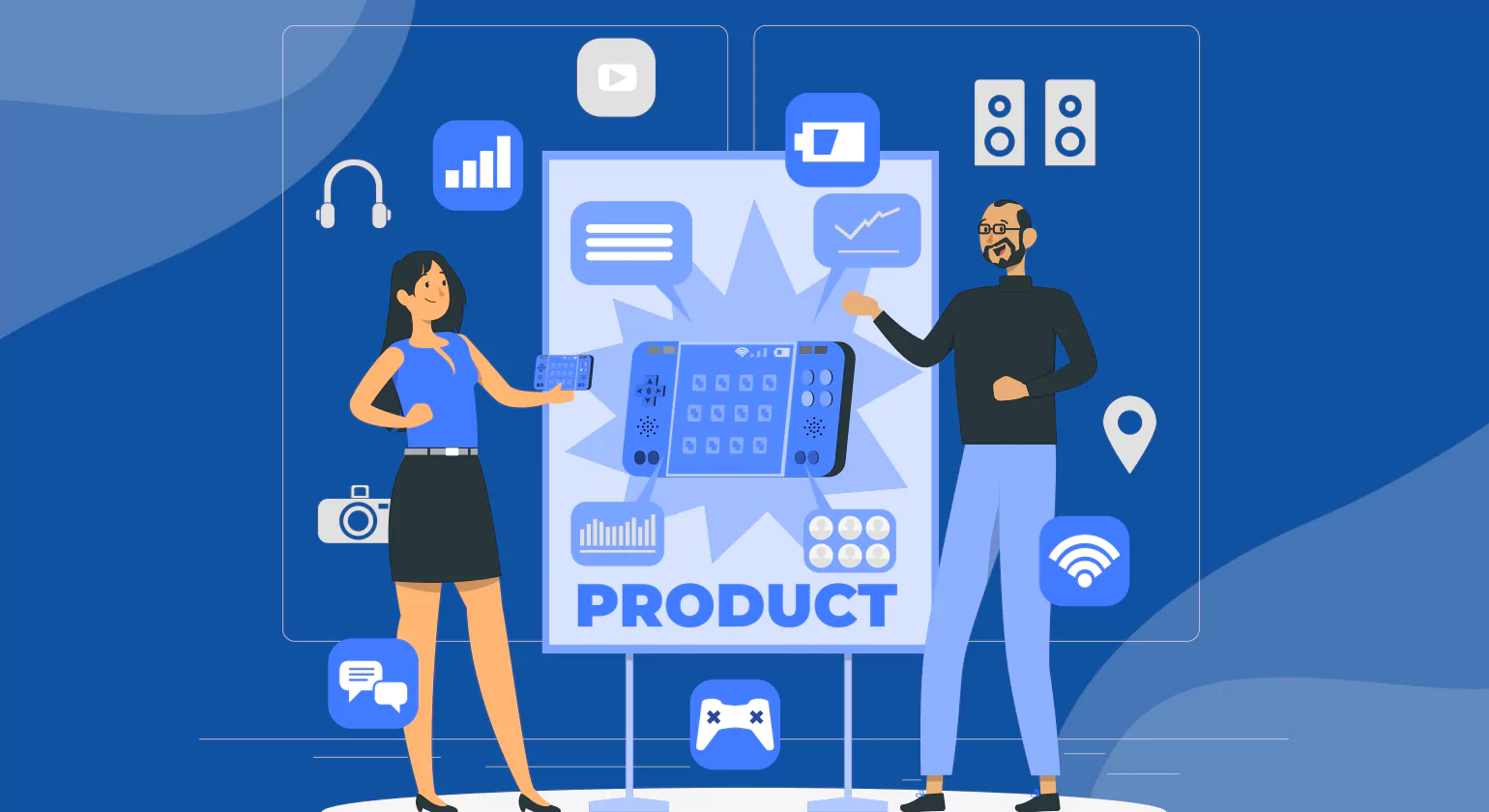
Technical Product Management (TPM) is the practice of managing the development and lifecycle of technology-driven products, bridging the gap between engineering and business. A Technical Product Manager ensures that the product vision aligns with technical feasibility and market needs.
Defining the Role of a Technical Product Manager
A Technical Product Manager wears multiple hats—strategist, communicator, and technologist. Unlike traditional product managers, TPMs possess a strong technical background, allowing them to deeply understand software architecture, APIs, and system design. They collaborate closely with engineering teams to translate business goals into technical requirements, ensuring efficient and scalable product development.
Understanding the Key Functions of Technical Product Management
TPMs are responsible for defining product requirements, prioritizing features, managing roadmaps, and facilitating agile development processes. They work cross-functionally with design, marketing, and engineering to deliver impactful solutions. A key function is acting as a translator between non-technical stakeholders and developers, ensuring clarity and alignment throughout the product lifecycle.
The Relationship Between Product Strategy and Technical Execution
TPMs are pivotal in connecting long-term product vision with real-world execution. They help shape the product strategy by assessing technical constraints and opportunities, ensuring that what is promised to the market can be built reliably and on a scale. By aligning engineering efforts with strategic goals, TPMs drive product success from ideation to launch and beyond.
Why Every Tech Company Needs Technical Product Managers

In the ever-evolving tech industry, the role of a Technical Product Manager (TPM) has grown crucial for delivering products that are both innovative and scalable. A TPM is not just a liaison between teams; they are the bridge that connects business vision with engineering precision. By understanding the intricacies of software development and system architecture, TPMs ensure that product development is not only feasible but also efficient and aligned with market needs.
The Value of Technical Product Managers in Driving Product Success
Technical Product Managers possess the expertise to navigate complex technical landscapes, which allows them to translate high-level product goals into actionable technical requirements. They work together with engineering teams to prioritize features, reduce risks, and ensure that development stays on track. Their deep technical knowledge allows them to make data-driven decisions, forecast potential obstacles, and suggest solutions that align with business objectives, thus driving the product to success. Furthermore, TPMs excel in managing the entire product lifecycle—from conception to post-launch iteration—ensuring that the product not only meets user needs but also evolves based on feedback and emerging trends.
The Role of Technical Product Management in Innovation and Market Competitiveness
In an era where technology is a core driver of competitive advantage, innovation is key to maintaining market leadership. TPMs are instrumental in this process, as they closely monitor technological trends, evaluate new tools, and identify emerging opportunities for disruption. They are adept at understanding how to leverage new technologies to create products that push boundaries, solve customer pain points, and differentiate their companies from competitors. By balancing technical feasibility with market needs, TPMs help businesses stay agile, anticipate shifts in the industry, and foster a culture of continuous innovation.
Ultimately, Technical Product Management is not just vital for product delivery—they are the catalysts for strategic growth and competitive advantage. Their ability to drive product development with a blend of technical expertise and market awareness makes them invaluable to tech companies striving to stay ahead in an increasingly competitive landscape.
Key Responsibilities of a Technical Product Manager

A Technical Product Manager (TPM) plays a vital role in bridging the gap between business needs and technical execution. Their primary responsibility is managing the product lifecycle from a technical perspective, ensuring the product is feasible, scalable, and aligned with business goals. TPMs collaborate with engineering teams to define technical requirements, prioritize features, and ensure that the product meets user needs while maintaining high-quality standards.
Managing the Full Product Lifecycle from a Technical Perspective
A Technical Product Manager (TPM) is responsible for overseeing the entire product lifecycle from a technical standpoint. This includes understanding the market, product vision, and technical requirements to ensure successful product delivery. TPMs work closely with engineering teams to ensure that the product is not only feasible but scalable, reliable, and aligned with technical capabilities. The role involves balancing technical debt, performance optimization, and user experience to deliver a high-quality product in a timely manner. Throughout the lifecycle, TPMs ensure that product iterations are informed by real-world usage and technical feedback, continuously refining and improving the product.
Bridging the Gap Between Development Teams and Stakeholders
A critical aspect of the TPM’s role is to act as a liaison between technical and non-technical teams. TPMs ensure that communication between stakeholders (like marketing, sales, or senior management) and the development team is smooth and effective. They translate business goals and customer needs into clear technical specifications for developers, ensuring that the engineering team can build with clarity. Similarly, they interpret technical challenges or roadblocks for non-technical stakeholders, making sure all parties are aligned in terms of priorities, expectations, and timelines. This requires exceptional communication skills and a deep understanding of both the business side and technical execution.
Setting Technical Roadmaps and Defining Requirements
TPMs are responsible for creating and maintaining the Technical Product Management technical roadmap. This includes setting milestones, prioritizing technical features or fixes, and aligning them with business goals and deadlines. They are deeply involved in planning sprints, defining the scope for each phase of development, and making tough decisions about what should be included in each release. To do this effectively, TPMs gather requirements from a variety of stakeholders, such as product managers, designers, engineers, and customers. They transform these inputs into clear, actionable technical requirements that guide development and ensure that the engineering team is focused on the right tasks at the right time.
Monitoring Product Performance and Iteration
Once the product is live, TPMs monitor its performance closely, utilizing tools like analytics dashboards, user feedback, and system monitoring software to assess how the product is performing. This involves tracking key metrics such as user engagement, system uptime, and load times, and identifying any areas for improvement. TPMs also gather feedback from both customers and internal teams to find pain points and refine product features. They ensure that the development process is iterative, with frequent updates and refinements based on the latest data. By using a data-driven approach, TPMs ensure the product evolves in a way that maximizes both user satisfaction and technical excellence.
Collaborating with Cross-Functional Teams: Engineering, Design, QA
Collaboration is a core part of a TPM’s responsibilities. They work alongside cross-functional teams—engineering, design, and quality assurance (QA)—to ensure that the product is being developed with the right technical and user experience standards. TPMs guide engineering teams to stay focused on technical requirements, while also ensuring that design teams create intuitive, user-friendly interfaces that meet both business and technical needs. Working closely with QA teams, TPMs ensure that the product is rigorously tested for performance, security, and usability before launch. TPMs are key to maintaining alignment and ensuring that all teams work in harmony toward the common goal of delivering a high-quality product.
Technical Product Management vs. Product Management: Core Differences

Product Managers (PMs) focus on the strategic side of the product, overseeing its development, positioning, and lifecycle. They conduct market research, define the product vision, prioritize features, and ensure alignment with the company’s business objectives. PMs are responsible for defining the “what” and “why” of the product but typically leave the technical aspects to the engineering teams.
Technical Product Managers (TPMs), on the other hand, operate at the intersection of business and technology. They not only define what the product should be but also how it can be built efficiently. TPMs work closely with engineering teams, ensuring technical feasibility, managing technical risk, and addressing constraints. They have a deep understanding of both the product domain and the technical aspects required to execute the product vision.
The Key Distinctions Between a Product Manager and a Technical Product Manager
- Role Scope: PMs are responsible for market research, user personas, feature prioritization, and business objectives. They set the product vision and ensure the product fits customer needs. TPMs, however, provide the technical expertise necessary to bring that vision to life, managing technical dependencies, defining technical specifications, and ensuring the engineering team can execute the plan effectively.
- Skill Set: PMs need strong business acumen, communication, and leadership skills to handle customer-facing roles. TPMs require a solid technical background (e.g., software development or engineering experience) to make informed decisions that balance technical complexity with business requirements. TPMs are often well-versed in technical languages, systems architecture, and development processes.
- Collaboration with Teams: PMs focus more on customer-facing teams, sales, and marketing, while TPMs work closely with engineering and technical teams to understand implementation challenges and ensure the product is built efficiently.
Why Technical Expertise Sets the Technical Product Manager Apart
- Deep Technical Knowledge: TPMs leverage their technical expertise to make critical decisions that affect both product quality and development timelines. They understand technical constraints, system architecture, and development tools, allowing them to guide the team with the right technical direction.
- Effective Communication: While PMs translate user needs into product features, TPMs translate those features into actionable technical requirements. Their understanding of code, infrastructure, and design allows them to communicate with engineers on a deeper level, ensuring that all teams are aligned.
- Risk Management: TPMs are skilled at identifying potential technical challenges early on, such as scalability issues or technical debt, and mitigating them before they become roadblocks. Their knowledge of software development allows them to assess the risks of different architectural approaches and suggest alternative solutions.
Understanding the Impact of Technical Product Managers on Product Development
- Optimizing Product Delivery: Technical Product Management plays a crucial role in ensuring that the product is developed efficiently. Their technical input helps reduce the risk of delays or cost overruns by ensuring that features are feasible within the given technical constraints and resources.
- Quality Assurance: By working closely with engineering teams, TPMs ensure that the product meets technical standards, is scalable, and can handle future iterations. They act as a safeguard for technical quality, helping the team avoid shortcuts that could compromise the product’s long-term success.
- Facilitating Cross-functional Collaboration: TPMs are vital for bridging the gap between non-technical and technical stakeholders. They ensure that technical requirements are understood by business stakeholders and that the product roadmap is achievable. Their ability to manage both business and technical expectations ensures smoother product launches and greater alignment across teams.
- Driving Innovation: With a deep understanding of the technical landscape, TPMs can introduce new technologies and solutions that improve the product’s performance or usability. Their technical insight is invaluable for identifying opportunities for innovation that can differentiate the product in the market.
Top Skills for Success in Technical Product Management
Building Technical Expertise Without Losing Sight of the Customer
Balancing Technical Knowledge and Customer Focus: A successful Technical Product Management must have deep technical expertise but must always keep the customer’s needs at the forefront. They bridge the gap between advanced technology and customer-centric solutions, ensuring the product meets real-world demands while leveraging the latest innovations.
Staying Updated on Trends: Keeping abreast of technological advancements is key. However, it’s equally important to align these innovations with customer needs, ensuring that cutting-edge solutions solve meaningful problems for users.
Acting as the Bridge Between Engineering and Customer Needs: The product manager must translate engineering capabilities into customer-facing features. They ensure that development teams understand user needs while translating technical constraints to non-technical stakeholders.
Mastering Communication and Collaboration Across Teams
Clear Communication Across Stakeholders: Product managers must articulate complex technical concepts to diverse teams, ensuring all stakeholders, from engineers to salespeople, understand the product vision. Communication must be adaptable to the audience—technical for engineering teams, business-focused for leadership, and customer-centric for sales and marketing.
Collaboration Across Cross-Functional Teams: Successful product management requires working with engineering, design, marketing, sales, and customer support teams. Fostering strong, collaborative relationships ensures alignment and smooth execution across the organization.
Managing Expectations and Leading Discussions: Product managers act as leaders who not only communicate effectively but also manage expectations and navigate conflicts. They facilitate discussions to ensure alignment on timelines, features, and priorities.
Using Data-Driven Decision Making to Drive Product Success
Leveraging Analytics for Strategic Product Decisions
Technical Product Managers harness the power of data analytics to uncover critical trends, understand user behavior, and evaluate product performance. By analyzing this data, they shape new features, refine user experiences, and assess product success to make more informed decisions.
Using Feedback and A/B Testing for Continuous Improvement
A/B testing and user feedback are key tools for understanding product performance. Data-driven product managers leverage these insights to validate decisions, enhance the user experience, and iterate on features, ensuring continuous optimization of the product.
Prioritizing Features Based on Data-Driven Insights
Effective prioritization stems from a deep understanding of which product features or improvements deliver the most value to both users and the business. By analyzing data, product managers can make well-informed decisions about which features to focus on next, ensuring that resources are directed toward the most impactful initiatives.
Prioritizing and Managing Technical Roadmaps Effectively
Developing Actionable Roadmaps: Technical Product Management needs to design clear, actionable roadmaps that outline features, timelines, and deliverables while aligning them with both business objectives and technical feasibility. Roadmaps should strike a balance between long-term strategic goals and short-term operational needs.
Balancing Short-Term and Long-Term Goals: A successful product roadmap is not just a list of features to be built but a strategic document that ensures technical decisions and feature development align with both immediate market needs and long-term product vision.
Flexibility to Adjust Priorities: The roadmap should be dynamic, with regular reviews to ensure that changing market demands, customer feedback, or new opportunities are reflected. Product managers should be agile enough to pivot priorities when necessary.
Leading Cross-Functional Teams with Technical and Business Acumen
Leading by Example: Successful product managers have both technical depth and business insight. They lead teams with a clear vision and strategy while demonstrating a deep understanding of both technical capabilities and business objectives.
Motivating and Inspiring Teams: Product managers must inspire teams by fostering a sense of ownership, enthusiasm, and shared responsibility. They motivate teams to strive for a common goal and work cohesively towards delivering the product vision.
Aligning Technical Decisions with Business Objectives: Every technical decision should align with the business objectives of the company, ensuring that development efforts directly contribute to the product’s market success. Product managers work with engineering teams to make sure that technical solutions enhance the business impact, whether through user engagement, revenue, or competitive differentiation.
The Essential Skills and Qualities Every Technical Product Manager Should Have

Technical Product Management (TPM) plays a crucial role in the intersection of technology, product development, and business strategy. To excel in this role, TPMs need to develop a deep set of skills that encompass both technical knowledge and leadership qualities. Here’s a deeper dive into the essential skills:
1. Technical Proficiency
A TPM must have a solid understanding of APIs, software architecture, and infrastructure. While they may not be coding daily, their ability to converse fluently with engineers, understand technical constraints, and make informed decisions is critical. They should be able to evaluate trade-offs between different technologies and anticipate how changes in one component may affect others.
2. Analytical Thinking
TPMs need a strong analytical mindset to evaluate product data, track key performance indicators (KPIs), and assess potential risks. Whether it’s analyzing user behavior or troubleshooting bugs, a TPM must be adept at using data to uncover insights, guide decision-making, and optimize products.
3. Effective Communication
A TPM must bridge the communication gap between technical and non-technical stakeholders. Translating complex technical information into clear, understandable terms for executives, marketing teams, and customers is an essential skill. Moreover, ensuring the engineering team understands business needs without oversimplification is equally important.
4. Project Management
TPMs must be expert project managers, skilled in prioritizing tasks, managing timelines, and efficiently allocating resources. Balancing competing interests, mitigating risks, and ensuring that deadlines are met requires a deep understanding of both business objectives and development constraints.
5. Leadership
Leadership is vital for a TPM to inspire, mentor, and align cross-functional teams. Whether it’s guiding a team through a product launch, facilitating discussions between engineering and design, or resolving conflicts, a TPM must be able to motivate and lead effectively. Strong decision-making abilities and the ability to rally the team around a shared vision are essential.
6. Technical Writing and Documentation
Clear documentation is crucial for TPMs. Creating detailed roadmaps, writing specifications, and maintaining technical documentation ensures clarity and alignment across teams. It also serves as a reference point for future development and helps onboard new team members.
By mastering these skills, a TPM can drive successful product development, balance technical and business needs, and lead teams to deliver high-impact products.
How to Succeed as a Technical Product Manager: Top Tips and Best Practices

As a Technical Product Manager (TPM), the ability to bridge the gap between technical teams and business goals is essential. Here are some key practices to succeed in this role
- Balancing Technical Knowledge and Business Insight: TPMs must maintain a deep understanding of the technology stack while also keeping a keen eye on business objectives. Being able to speak both languages ensures the product aligns with company goals and customer needs.
- Building Effective Technical Specifications: Clear, well-documented technical specifications are crucial. TPMs must work closely with engineering to translate business requirements into actionable technical tasks, ensuring clarity and reducing ambiguity.
- Regular Iteration and Roadmap Reviews: Product roadmaps should be dynamic. Regular iterations, feedback loops, and reviews help keep the product aligned with both market needs and technical constraints.
- Managing Scope Creep and Technical Debt: TPMs need to set clear priorities to manage scope creep and address technical debt. Balancing new feature development with the necessary refactoring ensures product longevity and stability.
- Implementing KPIs: Setting Key Performance Indicators (KPIs) helps measure the product’s success, track progress, and align teams. Metrics like user engagement, retention, and system performance are essential to evaluate the product’s impact.
- Feedback Loops with Engineering and Design: Effective communication between engineering, design, and business teams ensures that the product evolves efficiently. Regular feedback fosters collaboration and innovation, driving the product toward success.
How to Transition into Technical Product Management

Steps for Product Managers to Move into Technical Roles
Understand the Technical Product Management Landscape: Begin by gaining a foundational understanding of the technical aspects of product development, such as software architecture, data flows, cloud platforms, and APIs. Study common programming languages like Python, JavaScript, or SQL, and get comfortable with development frameworks.
Leverage Existing Knowledge: As a product manager, you’re already skilled in understanding market needs, defining product vision, and aligning teams around objectives. In a technical role, you can use these competencies to translate customer pain points into technical solutions, while working closely with engineers to ensure alignment between business goals and technical execution.
Expand Collaboration with Engineers: Start engaging more directly with engineers to understand their workflows. Participate in technical discussions, ask questions, and be an active listener to gain insights into their challenges. Building a strong rapport with the engineering team is key to transitioning effectively.
Developing the Right Technical Skill Set for Transition
Learn Key Programming Concepts: While you don’t need to become an expert coder, understanding core programming principles such as object-oriented programming (OOP), algorithms, and data structures will be essential. Platforms like Codecademy or Coursera offer structured learning paths.
Understand Systems Architecture: Dive into system design basics to understand how backend, frontend, and infrastructure components interact. Familiarize yourself with concepts like microservices, serverless architecture, and distributed systems. Knowledge of cloud platforms (AWS, GCP, or Azure) will also prove beneficial.
Familiarize Yourself with Agile Methodology: Understanding Agile principles, particularly Scrum and Kanban, is critical in bridging the gap between product management and technical teams. Learn how to write user stories with technical depth, conduct sprint planning, and collaborate in cross-functional teams.
Networking and Mentorship Opportunities in Tech Industries
Join Technical Meetups and Conferences: Participate in industry meetups, hackathons, or tech conferences to stay updated on trends and connect with professionals. This gives you the opportunity to engage in technical conversations, expand your knowledge, and build relationships with engineers, software architects, and other product managers in tech-heavy environments.
Seek a Technical Mentor: Identify a mentor who has a technical background, such as a senior engineer, software architect, or another technical product manager. This relationship can help you bridge gaps in knowledge and guide you in developing your technical acumen while sharing their own transition story and advice.
Connect with Technical Communities: Be active in online tech forums, discussion groups, and open-source communities. Platforms like GitHub, Stack Overflow, or Reddit’s technical subreddits provide opportunities for learning and exposure to real-world coding and problem-solving challenges.
Overcoming Challenges When Shifting to Technical Product Management
Bridging the Knowledge Gap: There will inevitably be a learning curve, especially around technical concepts that may be foreign to you. To manage this, create a structured learning path, seek guidance from technical peers, and don’t hesitate to ask clarifying questions. It’s crucial to remain patient with yourself and treat the transition as a long-term investment.
Building Credibility with Engineers: Engineers might initially question your technical expertise, so you must prove yourself by listening attentively, understanding Technical Product Management constraints, and making informed decisions. Emphasize empathy—recognize their challenges and collaborate rather than dictate. It helps to demonstrate that you can speak their language and understand the trade-offs involved.
Managing Imposter Syndrome: Imposter syndrome is common when transitioning into a technical role, but it’s important to remember that this is a process. Focus on incremental progress, celebrate small wins, and remind yourself of the valuable skills you bring as a product manager, like problem-solving, communication, and prioritization. Engage with peers who’ve made a similar transition to gain confidence.
How to Build and Lead High-Performing Technical Product Teams

- Recruiting the Right Talent:
Focus on hiring not just for technical expertise but also for cultural fit. Look for candidates with a growth mindset, strong communication skills, and a collaborative spirit. Prioritize diversity of thought and experience to foster creativity and innovation.
- Investing in Professional Growth:
Provide continuous learning opportunities through mentorship, training, and attending conferences. Ensure team members have access to tools and resources that enhance their skills and career development.
Key Strategies for Recruiting and Retaining Top Technical Product Talent
- Develop a Compelling Employer Brand:
Highlight your company’s mission, values, and work culture in your recruitment efforts. Offer competitive compensation packages and flexible work arrangements to attract top talent.
- Create Career Growth Paths:
Build clear career advancement paths to retain top performers. Regular feedback and recognition programs help employees feel valued and motivated.
Leading Cross-Functional Teams: Best Practices for Collaboration
- Foster Open Communication:
Establish regular touchpoints, clear channels for feedback, and transparency in decision-making. Encourage team members to share ideas openly.
- Set Clear Goals and Expectations:
Align on shared objectives, timelines, and individual responsibilities, ensuring everyone understands how their work contributes to the larger product vision.
Fostering Innovation and a Problem-Solving Culture within Product Teams
- Encourage Experimentation:
Foster an environment where new ideas are welcomed and tested, even if they may fail. Cultivating a culture where learning from mistakes is seen as a valuable part of the innovation process. By implementing agile methodologies, teams can iterate quickly, allowing for flexibility and continuous improvement. This fosters a sense of ownership and empowers individuals to experiment without fear of failure.
- Celebrate Successes and Learnings:
Recognize both successful innovations and lessons learned from failures. Celebrate small wins to keep the team motivated and engaged while encouraging others to continue pushing boundaries.
Managing Conflicting Priorities and Stakeholder Expectations
- Prioritize and Align:
Use data and insights to evaluate the impact and value of features. Define clear product goals and then prioritize tasks that align with the broader business objectives. When managing multiple stakeholders, ensure that their expectations are aligned by regularly communicating progress and potential trade-offs
- Transparent Decision-Making:
Create a framework for making decisions based on facts and data and be transparent with stakeholders about why certain priorities are chosen over others. This helps in building trust and understanding, ensuring that conflicting priorities are resolved through clear, informed discussions.
The Growing Role of Remote Technical Product Managers in 2025

The role of technical product managers (TPMs) has been evolving over the years, and remote work is accelerating this transformation. As businesses globally adopt remote work structures, TPMs have become crucial in bridging technical teams with business objectives. By 2025, TPMs are expected to increasingly operate within decentralized teams, collaborating across time zones and cultures. Remote work offers TPMs the opportunity to be more agile, manage dispersed teams, and drive innovation from anywhere.
How Remote Work is Transforming the Technical Product Management Landscape
Access to a Global Talent Pool: Remote work eliminates geographical barriers, allowing organizations to hire top-tier talent globally. This increases diversity in thought, experience, and expertise, fostering a more innovative product management approach.
Increased Flexibility in Product Development: remote technical product manager work means teams can collaborate across time zones, creating a near-continuous development cycle. This flexibility allows product teams to maintain momentum, shorten delivery times, and respond quickly to market changes.
Cost Efficiency: Organizations can save on office space and resources, redirecting those savings into improving product quality, hiring specialized talent, or investing in tools and technologies that enhance team productivity.
Key Tools and Technologies for Managing Remote Teams and Projects
Collaboration Platforms: Slack, Microsoft Teams, and Zoom are foundational for real-time communication, meetings, and team interactions. These platforms integrate with other tools to ensure smooth workflows and keep teams connected regardless of location.
Project Technical Product Management Software: Tools like Jira, Asana, and Monday.com enable TPMs to create structured workflows, set deadlines, and track progress. These platforms are designed to keep teams aligned, ensure accountability, and provide transparency in project status.
Cloud-Based Development Tools: Platforms such as GitHub, GitLab, and Bitbucket allow for efficient code collaboration and version control, crucial for managing software development remotely. These tools help keep everyone in sync with the latest codebase and ensure seamless collaboration between developers, designers, and other stakeholders.
Effective Communication and Collaboration in a Remote Product Management Environment
Clear and Frequent Communication: TPMs must prioritize clear communication to mitigate the risks of misalignment. Regular virtual stand-ups, sprint reviews, and retrospectives ensure team members are aligned on goals, deadlines, and challenges.
Documentation and Knowledge Sharing: Tools like Confluence, Notion, and Google Docs ensure that all product-related information is accessible to the team, no matter where they are located. TPMs must ensure documentation is well-organized and regularly updated to avoid information silos and ensure everyone is working from the same page.
Asynchronous Communication: Remote TPMs must master asynchronous communication, allowing teams to collaborate across time zones without delays. This includes detailed Slack messages, recorded meetings, and shared project boards, which allow team members to work at their convenience but still stay aligned with the larger goals.
Challenges and Opportunities for Remote Technical Product Managers
Challenges:
Time Zone Differences: Coordinating teams across multiple time zones can be tricky. It requires TPMs to be flexible and creative with meeting schedules, possibly splitting work into shifts or rotating meeting times to ensure no team member is disadvantaged.
Maintaining Team Engagement: remote technical product manager teams often struggle with maintaining motivation and engagement. TPMs need to prioritize team bonding and morale through virtual activities, recognition, and clear communication about goals and progress.
Cross-Functional Collaboration: Collaborating with cross-functional teams (such as engineering, marketing, and sales) can be challenging in a remote setup due to lack of face-to-face interaction. TPMs must ensure that all teams are integrated into the product development process, maintaining a shared understanding of objectives.
Opportunities:
Increased Work-Life Balance: Remote TPMs enjoy the flexibility of managing work-life balance, which can lead to increased productivity and job satisfaction. This, in turn, can reduce turnover and attract high-quality talent.
Scalable Product Development: remote technical product manager work allows organizations to scale their product teams more effectively. TPMs can tap into a larger pool of developers, designers, and other specialists from different regions, speeding up development and enabling more efficient product iteration.
Diverse Perspectives: Working with a globally dispersed team brings diverse perspectives and problem-solving approaches. This diversity fosters innovation and allows TPMs to create products that better meet the needs of a global user base.
Conclusion
Technical Product Management plays a vital role in today’s tech-driven world, bridging the gap between technical expertise and business strategy. With the increasing complexity of modern products and the rapid pace of technological innovation, TPMs are essential in delivering successful products that meet both user needs and business objectives. Their deep technical knowledge allows them to make informed decisions about product design, development, and scalability, while their business acumen ensures that these products align with market demands and company goals.
By serving as the intermediary between development teams and business stakeholders, Technical Product Managers ensure that communication remains clear, goals are aligned, and products are delivered on time. As technology continues to evolve, the importance of TPMs in ensuring that businesses stay competitive and deliver high-quality products will only continue to grow. In essence, Technical Product Management is key to creating products that not only meet technical requirements but also provide significant value to users and the business.
Know more about >>>> New Product Development Services
>>>> Technical Content Writing
FAQ'S
How to Become a Technical Product Manager?
To become a Technical Product Manager, gain experience in product management, technical fields (e.g., software development), and business strategy. A strong foundation in problem-solving, communication, and leadership is crucial. Earning certifications or an advanced degree in business or technology can enhance your skills, along with hands-on experience in a technical environment.
What Does a Technical Product Manager Do?
A Technical Product Manager defines product vision, manages roadmaps, and collaborates with engineers and business teams. They ensure technical feasibility, prioritize features, and communicate product requirements clearly. TPMs balance user needs with technical capabilities, focusing on delivering high-quality, market-aligned products.
Which Technical Skills Should a Technical Product Manager Have?
Key technical skills for a TPM include understanding software development processes, data analysis, systems architecture, and familiarity with tools like Jira and Git. Knowledge of programming languages, cloud platforms, and APIs can be beneficial but isn’t always required, depending on the role.
Do Technical Product Managers Need Coding Skills?
Coding skills are not mandatory but can be beneficial for Technical Product Managers. Understanding coding basics helps TPMs communicate better with engineering teams, make informed decisions, and handle technical constraints more effectively. However, a TPM’s primary role focuses more on product strategy than hands-on coding.
What Industries Employ Technical Product Managers?
Technical Product Management is employed across industries such as software development, e-commerce, fintech, healthcare tech, and telecommunications. Any company that develops technology-driven products, including startups and large enterprises, requires TPMs to ensure alignment between technical development and market needs.