Table of Contents
The static logo is where your brand story begins, but an animated logo makes you stand out from the start. Animation service for logos makes a static logo come alive and makes your business stand out on websites, social media, and online advertising.
Animation service for logos is a service that makes motion-based versions of a business’s logos for videos, ads, and online platforms. By incorporating motion, time, and effects into a business’s brand logos, businesses can make their brand stand out in a sleeker way.
Key Takeaways
Logo animation services help brands create dynamic visual identities that capture attention across digital platforms.
Different animation styles allow businesses to match motion design with brand personality and audience expectations.
Pricing varies based on animation complexity, design expertise, and production quality.
Emerging technologies like AI and AR are transforming how animated logos are created and experienced.
Choosing the right animation style and provider ensures consistency with overall brand strategy.
Understanding file formats and technical specifications improves compatibility across websites, apps, and video platforms.
Strategic placement of animated logos enhances branding, engagement, and visual storytelling.
Testing and optimization help ensure animations perform smoothly across devices and channels.
What Are Logo Animation Services & Why They Matter in 2026
Understanding Logo Animation Services
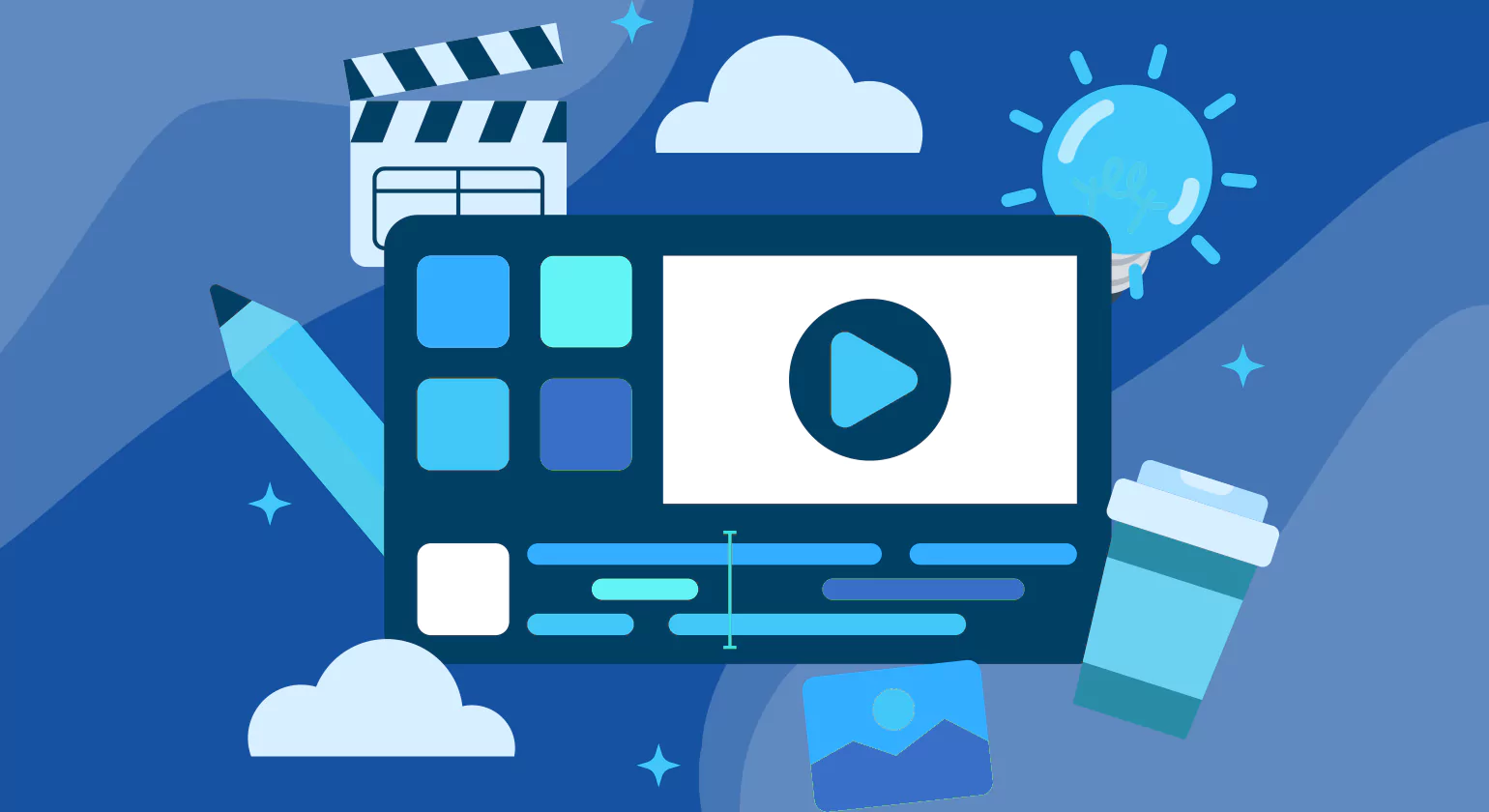
Logo animation services transform a static brand logo into animated motion graphics that can be used in videos, websites, applications, and advertisements. By integrating animation, sound effects, and storytelling with the brand logo, businesses can attract more attention and create a more engaging brand identity.
Static vs Animated Logos: Performance Comparison
A static brand logo represents identity, whereas an animated brand logo can encourage more interaction with the brand. Moving graphics can cut through the noise in a crowded digital environment, and research supports that animated graphics can increase viewer retention and brand recognition compared to static graphics.
2026 Logo Animation Trends (AI, AR, Motion Personality)
In the coming years, until 2026, AI design tools, augmented reality, and animation personalities that mimic the brand tone will be some of the trends in brand logo animation services. These trends will enable businesses to create engaging brand experiences while maintaining their brand identity.
ROI Data: How Animated Logos Impact Brand Performance
Animated brand logos increase brand visibility and engagement in the digital environment. Research supports that animation can increase brand recognition and improve marketing outcomes on social media and in video content.
8 Types of Logo Animation Styles (With Examples)
2D Reveal Animation (Best for: Clean, Professional Brands)
2D reveal animation involves softly bringing up a logo on the screen, often using fades, gentle slides, or movements. This keeps the visual aesthetic clean and simple, yet highlights the identification of the brand.
3D Animation (Best for: Tech, Gaming, Luxury)
3D logo animation involves adding depth, lighting, and motion to the logo, giving it a high-end and premium feel. This style of animation is often used by tech companies, gaming companies, and high-end businesses to convey their innovative, sophisticated, and cutting-edge presence on the web, in ads, and in video productions.
Morphing & Transformation (Best for: Startups, Innovation)
Morphing involves transforming logos, icons, and even words into the final logo, creating a dynamic and fluid motion. This style of logo animation often represents companies and brands that want to convey their innovative and dynamic presence, often suitable for startups and young companies.
Kinetic Typography (Best for: Wordmarks, Text-Heavy Logos)
Kinetic typography involves adding motion to text elements of the logo, often highlighting the brand’s name or even their tagline. This style of logo animation often involves media companies, marketing companies, and digital companies.
Hand-Drawn Animation (Best for: Artisan, Human Touch Brands)
Hand-drawn logo animations resemble the movement of a sketch being drawn on a whiteboard, where the logo gradually appears as if it is being sketched out in real time. This style of animation is suitable for brands that value the look of handmade products, such as artisanal brands, creative studios, and small businesses that seek to incorporate personality into the brand identity.
Glitch & Digital Effects (Best for: Edgy, Modern Brands)
The glitch style of animation incorporates digital noise, distortion, and other electronic interference to create a futuristic look that is edgy and bold. Technology startups, gaming brands, and contemporary digital companies utilize this style of animation to convey innovation, boldness, creativity, and a strong digital culture.
Bounce & Pop Animation (Best for: Fun, Youthful Brands)
Bounce and pop animations incorporate movement into the logo by having the elements jump, extend, or enlarge in a lively fashion. This style of animation is suitable for entertainment brands, children’s products, and social platforms that seek to project excitement and a brand personality that is fun to engage with.
Rotating & 360° Animation (Best for: Product, Services)
The rotating 360-degree logo animation style features the logo rotating to show different angles of the logo in a smooth motion. Product manufacturers and service-based platforms utilize this style of animation to showcase the design of the product and create a memorable brand entrance.
Logo Animation Pricing & Provider Comparison (2026)
Pricing Breakdown by Complexity
Basic 2D Animation: $300–$500 for simple motion effects and short animated intros, commonly used by startups or small businesses.
Custom 2D/3D Animation: $1,000–$2,000 depending on motion design, brand elements, and customization level.
Complex 3D / Advanced Effects: $1,500–$5,000+ for cinematic visuals, advanced rendering, and detailed animation sequences.
Freelance Rates: $27–$120 per project on Fiverr, while experienced specialists on Upwork typically charge higher for custom work.
DIY Animation Tools: $0–$50 per month using platforms like Canva, Renderforest, or Adobe Express for quick, template-based logo animations.
Top Logo Animation Service Providers
Ossisto: Provides professional logo animation services with customized motion design, brand-focused visuals, and cost-effective solutions for startups, agencies, and growing businesses.
Prolific Studio: Premium provider known for high-end brand animations and cinematic motion design.
Buzzflick: Offers 2D, 3D, and motion graphics animation services for marketing and branding.
Anideos: Budget-friendly studio with faster turnaround for simple animation projects.
Red Kite Design: Known for modern visual aesthetics and creative branding animations.
Fiverr Freelancers: Affordable services ranging from $27–$120 with typical delivery in 6–16 days.
Behance Professionals: Creative designers often working with a 50% upfront payment model.
Upwork Specialists: Custom project pricing based on experience, complexity, and project scope.
Austin Visuals: High-end animation studio specializing in professional brand visuals.
Logo Animators: Focuses on affordable solutions tailored for startups and small businesses.
DIY Tools: Platforms like Canva, Renderforest, and Adobe Express for quick self-service logo animations.
Provider Comparison Table (Pricing, Timeline, Best For)
| Provider Type | Typical Pricing | Timeline | Best For |
|---|---|---|---|
| Freelancers | $50–$300 per project | 3–5 days | Small businesses, quick logo animations |
| Agencies | $500–$2000+ | 1–3 weeks | Strategic branding, high-quality animations |
| DIY Tools | Under $50 | Same day | Startups needing fast, simple animations |
DIY vs Professional: Decision Framework
DIY logo animation is perfect for new companies that want visual content without breaking the bank. Professional animators provide custom motion design, brand consistency, and better quality, especially if brand consistency and marketing impact are important.
Freelance vs Agency vs In-House Comparison
Freelancers provide affordable, flexible animation support for small projects. Agencies offer structured workflows, branding expertise, and full creative teams. In-house designers suit companies producing frequent visual content, ensuring faster revisions, consistent branding, and stronger collaboration with marketing teams.
Common Mistakes & Best Practices
7 Mistakes to Avoid When Animating Your Logo
Overusing visual effects that distract from the brand message
Creating long or slow animations that reduce viewer attention
Using inconsistent brand colors or typography
Adding complex motion that confuses the logo identity
Ignoring brand guidelines during animation design
Using heavy files that slow website or app performance
Designing animations that do not adapt well across platforms
Quality Red Flags When Hiring Providers
Providers with vague portfolios or limited past work examples
Overuse of generic animation templates instead of custom designs
No clear revision policy or unclear project scope
Lack of communication about animation style and deliverables
Failure to provide editable source files for future updates
Poor alignment with your brand guidelines and design standards
Limited experience with multi-platform logo animation formats
File Management & Version Control Best Practices
Ensure that the original project files are safe, export different versions for different platforms, and use clear and unambiguous names. Good file organization helps avoid mix-ups with the latest updates. In addition, it enables the team to access the correct animation assets quickly when it is time for publication.
When to Update or Refresh Your Animated Logo
Consider updating your animated logo as your brand evolves, design trends change, or when the animation is not working properly. Updating the animation keeps it fresh and fresh enough for the latest platforms.
Brand Guideline Integration for Consistency
Ensure that the animated logo represents your brand. An animated logo should have the same color schemes, font styles, and tone of voice as the rest of the marketing content.
AI & AR in Logo Animation (2026 Technologies)
AI-Powered Animation Tools (Automated Generation)
The animated logo work can be sped up through AI-based animation tools that assist in the design work by automating the entire process. These AI-based tools analyze the brand’s colors, shapes, and style to develop motion effects for the animated logos.
AR Logo Experiences (Interactive, Real-World Integration)
Augmented reality enables brands to position the animated logos in real-world environments, which can be viewed through smartphones or augmented reality glasses. People can scan the logos displayed on the packages, ads, or storefronts to view the animated logos, thus improving the brand’s interaction.
Personalized Logo Animations (User-Based Customization)
The personalized animated logos change the visual components according to the user’s behavior, likes, or the location of the content. The brand’s animated logos incorporate motion variations to engage the users through the online presence of the brand, enabling the users to develop a sense of belonging to the brand’s identity.
Future Trends: What's Next in 2027-2028
The upcoming trends in logo animation technology involve AI creativity, immersive AR spaces, and motion adaptation. As technology advances, it is expected that brands will integrate animations into their digital environment to develop dynamic visual identities that seamlessly interact with technology, platforms, and audiences.
How to Choose & Implement Logo Animation (Step-by-Step)
Define Your Brand's Motion Personality
First, imagine how you want the viewer to feel when viewing the movement in your brand. Is it energetic, minimal, elegant, or bold? Defining the style of movement will help you maintain consistency in branding, especially if you are creating a series of animations, videos, or even social media content.
Assess Complexity & Budget Requirements
Think about the complexity of your design and how animated it should be. Simple animations are easier and more cost-effective, while more complex animations require a higher budget and a more experienced designer to produce a quality outcome.
Choose Provider Type (DIY, Freelance, Agency)
Determine the type of animator or company that is best suited for the project based on what you need. If you are on a tight budget, DIY is a great option, or if you want a custom look, a solo animator is a great choice, and if you want a sophisticated look, a company is the way to go, especially if you are a brand-focused company.
Request Samples & Evaluate Quality
When selecting a designer, look at the quality and smoothness of their animations, how well they are aligned with the brand, and how well-paced the animations are. This is a great indicator that the animator is experienced in the field and that the style of movement is suitable for your brand.
Provide Brief (Style, Duration, Format, Platforms)
Provide a clear and detailed outline of how you want the project to turn out, including the colors, style, length, and where it will be used, such as on a website, in a video, or on social media. This will ensure that the animator understands what is expected and will deliver a product that meets your marketing needs.
Review & Refine (Revision Process)
When reviewing the animations, pay attention to the flow, pace, and quality of the movement and provide specific and detailed feedback on the animations, such as the transition from one screen to another or how fast or slow the movement is. This will ensure that the final product meets your expectations and is suitable for marketing.
Receive Final Files (Formats, Resolutions)
Request that the animator provide you with the final product in different formats, such as MP4, GIF, or even a transparent format, so that you can use it on different mediums, such as a website, presentation, or advertisement, and still maintain a consistent visual quality.
Timeline Expectations (6–16 Days Average)
Most professional logo animation Services projects take a week or two to complete, depending on how complex the project is and how many revisions are required. Good communication, a good brief, and prompt feedback can all help speed up the process without compromising on quality.
Technical Specifications & File Requirements (2026)
Recommended File Formats (MP4, GIF, MOV, Lottie)
Select formats that offer a good balance of quality, compatibility, and loading speed. MP4 is the most supported video format for the web and social sites. GIF can be used for basic looping video content, whereas MOV maintains better video quality. Lottie files allow for animations that can be used in apps.
Resolution & Aspect Ratios
Selecting the right aspect ratio ensures that your motion graphic will display correctly on all platforms and devices. Commonly used aspect ratios for motion graphics include 16:9 for landscape-oriented videos, 9:16 for portrait-oriented videos, 1:1 for square-oriented posts, and 4:5 for mobile-oriented videos.
16:9 – Best for YouTube videos and website header banners.
9:16 – Ideal for Instagram Stories, Reels, and TikTok content.
1:1 – Works well for Instagram feed posts and Facebook content.
4:5 – Mobile-optimized format that increases visibility in social feeds.
File Size Optimization for Load Speed
Short motion graphics can hold attention faster and retain it better. The range for a loop can vary between three and eight seconds. This range allows for a quick and effective representation of an idea without boring or slowing down page load.
Sound Design: When to Include Audio
Large animation files can cause a slowdown. Compressing video files using modern codecs and exporting at the smallest possible size while retaining quality can improve website performance and increase user retention.
Platform-Specific Export Settings
Audio can be an effective addition to storytelling if used with motion graphics in a video or ad. However, on many social media sites, autoplay is silent, so it’s essential to make sure that the motion graphics are understandable even without sound.
Where & How to Use Animated Logos Effectively
Website Integration (Homepage, Headers, Loading Screens)
Animated logos may have a great effect on website visitors’ first impressions. Animated logos look great in homepage headers, loading screens, or in areas like navigation. If used sparingly, animated logos can add vitality to websites without compromising loading speed and uniformity in appearance.
Social Media Strategy (Platform-Specific Guidelines)
For social media sites, animated logos can be used to improve brand identification and uniformity in appearance. Since each social media site has its own design requirements, varying animation length, format, and position can be used to maximize audience interaction without overwhelming or distracting from the main content.
Instagram: Feed vs Stories vs Reels
For Instagram, short and simple logo animation Services are best. Add some motion to Instagram feed posts, animate logos in Instagram stories, and create dynamic intros for Instagram Reels to increase brand presence, keeping the Instagram feed clean and easy to scroll through.
LinkedIn: Professional vs Creative Balance
For LinkedIn, audiences tend to receive branded content favorably. Animated logos should be kept simple, and the focus should be on smooth transitions or minimal motion. This will keep the brand credible, and company posts, presentations, or promo videos will have a strong visual presence.
TikTok: Fast-Paced, Attention-Grabbing
For TikTok, audiences have a high preference for fast and dynamic visuals. A simple animated logo, either in the beginning or ending of TikTok videos, will increase brand presence, and the fast-scrolling nature of TikTok will fit in perfectly with dynamic logo animations, keeping them bold, simple, and in line with current visual trends.
YouTube: Intro/Outro Optimization
For YouTube, animated logos have been a common feature in video channel intros and outros. A simple animated logo will increase brand presence, especially for audiences who tend to watch multiple videos from a single brand. A simple animated logo will increase brand recognition and keep the brand looking professional.
Video Content (Intros, Outros, Watermarks)
Animated logos are great for increasing video branding without distracting from the content. Animated logos excel in short intros, outtakes, or quiet corner watermarks. Placing the logo in one location in all videos can help people remember you and associate it with you.
Email Signatures (GIF Format, File Size Limits)
Animated logos in emails can add some flair to your signature while maintaining your brand’s image. Select lightweight GIFs to be compatible with most email clients to avoid slow loading issues. The animation should be subtle to keep things professional for everyday use.
Presentations & Webinars
Animated logos can also enhance the look of presentations by giving them a cleaner, professional look. The animated logos can be added to the opening slides, transitions, or the intro of the presentations, which can enhance the look of the presentations.
Digital Ads (Display, Video, Social Ads)
In digital advertising, animated logos can be used to make the brand stick in the minds of the target audience. The animated logos can be displayed in the advertising campaign, which can attract the attention of the target audience in no time.
Mobile App Splash Screens
For mobile apps, animated logos can be displayed on the screen when the application is loading. The animated logos can attract the attention of the users when the application is loading, providing a smooth look to the application by displaying the animated logos as soon as the application is opened.
Industry-Specific Logo Animation Strategies
Tech & SaaS Companies (Modern, Futuristic)
Tech and SaaS brands usually go for minimalist animations such as smooth transitions, fades, glows, etc., which indicate innovation, speed, and leadership within the tech industry, while maintaining their logos’ level of professionalism.
E-commerce & Retail (Product-Focused, Energetic)
Retail and E-commerce brands stand out with dynamic logo animations that highlight their products and the shopping experience itself. Fast transitions, vibrant colors, and dynamic movements create immense excitement for their audience.
Healthcare & Medical (Professional, Trustworthy)
Healthcare organizations prefer logo animation Services that create trust and reliability for their audience. Smooth transitions, fades, and dynamic movements create a sense of calmness, indicating stability.
Finance & Legal (Sophisticated, Secure)
Finance and Legal brands prefer refined animations with smooth transitions, indicating control, authority, and professionalism, while maintaining their logos’ level of trust.
Creative Agencies (Bold, Innovative)
Creative agencies prefer bold animations with vibrant colors, dynamic movements, and unique visual stories within their logo animations, which may include shape changes, indicating their ability to deliver unique design solutions.
Food & Beverage (Playful, Appetizing)
Food and drinks brands often use animated videos that are lively enough to create appetite and interest. Smooth animations of the food, warm colors, and transitions all work together to keep the food brands engaging. These animations make food brands more accessible, recognizable, and attractive.
Performance, Testing & Optimization
How to Measure Logo Animation ROI
To measure how a logo animation influences user interaction, you can use metrics like click-through rate, bounce rate, and time spent on a webpage. You can compare these metrics before and after deploying the animation to check if it is effective in grabbing user attention.
A/B Testing: Animated vs Static Performance
You can also conduct small-scale tests where you display an animated logo for a group of people and a static logo for another group. You can then compare their interactions to check if an animated logo is effective in grabbing user attention.
Cross-Browser & Device Testing
You can test an animated logo on different browsers like Chrome, Safari, Firefox, and Edge. You can also test it on different devices like mobile, tablet, and desktop. However, you should ensure that an animated logo looks consistent across all platforms to ensure brand identity.
Load Time Impact & Optimization
You should also consider that a heavy animation can affect page loading speed and hurt your search engine rankings. You can use a light animation technique like SVG and CSS.
Accessibility Considerations (WCAG Compliance)
You should also consider accessibility guidelines when creating an animated logo. You can reduce animation for sensitive people and use a good contrast for a static logo to ensure user interaction.
Conclusion
Logo animation services are a powerful tool for enhancing your brand’s visibility and impact. By turning your static logo into a dynamic, memorable visual, these services can help your business stand out in a crowded market. Whether for digital marketing, social media, or video content, an animated logo adds a professional touch that boosts engagement and brand recognition. Investing in logo animation not only revitalizes your branding but also creates lasting impressions that resonate with your audience, driving further engagement and business growth.
FAQs
How to Design an Animated Logo?
Designing an animated logo starts with a strong, versatile logo. Use design software like Adobe Illustrator for the base logo, then animate it in tools like After Effects or Blender. Focus on simple movements, smooth transitions, and ensure the animation aligns with your brand’s identity. Keep it engaging yet straightforward.
How to Animate Logo in After Effects?
To animate a logo in After Effects, import your logo file and separate layers for each element you want to animate. Use keyframes to adjust properties like opacity, position, and scale. Apply effects such as ease-in or ease-out for smooth transitions. Render the animation once you’re satisfied with the movement.
How Long Should a Logo Animation Take?
Logo animations should typically last between 3-7 seconds. This time frame is ideal for delivering a memorable animation while maintaining viewer attention. Ensure the animation is short enough to avoid losing interest but long enough to showcase your logo’s unique features effectively.
What is the Best Size for Logo Animation?
The best size for a logo animation depends on its intended use. For web use, aim for a 1920x1080px resolution for HD quality. For social media, adapt to the platform’s recommended dimensions, like 1080x1080px for Instagram. Always maintain aspect ratio consistency to avoid distortion.
How Many Pixels Should a Logo Be?
For logo designs, a high-resolution file should be at least 300 DPI for print purposes. For digital use, aim for 72 DPI. The pixel size should depend on the platform: 500x500px for web use, and larger sizes like 2000x2000px for high-quality displays and scaling flexibility.