Table of Contents
Introduction to SEO Cloud Platforms
In today’s rapidly evolving digital world, businesses must stay ahead of the curve to maintain visibility and drive organic growth. Traditional SEO methods, while foundational, often fall short when managing large-scale websites and ever-changing algorithms. This is where cloud-based solutions come into play, offering scalability and real-time data access. SEO cloud platforms have emerged as indispensable tools for modern digital marketers.
What are SEO Cloud Platforms?
These platforms are cloud-based tools that help businesses manage and improve their search engine rankings with greater efficiency. They offer real-time insights, automated processes, and centralized access to critical SEO data, making them ideal for both small teams and large organizations. By combining features like keyword tracking, site audits, and competitor analysis, users can make smarter, faster decisions.
The Role of Cloud in Modern SEO Strategies
Cloud technology has become a game-changer in the world of SEO by offering enhanced speed, flexibility, and data management. It allows marketers to access real-time analytics, collaborate across teams, and scale their strategies quickly as business needs evolve. With cloud integration, SEO efforts are more agile, data-driven, and aligned with today’s fast-paced digital environment.
- Enables instant access to SEO data from any location
- Supports seamless collaboration between global teams
- Offers scalable infrastructure for growing campaigns
- Enhances data security and storage efficiency
Why SEO Cloud Platforms Are Essential for Businesses in 2026

In an era where digital visibility defines success, modern businesses can no longer rely solely on outdated SEO methods. Cloud-based solutions offer the agility, efficiency, and insights that today’s strategies demand. These platforms have become crucial for companies aiming to improve performance, scale effortlessly, and make smarter, data-backed decisions. Let’s explore three key reasons why these tools are indispensable in 2026.
1. Enhancing Website Performance and User Experience
Search engines prioritize user-friendly websites that load quickly and deliver a seamless browsing experience. Cloud platforms help monitor and improve technical SEO elements like speed, responsiveness, and on-page performance. By addressing issues in real time, businesses can meet modern user expectations and search engine standards.
2. Scalability and Flexibility for Growing Brands
As brands expand, they need tools that grow with them. cloud platforms offer the flexibility to manage multi-site operations, regional SEO efforts, and team collaboration—all from a central dashboard. This makes it easier to launch campaigns, adapt strategies, and stay aligned with business goals.
3. How These Platforms Drive Data-Driven Decisions
Data is the backbone of effective SEO. Cloud platforms collect and present vast amounts of performance metrics, helping marketers make informed decisions quickly. Instead of relying on guesswork, teams can fine-tune their content, targeting, and technical fixes based on what the data reveals.
Top 10 SEO Cloud Platforms in 2026
1. Semrush
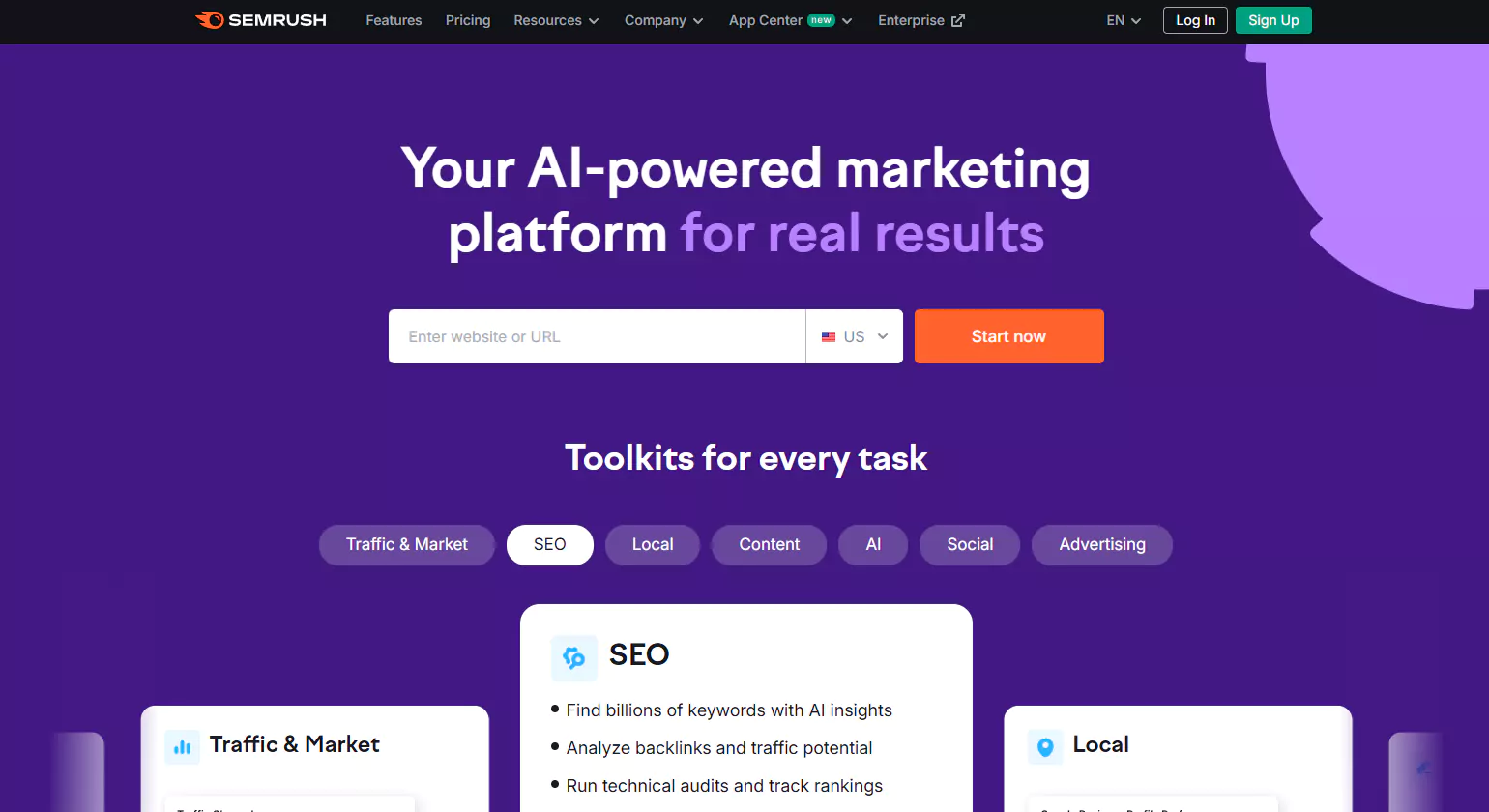
Semrush is a leading SEO cloud platforms that provides a comprehensive suite of tools designed to help businesses improve their online visibility. With its cloud-based capabilities, it serves marketers, SEO professionals, and businesses of all sizes, offering solutions for keyword research, SEO audits, competitor analysis, backlink tracking, and more. Semrush is renowned for its powerful data-driven insights that assist in optimizing digital marketing strategies.
Unique Selling Points
- All-in-One SEO Tool: Semrush stands out by providing a wide range of tools in one platform, covering everything from SEO and content marketing to social media and paid advertising.
- Data-Driven Insights: With extensive data on keywords, backlinks, and competitors, Semrush empowers users to make informed, strategic decisions.
- User-Friendly Interface: The platform is known for its ease of use, making complex SEO tasks accessible to beginners and professionals alike.
- Cloud Integration: As a fully cloud-based platform, Semrush offers scalability and flexibility, allowing users to access their tools and reports from anywhere.
Key Features
- Keyword Research: Semrush’s keyword tools help users find the best keywords to target, analyze search volume, and track their ranking performance over time.
- SEO Audits: The platform provides a detailed website audit feature that identifies on-page SEO issues and provides actionable recommendations to improve site health.
- Competitor Analysis: Semrush allows users to analyze competitor strategies, revealing valuable insights on their organic search, paid advertising, and backlink profiles.
- Backlink Analysis: Users can track their backlink profile and identify potential link-building opportunities, as well as detect harmful backlinks.
2. Ahrefs

Ahrefs is a powerful SEO cloud platforms known for its robust suite of tools designed to help businesses enhance their online visibility. Specializing in backlink analysis, site auditing, and keyword research, Ahrefs offers an intuitive interface and vast data resources that cater to marketers, SEO experts, and content creators. Whether you’re looking to improve organic search rankings or outsmart competitors, Ahrefs provides the necessary tools to achieve SEO success.
Key Features
- Backlink Checker: Ahrefs offers a powerful backlink checker, providing detailed information about a website’s backlink profile, including new, lost, and broken backlinks.
- Keyword Explorer: This tool allows users to discover profitable keywords, assess keyword difficulty, and track search volumes, making it easier to target the right terms.
- Site Audit: Ahrefs’ site audit feature crawls websites, identifies SEO issues, and delivers actionable insights to help businesses enhance their site’s SEO performance.
- Competitor Analysis: Users can monitor competitors’ Complete SEO strategies, uncover their most valuable backlinks, and analyze their keyword rankings.
3. SE Ranking
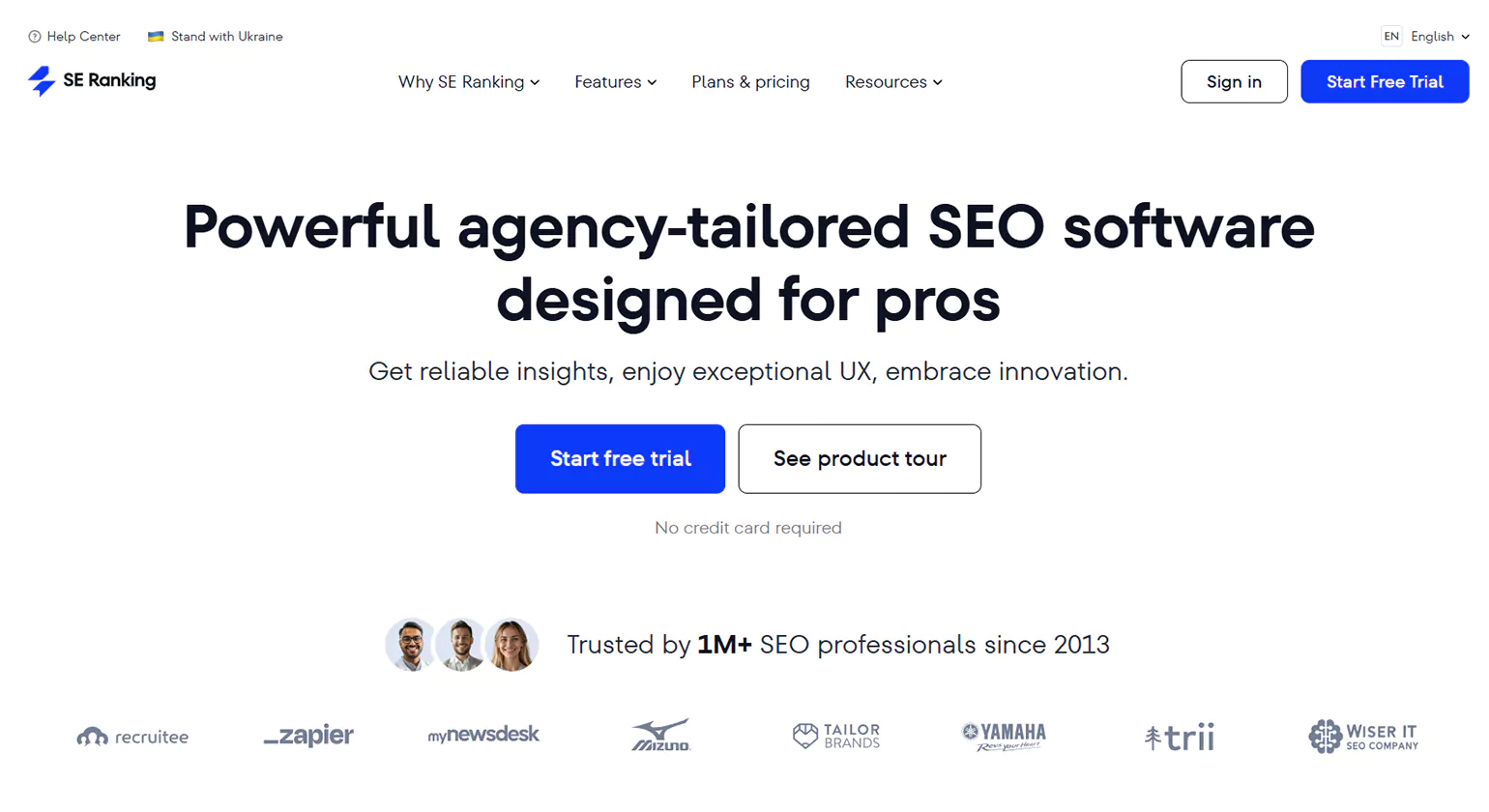
SE Ranking is a comprehensive SEO cloud platforms that offers a range of tools for businesses to track, optimize, and analyze their SEO efforts. With a focus on simplicity and user-friendliness, SE Ranking provides solutions for keyword tracking, website audits, backlink analysis, and competitor research. It is an ideal choice for businesses of all sizes looking to enhance their search engine rankings and improve their overall digital marketing strategies.
Unique Selling Points
- Affordable & Scalable Plans: SE Ranking offers a cost-effective pricing structure, with flexible plans suitable for businesses of all sizes—from small businesses to large enterprises.
- Comprehensive SEO Tools: It provides a full suite of tools for keyword tracking, site audits, backlink analysis, and competitor research, making it a versatile SEO cloud platform.
- User-Friendly Interface: SE Ranking is known for its intuitive and easy-to-navigate interface, which makes it accessible for beginners while still offering robust features for experienced SEO professionals.
- White-Label Features: SE Ranking offers white-label solutions, allowing agencies to brand the platform as their own and provide clients with SEO reports and data.
Key Features
- Keyword Tracking: SE Ranking tracks keyword rankings in real-time, providing detailed insights into keyword performance, search volume, and competition.
- Website Audit Tool: It performs detailed site audits to identify on-page and technical SEO issues, offering actionable recommendations to improve website performance.
- Backlink Monitoring: The platform provides tools for tracking backlinks, identifying new links, and analyzing the quality of backlinks to improve SEO strategies.
- Competitor Research: SE Ranking allows users to track competitors’ keywords, analyze their backlinks, and compare their SEO performance to identify opportunities for growth.
4. BrightEdge
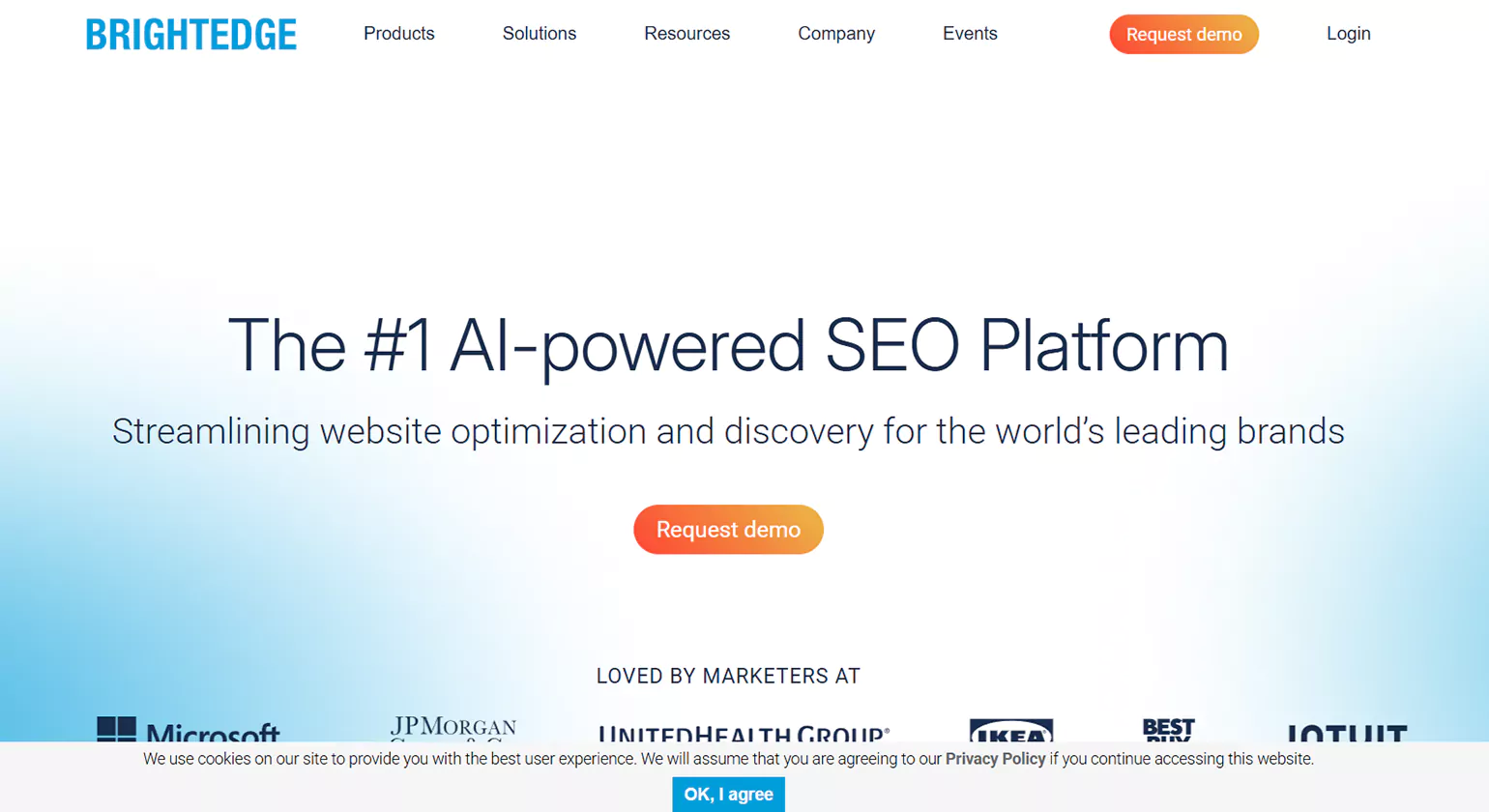
BrightEdge is a leading SEO cloud platforms designed to provide businesses with advanced tools for improving their organic search performance. Specializing in real-time SEO data, keyword research, content optimization, and competitor insights, BrightEdge helps businesses drive measurable growth through actionable SEO strategies. With its enterprise-grade features, BrightEdge is particularly beneficial for large organizations and digital marketers aiming to optimize their SEO efforts across multiple channels.
Key Features
- Keyword Research & Tracking: BrightEdge helps users discover high-value keywords and track their ranking performance across search engines, providing insights into competition and keyword trends.
- Real-Time SEO Analytics: The platform offers real-time insights into SEO performance, allowing users to monitor changes in rankings, traffic, and backlinks as they happen.
- Competitive Intelligence: BrightEdge provides detailed competitor analysis, helping businesses understand their competitors’ SEO strategies and identify opportunities to outperform them.
- Content Optimization Tools: BrightEdge offers tools for content recommendations and optimization, helping businesses improve content relevance and SEO performance.
5. SeoClarity
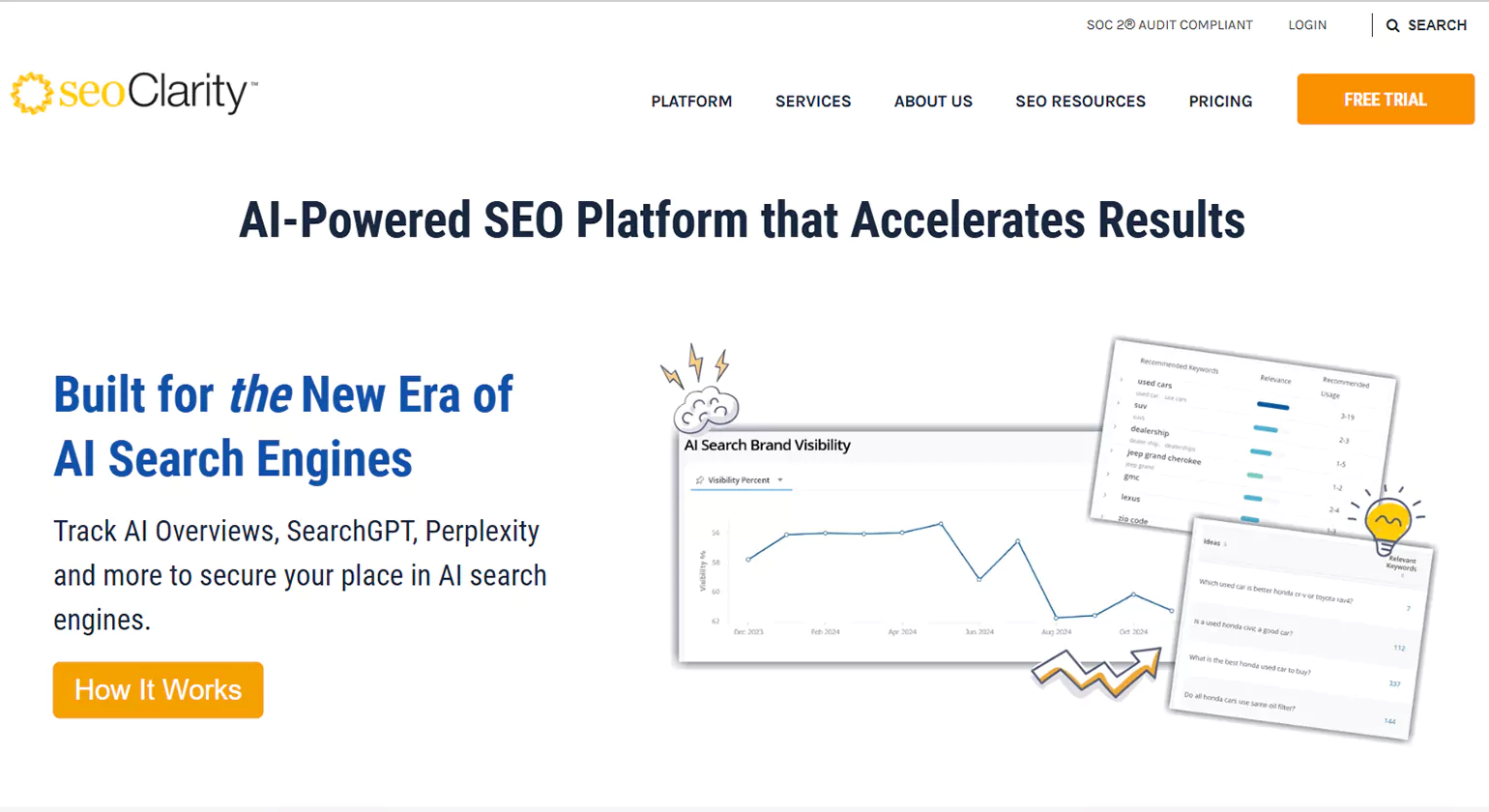
SeoClarity is an advanced SEO cloud platform designed to provide businesses with an integrated suite of tools to enhance their search engine optimization efforts. It offers powerful data analytics, keyword research, competitive insights, and content optimization tools, making it a robust solution for enterprises and agencies seeking to improve their online visibility. With its AI-driven insights and scalable infrastructure, SeoClarity helps businesses create actionable SEO strategies that drive sustainable growth.
Unique Selling Points
- AI-Powered Insights: SeoClarity leverages artificial intelligence to provide data-driven recommendations and automated insights, helping users optimize their SEO strategies more effectively.
- Enterprise-Grade Scalability: Designed for businesses of all sizes, SeoClarity offers scalable solutions that can grow with your business, making it ideal for enterprises and agencies.
- Comprehensive SEO Analytics: The platform offers a full range of analytics, from keyword tracking to backlink analysis, allowing users to monitor every aspect of their SEO performance.
- Customizable Dashboards and Reports: SeoClarity allows users to create personalized dashboards and detailed reports, helping teams track and measure their SEO performance.
Key Features
- Keyword Research & Tracking: SeoClarity provides powerful tools for discovering high-value keywords, tracking rankings, and analyzing keyword performance across multiple search engines.
- Competitive Analysis: Users can gain insights into their competitors’ SEO strategies, uncover their keyword rankings, and analyze their backlink profiles.
- AI-Powered Recommendations: The platform uses AI to offer actionable SEO insights, including content optimization suggestions and keyword targeting opportunities.
- Site Audits: SeoClarity performs in-depth site audits, identifying on-page SEO issues, technical problems, and optimization opportunities.
6. Conductor
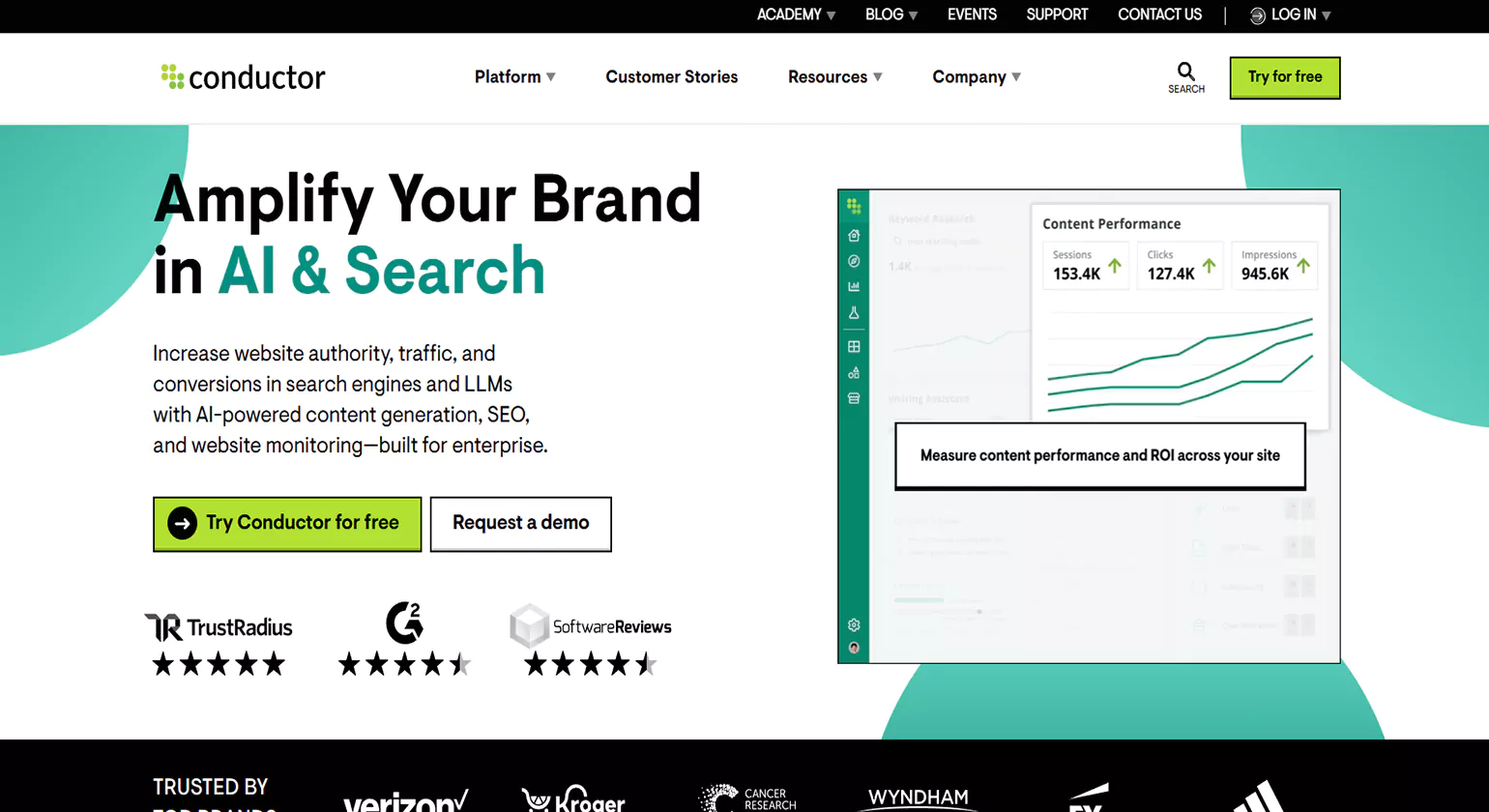
Conductor is a leading SEO cloud platforms that helps businesses improve their digital presence by providing advanced tools for SEO, content marketing, and competitive analysis. Designed for enterprises, Conductor offers robust data analytics and insights that enable marketing teams to make data-driven decisions, optimize their SEO strategies, and enhance their content’s visibility on search engines. With its AI-powered capabilities and scalable solutions, Conductor ensures businesses can drive growth through a strategic, data-backed approach to SEO.
Unique Selling Points
- AI-Driven Insights: Conductor leverages artificial intelligence to provide deep, actionable insights into search performance, helping businesses optimize content and SEO strategies more effectively.
- Comprehensive Content Optimization: Conductor focuses heavily on content marketing, offering tools that help businesses optimize content and ensure it aligns with their SEO goals.
- Robust Analytics & Reporting: The platform provides detailed analytics and customizable reports that allow businesses to measure and track SEO success in real-time.
- Focus on Collaboration: Conductor is designed with team collaboration in mind, offering features that allow teams to share insights, track progress, and work together on SEO strategies.
Key Features
- SEO & Content Analytics: Conductor provides powerful analytics to track SEO performance and content effectiveness, allowing businesses to adjust their strategies for optimal results.
- AI-Driven Keyword Insights: The platform’s AI capabilities offer keyword insights that help businesses discover high-value terms, track keyword performance, and identify new opportunities.
- Competitive Intelligence: Conductor allows businesses to monitor competitors’ SEO strategies, analyze their keyword rankings, and uncover opportunities to outperform them.
- Content Recommendations: Conductor offers tools that provide content optimization suggestions based on SEO best practices, helping businesses improve their content’s ranking potential.
7. MarketMuse

MarketMuse is an AI-powered SEO cloud platform designed to assist businesses in creating and optimizing content that ranks higher in search engine results. By leveraging artificial intelligence, MarketMuse analyzes existing content, identifies gaps, and provides data-driven recommendations to enhance content quality and relevance. This approach enables businesses to develop comprehensive content strategies that align with user intent and search engine algorithms.
Unique Selling Points
- AI-Driven Content Strategy: Utilizes artificial intelligence to analyze content and suggest improvements, ensuring content is comprehensive and aligned with SEO best practices.
- Comprehensive Content Planning: Offers tools for keyword research, topic modeling, and content brief generation, streamlining the content creation process.
- Competitive Analysis: Provides insights into competitors’ content strategies, allowing businesses to identify opportunities and gaps in their own content.
- Performance Tracking: Enables users to monitor the effectiveness of their content over time, making it easier to adjust strategies based on performance data.
Key Features
- Content Inventory: Allows businesses to catalog and assess their existing content, identifying areas for improvement and optimization.
- Topic Modeling: Employs AI to understand the context and relevance of topics, ensuring content covers all necessary aspects comprehensively.
- Content Brief Generator: Automates the creation of detailed content briefs, providing writers with clear guidelines and SEO recommendations.
- Competitive Benchmarking: Analyzes competitors’ content to identify strengths and weaknesses, informing strategic decisions.
8. Searchmetrics

Searchmetrics is an enterprise-grade SEO and content marketing platform designed to enhance digital marketing strategies through comprehensive data analytics and competitive insights. As one of the leading SEO cloud platforms, it offers a suite of tools that assist businesses in optimizing their online presence, improving search engine rankings, and driving revenue growth.
Unique Selling Points
- Comprehensive SEO Suite: Searchmetrics provides a full range of tools covering keyword research, content optimization, technical SEO, and competitor analysis, enabling businesses to manage all aspects of their SEO strategy within a single platform.
- AI-Driven Insights: The platform leverages artificial intelligence to deliver actionable insights, helping businesses identify opportunities and optimize their content and SEO strategies effectively.
- Competitive Intelligence: Searchmetrics offers in-depth competitor analysis, allowing businesses to understand their competitors’ strategies and identify areas for improvement in their own SEO efforts.
- Scalability for Enterprises: Designed with large organizations in mind, Searchmetrics provides scalable solutions that can handle complex SEO requirements and support large-scale digital marketing initiatives.
Key Features
- Research Cloud: Offers market research, competitive intelligence, and content performance analysis, providing businesses with insights into their industry and competitors at various levels.
- Content Experience: Assists in delivering content that resonates with target audiences by providing tools for content analysis and optimization, ensuring content aligns with SEO best practices.
- Search Experience: Monitors SEO performance and provides insights into keyword rankings, traffic, and visibility, helping businesses track and improve their search engine presence.
- Site Experience: Focuses on technical SEO by offering tools for website crawling, internal link validation, and identifying indexing issues, ensuring websites are optimized for search engines
9. Surfer SEO

Surfer SEO is an AI-powered seo cloud platforms designed to optimize content and enhance search engine rankings. It provides a suite of tools for keyword research, content auditing, and optimization. By analyzing over 500 ranking factors, Surfer SEO helps users create data-driven, high-performing content that aligns with SEO best practices.
Unique Selling Points
- Real-Time Content Optimization: Surfer’s Content Editor provides immediate feedback, helping users fine-tune their content for optimal SEO performance.
- AI-Powered Content Creation: Surfer AI generates SEO-optimized content, making content creation quicker and more efficient.
- Comprehensive SEO Audits: The audit tool compares your content with top-ranking competitors, offering actionable insights for improvements.
- Keyword Research and Analysis: Offers detailed keyword data, including search volume, difficulty, and trends to guide content creation.
Key Features
- Content Editor: Provides real-time optimization suggestions for keyword density, content structure, and length.
- Audit Tool: Evaluates your content against competitors to identify opportunities for SEO improvement.
- Surfer AI: AI-assisted content creation that provides outlines and full articles based on SEO best practices.
- Keyword Research: Tools to identify high-value keywords based on search volume, competition, and relevance.
- SEO Reporting: Customizable reporting options to track SEO performance and content effectiveness over time.
10. Screaming Frog
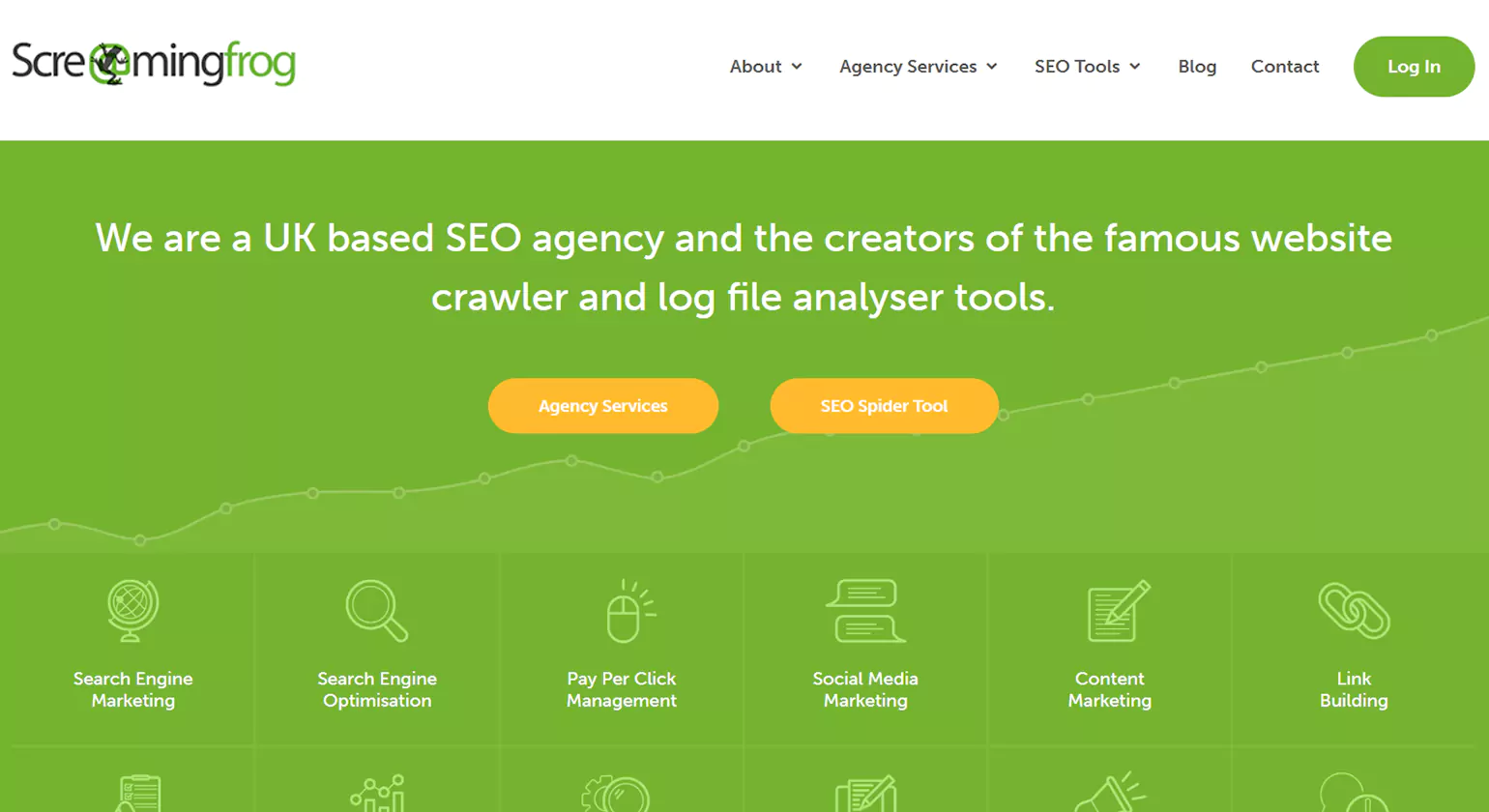
Screaming Frog SEO Spider is a desktop-based SEO tool designed for advanced website crawling and SEO auditing. It enables users to scan websites in-depth and provides detailed insights into technical SEO elements such as metadata, images, links, and site structure. SEO professionals and developers use it to identify on-site issues like broken links, duplicate content, and missing meta tags, which can affect search engine rankings. Screaming Frog is especially effective in performing audits for large websites, making it a go-to tool for technical SEO analysis.
Unique Selling Points
- Website Crawling at Scale: Screaming Frog can crawl thousands of URLs at once, offering a comprehensive analysis of a website’s technical SEO.
- Flexible Crawl Configuration: The tool allows users to customize the crawl, including user-agent selection and crawl speed, to suit different SEO needs.
- Integration with Google Services: Users can integrate data from Google Analytics and Google Search Console, enhancing the audit with valuable user and performance data.
- Advanced Filtering & Analysis: Screaming Frog provides robust filters, enabling detailed analysis of various SEO issues, such as identifying duplicate content or missing tags.
Key Features
- In-Depth Site Crawling: Screaming Frog crawls websites and analyzes essential SEO elements like meta tags, links, and headings.
- Advanced Filtering Options: Users can filter data based on different parameters, making it easier to identify SEO issues such as broken links or missing alt texts.
- Customizable Crawl Settings: It allows users to set specific crawl parameters like user-agent configuration and crawl speed, catering to various auditing needs.
- Google Analytics & Search Console Integration: Directly integrates with Google Analytics and Google Search Console, providing additional insights into site performance and user behavior.
Key Features of SEO Cloud Platforms

This platforms offer a wide range of powerful features designed to streamline and enhance optimization efforts. From real-time data to seamless integration with other marketing tools, these platforms provide businesses with the resources they need to stay ahead of the competition.
1. Real-Time Data and Analytics
One of the greatest advantages is the ability to access up-to-the-minute data on website performance and SEO metrics. This allows businesses to make immediate adjustments based on real-time insights, helping to refine strategies and improve outcomes swiftly. With the power of cloud technology, you can monitor keyword rankings, track traffic, and assess user behavior in real time.
- Instant access to SEO performance metrics
- Tracks keyword movements and SERP updates in real time
- Identifies trends and patterns for quicker decision-making
- Provides actionable insights to optimize content and strategies
2. Automated SEO Tools and Workflows
Automation is key to improving efficiency and reducing manual tasks. SEO cloud integrate advanced automation tools that handle repetitive tasks such as website audits, backlink tracking, and report generation. This enables SEO teams to focus on higher-level strategy while ensuring key activities are consistently managed and optimized.
- Automates routine SEO tasks like audits and reporting
- Generates real-time alerts for technical SEO issues
- Reduces manual efforts and increases overall productivity
- Simplifies regular maintenance of SEO efforts
3. Advanced Keyword Research and Competitor Analysis
Effective keyword research is critical to SEO success. SEO cloud platform offer powerful tools for discovering high-ranking keywords, analyzing competitors, and identifying content gaps. By understanding what competitors are targeting and the keywords driving their traffic, businesses can refine their SEO strategies and gain a competitive edge.
- Provides in-depth keyword analysis and suggestions
- Tracks competitor strategies and identifies opportunities
- Helps uncover long-tail keywords and niche topics
- Optimizes content to target the most relevant search queries
4. Integration with Other Marketing Tools
SEO cloud platforms are designed to work seamlessly with other digital marketing tools, such as content management systems, email marketing software, and social media platforms. This integration allows for a more cohesive strategy across all marketing channels, ensuring that SEO efforts are aligned with broader business goals.
- Easily integrates with other tools like CMS and CRM systems
- Enables cross-channel data sharing for cohesive marketing strategies
- Streamlines workflows across different marketing departments
- Allows unified tracking of SEO and overall marketing performance
How to Choose the Right SEO Cloud Platform for Your Business

Selecting the right SEO cloud platform is essential for any business aiming to improve its online presence. With numerous tools available, it’s crucial to assess your specific needs, SEO goals, budget, and the level of support required. By considering these factors, you can choose a platform that best aligns with your digital marketing strategy. Here’s how to make the right choice.
1. Identifying Your SEO Needs
Identifying your SEO needs is the first step toward choosing the right cloud platform. Determine whether your focus is on improving site speed, optimizing for mobile, enhancing keyword research, or understanding your competitors. Every business has different SEO priorities, so it’s important to choose a platform that offers the tools necessary to address your unique requirements. For example, if you need advanced analytics, look for platforms that offer in-depth data and customizable reports. Understanding your goals will help you narrow down your options effectively.
2. Budget Considerations and Cost Efficiency
When choosing an SEO cloud platform, budget plays a significant role in the decision-making process. It’s important to evaluate the cost of the platform against its features and scalability. Some platforms may offer more advanced tools, but these come at a higher price. On the other hand, smaller businesses may find value in more affordable options that provide essential SEO features without breaking the bank. Look for platforms that offer flexible pricing models and consider the long-term value—what you spend should correlate with the return on investment you expect from improved SEO performance.
3. User-Friendliness and Support Options
User-friendliness is an often-overlooked factor when choosing an SEO cloud platform. A tool that is intuitive and easy to navigate will save your team time and reduce the learning curve. The last thing you want is to waste time figuring out how to use a complex system. Additionally, support options are essential to ensure you can get help when needed. Choose a platform that offers comprehensive customer support, including live chat, tutorials, and dedicated resources. These features will ensure that any technical issues or questions you may have are addressed promptly, keeping your SEO strategy running smoothly.
SEO Cloud Platforms vs Traditional SEO Tools: A Comparison
When comparing SEO cloud platform to traditional SEO tools, it’s clear that each has its own strengths and weaknesses. While This platforms offer advanced features, real-time data, and scalability, traditional tools might still suit businesses with simpler needs. In this comparison, we’ll examine key areas like cost, flexibility, and long-term impact to help you make an informed decision.
1. Cost and Efficiency
Firstly, SEO platforms often come with higher upfront costs, particularly for businesses that need to scale. However, these platforms are generally more cost-effective in the long run due to their advanced features, automation, and real-time data. On the other hand, traditional tools tend to be more affordable, but they often require more manual work and lack the same level of integration. Therefore, for growing businesses, the time-saving capabilities of cloud platforms can justify the higher initial investment.
2. Features and Flexibility
Moreover, cloud platforms provide a wide range of features, including real-time analytics, automation, and in-depth competitor analysis. This makes them highly flexible, allowing businesses to adapt to various SEO needs and scale as necessary. Conversely, traditional tools, while effective for smaller projects, often lack the flexibility and variety of features available in cloud platforms. In short, if you need advanced customization, multi-site management, or integration with other marketing tools, cloud platforms are likely the better choice.
3. Long-Term Impact on SEO Strategy
Finally, when considering the long-term impact, SEO cloud platforms excel by offering continuous support for evolving SEO strategies. With their ability to analyze large data sets, track long-term trends, and adapt to search engine algorithm changes, they help businesses stay ahead of the curve. In contrast, traditional tools may require frequent updates or manual adjustments, which can limit their effectiveness over time. As a result, businesses using cloud platforms are more likely to maintain a competitive edge in the long run.
Best Practices for Implementing an SEO Cloud Platform
Implementing an SEO cloud platform effectively is key to achieving strong, long-lasting results. By integrating the platform into your existing workflow, optimizing for mobile and voice search, and continuously monitoring performance, you can maximize its benefits. Here are some essential best practices to follow for smooth implementation.
1. Integration into Your Existing Workflow
Firstly, integrate the SEO platform seamlessly with your current tools and processes. This will make adoption easier for your team and prevent disruption. Providing proper training and aligning the platform with existing systems will enhance efficiency and ensure your SEO efforts are streamlined.
- Align the platform with current tools and systems.
- Provide training to ensure smooth adoption.
- Set clear goals for platform use.
- Create a step-by-step integration plan for the team.
- Ensure continuous support for troubleshooting during transition.
2. Optimizing for Mobile and Voice Search
Moreover, optimizing for mobile and voice search is crucial as these methods continue to rise in importance. Ensure the platform supports mobile-first indexing and can help optimize for voice queries, which will improve user experience and SEO performance.
- Ensure compatibility with mobile-first indexing.
- Focus on voice search trends.
- Leverage analytics to optimize content.
- Regularly update content for mobile usability.
- Optimize for local SEO as voice search often has local intent.
3. Continuous Monitoring and Adjustment for Better Results
Finally, regularly monitor your SEO efforts using real-time data. This will allow you to identify areas for improvement and adjust your strategy accordingly, ensuring long-term success and relevance in search rankings.
- Review SEO performance metrics regularly.
- Adjust strategies based on real-time insights.
- Stay ahead by tracking key trends.
- Set up automated reporting to track key performance indicators.
- Use A/B testing to refine SEO strategies and content.
Common Challenges with SEO Cloud Platforms and How to Overcome Them

While This platforms offer many benefits, they also present certain challenges. However, by understanding these challenges and implementing effective solutions, businesses can leverage the full potential of these platforms. Let’s explore some common obstacles and how to overcome them.
1. Managing Large Volumes of Data
Firstly, handling the massive amounts of data generated by This cloud platforms can be overwhelming. With so many metrics to track, it’s easy to get lost in the numbers. To address this, it’s important to focus on key performance indicators (KPIs) that align with your goals. Moreover, using data visualization tools and customizing reports will help present data in a more digestible format, making it easier to draw insights and make informed decisions.
- Focus on the most relevant KPIs.
- Use data visualization tools to simplify insights.
- Set up customized reports for your specific needs.
- Automate data collection to reduce manual work.
- Regularly review and clean up unnecessary data.
2. Overcoming Technical Barriers
In addition, technical barriers can be a significant challenge when implementing an SEO cloud platform. Issues like platform integration, website compatibility, and technical SEO can hinder progress. To mitigate this, work closely with your IT team to ensure proper integration with your website’s infrastructure. Furthermore, select a platform that offers robust customer support and troubleshooting options to resolve technical issues quickly.
- Collaborate with your IT team for seamless integration.
- Choose a platform with strong customer support.
- Test platform compatibility before full implementation.
- Ensure regular updates to avoid compatibility issues.
- Seek expert consultation for technical optimization.
3. Balancing Automation with Human Strategy
Finally, while automation can save time and streamline processes, it’s crucial not to completely rely on it. On one hand, automation can handle repetitive tasks like reporting and keyword tracking. On the other hand, human strategy is necessary to make nuanced decisions, create high-quality content, and adapt to evolving SEO trends. Therefore, businesses must strike a balance between automation and human insight to optimize SEO performance effectively.
- Use automation for repetitive tasks like reporting.
- Rely on human strategy for content creation and strategy.
- Regularly review automated processes for accuracy.
- Combine data-driven insights with creative input.
- Focus on long-term goals rather than short-term automation.
Conclusion
In conclusion, SEO cloud platforms offer powerful tools that can significantly enhance your SEO strategy, but successful implementation requires thoughtful planning and continuous effort. By integrating these platforms into your existing workflow, optimizing for mobile and voice search, and balancing automation with human strategy, businesses can stay ahead of the competition and achieve long-term success. Despite challenges like managing large data volumes and overcoming technical barriers, with the right approach, these platforms can drive data-driven decisions and deliver measurable improvements in search performance.
Related Blogs >>>
15 Must-Have SEO Project Management Tools 2026
FAQs
1. How do cloud-based SEO tools improve website performance?
Cloud-based SEO tools enhance website performance by providing scalable resources, ensuring faster load times, improved uptime, and a better user experience.
2. What are the cost benefits of using cloud solutions for SEO?
Cloud solutions reduce costs by eliminating the need for expensive hardware, with pay-as-you-go models that allow for scalable, efficient budgeting.
3. Can cloud platforms help in managing large volumes of SEO data?
Yes, cloud platforms handle large volumes of data efficiently, enabling better analysis and informed decision-making with advanced analytics tools.
4. What challenges might arise when integrating cloud-based SEO tools?
Challenges include system compatibility, data migration, and the need for specialized training, which can be addressed with careful planning and IT collaboration.
5. How do cloud platforms support mobile and voice search optimization?
Cloud platforms offer tools for mobile-first indexing and voice search analytics, helping businesses optimize their content for mobile and voice search users.
6. What role does automation play in cloud-based SEO platforms?
Automation in cloud platforms streamlines repetitive tasks like reporting and keyword tracking, allowing businesses to focus on strategic activities.