Table of Contents
Introduction - The Power of Sales Strategy
Sales are the backbone of any business. Without a clear strategy, even great products can struggle. Sales strategy consulting helps companies build strong, effective sales plans. It identifies weaknesses and creates solutions to drive growth. Businesses that invest in strategy consulting often see higher revenue and better customer retention.
A consultant analyzes sales processes and improves team performance. They use data to refine sales tactics and close more deals. This approach ensures businesses stay competitive in changing markets. It helps companies adapt to new trends and buyer behaviors. Sales strategy consultants provide the expertise needed to craft the right strategy for lasting success and sustained growth.
Why Your Business Needs Sales Strategy Consulting

A solid sales strategy is essential for business growth. Without one, businesses can struggle with sales inconsistencies and missed opportunities. Consultants offer the expertise needed to identify weaknesses in your sales process and fix them. With the right strategy, companies can close more deals, increase revenue, and maintain a competitive edge. This is why businesses of all sizes turn to consultants to optimize their sales performance.
1. Drives Revenue Growth
A well-designed sales strategy ensures that businesses can capitalize on growth opportunities. Consultants help companies pinpoint areas for improvement, such as lead generation or pipeline management. By aligning sales efforts with business goals, businesses can see consistent revenue growth.
- Optimizing lead generation processes
- Focusing on high-value prospects
- Refining conversion tactics
- Identifying new revenue streams
2. Enhancing Sales Performance and Efficiency
It focuses on improving sales team productivity and efficiency. Consultants review current sales processes and eliminate inefficiencies that waste time and resources. By implementing best practices and training, consultants help sales teams work smarter, not harder.
- Streamlining sales processes
- Training teams to boost productivity
- Implementing the right sales tools
- Reducing time spent on non-revenue activities
3. Solving Common Sales Challenges
Businesses often face challenges like low conversion rates and a weak sales funnel. Consultants identify the root causes of these issues and provide targeted solutions. By addressing common obstacles, businesses can achieve smoother sales processes and improved performance.
- Addressing low conversion rates
- Optimizing the sales funnel
- Enhancing lead quality
- Overcoming sales team skill gaps
Key Benefits of Sales Strategy
A well-crafted sales strategy provides numerous benefits to businesses. It helps companies stay focused, align their sales goals with overall business objectives, and streamline their processes. Additionally, the right strategy sets a clear roadmap for success, ensuring sales teams work more efficiently and effectively. Sales strategy consultants play a key role in developing and implementing these impactful strategies.
1. Sales Strategy Consulting - Improved Sales Team Alignment
One major benefit of sales strategy consulting is the alignment it brings to sales teams. A clear strategy ensures that everyone is on the same page. Helps align team efforts with company goals and sets clear expectations. As a result, businesses experience better collaboration and more consistent performance across all sales activities.
- Clear communication of goals
- Defined roles and responsibilities
- Improved team collaboration
- Stronger focus on collective targets
2. Increased Revenue
Another key benefit is the potential for increased revenue. By optimizing sales processes and focusing on high-value prospects, businesses can close more deals. This leads to greater overall sales volume and improved revenue growth.
- Higher conversion rates
- Focused targeting of high-value leads
- Enhanced sales productivity
- Improved customer retention
3. Better Customer Relationships
Furthermore, a well-thought-out sales strategy focuses on building stronger customer relationships. By understanding customer needs and behaviour’s, businesses can tailor their sales approaches. This personalization leads to higher customer satisfaction and greater long-term loyalty.
- Enhanced customer engagement
- Personalized sales approach
- Increased customer loyalty
- Higher satisfaction rates
4. More Efficient Use of Resources
Finally, sales strategy consulting helps businesses use their resources more efficiently. Streamlining sales processes and focusing efforts on high-impact activities allow companies to achieve better results with less time and investment.
- Optimized resource allocation
- Reduced wasted efforts
- More productive sales teams
- Streamlined operations
Methodologies Used in Sales Strategy Consulting

Sales strategy employ a variety of methodologies to tailor solutions to each business’s unique needs. These methodologies are designed to assess current sales processes, identify gaps, and create actionable strategies. By using proven techniques, consultants can ensure that businesses are well-equipped to drive sales growth and improve team performance.
1. Discovery Workshops
One of the initial methodologies is conducting discovery workshops. These workshops serve as a collaborative space where consultants work closely with key stakeholders to understand the business’s goals, challenges, and current sales processes. Through these sessions, consultants gather valuable insights that form the foundation of the strategy.
Workshop Objectives
- Understanding business goals and sales objectives
- Identifying pain points and challenges within sales processes
- Collecting input from key team members
2. Stakeholder Interviews: Deep-Dive into Business Needs
Following the discovery workshops, consultants often conduct stakeholder interviews. These conversations are designed to provide deeper insights into the business’s specific needs, challenges, and growth opportunities. By connecting directly with leadership, consultants can fine-tune the strategy to align with organizational goals
Interview Focus Areas
- Understanding leadership priorities and sales vision
- Identifying specific internal challenges
- Gaining support and alignment from decision-makers
Stakeholder interviews focus on understanding leadership priorities and the overall sales vision. They also aim to identify internal challenges and ensure alignment and support from decision-makers for the proposed strategy.
3. Data-Driven Insights: Crafting Tailored Solutions
After gathering qualitative insights, consultants turn to data to back their recommendations. By analysing sales metrics, customer behaviour’s, and market trends, consultants ensure that their strategies are grounded in real-world data. This helps create customized solutions that address the business’s unique challenges.
Data Utilization for Strategy Creation
- Analysing sales performance and conversion rates
- Examining customer buying behaviour’s and patterns
- Benchmarking against market trends and competitor strategies
Through these methodologies, consultants create sales strategies that are both informed and tailored to a business’s specific needs. The combination of hands-on collaboration and data-driven insights ensures the creation of an effective, measurable strategy.
How It Can Transform Your Sales Team

A well-defined sales strategy has the power to significantly transform your sales team. When everyone on the team is aligned with a common goal and strategy, their efficiency, motivation, and overall performance increase. Sales strategy consulting provides the structure needed to focus on high-value activities and continuously improve techniques, leading to better results. Sales strategy consultants bring the expertise to design and implement these high-impact strategies effectively.
1. Improved Communication and Collaboration
With a clear strategy in place, communication becomes more efficient. Sales teams understand their roles and responsibilities, ensuring everyone is on the same page. This clarity enhances collaboration, allowing the team to work seamlessly toward shared objectives.
- Clear expectations and goals
- Regular updates on progress
- Streamlined decision-making
- Enhanced teamwork and morale
2. Increased Focus and Motivation
Furthermore, a well-crafted sales strategy keeps the team focused on high-priority leads and key business objectives. Salespeople are motivated when they know exactly what to target and how to measure their progress. As a result, this reduces distractions and helps maintain momentum.
- Defined targets and milestones
- Improved sales forecasting
- Targeted prospecting and outreach
- Motivated and goal-driven team members
3. Ongoing Skill Development
In addition, as part of the sales strategy, training and skill development become ongoing. A strategy isn’t just about closing deals—it’s about improving processes, sharpening sales skills, and fostering growth within the team. Regular evaluations and feedback loops allow team members to adapt and evolve.
- Personalized coaching for individual growth
- Continuous learning opportunities
- Adapting to new tools and techniques
- Improving negotiation and closing skills
Top Trends in Sales Strategy Consulting for 2025

As we approach 2025, the landscape of sales strategy continues to evolve. New technologies, tools, and approaches are reshaping how businesses approach sales. These trends are making it easier for sales teams to be more efficient, effective, and better aligned with customer needs. Let’s take a closer look at the key trends that will define the future of sales strategy.
1. The Rise of AI and Automation
AI and automation are transforming sales strategy by streamlining processes and reducing human error. These technologies allow businesses to make smarter, data-driven decisions while automating repetitive tasks. This enables sales teams to focus on high-value activities, like building customer relationships.
- Automating lead generation and follow-ups
- Using AI for sales forecasting and pipeline management
- Personalizing customer interactions through AI-driven insights
- Improving decision-making with data analysis
2. Integrating CRM Systems with Sales Strategies
Another key trend is integrating CRM systems with sales strategies. This syncs customer data, making it centralized and actionable for sales teams. It helps improve relationships, streamline communication, and track progress more efficiently.
- Centralizing customer data for better insights
- Enhancing communication between sales teams and customers
- Automating data entry and reporting
- Improving customer segmentation for more targeted sales efforts
3. Leveraging Social Media and Digital Tools for Sales Growth
The final trend is the growing use of social media and digital tools in sales strategies. As consumer behaviour shifts online, businesses must leverage these tools to reach their audience. now incorporates social media, digital ads, and marketing automation to boost sales and visibility.
- Engaging with customers through social media platforms
- Using data-driven insights from digital tools for personalized outreach
- Automating marketing campaigns to nurture leads
- Utilizing digital advertising to target specific demographics
As these trends continue to evolve, businesses must stay agile and embrace new technologies to stay competitive. will play a crucial role in helping organizations navigate these changes and maximize their sales potential.
Choosing the Right Sales Strategy Consultant for Your Business

Selecting the right consultant is crucial for ensuring that your business achieves its sales goals. With so many consultants available, it’s important to focus on a few key factors when making your decision. The right consultant will be able to understand your business needs and tailor a strategy that leads to measurable growth and success. By carefully evaluating potential consultants, you’ll be better equipped to partner with someone who can drive results and support your long-term objectives.
1. Key Factors to Consider
When choosing a sales strategy consultant, consider their industry experience and familiarity with your market. A consultant who understands your business landscape will design a more effective strategy. Additionally, look for a proven track record of success with businesses similar to yours. This ensures that they have the necessary skills to navigate your specific challenges and deliver practical solutions.
a. Relevant industry experience
A consultant with experience in your industry will better understand the dynamics of your market and the challenges you face. They can provide targeted recommendations that align with your business goals. Additionally, their insider knowledge enables them to anticipate potential obstacles and identify growth opportunities more effectively, ensuring strategies are both practical and impactful for long-term success.
b. Proven success with similar businesses
It’s essential to assess whether the consultant has successfully helped businesses with similar objectives. Ask for specific examples of previous work, including case studies or client testimonials, to gauge their ability to generate positive results. Understanding their track record provides insight into their expertise and the strategies they employ to drive measurable business growth.
c. Strong understanding of current market trends
Sales strategies need to evolve with the changing business landscape. A consultant who stays up to date with the latest trends and tools will ensure that your strategy is not only effective but also future-proof. By leveraging data analytics, automation, and customer insights, they can tailor approaches that boost engagement, improve conversion rates, and adapt quickly to market shifts, giving your business a competitive edge.
2. Questions to Ask Before Hiring a Consultant
Before hiring a consultant, ask about their process, tools, and how they measure success. Inquire about previous projects and results to assess their expertise and align expectations. It’s essential to understand their approach to ensure they can effectively meet your business needs.
a. What is your approach to sales strategy development?
Understanding their methodology will help you determine if their process aligns with your company’s needs and goals. It also provides insight into their approach to problem-solving, quality assurance, and project management. By evaluating their methods, you can ensure smoother collaboration, better communication, and ultimately, successful outcomes that match your business objectives.
b. Can you provide case studies or references from similar businesses?
Reviewing case studies or speaking with references allows you to assess their experience and success in relevant sectors. This process provides valuable insights into how they handle challenges, deliver results, and maintain client satisfaction. It also helps you verify claims, understand their approach to problem-solving, and gauge their ability to adapt to industry-specific needs.
c. How do you measure success and ROI?
It’s crucial to know how they evaluate the outcomes of their strategies. This ensures that they focus on tangible metrics and results that align with your business objectives. Regular performance reviews, data-driven analysis, and transparent reporting help track progress effectively. By measuring key performance indicators (KPIs), they can make informed adjustments to optimize success and deliver measurable value.
3. How to Evaluate a Consultant’s Success Record
Evaluating a consultant’s success record ensures they can deliver the results you expect. Look for measurable outcomes, such as improved sales performance and concrete examples of success with similar businesses. A consultant who has consistently delivered positive results will likely be able to help your business achieve its goals as well.
a. Review case studies or client success stories
These provide insight into the consultant’s past work and demonstrate their ability to meet client expectations. By showcasing detailed case studies and client testimonials, potential clients gain confidence in the consultant’s expertise and reliability. This track record highlights successful project outcomes, problem-solving skills, and the consultant’s commitment to delivering quality results consistently.
b. Ask for specific metrics and results achieved
The consultant significantly improved sales by implementing targeted marketing strategies, resulting in a 30% increase in lead conversions for a retail client within six months. For another client in the tech industry, they optimized the sales funnel through data-driven insights, boosting revenue by 25% year-over-year.
c. Evaluate the consultant’s ability to meet deadlines and deliver on promises
Timely execution is critical for any project. A consultant with a strong track record of meeting deadlines and delivering results can be trusted to follow through on their commitments. This reliability not only ensures smooth project progression but also builds client confidence, reduces risks of delays, and helps maintain budget constraints effectively.
By keeping these factors in mind and thoroughly vetting potential consultants, you can make a well-informed decision that sets your business up for long-term success. Choosing the right consultant is a key step toward optimizing your sales process and achieving your revenue goals.
How to Calculate the Return on Sales Strategy Investments
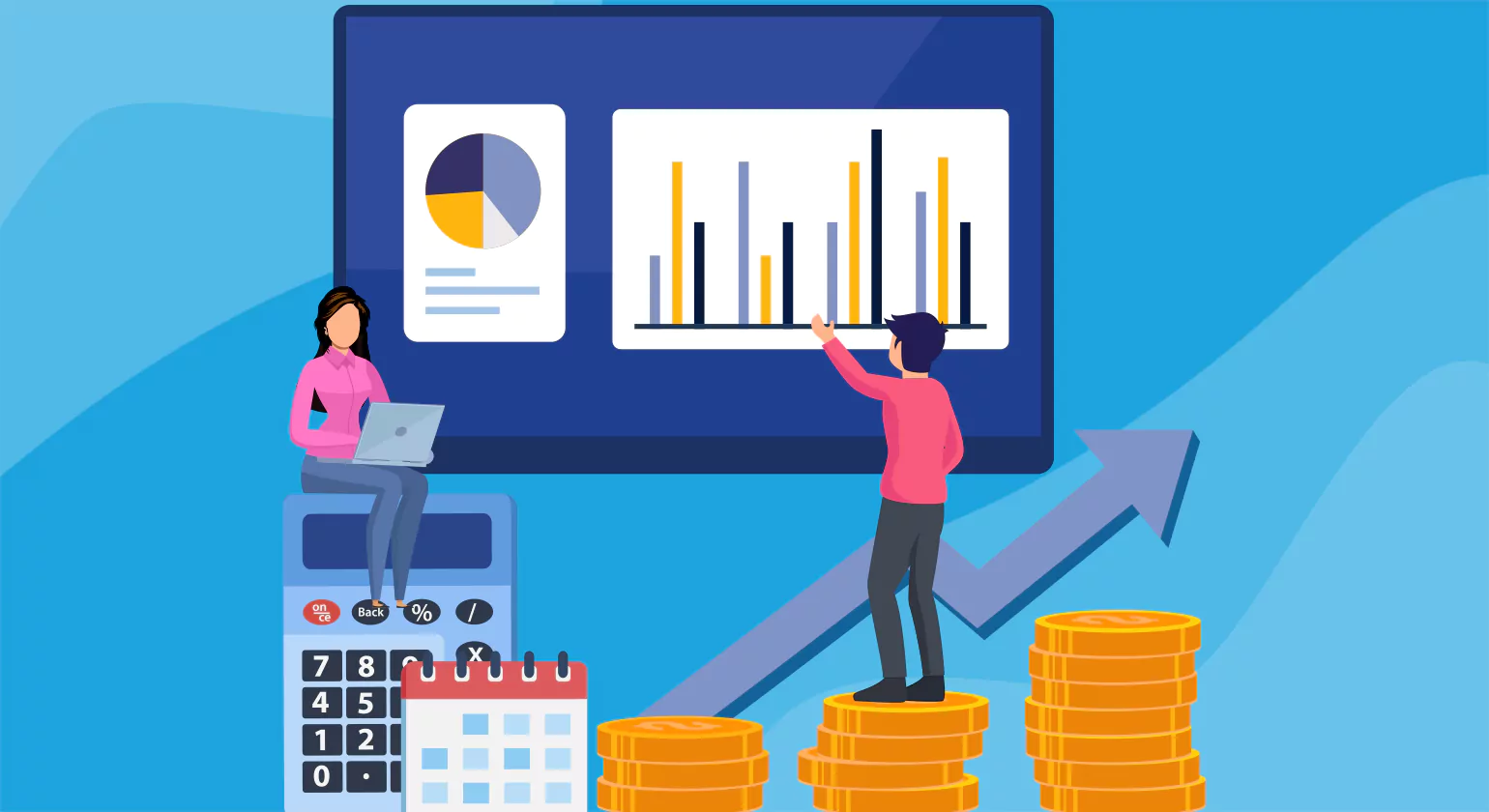
Calculating the return on investment (ROI) for sales strategy is essential for determining its value. By measuring key metrics such as revenue growth and sales performance, businesses can assess the effectiveness of their investment in sales strategy consulting.
1. The Investment vs. Return on Sales Strategy Consulting
When considering the ROI, balance the cost of consulting against potential returns. Though the initial investment may be high, the long-term benefits like increased sales and improved efficiency can lead to significant returns.
- Sales growth and improved conversion rates
- Enhanced sales processes and efficiency
- Better customer acquisition and retention
- Boosted sales team performance
2. Long-Term Benefits and Profitability
In the long term, businesses will experience more streamlined sales processes, stronger customer relationships, and higher profitability. These sustained benefits contribute to overall growth and a more efficient sales cycle.
- Increased customer loyalty and market share
- Consistent sales growth over time
- Improved sales team performance and morale
- Reduced customer acquisition costs
How to Measure the Success of Sales Strategy Consulting

Measuring the success of sales strategy helps assess its impact on business growth. By tracking key performance indicators (KPIs), businesses can determine if the strategy is delivering the desired results.
1. Tracking Key Performance Indicators (KPIs)
Monitor KPIs like revenue growth, sales cycle time, and conversion rates to evaluate success. These metrics show how well the strategy is improving sales performance.
- Increased revenue and sales volume
- Higher conversion and closing rates
- Shortened sales cycle time
- Better customer retention
2. Evaluating Sales Team Performance
Assess how the sales team is performing after the strategy implementation. Success is reflected in improved alignment, motivation, and productivity.
- Boosted team engagement and collaboration
- Clearer alignment with business goals
- Enhanced individual performance
3. Customer Feedback and Satisfaction
Customer satisfaction is a critical measure of success. Positive feedback indicates the strategy is improving relationships and loyalty.
- Positive reviews and repeat business
- Increased customer referrals and lifetime value
Sales Strategy Consulting for Different Industries

Sales strategy consulting can be tailored to meet the unique needs of various industries. Whether you’re in B2B, B2C, SaaS, or retail, a customized approach helps address specific challenges and optimize sales performance. Understanding industry-specific trends and requirements ensures that the sales strategy aligns with the business’s goals and market environment.
1. B2B Sales
In B2B sales, the focus is often on relationship-building, long sales cycles, and large-scale deals. Sales strategies in this space tend to emphasize account-based selling, lead nurturing, and personalized approaches. Consultants help businesses refine their sales processes, segment key accounts, and build strong relationships with decision-makers.
- Focus on long-term relationship-building
- Account-based selling strategies
- Lead nurturing and follow-up tactics
- Tailored sales pitches for each client
In addition, sales consultants also work on improving communication between sales teams and decision-makers. By optimizing the sales funnel and offering customized solutions, businesses can increase engagement and ultimately drive higher conversions. This personalized approach ensures businesses stay competitive in the complex B2B landscape.
2. B2C Sales
For B2C businesses, the sales strategy is usually geared toward high-volume transactions and quick conversions. Consultants help optimize the customer journey, from awareness to purchase, ensuring that businesses can engage customers effectively. Digital tools, like email marketing, social media, and online advertising, are commonly incorporated to drive sales.
- Streamlined customer journey for quick conversions
- Digital marketing and online engagement strategies
- Strong brand presence and consumer outreach
- Focus on customer experience and satisfaction
3. SaaS and Tech Companies
In Software as a service and tech, sales strategies focus on subscription models, recurring revenue, and customer retention. Consultants guide businesses in optimizing sales funnels, improving demos and trials, and nurturing leads through automation. Since customer retention is vital, strategies often include post-sale support and upselling opportunities.
- Subscription-based sales models and retention tactics
- Nurturing leads through automated funnels
- Upselling and cross-selling opportunities
- Focus on customer success and feedback
4. Retail and E-commerce
For retail and e-commerce, the focus is often on driving traffic, increasing conversions, and enhancing the overall shopping experience. Consultants help businesses create seamless omnichannel strategies, optimize website performance, and improve customer engagement through targeted promotions and personalized marketing.
- Seamless omnichannel strategies for retail
- Website optimization and user experience
- Personalized marketing and promotions
- Enhanced customer service and engagement
Conclusion
Sales strategy consulting is a valuable resource for businesses aiming for growth and improvement. By implementing a tailored sales strategy, companies can overcome challenges and enhance team performance. With the right consultant, businesses gain insights that drive measurable success. This strategic approach leads to long-term profitability and sustained growth.
As industries evolve, adapting to new trends and technologies becomes increasingly important. Staying ahead of the curve and optimizing sales strategies ensures that businesses remain competitive. A well-executed plan provides a clear roadmap for future success. Furthermore, businesses can stay agile and responsive to market changes.
Additionally, the rise of digital tools and data-driven methods allows businesses to make smarter decisions. These innovations enable companies to engage customers more effectively and close deals faster. Therefore, investing in expert sales strategies sets the foundation for long-term growth. With the right approach, businesses can continually outperform competitors and achieve market leadership.
Know More >>>
Sales Process Optimization – 10 Proven Strategies for Growth
Top 10 Sales Productivity Tools Every Startup Needs in 2025
FAQ’S
1. What is sales strategy consulting?
Sales strategy consulting is a professional service that helps businesses optimize their sales approach. Consultants analyze current processes, identify gaps, and develop tailored strategies to improve lead generation, conversions, and revenue. The goal is to align sales efforts with business objectives, enhance team performance, and create sustainable growth in an ever-changing market landscape.
2. How can a sales strategy consultant help my business?
A sales strategy consultant helps by identifying inefficiencies, refining your sales process, and implementing targeted strategies for growth. They provide insights into customer behavior, market trends, and team performance. By aligning your sales tactics with business goals, consultants empower your team to focus on high-impact activities, close more deals, and achieve measurable results faster.
3. What industries benefit the most from sales strategy services?
Sales strategy services benefit a wide range of industries, especially B2B sectors like technology, SaaS, manufacturing, finance, and professional services. These industries often face complex buyer journeys and competitive markets, making strategic sales planning essential. Even in B2C sectors, customized strategies can drive performance and customer engagement, improving both short-term wins and long-term growth.
4. What are the key trends in sales strategies for 2025?
Key trends in 2025 include AI-powered sales automation, hyper-personalized outreach, data-driven decision-making, and seamless sales-marketing alignment. Virtual selling and omnichannel engagement continue to grow, while buyer-centric strategies focus on trust, value, and consultative selling. Sales teams are also adopting agile methodologies to quickly adapt to changing markets and customer expectations.
5. What does a sales consultant do?
A sales consultant evaluates your sales performance, identifies challenges, and designs strategies to improve outcomes. They offer guidance on sales processes, team training, CRM optimization, and lead nurturing. By bringing fresh perspectives and industry expertise, sales consultants help businesses overcome obstacles, boost productivity, and close more deals through smarter, more effective tactics.
6. How do I ensure the success of a sales strategy?
To ensure success, align your sales strategy with clear business goals, involve your team early, and track performance with measurable KPIs. Regularly review and adapt the strategy based on data and market feedback. Engage sales strategy consultants if needed, invest in proper tools, and maintain strong communication to keep your team focused and motivated.