Table of Contents
Introduction
In today’s competitive market, sales opportunity management plays a pivotal role in driving revenue and enhancing customer relationships. Effective management of sales opportunities enables businesses to identify, nurture, and convert leads into loyal customers, ultimately leading to sustainable growth. By employing structured processes and strategic approaches, companies can maximize their sales potential and stay ahead of the competition.
At its core, sales opportunity involves analyzing and prioritizing potential sales opportunities within the sales pipeline. This process allows sales teams to focus their efforts on leads that are most likely to convert, streamlining their workflow and improving overall efficiency. By utilizing data-driven insights, sales process management services, and technology, businesses can accurately assess the value of each opportunity, ensuring that resources are allocated effectively.
What is Sales Opportunity Management?

Sales Opportunity Management (SOM) is a strategic process that enables organizations to identify, assess, and prioritize sales opportunities throughout their lifecycle. It involves systematically tracking potential sales leads, qualifying them based on specific criteria, and guiding them through the sales funnel to closure. By effectively managing sales opportunities, businesses can enhance forecasting accuracy, optimize resource allocation, and ultimately increase conversion rates.
Sales Opportunity Management is a critical aspect of the sales process that helps organizations convert leads into customers efficiently. By implementing structured processes, utilizing appropriate tools, and adhering to best practices, businesses can enhance their sales performance and achieve sustained growth.
Boost your sales effectiveness by implementing robust sales process management services to focus on high-potential opportunities and close deals efficiently.
Key Components of an Effective Sales Opportunity Management System

An effective sales management system is essential for organizations aiming to maximize their sales potential and streamline processes. This system comprises several key components: pipeline stages, CRM integration, lead qualification, and automation. Each element plays a vital role in efficiently tracking, managing, and converting sales opportunities into successful deals.
Pipeline Stages
A well-defined sales pipeline outlines the phases a sales opportunity management goes through, from initial contact to closing. Common stages include lead generation, qualification, proposal, negotiation, and closure. By clearly defining these stages, sales teams can monitor each opportunity’s progress, identify bottlenecks, and implement strategies to advance leads. A visual representation of the pipeline enables teams to assess the health of their sales efforts and prioritize tasks effectively.
CRM Integration
Customer Relationship Management (CRM) systems are indispensable in sales opportunity management. A robust CRM integrates seamlessly into the sales process, providing a centralized database for tracking customer interactions, managing leads, and analyzing performance metrics. This integration allows sales teams to access crucial information in real-time, enhancing their ability to respond to customer needs and make informed decisions. Additionally, CRMs can automate data entry and reporting, freeing up valuable time for sales representatives to focus on building relationships and closing deals.
Lead Qualification
Lead qualification is another essential component of an effective sales opportunity management system. This process involves evaluating potential leads based on criteria such as budget, needs, and decision-making authority. Qualifying leads early enables teams to concentrate their efforts on high-potential opportunities, increasing conversion rates. Implementing a scoring system helps categorize leads, ensuring that sales representatives prioritize those most likely to result in successful sales.
Automation
Automation is a game-changer in sales management. By automating routine tasks such as follow-up emails, data entry, and reporting, sales teams can enhance efficiency and minimize the risk of human error. Automation tools can trigger alerts for specific actions, ensuring that no opportunity falls through the cracks. For example, automated reminders can prompt sales representatives to follow up with unresponsive prospects, keeping the sales process moving smoothly.
By incorporating these key components, organizations can develop a robust sales management system that drives success and boosts revenue.
Understanding Leads vs Opportunities in Sales

In the sales process, distinguishing between leads and opportunities is crucial for effective sales strategy and resource allocation. Understanding these distinctions helps sales teams prioritize efforts and increase conversion rates.
What is a Lead?
A lead is an individual or organization that has shown interest in your product or service, typically through actions like subscribing to a newsletter, downloading a resource, or attending a webinar. Leads are often at the top of the sales funnel and require further qualification to determine their potential as customers.
The primary characteristic of a lead is that it represents potential interest, but the level of engagement and qualification is typically low. Sales teams often categorize leads based on their source, demographic information, or behavior to prioritize outreach efforts. For instance, leads generated from a targeted marketing campaign may be considered more promising than those from a general advertisement.
What is a Sales Opportunity?
A sales opportunity, on the other hand, refers to a lead that has been qualified and identified as having the potential to convert into a sale. This qualification process typically involves evaluating the lead’s specific needs, budget, and readiness to make a purchase decision. Once a lead is determined to be a genuine prospect for the product or service offered, it is classified as a sales opportunity.
opportunities in sales and marketing indicate that the lead has moved further down the sales funnel and is more engaged in discussions about their requirements. This stage often involves more personalized communication, tailored proposals, and deeper insights into how the product or service can address the prospect’s pain points.
When Does a Lead Become an Opportunity?
The transition from lead to sales opportunity management occurs when specific criteria are met. Typically, this involves gathering additional information through conversations, meetings, or surveys that reveal the lead’s needs, budget, and timeline for making a purchase. For instance, if a lead expresses interest in a product, asks questions about pricing, and indicates a timeline for a decision, it becomes clear that they are a sales opportunity.
This shift is crucial for effective sales opportunity management. By recognizing when a lead has become an opportunity, sales teams can allocate their resources more effectively and focus their efforts on prospects that are more likely to convert. This also helps in prioritizing follow-ups and ensuring that the sales process remains efficient and streamlined.
The Benefits of Sales Opportunity Management

Sales opportunity management is vital for improving a company’s overall performance. By effectively managing sales opportunities, businesses can streamline processes, enhance customer relationships, and drive revenue growth. Here are key benefits of implementing a robust sales management system:
1. Improved Sales Efficiency
One major benefit is enhanced sales efficiency. Systematically tracking potential deals throughout the sales pipeline allows teams to focus on the most promising opportunities. This prioritization helps sales representatives allocate their time and resources effectively, minimizing wasted effort on leads that are unlikely to convert. With a clear understanding of each opportunity’s status, teams can streamline workflows and boost overall productivity.
2. Enhanced Forecasting
Effective sales opportunity management improves forecasting accuracy. By maintaining detailed records of opportunities, sales teams can analyze historical data and trends to make informed predictions about future performance. This data-driven approach helps identify patterns in customer behavior and anticipate market changes, facilitating better resource allocation and strategic planning.
3. Better Customer Relationship Management
Opportunity business sales are crucial for enhancing customer relationship management (CRM). Tracking each opportunity enables sales teams to maintain meaningful interactions with prospects and customers. This ongoing engagement fosters stronger relationships, as representatives can tailor communications based on specific client needs. Proactively addressing customer concerns leads to a more personalized experience.
4. Increased Conversion Rates
Systematic management of sales opportunities leads to higher conversion rates. By identifying and prioritizing high-potential leads, sales teams can successfully close more deals. Focusing on qualified leads with genuine interest allows teams to refine their approach, increasing the likelihood of successful outcomes and contributing to overall business growth.
5. Enhanced Collaboration and Communication
Sales opportunity management fosters better collaboration within teams. Centralized systems for tracking opportunities in sales and marketing allow members to easily share insights and updates, promoting effective teamwork. Clear communication ensures alignment on goals and expectations, reducing misunderstandings and streamlining the sales process.
6. Better Collaboration Among Teams
Sales, marketing, and customer support teams benefit from shared access to sales opportunity data. This alignment ensures that marketing efforts target the right audience, sales teams follow up effectively, and customer service provides relevant support post-sale.Lorem ipsum dolor sit amet, consectetur adipiscing elit. Ut elit tellus, luctus nec ullamcorper mattis, pulvinar dapibus leo.
7. Higher Win Rates
When businesses have a structured process for tracking and managing sales opportunities, they can identify potential roadblocks early and address them proactively. This improves the likelihood of successfully closing deals and achieving higher win rates.
8. Reduced Sales Cycle Length
A well-managed sales pipeline helps eliminate bottlenecks by identifying inefficiencies in the sales process. By ensuring timely engagement, quick follow-ups, and efficient negotiation, businesses can shorten the time it takes to close a deal.
9. Competitive Advantage
Companies that effectively manage sales opportunities gain a competitive edge. With better insights, structured processes, and improved customer relationships, they can adapt quickly to market changes, outperform competitors, and sustain long-term growth.
10. Streamlined Sales Processes
A structured approach to opportunity management helps eliminate inefficiencies. Standardized workflows, automated reminders, and clear milestones ensure that sales reps stay organized, reducing the risk of losing deals due to miscommunication or delays.
By leveraging these benefits, organizations can enhance their sales management efforts, driving success and increasing revenue.
How to Effectively Manage Sales Opportunities in a CRM
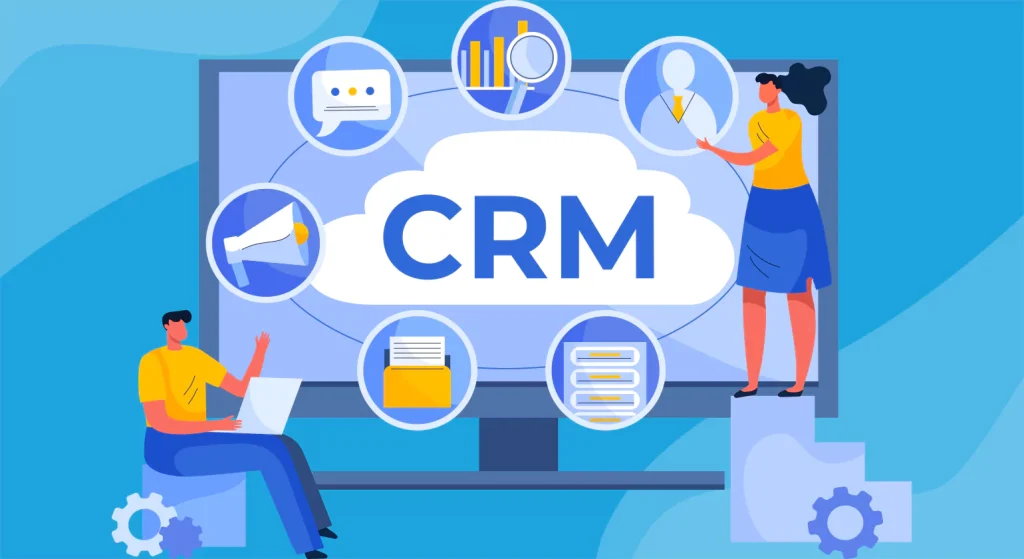
Sales opportunity management is critical to driving revenue and building strong customer relationships. Using Customer Relationship Management (CRM) software effectively can significantly enhance your sales processes, making CRM opportunity management easier by automating tasks, tracking interactions, and maintaining a smooth pipeline. Implementing the right opportunity management software and leveraging sales process management services can further streamline these processes, ensuring better organization and improved sales outcomes. Here are some best practices to effectively manage sales opportunities using CRM:
1. Choose the Right CRM Software
Selecting the right CRM software is the first step toward effective opportunity business sales. Look for a platform with features tailored to your business needs, such as lead tracking, pipeline management, and analytics. Ensure that the CRM is user-friendly and integrates well with other tools your team uses, such as email and marketing automation platforms. This integration helps streamline workflows and centralizes information for easier access.
2. Automate Repetitive Tasks
Automation is one of the most powerful features of CRM software. By automating repetitive tasks such as data entry, follow-up emails, and scheduling appointments, sales teams can save time and focus on higher-value activities. Use the CRM to set up automated reminders for follow-ups and task deadlines to ensure nothing falls through the cracks. This approach not only increases efficiency but also enhances the consistency of your outreach efforts.
3. Track Interactions and Communication
Effective communication is essential for successful opportunity business sales. Utilize the CRM to log all interactions with prospects and customers, including emails, calls, and meetings. This comprehensive record allows sales representatives to view the entire history of their interactions, making it easier to personalize future communications. Knowing what has been discussed helps sales teams address client concerns more effectively and maintain a strong relationship.
4. Segment and Prioritize Opportunities
Using the CRM to segment and prioritize opportunities can significantly enhance your sales strategy. Classify leads based on criteria such as deal size, industry, or buying stage. This segmentation allows sales teams to focus on high-potential opportunities first, increasing the likelihood of successful conversions. Additionally, tracking the status of each opportunity business sale in the pipeline helps teams understand where they should concentrate their efforts.
5. Utilize Analytics for Data-Driven Decisions
Most CRM systems come equipped with powerful analytics tools that can provide valuable insights into your sales opportunities. Regularly analyze data such as conversion rates, sales cycle length, and lead sources. By leveraging this information, you can identify trends, spot potential bottlenecks in the pipeline, and make informed decisions to optimize your sales strategy. Data-driven insights enable teams to adjust their approaches and enhance overall performance.
6. Keep the Pipeline Organized
A well-organized pipeline is crucial for effective opportunity business sales. Use the CRM to visualize your sales pipeline and keep it updated with the latest information on each opportunity. Clearly define the stages of your sales process, from lead generation to closing, and ensure that all team members understand these stages. A transparent pipeline allows for better collaboration among team members, ensuring everyone is on the same page regarding progress and next steps.
7. Regularly Review and Adjust Strategies
Finally, make it a habit to regularly review your sales strategies and CRM usage. Schedule periodic meetings with your sales team to discuss what is working and what isn’t. Gather feedback on the CRM’s functionality and address any challenges team members face. Continuous improvement ensures that your sales opportunity management process remains effective and aligned with your business goals.
Breaking Down Sales Opportunities into Stages

Sales opportunity management is a structured process that can significantly enhance your sales performance when effectively executed. Understanding the various stages in a typical sales opportunity pipeline is crucial for optimizing your approach and improving conversion rates. Below, we break down the key stages of a sales opportunity pipeline—prospecting, qualifying, proposal, negotiation, and closing—and provide insights on how to manage each stage effectively.
1. Prospecting
The first stage of the sales opportunity pipeline is prospecting. This involves identifying potential customers who may benefit from your product or service. Effective prospecting requires a targeted approach to reach out to individuals or businesses that fit your ideal customer profile. Utilizing tools such as social media, referrals, and lead generation software can help you gather quality leads. To manage this stage efficiently, set specific goals for the number of leads you want to generate each week and track your progress using your CRM system.
2. Qualifying
Once you have identified potential leads, the next step is qualifying them. This stage involves determining whether a prospect has the need, budget, and authority to purchase your offering. During this phase, it’s crucial to ask the right questions and gather essential information that can help you assess the prospect’s potential as a customer. Utilizing a lead scoring system within your CRM can streamline this process, enabling you to prioritize leads that are more likely to convert. Effective management in this stage requires clear criteria for qualification to ensure your sales team focuses on the most promising opportunities.
3. Proposal
After qualifying leads, it’s time to present your proposal. This stage involves crafting a tailored proposal that addresses the specific needs and pain points of the prospect. Your proposal should clearly outline the value your product or service offers and include relevant pricing information. To manage this stage effectively, utilize templates that can be customized for each prospect, saving time while ensuring consistency. Engage the prospect by highlighting how your solution can solve their problems, and be prepared to answer any questions they may have.
4. Negotiation
The negotiation stage is where the terms of the deal are discussed and refined. This may involve negotiating pricing, delivery timelines, or other contractual terms. Effective sales opportunity processof this stage requires strong communication and negotiation skills. Listen actively to the prospect’s concerns and be prepared to compromise where necessary to meet their needs while protecting your interests. Document all agreements and changes in your CRM to maintain a clear record of the negotiation process.
5. Closing
The final stage in the sales opportunity management pipeline is closing. This is when you secure the deal and convert the prospect into a customer. Effective closing techniques can vary, but they often include summarizing the benefits of your offering and addressing any final objections. To facilitate a smooth closing process, ensure that all necessary paperwork is prepared in advance and that the prospect feels confident in their decision. Utilize your CRM to send follow-up communications promptly, ensuring that the transition from prospect to customer is seamless.
CRM opportunity management features
When selecting an opportunity management CRM, ensure it includes these essential features:
1. Visual Pipeline (Kanban)
A Visual Pipeline, often presented in a Kanban-style board, is the central organizational tool within the CRM. It allows both sales representatives and managers to gain an immediate, at-a-glance view of the entire sales pipeline. Deals are clearly displayed and organized based on their current stage, their value, and the expected close date. This feature provides the necessary visibility for quickly understanding the health and flow of the sales process, enabling users to easily track progress and identify deals that require immediate attention.
2. Customizable Fields & Stages
The CRM must offer the flexibility to tailor the opportunity management process to fit a business’s unique sales cycle. This is achieved through Customizable Fields & Stages, which allow users to rename and adjust the pipeline stages to accurately reflect their specific business operations. Furthermore, it allows for the creation of custom fields to capture essential, specific qualification data for each deal, such as whether the “Economic Buyer Identified” or the specific pain point has been validated. This ensures the CRM accurately models the company’s real-world sales methodology.
3. Activity & Interaction Logging
Activity & Interaction Logging is a core function that automatically tracks and records every touchpoint a sales rep has with a prospect. This includes emails sent and received, phone calls made, meetings scheduled, and documents shared. By consolidating all of this information, the feature provides a comprehensive 360-degree customer view in a single, easily accessible location. This ensures data completeness, provides vital context, and allows any team member to quickly understand the entire history of the relationship with the prospect.
4. Lead Scoring & Routing
This feature introduces a crucial layer of automation and prioritization to the start of the sales process. Lead Scoring & Routing works by automatically assigning a score to incoming leads based on key indicators, such as their level of engagement (e.g., website visits, email clicks) and their fit against ideal customer criteria (e.g., industry, company size). High-scoring leads are then automatically routed and assigned to the correct sales representative, ensuring that the sales team focuses their efforts on the most promising and qualified opportunities first.
5. Workflow Automation
Workflow Automation is designed to significantly reduce the time spent on repetitive, manual administrative tasks. It allows users to set up specific triggers that automatically initiate subsequent actions within the CRM. A common example includes automatically moving a deal to the next stage, such as “Quote Sent,” immediately upon the delivery of a proposal document. This functionality also includes critical alerts, like sending a notification if a deal stalls in a stage for a predefined period (e.g., more than 10 days), maintaining momentum and ensuring process efficiency.
6. Forecasting & Reporting Analytics
This feature transforms raw pipeline data into actionable business intelligence by providing crucial Forecasting & Reporting Analytics. It generates critical sales metrics necessary for accurate revenue predictions and identifying bottlenecks. Key data points include conversion rates between stages, the average deal size, and the Time-in-Stage for opportunities. This essential data helps sales managers create accurate revenue forecasts for stakeholders and pinpoints weaknesses in the pipeline where coaching or process adjustments are needed.
7. Mobile Access
In a fast-paced sales environment, Mobile Access is non-negotiable, ensuring that sales representatives can remain productive regardless of their location. It provides the full power of the CRM on a smartphone or tablet, allowing reps to update notes, log calls, and check the current status of deals while they are on the road or meeting clients. This capability is vital for maintaining data accuracy and timeliness, as it ensures that crucial information is captured immediately at the point of interaction, rather than hours later.
5 signs you need opportunity management
1. Your Sales Forecasts are Frequently Inaccurate
The hallmark of poor opportunity management is unpredictable revenue. If you can’t accurately predict quarterly revenue within a reasonable margin of error, it means your pipeline is full of “hope” instead of verifiable, qualified opportunities. A standardized process forces reps to use data, not gut feeling, to assess deal probability.
2. Time is Wasted on Unqualified Leads
Does your sales team spend significant time preparing proposals, conducting demos, or having long discovery calls only to find out the prospect has no budget or authority? This resource drain indicates a failure to enforce clear qualification criteria before moving a lead into the “Opportunity” stage.
3. Your Pipeline Has Chronic Bottlenecks
You may notice many deals sitting idle in a specific stage (e.g., “Negotiation” or “Proposal Sent”) for extended periods. These bottlenecks, or “stalls,” are often the result of unclear next steps, a lack of consistent follow-up, or a failure to identify the true decision-maker.
4. There is a High Ratio of Lost Deals Without Clear Reasons
If deals are consistently being marked as “Lost” without definitive insight into why (e.g., loss to a competitor, price concerns, or a sudden change in priority), you lack the structure for proper win/loss analysis. Opportunity management requires documenting every lost deal to refine the process for future sales.
5. Reps Don't Know the Next Best Action for a Deal
If your sales reps are frequently unsure of what activity to execute next for an opportunity, or if follow-up times are inconsistent, it signals a lack of standardized workflows. A strong SOM framework provides a clear action plan for every stage of the customer journey.
6 opportunity management best practices
Effective opportunity management is a discipline that requires consistency, structured methodology, and intelligent use of technology. Adopt these six best practices to optimize your sales funnel.
1. Implement a Rigorous Qualification Methodology
Effective opportunity management begins with a rigorous qualification process that moves beyond surface-level questioning. Sales teams must adopt a standardized framework, such as BANT (Budget, Authority, Need, Timeline) for a quick assessment or the more comprehensive MEDDIC (Metrics, Economic Buyer, Decision Criteria, Decision Process, Identify Pain, Champion) for complex sales. The goal is to ensure every opportunity is genuinely viable and worth pursuing, requiring sales representatives to exercise the discipline of pushing an unqualified opportunity back into the nurturing stage or disqualifying it entirely if it fails to meet the specified criteria.
2. Standardize Your Sales Pipeline Stages
It’s crucial to standardize the sales pipeline stages so they accurately reflect the customer’s buying journey, rather than just internal sales activities. To maintain clarity and momentum, each stage must have clearly defined exit criteria. These criteria represent the verifiable commitment or action the prospect must complete to logically advance to the next phase, such as confirming pain points in the Discovery stage or commencing formal negotiations in the Final Review stage. This structured approach ensures a consistent understanding of a deal’s true status.
3. Focus on Deal Velocity
Deal velocity is a critical metric focusing on the speed at which opportunities progress through the sales pipeline. A key best practice is implementing and monitoring Time-in-Stage metrics to keep deals moving efficiently. If an opportunity remains in a single stage for too long, this prolonged time should automatically trigger a flag or task for the sales rep to intervene immediately. Actively prioritizing movement and intervening early is essential for preventing deals from stalling or going cold, ultimately optimizing the pipeline’s flow.
4. Prioritize by Value and Likelihood
Since not all opportunities offer equal return, teams must prioritize them using a structured scoring system. This system should be based on two critical factors: the Potential Deal Size (Value), which is the expected revenue, and the Probability of Close (Likelihood), which is an estimation of winning the deal based on historical data and its current stage. Sales reps should dedicate the majority of their time and resources to those opportunities that yield a high combined score, ensuring effort is always aligned with the highest potential return on investment.
5. Master the Consistent and Personalized Follow-Up
Closing a significant percentage of deals often requires five or more meaningful follow-up attempts, highlighting the necessity of a dedicated strategy. Effective opportunity management mandates a documented follow-up cadence to prevent leads from being neglected. Crucially, every interaction must be personalized and deliver new value to the prospect, moving beyond generic “checking in” messages. This consistent, value-driven approach is key to nurturing relationships and driving deals to a close.
6. Conduct Regular Win/Loss Analysis
The sales process is optimized through a continuous feedback loop, which necessitates regular Win/Loss Analysis. Sales managers must periodically review closed deals, especially those that were lost, to understand the precise reason for the outcome, such as losing on price, falling to a competitor, or experiencing internal process delays. By accurately identifying the breakdown points, these insights can be used to refine training, adjust sales collateral, and modify the sales funnel stages to prevent recurring mistakes in the future.
Conclusion
In the fast-paced world of sales, effective sales opportunity management is not just a nice-to-have; it’s a necessity for achieving sustained business success. Throughout this discussion, we have explored the fundamental aspects of sales management, from understanding its core components to differentiating between leads and opportunities. We’ve also highlighted the numerous benefits it offers, including improved efficiency, enhanced forecasting, and better customer relationship management.
Read More >>>>> Sales Process Optimization – 10 Proven Strategies for Growth
How a Virtual Sales Assistant Can Help You Increase Your Sales?
FAQs
1. What is opportunity management and why is it important?
Opportunity management is the process of identifying, tracking, and prioritizing potential sales deals. It is important because it helps businesses focus on high-value prospects, improve forecasting, streamline sales activities, and ultimately close deals more efficiently to drive consistent revenue growth.
2. What is the opportunity management process in sales?
The opportunity management process in sales involves identifying, tracking, and nurturing potential sales opportunities through various stages, from initial contact to closing the deal. This structured approach helps sales teams prioritize leads, forecast revenue, and improve conversion rates.
3. What is a sales opportunity?
A sales opportunity refers to a potential sale identified by a salesperson or team, characterized by a specific need, budget, and timeline. It represents a qualified lead that has a higher likelihood of converting into a sale, often documented in a CRM system for tracking.
4. What is an example of opportunity management?
An example of opportunity management includes using a CRM system to track the progress of a potential sale, from initial contact through qualification and proposal stages. Sales teams can analyze data and update statuses, ensuring timely follow-ups and maximizing the chance of closing the deal.
5. What is sales opportunity in CRM?
A sales opportunity in CRM refers to a potential sale that is documented within a customer relationship management system. It includes relevant details such as the prospect’s information, sales stage, expected revenue, and interactions, allowing sales teams to manage and prioritize their sales pipeline effectively.
6. What is a sales opportunity plan?
A sale opportunity management plan outlines the strategies and actions a salesperson or team will take to convert a specific opportunity into a sale. It typically includes goals, timelines, key stakeholders, and tactics for engagement, ensuring a focused approach to closing the deal.
7. What is opportunity management in CRM?
Opportunity management in CRM involves tracking and managing potential sales opportunities throughout their lifecycle. This includes recording interactions, updating status, analyzing data, and forecasting revenue, enabling sales teams to prioritize efforts and enhance overall sales performance.
8. Which is a benefit of opportunity management?
A key benefit of opportunity management is improved sales forecasting and efficiency. By systematically tracking and managing sales opportunities, teams can prioritize leads, optimize resource allocation, and increase conversion rates, ultimately driving higher revenue and business growth.
9. What are leads opportunities in CRM?
Leads opportunities in CRM refer to potential sales leads that have been qualified as having a strong likelihood of converting into customers. These leads are tracked as opportunities, allowing sales teams to focus their efforts on high-potential prospects and improve conversion strategies.
10. How does sales opportunity tracking improve business growth?
Sales opportunity tracking improves business growth by providing visibility into the sales pipeline, highlighting prospects with the highest potential. It enables sales teams to prioritize efforts, reduce missed chances, optimize follow-ups, and make data-driven decisions that accelerate conversions and revenue.