Table of Contents
Key Takeaways
SaaS marketing automation uses software to automate marketing tasks like email campaigns, lead nurturing, and customer engagement.
It helps SaaS companies save time, scale marketing efforts, and deliver personalized experiences.
Key features include automated email workflows, lead scoring, customer segmentation, and analytics.
Popular tools such as HubSpot, Marketo, and ActiveCampaign streamline campaign management and track performance.
Automation improves conversion rates by sending the right message at the right stage of the customer journey.
Tracking metrics like CAC, MRR, and churn rate helps optimize SaaS marketing strategies.
When used effectively, SaaS marketing automation increases efficiency, boosts customer retention, and supports predictable growth.
Introduction to SaaS Marketing Automation
SaaS marketing automation refers to the use of specialized software to automate marketing activities such as email campaigns, lead nurturing, customer segmentation, and performance tracking. It helps SaaS companies streamline repetitive tasks, personalize communication, and manage the entire customer journey more efficiently. By using data-driven workflows and analytics, businesses can attract qualified leads, improve conversions, and retain customers. SaaS marketing automation tools also integrate with CRM systems to provide deeper insights into user behavior and campaign performance. As competition in the SaaS industry grows, marketing automation has become essential for scaling marketing efforts and driving consistent business growth.
What Is SaaS Marketing Automation?
SaaS Marketing Automation is the process of utilizing software solutions to manage different aspects of the marketing process. It is the automation of different processes in the SaaS industry.
In the SaaS industry, automation is used to manage different processes that happen throughout the customer journey. For instance, if a customer signs up for a free trial of a product, the system will be able to automate the sending of emails to the customer. This will help in the onboarding of the customer and increase the chances of converting the customer from a free trial user to a paying customer.
According to HubSpot, companies using marketing automation generate 451% more qualified leads than companies that do not use marketing automation. This is particularly important for SaaS companies because the more the company grows, the more it needs users. Automated marketing campaigns can assist in moving leads through the sales cycle through personalized content and messages.
Another type of marketing automation is behavior-based marketing. If a user fails to complete the signup process or does not use the product during the free trial period, automated marketing tools can be set up to remind the user or provide tips on the use of the product and other special offers. Email marketing tools and CRM systems are examples of marketing automation tools for SaaS companies.
Why Marketing Automation Is Essential for SaaS Companies
SaaS businesses often employ recurring revenue streams, making lead nurturing, onboarding, and retention key aspects for these businesses. Marketing automation helps these businesses streamline these processes for efficient communication with customers at different stages in their lifecycle.
Actionable Takeaway
In order to successfully implement Marketing Automation in a SaaS business, you need to first identify the customer journey from lead capture through conversion and retention. Then you can set up automated workflows for trial onboarding, product education, etc. Even a few automated workflows can make a big difference in conversion rates and minimize marketing efforts.
Key Features of SaaS Marketing Automation Software
Marketing automation platforms for SaaS businesses assist in managing leads, making communications personalized, and ensuring the entire customer experience is optimized. These tools incorporate automation, analytics, and CRM integration to increase conversion rates and reduce the amount of work required in marketing activities. Below are the main features that make marketing automation platforms crucial for SaaS businesses.
Email Marketing Automation
Email marketing automation can be used by SaaS companies to send triggered and personalized email campaigns based on user actions. For example, when a user signs up for a free trial, automated onboarding emails can be sent to the user to guide them through the product features and tutorials.
Lead Scoring and Segmentation
Lead scoring is a system of giving numbers to leads based on certain behaviors and characteristics. After scoring, users are segmented based on different characteristics like new leads, active trials, and more. This is beneficial for the marketing team as they can send more relevant messages to users.
Behavioral Tracking and Analytics
Behavioral tracking is a process of monitoring how users are interacting with the application or website. In the case of SaaS marketing automation tools, they can track user behavior like how many pages they are visiting, which email they are clicking, and more.
CRM Integration
CRM integration is the connection of marketing automation systems with customer relationship management systems. Through this, marketing and sales teams are able to share leads and keep in touch with their customers.
Workflow Automation
Workflow automation gives marketers the ability to create marketing workflows that are automated and triggered by user actions. For example, when a user in the trial phase is inactive, marketers are able to send reminders or useful resources to keep their customers engaged.
Top SaaS Marketing Automation Tools for Faster Growth in 2026
SaaS Marketing Automation Tools Comparison (2026 Guide)
| Tool | Starting Price | Key Strength | Best For |
|---|---|---|---|
| ActiveCampaign | $29/mo | Visual automations, CRM | SMB journeys |
| HubSpot Marketing Hub | Free / $890 Pro | Inbound, lead scoring | B2B inbound marketing |
| Brevo | Free / $9 | Multi-channel marketing | Budget-friendly automation |
| Klaviyo | Free / $20 | E-commerce personalization | DTC and eCommerce brands |
| Customer.io | $100/mo | Event-based triggers | Product-led SaaS companies |
| Omnisend | Free / $16 | E-commerce workflows | Cart recovery and eCommerce campaigns |
| Marketo Engage | Custom | ABM and analytics | Enterprise B2B marketing |
| Zapier | Free / $20 | Integrations automation | No-code workflow automation |
| Mailchimp | Free / $13 | Audience segmentation | Email newsletters and campaigns |
| Ortto | $169/mo | AI-powered journeys | Visual automation builders |
| Salesforce Marketing Cloud | Custom | Revenue attribution | CRM-driven enterprises |
| Zoho Marketing Automation | ~$10/mo | Multi-channel campaigns | Businesses using Zoho ecosystem |
| LeadSquared | ~$400/mo | High-velocity lead capture | Sales-driven SaaS teams |
| Adobe Marketo | Custom | Enterprise governance | Large-scale enterprises |
| Netcore Cloud | Custom | AI predictive analytics | APAC enterprise marketing |
1. ActiveCampaign
Email is the backbone of SaaS communication. Platforms like Mailchimp, ActiveCampaign, and GetResponse offer advanced automation workflows, triggered emails, and segmentation capabilities. From onboarding sequences and product updates to re-engagement campaigns, these tools help deliver hyper-personalized content based on user actions.
Key Features
Active Intelligence AI: Predictive sending, content personalization, and win-probability scoring for optimal engagement.
Visual Automations: Drag-and-drop builders for event-based journeys (e.g., page visits → tags → SMS).
Built-in CRM: Pipelines, deal tracking, and 600+ integrations (Zapier, Salesforce).
Multi-Channel: Email, SMS, landing pages, and Facebook/Google Ads sync.
Advanced Segmentation: Dynamic lists by behavior, purchases, and AI suggestions.
2. HubSpot Marketing
HubSpot Marketing Hub dominates 2026 inbound marketing with an all-in-one CRM suite, free tier, and AI tools for SEO, lead gen, and attribution—perfect for B2B SaaS scaling content funnels. Starts free; Pro at $890/mo. Drives 40% faster pipeline velocity via workflows and analytics.
Key Features
Inbound Tools: SEO recommendations, blogging, landing pages, forms, CTAs.
Email & Automation: Sequences, A/B testing, behavioral personalization.
Lead Management: Scoring, nurturing, multi-touch attribution.
Integrations: 1,000+ apps (Salesforce, Zapier, GA4).
AI Copilot: Content gen, predictive scoring, chatbots.
3. Brevo
Brevo, formerly known as Sendinblue, is best as a budget multi-channel automation tool in 2026, offering email, SMS, chat, and ads as part of its cost-effective SaaS nurturing campaign. Free plan; prices start at $9/mo. Ranked as the best value for money due to its unlimited
Key Features
Multi-Channel: Email, SMS, WhatsApp, Facebook ads.
Automations: Workflows, A/B testing, transactional emails.
CRM: Basic pipelines, lead scoring.
Analytics: Real-time reporting, deliverability (99%).
Integrations: Zapier, WordPress, e-com platforms.
4. Customer.io
Customer.io enables data-driven SaaS automation in 2026 via event-based messaging for email, SMS, push, and in-app notifications, making it suitable for PLG strategies or behavior-based triggers. Starts at $100/mo for 2.5K contacts; excels in API flexibility for engineering teams.
Key Features
Event-triggered automations (e.g., trial start → onboarding drip).
Liquid templating for hyper-personalization.
Multi-channel delivery with real-time segmentation.
API-first data sync (warehouses, CRMs).
Journey analytics and A/B testing.
5. Klaviyo
Klaviyo is the e-commerce automation leader in 2026 with its AI revenue optimization, Shopify sync, and predictive analytics—increasing DTC LTV by 30% through cart recovery flows. Free plan; scalable from $20/mo. Built for product recommendations and owned audience focus.
Key Features
Abandoned cart and post-purchase sequences.
AI suggestions for send time/content.
Deep Shopify/WooCommerce integration.
SMS/email flows with revenue tracking.
Advanced segmentation by purchase behavior.
6. Marketo Engage
Adobe Marketo Engage is a B2B automation powerhouse in 2026 for complex B2B sales pipelines in the SaaS industry. Pricing is customized (~$1K/mo); rated on G2 for ROI in large organizations and enables 50% faster revenue cycles.
Key Features
Advanced ABM & predictive audiences.
Multi-channel journeys (email, social, ads).
Lead scoring, routing, dynamic content.
CRM sync (Salesforce native), analytics dashboards.
Custom objects & AI personalization.
7. Omnisend
Omnisend stands out among SaaS marketing automation tools as an e-commerce-focused platform that unifies email, SMS, and push notifications to recover lost sales and boost repeat purchases. Tailored for Shopify, WooCommerce, and BigCommerce stores, it automates workflows using real-time shopping data like cart abandonment and product views, driving up to 73% recovery rates for abandoned carts. With a free plan for up to 250 contacts and paid tiers from $16/mo, it’s ideal for DTC brands scaling omnichannel campaigns without coding.
Key Features
Pre-Built Workflows: Ready automations for welcome series, cart recovery, post-purchase upsells, and win-back campaigns—customizable with drag-and-drop editor.
Omnichannel Delivery: Email, SMS, web push; AI product recommenders pull store data dynamically for personalized “buy now” blocks.
Smart Segmentation: Behavior-based lists (e.g., high-value buyers, at-risk customers) plus lifecycle mapping and AI segment builder.
Reporting & Attribution: Revenue tracking, A/B testing, campaign boosters for non-openers, and channel comparisons.
Integrations: Native e-com syncs, Zapier, Google/FB audience exports; 350+ templates with product pickers.
8. Zapier
Zapier acts as a no-code powerhouse in 2026 SaaS marketing automation, linking 7,000+ apps to automate workflows across CRMs, email tools, and analytics—eliminating silos for seamless lead funnels. Free starter plan; Pro at $20/mo. Boosts efficiency by 40% via multi-step Zaps tailored for your SEO/content stacks.
Key Features
Instant integrations (HubSpot, ActiveCampaign, GA4).
Multi-step logic with filters/paths.
AI Copilot for Zap building.
Data tables for storage/formatting.
Team sharing and premium apps.
9. Mailchimp
Mailchimp remains a beginner-friendly email automation staple in 2026, powering newsletters, segmentation, and basic journeys for SaaS content marketing and lead nurturing. Free tier; Essentials at $13/mo. Handles 1B+ emails monthly with strong deliverability.
Key Features
Drag-and-drop email builder (350+ templates).
Audience segmentation/behavioral triggers.
Automations: Welcome series, re-engagement.
A/B testing, analytics dashboards.
E-com integrations (Shopify).
10. Ortto
Ortto (formerly Autopilot) is a visual saas marketing automation software designed for mid-market teams building customer journeys across email, SMS, and web. It excels in no-code journey builders and CDP unification, starting at $169/mo for 2,500 contacts. Ideal for SaaS scaling lead nurturing without developer dependency.
Key Features
Visual journey canvas for drag-and-drop automations.
Cross-channel support: Email, SMS, push notifications.
AI personalization and predictive lead scoring.
Native CRM sync (HubSpot, Salesforce) and 100+ integrations.
Real-time analytics for engagement tracking.
11. Salesforce Marketing Cloud
Salesforce Marketing Cloud is an enterprise-grade saas companies marketing automation powering multi-channel campaigns, ABM, and revenue analytics within the Salesforce ecosystem. Custom pricing suits large teams handling massive volumes. Powers personalized B2B funnels with deep CRM ties.Lorem ipsum dolor sit amet, consectetur adipiscing elit. Ut elit tellus, luctus nec ullamcorper mattis, pulvinar dapibus leo.
Key Features
Journey Builder for omnichannel orchestration.
Advanced segmentation, lead scoring, and Einstein AI.
Email Studio, MobilePush, and Advertising Studio.
Robust reporting with revenue attribution.
AppExchange for 5,000+ extensions.
12. Zoho Marketing Automation
Zoho Marketing Automation (part of Zoho CRM Plus) delivers affordable multi-channel campaigns, journey builders, and lead scoring for SMB SaaS in 2026, with strong APAC support and Zoho ecosystem integration. Starts at $19/1K contacts/mo; scales seamlessly for sales-marketing alignment.
Key Features
Journey orchestration with A/B testing.
Email/SMS/social automation.
Lead attribution, X-ray tracing.
Landing pages, webhooks, pop-ups.
E-com personalization.
13. LeadSquared
LeadSquared combines CRM and automation for high-velocity sales in 2026, accelerating lead distribution and nurturing via mobile-first tools—ideal for APAC SaaS sales cycles. Starts ~$17-35/user/mo; excels in omnichannel engagement.
Key Features
Lead scoring, duplication blocking.
Multi-channel (email, WhatsApp, calls).
Workflow automation, drip campaigns.
Mobile CRM, analytics.
Integrations (Zoho, Salesforce).
14. Adobe Marketo
Adobe Marketo (formerly Marketo Engage) rules enterprise B2B automation in 2026 with AI-driven ABM, personalization, and revenue attribution for sophisticated SaaS pipelines. Custom pricing (~$1K+/mo); powers complex journeys.
Key Features
Engagement engine, smart campaigns.
Multi-channel orchestration (email, ads).
Predictive scoring, dynamic content.
Revenue cycle analytics.
Adobe/Salesforce integrations.
15. Netcore Cloud
Netcore Cloud provides AI-powered full-stack automation in 2026, excelling in APAC with personalized journeys across email/SMS/push for high-volume SaaS engagement. Custom pricing; handles 50B+ notifications/mo.
Key Features
Behavioral analytics, A/B testing.
Omnichannel (WhatsApp, in-app).
Customer journey mapping.
Real-time personalization.
Integrations & reporting.
Benefits of Marketing Automation for SaaS Businesses

SaaS Marketing Automation enables businesses to engage, retain, and attract customers by using automated marketing workflows, data-driven marketing, and personalized messaging. It increases marketing efficiency by reducing manual marketing efforts, thus enhancing marketing efficiency for the entire SaaS customer lifecycle.
According to HubSpot, businesses that use marketing automation report receiving up to 451% more qualified leads. For businesses that use marketing automation in their SaaS marketing Companies strategy, it increases marketing efficiency without adding to their workload.
1. Improved Lead Generation and Qualification
These tools capture leads through landing pages, chatbots, and email campaigns. They also score leads depending on the behavior exhibited during the capture. Lead scoring is based on behavior such as visiting the company website, downloading content, and product trials.
An example is where a prospect has downloaded a whitepaper on a software as a service product and has visited the pricing page twice. The marketing automation tool would then increase the score and notify the sales team to ensure they are only dealing with high-intent leads.
2. Personalized Customer Journeys
Automation helps a SaaS business offer a personalized experience based on a customer’s behavior, interest, or lifecycle stage. Rather than sending out generic emails, a business can send out automated emails based on a customer’s behavior or interest.
For example, a new customer who signs up for a free trial can be sent automated tutorials on how to use a SaaS product or automated emails on how to make the best out of a SaaS product. According to Salesforce, 66% of customers expect companies to understand their needs, making personalization a key driver for SaaS business growth.
3. Higher Conversion and Retention Rates
Automation helps a business move a potential customer through a SaaS business’s conversion funnel from awareness to subscription. Triggers such as abandoned sign-up emails or feature adoption emails can be used to boost conversion rates for a SaaS business.
Retention automation can be used to lower churn rates for a business. For example, a business can send out automated emails to inactive users encouraging them to continue using a SaaS product by sending them updates on new features or offering them a deal on a SaaS product.
4. Scalable Marketing Operations
For SaaS businesses, it is not possible to manage thousands of leads through manual means as the business grows. Marketing automation can enable the management of multiple marketing campaigns simultaneously.
It is possible for SaaS businesses to scale email marketing, lead nurturing, and customer onboarding without the need to hire multiple marketing personnel through automated marketing operations.
Best Practices for Successful SaaS Marketing Automation
For marketing automation saas to be successful, it is essential to focus on delivering the right message to the right user at the right time. Instead of sending generic emails, SaaS companies should focus on using automation to personalize the communication and nurture the users through the buying journey.
If SaaS Marketing Automation is done in the right way, it can really help in increasing the conversion of leads and improving customer retention. According to Salesforce, companies using marketing automation see a 14.5% increase in sales productivity and a 12.2% reduction in marketing overheads.
Focus on Customer Lifecycle Marketing
The growth of a SaaS SEO services business is heavily reliant on managing all aspects of a customer’s lifecycle from awareness through onboarding and finally retaining them. In this case, automation can be used for all these phases with specific messages for each phase.
For instance, a new customer can receive automated messages about onboarding a feature, while a current customer can receive automated messages about upgrading a feature or a new feature release.
Use Behavioral Data for Personalization
Modern automation tools can track user behavior like website visits, email clicks, feature usage, and trials. This helps in creating highly personalized campaigns.
For example, if a user is using a trial and accessing many of the analytics-related features, the system can send him more in-depth tutorials or case studies related to analytics. Behavioral personalization can significantly improve conversion and user engagement rates.
Continuously Test and Optimize Campaigns
However, automation should never be left to run on autopilot. Testing should be performed to improve the performance of the campaign over time.
SaaS businesses should be able to carry out A/B tests for email subject lines, call-to-action buttons, and onboarding flows. Even minor enhancements may result in higher conversion rates for trials and customers.
Align Sales and Marketing Teams
For optimal results, a sales-marketing synergy is required while implementing a marketing automation solution, as the sales force can focus on the more serious leads while the marketing department takes care of the others through automated campaigns.
Both sales and marketing teams can access the same information through dashboards, lead scoring models, and CRM systems, which helps in better sales, revenue, and lead qualification.
Step-by-Step Guide to Implement Marketing Automation for SaaS
To successfully implement marketing automation in SaaS marketing, it is essential to have clear goals, know your customer’s journey, and create workflows to automate marketing efforts for lead generation and retaining customers. By successfully executing marketing automation, SaaS businesses are able to scale their marketing efforts.
Marketing automation, as reported by Nucleus Research, may result in 14.5% increased sales productivity, in turn reducing marketing costs for any business. For SaaS businesses with long customer journeys, marketing automation is vital in providing customers with personalized experiences.
1. Define Goals and KPIs
The next step is to define your goals for the automation strategy. These goals should be in line with your SaaS growth metrics, such as lead generation, trial conversions, or customer retention.
Some common KPIs include conversion rate, customer acquisition cost, trial to paid conversion rate, and customer lifetime value. Defining goals and KPIs is crucial in determining whether your automation campaigns are effective.
2. Map the SaaS Customer Journey
To begin with, it is crucial to understand the SaaS customer journey before setting up any automation workflow. The SaaS customer journey includes stages such as awareness, consideration, trial, onboarding, and retention.
For instance, a lead may be generated by someone who downloads an ebook, while another lead may be generated by someone who uses a free trial version of the product.
Set Up Automation Workflows
The next step is to establish automation workflows for prospects moving through the funnel. These can range from welcome emails to onboarding emails, product education emails, and upgrade reminders.
For example, when a user signs up for a free trial, an automation workflow can send emails with onboarding content for the next seven days, educating the user on the key features of the product.
4. Integrate CRM and Analytics Tools
Integrating your CRM, marketing automation tool, and analytics tools ensures that all customer data is connected and accessible for teams to analyze user behavior and campaign performance.
Some of the tools you can integrate are your CRM, email marketing tools, and analytics tools for monitoring user engagement.
5. Monitor and Optimize Campaigns
Automations need constant monitoring and optimization. This includes monitoring and keeping track of metrics such as email open rates, click-through rates, trial conversions, and churn rates.
Carrying out regular A/B tests on messages and campaigns can help optimize the campaigns over time.
SaaS Marketing Automation Strategies That Drive Growth
SaaS marketing automation strategies assist businesses in attracting and converting users. Through this, businesses are able to move more users through the marketing funnel efficiently while providing personalized experiences.
According to HubSpot, companies using marketing automation strategies are able to achieve 77% more conversions in comparison to companies that do not use marketing automation strategies. The main idea is to implement marketing automation strategies that are aligned with the customer lifecycle in the SaaS industry.
Automated Lead Nurturing Funnels
Automated lead nurturing funnels are designed to engage the prospect during the buyer journey through targeted emails and content recommendations. Once a prospect has downloaded content or opted in for a webinar, automated follow-ups are triggered. This creates trust and advances the prospect through the sales cycle.
Lifecycle Marketing Automation
Lifecycle marketing automation is centered on the delivery of the right message at the right time during the customer lifecycle. A SaaS company can automate onboarding emails, product updates, and upgrade campaigns. This creates a consistent user experience throughout the lifecycle.
Product-Led Growth Automation
Product-led growth automation utilizes product-led growth, where in-product triggers and user behavior are leveraged to drive growth. For instance, in-product messages can be sent to users who are exploring a new product feature.
Account-Based Marketing Automation
Account-based marketing automation is a form of marketing automation that targets high-value business accounts using personalized marketing efforts. Marketing automation platforms can be used to identify key decision-makers in target accounts.
Drip Campaign Strategies
Drip marketing is a form of marketing in which messages are sent to customers at predetermined intervals, depending on their behavior. Drip marketing is very effective in SaaS businesses, especially in nurturing customers without overwhelming them.
Content Personalization and Dynamic Customer Experiences for SaaS
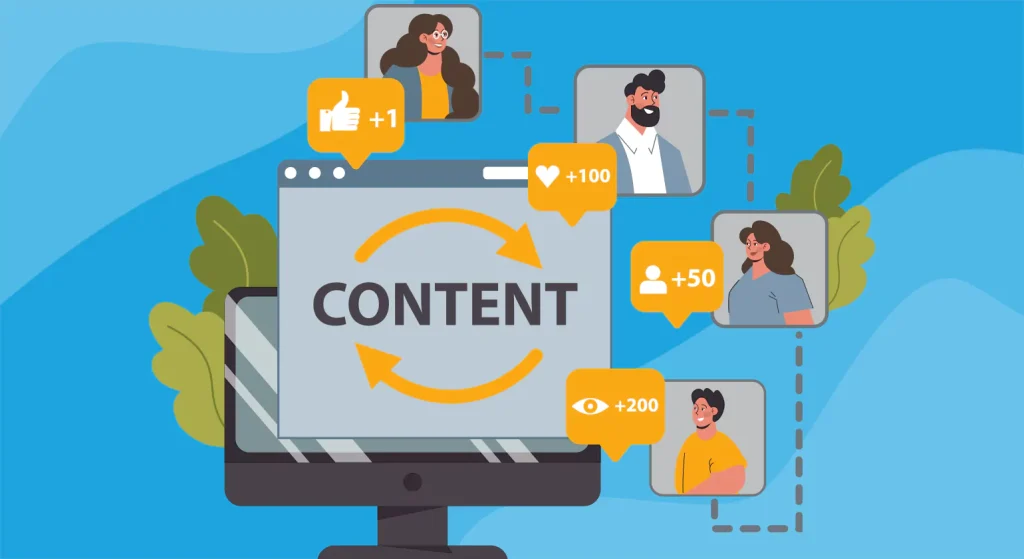
Content personalization and dynamic customer experiences are key for SaaS marketing success. By tailoring content and interactions, SaaS companies can enhance engagement, loyalty, and conversion rates.
1. The Value of Content Personalization
Personalization goes beyond segmentation to create relevant, targeted content based on user needs and behaviors. For SaaS, this might include adjusting content for different user roles or stages of the customer journey, boosting engagement and reducing churn.
2. Leveraging Data for Personalization
Using customer data is crucial for personalization. By tracking user behavior and product usage, SaaS marketing automation companies can automate personalized onboarding, email campaigns, and in-app messaging to deliver the right content at the right time.
3. Dynamic Customer Experiences
Dynamic experiences adjust in real time to user behavior. For example, a SaaS product might suggest features or adjust layouts based on past interactions. This keeps users engaged, helping them explore the platform more effectively and reducing churn.
4. Best Practices for Content Personalization
- Use Behavioral Triggers: Automate actions based on user behavior.
- Segment Users: Group users by role, company size, or engagement for targeted messaging.
- Test and Optimize: Regularly test content to refine and improve effectiveness.
5. Measuring Personalization Success
Track metrics like engagement rates and retention to gauge the impact of personalized content. Analytics tools within SaaS marketing platforms help refine strategies and ensure continuous improvement.
Common Challenges in SaaS Marketing Automation
SaaS Marketing Automation can bring great benefits in terms of efficiency and lead generation, but many companies are facing difficulties in implementing marketing automation saas solutions. Issues like poor data management, too much automation, and poor integration are some common challenges faced by many companies.
According to a report published by Salesforce, nearly 67% of marketing leaders identify data quality issues as their greatest challenge in marketing automation.
Poor Data Quality
Marketing automation depends on the quality of the data it is based on. Therefore, it is imperative that the quality of the data is good. Inconsistency in the information related to the lead can cause the marketing automation campaign to fail.
Over-Automation
It is possible that over-automation can cause the customer to feel that the communication is too robotic and not personalized enough. Therefore, it is imperative that the company does not overdo the automation and that the customers do not get too many automated messages from the company.
Lack of Personalization
A lack of personalization in automated systems might result in generic messages, which are not suitable in today’s world of SaaS, as customers expect more personalization based on the behavior of the user. This might not allow the campaign to convert as effectively as required.
Integration Issues
Today, most SaaS companies are utilizing different tools, such as CRM, analytics, and customer support tools, which might not be integrated with the marketing automation platform, resulting in a lack of ability to track the complete customer journey.
How to Choose the Right SaaS Marketing Automation Platform
Selecting the right marketing automation tool for your business is vital for scaling marketing efforts, enhancing lead conversion, and providing personalized customer experiences. Therefore, it is vital to select a marketing automation tool that meets your business needs and scales with your business.
Marketing automation is now considered a fundamental technology for marketing organizations. Marketing automation statistics show that it is vital for businesses, as it increases sales productivity by 14.5% and reduces marketing costs by 12.2%.
Key Factors to Consider
When you consider the marketing automation platform, you need to consider the factors that directly affect your marketing strategies and the customer’s journey.
Some of the factors that you need to consider include lead nurturing, behavior tracking, segmentation, and lifecycle marketing automation. These factors enable the SaaS company to automate the onboarding process, product education, and upselling.
Another factor that you need to consider is the analytics and reporting aspect of the marketing automation platform. A good marketing automation platform should enable the company to gain insights into the conversion rates and user behavior.
For example, the SaaS company can automate the onboarding process using the marketing automation platform, such as sending an email to the customer after they sign up for the free trial.
Pricing and Scalability
Pricing is yet another factor to consider when choosing an automation platform. Most platforms are subscription-based and have tiered plans depending on the number of contacts, features, and usage.
Startups at the early stage of the SaaS lifecycle may need affordable tools with basic automation functionality, while growing businesses need more advanced features such as artificial intelligence-powered segmentation, channel campaigns, and analytics.
Scalability is another factor to consider when choosing an automation platform. It should be able to handle your growing needs as your customer base increases.
Integration with SaaS Tech Stack
One of the most important factors in selecting automation software is integration capabilities. Your software must be able to easily integrate with your CRM system, analytics tools, email systems, product databases, and other systems.
In particular, integration with the CRM system is crucial because it enables both marketing and sales teams to use the same customer information. If this is not possible, marketing activities may conflict with sales or customer support activities.
According to industry research, 50% of marketers regard integration with CRM systems and other systems as a key factor in selecting marketing automation software.
Important Metrics to Track in SaaS Marketing Automation
It is vital for the success of SaaS Marketing Automation to track the right metrics. These metrics allow SaaS companies to understand the efficiency of customer acquisition and the generation of recurring revenue. Through the analysis of the KPIs, the marketing team can enhance the campaigns.
ProfitWell states that SaaS companies can increase revenue growth by 20-30% through the regular monitoring and optimization of performance metrics. The monitoring allows the companies to understand the bottlenecks in the marketing funnel and optimize the marketing automation strategies.
Customer Acquisition Cost (CAC)
Customer Acquisition Cost is defined as the amount of money it takes for a company to acquire a new customer. It includes the amount of money spent on marketing and advertising for the company. It is essential for a company to reduce its Customer Acquisition Cost without compromising the quality of leads, and this is where the importance of marketing automation lies.
Monthly Recurring Revenue (MRR)
Monthly Recurring Revenue is defined as the amount of revenue a company can predict each month from its subscribers. It is one of the most critical metrics for SaaS companies, as it shows whether the company is able to acquire more customers through its marketing automation campaigns.
Customer Lifetime Value (CLV)
Customer Lifetime Value is a metric for estimating the total revenue a business generates from a customer relationship. High CLV implies a high retention rate, successful customer onboarding, and successful customer engagement strategies.
Conversion Rates
Conversion rate is a metric for estimating the percentage of users who perform a desired action, such as signing up for a free trial, asking for a demo, etc. Marketing automation helps in increasing conversion rates.
Churn Rate
The churn rate is a metric for monitoring the rate at which customers are unsubscribing from the company’s services within a certain period of time. It is a significant metric for SaaS companies since it helps in identifying problems with the customer experience.
Actionable takeaway:
Instead of focusing on individual metrics like CAC, MRR, CLV, conversion rate, and churn rate, it is important to consider all of these metrics as a whole. This is because when you consider all these metrics as a whole, you can easily determine how effective your marketing automation strategy is in attracting SaaS customers.
Future Trends in SaaS Marketing Automation
The future of SaaS Marketing Automation is based on artificial intelligence, predictive insights, and personalization. In the growing competitive environment of SaaS markets, organizations have shifted from automation to data-driven and intelligent marketing solutions that can predict customer behavior and provide highly personalized experiences.
Gartner has stated that organizations can increase the effectiveness of their campaigns by up to 30% by using AI-driven marketing solutions. These growing trends will influence the SaaS industry in terms of customer acquisition and retention.
1. AI-Powered Marketing Automation
AI-powered marketing automation enables SaaS companies to analyze huge amounts of data and automate complex marketing operations. It can be used to optimize email delivery and content recommendations based on user behavior. It can also be used to predict when a user is more likely to convert and automate marketing campaigns accordingly.
2. Predictive Customer Analytics
Predictive analytics allows companies to predict user behavior and future actions based on historical data and machine learning algorithms. It enables SaaS companies to predict which leads are more likely to convert and which customers are more likely to churn. It also enables marketing teams to take proactive actions before opportunities are lost.
3. Hyper-Personalization in SaaS Marketing
Hyper-personalization is a more advanced approach compared to segmentation. In this approach, information related to the user’s behavior, product usage, and recommendations are used to create a more personal experience. In a normal scenario, a company might send a generic email to the customers, but in the case of hyper-personalization, the company might create a campaign based on the user’s activity, interests, and the
Actionable takeaway:
When every interaction feels automated, users may feel disconnected from the brand. Automation fatigue occurs when there’s an absence of genuine, human touchpoints, diminishing trust and loyalty.
Conclusion
SaaS marketing automation helps companies streamline marketing processes, nurture leads, and improve customer engagement throughout the entire customer lifecycle. By automating tasks such as email campaigns, onboarding, lead scoring, and retention workflows, SaaS businesses can scale their marketing efforts while maintaining personalized communication. The right marketing automation strategy and tools enable companies to increase conversions, reduce churn, and boost recurring revenue. As SaaS competition continues to grow, adopting effective marketing automation is essential for improving efficiency, delivering better customer experiences, and driving sustainable long-term growth.
FAQs
1. What is SaaS marketing automation software?
SaaS marketing automation software helps automate marketing tasks such as email campaigns, lead nurturing, user onboarding, and customer segmentation. It allows SaaS companies to manage customer journeys, track user behavior, and personalize communication at scale to improve conversions and retention.
2. How do SaaS companies use marketing automation?
SaaS companies use marketing automation to capture leads, nurture prospects, onboard new users, and retain customers. Automated workflows send targeted emails, track product usage, and trigger personalized messages, helping convert free trials into paying customers while improving engagement throughout the customer lifecycle.
3. Which marketing automation tools are best for SaaS startups?
Popular marketing automation tools for SaaS startups include HubSpot, ActiveCampaign, Customer.io, Mailchimp, and Brevo. These platforms provide features like email automation, lead scoring, user segmentation, and CRM integration, helping startups manage marketing campaigns and scale customer acquisition efficiently.
4. Is marketing automation necessary for SaaS growth?
Yes, marketing automation is essential for SaaS growth because it helps scale marketing activities, nurture leads automatically, and improve customer retention. By automating campaigns, onboarding, and engagement, SaaS companies can increase conversions, reduce churn, and generate consistent recurring revenue.
5. How does marketing automation improve SaaS customer retention?
Marketing automation improves SaaS customer retention by sending personalized onboarding emails, product tips, and engagement campaigns based on user behavior. Automated workflows keep users active, encourage feature adoption, and reduce churn by delivering the right message at the right stage of the customer lifecycle.
6. what are 5 Best SaaS marketing automation tools
Five of the best SaaS marketing automation tools are HubSpot Marketing Hub, ActiveCampaign, Marketo Engage, Customer.io, and Brevo. These tools help SaaS companies automate email campaigns, nurture leads, track user behavior, and improve conversions and customer retention.