Table of Contents
Introduction
In today’s digital-first landscape, traditional marketing methods like cold calling and direct advertising often fall short of reaching consumers who are increasingly adept at avoiding unwanted marketing messages. This is where inbound marketing funnels come in: a structured, consumer-focused approach to attracting, engaging, and delighting potential customers. This guide will provide an in-depth look into inbound marketing, from understanding its key stages and benefits to actionable strategies and metrics that ensure your inbound marketing sales funnel leads to business growth.
Understanding the Inbound Marketing Funnel
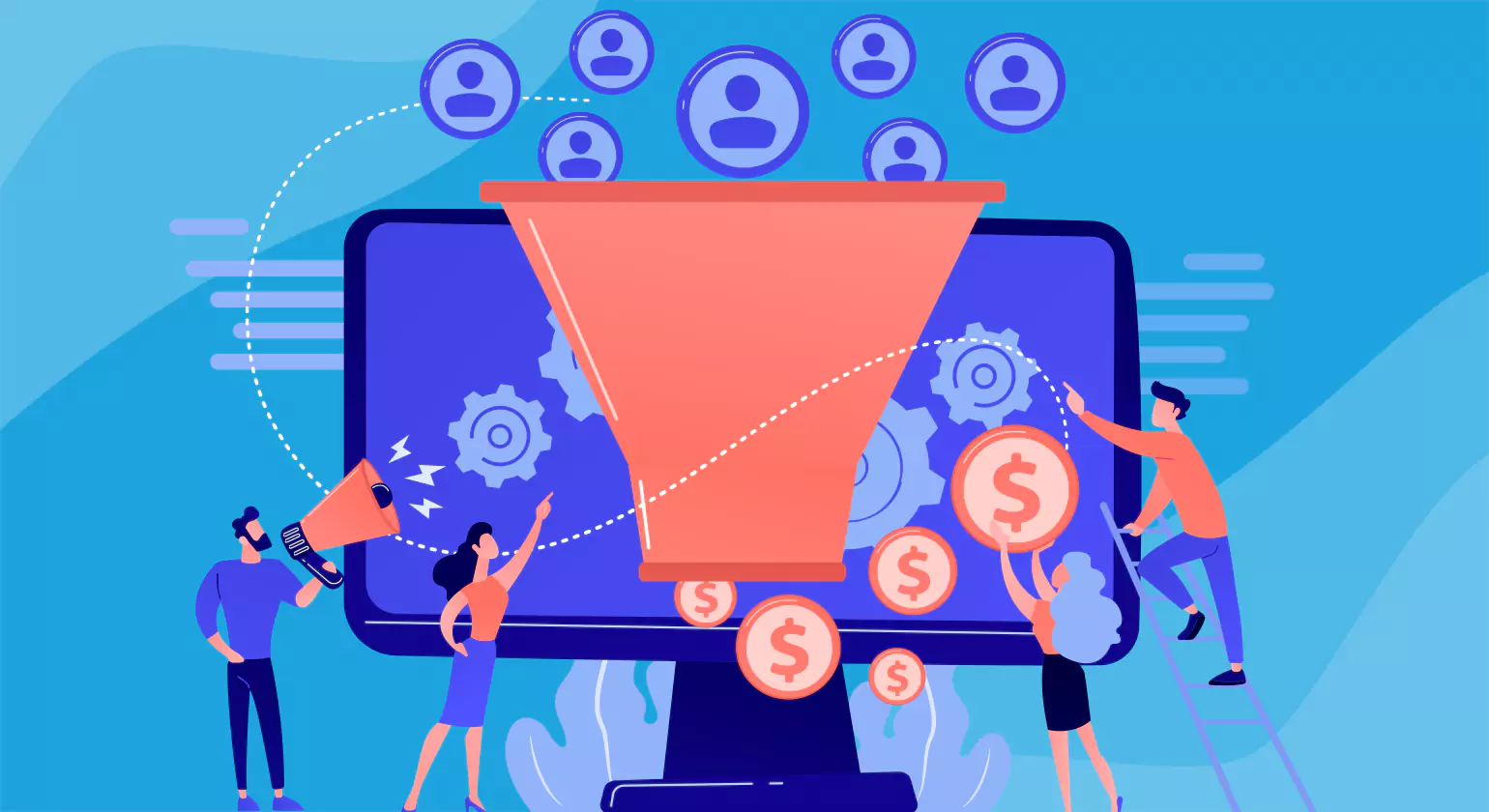
The Inbound Marketing Funnel is a structured approach designed to attract, nurture, and convert leads into loyal customers by delivering relevant value at every stage of their journey. Unlike traditional marketing that pushes products onto audiences, the inbound funnel focuses on solving customer problems and building trust. It consists of three key stages:
Awareness Stage – At this top-of-funnel phase, the goal is to make potential customers aware of your brand while educating them about their challenges. Tactics such as SEO-optimized blog posts, informative videos, social media content, and lead magnets help capture attention and drive traffic.
Consideration Stage – In this middle-of-funnel phase, prospects evaluate solutions to their problems. Case studies, comparison guides, webinars, and email newsletters provide actionable insights that position your business as a trusted solution.
Decision Stage – The bottom-of-funnel stage is focused on converting qualified leads into customers. Personalized demos, free trials, consultations, and special offers encourage commitment while reinforcing trust built during earlier stages.
Implementing an Inbound Marketing Funnel ensures that your digital marketing strategy aligns with customer needs and intent. By leveraging SEO, content marketing, email campaigns, and social media, you can guide prospects through a non-intrusive, value-driven journey. This approach not only increases organic traffic and engagement but also turns casual visitors into brand advocates, ultimately boosting conversions and long-term business growth.
10 Benefits Of Using an Inbound Marketing Funnel For Businesses
1. Increases Brand Visibility
The inbound marketing funnel enhances brand visibility through SEO, content marketing, and social media engagement. By creating optimized content that appears in search results and engaging posts that resonate on social media, an inbound funnel helps your brand become more discoverable. This approach creates organic touchpoints, making it easy for potential customers to find and connect with your business naturally.
2. Builds Customer Trust
A key benefit of inbound marketers is their ability to build trust with their audience. By providing relevant and valuable content tailored to each stage of the funnel—from educational blogs in the awareness stage to detailed case studies in the decision stage—you demonstrate that your business understands customer needs. This content-driven approach positions your brand as a reliable and knowledgeable resource, strengthening trust over time.
3. Improves Lead Quality
The inbound funnel attracts leads who are genuinely interested in your offerings, resulting in higher-quality leads that are more likely to convert. Since inbound marketing aligns with customer interests and needs, it naturally filters out unqualified leads, allowing your sales team to focus on those with a higher likelihood of becoming customers.
4. Enhances Customer Retention
Unlike traditional sales funnels, inbound marketers continue to engage customers after the sale. This ongoing engagement fosters loyalty, encouraging repeat purchases and turning satisfied customers into brand advocates. The result is a stronger relationship with your customers, who are more likely to share positive experiences.
5. Cost-Effectiveness
Inbound marketing is often more cost-effective than outbound strategies, as it leverages organic reach and reduces reliance on paid advertising. By building a content foundation that generates leads over time, inbound marketing becomes a sustainable investment, providing long-term value and growth at a lower cost.
6. Encourages Long-Term Relationships
The funnel focuses not just on acquisition, but also on delighting customers post-sale, encouraging loyalty and repeat business. By consistently delivering value through personalized communication, helpful resources, and ongoing support, businesses can turn satisfied customers into brand advocates. This approach strengthens customer retention, increases lifetime value, and fosters positive word-of-mouth marketing.
7. Streamlines the Sales Process
Educated leads require less nurturing, making it easier and faster for sales teams to close deals. Since b2b inbound marketing funnel provides prospects with valuable information throughout their journey, by the time they reach the decision stage, they already understand the product or service. This reduces the time spent answering basic questions and allows sales teams to focus on addressing specific needs or objections.
8. Provides Valuable Analytics
Inbound tools offer insights into user behavior, campaign performance, and ROI, helping refine strategies for better results. These analytics allow businesses to track how visitors interact with content, identify high-performing channels, and understand which touchpoints lead to conversions. By analyzing metrics such as click-through rates, bounce rates, and customer journey paths, marketers can make data-driven decisions to optimize future campaigns
9. Scalable and Sustainable
Once built, inbound funnels can be scaled with minimal cost and continue delivering results long-term. Unlike traditional campaigns that require repeated investment, inbound content—such as blogs, videos, and lead magnets—can be reused and repurposed to attract new audiences over time. As your business grows, the funnel can easily accommodate larger traffic volumes and support automation tools for lead nurturing, making it a flexible, future-ready strategy.
10. Aligns Sales and Marketing
A clear funnel structure helps both teams collaborate effectively, ensuring consistent messaging and higher conversions. By defining each stage of the funnel, both sales and b2b marketing can agree on lead definitions, goals, and handoff points. This alignment reduces friction, improves lead nurturing, and enables a more personalized approach to guiding prospects through the buyer’s journey.
4 Key Stages of the Inbound Marketing Funnel
Understanding the stages of b2b inbound marketing funnel is essential to implementing a strategy that effectively guides prospects through their customer journey. Each stage has a specific purpose and requires tailored approaches to engage, convert, and retain customers within the inbound marketing sales funnel.
1. Attract (Awareness Stage)
The first stage is about building awareness and attracting the right audience. At this point, potential customers are unaware of your brand or the solutions you offer, so the goal is to capture their interest and make a strong first impression. By creating valuable, SEO-optimized content such as blog posts, social media updates, and targeted ads, you can draw in prospects who are searching for information. This stage isn’t about promoting products directly but rather about educating and inspiring curiosity, positioning your brand as a helpful resource.
Example
It would provide practical, easy-to-understand tips—without mentioning the company’s product. To boost visibility, they might share a visually compelling infographic on social media that highlights the ROI of data analytics, linking back to the blog. A soft call-to-action like “Curious about how data can work for you? Check out our free guides” encourages further exploration. This strategy builds credibility, trust, and organic traffic early in the customer journey.
2. Engage (Consideration Stage)
Once potential customers have shown interest, they enter the consideration stage. Here, they’re evaluating options and seeking more detailed information to help them make an informed decision. The key to this stage is engagement—offering valuable resources like eBooks, guides, case studies, or webinars that address their specific needs or pain points. By delivering personalized, insightful content, you deepen the relationship and keep potential customers connected. Effective engagement at this stage reinforces trust and positions your brand as a preferred option.
Example
At the consideration stage, potential customers are actively researching and comparing solutions. This is your opportunity to highlight how your offering stands out. Provide in-depth guides, comparison charts, case studies, or webinars to showcase your value. For example, a software company might share a detailed feature comparison between their product and top competitors, helping prospects make informed decisions while building trust. Focus on solving their pain points with clarity and credibility.
3. Convert (Decision Stage)
The convert stage is where leads are prepared to make a purchasing decision. At this point, they’re looking for reassurance and clear reasons to choose your solution. To encourage conversion, offer tangible options like free trials, product demos, consultations, or strong calls to action (CTAs) that simplify the decision-making process. The goal is to provide everything they need to confidently commit to your brand, ensuring a smooth and convincing transition from lead to customer.
Example
At the decision stage, customers are ready to buy. Offer clear comparisons, demos, or free trials to help them choose your product confidently. For example, provide a side-by-side feature comparison or a limited-time discount to encourage final conversion.
4. Delight (Retention and Advocacy Stage)
The funnel doesn’t end with the sale. The delight stage focuses on post-purchase engagement to foster long-term loyalty and advocacy. By offering exceptional customer service, follow-up support, and personalized content, you can turn customers into repeat buyers and brand advocates. In this stage it nurtures a lasting relationship, encouraging customers to refer your brand to others and become advocates who amplify your reach through word-of-mouth.
Example
At the delight stage, businesses exceed customer expectations through personalized support and exclusive offers. For example, a software company sends tailored tips and early access to new features, encouraging loyalty and turning users into enthusiastic brand advocates who share their positive experiences with others.
Types of Inbound Marketing Strategies
Implementing the right Inbound Marketing Funnel requires a mix of strategies designed to attract, engage, and convert prospects at every stage of their journey. Each strategy plays a critical role in guiding potential customers through the funnel while building trust and long-term relationships.
Content Marketing
High-quality content remains the backbone of any inbound strategy. Blog posts, videos, podcasts, and infographics educate prospects, answer their questions, and position your brand as an authority. By delivering value at each stage of the Inbound Marketing Funnel, content marketing encourages visitors to move from awareness to consideration and ultimately conversion.
Search Engine Optimization (SEO)
SEO ensures your content reaches the right audience organically. Optimizing pages with relevant keywords, improving site speed, and building backlinks increases visibility on search engines. Strong SEO helps attract qualified leads who are actively searching for solutions your business provides, supporting the top-of-funnel “Attract” stage.
Email Marketing
Email campaigns nurture leads and maintain engagement throughout the funnel. Personalized emails, newsletters, and targeted offers keep your brand top-of-mind while guiding prospects closer to conversion. Segmenting your email list based on behavior or funnel stage ensures messages are relevant and effective.
Social Media Marketing
Social media platforms like LinkedIn, Instagram, Facebook, and Twitter allow brands to connect directly with audiences. Sharing valuable content, engaging in conversations, and building community strengthen brand presence and drive traffic into the funnel. Social media also amplifies content reach and supports lead generation efforts.
Lead Magnets
Lead magnets—such as eBooks, guides, templates, and checklists—provide immediate value in exchange for contact information. They are a crucial tool for capturing early-stage leads and nurturing them through email or other engagement strategies. Effective lead magnets align perfectly with the inbound marketing funnel, attracting prospects naturally and setting the stage for long-term relationships.
Comparing Inbound Marketing Funnels vs. Traditional Sales Funnels
While both inbound marketing funnels and traditional sales funnels share the ultimate goal of converting leads into customers, they employ distinct approaches that impact the customer experience, engagement level, and overall effectiveness. The inbound marketing sales funnel focuses on attracting and nurturing leads through valuable, relevant content rather than direct, interruptive tactics.
Approach
The approach taken by traditional sales funnels primarily revolves around outbound tactics, such as cold calling, direct advertising, and other direct outreach methods. These tactics push messages to a broad audience in hopes of capturing interest, often resulting in more interruptions to the customer’s day. On the other hand, inbound sales funnel uses a pull strategy, creating value through informative, relevant content that attracts customers organically. Inbound tactics—like blog posts, SEO, and social media—aim to engage customers in a way that feels natural and non-intrusive, drawing them in based on their interests and needs.
Customer Focus
Inbound marketing is distinctly customer–centric. They prioritize understanding and addressing customer needs, pain points, and questions at each stage, ultimately building trust and loyalty. The inbound approach views customers as active participants who should be empowered to make informed choices, placing emphasis on providing helpful information rather than aggressively pushing sales. In contrast, traditional sales funnels are often product-centric, with a focus on driving immediate purchases. Traditional approaches may prioritize sales tactics over relationship-building, which can sometimes feel impersonal to customers.
Lifecycle
funnel inbound marketing extend beyond the sale, nurturing relationships throughout the entire customer lifecycle, including retention and advocacy stages. By maintaining engagement post-purchase, inbound strategies encourage repeat purchases and foster brand advocacy, turning satisfied customers into promoters. Traditional funnels, however, frequently conclude at the point of sale, with minimal emphasis on customer retention or ongoing relationship-building, often missing opportunities for long-term loyalty.
Cost
Inbound marketing is generally more cost-effective in the long run, as it relies less on continuous ad spend and more on content that generates lasting value. By investing in high-quality, evergreen content that attracts leads over time, businesses reduce their dependence on paid ads and expensive direct marketing campaigns. Traditional sales funnels, in contrast, often require ongoing expenditures for ads, cold calls, and other outbound tactics, making them more costly over time.
Boosting Conversion Rates with an Funnel Inbound Marketing
An inbound marketing funnel is designed to guide leads through a thoughtful, value-driven journey. However, optimizing conversion rates within this funnel requires strategic tactics that align with each stage of the customer journey, ultimately encouraging prospects to take action and move closer to a purchase.
Personalized Content
The approach taken by traditional sales funnels primarily revolves around outbound tactics, such as cold calling, direct advertising, and other direct outreach methods. These tactics push messages to a broad audience in hopes of capturing interest, often resulting in more interruptions to the customer’s day. On the other hand, inbound marketing uses a pull strategy, creating value through informative, relevant content that attracts customers organically. Inbound tactics—like blog posts, SEO, and social media—aim to engage customers in a way that feels natural and non-intrusive, drawing them in based on their interests and needs.
Strong CTAs
Inbound marketing is distinctly customer–centric. They prioritize understanding and addressing customer needs, pain points, and questions at each stage, ultimately building trust and loyalty. The inbound approach views customers as active participants who should be empowered to make informed choices, placing emphasis on providing helpful information rather than aggressively pushing sales. In contrast, traditional sales funnels are often product-centric, with a focus on driving immediate purchases. Traditional approaches may prioritize sales tactics over relationship-building, which can sometimes feel impersonal to customers.
Lifecycle
Clear and compelling calls-to-action (CTAs) play a crucial role in guiding visitors through the funnel stages. A strong CTA should be straightforward, action-oriented, and aligned with the specific needs of the prospect’s current stage. For example, a “Learn More” CTA may be suitable in the awareness stage, while a “Start Your Free Trial” CTA can work well in the decision stage. Well-placed, persuasive CTAs significantly improve the likelihood of conversion by helping prospects take the next logical step.
Retargeting
Retargeting is an essential tactic for re-engaging prospects who’ve previously interacted with your content but haven’t converted. Using retargeting ads on social media or display networks, you can keep your brand top-of-mind and encourage prospects to return. By presenting these visitors with relevant offers, content, or CTAs based on their previous interactions, retargeting can effectively re-capture their attention and improve conversion chances.
A/B Testing
Continuous A/B testing helps optimize various elements including landing pages, CTAs, email sequences, and ad copy. By testing different versions of content and design, you can determine which variations yield the highest conversion rates. Small adjustments—such as button color, headline phrasing, or image selection—can lead to significant improvements in engagement and conversion.
Lead Scoring
Lead scoring is a powerful tactic for identifying and prioritizing high-quality leads. By assigning point values based on specific actions (like downloads, page views, or engagement with emails), lead scoring helps pinpoint the most promising prospects. This enables sales teams to focus on leads that show the greatest potential, enhancing efficiency and boosting the overall conversion rate.
Step-by-Step Guide to Implementing an Inbound Marketing Funnel
Building an effective inbound marketing funnel involves a series of steps that guide prospects from initial awareness through to conversion and beyond. Here’s a comprehensive guide to implementing an inbound funnel that engages, nurtures, and converts your target audience.
Identify Your Audience
The first step is to clearly define your audience by creating buyer personas. A persona represents your ideal customer and includes information like demographics, pain points, goals, and content preferences. Understanding who you’re targeting is essential to crafting relevant content and tailoring your funnel stages. The more detailed your personas, the better you can create messages and experiences that resonate with your audience’s specific needs.
Create Relevant Content
Next, develop a variety of content tailored to each stage. For the awareness stage, focus on informative content like blog posts, infographics, and social media posts to capture interest. In the consideration stage, provide in-depth resources such as eBooks, guides, or webinars that help prospects evaluate solutions. For the decision stage, case studies, product demos, and testimonials can address final questions and encourage conversion. This range of content ensures that prospects have the information they need to move confidently through each funnel stage.
Optimize for SEO
To attract organic traffic, ensure each piece of content is optimized for search engines. Conduct keyword research to understand what terms your audience is searching for, and integrate these strategically into your content. SEO best practices, like using descriptive titles, meta tags, and mobile-friendly design, help increase your visibility in search engine results, making it easier for potential customers to find your content.
Develop a Lead Nurturing Strategy
Use email marketing strategy and retargeting ads to nurture leads and move them through the funnel. Segment your email list based on buyer personas and funnel stages, delivering personalized messages that keep prospects engaged. Retargeting ads can re-engage prospects who have interacted with your content but haven’t converted yet, keeping your brand top-of-mind.
Implement Marketing Automation
Marketing automation tools streamline tasks such as lead scoring, email campaigns, and data tracking, enabling your funnel to scale effectively. Automation allows you to respond to user behavior in real-time, ensuring that leads receive timely, relevant content without manual intervention. This enhances efficiency while maintaining a personalized approach.
Measure and Refine
Finally, track key metrics like conversion rates, engagement, and lead quality to evaluate performance. Use insights to refine your funnel continuously, adjusting content, CTAs, and targeting as needed to improve results. Regularly assessing and optimizing the inbound sales funnel Automation ensures that your strategy stays effective and adapts to changing audience needs.
Measuring Success: Key Metrics for Inbound Marketing Funnels
To gauge the effectiveness of an inbound marketing funnel, tracking key performance metrics is essential. These metrics provide insights into how well each stage of the funnel engages, converts, and retains customers, allowing for data-driven optimizations that improve results over time.
Traffic Sources
Understanding where your traffic originates helps you identify which channels are most effective at attracting potential customers. By tracking sources such as organic search, social media, email, and paid ads, you can pinpoint which channels deliver the highest-quality traffic. This insight allows you to allocate resources more effectively, focusing on channels that drive the most engagement and lead generation.
Conversion Rate
The conversion rate is a fundamental metric that measures the percentage of visitors who take desired actions at each funnel stage—such as signing up for a newsletter or requesting a demo. Tracking conversions at each step enables you to identify bottlenecks where prospects drop off. For instance, if many leads leave before reaching the consideration stage, you might need to refine your CTAs or provide more compelling content at the awareness stage.
Lead Quality and Lead-to-Customer Rate
Not all leads are created equal, so evaluating lead quality is essential. Lead scoring—assigning values based on engagement and behavior—helps identify high-quality leads most likely to convert. The lead-to-customer rate measures the percentage of leads that become paying customers, offering a clear indicator of the funnel’s effectiveness. Monitoring lead quality and conversion rates ensures that your marketing funnel generates valuable leads that contribute to revenue.
Customer Retention Rate
Retention rate assesses how well you retain customers post-purchase, an important metric for understanding customer satisfaction and loyalty. High retention rates indicate that customers are finding value in your products or services, while lower rates may signal a need for better post-purchase engagement or support.
Customer Lifetime Value (CLV)
Customer lifetime value tracks the average revenue each customer generates over their relationship with your brand. This metric highlights the long-term value of customers and helps you understand the ROI of your funnel. By optimizing for high CLV, you can focus on creating lasting customer relationships rather than solely driving immediate sales.
Engagement Metrics
Engagement metrics—such as clicks, shares, and time on page—reveal which content resonates most with your audience. Analyzing these interactions can guide content improvements, helping to create more compelling materials for each stage of the funnel. High engagement generally signals that your content is valuable and relevant, leading to a smoother progression through the funnel.
Conclusion
An inbound marketing funnel is a powerful tool for attracting, engaging, and converting leads while building lasting relationships with customers. By focusing on adding value at each stage of the customer journey, you not only drive conversions but also increase customer loyalty and advocacy. For businesses ready to make the shift from traditional marketing methods, implementing an inbound funnel can be a strategic step toward sustainable growth and greater customer satisfaction. With the right approach, consistent effort, and data-driven insights, your inbound funnel can be a transformative asset in today’s competitive market landscape.
FAQs
What is an inbound marketing funnel?
An inbound marketing funnel is a strategy that guides prospects from discovering a brand to becoming loyal customers. Using content-driven, non-intrusive methods like blogs, SEO, and social media, it focuses on attracting, engaging, and converting leads by delivering relevant value at every stage of the customer journey.
What are the stages of the inbound marketing funnel?
The inbound marketing funnel has four stages: Attract, Engage, Convert, and Delight. It draws in prospects, builds trust, converts leads into customers, and ensures satisfaction. This approach fosters loyalty, repeat business, and referrals by maintaining ongoing engagement and delivering meaningful experiences.
Why is the funnel inbound marketing
The inbound marketing channels attracts qualified leads with valuable content, nurtures relationships, and boosts conversions. By providing relevant information and engagement, it builds trust, reduces acquisition costs, and encourages repeat business and advocacy, focusing on long-term customer relationships rather than one-time sales.
What tools can help optimize the inbound marketing funnel
Tools like HubSpot, Mailchimp, Google Analytics, SEMrush, and CRM platforms help manage content, automate lead nurturing, and track performance. They streamline marketing workflows, improve targeting, and provide actionable insights, optimizing each stage of the inbound marketing funnel for better engagement and higher conversions.
How can businesses measure the success of their inbound marketing
Businesses measure success by analyzing traffic sources, conversion rates, lead quality, engagement metrics, customer retention, and lifetime value. Monitoring these metrics regularly allows optimization of strategies across all funnel stages, ensuring the inbound marketing channels approach effectively attracts, engages, and converts prospects into loyal, repeat customers.