Table of Contents
Key Takeaways
- Outsourcing Cyber Security is the practice of delegating security operations to external experts (MSSPs) to gain advanced protection, reduce costs, and ensure 24/7 threat monitoring without building in-house infrastructure.
- Helps businesses access specialized expertise, modern tools, and scalable security aligned with evolving threats.
- Covers essential services like risk assessment, incident response, cloud security, and compliance management.
- Highlights key differences between in-house vs outsourced models for better decision-making.
- Explains strategic benefits including cost efficiency, real-time response, and business focus.
- Identifies common risks and mistakes businesses make in 2026.
- Provides a clear framework to choose the right cybersecurity partner effectively.
Introduction
Cyber threats aren’t just an IT problem anymore—they’re a real business risk that can hit anytime. From ransomware to data breaches, the stakes are higher than ever. But here’s the thing: building a full in-house security team isn’t always practical. That’s where outsourcing cyber security comes in. It gives you expert protection, advanced tools, and round-the-clock monitoring—without the heavy cost or complexity of managing everything yourself.
This is where outsourcing cyber security comes in. By partnering with external experts, companies can leverage advanced tools, industry knowledge, and 24/7 protection without the overhead costs of managing internal teams.
What Is Cybersecurity Outsourcing?
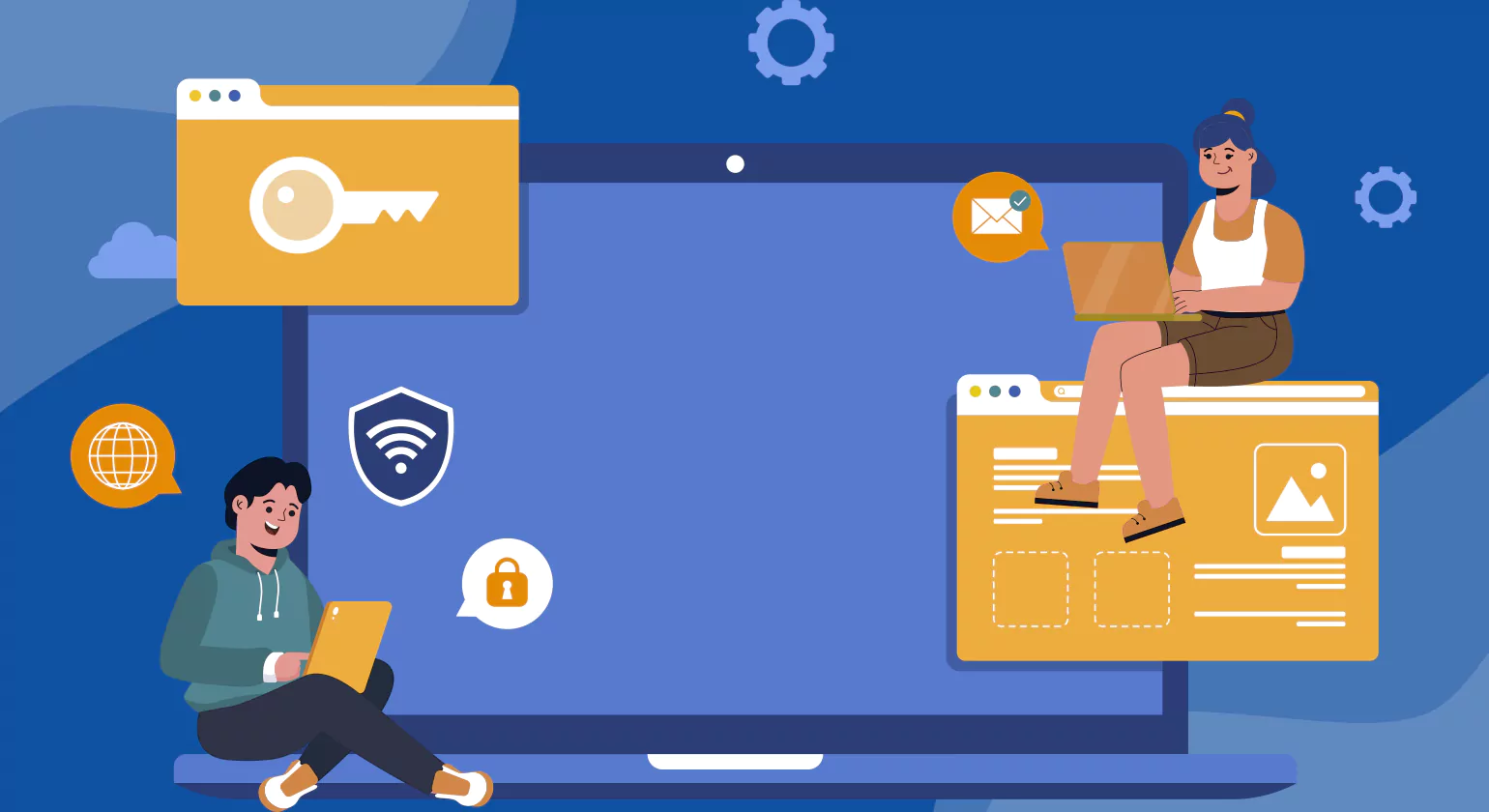
Cybersecurity outsourcing is a strategic approach where organizations delegate their cybersecurity operations to external experts, typically known as Managed Security Service Providers (MSSPs). These specialized providers use advanced technologies, threat intelligence, and round-the-clock monitoring to protect networks, systems, and sensitive data from malicious attacks. By leveraging the expertise of these professionals, businesses can ensure real-time detection and response to threats, minimizing the risk of data breaches or downtime. This approach not only enhances security posture but also enables companies to stay compliant with regulatory standards and industry best practices.
Instead of investing heavily in building an in-house security infrastructure, organizations opt for outsourcing cyber security to achieve greater efficiency and cost savings. This model provides access to cutting-edge tools, skilled analysts, and automated defense mechanisms without the need for significant capital expenditure. MSSPs handle everything from vulnerability assessments and incident response to threat analysis and compliance reporting. As cyberattacks become more sophisticated, outsourcing offers scalability and adaptability, empowering businesses to focus on growth and innovation while maintaining robust protection against evolving digital threats.
Outsourcing Cyber security in 2026: What Most Businesses Get Wrong
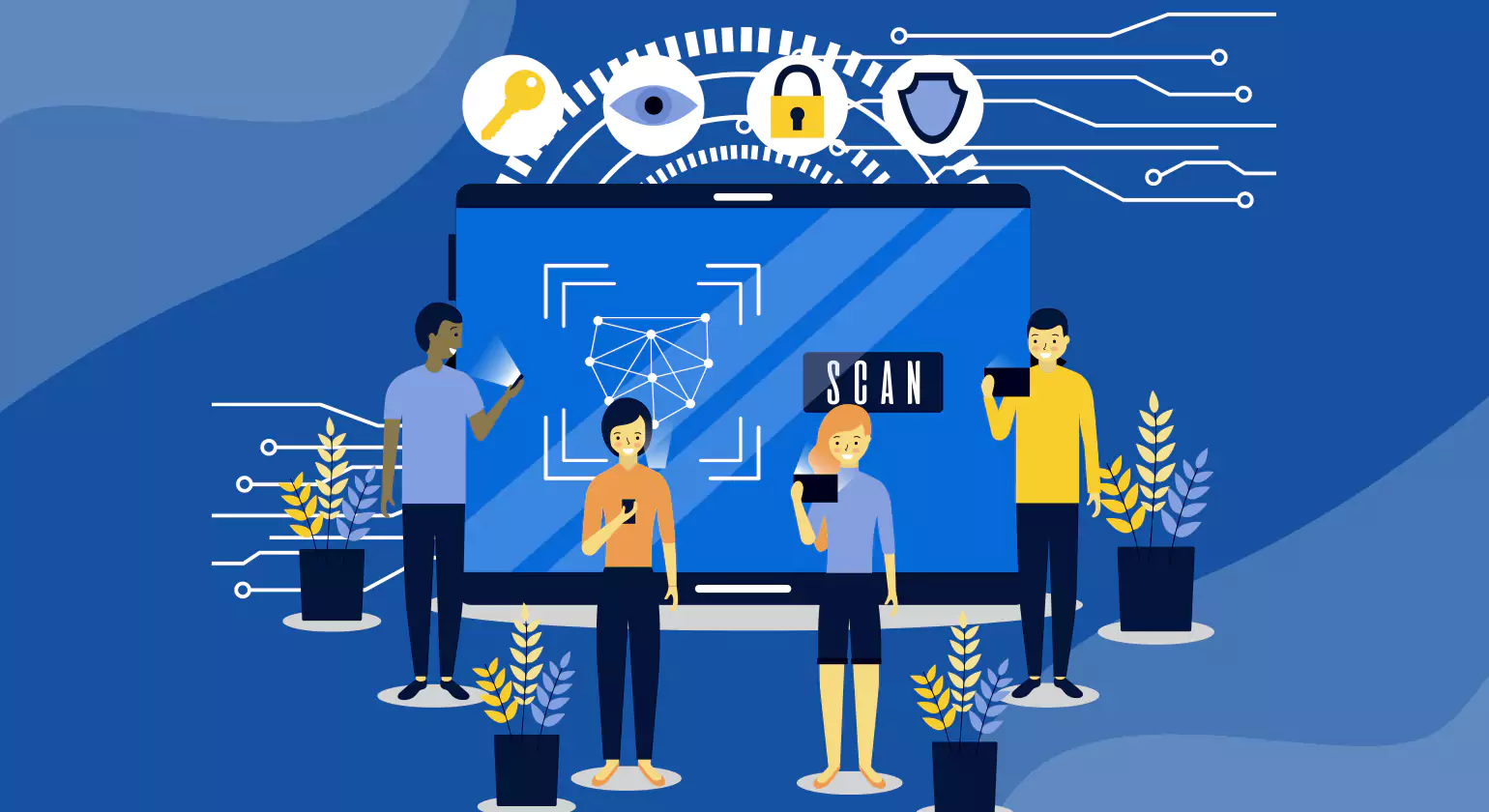
Cybersecurity outsourcing has become a necessity in 2026, but many organizations still approach it with outdated assumptions. As threat actors adopt AI-driven tactics, cloud environments grow more complex, and supply chains expand, outsourcing security without a strategic mindset creates new risks instead of reducing them. The most common mistakes stem from treating cybersecurity as a cost center or a purely technical function, rather than a core business requirement tied directly to operations, reputation, and revenue.
Cost-First Decisions That Sacrifice Security Outcomes
One of the biggest mistakes businesses make when outsourcing cybersecurity is choosing providers based primarily on price. Low-cost security services often rely on limited tooling, junior analysts, and reactive alerting, which creates a false sense of protection. In 2026, attackers move faster than ever, and underfunded security programs simply cannot keep pace.
Organizations that focus only on cost often miss critical capabilities such as proactive threat hunting, real-time response, and advanced detection across cloud and endpoint environments. Over time, the financial impact of breaches, downtime, regulatory penalties, and reputational damage far exceeds any short-term savings. Effective cybersecurity outsourcing should be evaluated based on expertise, response speed, industry experience, and the ability to align security controls with business risk—not just the monthly invoice.
Treating Cybersecurity as a Technical Problem Instead of a Business Risk
Many businesses still treat cybersecurity as an isolated IT issue rather than a company-wide risk management concern. This disconnect leads to security programs that are misaligned with VA business priorities, data flows, and operational dependencies. When leadership is not involved, security decisions become reactive and fragmented, which is why outsourcing cyber security is increasingly viewed as a strategic approach to align protection efforts with overall business objectives and risk management goals.
In 2026, cybersecurity directly impacts customer trust, regulatory compliance, mergers, and digital growth initiatives. Outsourced security providers must understand how the business operates, where critical data resides, and which systems are essential to revenue and service delivery. Organizations that integrate cybersecurity into executive decision-making are far better positioned to prevent incidents and respond effectively when threats emerge.
Assuming Cloud and SaaS Providers Handle Security by Default
A common and dangerous misconception is that cloud and SaaS platforms automatically provide complete security. While cloud providers secure the infrastructure, businesses remain responsible for configurations, access controls, identity management, and data protection. Misconfigured permissions, excessive access rights, and unsecured APIs continue to be leading causes of breaches.
In 2026, cloud environments are highly dynamic, often spanning multiple providers and regions. Without continuous monitoring and configuration management, even small mistakes can expose sensitive data. Outsourcing cybersecurity without addressing the shared responsibility model leaves critical gaps that attackers actively exploit. A strong security partner ensures visibility, governance, and accountability across all cloud assets—not just basic compliance.
Ignoring Human and Third-Party Risk in Outsourced Security Models
Despite advanced tools, people remain one of the most targeted attack surfaces. Phishing, social engineering, and credential theft continue to succeed because organizations underestimate the human factor. Many outsourced security models focus heavily on technology while neglecting employee awareness and behavioral risk.
At the same time, third-party and supplier ecosystems have expanded rapidly. SaaS vendors, contractors, and service providers often have access to internal systems and data, making them attractive entry points for attackers. In 2026, AI-powered reconnaissance allows threat actors to identify weak vendors faster than ever. Effective cybersecurity outsourcing must include continuous training, identity controls, and third-party risk oversight to reduce exposure across the entire ecosystem.
Underestimating AI-Driven Threats and the Need for Continuous Visibility
AI has fundamentally changed the threat landscape. Attackers now use automation to scale phishing campaigns, evade detection, and identify vulnerabilities in minutes instead of days. Businesses that rely on periodic reports, delayed alerts, or manual investigations are operating at a significant disadvantage.
In 2026, cybersecurity outsourcing must prioritize continuous visibility across endpoints, networks, identities, and cloud workloads. Real-time monitoring, behavioral analytics, and rapid response capabilities are essential to counter AI-driven attacks. Organizations that underestimate this shift often remain reactive, discovering incidents only after damage has already occurred. Proactive visibility and fast decision-making are no longer optional—they are critical to survival.
Why Getting Cybersecurity Outsourcing Right in 2026 Matters
The organizations that succeed in 2026 are those that treat cybersecurity outsourcing as a strategic partnership rather than a cost-saving tactic. By focusing on long-term value, human risk reduction, vendor accountability, cloud governance, and AI-aware defense strategies, businesses can build resilient security programs that support growth instead of slowing it down.
Cybersecurity is no longer just about stopping attacks—it’s about enabling secure operations in an increasingly connected and automated world.
Key Types of Cybersecurity Services Every Business Needs
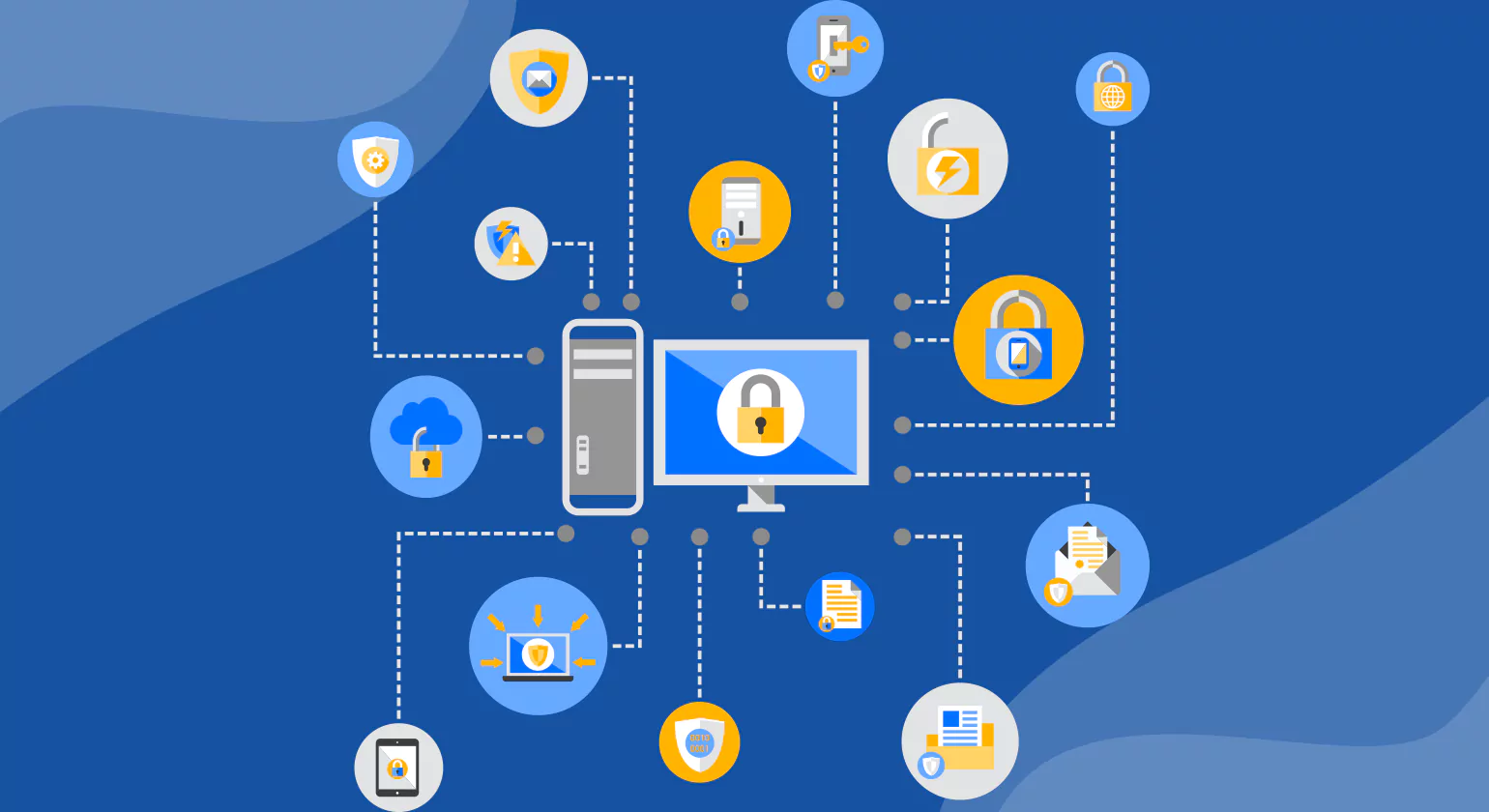
Cybersecurity services play a critical role in protecting businesses from evolving digital threats. As cyberattacks become more sophisticated and frequent, organizations across industries rely on specialized security services to safeguard data, systems, networks, and users. For many organizations, outsourcing cyber security has become a practical way to access advanced protection while maintaining operational efficiency. Below is a detailed breakdown of the most important cybersecurity services modern businesses need to maintain resilience, compliance, and trust.
1. Cybersecurity Risk Assessments
Cybersecurity risk assessments provide a comprehensive evaluation of an organization’s security posture by identifying threats, vulnerabilities, and potential business impacts.
How Cybersecurity Risk Assessments Work
Risk assessments analyze infrastructure, applications, data flows, and user access to determine where security gaps exist. They assess both technical vulnerabilities and operational risks, including outdated systems, weak policies, and insufficient controls.
Business Value of Risk Assessments
These assessments help organizations prioritize remediation efforts, allocate security budgets effectively, and reduce exposure to high-impact cyber risks. They are essential for strategic planning, compliance readiness, and executive-level decision-making.
2. External Risk Management (ERM)
External Risk Management focuses on identifying threats that originate outside an organization’s internal network.
Visibility Into the External Attack Surface
ERM services continuously monitor internet-facing assets such as domains, cloud resources, IP addresses, APIs, and third-party services. This visibility helps uncover misconfigurations, exposed services, and shadow IT risks.
Reducing External Threat Exposure
By detecting data leaks, brand impersonation, and third-party vulnerabilities early, ERM services help prevent breaches before attackers can exploit publicly accessible weaknesses.
3. Incident Response (IR)
Incident Response services are designed to manage and contain cybersecurity incidents quickly and effectively.
Rapid Detection and Incident Containment
IR teams analyze alerts, investigate suspicious activity, and isolate affected systems to prevent lateral movement or further damage. Speed and precision are critical during this phase.
Recovery, Forensics, and Lessons Learned
After containment, IR services support system restoration, forensic investigations, and root cause analysis. This ensures operational continuity and strengthens defenses against future incidents.
4. Managed Security Services (MSS)
Managed Security Services provide continuous cybersecurity operations through outsourced expertise and technology.
Continuous Monitoring and Threat Detection
MSS providers operate 24/7 security operations centers that monitor networks, endpoints, and cloud environments for malicious activity using advanced analytics and threat intelligence.
Scalable Security for Growing Organizations
Managed services allow businesses to enhance security without hiring large in-house teams, making them ideal for organizations seeking cost-effective, enterprise-grade protection.
5. Vulnerability Scanning
Vulnerability scanning is a proactive approach to identifying weaknesses across IT environments.
Identifying Security Gaps Before Attackers Do
Automated and manual scans detect missing patches, insecure configurations, and known software vulnerabilities across systems, applications, and networks.
Prioritizing Remediation Efforts
Vulnerability scanning helps security teams focus on high-risk issues first, reducing the likelihood of exploitation while improving overall risk management.
6. Penetration Testing
Penetration testing evaluates the effectiveness of security controls through simulated cyberattacks, helping organizations identify exploitable weaknesses before real attackers do. When combined with outsourcing cyber security, businesses gain access to experienced ethical hackers and advanced testing methodologies that strengthen defenses without the overhead of maintaining specialized in-house expertise..
Real-World Attack Simulations
Ethical hackers attempt to exploit vulnerabilities using attacker techniques to determine how systems respond under real conditions.
Improving Security Posture Through Testing
Penetration testing validates defenses, supports compliance requirements, and provides actionable insights to strengthen security controls.
7. Cybersecurity Awareness Training
Cybersecurity awareness training addresses the human element of security.
Educating Users on Cyber Threats
Training programs teach employees how to recognize phishing attempts, social engineering attacks, and unsafe behaviors that commonly lead to breaches.
Creating a Security-Conscious Workforce
Ongoing education reduces human error, strengthens internal defenses, and fosters a culture where security is part of everyday operations.
8. Identity Theft Protection
Identity theft protection services safeguard personal and organizational identities from misuse.
Monitoring for Identity Compromise
These VA services track compromised credentials, exposed personal data, and fraudulent activity across public and underground sources.
Supporting Identity Recovery
When identity theft occurs, restoration services assist with recovery, reducing financial loss and long-term damage.
9. Access Management Services
Access management services control how users interact with systems and sensitive information.
Securing User Authentication
Multi-factor authentication and identity verification mechanisms prevent unauthorized access even if credentials are compromised.
Streamlining Secure Access
Single sign-on and centralized access controls enhance security while improving usability and productivity across platforms.
10. Data Loss Prevention (DLP)
Data Loss Prevention services protect sensitive data from accidental or malicious exposure by monitoring and controlling how information is accessed, shared, and transmitted across systems. When paired with outsourcing cyber security, organizations can enforce consistent data protection policies and respond quickly to potential data leaks without adding operational complexity.
Monitoring Data Across Channels
DLP solutions track data movement across endpoints, email, cloud applications, and networks to enforce security policies.
Preventing Data Breaches and Compliance Violations
By blocking unauthorized data transfers and alerting security teams, DLP reduces regulatory risk and protects intellectual property.
11. Cloud Security Services
Cloud security services address the unique challenges of cloud computing environments.
Securing Cloud Infrastructure and Applications
These services focus on identity management, workload protection, secure configurations, and continuous visibility across cloud platforms.
Enabling Secure Cloud Adoption
Cloud security services allow businesses to scale and innovate while maintaining control, compliance, and risk visibility.
12. Security Compliance and Governance Services
Security compliance and governance services ensure cybersecurity practices align with regulatory and industry standards.
Managing Security Policies and Audits
These services support audits, documentation, risk assessments, and policy development required for compliance frameworks.
Strengthening Trust and Accountability
Strong governance demonstrates commitment to security, improves stakeholder confidence, and supports long-term business resilience.
Difference Between Outsourced and In-House Cyber Security Solutions
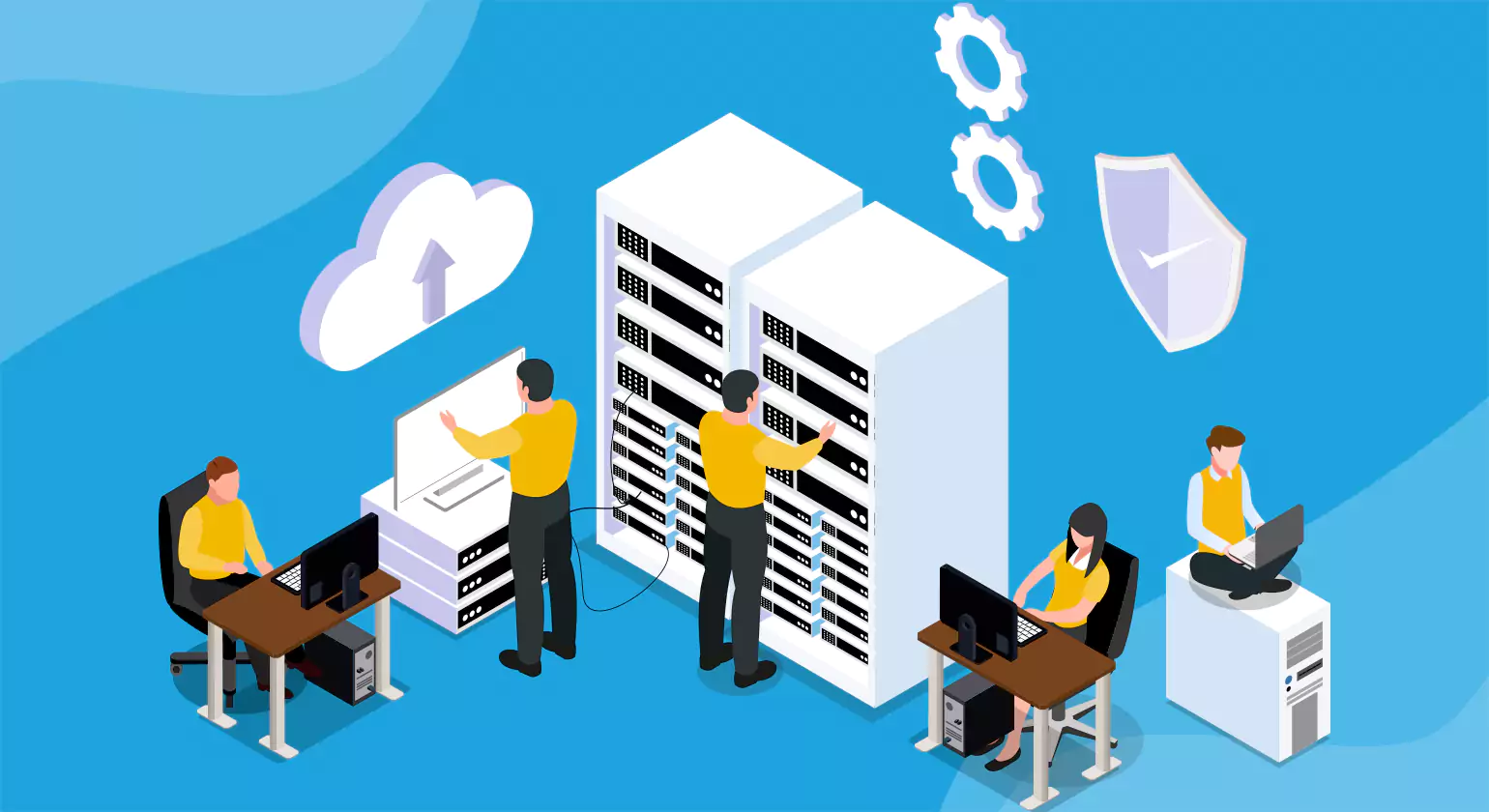
When businesses evaluate how to protect their digital assets, they often compare in-house cybersecurity with outsourcing cyber security. Both approaches aim to safeguard critical data and infrastructure, but they differ in cost, scalability, expertise, and flexibility. Understanding these distinctions helps organizations choose the right model based on their size, industry, and risk exposure.
Cost and Resource Allocation
In-house cybersecurity requires significant investment in hiring full-time professionals, purchasing advanced VA tools, and maintaining infrastructure. These costs can quickly escalate, especially for small and mid-sized businesses. On the other hand, outsourcing cyber security offers cost efficiency through flexible pricing models, allowing companies to pay only for the services they need. This eliminates overhead costs while providing enterprise-grade protection.
Expertise and Technology
Internal teams are often limited to the expertise and experience of their existing staff. Outsourced providers, however, bring access to a global pool of cybersecurity specialists equipped with the latest knowledge, certifications, and threat intelligence. They also utilize cutting-edge technologies that may be financially or technically out of reach for many organizations.
Scalability and Monitoring
Scaling an in-house team to meet changing business demands can be slow and expensive. Outsourced cybersecurity services, by contrast, are highly scalable—providers can quickly expand protection levels or add new capabilities as threats evolve. Additionally, while in-house teams may operate only during business hours, outsourced teams offer 24/7 monitoring and incident response, ensuring uninterrupted protection.
Compliance and Control
Maintaining regulatory compliance in-house requires dedicated expertise and continuous updates. Outsourced providers often specialize in compliance management, ensuring adherence to frameworks like GDPR, HIPAA, and ISO 27001. Although in-house teams offer greater control and direct oversight, outsourcing delivers a balance of compliance, efficiency, and advanced protection—making it an ideal choice for many modern businesses.
5 Strategic Benefits of Outsourcing Cybersecurity to Experts
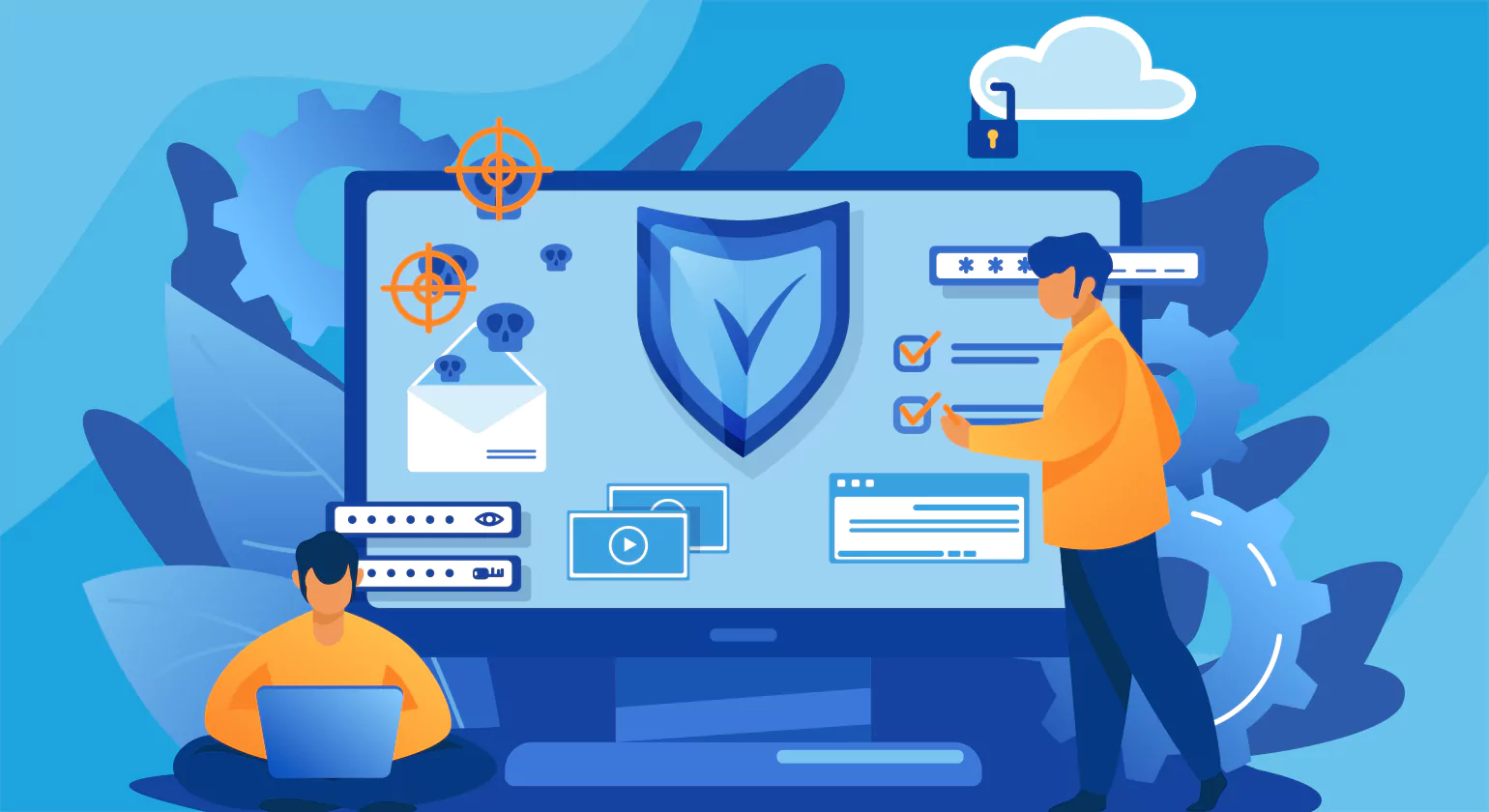
As cyber threats become more advanced and persistent, organizations are rethinking how they protect their digital assets. Outsourcing cyber security to specialized providers allows businesses to strengthen defenses, reduce operational strain, and stay ahead of evolving risks. Instead of relying solely on internal teams, companies gain access to expertise, tools, and processes designed to protect modern IT environments at scale.
1. Access to Expertise and Advanced Technology
Outsourcing cybersecurity provides immediate access to highly skilled professionals and enterprise-grade security technologies that are difficult to maintain in-house.
Specialized Skills and Industry Knowledge
Cybersecurity experts bring experience across multiple industries, threat landscapes, and attack scenarios. They stay current with emerging threats, compliance requirements, and defensive techniques, helping organizations avoid common security gaps.
Advanced Security Tools Without High Overhead
Managed providers invest in sophisticated monitoring platforms, threat intelligence, and analytics tools. Businesses benefit from these technologies without the cost or complexity of purchasing, deploying, and managing them internally.
2. Cost-Effectiveness
Building and maintaining an in-house cybersecurity team is expensive and resource-intensive, especially as threats evolve.
Predictable and Optimized Security Spending
Outsourcing converts large capital expenses into predictable operational costs. Organizations avoid the ongoing expense of hiring, training, and retaining scarce cybersecurity talent.
Reduced Financial Impact of Incidents
Effective outsourced security reduces the likelihood and severity of breaches, helping businesses avoid costly downtime, data loss, regulatory penalties, and reputational damage.
3. Ability to Focus on Core Business Activities
Cybersecurity demands constant attention, which can distract internal teams from strategic business priorities.
Reducing Operational Burden on Internal Teams
By outsourcing security operations, IT teams can focus on innovation, system optimization, and business growth instead of managing alerts and incidents around the clock.
Supporting Business Agility and Growth
Security experts handle risk management in the background, enabling leadership to pursue digital transformation and expansion with confidence.
4. 24×7 Real-Time Threat Detection and Response
Cyber threats do not follow business hours, making continuous monitoring essential.
Around-the-Clock Monitoring and Alerting
Outsourced security providers operate continuously, detecting suspicious activity in real time across networks, endpoints, and cloud environments.
Faster Incident Response and Containment
Immediate response capabilities reduce dwell time and limit damage when incidents occur. Rapid containment helps protect critical systems and maintain business continuity.
5. Scalability and Flexibility
Security needs change as organizations grow, adopt new technologies, or expand into new markets.
Security That Scales With Your Business
Outsourced cybersecurity services can quickly adapt to changes in infrastructure, user count, and data volume without requiring major internal changes.
Flexible Support for Evolving Threats
As new risks emerge, security providers adjust tools, coverage, and response strategies to ensure ongoing protection without disrupting operations.
Every organization has unique security requirements, which is why outsourcing cyber security offers flexible models and pricing structures to suit varying business needs, industries, and budgets. Whether a company requires end-to-end management or occasional consulting support, cybersecurity outsourcing provides scalable, cost-effective options that align with operational goals and risk tolerance. Understanding these models helps organizations make informed decisions when selecting the right Managed Security Service Provider (MSSP).
Cybersecurity Outsourcing Models You Should Know Before Choosing
Fully Managed Services
Before selecting a cybersecurity outsourcing partner, it’s important to understand the different service models available. Each model offers a different level of control, flexibility, and responsibility depending on your business needs.
Fully Managed Security Services
In this model, the provider takes complete responsibility for your cybersecurity operations, including monitoring, threat detection, incident response, and compliance management. This is ideal for businesses that lack in-house expertise and want end-to-end protection with minimal internal involvement.
Co-Managed Security Model
A co-managed approach allows your internal IT team to work alongside external cybersecurity experts. While your team handles routine IT operations, the provider focuses on advanced threat detection, monitoring, and response. This model is best suited for businesses that want to retain some control while strengthening their defenses.
Project-Based Engagements
Some organizations outsource cybersecurity for specific needs such as penetration testing, security audits, or compliance assessments. This model is cost-effective for businesses that require specialized expertise without committing to long-term contracts.
Cybersecurity Consulting Services
Consulting services focus on strategy rather than execution. Experts assess your current security posture, identify risks, and recommend frameworks and tools to improve your overall cybersecurity strategy. This is especially useful for businesses undergoing digital transformation or compliance upgrades.
Choosing the right model depends on your internal capabilities, risk exposure, and long-term security goals. Businesses with limited resources often benefit from fully managed services, while larger organizations may prefer a co-managed approach for better control and flexibility.
Understanding these models makes it easier to evaluate providers and choose a solution aligned with your business needs.
Potential Risks of Outsourcing Cyber Security
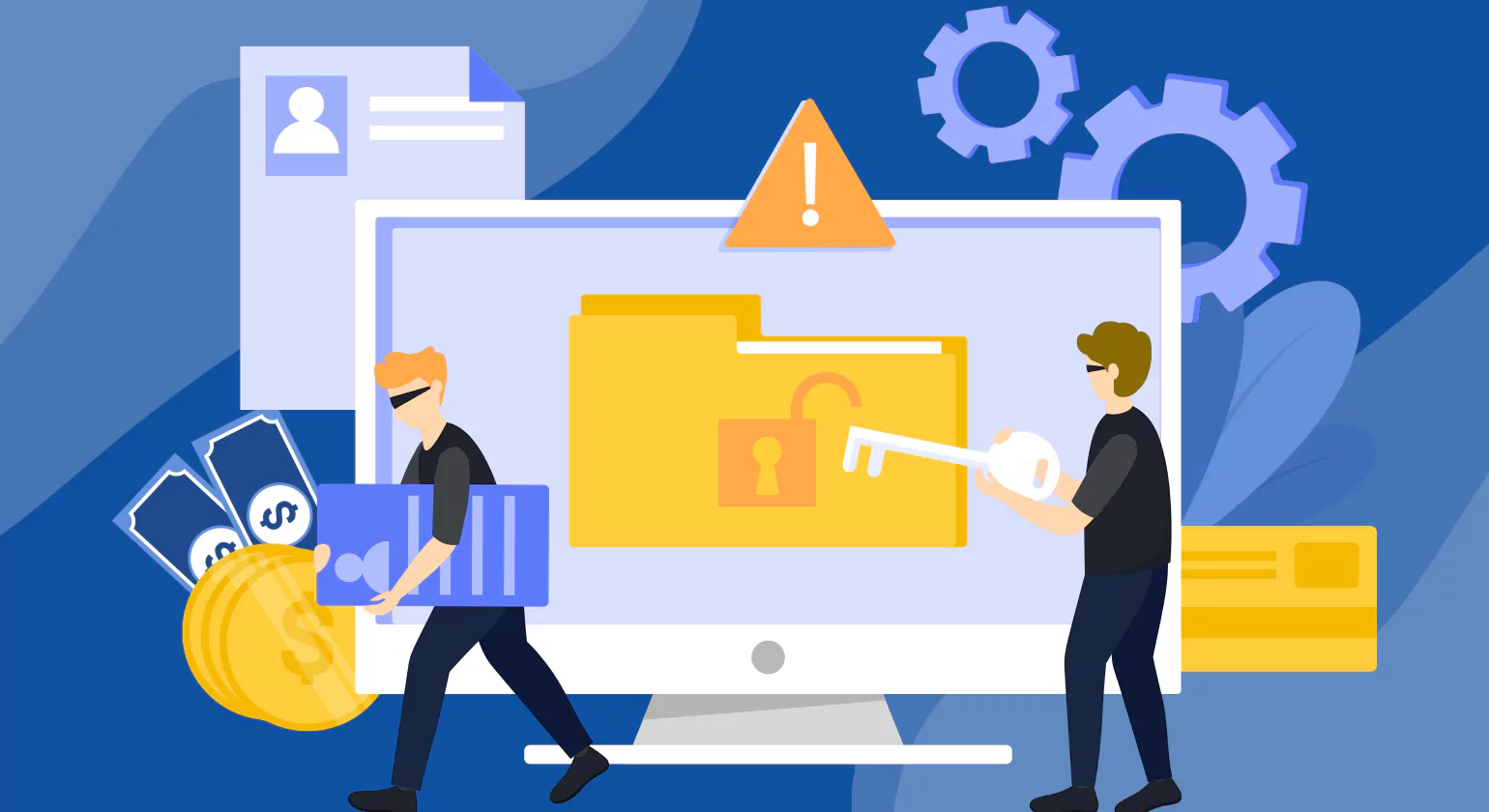
While outsourcing cyber security delivers efficiency, expertise, and cost benefits, it also introduces certain risks that organizations must manage carefully. Transferring critical security functions to a third-party provider means entrusting them with sensitive data, operational control, and regulatory compliance. Understanding these potential pitfalls is essential for making informed outsourcing decisions and ensuring that partnerships strengthen rather than compromise an organization’s security posture.
Data Privacy Concerns
One of the primary risks in cybersecurity outsourcing is data privacy. Sharing confidential business or customer information with an external provider can create vulnerabilities if the vendor’s data handling or storage practices are not sufficiently secure. Any lapse in confidentiality could result in data leaks, legal issues, or reputational damage. Organizations should ensure that providers comply with data protection laws such as GDPR, HIPAA, or ISO 27001 and employ robust encryption and access control mechanisms.
Limited Control
When cybersecurity responsibilities are outsourced, internal teams may have less control over daily operations, incident responses, or security configurations. This can lead to delays in decision-making or misalignment with company-specific security policies. Clear communication channels, defined escalation procedures, and periodic reviews are essential to maintain visibility and control.
Vendor Reliability
The effectiveness of outsourcing depends heavily on the provider’s reliability. Inconsistent service quality, poor responsiveness, or lack of expertise can expose an organization to greater risk. Businesses should evaluate potential vendors through references, certifications, and performance metrics before entering into long-term contracts.
Compliance Risks
Each industry has unique compliance obligations, and not all vendors are equally familiar with them. Partnering with a provider that fails to meet relevant legal or regulatory requirements could result in fines and penalties. Therefore, it’s crucial to choose a partner experienced in your industry’s compliance landscape.
Integration Challenges
Integrating outsourced tools and systems with existing IT infrastructure can be complex. Compatibility issues, configuration errors, or gaps in data flow may disrupt operations or weaken defenses. Conducting technical assessments and establishing integration protocols can minimize such challenges.
By conducting due diligence, defining responsibilities in clear contracts, and performing regular security audits, organizations can mitigate these risks while reaping the full benefits of cybersecurity outsourcing.
How to Choose the Right Cyber Security Outsourcing Partner

Selecting the right partner for outsourcing cyber security is a critical decision that can determine the strength, reliability, and resilience of your organization’s digital defense. With the rising frequency and sophistication of cyberattacks, partnering with a capable, trustworthy provider ensures long-term protection, compliance, and business continuity. However, not all service providers offer the same level of expertise or technology. Careful evaluation across several key factors helps businesses choose wisely.
Assess Expertise and Certifications
A credible cybersecurity provider should have certified professionals with qualifications such as ISO 27001, CISSP, CISA, or CEH. These credentials demonstrate technical competence and adherence to international security standards. Always verify that their team members are up to date with emerging technologies and current threat landscapes.
Evaluate Industry Experience
Experience matters in cybersecurity. Choose a provider with a proven track record in your industry, as they will be familiar with sector-specific risks, compliance requirements, and operational nuances. Industry expertise ensures faster response times and tailored security strategies.
Review Service-Level Agreements (SLAs)
A strong SLA forms the foundation of a successful outsourcing relationship. It should clearly outline the provider’s responsibilities, response times, performance guarantees, and escalation procedures. Well-defined SLAs protect your business interests and ensure accountability in case of incidents.
Check Compliance and Regulatory Knowledge
Regulatory compliance is a key component of any cybersecurity strategy. Ensure your outsourcing partner understands and complies with laws such as GDPR, HIPAA, or PCI DSS. Their expertise should cover both international and local data protection standards.
Assess Technology and Tools
The provider’s technology stack plays a crucial role in proactive threat management. Look for advanced solutions like Security Information and Event Management (SIEM), Security Orchestration, Automation and Response (SOAR), and AI-driven analytics that enable rapid detection and remediation.
Review Client Feedback and Communication Practices
Client testimonials, case studies, and independent reviews offer valuable insights into the provider’s reliability. Choose a partner that maintains transparent communication through regular reports, audits, and meetings—ensuring you stay informed about your organization’s security status at all times.
Prioritize Real-Time Response Capabilities (Not Just Monitoring)
Most businesses assume that 24/7 monitoring is enough—but in reality, monitoring without rapid response is one of the biggest gaps in outsourced cybersecurity. A provider that only detects threats but delays action can still leave your business exposed to serious damage.
When evaluating a cybersecurity outsourcing partner, focus on their Mean Time to Detect (MTTD) and Mean Time to Respond (MTTR). These metrics directly impact how quickly threats are contained before they escalate into breaches.
Conclusion
In today’s dynamic digital environment, outsourcing cyber security has evolved from a cost-saving measure into a strategic necessity for businesses of all sizes. It empowers organizations with access to global expertise, advanced technologies, and continuous monitoring that would be difficult to maintain internally. This proactive approach not only strengthens defenses against cyber threats but also ensures operational resilience and compliance with international security standards.
FAQs
1. Is outsourcing cybersecurity safe for businesses?
Outsourcing cybersecurity is safe when you partner with a trusted, certified provider that follows strict security protocols. Reputable vendors use encryption, compliance frameworks, and continuous monitoring to protect data. The key is choosing a provider with proven expertise, strong SLAs, and transparent security practices.
2. How much does outsourcing cybersecurity cost?
Outsourcing cybersecurity typically costs less than building an in-house team, with pricing ranging from fixed monthly plans to scalable usage-based models. Costs depend on services like monitoring, threat detection, and compliance support. It helps businesses control budgets while accessing enterprise-level protection.
3. What cybersecurity services should be outsourced?
Businesses should outsource cybersecurity services like threat monitoring, incident response, vulnerability assessments, compliance management, and endpoint protection. These areas require advanced tools and expertise. Outsourcing ensures continuous protection while reducing the burden on internal IT teams.
4. What are the risks of outsourcing cybersecurity?
The main risks of outsourcing cybersecurity include reduced direct control, data privacy concerns, and dependency on third-party providers. These risks can be minimized by choosing vendors with strong compliance standards, clear SLAs, and transparent communication to ensure accountability and security.
5. How do I choose the right cybersecurity outsourcing provider?
Choose a cybersecurity outsourcing provider based on experience, certifications, service scope, and response capabilities. Evaluate SLAs, client reviews, and technology stack. A reliable partner should offer 24/7 monitoring, fast incident response, and industry-specific compliance expertise.