Table of Contents
Introduction
Outsource staffing solutions allow businesses to delegate their recruitment and hiring processes to external agencies or partners. This approach offers flexibility, as companies can access a broader talent pool without being limited by geographic or industry constraints. It also enables businesses to scale their workforce quickly, especially during peak seasons or when special projects require additional expertise.
By outsourcing staffing, organizations can reduce operational costs related to recruitment, training, and employee benefits. External partners handle the entire staffing process, from screening candidates to onboarding, saving time and resources for the company. This also allows internal HR teams to focus on more strategic tasks and improve overall productivity.
Additionally, outsource staffing solutions provide access to specialized skills and expertise that may not be available in-house. Whether it’s technical roles, executive search, or seasonal labor, outsourcing ensures that companies get the right talent when needed. This flexibility also minimizes the risks associated with hiring full-time employees, as staffing agencies typically handle employment contracts, taxes, and other administrative duties.
What Is Outsource Staffing?

Outsourced staffing services refers to the practice of hiring an external agency or service provider to handle a company’s recruitment and employee management needs. This includes tasks such as sourcing, screening, interviewing, and hiring workers, as well as managing payroll and other administrative responsibilities. Companies often turn to outsourcing when they need specialized skills, want to reduce recruitment costs, or need to scale their workforce quickly without the overhead of managing these functions in-house.
This approach offers businesses a flexible and efficient way to meet staffing needs, especially during periods of high demand or when seeking temporary or contract workers. By outsourcing staffing, companies can gain access to a larger pool of candidates and industry expertise, reducing the risk of hiring mistakes. It also helps mitigate the complexities of employment law, benefits administration, and compliance, as staffing agencies usually handle these aspects on behalf of the business.
Outsource staffing solution provide businesses with a strategic way to address talent gaps without the long-term commitment of hiring full-time employees. These solutions are especially beneficial for companies that experience fluctuating workforce demands, such as during seasonal spikes or project-based work. By leveraging the expertise of staffing agencies, businesses can quickly access a wide range of skilled professionals, including temporary, contract, or part-time workers, ensuring that their operations continue smoothly without the time-consuming process of direct recruitment and hiring.
Why Should Businesses Outsource Staffing Solutions to Foster Growth

Businesses rely on Outsource staffing solutions for growth because they offer flexibility and scalability that support rapid expansion and adaptation to changing market demands. Outsourcing staffing allows companies to quickly scale their workforce up or down based on specific needs, such as seasonal demands or new projects. This agility is crucial for maintaining operational efficiency while avoiding the costs and risks associated with hiring permanent employees for short-term or specialized roles.
Additionally, by outsourcing staffing, businesses gain access to a wider talent pool, often tapping into highly specialized skills that may not be available internally. Staffing agencies have extensive networks and expertise in sourcing qualified candidates, ensuring that companies can find the right talent to fuel their growth. Outsourcing also helps businesses focus on their core competencies by offloading time-consuming recruitment processes, enabling leadership to concentrate on strategic growth initiatives while leaving talent management to the experts.
A proven statistic that highlights the effectiveness of outsource staffing solutions comes from a 2020 survey by the American Staffing Association, which found that 90% of companies that used staffing agencies reported increased productivity and performance. This demonstrates that outsourcing staffing not only helps businesses quickly access skilled talent but also enhances overall efficiency and business outcomes. By leveraging external staffing resources, companies can optimize their workforce, reduce time-to-hire, and maintain focus on their long-term growth objectives, all while benefiting from the expertise and efficiency that staffing agencies provide.
Top 5 Benefits of Outsourcing Staffing Solutions

Outsourcing staffing solutions offers numerous advantages for businesses looking to optimize their workforce management. Here are the top 5 benefits:
1. Access to a Larger Talent Pool
When you outsourced staffing solutions, companies can tap into a broader, global talent pool that might be unavailable through in-house recruitment efforts. Staffing agencies have extensive networks and can source specialized skills or fill roles quickly with qualified candidates. This is especially valuable for industries facing skill shortages or businesses in need of hard-to-find expertise.
2. Cost and Time Efficiency
Recruiting, hiring, and training new employees can be time-consuming and costly. Outsourcing staffing eliminates the need for businesses to invest heavily in internal recruitment processes and reduces overhead costs related to salaries, benefits, and training. Agencies handle the sourcing, screening, and sometimes the onboarding process, which accelerates the hiring cycle and minimizes the costs associated with turnover.
3. Flexibility and Scalability
Outsource staffing solutions allow businesses to easily scale their workforce up or down based on project requirements, seasonal demands, or economic shifts. Companies can quickly fill short-term or seasonal positions without the commitment of hiring full-time employees. This flexibility helps businesses remain agile and responsive to changing market conditions without overextending resources.
4. Focus on Core Business Functions
When staffing duties are outsourced, internal HR teams can focus on more strategic tasks, such as employee development, culture-building, and organizational growth. By offloading the administrative burden of recruitment, businesses can devote more attention to their core operations, leading to improved efficiency and performance across the organization.
5. Compliance and Risk Management
Navigating the complexities of employment laws, taxes, and regulations can be challenging. outsource staffing solutions help mitigate these risks, as staffing agencies typically handle compliance issues, such as workers’ compensation, tax withholding, and adherence to local labor laws. This reduces the risk of legal issues and penalties, ensuring businesses stay compliant with employment regulations.
Types of Outsource Staffing Services for Your Needs

Outsourcing staffing services offer businesses a flexible and cost-effective way to fill temporary or permanent staffing needs. Here are some common types:
1. Temporary Staffing
Temporary Outsource staffing solutions involves hiring workers for short-term assignments, such as seasonal positions, special projects, or to fill in for absent employees. This type of staffing is ideal for businesses needing flexible labor solutions without committing to long-term hires. Temporary employees can help businesses maintain productivity during peak periods or when a quick workforce expansion is required, reducing costs and maintaining efficiency.
2. Contract Staffing
Contract staffing allows businesses to hire professionals for a fixed duration, typically to complete specific projects or tasks. This type of staffing is useful when specialized skills are needed for a short-term assignment, such as IT development, marketing campaigns, or consultancy. Contract staffing offers flexibility while ensuring that businesses have access to highly skilled talent without the long-term commitment or costs of full-time employment.
3. Professional Staffing
Professional outsourced staffing services focuses on filling highly specialized roles that require specific qualifications or expertise, such as positions in IT, engineering, finance, or healthcare. This service helps businesses find top-tier professionals who possess the skills necessary for complex or niche tasks. By leveraging professional staffing services, businesses can ensure they are hiring the right experts without spending significant time on recruitment or training.
4. Payroll Outsourcing
Payroll outsourcing involves outsourcing the management of employee payroll, including the calculation of salaries, tax deductions, benefits administration, and ensuring compliance with local labor laws. By using an external provider, businesses can save time, reduce errors, and focus on core functions while ensuring that employees are paid accurately and on time. When you outsource staffing solutions companies can stay compliant with ever-changing tax and labor regulations.
5. Recruitment Process Outsourcing (RPO)
Recruitment Process Outsourcing (RPO) is a comprehensive solution where businesses outsource the entire recruitment process to a third-party provider. This includes sourcing, screening, interviewing, and onboarding new employees. RPO is ideal for companies looking to improve their hiring efficiency, reduce time-to-hire, and ensure high-quality talent acquisition. It allows businesses to scale recruitment efforts while leveraging the expertise of staffing professionals.
Top Industries That Benefit from Outsource Staffing Solutions
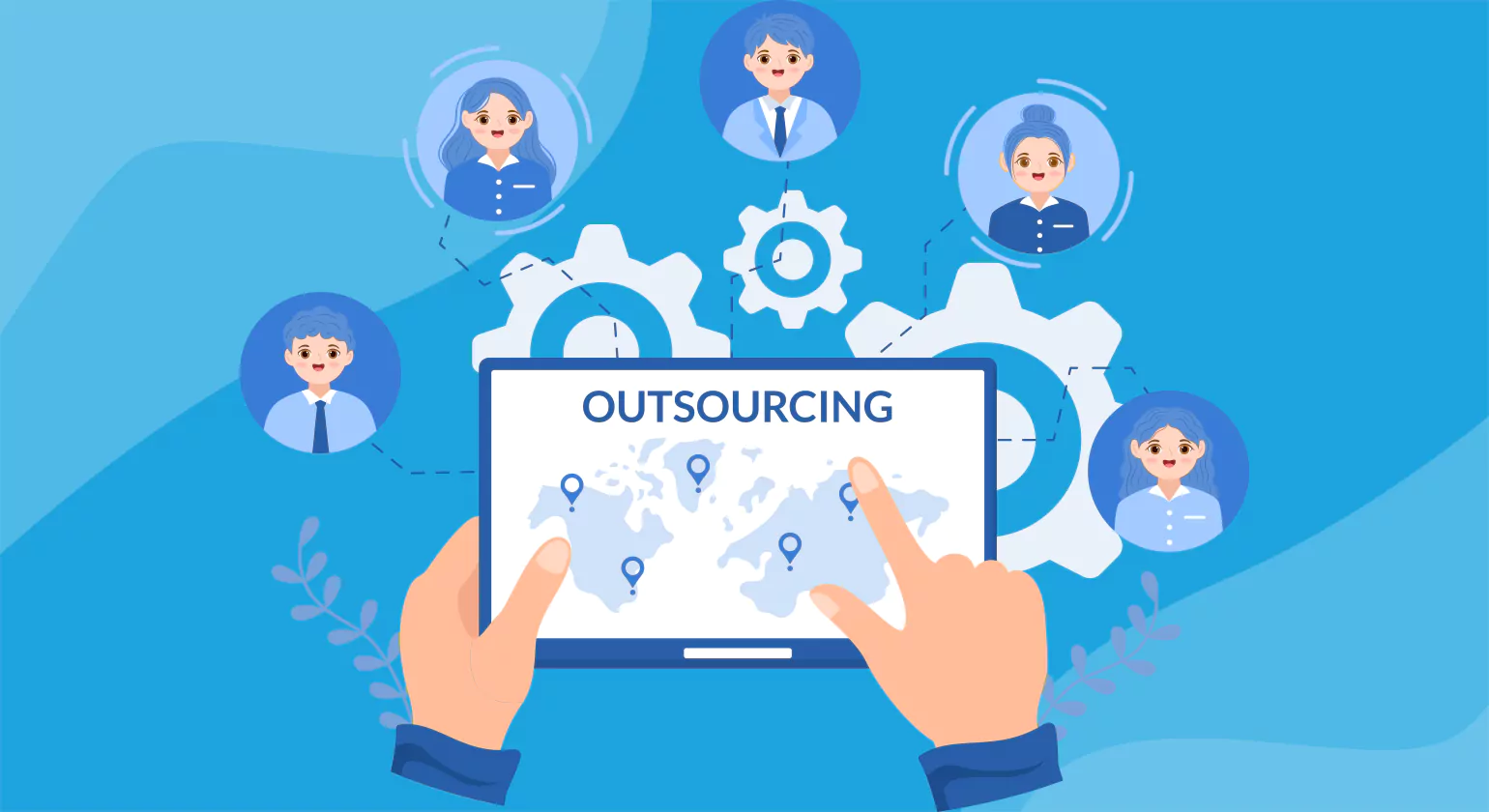
Outsourced staffing solutions provide significant advantages to a wide range of industries, helping businesses streamline their hiring processes, access specialized talent, and scale operations efficiently. By exploring virtual assistant niches for outsourced staffing, companies can match the right specialized support to their specific business needs. Here are some of the top industries that benefit most from outsourcing staffing solutions:
1. Information Technology (IT)
The IT industry relies heavily on specialized skills, and outsourcing staffing services allows companies to quickly access top-tier talent for roles such as software development, cybersecurity, data analysis, and system administration. IT companies often need temporary staff for short-term projects or to fill skill gaps, making outsourcing an efficient way to manage these fluctuating workforce demands. Leveraging virtual assistant tools can further streamline project management, automate routine tasks, and enhance team productivity.
2. Healthcare
With a constant need for qualified professionals like nurses, medical technicians, and administrative staff, healthcare organizations benefit from Outsource staffing solutions to fill temporary and permanent roles. Staffing agencies can provide qualified candidates quickly, ensuring that hospitals, clinics, and other healthcare facilities maintain smooth operations and meet patient care demands, especially during peak seasons or emergencies.
3. Manufacturing
The manufacturing industry often experiences fluctuations in labor demand, especially during peak production seasons or when launching new products. outsourced staffing solutions helps manufacturers scale their workforce quickly, sourcing workers for assembly lines, equipment operation, and quality control. Temporary staffing solutions also help manage labor shortages during high-demand periods without the long-term commitment of permanent hires.
4. Retail
Retail businesses, especially those in e-commerce and brick-and-mortar stores, benefit from outsourcing staffing solutions to manage fluctuating demand, such as during holiday seasons or sales events. Temporary staff can help with customer service, stocking, and sales, ensuring a high level of service during peak periods without the overhead of permanent hiring.
5. Finance and Accounting
The finance industry often requires skilled professionals for roles such as accounting, auditing, tax preparation, and financial analysis. Outsourcing staffing solutions allow companies to tap into a broader pool of specialized talent for short-term projects, seasonal audits, or to meet tight deadlines. This helps financial firms manage workload surges without compromising on quality.
How to Choose the Right Outsourcing Staffing Partner

Choosing the right Outsource staffing solutions partner is crucial to ensuring that your business has access to the right talent and can meet its staffing needs effectively. Start by evaluating the agency’s expertise and industry experience. A staffing partner with experience in your specific industry will understand the unique challenges and requirements of your business, making them more capable of sourcing the right candidates. Look for staffing companies that have a proven track record of placing skilled workers in similar roles and industries, and ask for client references or case studies to verify their success.
Next, consider the agency’s recruitment process and the quality of candidates they provide. The right partner should have a robust vetting process in place, including thorough background checks, skill assessments, and behavioral interviews, to ensure that they send you highly qualified candidates. An outsourcing staffing partner that invests in this process will save you time and resources in hiring, as they will already present you with top-tier talent that fits your company’s culture and requirements.
Lastly, communication and customer service are essential factors in choosing the right staffing partner. You want to work with a partner who is responsive, transparent, and collaborative. A strong relationship with your outsourced staffing services partner ensures that they understand your business goals and can quickly address any issues that arise. Look for a partner who is flexible and proactive in providing staffing solutions and who works closely with you to adapt to changing needs and challenges over time.
Challenges in Outsourcing Staffing and How to Overcome Them

Outsourcing staffing solutions can offer numerous benefits, but it also comes with its own set of challenges. Here are some common obstacles businesses face when outsourcing staffing and strategies for overcoming them:
1. Quality Control and Fit
- One of the primary concerns when you outsource staffing solutions is to ensure that the candidates provided by staffing agencies are a good fit for the company’s culture and specific role. Outsourced workers might not always align with the company’s expectations in terms of skill level or work ethic.
- Solution: To mitigate this challenge, businesses should work closely with staffing agencies to define clear requirements and expectations from the outset. Regular feedback and open communication between the business and the agency can help refine the selection process and ensure the right talent is being sourced.
2. Communication and Coordination
- When working with an external agency, communication can sometimes be a challenge, particularly if the staffing agency is located in a different time zone or region. Misunderstandings or delays in relaying information could lead to issues in fulfilling staffing needs or meeting deadlines.
- Solution: Establishing clear lines of communication and using collaborative tools can help bridge this gap. Set up regular check-ins, ensure all parties are aligned on expectations, and define processes for quick and effective communication to keep things on track.
3. Confidentiality and Security
- When you outsourced staffing solutions for sensitive roles or projects, there may be concerns regarding the confidentiality of business information, intellectual property, or proprietary data.
- Solution: Businesses can mitigate security risks by ensuring that all contracts with staffing agencies include strict confidentiality clauses. Additionally, businesses should choose agencies with strong reputations for maintaining data security and ensure that outsourced workers follow company protocols for handling sensitive information.
4. Dependence on External Providers
- Relying heavily on an external staffing agency can create risks if the agency fails to meet staffing needs, particularly during peak times. This dependence can disrupt operations if the agency is unable to provide the necessary workers on short notice.
- Solution: To avoid this risk, companies should build strong relationships with multiple staffing agencies to create a backup plan in case one agency cannot fulfill the demand. Additionally, diversifying staffing needs (e.g., temporary, part-time, contract) across different providers can offer more stability.
5. Cost Management
- While outsourced staffing services can be cost-effective, agencies may charge higher fees for specialized talent or quick turnaround times. These costs can add up, potentially outweighing the benefits.
- Solution: Businesses should conduct thorough cost-benefit analyses before committing to outsourcing, ensuring that the financial savings from avoiding recruitment overhead are not eroded by agency fees. Negotiating pricing structures with agencies and setting clear expectations around budget limits can help manage these costs.
Best Practices to Maximize Success with Outsource Staffing Solutions

Maximizing success with outsource staffing requires a strategic approach to ensure that businesses get the most out of their partnership with staffing agencies. By following best practices, companies can optimize the recruitment process, ensure high-quality hires, and maintain a flexible workforce that meets their evolving needs. Here are some key best practices for achieving success:
1. Clearly Define Your Staffing Needs
Before partnering with a staffing agency, it’s essential to have a clear understanding of your company’s specific staffing requirements. Whether you need temporary, contract, or permanent staff, defining the roles, skills, and qualifications required will ensure that the staffing agency can provide the most suitable candidates. Clear communication about your expectations helps avoid mismatches and improves the quality of the hiring process.
2. Build a Strong Partnership with the Staffing Agency
Establishing a collaborative relationship with your staffing partner is key to success. Regular communication, feedback, and transparency about your business goals and workforce needs will ensure that the staffing agency understands your culture and can provide candidates who are a good fit. Consider choosing a staffing agency with experience in your industry to ensure they have the necessary expertise to identify top talent.
3. Maintain Flexibility and Agility
One of the primary benefits of outsource staffing solutions is flexibility. Embrace this advantage by staying open to adjusting staffing levels as your business needs change. Whether you’re scaling up during peak periods or reducing staff during slow seasons, working closely with your staffing agency allows you to adapt quickly and cost-effectively without the overhead of permanent hires.
4. Invest in Onboarding and Integration
Although the staffing agency handles recruitment, your company must ensure that outsourced staff are properly onboarded and integrated into your team. A comprehensive onboarding process helps new hires understand your company culture, values, and expectations, ensuring that they are productive from day one. This step is essential for minimizing turnover and maintaining a positive work environment.
5. Monitor Performance and Provide Feedback
Continuously monitoring the performance of outsourced staff and providing regular feedback to the staffing agency is critical for maximizing success. Regular performance reviews and check-ins will help address any issues early on and ensure that staffing levels and quality are consistently aligned with your business needs. If necessary, make adjustments to ensure that both your company and the staffing agency are achieving the desired outcomes.
In-House Staffing vs. Outsourced Staffing: Which Is Right for Your Business?

When deciding between in-house staffing and outsource staffing solutions, businesses must consider their specific needs, goals, and available resources. In-house staffing involves hiring employees directly to work within the company, providing more control over the hiring process, culture, and overall management. This approach is ideal for companies seeking long-term employees who are fully integrated into the business and its values.
On the other hand, outsourced staffing involves partnering with external staffing agencies to handle recruitment and workforce management. This model offers increased flexibility, as businesses can scale up or down quickly without the burden of long-term commitments. Outsourcing is particularly advantageous for short-term projects, seasonal work, or when specialized skills are needed without the overhead of hiring full-time employees.
A key consideration is the cost structure. In-house staffing often requires significant investment in recruitment, training, benefits, and retention strategies. However, outsourcing staffing solutions can reduce costs associated with employee benefits, payroll processing, and recruitment efforts. Outsourcing also minimizes administrative tasks, allowing businesses to focus on their core functions while staffing agencies manage compliance and tax-related responsibilities.
Ultimately, the choice depends on the company’s size, growth stage, and staffing requirements. In-house staffing may be the best choice for companies with a stable workforce and a need for deep internal knowledge, while outsourced staffing offers flexibility and expertise for businesses with dynamic, fluctuating staffing needs. Many companies opt for a combination of both, utilizing in-house staff for core roles and outsourced staff for specialized or temporary needs.
Conclusion
In conclusion, businesses should outsource staffing solutions to enhance flexibility, reduce operational costs, and gain access to specialized talent. By partnering with staffing agencies, companies can quickly scale their workforce based on fluctuating needs, such as seasonal demands or project-based work. Outsourcing allows businesses to avoid the time-consuming process of recruitment, hiring, and onboarding while ensuring that they remain compliant with employment laws and regulations. Additionally, staffing agencies can provide highly skilled professionals with expertise that may not be available in-house, enabling businesses to maintain efficiency and focus on their core operations without the overhead of managing full-time employees.
FAQ’S
1. What are outsource staffing solutions?
Outsource staffing solutions involve partnering with external agencies or service providers to handle the recruitment, hiring, and management of employees on behalf of a company. This includes sourcing talent, screening candidates, and managing administrative tasks such as payroll and benefits.
2. Why should a business consider outsourcing its staffing needs?
Outsourcing staffing allows businesses to access a larger pool of specialized talent, save on recruitment costs, and scale their workforce quickly without the overhead of hiring permanent employees. It also provides flexibility in managing temporary or seasonal demands.
3. What types of staffing can be outsourced?
Businesses can outsource various types of staffing, including temporary, contract, part-time, and even full-time roles. Staffing agencies can also provide specialized talent for technical, administrative, or executive positions depending on the company’s needs.
4. How do staffing companies find the right candidates for a business?
Staffing agencies or companies use their networks, job boards, and advanced recruitment strategies to identify qualified candidates. They screen applicants based on the company’s job requirements, conduct interviews, and sometimes even conduct skill assessments before presenting candidates to the business.
5. What are the benefits of outsourcing staffing solutions for temporary or seasonal roles?
Outsourcing allows businesses to quickly adjust their workforce size based on seasonal demand without the need for long-term commitments. This is particularly helpful for industries like retail, hospitality, or manufacturing, where demand fluctuates throughout the year.
6. How do businesses ensure the quality of outsourced staff?
Businesses can ensure the quality of outsourced staff by collaborating closely with the outsourced staffing services, providing clear expectations, and conducting regular performance reviews. Many staffing agencies also offer guarantees on the quality of their placements.
7. What is the cost structure of outsourcing staffing solutions?
The cost of outsourcing staffing services varies depending on the type of roles, the staffing agency, and the length of the assignment. Typically, businesses pay a fee to the agency based on a candidate’s hourly or annual salary, which may also include administrative costs and benefits.
8. Can outsourced staff become permanent employees?
Yes, many businesses hire outsourced staff as permanent employees after a successful contract period. This is known as “temp-to-perm,” where workers transition to full-time roles once they have proven their skills and fit within the company culture.
9. What industries benefit most from outsourced staffing solutions?
Industries like healthcare, IT, manufacturing, retail, and finance frequently use outsourced staffing solutions due to the need for specialized skills, flexibility, and the ability to quickly scale their workforce to meet changing demands.
10. How can a business choose the right staffing company?
To choose the right staffing company, businesses should assess factors such as industry expertise, reputation, the quality of their talent pool, and the agency’s ability to understand the company’s culture and specific staffing needs. It’s also important to evaluate their customer service and the level of communication they provide.