Table of Contents
Introduction
Mobile marketing automation refers to the use of software and technology to streamline, automate, and personalize marketing tasks specifically for mobile devices. It helps businesses deliver targeted messages, push notifications, SMS campaigns, and in-app promotions based on user behavior, preferences, and location. By leveraging data and AI-driven insights, marketing automation enhances customer engagement, boosts retention, and improves ROI. This approach allows marketers to create seamless, real-time interactions across the mobile customer journey, from onboarding to conversion. As mobile usage continues to grow, adopting mobile marketing services becomes essential for brands aiming to stay competitive and deliver personalized experiences at scale.
What is Mobile Marketing Automation?
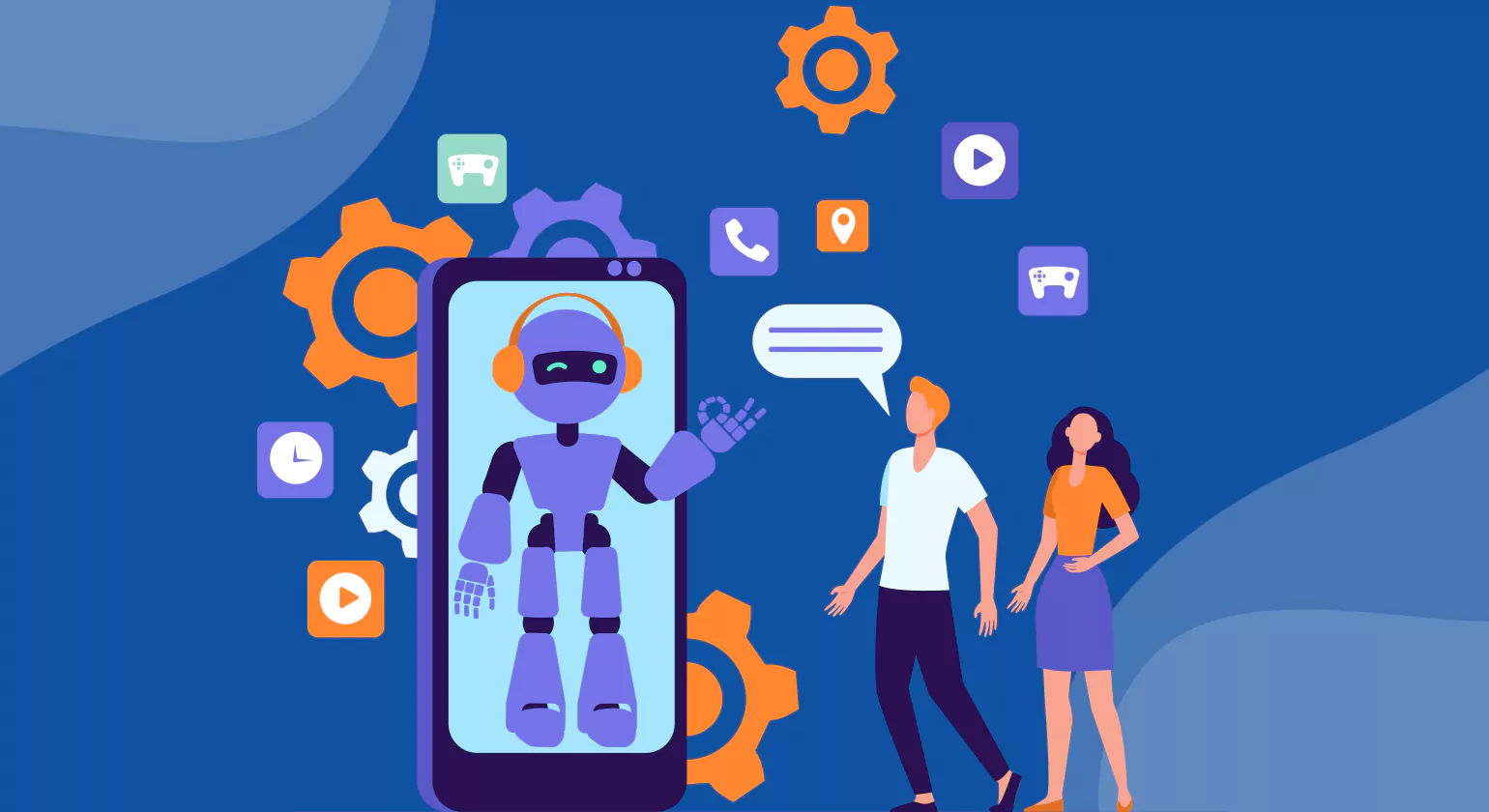
Mobile marketing automation is a technology-driven approach that enables businesses to plan, execute, and manage marketing campaigns across mobile platforms with minimal manual effort. It uses data analytics, artificial intelligence, and user behavior tracking to deliver personalized content such as push notifications, SMS messages, in-app promotions, and mobile emails. This automation ensures that users receive relevant and timely messages based on their actions, preferences, and location, increasing the chances of engagement and conversion.
With the rise of mobile device usage, marketing automation has become a critical tool for brands aiming to connect with their audience on the go. It not only saves time and resources but also enhances campaign performance by optimizing delivery times and content. By automating repetitive tasks and leveraging real-time data, marketers can focus more on strategy and innovation while ensuring a consistent and personalized customer experience across all mobile touchpoints.
How Mobile Marketing Automation Platforms Work
Mobile marketing services work by collecting and analyzing user data from mobile apps, websites, and interactions to create personalized marketing experiences. These platforms integrate with various data sources, such as CRM systems, analytics tools, and leading apps for mobile marketing automation, to track user behavior in real time. They gather insights like app usage, location, purchase history, and engagement patterns, which help marketers segment audiences effectively and tailor communication based on specific triggers.
Once the data is analyzed, the platform automates marketing tasks such as sending push notifications, SMS messages, and in-app messages. These communications are triggered by user actions—like completing a purchase, abandoning a cart, or reaching a specific location. The automation engine ensures that the right message reaches the right user at the right time, improving both relevance and effectiveness. Some platforms also offer A/B testing and predictive analytics to optimize campaign performance.
Additionally, modern mobile engagement platforms provide dashboards and analytics features that allow marketers to measure campaign success, monitor engagement rates, and refine their strategies continuously. By centralizing campaign management and performance tracking, these platforms make it easier for businesses to scale their mobile marketing efforts while maintaining personalization and consistency across all user interactions.
What’s the Best Mobile Marketing Automation Platforms?
Choosing the best mobile marketing automation platform depends on your business needs, goals, and budget. Several platforms stand out for their features, ease of use, and effectiveness in driving engagement and conversions. Here are some top contenders:
1. Braze
Braze is known for its advanced personalization capabilities and multi-channel engagement. It offers push notifications, in-app messaging, email, and SMS automation. Braze’s strength lies in its ability to segment audiences based on user behavior and automate highly personalized campaigns. Its analytics tools provide real-time data, enabling businesses to optimize campaigns for better results. It’s particularly well-suited for businesses looking for robust data-driven automation.
2. MoEngage
MoEngage is a great choice for businesses looking for an AI-powered platform with user-friendly features. It supports push notifications, email, SMS, in-app messaging, and more. MoEngage’s strengths include its automated workflows and advanced analytics. The platform also offers automated A/B testing, allowing businesses to optimize campaigns effectively. MoEngage’s ease of use and powerful automation tools make it ideal for businesses of all sizes.
3. CleverTap
CleverTap offers a comprehensive set of features, including push notifications, in-app messaging, and SMS automation, along with strong analytics and user segmentation capabilities. The platform’s AI-driven insights help businesses personalize their mobile marketing efforts, while its automation workflows streamline customer engagement. CleverTap is particularly effective for businesses looking to focus on customer retention and engagement.
4. OneSignal
For businesses seeking a simple yet powerful mobile marketing automation solution, OneSignal is an excellent option. It provides push notifications, in-app messaging, and email automation. OneSignal’s easy integration with other tools, detailed reporting, and ability to send personalized messages based on user behavior make it an affordable and effective choice, especially for smaller businesses.
5. Leanplum
Leanplum combines mobile marketing software with A/B testing, personalization, and real-time analytics. Marketers can deliver targeted push notifications, in-app messages, and email campaigns based on user data. Leanplum excels in creating personalized experiences that drive retention and revenue, especially for apps in gaming, ecommerce, and media.
6. Airship
Airship specializes in delivering push notifications, SMS, and in-app messaging at enterprise scale. Known for its automation workflows and real-time targeting, Airship helps brands boost user engagement throughout the customer journey. Its data integration and segmentation tools make it ideal for teams seeking precise control over messaging campaigns.
7. Iterable
Iterable combines cross-channel marketing with deep personalization and automation. It offers mobile channels like push and in-app messaging, along with email and SMS, making it suitable for omnichannel campaigns. Its drag-and-drop workflow builder and robust data capabilities help brands create seamless, data-driven user experiences.
8. Vibes
Vibes focuses on mobile engagement through SMS, push notifications, and mobile wallets. With its mobile-first approach, Vibes enables marketers to automate campaigns and personalize outreach using user behavior and location data. It’s a strong choice for retail and B2C brands aiming to connect with customers in real time.
9. Pushwoosh
Pushwoosh is a mobile marketing automation tool offering multichannel messaging across push, in-app, email, and SMS. Its flexible automation builder, segmentation, and real-time analytics make it ideal for growing apps. Pushwoosh is particularly useful for product and marketing teams looking for an intuitive and affordable solution.
10. Customer.io
Customer.io offers precise automation and messaging for mobile apps, web, and email. With powerful APIs and segmentation tools, it enables developers and marketers to create complex workflows and personalized experiences. It’s ideal for data-driven teams that want tight control over customer journeys across multiple platforms.
10 Key Benefits of Mobile Marketing Automation
1. Enhanced Personalization
Mobile marketing software enables brands to deliver highly personalized content based on user behavior, preferences, and location. Whether it’s a push notification or an in-app message, automated systems powered by leading apps for mobile marketing automation ensure users receive relevant content, which leads to increased engagement, better customer experiences, and a higher likelihood of conversions.
2. Real-Time Engagement
With automation, brands can interact with users in real time. For instance, if a customer abandons a cart or opens an app after a long time, the system can immediately trigger messages or offers. This timely interaction helps boost response rates and keeps your brand top of mind.
3. Improved Customer Retention
Automated mobile marketing helps maintain consistent communication, reducing churn. Loyalty campaigns, personalized reminders, and follow-ups are automatically scheduled to re-engage users. These ongoing efforts build stronger relationships, encouraging users to return and continue engaging with your brand over the long term.
4. Increased Operational Efficiency
Automation reduces the need for manual campaign execution, saving valuable time and resources. Marketing teams can focus on strategy, creative content, and performance analysis while the platform handles repetitive tasks. This leads to more streamlined operations and greater productivity within your marketing department.
5. Higher Conversion Rates
By sending targeted, context-aware messages at optimal times, Mobile Marketing Automation significantly boosts conversion rates. Whether it’s converting a lead into a customer or encouraging a repeat purchase, this automation ensures that the message aligns with user intent, driving more meaningful actions.
6. Better Audience Segmentation
Mobile automation tools offer advanced segmentation capabilities. Marketers can divide audiences based on behaviour, demographics, device usage, or app interactions. These refined segments allow for more relevant messaging, improving campaign effectiveness and fostering stronger customer-brand connections through tailored experiences.
7. Multi-Channel Consistency
Automation platforms support communication across multiple mobile channels, including SMS, push notifications, in-app messages, and email. This ensures a consistent brand voice and user experience across all touchpoints, which strengthens brand recognition and helps guide users smoothly through their mobile journey.
8. Data-Driven Insights
Mobile automation platforms offer detailed analytics on campaign performance, user behavior, and engagement metrics. These insights allow marketers to make informed decisions, optimize campaigns in real time, and better understand what drives user actions, ultimately leading to improved marketing outcomes.
9. Scalability for Growth
As your business grows, automation makes it easy to scale your mobile marketing efforts without increasing workload. Whether you’re adding new users, launching multiple campaigns, or entering new markets, automation tools can adapt and manage growing demands efficiently and effectively.
10. Competitive Advantage
By leveraging mobile marketing services, businesses gain a technological edge over competitors. The ability to engage users in real time with personalized, data-driven content sets your brand apart, improves customer satisfaction, and positions your company as an innovative leader in mobile marketing.
10 Strategies for Revenue Growth with Mobile Marketing Automation
1. Personalize Customer Journeys
Generic campaigns no longer work. Automation tools let you track user behavior, preferences, and purchase history to create personalized experiences. From welcome flows to tailored product recommendations, personalization improves relevance and increases conversion rates.
2. Automate Push Notifications
Well-timed push notifications re-engage inactive users or nudge customers toward completing a purchase. Automation ensures these alerts are triggered by real behavior, such as cart abandonment or browsing activity, making them more effective than random blasts.
3. Implement SMS Marketing
SMS offers direct, instant communication. Automated text messages for flash sales, order confirmations, or appointment reminders can drive quick actions. Since SMS has high open rates, it can deliver faster ROI compared to other channels.
4. Audience Segmentation
Segmentation makes your campaigns more precise. Group users based on demographics, device type, purchase patterns, or engagement level. With Mobile Marketing Automation, first-time buyers can receive onboarding content, while loyal customers get exclusive offers.
5. In-App Messaging
In-app messages guide users while they are actively engaging with your brand. Use automation to highlight new features, promote premium upgrades, or deliver contextual tips that increase satisfaction and encourage spending.
6. Abandoned Cart Recovery
Every abandoned cart represents lost revenue. Automated reminders—through push, SMS, or email—help recover these sales. Sweetening the deal with free shipping or a discount can further boost recovery rates.
7. Behavior-Based Triggers
Automation can respond instantly to customer actions. For example, if a user browses a category multiple times but doesn’t buy, send them a targeted incentive. These micro-moments drive conversions without manual effort.
8. Continuous A/B Testing
Testing isn’t just for emails. With automation, you can test push timing, SMS tone, or in-app layouts. Insights from A/B testing help refine campaigns for maximum impact and revenue growth.
9. Automated Loyalty Programs
Rewarding loyalty increases retention. Automation makes it easy to track points, send milestone rewards, and deliver personalized thank-you messages. Engaged, loyal customers generate more repeat revenue.
10. Data-Driven Optimization
The real power of automation lies in analytics. Use built-in dashboards to monitor engagement, conversion rates, and ROI. Continuously refine campaigns to align with customer behavior and evolving market trends.
Types of Mobile Marketing Automation
Mobile marketing has transformed the way businesses engage with users on mobile devices by streamlining communication and delivering personalized content at scale. There are several types of mobile marketing platforms, each designed to target users at different stages of the customer journey, and many now integrate mobile engagement automation to enhance interaction quality. Understanding these types can help brands build effective strategies for retention, engagement, and conversion.
1. Push Notification Automation
Push notifications are short messages sent directly to a user’s device. Automation tools allow marketers to trigger these notifications based on user behavior, such as app inactivity, new feature updates, or personalized promotions. They help re-engage users, drive action, and maintain brand presence without requiring the app to be open.
2. In-App Messaging Automation
In-app messages appear while a user is actively engaging with an app. These can be used to onboard new users, offer real-time support, or introduce features. With Mobile Marketing Automation, automated workflows can determine the right message to show based on a user’s in-app behavior, ensuring that messages are timely, helpful, and relevant.
3. SMS Campaign Automation
SMS automation involves sending text messages for promotions, reminders, or alerts. It’s highly effective for time-sensitive offers and transactional updates. Automation platforms can schedule and personalize messages based on user preferences, time zones, or past interactions, making SMS a powerful and direct communication tool.
4. Email Marketing Automation for Mobile
Though traditionally associated with desktops, email marketing plays a vital role in mobile marketing Solutions. Many users access emails on their phones, and automated email workflows can target users with personalized content such as welcome emails, abandoned cart reminders, and re-engagement campaigns optimized for mobile viewing.
5. Location-Based Automation (Geo-Fencing)
Geo-fencing uses GPS technology to trigger messages when users enter or exit specific geographic areas. For instance, a restaurant app might send a discount code when a user walks nearby. Automation platforms use real-time location data to deliver hyper-targeted messages that drive foot traffic and conversions.
6. Behavioral Trigger Automation
This type of automation is based on user behavior, such as browsing history, app usage, or purchase patterns. When a user performs (or fails to perform) a specific action, such as abandoning a cart or completing a level in a game, the system automatically sends relevant messages to encourage the next step.
7. User Lifecycle Automation
User lifecycle automation targets users at different stages—onboarding, active usage, inactivity, and re-engagement. Automated workflows built within mobile marketing platforms guide users through these stages with tailored content, tips, and incentives. This approach, supported by mobile engagement automation, ensures that users are continuously engaged and nurtured over time, improving retention and lifetime value.
8. Social Media Mobile Automation
Some platforms support automation across mobile-accessed social media channels. This includes scheduling posts, automating responses to comments, or pushing direct messages based on user actions. Integrating social media into mobile automation creates a seamless multi-platform user experience.
Getting Started with Mobile Marketing Automation
Mobile marketing automation is a powerful strategy that allows businesses to streamline customer engagement and deliver personalized experiences on mobile devices. If you’re new to this approach, getting started may seem complex—but with the right steps, you can set up a successful automation strategy that boosts engagement, retention, and conversions.
1. Define Your Goals
Start by identifying what you want to achieve with mobile automation. Are you aiming to increase app engagement, reduce churn, boost sales, or improve onboarding? Clear goals will help you choose the right tools, create relevant messages, and measure performance effectively.
2. Create and Test Campaigns
Develop personalized messages for each touchpoint, ensuring they’re relevant, clear, and action-driven. A/B test different variations to find out what works best. Automation allows for real-time responses, so take advantage of behavior-based triggers and dynamic content to maximize impact.
3. Understand Your Audience
Gather data about your mobile users—demographics, behavior, preferences, device types, and usage patterns. Use this information to create audience segments. The more detailed your segmentation, the more personalized and relevant your automated campaigns can be.
4. Choose the Right Platform
Select a mobile marketing software that fits your business size, budget, and goals. Key features to look for include push notification automation, in-app messaging, SMS capabilities, audience segmentation, A/B testing, and analytics. Popular platforms include Braze, MoEngage, CleverTap, and OneSignal.
5. Map the Customer Journey
Select a mobile marketing platforms services platform that fits your business size, budget, and goals. Key features to look for include push notification automation, in-app messaging, SMS capabilities, audience segmentation, A/B testing, and analytics. Popular platforms include Braze, MoEngage, CleverTap, and OneSignal.
6. Monitor and Optimize
Track key metrics like open rates, click-through rates, conversions, and retention. Most platforms provide dashboards to analyze campaign performance. Use these insights to optimize your strategy—tweak messaging, adjust timing, or refine segments for better results.
How Do You Automate Your Mobile Marketing Campaigns?
Automating your mobile marketing platform campaigns can help streamline communication, deliver personalized experiences, and improve overall efficiency. Here’s a step-by-step guide on how to automate your mobile marketing software campaigns effectively:
1. Choose the Right Automation Platform
The first step in automating your mobile marketing platforms campaigns is selecting the right Mobile Marketing Automation platform. There are many options available, such as Braze, MoEngage, and OneSignal, each offering various features like push notifications, SMS, in-app messaging, and email automation. Choose a platform that aligns with your business goals, offers multi-channel support, and provides detailed analytics for performance tracking.
2. Set Clear Objectives
Before automating, define the goals of your campaign. Are you trying to increase app downloads, reduce cart abandonment, or encourage repeat purchases? Setting specific goals will guide the types of messages and triggers you need to create. Clear objectives ensure that your campaigns are targeted and measurable, allowing you to optimize them for better results.
3. Segment Your Audience
Audience segmentation is crucial for delivering personalized content. Use data to group users based on behavior, preferences, demographics, or device usage. For example, you can create segments for users who have abandoned their cart, those who haven’t interacted with your app in a while, or frequent buyers. By tailoring your messages to each segment, you’ll see higher engagement and conversion rates.
4. Create Automated Workflows
An automated workflow is a sequence of actions triggered by specific events. For instance, if a user abandons their shopping cart, an automated workflow might trigger an SMS or push notification offering a discount. Set up different workflows based on user actions, such as welcome messages for new users, re-engagement messages for inactive users, or thank-you messages after purchases. These workflows keep your campaigns running without manual intervention.
5. Design Engaging Content
Once you’ve set up workflows, design personalized and engaging content that resonates with your audience. Whether it’s a push notification, SMS, or in-app message, ensure the content is clear, compelling, and action-driven. Incorporate dynamic elements, such as product recommendations or location-based offers, to make the content even more relevant.
6. Monitor and Optimize
After your campaign is live, monitor its performance closely. Most platforms offer analytics to track key metrics such as open rates, click-through rates, and conversions. Use this data to fine-tune your messaging, adjust timing, and optimize your audience segments for improved results.
Mobile Marketing Automation Best Practices
Mobile marketing helps businesses engage users with timely, relevant messages that enhance the customer journey. However, to ensure success and avoid common pitfalls, it’s essential to follow best practices. With the support of mobile engagement automation, brands can optimize targeting and personalization. Below are some key strategies for optimizing your mobile marketing efforts.
1. Personalize Your Messages
Personalization is key to capturing attention and boosting engagement. Use data to tailor messages to users based on their behavior, preferences, and demographics. For example, send personalized recommendations, location-based offers, or behavior-triggered notifications. When users feel that a message speaks directly to them, they are more likely to engage and convert.
2. Segment Your Audience
Effective segmentation allows you to send the right message to the right person at the right time. Group users based on factors like past behavior, purchase history, engagement level, or even geographical location. This ensures that your messages are relevant and timely. For instance, segment users who have abandoned a shopping cart from those who have made frequent purchases to target them with different offers.
3. Focus on Timing
Timing plays a crucial role in the success of Mobile Marketing Automation. Send messages when users are most likely to engage with them. This could be based on their past behavior or activity patterns, such as sending a push notification when a user frequently shops at a certain time of day. Additionally, avoid bombarding users with messages too frequently, as this can lead to message fatigue or opt-outs.
4. Leverage Multi-Channel Automation
Don’t limit your marketing efforts to just one channel. Mobile automation works best when it integrates across multiple touchpoints, such as push notifications, SMS, email, in-app messages, and even social media. By using a multi-channel approach, you can create a seamless user experience and reinforce your message through different mediums.
5. Test and Optimize
Testing is an ongoing process in mobile marketing platform. Regularly conduct A/B tests to determine what works best for your audience. Experiment with different message formats, timing, and call-to-action phrases. Additionally, keep an eye on key performance metrics such as open rates, click-through rates, and conversions. Use this data to optimize your campaigns and refine your strategies.
6. Automate Repetitive Tasks
Leverage automation to take care of repetitive tasks like sending welcome messages, reminders, or follow-up emails. Automation frees up time and resources so that you can focus on strategy and creativity. This will also help ensure consistency in communication with your users, building trust and reliability.
7. Respect User Preferences
Always give users control over their preferences. Allow them to easily opt out of messages they don’t want to receive, and honor their choices. Over-sending messages or ignoring user preferences can result in unsubscribes or negative brand perceptions. Respecting user privacy and preferences is critical for long-term success.
Mobile Marketing Automation Business Examples
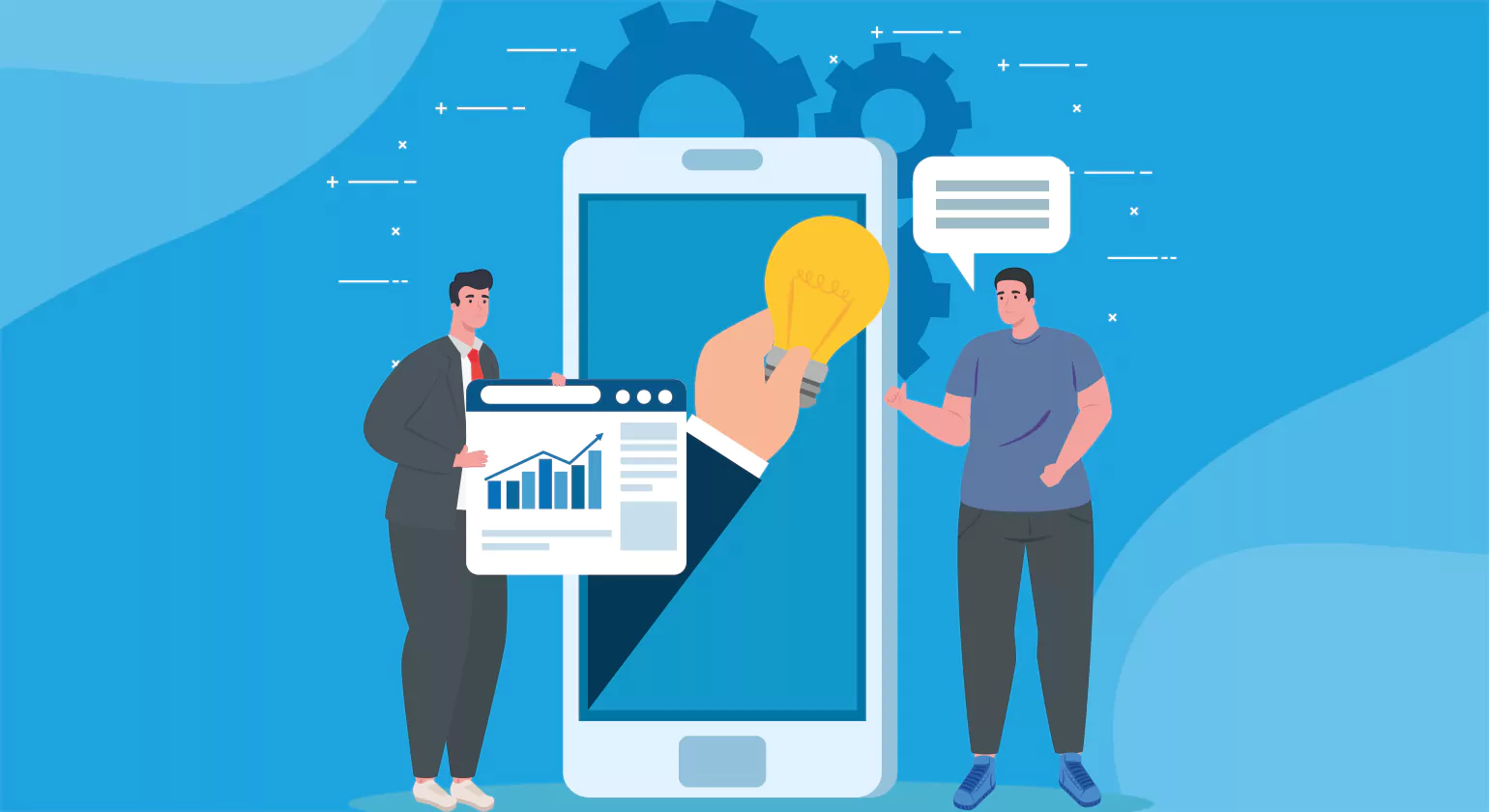
Mobile marketing automation has revolutionized the way businesses engage with their customers. By streamlining communication, improving personalization, and delivering timely, relevant content, businesses in various industries have successfully leveraged automation to enhance customer experiences and boost conversions. Below are a few examples of how businesses use marketing automation channels to drive growth.
1. Starbucks
Starbucks is a prime example of mobile automation at its best. Through its mobile app, the company sends personalized push notifications, loyalty rewards, and promotions based on customers’ preferences and location. Starbucks also uses geo-fencing to send location-specific offers, such as discounts when customers are near a store. By automating customer engagement, Starbucks has not only improved the user experience but also enhanced brand loyalty, driving increased visits and higher spending.
2. Sephora
Sephora uses marketing automation channels to create a highly personalized shopping experience for its customers. The beauty retailer sends tailored push notifications with product recommendations, reminders about loyalty rewards, and personalized promotions based on browsing history. Sephora’s mobile app also incorporates in-app messaging for real-time engagement, such as providing beauty tips or product tutorials. These automated efforts keep customers engaged, encourage repeat purchases, and strengthen the brand’s relationship with its loyal customers.
3. Netflix
Netflix uses mobile marketing analytics to boost customer engagement and reduce churn. The streaming service sends personalized push notifications about new shows, personalized recommendations, and reminders to continue watching. These messages are based on a user’s viewing history, making them highly relevant. By automating these messages, Netflix ensures that users are reminded about the service in a timely manner, keeping them hooked and reducing the chances of cancellations.
4. Domino’s Pizza
Domino’s Pizza uses marketing automation channels to improve the customer experience and streamline ordering. Through its mobile app, the brand sends automated push notifications and SMS reminders to customers about exclusive offers, discounts, and promotions. The app also tracks user preferences and ordering habits to send personalized deals. By automating these notifications, Domino’s boosts engagement and drives repeat orders, enhancing customer satisfaction while keeping its brand top of mind.
5. Amazon
Amazon is known for its data-driven, personalized marketing strategies. Through its mobile app, Amazon sends push notifications based on browsing history, past purchases, and wish lists. The company also uses email automation to notify users of price drops, flash sales, and limited-time offers. By leveraging mobile marketing automation, Amazon ensures that customers receive relevant, timely offers, which increases sales and encourages repeat visits.
6. Nike
Nike employs mobile automation to deliver personalized content through its Nike Training Club app and Nike Run Club app. Users receive push notifications for workout reminders, motivational messages, and personalized product recommendations based on their activity history. Nike also automates personalized offers and promotions to increase product sales and brand engagement. This consistent communication strengthens customer loyalty and encourages users to continue engaging with the brand.
Mobile Marketing Automation: Solutions and Challenges
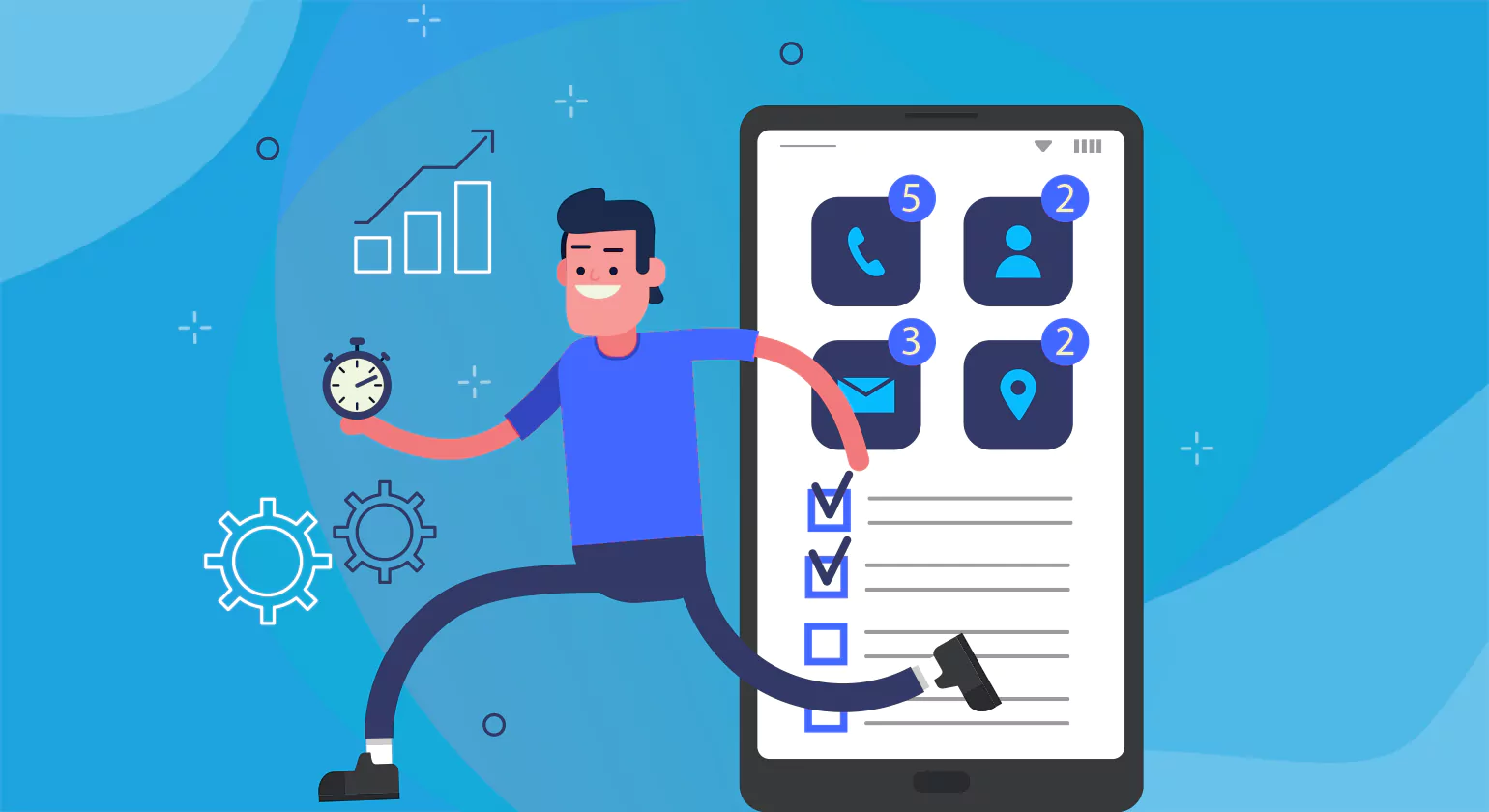
Modern mobile engagement platforms have revolutionized the way businesses connect with their audiences, offering innovative solutions to streamline communication, personalize messaging, and improve user experience. However, like any technology, they come with their own set of challenges. Here’s a look at what mobile marketing software offers, as well as the challenges that businesses must overcome to fully leverage its potential.
Solutions of Mobile Marketing Automation
Personalized User Engagement
Mobile marketing Solutions allows businesses to deliver personalized messages based on user behavior, location, demographics, and preferences. Automation platforms can send tailored push notifications, SMS, and in-app messages at the right time, helping brands engage users more effectively and improve conversion rates.
Enhanced Customer Retention
Automated workflows can nurture customers through their entire lifecycle, from onboarding to post-purchase follow-ups. By setting up automated messaging for reminders, discounts, or special offers, businesses can increase customer retention, minimize churn, and drive repeat purchases.
Efficiency and Time-Saving
Automation reduces manual tasks, such as sending individual messages or responding to every user inquiry. With automated workflows, businesses can ensure timely responses to customer actions, such as cart abandonment or product interest, while freeing up valuable time for marketing teams to focus on strategy.
Multi-Channel Marketing
Automation platforms enable businesses to engage users across multiple channels, including SMS, email, push notifications, and in-app messaging. This unified approach ensures that users receive consistent messaging and engagement, no matter which platform or device they’re using.
Data-Driven Insights
Mobile marketing analytics platforms provide detailed analytics that allow businesses to track performance, segment audiences, and optimize campaigns in real-time. These insights help improve the effectiveness of campaigns and make data-backed decisions to increase ROI.
Challenges of Mobile Marketing Automation
Data Privacy Concerns
One of the biggest challenges of mobile marketing is maintaining user privacy and complying with regulations such as GDPR and CCPA. Collecting and using data for personalization can raise concerns among users about how their information is being handled. Businesses must ensure they are transparent, gain consent, and protect user data.
Over-Saturation of Messages
Too many notifications or messages can overwhelm users, leading to disengagement or opt-outs. Striking the right balance between staying in touch and avoiding message fatigue is essential. Automation must be fine-tuned to send relevant messages at appropriate intervals to keep users engaged.
Integration with Other Systems
Integrating mobile marketing Solutions platforms with existing systems like CRM tools, eCommerce platforms, or analytics tools can be complex. A lack of integration can lead to fragmented customer data, making it harder to deliver personalized and seamless experiences.
Customer Segmentation
While mobile app marketing automation allows for segmentation, it can be difficult to accurately segment users, especially when dealing with large datasets. Poor segmentation can result in irrelevant messaging, reducing the effectiveness of campaigns. Businesses need to ensure their segmentation strategies are based on quality data and continuously updated.
Conclusion
In conclusion, mobile marketing automation offers businesses the ability to deliver personalized, timely, and efficient communications across multiple channels. By automating customer engagement, businesses can enhance user experiences, increase retention, and drive conversions. However, to fully leverage its benefits, it’s important to address challenges such as data privacy concerns, message overload, and integration with other systems. With the right strategy and tools, mobile marketing software can significantly improve marketing efforts and lead to sustainable business growth.
FAQs
1. What is mobile marketing automation and why is it important for business growth?
Mobile marketing automation uses data, behavior signals, and real-time triggers to deliver targeted messages across push, in-app, email, and SMS. It improves engagement, boosts retention, and increases conversions by reaching users at the perfect moment. By reducing manual work and scaling personalization, it accelerates business growth and enhances the overall customer journey.
2. How is automation used in marketing?
Marketing automation streamlines repetitive tasks like emails, social posts, lead nurturing, and customer segmentation through smart software. It personalizes communication at scale, improves workflow efficiency, and helps brands convert more leads with less effort. By tracking behavior and optimizing timing, it delivers consistent, targeted campaigns that drive stronger results.
3. What is mobile app marketing automation?
Mobile app marketing automation uses intelligent workflows to send real-time, personalized messages such as push notifications, in-app prompts, and reminders based on user behavior. It enhances engagement, increases retention, and drives conversions automatically. By delivering timely, relevant content, it helps apps build loyalty and grow revenue with minimal manual input.
4. What is the main goal of marketing automation?
The main goal of marketing automation is to boost conversions, nurture qualified leads, and create personalized customer journeys across channels. It removes repetitive, time-consuming tasks and ensures consistent messaging at every touchpoint. By improving engagement and delivering data-driven experiences, businesses can scale faster and strengthen long-term customer relationships.
5. Is marketing automation an AI?
Marketing automation isn’t fully AI but often integrates AI-powered features like predictive insights, smart segmentation, and automated recommendations. Automation handles routine tasks, while AI enhances performance by analyzing data, optimizing timing, and improving personalization. Together, they help businesses run smarter, more efficient, and more impactful marketing campaigns.
6. How can mobile marketing automation comply with GDPR and other data privacy regulations?
Mobile marketing automation stays GDPR-compliant by collecting only essential data, securing explicit consent, and offering simple opt-outs. It must provide transparent privacy policies, encrypt user information, and allow full control over shared data. Features like consent logs, secure storage, and audit trails ensure ongoing trust, legal protection, and ethical data practices.
7. What are the key features to look for in GDPR-compliant marketing automation software?
GDPR-ready automation tools should offer encrypted data storage, consent tracking, preference centers, automated data deletion, and role-based access. Look for clear audit trails, privacy reporting, and customizable compliance workflows. The software must ensure every user interaction meets strict data regulations, helping brands maintain trust, avoid risks, and market responsibly.
8. What are the best security practices in mobile marketing automation to protect user data?
The best security practices include using end-to-end encryption, strict access controls, and secure APIs to protect all user interactions. Platforms should support GDPR compliance, collect minimal data, and offer clear consent options. Regular audits, data anonymization, multi-factor authentication, and real-time monitoring help prevent breaches and ensure user trust.