Table of Contents
Introduction
Inbound marketing campaigns are revolutionizing how businesses connect with customers by focusing on what truly matters—delivering value. While the tactics are modern, this approach remains deeply rooted in the fundamentals of marketing, requiring a clear understanding of target audience needs and the core value proposition before any content is created.
Unlike traditional outbound marketing methods, which rely on interruptive tactics like cold calling or banner ads, an inbound marketing builds trust and long-term relationships by providing relevant, helpful content that guides prospects naturally through their buying journey. By doing so, businesses can create a more personalized and engaging experience that resonates with customers.
An inbound marketing campaign involves creating a strategic mix of content such as blog posts, social media updates, videos, and lead magnets to attract visitors to your website. The goal is to engage visitors by offering them solutions to their challenges, encouraging them to share their information in exchange for more valuable content or special offers. This nurtures the relationship, building trust over time.
The ultimate goal of an inbound marketing is to convert leads into loyal customers. By providing ongoing value, engaging with customers at each stage of their journey, and utilizing data to continuously optimize your efforts, inbound marketing creates a steady flow of qualified leads. It not only helps drive conversions but also builds brand loyalty and advocates who can further promote your business.
What Is Inbound Marketing Campaign?

Inbound marketing Campaign is a strategic approach designed to attract, engage, and delight customers by creating valuable content and experiences tailored to their needs. Unlike traditional outbound marketing, which relies on interruptive techniques such as cold calls and display ads, inbound marketing focuses on drawing potential customers in through relevant and helpful content.
Attract: The first stage involves attracting visitors to your website or online platforms. This is achieved through various techniques, including search engine optimization (SEO), content marketing, social media marketing, and paid advertising. The goal is to create informative and engaging content that resonates with your target audience, encouraging them to visit your site.
Engage: Once visitors arrive at your site, the next step is to engage them. This can be done through interactive content, such as quizzes, webinars, or personalized emails. The objective is to build a relationship and foster trust, ultimately guiding them toward a purchase decision.
Convert: In this stage, potential customers are encouraged to provide their contact information, often in exchange for valuable content like eBooks, case studies, or exclusive offers. This is typically achieved through calls-to-action (CTAs) and landing pages that clearly outline the benefits of sharing their information.
10 Proven Inbound Marketing Strategies for Business Growth
Inbound marketing Strategies is a powerful approach that helps businesses attract, engage, and convert their ideal audience by delivering relevant and helpful content. Unlike traditional outbound marketing, which interrupts prospects with ads and cold calls, inbound marketing draws them in naturally. Here are several proven strategies that drive real business growth.
1. Develop Comprehensive Buyer Personas
Understanding your audience is essential. Create detailed buyer personas that outline your ideal customers’ demographics, pain points, goals, and behaviors. These personas guide your messaging, content topics, and campaign tone, ensuring you’re speaking directly to the people who matter most.
2. Create Targeted, SEO-Friendly Content
High-quality content is the heart of Inbound marketing Campaign. Focus on creating blog posts, guides, videos, and case studies that solve problems and answer questions your audience is already searching for. Optimize each piece with relevant keywords, strong headlines, and internal links to improve your organic search rankings and increase visibility.
3. Use Lead Magnets and Landing Pages
Convert visitors into leads by offering something of value in exchange for their contact details. Lead magnets like eBooks, whitepapers, free tools, or webinars should be paired with compelling landing pages and clear calls-to-action (CTAs). This helps build your email list and nurtures potential customers.
4. Leverage Marketing Automation
Marketing automation tools like HubSpot or Mailchimp allow you to set up automated workflows to nurture leads based on their behavior and interests. Send personalized emails, product recommendations, or content suggestions that guide users through the sales funnel without manual intervention.
5. Focus on Social Media Engagement
Promoting content on social platforms like LinkedIn, Instagram, Facebook, or X (formerly Twitter) helps amplify reach and drive traffic to your site. Engaging regularly with your audience through comments, polls, and stories builds brand trust and encourages organic sharing.
6. Continuously Analyze and Optimize
Track Inbound marketing Campaign performance using analytics tools to understand what works and what doesn’t. Monitor key metrics such as website traffic, conversion rates, bounce rates, and customer lifetime value. Use these insights to improve content, refine targeting, and drive better results.
7. Optimize for Search Engines (SEO)
Inbound marketing thrives on continuous improvement. Monitor KPIs such as traffic, engagement, conversion rates, and customer acquisition cost (CAC). Data-driven insights help refine campaigns for better performance and long-term ROI.
8. Use Data and Analytics to Refine Strategies
Track Inbound marketing Campaign performance using analytics tools to understand what works and what doesn’t. Monitor key metrics such as website traffic, conversion rates, bounce rates, and customer lifetime value. Use these insights to improve content, refine targeting, and drive better results.
9. Develop Buyer Personas
Understanding your ideal customers is crucial. Creating detailed buyer personas helps you craft targeted messaging, design relevant content, and engage prospects at the right stage of their journey.
10. Start a Business Blog
Blogging consistently about industry trends, solutions to customer pain points, and expert insights positions your brand as a thought leader. Each blog also creates new opportunities for SEO and lead generation.
How Does it Differ From Outbound Marketing?
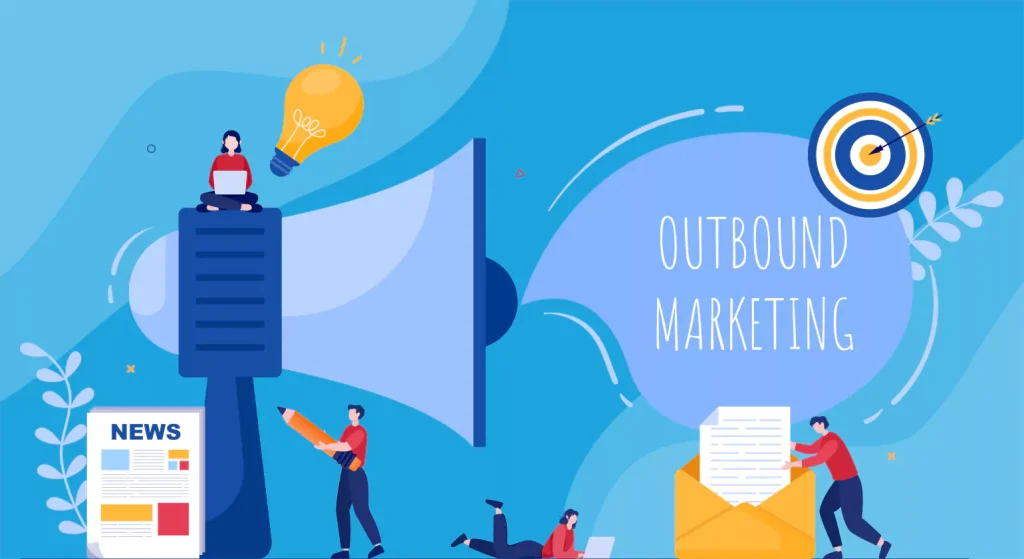
Inbound marketing focuses on drawing potential leads to your brand by providing them with information that addresses their needs. To execute this at scale across multiple platforms, many businesses leverage professional digital media services to ensure their SEO, social media, and paid efforts are synchronized to attract high-quality organic traffic.
Inbound Marketing
Inbound marketing Campaign focuses on attracting customers through valuable and relevant content. The primary goal is to draw potential leads to your brand by providing them with information that addresses their needs and interests. Key components of inbound marketing include:
Content Creation: Developing blog posts, ebooks, videos, and social media updates that provide useful information or solve problems for your target audience. The content is designed to engage users and establish your brand as a trusted authority.
SEO and SEM: Implementing search engine optimization (SEO) and search engine marketing (SEM) to ensure your content ranks high on search engines, making it easier for potential customers to find you when they search for related topics.
Lead Nurturing: Using email marketing, automated workflows, and personalized content to guide leads through the buyer’s journey. This approach focuses on building relationships and trust over time.
Engagement: Engaging with your audience through social media interactions, comments, and direct messages to foster a sense of community and connection.
Outbound Marketing
Outbound marketing, in contrast, involves pushing your message out to a broad audience through interruptive methods. It’s a more traditional approach that aims to reach potential customers through various channels, including:
Advertising: Utilizing paid ads such as TV commercials, radio spots, print ads, and banner ads to reach a wide audience. These methods often require significant investment and may not always target the most relevant prospects.
Cold Outreach: Employing tactics like cold calling, direct mail, and unsolicited emails to contact potential customers. These methods can be perceived as intrusive and may not always yield high response rates.
Trade Shows and Events: Participating in industry events and trade shows to showcase your products or services. While these can be effective for networking and generating leads, they often involve high costs and limited reach.
Mass Marketing: Using broad-based marketing techniques that cast a wide net, hoping to capture the interest of a small percentage of the audience.
Key Differences
Approach: Inbound marketing attracts customers by providing valuable content, while outbound marketing pushes messages out to a broad audience.
Cost: Inbound marketing is often more cost-effective due to its reliance on content and organic reach. Outbound marketing can be more expensive due to advertising and promotional costs.
Targeting: Inbound marketing allows for more precise targeting based on user interests and behaviors. Outbound marketing typically targets a broader audience, which may result in lower engagement.
Engagement: Inbound marketing fosters long-term relationships by nurturing leads through relevant content. Outbound marketing focuses on immediate results, often with less emphasis on relationship-building.
What Are The Benefits of Inbound Marketing For Your Business?
Inbound marketing is a strategy that focuses on attracting, engaging, and delighting customers by providing them with valuable and relevant content throughout their buyer’s journey. services Inbound marketing Campaign can benefit your business in many ways, such as:
1. Increasing brand awareness and visibility
By creating and distributing high-quality content that answers the questions and challenges of your target audience, you can increase your online presence and reach more potential customers. Consistently publishing valuable, optimized content also improves search engine rankings, builds brand authority, nurtures trust, and encourages audience engagement, ultimately driving conversions and long-term business growth.
2. Generating more leads and conversions
Inbound marketing Campaign helps you attract qualified prospects who are interested in your products or services, and nurture them with personalized and timely content until they are ready to buy. It focuses on building trust, providing value, and guiding customers through each stage of the buyer’s journey, resulting in stronger relationships and sustainable business growth.
3. Building trust and loyalty
Inbound marketing allows you to establish yourself as an authority and a helpful resource in your industry, and provide value to your customers beyond the sale. This approach not only boosts credibility but also fosters ongoing trust. By consistently delivering valuable insights, you can strengthen brand loyalty, encourage repeat purchases, and turn satisfied customers into brand advocates.
4. Reducing costs and increasing ROI
Inbound marketing is more cost-effective and efficient than traditional outbound marketing methods, such as advertising and cold calling, which can be expensive and intrusive. services inbound marketing can help you generate more organic traffic, leads, and sales, and measure your results and optimize your campaigns.
Inbound marketing is a powerful way to grow your business and achieve your goals.
5. Enhancing Customer Experience
Inbound marketing focuses on providing valuable content and personalized experiences at every stage of the buyer’s journey. This approach ensures that potential customers receive the right information at the right time, creating a positive and engaging experience. This leads to greater customer satisfaction and stronger brand relationships.
If you want to learn more about how to implement inbound marketing for your business, you can contact us today. We are a team of experts who can help you create and execute a successful inbound marketing strategy.
Understanding the Key Inbound Marketing Campaigns Stages for Success
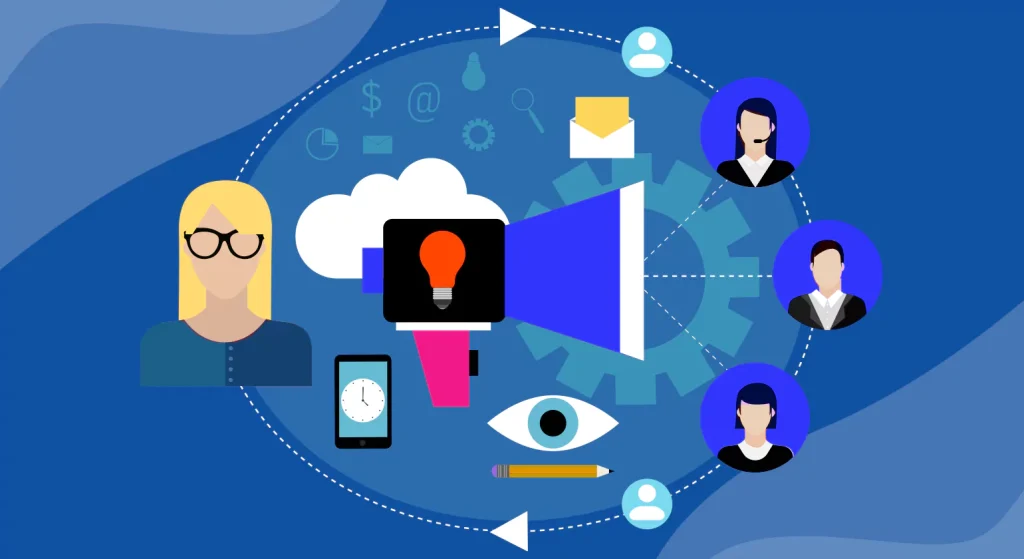
Inbound marketing is a strategy that focuses on attracting, engaging, and delighting customers through valuable content. It follows a structured process with five key Inbound marketing stages that guide potential customers from awareness to loyalty. Here’s a detailed look at each stage:
1. Attract
In this first stage, the goal is to drive traffic to your website and make your brand known. By creating high-quality, SEO-optimized content—like blog posts, videos, and social media updates—you can capture the attention of potential customers. The focus is on offering helpful information that addresses their pain points and interests, making your brand a trusted source.
2. Convert
Once visitors land on your website, the next goal is to convert them into leads. This is achieved by offering valuable resources, such as eBooks, whitepapers, or webinars, in exchange for their contact information. Optimizing landing pages, forms, and calls-to-action (CTAs) ensures that visitors are motivated to engage and share their details.
3. Close
After converting visitors into leads, it’s time to nurture them into customers. During this stage, personalized content and email workflows help move leads through the sales funnel. Sales teams can step in with direct outreach, but the key is to maintain engagement with targeted, relevant information that addresses their needs and encourages a purchase decision.
4. Delight
Inbound marketing Campaign doesn’t stop at the sale. The delight stage focuses on ensuring customers are happy and providing exceptional post-purchase experiences. Engage with your customers through personalized follow-ups, educational content, and loyalty programs to build strong relationships. Happy customers can become repeat buyers and valuable brand advocates.
5. Analyze and Optimize
The final stage involves assessing the success of your campaign. By analyzing key metrics like website traffic, lead conversion rates, and customer satisfaction, you can identify areas for improvement. Use this data to optimize future campaigns, making adjustments to your content, strategies, and targeting for even better results moving forward.
By following these five stages, inbound marketing helps businesses build lasting relationships with customers while continuously improving their strategies for long-term success.
Effective Inbound Marketing Tips to Attract and Convert Leads
Inbound marketing Tips is one of the most effective ways to build meaningful relationships with your target audience. Instead of chasing customers, it focuses on drawing them in through valuable content, personalized engagement, and thoughtful nurturing. Here are some proven inbound marketing tips to help you attract high-quality leads and convert them into loyal customers. Content is the heart of every inbound strategy. By adopting a creative digital marketing mindset, you can move beyond standard blog posts to develop interactive videos, infographics, and storytelling assets that resonate emotionally with your audience and drive significantly higher conversion rates.
1. Know Your Audience
Understanding your audience is the foundation of any inbound marketing strategy. Start by developing detailed buyer personas that reflect your ideal customer’s demographics, goals, pain points, and online behavior. Tailor your messaging and content to speak directly to their needs and challenges.
2. Create Valuable, SEO-Optimized Content
Content is king in inbound marketing. Regularly publish blog posts, videos, eBooks, guides, or infographics that educate, entertain, or solve problems for your audience. Make sure each piece is optimized with relevant keywords, internal links, and compelling meta descriptions to improve search engine rankings and visibility.
3. Use Lead Magnets and Clear CTAs
Convert visitors into leads by offering free, high-value resources like downloadable templates, webinars, or checklists in exchange for their contact information. Pair each lead magnet with a strong call-to-action (CTA) that guides users to take the next step in their journey.
4. Leverage Email Marketing and Automation
Once leads are captured, nurture them with personalized email campaigns. Use marketing automation tools to send targeted content based on user behavior, preferences, or stage in the buyer’s journey. Effective nurturing builds trust and gradually moves leads toward conversion.
5. Promote Content Across Channels
Your content won’t generate leads if no one sees it. Share your blog posts, videos, and offers across social media platforms, email newsletters, and relevant online communities. Use paid ads to expand reach and drive traffic to your landing pages.
6. Analyze and Optimize Performance
Track your campaign performance using tools like Google Analytics, HubSpot, or SEMrush. Monitor metrics like bounce rates, time on page, click-through rates, and conversions. Use the data to refine your strategy, improve underperforming content, and scale what works best.
How to Run an Inbound Marketing Campaign
Inbound marketing is a powerful approach that attracts customers through valuable content and personalized experiences. Unlike traditional outbound methods, it focuses on drawing people in naturally rather than pushing a product or service onto them. To effectively run an inbound marketing campaign, businesses must take a strategic, multi-step approach that includes planning, content creation, promotion, and continuous optimization.
1. Define Your Goals and Buyer Personas
Every successful inbound campaign begins with clear, measurable goals. Decide what you want to achieve—whether it’s increasing website traffic, generating leads, boosting conversions, or improving customer retention. Then, create detailed buyer personas to better understand your target audience. Identify their demographics, pain points, goals, and online behavior to tailor content and messaging that speaks directly to their needs.
2. Develop a Content Strategy
Content is the foundation of inbound marketing. Plan a content strategy that includes blog posts, videos, infographics, eBooks, webinars, and case studies. Each piece should provide real value and align with different stages of the buyer’s journey (awareness, consideration, decision). Focus on solving problems, answering questions, and showcasing your expertise.
Also, incorporate SEO best practices to ensure your content ranks well on search engines. Use keyword research to target terms your audience is searching for, and optimize titles, meta descriptions, and internal links accordingly.
3. Create Lead Magnets and Conversion Paths
To turn visitors into leads, offer high-value lead magnets like downloadable guides, templates, or exclusive webinars in exchange for contact information. Use compelling calls-to-action (CTAs), landing pages, and forms to capture leads. Make sure your landing pages are optimized for user experience and mobile responsiveness.
A typical conversion path might look like this: blog post → CTA → landing page → form submission → thank-you page → follow-up email.
4. Distribute and Promote Your Content
Publishing great content is only half the battle—you also need to promote it effectively. A dedicated digital media specialist can oversee the distribution phase, managing the technical nuances of cross-platform promotion and ensuring that your lead magnets reach the right segments of your buyer personas.
5. Use Marketing Automation and Email Nurturing
Implement marketing automation tools to track user behavior and deliver personalized follow-up emails. Create workflows that nurture leads based on their actions and interests, moving them closer to making a purchase decision. Email sequences can share helpful content, promote webinars, or offer product demos based on where a lead is in the funnel.
6. Analyze and Optimize Performance
Measure the performance of your campaign using tools like Google Analytics, HubSpot, or other marketing platforms. Track key metrics such as traffic, click-through rates, conversion rates, and lead quality. Use this data to identify what’s working and where improvements are needed. A/B testing headlines, CTAs, or email subject lines can yield better results over time.
Common Challenges in Inbound Marketing & How to Overcome them?
1. Generating High-Quality Leads
Attracting the right type of leads—those that are genuinely interested in your product or service—can be difficult.
- Solution: Refine your buyer personas to ensure you’re targeting the right audience. Use content marketing to address their pain points and interests. Offer high-value resources (e.g., eBooks, webinars, case studies) in exchange for contact information and segment leads for more personalized follow-up.
2. Low Conversion Rates
Converting leads into customers is often more challenging than attracting them. Many leads may not be ready to buy.
- Solution: Implement effective lead nurturing strategies. Use email workflows, personalized content, and targeted calls-to-action (CTAs) based on the lead’s behavior and position in the funnel. Additionally, optimize your landing pages to ensure a seamless and persuasive conversion process.
3. Creating Consistent, High-Quality Content
Content is at the heart ofInbound marketing Campaign, but producing high-quality content consistently can be time-consuming and resource-intensive.
- Solution: Develop a content calendar to plan and organize your content production. Repurpose existing content into various formats (e.g., blog posts into videos, infographics, or podcasts) to maximize its value. Outsource content creation to experienced writers or agencies if needed to maintain a steady flow.
4. Aligning Marketing and Sales Teams
A lack of alignment between marketing and sales teams can hinder the effectiveness of inbound campaigns. Without collaboration, leads may not be followed up on properly, or marketing efforts may not align with sales goals.
Solution: Establish regular communication between sales and marketing teams to ensure shared goals and strategies. Use marketing automation and CRM tools to provide sales teams with relevant lead information. Hold joint meetings to discuss lead quality and conversion rates, ensuring both teams are aligned on lead definitions and follow-up procedures.
5. Scaling Inbound Marketing Efforts
As your business grows, scaling inbound marketing campaigns to keep up with increased demand and new market segments can be difficult.
Solution: Invest in marketing automation tools to streamline and scale campaigns. Create content templates and workflows that can be reused or adjusted as necessary. Use data and analytics to track which efforts are most effective and focus on scaling those channels for maximum impact.
How To Measure Inbound Marketing Campaign Performance

Measuring and improving an inbound marketing campaign is crucial for sustained success. Begin by tracking key performance indicators (KPIs) such as website traffic, conversion rates, and lead generation. Utilize analytics tools to gain insights into user behavior, identifying which channels are driving the most engagement.
To enhance your campaign, regularly assess and optimize content. Ensure it aligns with your target audience’s interests and pain points. Conduct A/B testing on various elements like email subject lines, calls-to-action, and landing pages to refine your approach. Leverage customer feedback to understand their journey and tailor content accordingly.
Social media engagement is another vital metric. Monitor likes, shares, and comments to gauge audience interaction. Adjust your strategy based on the platforms that resonate most with your audience.
Lastly, implement marketing automation to streamline processes, nurture leads, and personalize communication. Regularly revisit your campaign strategy, adapting it to evolving market trends and consumer preferences. By continually measuring, analyzing, and adapting, you’ll optimize your services inbound marketing efforts for maximum impact.
Top 5 Inbound Marketing Campaign Examples That Drive Real Business Results
Here are a few inbound marketing examples of success that have effectively used this strategy to drive growth, enhance customer relationships, and improve ROI:
1. HubSpot’s Inbound Marketing Campaigns
HubSpot is one of the pioneers in inbound marketing, and their own campaigns are a prime example of how to effectively use this strategy. They offer free resources, such as eBooks, templates, and webinars, to attract visitors. Their blog is packed with valuable content aimed at educating marketers, and their lead generation strategy focuses on converting visitors into leads through calls-to-action (CTAs) and forms. HubSpot’s campaigns showcase how valuable content can drive traffic, convert leads, and build long-term customer relationships.
2. Airbnb’s Community-Driven Content
Airbnb’s inbound marketing strategy is built around creating authentic, user-generated content. By encouraging customers to share their travel stories, reviews, and experiences, Airbnb successfully creates trust and attracts new users. Their blog and social media content focus on customer stories, tips for travelers, and local recommendations, which enhances brand loyalty. This approach makes visitors feel more connected to the brand, driving both awareness and conversions without traditional advertising.
3. Moz’s “Beginner’s Guide to SEO”
Moz, an SEO software provider, created a highly successful inbound campaign with its Beginner’s Guide to SEO. The guide is a comprehensive resource aimed at educating people new to SEO. This free content not only helps attract traffic but also builds Moz’s reputation as an authority in the field. By offering free value through educational content, Moz successfully converted leads into customers while also improving organic search rankings, ultimately enhancing their brand’s visibility.
4. Red Bull’s Content Marketing Campaigns
Red Bull has mastered content marketing by creating highly engaging and entertaining content. Their inbound marketing strategy focuses on producing exciting, shareable media, such as extreme sports events and inspiring athlete stories. Their campaigns attract millions of viewers who are interested in adventure and high-energy activities. By consistently delivering value that resonates with their audience, Red Bull builds strong brand loyalty and keeps customers engaged long after they’ve first encountered the brand.
5. Netflix’s Personalized Recommendations
Netflix’s inbound marketing strategy relies heavily on data to deliver personalized content recommendations to users. By analyzing viewing history and user preferences, Netflix presents tailored content suggestions, which not only keep users engaged but also encourage them to spend more time on the platform. This personalized approach enhances the user experience, increases customer retention, and ultimately drives subscriptions through a seamless and engaging content experience.
Five Reasons Inbound Marketing Campaign Is A Good Thing
1. Inbound marketing smoothens the process
Before, the sales and marketing representatives had to go all the way out to find leads and connections to strengthen the marketing campaigns. However, with the advancement in marketing strategies, inbound marketing allows the leaders and links, including your customers, to come to you. If a company wants to partner with you, they do not have to fix appointments to meet you. Instead, they can easily log in to your official website and connect with you for the same. Similarly, if you want to propagate your new products and services to your audiences, instead of going door to door for brand awareness, announcing the new editions would help you save time, money, and energy for better things.
2. Inbound marketing invites loyal customers
To prove their infidelity, customers should go an enormous step and make sales with you. But how would you convince them to do so? Earlier, it would be a game just of the privileged wherein they could go out of their comforts and buy the products and services they need. However, when you target a regular audience, the entire process of advertising to ease purchasing should be made smooth and economical.
Inbound marketing enables you to design budget-friendly plans that convince your audiences to change their mindset on your products and be ready to purchase them. For instance, when you advertise 80% fat over 20% fat-free products, it is evident that people would select the latter, but actually, they both mean the same. Inbound Marketing Campaign helps you in the same wordplay.
3. Inbound marketing uses simple tools
inbound marketing programs lets you be cost-effective and focus on the production more than the propaganda because it’s a game of the mind and not money. Social media is a potent tool that is explicitly utilized by inbound marketing campaigns. A significant portion of the audience is highly active on social media. Therefore, Marketing Campaign makes use of such a platform to link the audiences with your business.
You get an opportunity to share valuable content data, helpful customer tips, accessible customer service, and quick response to the audience, bringing them closer to your firm. Social media also acts as a social presence that proves the credibility of a product or service because reviews are efficient weapons for customers to make quick decisions
4. Inbound marketing campaign increases communication and brand awareness
Inbound marketing incorporates blogs, articles, FAQs, and other content-related data that help in sharing value-added information. For example, say you want to purchase a hiking bike and look for the best model available. Reviews and blogs will help you decide because they will include all the hands-on details you are looking for when purchasing a bike. Though experiences may differ from one individual to another, you at least get generalized data that you can compare before making a purchase.
Most companies outsource their branding strategies, wherein they tie up with influencers and bloggers that create hype around their products and services. Over time, they get increased traffic and get regarded as the best in the market.
5. Inbound marketing is budget-friendly
Inbound marketing campaign mainly targets the digital audience. When almost three-fourth of the world is on the net, why do you have to continue with traditional working methods? Gone are the days when businesses had to save a chunk for advertising and propaganda. In today’s world, please post a picture online and create some hype around it by asking for people to share, like, and comment to get significant returns, and there you are with a solid no-money marketing strategy.
Conclusion
Inbound marketing isn’t just a trend; it’s a transformative approach that aligns with the way consumers navigate the digital landscape. By focusing on creating valuable content, building trust, and addressing the needs of your audience, inbound marketing lays the groundwork for sustainable success.
As we conclude our exploration into the world of inbound marketing, it becomes evident that the benefits extend beyond immediate returns. It’s a strategic investment in brand loyalty, customer satisfaction, and organic growth. The ability to measure and refine campaigns ensures adaptability, allowing businesses to stay ahead in an ever-changing market.
Embrace the power of inbound marketing – a proven methodology that not only captures attention but also cultivates lasting connections for the prosperity of your business.
Know More >>> How to Boost Your Sales as an Outbound Sales Representative
50 Essential Virtual Assistant Tools in 2025
FAQs
1. What is an inbound marketing campaign?
An inbound marketing campaign attracts potential customers through valuable content and experiences, such as blog posts, social media, and SEO. It focuses on drawing leads in by addressing their needs and interests, fostering engagement and nurturing them through the buyer’s journey.
2. What is inbound and outbound marketing campaigns?
Inbound marketing campaigns draw customers in with valuable content and engagement, such as blogs and social media. Outbound marketing campaigns push messages out through methods like TV ads and cold calls, aiming to reach a broad audience with interruptive tactics.
3. What are examples of inbound marketing strategies?
Examples of inbound marketing strategies include content marketing (blogs, ebooks), search engine optimization (SEO), social media engagement, email marketing, and lead magnets (such as free trials or downloadable resources). These strategies aim to attract and nurture leads by providing relevant, valuable information.
4. Why should I use inbound marketing?
Inbound marketing attracts customers by providing valuable content and experiences tailored to their needs. It builds trust, improves brand visibility, generates qualified leads, and is more cost-effective than traditional outbound marketing methods.
5. What is the inbound methodology funnel?
The inbound methodology funnel consists of four stages: Attract, Engage, Convert, and Delight. It guides potential customers from discovering your brand to becoming loyal advocates by offering valuable content and personalized experiences throughout their journey.
6. What is the primary focus of inbound marketing?
The primary focus of inbound marketing is to attract, engage, and delight customers through valuable content and personalized interactions. It aims to build trust and relationships, guiding prospects through their buyer’s journey and fostering long-term customer loyalty.
7. What are the advantages of inbound marketing?
inbound marketing programs offers several advantages, including increased brand visibility, higher quality leads, improved customer relationships, cost-effectiveness, and measurable results. It builds trust, nurtures long-term loyalty, and allows businesses to connect with customers organically.
8. How do I start an inbound marketing campaign
To start, define your goals, understand your target audience, create buyer personas, and develop a content strategy. Then, produce valuable content, optimize it for search engines, promote it across relevant channels, and use automation tools to nurture leads.