Table of Contents
Introduction to Outbound Sales Representative
Outbound sales representation involves actively reaching out to potential customers to generate new business opportunities. Unlike inbound sales, where customers initiate contact, outbound sales representatives take the first step, using strategies like cold calling, email outreach, and social selling. This proactive approach is critical for companies looking to expand their customer base and drive growth. With the rise of remote work, outbound sales representation is increasingly conducted online, leading to a surge in demand for Remote Sales Development Representatives (SDRs).
Understanding the Role of a Remote Sales Development Representative

A Remote Sales Development Representative (SDR) plays a crucial role in generating and qualifying leads while working from a remote location. Their primary responsibilities include identifying potential prospects, engaging with them through digital channels like email, social media, and online forums, and scheduling meetings for the sales team. Unlike outbound sales representatives in traditional office settings, outbound sales representative leverage a variety of digital tools and platforms to perform their tasks, manage their workload, and coordinate with their teams. This remote setup requires them to be self-motivated and adept at using technology to maintain productivity and communication.
In the context of remote work, SDRs must adapt to new challenges and opportunities presented by the digital environment. They need to excel in virtual communication and collaboration, using tools such as CRM systems and video conferencing platforms to stay connected with prospects and colleagues. Their role is essential in maintaining a consistent flow of qualified leads, which supports the sales team’s efforts in converting these leads into customers. By effectively managing their remote operations, SDRs ensure that the sales pipeline remains robust and that the team can achieve its growth targets.
Why Remote Sales Development is the Future
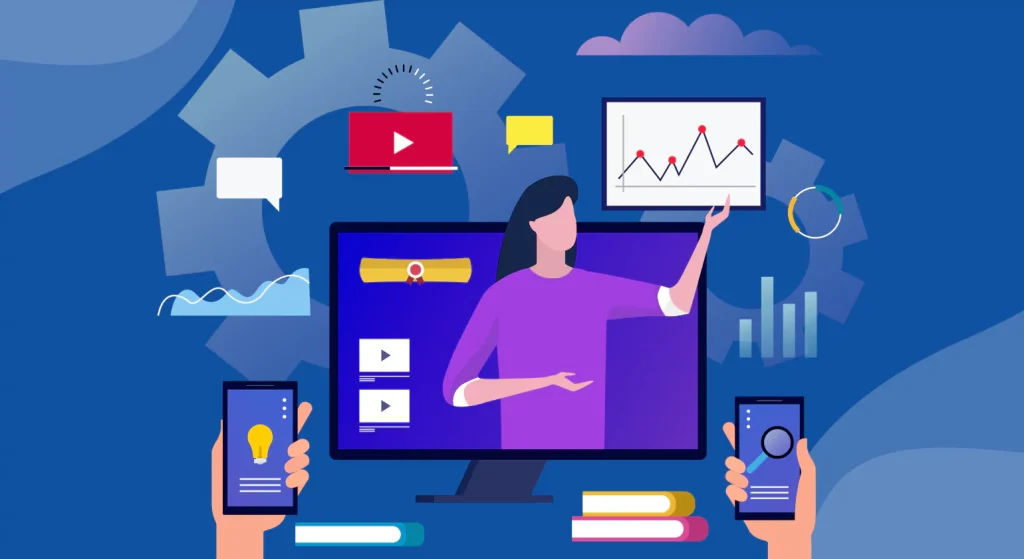
The shift towards remote work has fundamentally transformed the sales development landscape. Remote sales development is rapidly becoming the future of the sales industry due to its numerous advantages. By embracing remote roles, businesses gain access to a global talent pool, which helps them find the best outbound sales representatives regardless of their location. This shift also allows companies to reduce operational costs associated with physical office spaces and provide employees with greater flexibility. Remote work enables sales teams to operate across various time zones and regions, thereby expanding their reach and engaging with a broader range of prospects.
For sales professionals, the move towards remote sales development represents a significant improvement in work-life balance and autonomy. Remote roles offer the flexibility to work from any location, which can lead to increased job satisfaction and productivity. This flexible environment helps outbound sales representatives manage their schedules more effectively and reduces the stress associated with daily commutes. As businesses and employees alike continue to recognize the benefits of remote work, outbound sales representative will play an increasingly vital role in driving sales success and meeting the evolving needs of the market.
How to Excel as a Remote Sales Development Representative

To excel in outbound sales representative, it’s essential to develop a robust set of skills and strategies tailored to the unique demands of remote work. Here are key strategies to ensure success:
Mastering Time Management
Effective time management is crucial for outbound sales representative who need to navigate the challenges of working independently. Set clear daily goals and create a structured schedule that includes dedicated blocks of time for lead generation, follow-ups, and administrative tasks. Using productivity tools and setting reminders can help you stay on track and ensure that you meet your targets. Efficiently managing your time allows you to maintain a high level of productivity and achieve consistent results in your outreach efforts.
Enhancing Communication
Building strong relationships with prospects and internal teams relies heavily on clear and concise communication. As a remote business development, your ability to convey value propositions effectively through emails, calls, and virtual meetings is essential. Use digital communication tools to your advantage, ensuring that your messages are tailored to the needs of your audience. This clarity in communication helps in establishing trust, improving engagement rates, and driving higher conversion rates.
Utilizing CRM and Sales Tools
A deep understanding of CRM systems, email automation, and other sales tools is vital for streamlining your outreach efforts. These tools help in managing and tracking interactions with prospects, automating repetitive tasks, and analyzing data to refine your approach. Mastering these technologies ensures that you can handle leads more efficiently and effectively, making your workflow smoother and more productive.
Embracing Continuous Learning
In the fast-paced world of remote sales, staying updated with the latest sales techniques and industry trends is crucial. Continuous learning helps you adapt to new methods and technologies, keeping you competitive as a sales development representative remote. Engage with industry webinars, online courses, and professional networks to enhance your skills and knowledge.
Difference Between Inbound and Outbound Sales
Sales strategies often fall into two categories: inbound and outbound. While both aim to generate revenue, they differ in approach, execution, and customer experience.
Inbound sales are customer-driven. In this model, prospects find your business through content marketing, SEO, social media, or referrals. Instead of reaching out directly, your business attracts potential buyers by providing value and solving problems. Once interested, these prospects engage with your brand, and sales teams nurture them into customers. Inbound sales focus on building trust, creating long-term relationships, and offering solutions aligned with customer needs.
Outbound sales, on the other hand, are business-driven. Here, sales representatives actively reach out to prospects through cold calls, emails, direct messaging, and advertising. Outbound strategies are proactive and often aim to create demand by introducing products or services to people who may not yet be actively searching. This method allows companies to scale quickly, target specific audiences, and maintain greater control over their pipeline.
The main difference lies in direction: inbound sales draw customers toward the brand, while outbound sales push the brand toward customers. Inbound is typically less intrusive, focusing on value and relevance, whereas outbound can be more aggressive but effective in generating immediate opportunities.
The Evolution of the Remote Sales Development Representative Role
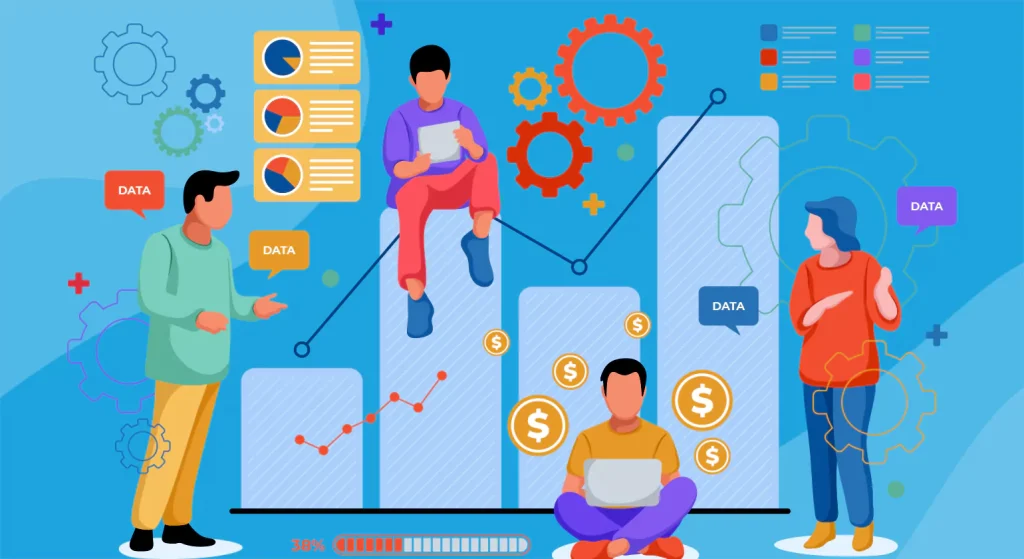
The role of the remote SDR has undergone a significant transformation over the past decade. Traditionally, sales development representatives relied heavily on in-person meetings, networking events, and office-based activities to identify and qualify leads. This approach was prevalent for outbound sales representatives who engaged directly with prospects. However, with the rise of digital communication tools and the increasing preference for remote work, sales development has evolved into a primarily virtual function. The role of the outbound sales representative is now central to modern sales strategies.
The global shift to remote work, accelerated by the COVID-19 pandemic, was a major turning point for the SDR role. As businesses were forced to adapt to new ways of working, the sales development representative remote quickly became the norm. Virtual meetings, email outreach, and social selling have become the primary methods for engaging with prospects. Companies have also realized the benefits of remote sales teams, including cost savings, access to a global talent pool, and the ability to reach prospects across different time zones. As a result, the demand for remote business development has surged, making remote sales development an integral part of many organizations.
As technology continues to advance, the remote business development landscape is set to evolve even further. The integration of AI-driven sales tools, customer relationship management (CRM) systems, and automation platforms has empowered outbound sales representative to work more efficiently and effectively. These innovations have allowed remote business development to streamline their processes, from lead generation to follow-up, enabling them to manage larger volumes of prospects while maintaining personalized engagement. The future of sales development will continue to be shaped by these advancements, with remote roles becoming even more prominent in the years to come.
The Importance of Communication in Remote SDR Roles
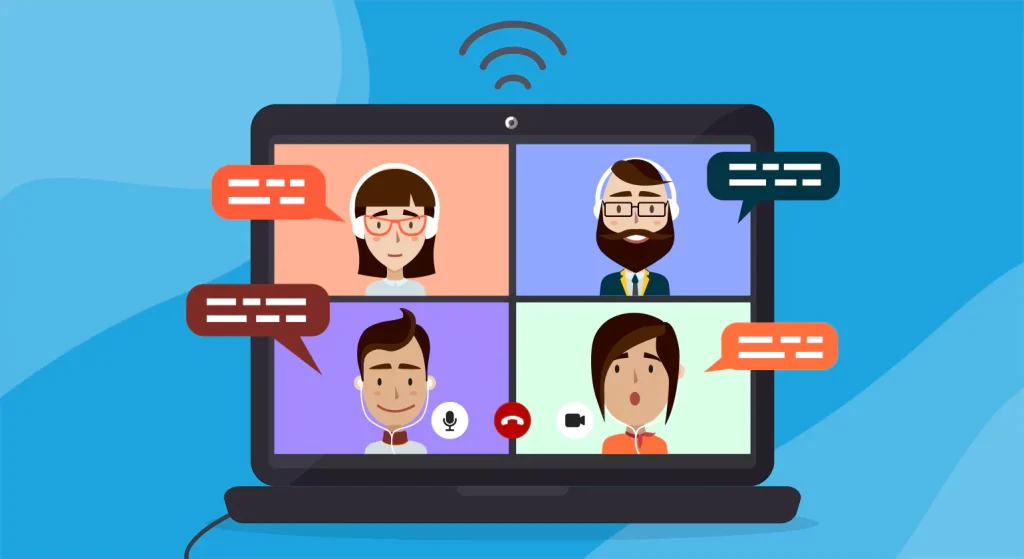
Effective communication is critical for any outbound sales representative , as their role hinges on engaging with prospects and collaborating with colleagues from a distance. Unlike an outbound sales representative who can leverage in-person meetings to build rapport, a sales development representative remote must rely on digital communication tools to establish and maintain connections. This makes clarity, conciseness, and personalization in messaging essential components of successful interactions.
For a outbound sales representative, mastering various communication platforms is crucial. Tools like video conferencing, email, and chat platforms become the primary channels for reaching out to prospects and staying connected with internal teams. Video calls can simulate face-to-face meetings, adding a personal touch to remote interactions, while emails and chat tools are used for follow-ups and maintaining continuous dialogue. Effective communication in these formats is key to keeping prospects engaged and moving them through the sales funnel.
Internal communication is equally important. Remote SDRs must stay aligned with the broader sales team and other departments such as marketing and customer support. Regular check-ins, virtual meetings, and collaborative platforms are essential for maintaining team cohesion and ensuring that everyone is working towards the same goals. This alignment is particularly crucial in remote business development, where seamless communication can make the difference between success and failure in securing new opportunities.
Sales Development Representative Remote: Challenges and Solutions

Outbound sales representative encounter a distinct set of challenges, such as isolation, time management issues, and maintaining motivation. Addressing these hurdles effectively is key to achieving success in this role.
Establish a Structured Routine
One of the primary challenges for outbound sales representative is maintaining a consistent level of productivity. Without the physical structure of an office environment, it can be easy to become disorganized. To combat this, establishing a structured daily routine is crucial. Creating and adhering to a set schedule helps manage time effectively and ensures that all tasks are completed in a timely manner. This approach not only enhances productivity but also creates a clear boundary between work and personal time.
Leverage Productivity Tools
In a remote setup, leveraging productivity tools is essential for staying organized. Task management and communication platforms can help streamline workflows and ensure that deadlines are met. Tools like CRM systems, project management software, and messaging apps facilitate seamless coordination and keep SDRs on track with their goals. These resources are vital for maintaining focus and efficiency in an outbound sales representative’s day-to-day activities.
Stay Connected with the Team
Isolation can be a significant challenge for remote SDRs. Regular virtual meetings and team-building activities are effective strategies for reducing feelings of loneliness and maintaining a sense of camaraderie. Staying connected with colleagues helps to foster a collaborative environment and provides ongoing support and motivation.
Prioritize Self-Care
Maintaining well-being is critical for avoiding burnout. Remote sales development representatives should prioritize self-care by taking regular breaks, engaging in physical exercise, and establishing clear boundaries between work and personal life. Implementing these practices helps to maintain overall health and sustain long-term productivity and motivation.
Building a Successful Career as a Outbound Sales Support
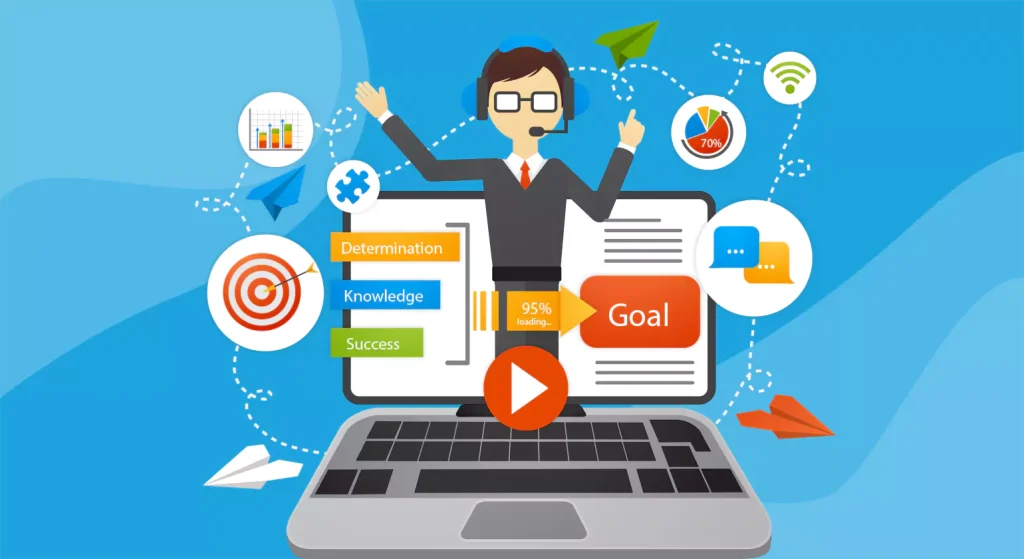
Building a successful career as an Outbound Sales Support requires a commitment to continuous learning, adaptability, and a proactive approach to career growth. By focusing on key areas, remote business development can pave the way for long-term success and advancement in their careers.
Honing Sales Skills
To excel as a outbound sales representative, it’s essential to continuously refine and enhance your sales skills. This includes improving outreach techniques, mastering negotiation strategies, and developing effective communication methods. Regularly engaging in training sessions, workshops, or webinars can help you stay updated with the latest sales practices and trends. For an outbound sales representative, sharpening these skills not only boosts performance but also builds a solid foundation for career progression.
Networking
Building and maintaining a robust professional network is crucial for career advancement. Engaging with industry peers through online communities and professional groups can provide valuable insights and opportunities. Networking helps outbound sales representative stay informed about industry developments, exchange best practices, and discover new career opportunities. Active participation in relevant forums and social media groups can also enhance visibility and open doors to potential mentors or job leads.
Exploring Growth Opportunities
A successful career as a remote business development often involves exploring various growth opportunities. Many SDRs transition into roles such as account executive, sales manager, or other areas of business development. Identifying and pursuing these career paths requires a proactive approach, including seeking out additional training, gaining experience in different aspects of sales, and expressing interest in advancement opportunities within your organization. By setting clear career goals and actively working towards them, remote business development can effectively navigate their professional journey and achieve their desired career milestones.
B2B Outbound Sales :Tools and Resources

For B2B Outbound Sales to thrive in their roles, having access to the right tools and resources is crucial. These essential tools help manage tasks efficiently, streamline communication, and maintain productivity, all of which are vital for success in a remote environment.
CRM Systems
Customer Relationship Management (CRM) systems are indispensable for remote business development. These platforms allow professionals to manage leads, track interactions, and organize client information in one central location. A robust CRM system enables SDRs to monitor their outreach efforts, follow up on leads effectively, and analyze sales data to refine strategies. For an outbound sales representative, a CRM system is a critical tool for maintaining organization and ensuring no opportunity is overlooked.
Email Automation Platforms
Email automation platforms are essential for managing and optimizing outreach campaigns. These tools enable remote business development to automate repetitive tasks such as sending follow-up emails, scheduling messages, and tracking open rates. By leveraging automation, SDRs can efficiently handle large volumes of emails, personalize communication at scale, and focus on strategic aspects of their role. This not only increases productivity but also enhances the effectiveness of email campaigns.
Video Conferencing Software
In a remote setting, video conferencing software is key for virtual meetings and presentations. This tool facilitates face-to-face interactions with clients and team members, making it easier to build relationships, discuss strategies, and present solutions. For Remote SDRs, video conferencing tools like Zoom, Microsoft Teams, or Google Meet provide a platform for engaging discussions and maintaining clear communication, which is crucial for successful collaboration and client engagement.
Outbound Sales Best Practices for Lead Generation and Outreach

For an outbound sales representative, effective lead generation and outreach are vital components of success. Implementing best practices in these areas can significantly enhance your ability to connect with prospects and drive results. Here are key strategies to consider:
Social Selling
Social selling involves using platforms like LinkedIn to build relationships with prospects and engage with them through valuable content. As a Remote SDR, leveraging social media allows you to connect with potential leads, share industry insights, and participate in relevant discussions. By positioning yourself as a knowledgeable resource, you can attract and engage prospects more effectively. This approach not only broadens your network but also fosters trust and credibility with your target audience.
Personalized Outreach
Personalized outreach is crucial for standing out in a crowded marketplace. Tailoring your messages to address the specific needs and pain points of individual prospects demonstrates a genuine understanding of their challenges and how your solution can help. Instead of using generic templates, invest time in researching each prospect and crafting custom messages that highlight relevant benefits. This personalized approach increases the likelihood of capturing attention and eliciting a positive response from potential leads.
Data-Driven Insights
Utilizing data-driven insights is essential for optimizing lead generation and outreach efforts. Analyzing metrics such as email open rates, click-through rates, and response times provides valuable information on what strategies are working and where improvements are needed. By leveraging analytics, Remote SDRs can refine their targeting strategies, adjust messaging, and allocate resources more effectively. This data-driven approach ensures that your outreach efforts are continuously optimized for better results.
Remote Business Development: Expanding Your Reach

Expanding your reach in remote business development demands a strategic approach to networking and relationship-building. For outbound sales representative , effectively broadening your professional network can significantly impact success. Here are key strategies to enhance your reach and drive growth:
Building a Strong Online Presence
Creating and maintaining a strong online presence is essential for remote business development. Platforms like LinkedIn and industry forums are invaluable for staying visible and engaging with potential clients. As a Remote SDR, regularly updating your profiles with relevant content, industry insights, and accomplishments can attract attention and establish your expertise. Active participation in discussions and sharing valuable information helps build credibility and connect with prospects who may be interested in your services.
Participating in Virtual Industry Events
Forming Strategic Partnerships
Forming strategic partnerships is a powerful way to expand your reach and create mutual growth opportunities. Collaborating with other businesses or industry professionals can open doors to new markets and client bases. By identifying complementary businesses or organizations, you can establish partnerships that benefit both parties. These collaborations may include joint ventures, co-marketing efforts, or referral agreements, which can significantly enhance your reach and effectiveness as an outbound sales representative.
Outbound Sales Strategy: Effective Work-Life Balance

Maintaining a healthy work-life balance is crucial for Outbound Sales Strategy, who often face challenges in separating work from personal life. Achieving this balance requires intentional strategies and practices. Here are key approaches to ensure a well-rounded and productive remote work experience:
Set Clear Boundaries
Establishing and adhering to specific work hours is essential for maintaining a clear separation between work and personal time. For remote business developmen, defining start and end times for the workday helps prevent work from encroaching on personal activities. Communicate these boundaries to colleagues and clients to manage expectations and avoid the risk of burnout. By setting these limits, you can ensure that you have dedicated time to relax and recharge.
Create a Dedicated Workspace
Designating a separate area for work can significantly enhance productivity and create a mental distinction between work and personal life. A dedicated workspace helps remote business development stay focused and maintain a professional mindset. Ensure your workspace is ergonomically designed and equipped with necessary tools to support your work. This separation not only improves work efficiency but also contributes to a clearer separation between your professional and personal environments.
Implement Time Management Strategies
Effective time management is crucial for balancing remote work responsibilities. Utilize tools such as calendars, task lists, and project management software to stay organized and manage your workload efficiently. Time-blocking and prioritizing tasks can help you maintain productivity and prevent work from piling up. By staying organized and planning your day effectively, you can manage your time more efficiently and reduce stress.
Prioritize Self-Care
Regular self-care is vital for avoiding burnout and maintaining overall well-being. Incorporate breaks into your daily routine, engage in physical exercise, and set aside time for leisure activities. Prioritizing self-care ensures that you remain refreshed and motivated. For remote business development, balancing work with personal time helps sustain energy levels and contributes to long-term productivity and job satisfaction.
Conclusion
The shift towards remote sales development is reshaping the sales landscape, offering new opportunities for both businesses and professionals. As remote work becomes more prevalent and technology advances, Remote SDRs will continue to play a critical role in driving business growth. By mastering digital tools, honing communication skills, and staying adaptable, remote business development can excel in this evolving field. For businesses, embracing remote sales development can lead to greater efficiency, reduced costs, and expanded market reach. The future of sales development is undoubtedly remote, and those who adapt to this trend will thrive in the digital age.
Read more>>> Top 24 B2B Sales Tools to Boost Revenue in 2025
>>> Skills and Qualities Required For Remote Marketing Assistant
FAQs
What is the Role of a Remote Sales Development Representative (SDR)?
A Remote Sales Development Representative (SDR) focuses on identifying and qualifying leads for a company’s sales team from a remote location. Their responsibilities include researching potential clients, reaching out via cold calls or emails, and nurturing relationships with prospects. By working remotely, SDRs can connect with potential leads from various regions without the need for physical presence, making them an essential part of a modern sales strategy.
Why is Remote Sales Development Considered the Future?
Remote sales development is becoming the future due to several factors. With advancements in technology, SDRs can effectively perform their tasks from anywhere in the world. Companies also benefit from reduced overhead costs, while SDRs enjoy greater flexibility and work-life balance. Furthermore, the shift towards remote work has expanded the talent pool, allowing businesses to hire top SDR talent regardless of geographical location.
What Challenges Do Remote SDRs Face, and How Can They Overcome Them?
Remote SDRs often face challenges such as communication barriers, isolation, and difficulties in managing time effectively. To overcome these, they should utilize communication tools like Slack or Zoom to stay connected with their teams, establish a structured daily routine, and prioritize mental well-being. Developing strong self-discipline and time management skills is also crucial for maintaining productivity.
What Tools and Resources Are Essential for Remote SDRs?
Remote SDRs rely on various tools and resources to perform their tasks efficiently. These include Customer Relationship Management (CRM) systems like Salesforce or HubSpot, communication platforms such as Slack or Zoom, email automation tools, and prospecting software like LinkedIn Sales Navigator. Having the right tools can streamline the lead generation process and help SDRs manage their workload effectively from a remote environment.