Table of Contents
Introduction
A hotel CRM system is a powerful tool designed to streamline operations and enhance guest experiences in the hospitality industry. By consolidating guest data and facilitating personalized communication, hotel customer relationship management helps establishments build lasting customer relationships. These systems enable hotels to track preferences, automate marketing efforts, and manage loyalty programs, ultimately driving guest satisfaction and retention. In an increasingly competitive market, a robust hotel CRM system is essential for optimizing service delivery, improving operational efficiency, and maximizing revenue, making it a critical investment for hotels of all sizes.
Why Your Hotel Needs a CRM System in 2026
In 2024, the hotel industry faces increased competition and heightened guest expectations, making a CRM (Customer Relationship Management) system a crucial tool for success. A hotel CRM system in Hotel Industry helps manage guest interactions, store valuable data, and enhance customer experiences. With it, hotels can track guest preferences, booking history, and feedback, enabling personalized communication and tailored services that drive loyalty. In a landscape where customer satisfaction is paramount, a CRM system empowers hotels to create more meaningful relationships with their guests.
Moreover, a CRM system offers robust data analytics capabilities that are indispensable for strategic decision-making. Hotels can analyze guest behavior, trends, and demographics, helping them identify opportunities for growth and marketing campaigns. By leveraging this data, hotels can optimize their pricing strategies, refine loyalty programs, and enhance promotional efforts. These insights allow hotel managers to not only attract new guests but also retain existing ones through personalized offers and experiences.
Finally, a hotel CRM system streamlines operations by automating tasks such as booking confirmations, follow-up emails, and feedback requests. This automation not only reduces staff workload but also ensures that guests receive timely, consistent communication, improving their overall experience. In 2026, as hotels aim to provide seamless and personalized services while remaining efficient, investing in a hospitality CRM system is no longer optional—it’s a strategic necessity for staying competitive in a fast-evolving industry.
How a CRM System Works
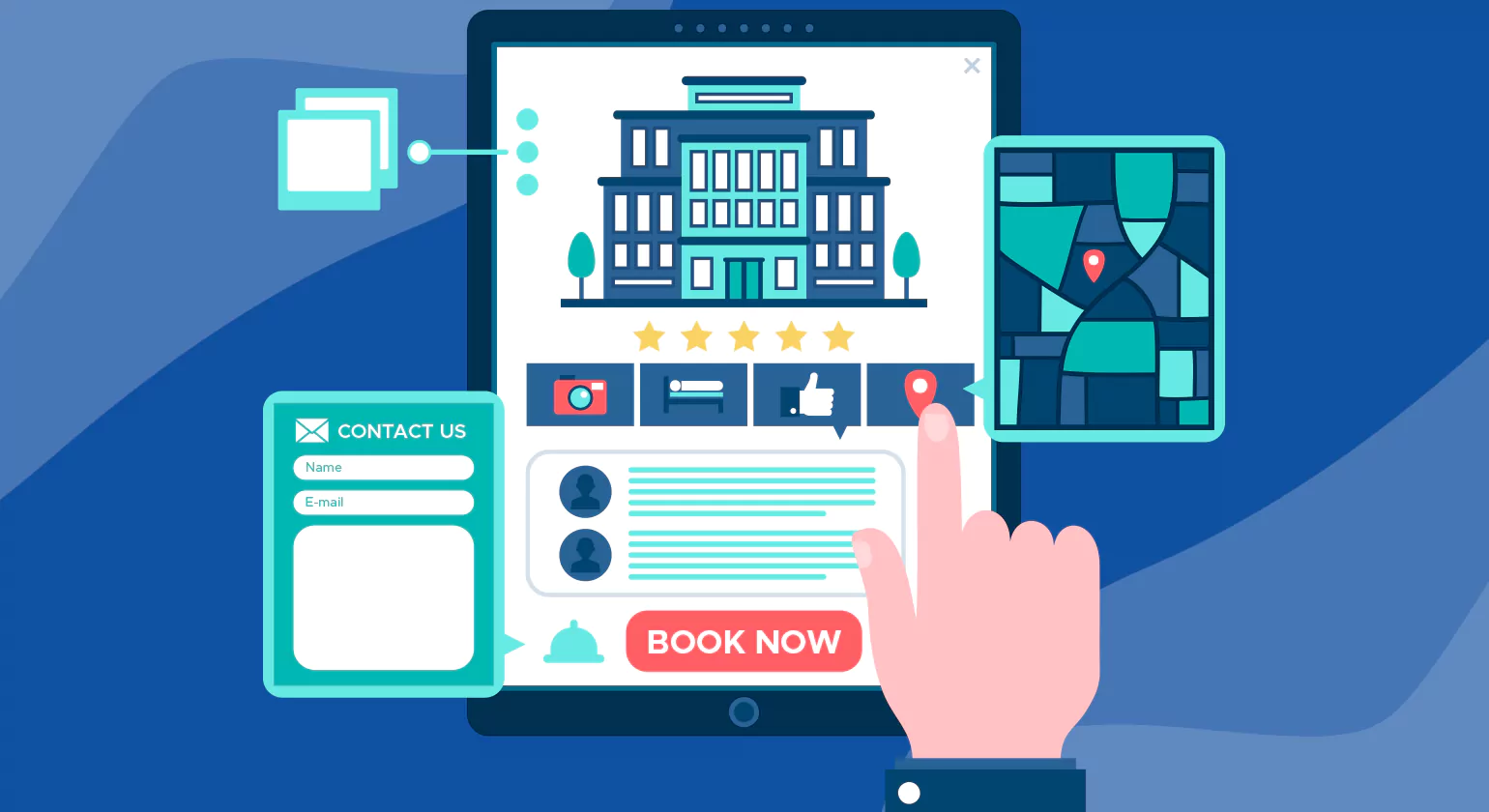
A hotel CRM system consolidates guest data, automates communication, and enhances service personalization. This software for hospitality industry can help hotels enhance their operation efficiency in many ways.
Data Collection and Centralization
A hospitality crm development gathers data from multiple sources, including bookings, social media, loyalty programs, and guest interactions across all touchpoints (website, app, email, etc.). This data is then centralized into a single database, providing a comprehensive view of each guest’s preferences, past stays, and interactions. Hotels can use this information to create detailed guest profiles, ensuring all staff members have access to up-to-date and relevant guest information.
Automation and Communication
Once the data is collected, the Hotel CRM system automates various guest communication processes. It can send personalized emails, confirmations, promotional offers, and reminders based on the guest’s behavior or stay history. For example, the system can send pre-arrival emails with room upgrade options or post-stay surveys for feedback collection. This automation not only saves time for hotel Experience staff but also ensures that communication is timely, consistent, and relevant to the guest.
Personalized Service and Analytics
Using the data stored in the crm system hotel can offer personalized services such as room preferences, special requests, or customized packages. This enhances the guest Hotel experience and encourages loyalty. Additionally, the system provides analytics that tracks guest behavior and preferences, enabling hotels to make data-driven decisions. These insights help hotels improve marketing campaigns, refine loyalty programs, and better anticipate guest needs, ultimately driving revenue and improving guest satisfaction.
10 Key Features of a Modern Hotel CRM System
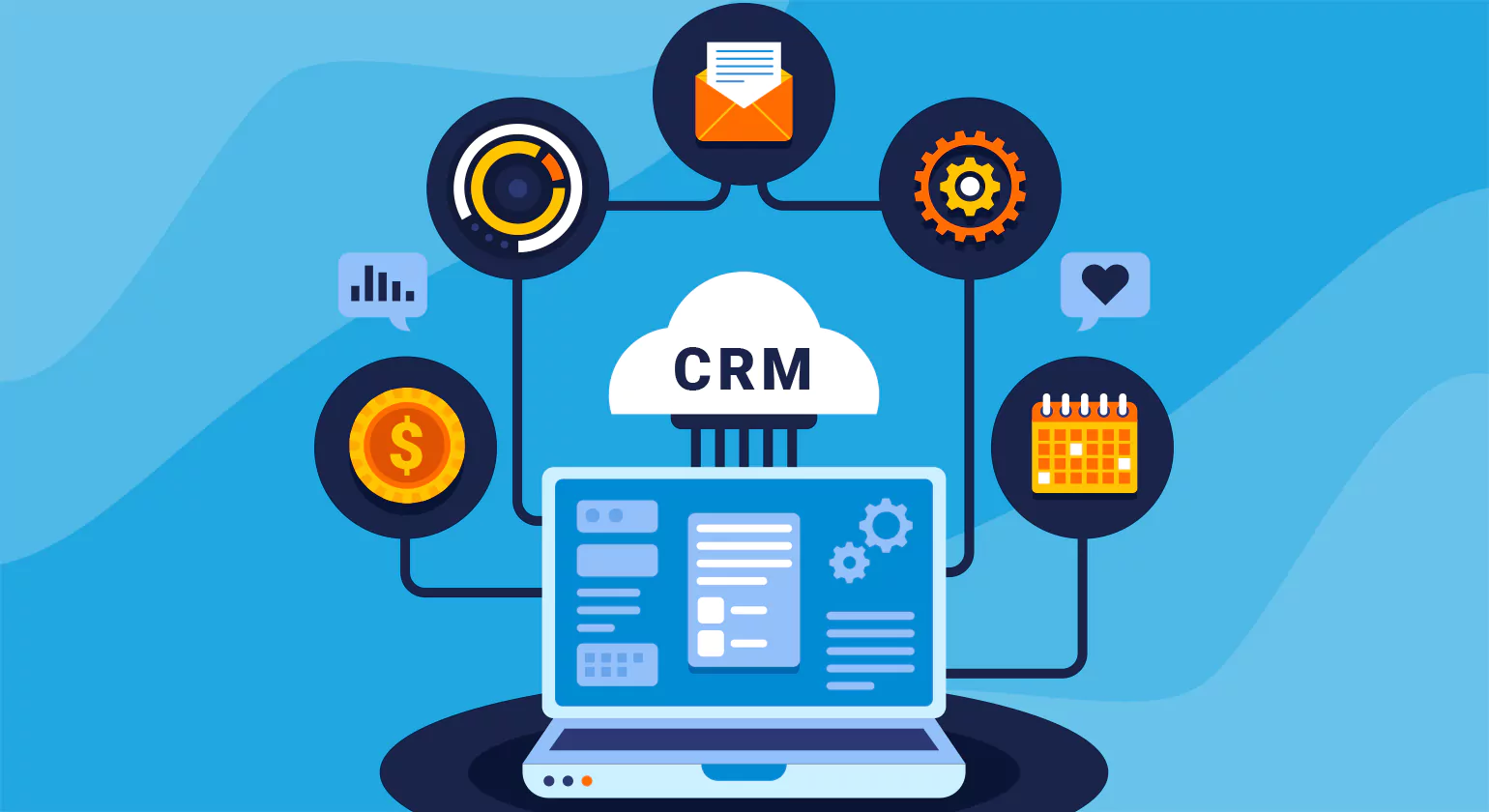
A modern hotel CRM system comes equipped with a variety of features designed to optimize guest experiences, streamline operations, and increase revenue. Here are ten key features that make a hospitality CRM indispensable in today’s hospitality crm development landscape:
Centralized Guest Profiles
One of the most vital features of a crm hotel software is the ability to create comprehensive guest profiles. These profiles store all relevant guest information, including contact details, booking history, preferences, and special requests, allowing the hotel to personalize the guest experience from the moment they arrive.
Segmentation and Targeting
With segmentation tools, a CRM system can categorize guests based on various factors such as past stays, spending habits, or demographics. This helps the hotel tailor its marketing efforts and deliver more relevant promotions, ensuring better engagement and response rates.
Automated Communication
A modern hotel customer relationship management system automates guest communication, from pre-arrival messages and booking confirmations to post-stay follow-ups and surveys. This feature ensures timely, consistent, and personalized communication without overwhelming staff, improving guest satisfaction and retention.
Loyalty Program Integration
Many hotels have loyalty programs, and integrating these into the CRM allows for better tracking and rewarding of repeat guests. A CRM can monitor guest points, milestones, and personalized offers, making it easier to nurture long-term relationships and encourage loyalty.
Data Analytics and Reporting
A CRM system provides in-depth analytics and reporting on guest behaviors, trends, and preferences. With this data, hotels can make informed decisions about pricing strategies, promotional campaigns, and service improvements, ultimately boosting revenue.
Mobile Access
Modern crm in hospitality industry are mobile-friendly, allowing hotel Experience staff to access guest information and update profiles in real time, whether at the front desk, in the restaurant, or while handling room service. This mobility enhances efficiency and ensures that guests receive personalized attention no matter where they are on the property.
Guest Feedback Management
Collecting and managing guest feedback is essential for improving service quality. A hotel CRM system can automate feedback collection via post-stay surveys, analyze the responses, and even flag negative reviews for quick resolution, helping to maintain high levels of guest satisfaction.
Marketing Automation
With built-in marketing automation, hotel CRM systems can automatically launch targeted email campaigns based on guest behaviors, such as abandoned bookings, special occasions, or previous preferences. This feature helps hotels engage guests with relevant content without manual effort.
Channel Management Integration
Integrating with channel management systems, a crm hotel software can consolidate data from multiple booking platforms (e.g., website, OTAs, direct calls), ensuring that guest data is consistent and up-to-date across all channels. This integration helps eliminate errors and provides a seamless experience for both the hotel staff and guests.
Personalized Guest Recommendations
Based on past preferences and behavior, a hotel crm hotel management can offer personalized recommendations, such as room upgrades, dining options, or activities during their stay. This not only enhances the guest experience but also increases the likelihood of upsells, boosting hotel revenue.
Types of Hotel CRM Systems
1. Cloud-Based CRM
Cloud-based hotel CRM systems operate online and can be accessed from any device without physical server installation. They are cost-effective, quick to deploy, and scalable for independent hotels, resorts, and chains. These systems offer real-time guest data sync, automated updates, secure cloud storage, and seamless integration with PMS, POS, booking engines, and OTAs. They are ideal for hotels that prioritize flexibility, remote access, and lower IT maintenance.
2. On-Premise CRM
On-premise CRM solutions are hosted on the hotel’s internal servers. They provide full data control, customization, and security ownership, making them suitable for luxury chains, government properties, or businesses with strict data policies. However, installation and maintenance costs are higher compared to cloud systems, and upgrades may require technical support.
3. All-in-One Hospitality Platforms
These systems combine CRM with PMS, channel management, marketing automation, loyalty programs, reputation management, and analytics. They offer unified guest data, reduce technology fragmentation, and streamline operations through a single dashboard.
4. Enterprise vs Boutique Hotel CRM Solutions
Enterprise CRMs cater to multi-property chains needing advanced automation, personalization at scale, centralized reporting, and cross-property guest profiles. Boutique hotel CRMs focus on simplicity, affordability, essential features, and personalized guest engagement without overwhelming complexity.
10 Tips for Successfully Implementing a Hotel Customer Relationship Management
Implementing a hotel CRM system can be a game-changer for improving guest satisfaction, streamlining operations, and boosting revenue. However, proper planning and execution are essential to make the most of your CRM investment. Here are ten tips for successfully implementing a hospitality crm system hotel:
Define Your Goals
Before implementing a CRM, clearly define your objectives. Do you want to improve guest loyalty, streamline operations, or enhance marketing efforts? Understanding your goals will help you choose the right CRM features and measure success effectively.
Choose the Right CRM
Not all crm hotel management are the same. Ensure you select a CRM tailored to the hotel industry that aligns with your specific needs, whether it’s managing guest profiles, automating marketing, or integrating loyalty programs. A flexible, scalable CRM is ideal for long-term growth.
Involve Key Stakeholders Early
Engage key team members from the start, including staff from different departments like front desk, marketing, and operations. Getting their input ensures the CRM system meets the needs of various functions and encourages buy-in, making the implementation process smoother.
Integrate with Existing Systems
A CRM is most effective when it integrates seamlessly with other hotel systems such as property management, booking engines, and channel managers. Ensure your CRM can connect to these platforms to provide a unified view of guest data and operations.
Provide Thorough Staff Training
One of the biggest factors in Hotel CRM System success is how well staff can use the system. Offer comprehensive training to ensure all team members understand how to access guest data, automate communication, and leverage CRM tools to enhance the guest experience.
Start Small, Scale Gradually
It’s tempting to implement every feature of a CRM right away, but it’s better to start small. Focus on key functionalities such as guest profiling and automated communication first. As your team becomes more comfortable with the system, gradually introduce more advanced features like data analytics and loyalty program management.
Customize the CRM to Your Hotel's Needs
Every hotel is unique, and your CRM should reflect that. Take advantage of customization options to tailor the system to your brand’s voice, guest preferences, and operational needs. Custom workflows, personalized templates, and segmentation options can ensure the system works for your specific business model.
Ensure Data Accuracy and Cleanliness
For a CRM to deliver results, the data it holds must be accurate and up-to-date. Regularly clean your guest database by removing duplicates, outdated contacts, and irrelevant information. This will help you get the most out of segmentation, personalized communication, and reporting tools.
Monitor and Adjust Performance
CRM implementation doesn’t end once the system is up and running. Continuously monitor performance metrics, guest engagement, and staff usage to identify areas for improvement. Adjust your CRM processes based on feedback and evolving business goals to optimize efficiency and outcomes.
Foster a Culture of Customer-Centricity
A Hotel CRM System is ultimately about improving guest satisfaction, so foster a culture where staff prioritize personalized service and guest relationships. Encourage team members to leverage CRM data to anticipate guest needs, offer personalized Hotel experiences, and build long-term loyalty.
Top 10 Benefits of CRM In Hotel Industry
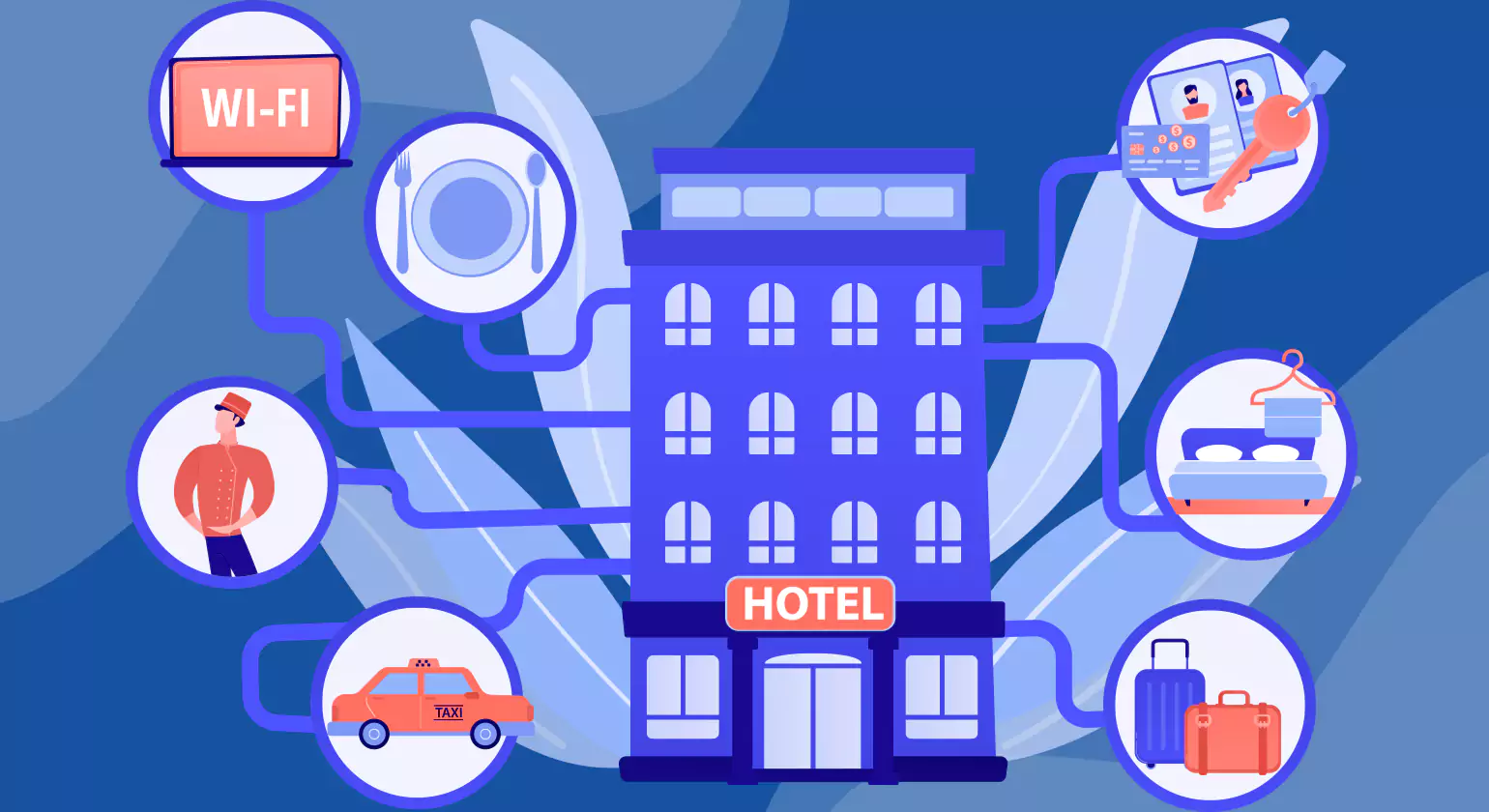
Hotel CRM systems have become essential tools for hotel groups and chains seeking to enhance their operational efficiency, improve guest satisfaction, and drive revenue growth. Here are the top ten benefits of implementing a CRM system for hotel groups and chains:
Centralized Guest Data Management
A CRM system consolidates guest information across multiple properties, creating a comprehensive database that includes booking history, preferences, and special requests. This centralized approach enables hotel staff to provide a consistent and personalized Hotel experience for guests, regardless of which property they visit.
Enhanced Personalization
With access to detailed guest profiles, hotel chains can tailor their services to individual preferences. Personalized communication—such as targeted promotions, special offers, and customized recommendations—enhances the guest experience and builds loyalty. For example, a guest who frequently stays at a particular chain for business can receive tailored offers for early check-ins or upgraded rooms.
Improved Marketing Strategies
A robust CRM system allows hotel groups to analyze guest data, segment their audience, and develop targeted marketing campaigns. By understanding guest demographics and behavior, hotel chains can create more effective marketing strategies that resonate with specific audiences, leading to higher conversion rates and increased bookings.
Streamlined Operations
CRM systems automate various administrative tasks, such as booking confirmations, follow-up emails, and feedback requests. This automation reduces the workload for hotel staff, allowing them to focus on delivering exceptional guest service. With a more efficient operation, hotel groups can enhance overall productivity and reduce operational costs.
Enhanced Customer Relationship Management In Hotel Industry
A CRM system fosters better relationships with guests by enabling hotel staff to track interactions, manage follow-ups, and address concerns promptly. This level of attention helps build trust and loyalty among guests, encouraging them to choose the same hotel chain for future stays.
Data-Driven Decision Making
Hotel chains can leverage the data collected by their hotel CRM systems to make informed business decisions. Analytics and reporting features provide insights into guest trends, preferences, and operational efficiency. This information allows hotel groups to refine their strategies, optimize pricing, and identify new revenue opportunities.
Loyalty Program Management
Many hotel chains have loyalty programs designed to reward repeat customers. Customer Relationship Management in Hotel Industry can integrate and manage these programs, tracking points, member status, and personalized offers. By streamlining loyalty management, hotel chains can effectively engage loyal customers and enhance their overall experience.
Effective Feedback and Reputation Management
Gathering guest feedback is crucial for continuous improvement. A CRM system can automate the process of collecting feedback through surveys and reviews. This data can be analyzed to identify areas for improvement and track the hotel chain’s reputation across various platforms. Proactively addressing guest concerns can enhance the brand’s image and foster customer loyalty.
Seamless Multi-Property Management
For hotel groups and chains with multiple properties, a CRM system provides seamless management across all locations. Staff can access centralized data and maintain consistent communication with guests, regardless of where they stay. This capability ensures that the hotel brand delivers a cohesive experience and maintains high service standards across all properties.
Increased Revenue Opportunities
By utilizing CRM insights, hotel groups can identify cross-selling and upselling opportunities. For example, if a guest regularly books a room, staff can offer additional services such as spa treatments, dining packages, or event tickets during their stay. This proactive approach not only enhances the guest experience but also drives additional revenue for the hotel chain.
Best Hotel CRM Software for 2026
As the Hotel CRM System continues to evolve in 2026, the need for effective hotel customer relationship management has never been greater. Selecting the right hotel CRM software can significantly enhance guest experiences, streamline operations, and improve revenue management. Here are some of the best hospitality CRM software options for 2026:
Revinate
Revinate is designed specifically for the hospitality crm software, focusing on guest engagement and reputation management. Its CRM capabilities allow hotels to collect and analyze guest feedback, helping them tailor personalized experiences. Revinate’s segmentation tools enable targeted marketing campaigns, while its integration with property management systems (PMS) ensures that staff have access to real-time guest data.
Guestline
Guestline offers a comprehensive cloud-based Crm for hotel management solution that includes robust CRM features. The software enables hotels to manage guest profiles, track preferences, and automate communication. With its user-friendly interface, Guestline allows hotel staff to easily access important information, ensuring personalized service. Additionally, the system’s integration capabilities streamline operations by connecting with various booking channels.
Cloudbeds
Cloudbeds is a powerful all-in-one Crm for hotel management software that combines a PMS with advanced CRM features. This platform provides tools for managing guest relationships, including automated follow-up emails and marketing campaigns. Cloudbeds’ reporting and analytics help hotels understand guest behavior, enabling them to create personalized experiences that drive loyalty.
Maestro PMS
Maestro PMS is another excellent choice for hotels looking to enhance their CRM capabilities. This software provides a comprehensive suite of tools for managing guest relationships, including customizable guest profiles and targeted marketing campaigns. Maestro’s cloud-based system allows for seamless updates and integrations with various third-party applications, ensuring a streamlined workflow.
Zingle
Zingle specializes in real-time guest engagement through various communication channels, including SMS, email, and social media. Its Hotel CRM System features enable hotels to track guest interactions and preferences, allowing for personalized service. Zingle’s automation tools help streamline communication, ensuring that guests receive timely and relevant information.
Hotelogix
Hotelogix offers a cloud-based property management system with integrated CRM features. It allows hotels to create detailed guest profiles, manage loyalty programs, and automate marketing efforts. With its multi-property management capabilities, Hotelogix is an ideal solution for hotel chains looking to centralize guest data and improve operational efficiency.
How to Choose the Best CRM Software for Your Hotel
Choosing the best CRM software for your hotel is a crucial decision that can significantly impact guest satisfaction and operational efficiency. With numerous options available, it’s essential to consider several key factors to ensure you select the right system for your needs.
1. Identify Your Hotel’s Specific Needs
Start by evaluating the unique requirements of your hotel. Consider factors such as size, guest demographics, and specific services offered. Do you need robust marketing tools, automated communication features, or in-depth analytics? Creating a list of must-have features will help narrow down your options and ensure you select software that meets your hotel’s specific demands.
2. Look for Industry-Specific Solutions
Not all Hotel CRM systems are created equal. Some are designed specifically for the hospitality crm software, offering features tailored to hotel operations. Look for software that understands the nuances of Crm for hotel management, such as handling multiple guest profiles, tracking booking history, and managing loyalty programs. A specialized solution will likely integrate more seamlessly with your existing property management system (PMS).
3. Evaluate User-Friendliness
The usability of the CRM software is vital for staff adoption and overall efficiency. Choose a system that offers an intuitive interface, allowing your team to quickly learn and navigate the platform. A user-friendly CRM will minimize training time and help staff focus on delivering excellent guest experiences rather than struggling with technology.
4. Consider Integration Capabilities
Your chosen CRM should integrate smoothly with other systems you already use, such as your PMS, revenue management tools, and booking engines. Effective integration ensures that data flows seamlessly across platforms, allowing for a holistic view of guest interactions and streamlined operations. Check if the CRM offers API capabilities for easy integration with your existing software.
5. Assess Scalability and Flexibility
As your hotel grows, your CRM needs may evolve. Select software that can scale with your business and adapt to changing requirements. Look for features that allow you to customize workflows, add new modules, and adjust pricing strategies without a complete system overhaul.
6. Review Support and Training Options
Finally, consider the level of customer support and training provided by the CRM vendor. A responsive support team can help resolve issues quickly, minimizing downtime. Additionally, look for vendors that offer comprehensive training resources, including tutorials and documentation, to ensure your staff can maximize the system’s potential.
Future Trends in Hotel CRM Technology
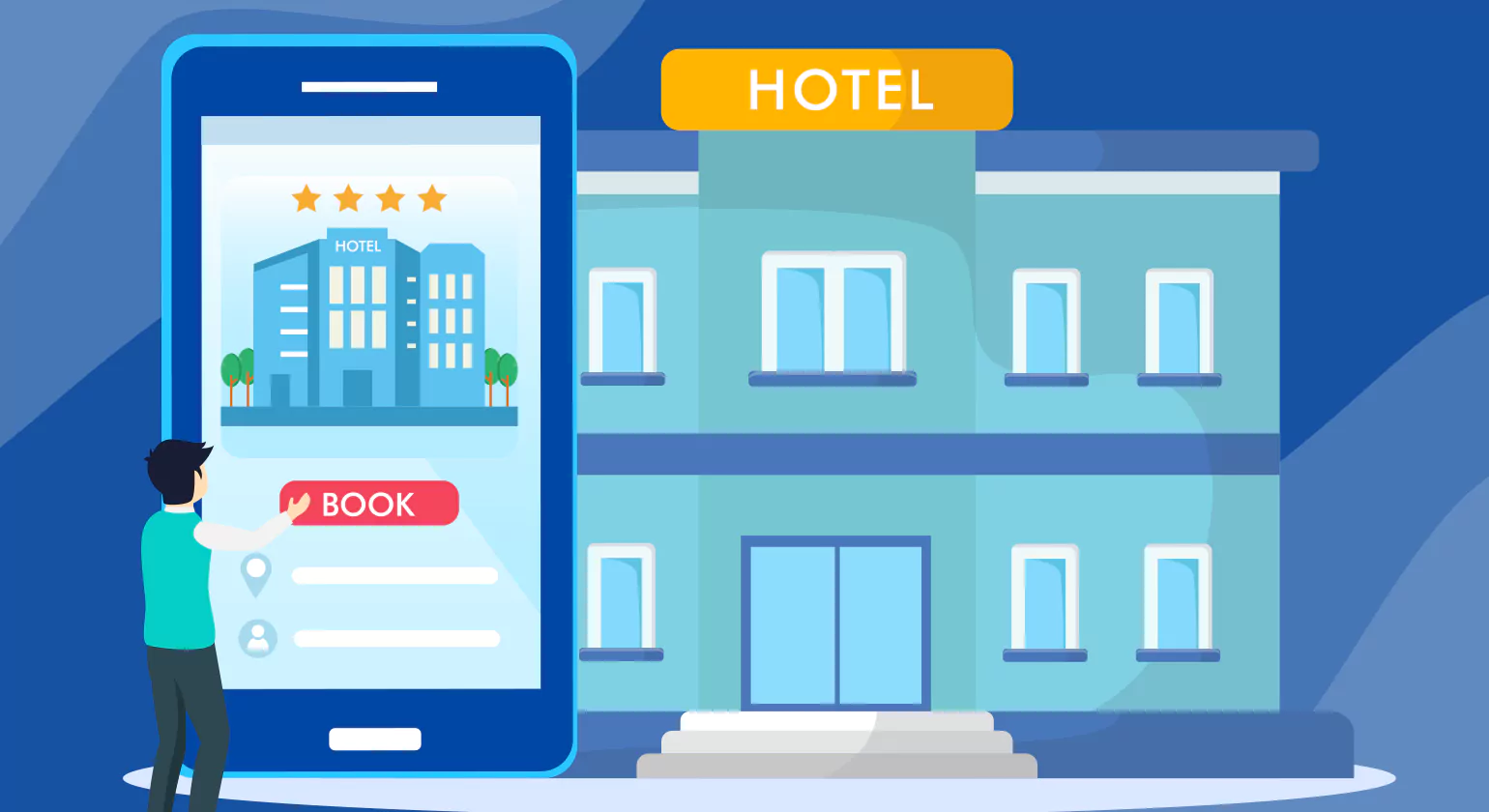
The hotel industry is undergoing rapid transformations driven by technological advancements, and Hotel CRM systems are at the forefront of these changes. As hotels continue to prioritize guest experiences and operational efficiency, several future trends in hotel CRM technology are emerging. Here are some key trends to watch for in the coming years:
1. Enhanced Personalization Through AI
Artificial intelligence (AI) is revolutionizing the way hotels interact with guests. Future CRM systems will leverage AI to analyze vast amounts of guest data, allowing for deeper insights into preferences and behaviors. This capability will enable hotels to offer hyper-personalized experiences, from tailored recommendations to customized marketing campaigns. For instance, AI can predict which amenities a guest is likely to prefer based on past behavior, making it easier to create a unique and memorable stay.
2. Integration of Omnichannel Communication
As guests engage with hotels through various platforms—such as social media, mobile apps, and email—CRM systems will need to integrate omnichannel communication capabilities. This trend ensures that hotels can maintain consistent messaging and interactions across all channels, allowing for a seamless guest experience. Future CRM systems will likely incorporate chatbots and messaging platforms, enabling real-time communication and immediate responses to guest inquiries.
3. Focus on Data Security and Privacy
With increasing concerns around data security and privacy, hotel CRM systems will prioritize robust security measures. Future trends will likely include enhanced encryption, secure access controls, and compliance with data protection regulations such as GDPR. As guests become more aware of their data rights, hotels will need to demonstrate transparency and commitment to safeguarding guest information.
4. Advanced Analytics and Reporting
The ability to harness data for strategic decision-making will become even more critical in hotel CRM technology. Future systems will offer advanced analytics and reporting tools, providing hoteliers with actionable insights on guest trends, preferences, and operational performance. This trend will enable hotels to refine their marketing strategies, optimize pricing models, and improve overall service delivery.
5. Integration with IoT and Smart Technologies
The Internet of Things (IoT) is transforming the hospitality crm software landscape by connecting various devices and systems. Future CRM systems will integrate with IoT technologies, allowing hotels to gather real-time data on guest interactions and preferences. For example, smart room technologies can communicate directly with the CRM to adjust room settings based on guest preferences, enhancing comfort and personalization.
Conclusion
In conclusion, a hotel CRM system is an indispensable tool for modern hospitality businesses seeking to enhance guest experiences and streamline operations. By centralizing guest data, automating communication, and providing valuable insights, CRM systems empower hotels to deliver personalized services that foster loyalty and increase revenue. As the industry continues to evolve, embracing advanced CRM technology will be crucial for staying competitive and meeting the ever-changing expectations of guests. Ultimately, investing in a robust hotel CRM system not only enhances operational efficiency but also paves the way for lasting relationships with guests, ensuring long-term success.
Know More >>>> 15 Key Components of Hotel SEO Services
CRM Development Services For Your Business Growth
FAQs
What are CRM systems in hotels?
Hotel CRM systems are tools designed to manage and improve guest relationships by tracking interactions, preferences, and bookings. These systems centralize guest data, enabling hotels to personalize experiences, boost loyalty, and improve service. CRM systems in hotels streamline operations, increase revenue, and enhance guest satisfaction through data-driven decision-making.
What does a CRM system consist of?
A CRM system includes modules for contact management, communication tracking, data analytics, and reporting. It often has integrations with booking platforms, email, and social media. This structure helps hotels maintain organized guest information, personalize interactions, and enhance customer engagement across touchpoints, making operations efficient and guest-focused.
What data does a CRM track?
A CRM system tracks guest information such as booking history, preferences, contact details, feedback, and interactions. It also monitors response times, reservation dates, and payment records. This data enables hotels to personalize experiences, optimize marketing efforts, and improve service quality, building stronger relationships with guests.
What kind of information can CRM collect?
CRM systems collect information on guest demographics, booking history, preferences, loyalty status, feedback, and service interactions. This data helps hotels understand guest needs, personalize communications, and enhance customer satisfaction. CRMs also gather insights on customer behavior, allowing hotels to tailor promotions and improve retention strategies.
What features should a Hotel CRM include?
Important features include guest segmentation, loyalty management, automated email/SMS campaigns, AI personalization, analytics, reputation management, and PMS/OTA integrations.
What is the primary goal of CRM System Hotel
The primary goal of CRM is to build and maintain strong, long-term relationships with customers. By tracking guest data, a CRM system enables personalized experiences, increases satisfaction, and fosters loyalty. For hotels, this translates to better service, higher repeat bookings, and a stronger brand reputation.
How does CRM support hotel management?
CRM supports hotel management by streamlining guest communication, capturing lead and booking data, automating follow-ups, managing loyalty programs, and integrating with PMS, POS, and booking channels.