Table of Contents
Introduction
CRM development services encompass a wide range of offerings, including custom CRM software development, integration of CRM systems with existing business processes and applications, implementation of CRM solutions tailored to specific industry needs, and ongoing support and maintenance. These services are designed to help businesses leverage the full potential of CRM technology to better understand their customers, improve communication and collaboration across departments, automate routine tasks, and analyze data for actionable insights. By investing in CRM development, businesses can stay ahead of the competition and build lasting relationships with their customers.
Understanding CRM Development Services

Crm software development services encompass a range of tasks, including software design, programming, integration, and ongoing maintenance. These services are often provided by specialized IT companies or teams within organizations, aiming to tailor CRM systems to the unique needs and workflows of their clients. By leveraging CRM development services, businesses can streamline their customer-related processes, enhance efficiency, and ultimately foster stronger relationships with their clientele.
Here are some key aspects of CRM development:
1. Customization
Every business has unique needs and workflows. CRM development involves tailoring the software to fit these specific requirements. This may include customizing fields, forms, reports, and dashboards to align with the business processes.
2. Integration
CRM systems often need to integrate with other tools and platforms used within the organization, such as email marketing software, accounting systems, or e-commerce platforms. Integration ensures seamless data flow and improves efficiency.
3. User Experience (UX) Design
A well-designed CRM system is intuitive and easy to use. UX design focuses on creating interfaces that are user-friendly and enhance productivity. This involves wireframing, prototyping, and user testing to ensure the system meets the needs of its users. When implementing a CRM system, consulting with experts offering crm implementation services can be invaluable. They can provide guidance from a trusted crm software development company, ensuring the system is not only functional but also intuitive and tailored to the specific requirements of the business.
4. Scalability
As businesses grow, their CRM needs may evolve. A scalable CRM solution can accommodate increased data volume, user numbers, and functionality requirements without significant disruption or performance issues.
5. Security
Custom CRM systems are tailored to meet specific business needs, offering unique functionalities and features that off-the-shelf solutions might not provide. These systems are designed with a focus on enhancing customer relationship management processes, streamlining operations, and improving overall efficiency. By customizing a CRM system, businesses can ensure that it aligns perfectly with their workflows and requirements, ultimately leading to increased productivity and customer satisfaction.
6. Mobile Optimization
With the increasing reliance on mobile devices, CRM systems need to be optimized for mobile usage. This includes responsive design, mobile app development, and ensuring seamless functionality across different devices and screen sizes.
7. Analytics and Reporting
CRM development services also encompass the implementation of advanced analytics and reporting features within CRM systems. These functionalities enable businesses to leverage the wealth of data generated by CRM platforms, empowering them to extract valuable insights into customer behavior, sales performance, and the effectiveness of marketing campaigns. By harnessing these analytics capabilities, businesses can make informed, data-driven decisions to optimize their strategies and drive sustainable growth.
8. Training and Support
Even the most advanced CRM system is only effective if users know how to leverage its capabilities. CRM development may involve creating training materials, documentation, and providing ongoing support to ensure users can maximize the benefits of the system.
Overall, CRM development is a comprehensive process that requires expertise in software development, business analysis, UX design, and project management to deliver a solution that meets the unique needs of each organization.
Importance of crm development services in business
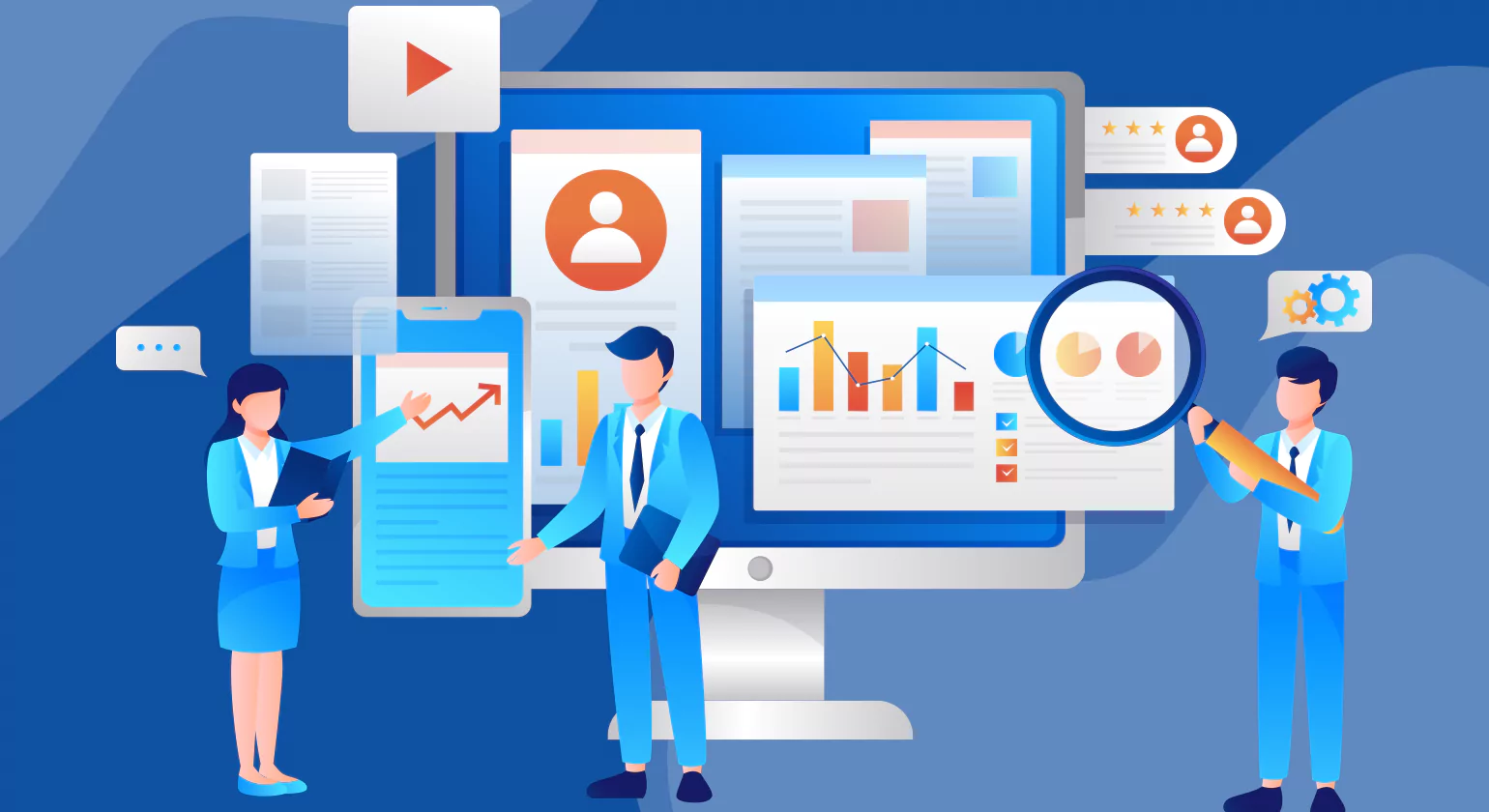
Customer Relationship Management (CRM) plays a pivotal role in the success of businesses across various industries. Here’s why it’s so important:
1. Enhanced Customer Relationships
CRM systems allow businesses to build stronger relationships with their customers by storing detailed information about them. This enables personalized interactions, tailored marketing campaigns, and better understanding of customer needs.
2. Improved Customer Service
custom crm development services offer businesses the ability to track customer interactions, inquiries, and issues more effectively. This customization enables businesses to tailor their CRM platform to their specific needs and workflows, resulting in even quicker response times, efficient resolution of problems, and overall improved customer satisfaction.
3. Increased Sales
CRM systems help businesses identify sales opportunities, track leads, and manage the sales pipeline efficiently. By analyzing customer data, businesses can target the right customers with the right products or services, leading to increased sales and revenue.
4. Streamlined Processes
crm software development services also focus on centralizing customer data and automating key tasks within CRM systems, such as lead management, email marketing, and follow-up reminders. By implementing these automation features, businesses can further streamline their processes, minimize manual effort, and enhance efficiency in managing customer interactions. This automation not only saves time but also ensures consistency in communication and engagement with customers across various touchpoints, ultimately contributing to improved customer satisfaction and loyalty.
5. Data-driven Insights
By analyzing customer data stored in CRM systems, businesses can gain valuable insights into customer behavior, preferences, and trends. These insights enable informed decision-making, product development, and marketing strategies.
6. Better Collaboration
CRM systems facilitate collaboration among different departments within an organization, such as sales, marketing, and customer support. By sharing customer data and communication history, teams can work together more effectively to provide a seamless customer experience.
7. Customer Retention
With CRM, businesses can proactively engage with customers, anticipate their needs, and provide personalized offers or solutions. This helps in building customer loyalty and increasing retention rates, ultimately leading to long-term profitability.
Overall, CRM is not just a software solution but a strategic approach to managing customer relationships throughout the entire customer lifecycle. Businesses that prioritize CRM are better equipped to meet customer expectations, drive growth, and stay ahead of the competition.
Key Features of CRM Development Services

A well-developed Customer Relationship Management (CRM) system empowers businesses by centralizing customer data, automating workflows, and enhancing communication. With support from expert dynamics crm development services, along with guidance from a reliable crm software development company, businesses gain a stronger foundation to streamline operations. Below are the key features that define a powerful CRM development service.
1. Contact & Lead Management
A CRM system allows businesses to store, track, and organize customer data, including contact details, interaction history, and preferences. It categorizes leads based on interest levels and buying intent, ensuring a structured approach to lead nurturing and conversion. Advanced CRM solutions also integrate AI-driven lead scoring to help sales teams prioritize high-value prospects.
2. Sales Automation
CRM solutions streamline the sales pipeline by automating routine tasks like follow-ups, email reminders, and appointment scheduling. Sales representatives can track deal progress, monitor key performance indicators (KPIs), and forecast revenue with real-time dashboards. Additionally, automated workflows reduce manual data entry, ensuring seamless sales processes.
3. Marketing Automation
With integrated marketing tools, CRM solutions and CRM Development Services enable businesses to run targeted campaigns, automate email marketing, and personalize customer interactions. Features like segmentation, A/B testing, and campaign performance analytics help marketers refine their strategies. Social media integration further enhances outreach by synchronizing engagement across multiple channels.
4. Customer Support
A robust CRM includes a dedicated customer support module that manages inquiries through ticketing systems, live chat, and AI-powered chatbots. It ensures quick resolution of customer issues by assigning tickets to the right agents, tracking resolution times, and maintaining communication logs. Self-service portals, FAQs, and knowledge bases further enhance customer experience.
5. Reporting & Analytics
Data-driven decision-making is crucial for business growth. CRM analytics provide insights into customer behavior, sales performance, and marketing effectiveness through real-time reports and dashboards. Customizable reporting features allow businesses to track conversion rates, churn rates, and revenue trends, ensuring informed strategic planning.
6. Workflow & Process Automation
CRM workflow automation eliminates repetitive tasks by setting predefined rules for approvals, lead assignments, and notifications. Businesses can create automated workflows for sales, marketing, and customer service, reducing operational inefficiencies and ensuring timely responses. Integration with AI enhances automation by offering predictive analytics and customer behavior forecasting.
7. Mobile Accessibility
Businesses seeking to streamline operations and foster stronger client connections should hire crm developers who can tailor robust solutions. CRM development services also include the creation of mobile applications that allow users to access CRM functionalities on-the-go, ensuring flexibility and productivity. By developing mobile-friendly interfaces and optimizing CRM features for various devices, users can conveniently manage customer relationships and tasks from anywhere, at any time. This mobile accessibility enhances user engagement and responsiveness, enabling teams to stay connected and productive even when away from the office.
8. Data Security & Compliance
With increasing data privacy concerns, CRM systems incorporate robust security measures like multi-factor authentication (MFA), role-based access control, and encryption. Compliance with GDPR, HIPAA, and other regulatory standards ensures customer data remains protected.
9. Scalability & Customization
A scalable CRM adapts to business growth by supporting additional users, features, and integrations. Customizable dashboards, modules, and APIs ensure the CRM aligns with specific industry requirements.
Steps in CRM Development services Process
Here are the steps in the Customer Relationship Management (CRM) development process:
1. Assessment and Planning
CRM development services begin by understanding the business requirements, goals, and objectives for implementing CRM. This involves assessing current systems, processes, and data infrastructure to identify gaps and opportunities for improvement.
2. Requirements Gathering
Engage with stakeholders to gather specific requirements for the CRM system. Identify key features, functionalities, and integrations needed.
3. Design
Develop a comprehensive design plan for the CRM system based on gathered requirements. This includes data model design, user interface design, and system architecture.
4. Development
Build the CRM system according to the design specifications. This involves coding, customization, configuration, and integration with other systems if required. During this phase, working closely with a CRM implementation consultant is beneficial. They can oversee the development process through crm development solutions, ensuring that the system is built according to industry best practices and aligned with the business objectives. Additionally, the consultant can provide guidance on integrating the CRM system seamlessly with existing systems and workflows using crm system development services, maximizing its efficiency and effectiveness.
5. Testing
Conduct thorough testing to ensure the CRM system functions as intended. This includes unit testing, integration testing, and user acceptance testing.
6. Deployment
Deploy the CRM system into the production environment. This may involve data migration, user training, and system documentation.
7. Training and Adoption
Provide training sessions for users to familiarize them with the CRM system. Encourage adoption by demonstrating the benefits and value it brings to their daily tasks, supported by CRM Development Services.
8. Maintenance and Support
Monitor the CRM system for any issues or updates. Provide ongoing support to users and make necessary enhancements or fixes as required.
9. Optimization and Iteration
Continuously evaluate the CRM system’s performance and effectiveness. Identify areas for improvement and iterate on the system to optimize its functionality and align with evolving business needs.
10. Feedback Collection
Gather feedback from users about their experience with the CRM system. Use this feedback to make informed decisions for future enhancements or updates.
Technologies Used in CRM Development
In Customer Relationship Management (CRM) development, a variety of technologies are employed to create efficient and effective systems for managing customer interactions and data. Here are some key technologies commonly used:
1. Databases
CRM development services also involve selecting and implementing appropriate databases to serve as the backbone of CRM systems. As part of dynamics crm development services, relational databases such as MySQL, PostgreSQL, or Oracle are commonly utilized for structured data storage, while NoSQL databases like MongoDB may be employed for handling unstructured data such as social media interactions or customer feedback. By choosing the right database technology, CRM development teams ensure efficient storage, retrieval, and management of customer information, facilitating seamless interactions and insights across the organization.
2. Programming Languages
Various programming languages are utilized for CRM development, including:
- Java: Often used for building robust enterprise-level CRM applications.
- C#: Popular for developing CRM solutions on the Microsoft Dynamics platform.
- JavaScript: Essential for front-end development and interactive features in web-based CRMs.
- PHP: Commonly used for building web applications, including CRM systems.
- Python: Custom CRM systems are increasingly utilized for their simplicity and versatility, especially in data processing and analysis within CRM systems. This trend underscores the importance of tailoring CRM solutions to match the unique requirements of businesses, enabling them to harness the power of data for informed decision-making and enhanced customer relationship management.
3. Web Development Frameworks
Frameworks streamline development by providing pre-built components and tools. Some examples include:
- Ruby on Rails: Used for rapid development of web applications, including CRMs.
- Django: A Python framework known for its scalability and security, suitable for CRM development.
- ASP.NET: Ideal for building CRM solutions integrated with Microsoft technologies.
4. APIs (Application Programming Interfaces)
Application Programming Interfaces enable communication between different software systems, allowing CRM platforms to integrate with other applications such as email clients, marketing automation tools, and social media platforms. When implementing a CRM system, consulting with a CRM implementation consultant is crucial. They can provide expertise in leveraging APIs effectively, facilitating seamless integration between the CRM platform and other software systems. This ensures that the CRM system becomes a central hub for managing customer data and interactions across various channels, enhancing overall efficiency and productivity.
5. Cloud Computing Platforms
Cloud services like Amazon Web Services (AWS), Microsoft Azure, or Google Cloud Platform (GCP) provide scalable infrastructure for hosting CRM applications, offering benefits like high availability, scalability, and cost-effectiveness.
6. CRM Platforms and Tools
crm software development services also encompass the customization and integration of established CRM platforms such as Salesforce, Microsoft Dynamics 365, or Zoho CRM. By leveraging the pre-built functionalities and customization options offered by these platforms, businesses can expedite the development process while tailoring the CRM system to their specific needs and workflows. CRM development teams work to seamlessly integrate these platforms with existing systems and processes, ensuring a cohesive and efficient solution that meets the unique requirements of the business.
7. Machine Learning and AI
Advanced CRM systems may incorporate machine learning algorithms for predictive analytics, sentiment analysis, and personalized recommendations, enhancing customer interactions and decision-making processes.
8. Mobile Development Technologies
With the increasing reliance on mobile devices, CRM systems often include mobile applications. Technologies like Swift for iOS and Kotlin for Android are used for native development, while React Native and Flutter support cross-platform solutions, enhancing modern CRM development services.
9. Security Technologies
Given the sensitive nature of customer data, security technologies such as encryption, authentication mechanisms, and access controls are crucial components of CRM systems to ensure data privacy and protection against cyber threats.
By leveraging these technologies, developers can create powerful CRM solutions tailored to the specific needs of businesses, including private equity CRM, improving customer satisfaction and driving business growth.
Customization and Integration in CRM Development Services
When discussing customization and integration, it’s important to delve into the various aspects and benefits of each. Customization allows for the fine-tuning and adaptation of tools, processes, or solutions to precisely match the unique needs and preferences of users or organizations. This may involve adjusting settings, adding new features, or even developing entirely bespoke solutions from scratch. By tailoring these elements, individuals and businesses can optimize their workflows, enhance user experiences, and address specific challenges more effectively.
Different components, systems, or technologies must work together seamlessly. This is a core focus of dynamics crm development services, ensuring that disparate tools, software applications, or hardware devices operate smoothly and efficiently. Integration efforts often involve establishing connections, building interfaces, or implementing middleware to facilitate communication and data exchange. The goal is to create a unified ecosystem where all elements complement each other rather than function in isolation.
By combining customization and integration effectively, organizations can unlock numerous benefits. They can streamline workflows, improve productivity, and enhance operational efficiency by leveraging tailored solutions that seamlessly integrate with existing infrastructure. Moreover, customized and integrated systems are often more adaptable and scalable, allowing businesses to evolve and grow without being constrained by off-the-shelf solutions or compatibility issues.
CRM development services also emphasize customization and integration as crucial components in optimizing processes, enhancing user experiences, and driving innovation within CRM systems. By understanding and leveraging these concepts, individuals and organizations can unlock new possibilities and stay ahead in today’s dynamic and competitive landscape. Customization allows for tailoring CRM solutions to specific business needs, while integration ensures seamless collaboration between different systems and departments, fostering efficiency and innovation across the organization.
CRM Development Best Practices

Here are some best practices for CRM (Customer Relationship Management) development:
1. Define Clear Objectives
Before starting CRM development, clearly define your objectives and what you aim to achieve with the CRM system. This could include improving customer service, increasing sales, or streamlining processes. Consulting with a CRM implementation consultant during this phase is essential. They can assist in identifying and prioritizing objectives, ensuring that the CRM system is designed and implemented to effectively meet the specific goals of the business. Additionally, the consultant can provide insights into best practices and industry standards, helping to optimize the CRM strategy for maximum impact and return on investment.
2. User-Centric Design
CRM development services prioritize designing the CRM system with end-users in mind, ensuring it is intuitive, easy to navigate, and addresses the specific needs of different user roles within the organization. By conducting user research and gathering feedback throughout the development process, CRM development teams can tailor the user interface and functionalities to match the preferences and workflows of diverse user groups. This user-centric approach enhances user adoption and satisfaction, ultimately leading to increased productivity and effectiveness in managing customer relationships.
3. Customization and Flexibility
Every business has unique requirements, so it’s crucial to ensure that the CRM system is customizable to adapt to your specific workflows and processes. This flexibility will allow you to tailor the system to fit your exact needs, particularly when opting for custom CRM systems supported by crm development solutions. Customization empowers businesses to align their CRM platform precisely with their operations through crm system development services, maximizing efficiency and effectiveness in managing customer relationships.
4. Data Quality and Integration
Data is the lifeblood of any CRM system. Ensure data quality by implementing validation rules, data cleansing processes, and regular data audits. Also, integrate the CRM system with other relevant systems (such as ERP or marketing automation platforms) to ensure seamless data flow across the organization.
5. Mobile Accessibility
In today’s mobile-first world, make sure the CRM system is accessible from mobile devices. This allows your team to access critical customer information and update records on the go, improving productivity and responsiveness.
6. Training and Support
CRM development services also encompass providing comprehensive training to users to ensure they understand how to effectively utilize the CRM system. Additionally, offering ongoing support is essential to address any issues or questions that may arise after implementation. This continuous support mechanism ensures that users feel confident in using the CRM system and can maximize its benefits to streamline processes, enhance productivity, and foster better customer relationships over time.
7. Security and Compliance
Protect customer data by implementing robust security measures, such as encryption, access controls, and regular security audits. Also, ensure compliance with relevant regulations, such as GDPR or CCPA, to avoid legal issues.
8. Continuous Improvement
CRM development is an ongoing process. Continuously gather feedback from users and stakeholders, and use this feedback to make iterative improvements to the system over time.
9. Performance Monitoring
Monitor the performance of the CRM system regularly to identify any bottlenecks or areas for optimization. This includes monitoring system uptime, response times, and user adoption rates.
10. Scalability
Plan for future growth by ensuring the CRM system is scalable to accommodate an increasing number of users, customers, and data volumes. This may involve choosing a cloud-based CRM solution or implementing scalable architecture.
By following these best practices, you can ensure that your CRM development project is successful and delivers value to your organization.
Challenges in CRM Development
Developing a CRM (Customer Relationship Management) system comes with several challenges, ranging from technical complexities to user adoption. Here are some common challenges faced in CRM development, especially when seeking reliable CRM software development services:
1. Data Integration
CRM development services also involve integrating CRM systems with various data sources such as sales, marketing, and customer support platforms. Ensuring seamless data flow and consistency across these systems can be challenging, particularly when dealing with disparate data formats and structures. CRM development teams employ strategies such as data mapping, transformation, and synchronization to harmonize data from different sources, facilitating accurate reporting, analysis, and decision-making. By addressing these integration challenges, businesses can leverage a unified view of customer information and interactions, enabling more effective engagement and relationship management.
2. Scalability
As businesses grow, their CRM needs also scale accordingly. Designing a CRM system that can handle increasing amounts of data, users, and transactions without compromising performance is crucial but can be technically challenging.
3. Customization
Every business has unique processes and requirements. Developing a CRM system that can be easily customized to accommodate different workflows, user roles, and business rules while maintaining simplicity and usability is a significant challenge.
4. User Adoption
Even the most feature-rich CRM system will fail if users resist adopting it. Ensuring a user-friendly interface, providing adequate training and support, and aligning the CRM with the daily tasks and goals of end-users are critical for successful adoption, especially in the case of custom CRM systems. Custom solutions can be tailored to match user preferences and workflows precisely, making them more intuitive and easier to integrate into existing processes. This customization enhances user satisfaction and encourages widespread adoption throughout the organization.
5. Data Security and Privacy
CRM systems store sensitive customer data, making security a top priority. Implementing robust security measures to protect data from unauthorized access, breaches, and cyber threats while complying with data privacy regulations adds complexity to CRM development. Consulting with a CRM implementation consultant is crucial in this regard. They can provide expertise in designing and implementing security protocols tailored to the specific needs of the business, ensuring that the CRM system meets industry standards and regulatory requirements. Additionally, the consultant can conduct security assessments and provide recommendations for ongoing monitoring and updates to mitigate evolving threats effectively.
6. Mobile Compatibility
With the increasing trend of remote work and mobile usage, ensuring that the CRM system is accessible and functional across various devices and platforms, including smartphones and tablets, is essential but challenging due to differences in screen sizes, resolutions, and operating systems.
7. Integration with Third-party Tools
CRM development services also encompass integrating third-party tools and services seamlessly with the CRM system to provide a unified user experience. This process requires careful planning and implementation to ensure smooth interoperability between the CRM platform and external tools used for functions such as email marketing, accounting, and analytics. By facilitating seamless integration, CRM development teams enable businesses to leverage the full capabilities of their preferred tools while centralizing data and workflows within the CRM environment. This integration enhances efficiency, improves collaboration, and empowers users with comprehensive insights for more informed decision-making and effective customer engagement.
8. Analytics and Reporting
Effective decision-making relies on accurate data analysis and reporting. Developing robust analytics and reporting capabilities within the CRM system to provide insights into customer behavior, sales performance, and trends can be complex, especially when dealing with large datasets.
9. Cost Management
Developing a CRM system involves significant investment in terms of time, resources, and money. Balancing the cost of development with the expected benefits and ROI while avoiding scope creep and budget overruns is a constant challenge for project managers and stakeholders.
10. Adapting to Changing Requirements
CRM development services must address the challenge of developing systems that can adapt to evolving business needs and market dynamics. This entails designing flexible architectures and employing scalable technologies that allow for seamless updates and enhancements over time. By adopting an agile approach to development, CRM development teams can iteratively improve and refine CRM systems in response to changing requirements, technologies, and industry trends without the need for a complete overhaul. This continuous evolution ensures that CRM solutions remain relevant and effective in meeting the ever-changing demands of businesses and their customers.
Conclusion
CRM development is a critical component of modern business strategy, enabling companies to effectively manage customer relationships, drive sales, and enhance operational efficiency. By understanding the importance of CRM, leveraging key features, following best practices, and embracing emerging trends, businesses can stay competitive and deliver exceptional customer experiences in the digital age.
Read More >>>
50 Essential Virtual Assistant Tools in 2026
What Does a CRM Specialist Do? Key Roles & Essential Skills
FAQ's
1. What are the main features to look for in CRM development services?
Look for contact & lead management, customizable pipelines, activity tracking, automated tasks, omnichannel messaging (email/chat/phone), analytics dashboards, role-based access, mobile apps, AI lead scoring, robust API/webhooks, data import/export, scalability and SLA-backed support—prioritize UX and deep customization for growth. Priority: UX, scalability, measurable ROI.
2. How does CRM development improve business workflow automation?
CRM development automates lead capture, intelligent routing, follow-up tasks, multi-step nurtures, quote/invoice generation and SLA alerts. It codifies sales processes, triggers cross-system actions to eliminate manual handoffs, speeds responses, reduces errors, shortens sales cycles and frees teams to focus on high-value customer work. Priority: UX, scalability, measurable ROI.
3. How do CRM development services ensure data security and privacy?
They implement role-based access, end-to-end encryption, SSO/MFA, audit trails, data anonymization, secure backups, tenant isolation for SaaS and compliance mapping (GDPR/CCPA). Secure APIs, penetration testing, regular vulnerability scans and privacy-by-design practices help meet regulations while protecting sensitive customer data and reputation. Priority: UX, scalability, measurable ROI.
4. What are the key challenges in CRM software development?
Challenges include messy legacy data and migration, poor user adoption, complex integrations with ERP or legacy systems, scope creep, performance at scale and strict regulatory demands. Mitigate by clear requirements, modular architecture, automated testing, CI/CD, phased rollouts, comprehensive documentation and ongoing user training with feedback loops. Priority: UX, scalability, measurable ROI.
5. How do CRM development services integrate with other business tools and platforms?
Integration uses REST/GraphQL APIs, webhooks, middleware or iPaaS connectors and prebuilt adapters for ERP, marketing, e-commerce and helpdesk. Best practices: bi-directional sync, canonical data models, idempotent webhooks, event-driven pipelines, mapping for data consistency and monitoring to preserve a single source of truth and enable real-time automation. Priority: UX, scalability, measurable ROI.
6. How much does it cost to build a custom CRM versus using standard solutions?
Custom CRM costs vary: small bespoke projects often start around $25k–$50k, mid-market $50k–$150k, enterprises $150k+. Off-the-shelf SaaS ranges from free tiers to $100+/user/month. Compare total cost of ownership, customization needs, integration effort, recurring fees, support and time-to-value before choosing custom build or standard solution. Priority: UX, scalability, measurable ROI.
7. What industries benefit most from custom CRM development?
Industries that benefit most: SaaS and tech firms, B2B professional services, real estate, finance and insurance, healthcare, retail/e-commerce, hospitality and manufacturing—especially where complex pipelines, regulatory compliance or vertical workflows exist. Tailored automation, reporting and integrations deliver the highest ROI and competitive differentiation. Priority: UX, scalability, measurable ROI.
8. How can CRM development services enhance customer analytics and reporting?
CRM enhances analytics by centralizing event logs, enabling customizable dashboards, funnel and cohort analysis, LTV and churn metrics, multi-touch attribution and predictive lead scoring. Embedding ETL/BI connectors and AI-powered insights produces exportable KPIs, anomaly detection and revenue forecasting to support faster, data-driven decisions across teams. Priority: UX, scalability, measurable ROI.
9. What is the difference between CRM consulting and CRM development services?
CRM consulting defines strategy, process design, vendor selection, ROI modeling and change management to align CRM with business goals and adoption. CRM development builds the technical solution: UI/UX, integrations, APIs, workflows, testing and deployment. Consulting answers the “why” and adoption plan; development delivers the “how” implementation. Priority: UX, scalability, measurable ROI.
10. What are the common challenges in CRM development and how can they be addressed?
Common CRM development challenges include messy legacy data, low user adoption, complex third-party integrations, security compliance demands and performance issues at scale. These can be solved through clear requirements, phased migration, strong UI/UX design, role-based training, modular architecture, automated testing, and continuous feedback to keep the CRM aligned with business needs.