Table of Contents
Introduction
In today’s highly competitive digital landscape, businesses must stay ahead of the curve with a modern and engaging online presence. One of the key components to achieving this is having a team of skilled frontend developers who specialize in creating visually appealing, user-friendly interfaces. If you’re looking to hire frontend developers, you’re investing in a critical aspect of web development that influences user engagement, satisfaction, and ultimately, business success.
What is Front-End Development?
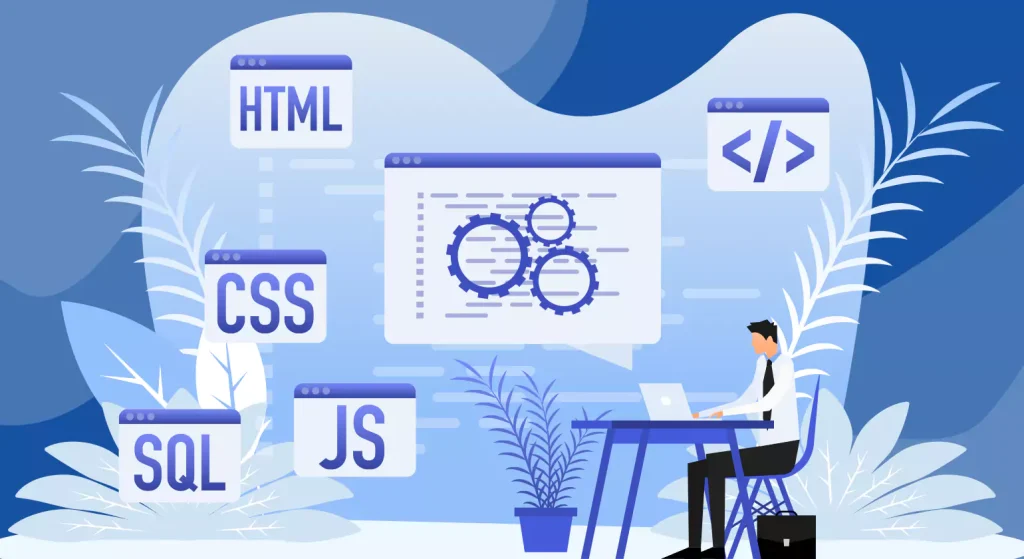
Hiring frontend developers means bringing on experts who build the visible and interactive parts of your website or web app. They create the layout, structure, and behavior of pages, ensuring buttons, forms, and other elements are easy to use, responsive, and fully functional on all devices.
Talking of frontend development services, they usually focus on building the client side of websites and applications. This includes everything that users see and interact with, such as text, images, menus, and navigation tools. Technologies like HTML (for structure), CSS (for design), and JavaScript (for interactivity) are essential for creating engaging and responsive web pages.
When you hire frontend developers, you’re ensuring that your website or application delivers a visually appealing, functional, and user-friendly experience that effectively engages visitors and enhances overall performance.
Importance of Hiring Skilled Front-End Developers
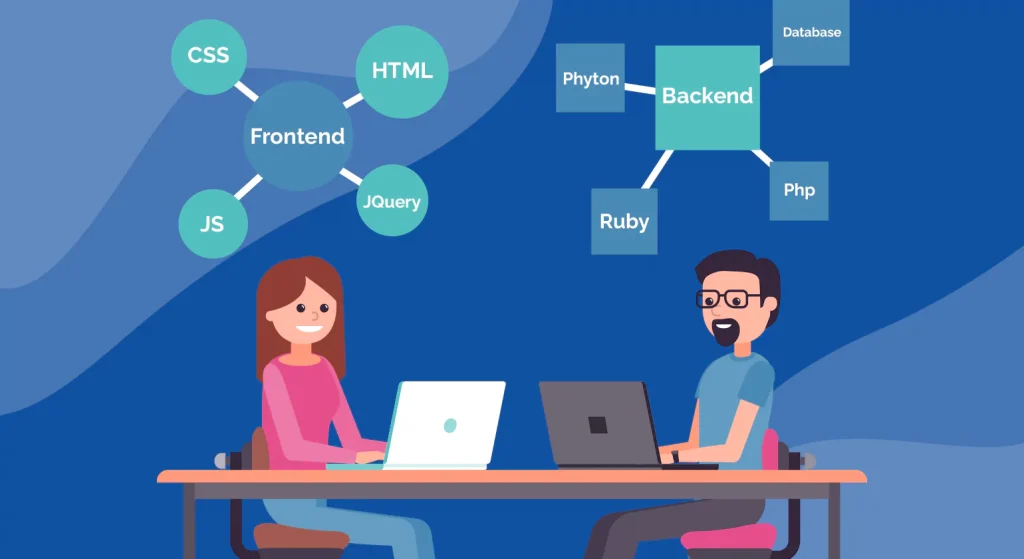
A LinkedIn Workforce Report from 2023 identified frontend development as one of the top five most in-demand technology roles worldwide. Hiring skilled front-end developers ensures that your website makes a strong, positive first impression on users, which directly influences user engagement and conversion rates. They create visually appealing, responsive designs that enhance usability across devices. By optimizing site performance and implementing intuitive navigation, skilled developers keep visitors engaged longer, reduce bounce rates, and ultimately drive higher customer satisfaction and business growth.
Professionals offering hire frontend developers utilize modern technologies like React, Angular, and Vue.js to build responsive, dynamic websites that function well across all devices and browsers. They focus on creating intuitive user interfaces, optimizing performance, and ensuring seamless user experiences. By implementing best practices in UI/UX design, they enhance accessibility, improve loading times, and maintain cross-platform compatibility for maximum reach and engagement.
Hiring expert front-end developers ensures your website delivers a smooth, fast, and visually appealing experience across all devices. They optimize code, improve load speeds, and create seamless, responsive designs that keep users engaged. This reduces bounce rates, enhances user satisfaction, and boosts conversion rates, ultimately supporting your business growth and online reputation.
How to Hire Frontend Developers?
Hiring the right frontend developer is crucial for the success of your project. A skilled frontend developer can create a seamless and visually appealing user experience. Here’s how you can find the perfect match:
1. Assess Your Project Requirements
Before hiring, clearly define your project’s scope and objectives. Determine whether you need a developer for a simple website or a complex web application. Understanding your project’s technical requirements will help you find a developer with the right skills, experience, and expertise to meet your needs effectively.
2. Look for Relevant Experience
Choose hire frontend developers with experience in the specific technologies and frameworks that align with your project. Common tools include HTML, CSS, JavaScript, React, Angular, and Vue.js. When you hire AngularJS developer, ensure they have a strong portfolio showcasing projects similar to yours, as this demonstrates their ability to deliver high-quality work.
3. Evaluate Problem-Solving and Creativity
Frontend development often requires creative problem-solving to deliver unique, user-friendly designs. Look for developers who not only have technical expertise but also demonstrate creativity in their design approach. Evaluate their portfolio and ask how they tackled specific challenges to gauge their problem-solving skills.
4. Check Communication Skills
Clear communication is key to a successful project. Ensure the frontend developer can articulate their ideas clearly, understand your requirements, and collaborate effectively with your team. Good communication helps avoid misunderstandings and ensures the project runs smoothly, especially if you’re working remotely.
5. Assess Cultural Fit
A developer’s ability to fit within your team’s culture and work ethic is vital for long-term collaboration. Consider factors such as their approach to teamwork, time management, and adaptability. A developer who aligns with your company’s values and processes will contribute positively to the overall project environment.
6. Review Past Client Testimonials
Client reviews and testimonials provide insight into a developer’s work ethic, quality, and professionalism. Ask for references or check online platforms to gather feedback from previous clients. Positive testimonials indicate that the developer can deliver on time, within budget, and to your satisfaction.
10 Benefits of Hiring Professional Front-End Development Services

According to the U.S. Bureau of Labor Statistics, there are 214,900 web developer job openings projected for 2024, showing that companies across industries are actively seeking skilled professionals to build and maintain their online presence. Therefore, investing in professional front-end development services gives a wide array of benefits that help businesses create a strong online presence and deliver exceptional user experiences. Whether you’re building a website from scratch or upgrading an existing one, hiring skilled front-end developers can significantly impact the overall success of your project.
This is particularly true when combined with effective frontend and backend web development, as it ensures that both the user interface and server-side functionality work seamlessly together. Below are the key benefits of utilizing professional front-end development services.
1. Enhanced User Experience (UX)
A major advantage of hiring frontend developers is their ability to create intuitive, user-friendly websites that prioritize user experience (UX). Professional front-end developers are skilled in designing interfaces that are easy to navigate, aesthetically pleasing, and responsive. By focusing on the needs of the user, they help businesses retain visitors and encourage them to engage with the content, products, or services offered on the site.
2. Improved Performance and Load Times
One critical benefit of frontend development services is optimizing website performance. Front-end developers use techniques such as optimizing images, reducing file sizes, and minimizing server requests to improve site speed. Faster load times are crucial for retaining users, as slow websites can drive visitors away. Additionally, improved performance positively impacts your site’s SEO rankings, leading to better visibility on search engines.
3. Responsive Design Across Devices
With the increasing variety of devices, having a responsive website is no longer optional—it’s a necessity. This is the reason to hire front end web developers to ensure that your websites automatically adjust to different screen sizes, providing a seamless experience on desktops, tablets, and smartphones.
This is particularly important given the rising trend of mobile browsing. Responsive design enhances usability, increases time on site, and ensures that your brand is accessible to a broader audience. This approach to frontend and backend web development guarantees that both the design and functionality of your site work harmoniously across all devices, delivering a cohesive and effective user experience.
4. Cross-Browser Compatibility
Ensuring that your website works across all major browsers is another benefit of professional front-end development services. Front-end developers test websites for cross-browser compatibility, ensuring that they render correctly and maintain functionality across browsers like Chrome, Firefox, Safari, and Edge.
This broadens your website’s reach and guarantees that all users, regardless of their preferred browser, enjoy a consistent and smooth experience. Effective frontend and backend web development further supports this compatibility by ensuring that server-side processes and client-side designs are fully integrated, enhancing the overall performance and user experience across different platforms.
5. Better SEO Performance
A well-designed and optimized front-end can contribute significantly to better SEO performance. Front-end developers structure your website to be easily crawlable by search engines, ensuring that your content is indexed properly. Faster load times, mobile responsiveness, and well-organized HTML structure also improve the overall SEO performance of your site, helping it rank higher in search engine results pages (SERPs).
Effective frontend and backend web development ensures that these SEO optimizations are supported by a robust back-end, resulting in a comprehensive approach to improving your site’s visibility and performance.
6. Scalability and Flexibility
Professional hire frontend developers ensure that your website is built with scalability in mind. This means that as your business grows and evolves, your website can easily be updated or expanded without major overhauls. Front-end developers use modular, scalable code that can accommodate new features, products, or services, ensuring that your website remains flexible and future-proof.
7. Frontend and Backend Web Development
When you hire frontend and backend web development teams to work together, you benefit from a seamless integration of user-facing design and server-side functionality. Front-end developers work closely with back-end developers to ensure that the visual and interactive elements of your website are fully supported by the underlying infrastructure. This collaboration results in websites that are not only visually appealing but also technically sound and highly functional.
8. Improved Accessibility
Accessibility ensures that your website is usable by people with disabilities, including those with visual, auditory, motor, or cognitive impairments. Professional front-end developers implement inclusive design practices such as ARIA (Accessible Rich Internet Applications) labels, semantic HTML, and keyboard navigation to meet accessibility standards like WCAG (Web Content Accessibility Guidelines). They also optimize color contrasts, provide text alternatives for images, and enable screen reader compatibility. By prioritizing accessibility, you not only expand your audience but also demonstrate social responsibility and comply with legal requirements, such as ADA (Americans with Disabilities Act) guidelines, avoiding potential lawsuits and enhancing brand reputation.
9. Time and Cost Efficiency
Experts save time by delivering quality work with fewer errors. They possess the skills and experience to anticipate potential challenges, resolve issues proactively, and follow industry best practices to ensure a seamless development process. By writing clean, efficient code and using advanced tools and frameworks, they minimize debugging and rework, which can otherwise be time-consuming and expensive. Their ability to adhere to timelines ensures projects are completed on schedule, reducing downtime and enabling quicker launches. Moreover, professional front-end developers often work collaboratively with other teams, streamlining communication and ensuring that the end product aligns with your business goals and requirements.
10. Integration with Back-End Systems:
Seamless collaboration between front-end and back-end systems is the backbone of a successful web application. Professional front-end developers ensure that the user interface communicates effectively with the back-end infrastructure, enabling real-time data updates and flawless functionality. This synergy allows for dynamic content delivery, personalized user experiences, and streamlined operations, such as secure transactions or database interactions. By leveraging APIs and advanced frameworks, developers ensure that the front end and back end work harmoniously, minimizing errors and optimizing performance. A cohesive digital experience not only enhances user satisfaction but also builds trust and reliability, directly contributing to your business’s success and growth.
Frontend vs. Backend Development
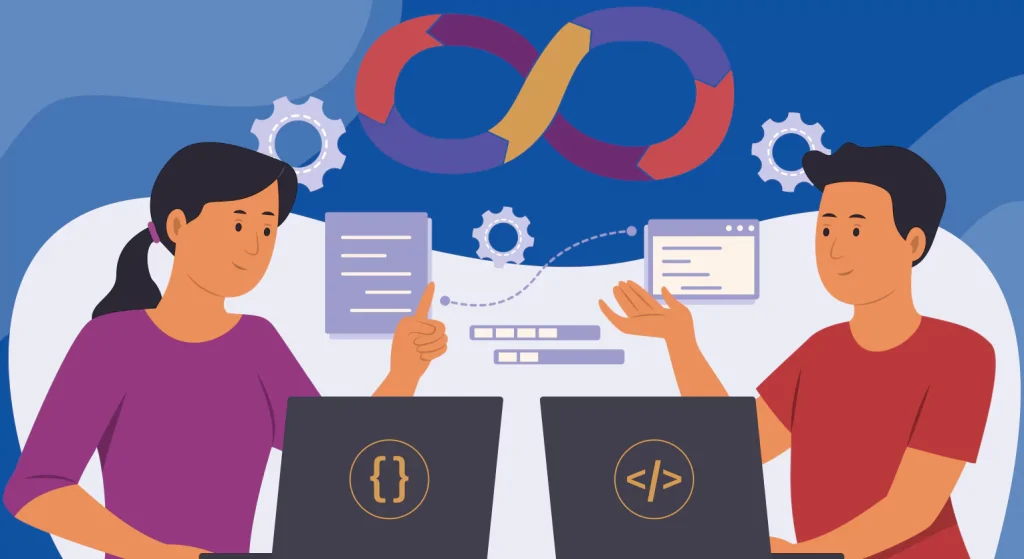
When building a website or web application, it’s essential to understand the distinction between frontend vs backend development. Both play vital roles in the functionality and appearance of any digital product, but they focus on different aspects of the development process. While the frontend is responsible for everything the user sees and interacts with, the backend handles the underlying processes and server-side logic that make the website function effectively. If you’re looking to enhance your user interface, consider hire dedicated front end developers who can ensure a seamless, engaging, and functional design.
What is Frontend Development?
Frontend development refers to the creation of the user-facing side of a website or application. This includes everything from the design and layout to the interactive elements like forms, buttons, menus, and navigation. Front-end developers use languages such as HTML, CSS, and JavaScript to build interfaces that are visually appealing, responsive, and user-friendly. They focus heavily on user experience (UX) and user interface (UI) design, ensuring that websites are intuitive and easy to use across all devices and browsers.
When you hire frontend developers, you’re engaging professionals who can bring design concepts to life and create engaging digital experiences that keep users coming back. The primary goal of frontend development is to ensure that the visual and interactive elements of the website meet the needs and expectations of users, creating an overall positive impression of the brand.
What is Backend Development?
In contrast, backend development is the engine that powers the front end. It deals with the server-side operations, databases, and application logic that allow websites to function. Backend developers are responsible for managing data, processing user requests, and ensuring that all components of a website or application work together seamlessly behind the scenes.
Technologies such as Python, Ruby, Node.js, PHP, and Java are commonly used in backend development to create and maintain the server-side logic of a website. Backend developers are also responsible for managing databases (e.g., MySQL, MongoDB) and APIs, which allow the frontend and backend to communicate effectively.
When you hire frontend developers, it’s important to ensure that they can work seamlessly with backend developers who use these technologies to integrate the front end with server-side operations, ensuring a smooth and functional user experience. To achieve this, it’s essential to hire dedicated hire front end developer with strong communication skills and expertise in front-end technologies that complement backend systems.
Key Differences Between Frontend and Backend Development
1. Focus Areas
- Frontend development focuses on the user interface (UI) and user experience (UX), designing the visible and interactive parts of the website.
- Backend development focuses on the server, databases, and the internal logic that supports the website’s operations.
2. Technologies
- Frontend development primarily uses HTML, CSS, JavaScript, and frontend frameworks like React, Angular, and Vue.js to create the visual elements of a website.
- Backend development relies on server-side languages like Python, PHP, Ruby, Java, and Node.js, along with databases such as MySQL, PostgreSQL, and MongoDB.
3. User Interaction
- Frontend developers work on creating an intuitive and responsive user experience, ensuring that the website is accessible and visually appealing across all devices and browsers.
- Backend developers ensure that the website’s server-side processes, databases, and internal logic operate smoothly, enabling the frontend to function effectively.
The Role of Front-End and Backend Development in Web Projects
In any web project, understanding the roles of front-end and backend development is essential for creating a successful and functional digital presence. Both hire frontend developers contribute to the overall functionality and user experience of a website or web application, but their responsibilities differ significantly. Let’s explore the critical roles of each and how they work together to bring a web project to life.
Lead magnet funnel is a crucial component of modern marketing strategies, designed to attract, engage, and convert potential customers by offering valuable incentives. Understanding what lead magnet funnel is and how it operates can significantly impact your lead generation efforts and overall marketing success.
The Role of Front-End Development
Front-end development is focused on the client-side of web projects—essentially everything that users see and interact with. Front-end developers are responsible for building the visual and interactive elements of a website, including:
User Interface (UI) Design
Creating layouts, buttons, forms, and navigation menus that are visually appealing, intuitive, and user-friendly. This includes using consistent color schemes, responsive design for all devices, clear calls to action, accessible elements for all users, and logical structure that guides users effortlessly through the interface, enhancing both usability and overall user experience.
User Experience (UX) Optimization
Ensuring that the website is intuitive, responsive, and provides a seamless experience across different devices and screen sizes is crucial for user engagement. Incorporating fast load times, accessible navigation, and adaptive design enhances usability, keeps visitors on the site longer, and reduces bounce rates, ultimately improving both user satisfaction and overall site performance.
Front-End Technologies
Using languages like HTML, CSS, and JavaScript, along with frameworks such as React, Angular, or Vue.js, to implement the design and functionality as intended. This includes creating responsive layouts, ensuring cross-browser compatibility, optimizing performance, integrating APIs, managing state, and enhancing user interactions to deliver a seamless and engaging user experience across devices.
When you hire frontend developers, you are investing in the creation of a website that engages users and meets their expectations in terms of design and usability. The goal of front-end development is to ensure that visitors have a positive interaction with your site, which can lead to higher engagement and conversion rates.
The Role of Back-End Development
Back-end development focuses on the server-side of web projects—the behind-the-scenes processes that ensure the website operates smoothly. Back-end developers handle:
Server-Side Logic
Writing code that processes requests, manages user authentication, handles data validation, interacts with databases, ensures security protocols, manages sessions, logs errors, and performs other server-side functions essential for delivering dynamic, responsive, and secure web applications. This includes implementing APIs, managing middleware, and optimizing backend performance to support seamless front-end interactions and maintain application scalability.
Database Management
Creating and maintaining databases that store data such as user information, product details, and transaction records is essential for ensuring efficient data retrieval, consistency, and security. These databases support various applications, enable real-time analytics, and help businesses make data-driven decisions. Proper database management also ensures scalability, performance optimization, and compliance with data protection regulations.
APIs and Integration
Developing APIs (Application Programming Interfaces) that allow the front-end and back-end to communicate seamlessly, while also ensuring secure data transmission and efficient request handling. This includes designing RESTful or GraphQL APIs, implementing authentication mechanisms like OAuth, and integrating third-party services such as payment gateways, cloud storage, analytics platforms, or external databases to enhance overall functionality and user experience.
Back-end developers use server-side languages like Python, Ruby, PHP, Java, and Node.js, along with database systems such as MySQL, PostgreSQL, and MongoDB. Their role is crucial for ensuring that data is processed efficiently and that the application runs smoothly without errors. When you hire frontend developers, it’s important to ensure that they can work effectively with these back-end technologies to create a seamless and fully functional web experience.
Synergy Between Front-End and Backend Development
The collaboration between front-end and back-end web development teams is essential for a successful web project. The front end and back end must work together to ensure that the user interface and server-side operations are integrated seamlessly. For example, a hire front end developer for hire can collaborate with back-end developers to ensure that data flows correctly from the server to the user interface, creating a smooth and functional user experience. This teamwork is key to developing websites or applications that are both visually appealing and technically robust.
- When a user submits a form on the front end, the back end processes the data, interacts with the database, and returns a response to the user.
- The front end must display data received from the back end in a user-friendly manner, ensuring that information is presented accurately and attractively.
How Front-End and Backend Development Collaborate for Optimal Results

Effective collaboration between front-end and back-end development is essential for creating a seamless and high-performing website or web application. Both front-end and back-end developers play crucial roles in the development process, but their efforts must be harmonized to achieve optimal results. A hire front end developer for hire can work closely with back-end developers to ensure smooth integration of design, functionality, and data handling, delivering a cohesive and functional digital product. By aligning their goals, they create an intuitive user experience while maintaining robust performance and scalability.
Integration of User Interface and Server-Side Functionality
Front-end development focuses on building the user interface (UI) and user experience (UX). This includes designing layouts, interactive elements, and ensuring responsiveness across devices. On the other hand, backend development manages the server-side logic, database interactions, and application processing. The key to optimal results lies in how well these two areas integrate:
Data Flow
Front-end developers create forms and user interfaces that collect data from users, such as login credentials or form submissions. Backend developers process this data, interact with the database, and return the necessary information to the front end.
For instance, when a user submits a contact form, the back end handles the storage and retrieval of this data, while the front end provides feedback to the user. When you hire frontend developers, ensure they are skilled in designing and implementing effective data collection interfaces that integrate seamlessly with backend processes to provide a smooth user experience.
API Integration
Front-end and back-end teams often use Application Programming Interfaces (APIs) to facilitate communication between the client-side and server-side components. APIs allow the front end to request data from the back end and display it in a user-friendly format. For example, an e-commerce site may use APIs to fetch product details and prices from the back end to display on the product pages.
Ensuring Consistency and Performance
Successful collaboration ensures that the website or application is both visually consistent and high-performing:
Consistent Design and Functionality
Front-end developers design the interface according to the user’s needs and expectations, while back-end developers ensure that the underlying functionality supports these design choices. Consistency between the front end and back end is crucial for providing a unified user experience.
When you hire frontend developers, make sure they are adept at collaborating with back-end teams to ensure that the design and functionality align perfectly, delivering a cohesive and effective web experience.
Performance Optimization
Both front-end and back-end teams contribute to optimizing performance. Front-end developers focus on minimizing load times by optimizing assets and reducing the number of server requests. Back-end developers enhance performance by optimizing server responses, managing efficient database queries, and handling scalability. This collaborative effort ensures that the site loads quickly and performs well under various conditions.
Error Management
Error Handling
Front-end and back-end developers need to work together to handle errors gracefully. When an error occurs, such as a failed login attempt or a broken API call, both teams must ensure that appropriate error messages are displayed to the user and that the issue is addressed promptly on the server side.
Debugging
Both front-end and back-end developers collaborate in debugging processes. Front-end developers test the UI and interactions to identify issues, while back-end developers investigate server-side logs and data handling problems. Joint debugging efforts ensure that issues are resolved quickly and efficiently.
Where to Find Front-End Developers
When it comes to finding the right front-end developers, it’s crucial to understand what makes a developer exceptional in this field. Hire dedicated front end developer hire who can effectively transform your vision into a functional, user-friendly website. Look for expertise in HTML, CSS, JavaScript, and popular frameworks like React or Angular. Strong problem-solving skills, attention to detail, and a deep understanding of user experience (UX) are also important. With the right team, you can achieve a seamless digital product that aligns with your business goals.
Job Boards and Recruitment Sites
Use platforms like LinkedIn, Indeed, and Glassdoor to find qualified front-end developers. These sites let you post job openings and review applicants’ resumes and portfolios.
Freelance Platforms:
For short-term or project-based work, consider Upwork, Freelancer, or Toptal. These platforms offer access to skilled front-end developers for specific tasks or projects, providing flexibility and expertise without long-term commitments. They are ideal for obtaining specialized frontend development services tailored to your needs.
Tech Meetups and Conferences
Attend industry events to network with front-end developers. These gatherings provide opportunities to connect with professionals, learn about their skills, and discuss potential collaboration.
Evaluating Front-End Developer Candidates
Review portfolios to assess work and design style. Conduct technical interviews or coding tests to evaluate proficiency in frontend development services and problem-solving abilities. Also, consider communication skills and team collaboration to ensure a good project fit.
Conclusion
In today’s competitive digital landscape, understanding the nuances of front-end vs backend development and recognizing the critical role each plays is essential for the success of any web project. Whether you are looking to hire frontend developers or seeking to understand the value of frontend development services, having a clear grasp of these concepts will help you make informed decisions and build a robust online presence.
Know more>>10 Types of Backend Development Services
10 Steps to Master Custom Web Application Development
FAQs
1. What tools do front-end developers commonly use?
Front-end developers commonly use tools like Chrome DevTools for debugging, Visual Studio Code for coding, and Git for version control to streamline their workflow.
2. How do front-end developers ensure cross-browser compatibility?
They test websites on multiple browsers and devices, using tools like BrowserStack to identify and fix compatibility issues, ensuring consistent user experiences.
3. Why is responsive design important in front-end development?
Responsive design is crucial as it allows websites to adapt to various screen sizes, enhancing usability and accessibility across devices, which improves user engagement.
4. What are the key differences between frontend and backend developers?
Front-end developers focus on the visual aspects and user interactions of a website or application, using HTML, CSS, and JavaScript. Backend developers handle server-side logic, databases, and application functionality, typically using languages like Python, Java, or PHP. Both roles collaborate to build a functional web experience.
5. What are the essential tools a front-end developer should know?
Essential tools include HTML5 Boilerplate for templates, Bootstrap for responsive design, and JavaScript frameworks like React or Angular for building dynamic applications.
6. How to hire front end developer?
To hire a front-end developer, define your project needs, look for candidates with strong HTML, CSS, JavaScript skills, and relevant frameworks experience. Conduct thorough interviews, assess portfolios, and evaluate their problem-solving and communication abilities.
7. What are the benefits of outsourcing frontend development?
Outsourcing frontend development offers cost efficiency, access to global talent, faster time-to-market, and scalability. It allows businesses to focus on core activities while leveraging specialized expertise for high-quality results.
8. What are the common challenges when hiring frontend developers?
Challenges include finding developers with the right technical skills, aligning on project expectations, ensuring effective communication across time zones, and managing quality control. Additionally, a strong understanding of modern tools and frameworks is crucial.
9. How important is knowledge of UX/UI design for a frontend developer?
Knowledge of UX/UI design is essential for frontend developers as it ensures user-centric designs, enhancing website usability and user experience. A developer with design skills can bridge the gap between functionality and aesthetics effectively.