Table of Contents
Introduction
In today’s highly competitive digital landscape, businesses aiming for global reach must adopt a strategic approach to search engine optimization. Global SEO services play a crucial role in enhancing a brand’s organic search visibility across multiple countries and languages, helping businesses attract international customers and drive traffic from diverse regions.
Unlike traditional SEO, which focuses on a specific geographic location, global SEO service involve implementing strategies that cater to different regions, search engines, and languages. Search engines like Google, Bing, and Baidu have varying ranking factors depending on the country, making it essential to customize your SEO efforts for each target market. This involves optimizing for multilingual keywords, implementing hreflang tags, using country-specific domain structures, and understanding cultural search behaviors.
What Are Global SEO Services?

In the digital-first era, businesses seeking to expand beyond their local markets must invest to reach international audiences effectively. Unlike traditional SEO, which focuses on ranking within a specific country or region, global SEO optimizes a website for multiple countries and languages, ensuring visibility across various Global SEM Services worldwide. This strategy allows businesses to attract potential customers from different geographic locations, enhancing brand awareness and increasing global conversions.
At its core, global SEO Consultancy involves several critical components, including multilingual keyword optimization, country-specific domain structures, and localized content creation. Since search behaviors, cultural preferences, and ranking factors vary from one region to another, businesses must tailor their SEO approach to fit each target market. This includes using region-specific keywords, implementing hreflang tags for language targeting, and ensuring compliance with international regulations like GDPR. Utilizing a robust global SEO platform can also streamline these efforts by centralizing campaign management and performance tracking across multiple regions.
Why Your Business Needs Global SEO Services

In an increasingly interconnected world, businesses must expand beyond their local markets to stay competitive. Whether you operate an eCommerce store, a SaaS company, or a multinational enterprise, global SEO service are essential for driving organic traffic from different regions and increasing international sales. A well-executed global SEO strategy ensures your website ranks higher in multiple countries, allowing your brand to reach a diverse audience and establish a strong online presence worldwide.
Benefits of Global SEO Services
1. Expanding Your Customer Base
Local SEO limits your reach to a specific geographic area, whereas global SEO Consultancy helps your business attract customers from various countries. With billions of online users worldwide, optimizing your website for different regions opens up immense growth opportunities.
2. Boosting Brand Credibility and Trust
A business that ranks well on Global SEM Services gains credibility among global consumers. When users find localized content that matches their language and cultural preferences, they are more likely to trust your brand, engage with your website, and make a purchase.
3. Higher Conversion Rates
A major advantage of global SEO service is the ability to target high-intent customers in different markets. By optimizing for local search behaviors, currency preferences, and language-specific keywords, businesses can improve user experience and increase conversions. Customers feel more confident when they see content tailored to their needs.
4. Competitive Advantage in International Markets
If your competitors are not investing in global SEO Consultancy, you have the chance to dominate international search rankings. On the other hand, if they already have a global presence, optimizing your website for multiple regions ensures you remain competitive and don’t lose valuable market share.
5. Improved Search Engine Rankings Across Regions
Different countries have different search engines and ranking algorithms. While Google dominates globally, platforms like Baidu (China), Yandex (Russia), and Naver (South Korea) hold significant market shares in their respective regions. A well-planned global SEO strategy ensures your business appears in search results across all relevant platforms.
Key Differences Between Local and Global SEO Insights

When optimizing your website for search engines, choosing the right global SEO services strategy is crucial for maximizing visibility and reaching your target audience. Businesses can focus on local SEO, national SEO, or global SEO service, depending on their expansion goals. While all three strategies aim to increase organic traffic, they differ in scope, techniques, and targeting. Leveraging a global SEO platform can further enhance efficiency by managing campaigns across multiple regions from a centralized interface.
Understanding the key differences between local, national, and global SEO Marketing helps businesses implement the most effective strategy and ensure long-term growth in the digital marketplace.
1. Local SEO: Targeting Nearby Customers
Local SEO is ideal for businesses that operate within a specific city or region. It focuses on optimizing search visibility for users searching for nearby services, often with queries like “near me” or “[service] in [location].” This strategy is crucial for small businesses, brick-and-mortar stores, and service providers that rely on local foot traffic.
Key Features of Local SEO:
- Google Business Profile Optimization – Ensuring accurate NAP (name, address, phone number) details.
- Local Citations – Listing your business in directories like Yelp and Yellow Pages.
- Location-Specific Keywords – Targeting search terms like “best coffee shop in New York.”
- Customer Reviews & Ratings – Encouraging reviews on Google and other platforms to boost credibility.
- Local Backlinking – Earning links from region-specific websites to enhance local authority.
2. National SEO: Expanding Beyond Local Markets
National SEO is suited for businesses that serve an entire country rather than just a city or region. This strategy focuses on ranking for broader, high-competition keywords that appeal to a nationwide audience.
Key Features of National SEO:
- Broad Keyword Targeting – Optimizing for generic terms like “best running shoes” instead of “best running shoes in Los Angeles.”
- High-Quality Content Marketing – Creating blog posts, guides, and landing pages for a nationwide audience.
- Technical SEO Optimization – Improving website speed, mobile-friendliness, and structured data.
- Brand Authority Building – Earning backlinks from authoritative websites to strengthen domain credibility.
3. Reaching an International Audience
For businesses looking to expand beyond national borders, global SEO Marketing is essential. This strategy helps websites rank across multiple countries and languages, ensuring visibility in international search results. It requires a deep understanding of regional search behaviors, cultural preferences, and technical optimizations.
Key Features :
- Multilingual & Multiregional Optimization – Creating localized content for different countries.
- Country-Specific Domains & URLs – Using ccTLDs (e.g., .uk, .de) or subdirectories (e.g., example.com/fr).
- Hreflang Tags Implementation – Helping search engines serve the right language version to users.
- Compliance with International Regulations – Adhering to GDPR, data privacy laws, and other region-specific policies.
- Global Link-Building Strategies – Acquiring backlinks from international websites to improve domain authority worldwide.
Choosing the Right SEO Strategy for Your Business
The decision between local, national, and global SEO depends on your expansion goals. Regardless of the scale, it is vital to exclusively utilize white hat SEO services to ensure that your international growth is built on a sustainable foundation that complies with the latest search engine algorithms and avoids costly penalties.
For companies planning to expand into multiple regions, global SEO service provide the best opportunity to attract international customers, drive global traffic, and increase revenue. By implementing a well-structured global SEO strategy, businesses can establish a strong digital presence across borders and maximize growth potential.
How to Implement Effective Global SEO Services for Your Website

Expanding your business beyond borders requires a well-structured SEO strategy that enhances visibility across multiple regions. It helps businesses optimize their websites to rank in international search results, ensuring they reach diverse audiences worldwide. Implementing an effective global SEO strategy involves technical adjustments, content localization, and a deep understanding of regional search behaviors. Utilizing a global SEO platform can simplify these processes by centralizing tools and insights for managing international campaigns efficiently. Expanding your business beyond borders requires more than just translation; it requires a well-structured technical and creative roadmap. Implementing complete SEO services ensures that every aspect of your site—from back-end code to on-page content—is optimized to rank in international search results and reach diverse audiences worldwide.
1. Conduct International Keyword Research
A successful global SEO strategy starts with extensive keyword research that considers regional search intent, language nuances, and local trends. Keywords that work in one country may not be as effective in another, so it’s essential to use tools like Google Keyword Planner, Ahrefs, or Semrush to identify high-performing search terms in each target market.
Key Steps:
- Identify country-specific keywords instead of relying on direct translations.
- Analyze search volume and competition levels for different regions.
- Use long-tail keywords that reflect local language preferences.
2. Optimize Your Website’s Structure for Global Reach
Your website architecture plays a crucial role in how search engines interpret and serve content to users in different countries. There are three primary ways to structure a website for SEO services:
Key Features of National SEO:
- Country Code Top-Level Domains (ccTLDs) – Example: example.uk, example.de
- Subdirectories – Example: example.com/uk/, example.com/fr/
- Subdomains – Example: uk.example.com, fr.example.com
Each option has its advantages, but ccTLDs provide the strongest geo-targeting signal, while subdirectories are easier to manage and maintain.
3. Implement Hreflang Tags for Language Targeting
To ensure search engines display the correct language version of your website to users, implement hreflang tags. These tags help Google understand which version of a page is relevant for a specific language or country.
4. Localize Content for Regional Audiences
Global SEO is not just about translating content—it’s about localization. This means adapting your website’s content to reflect cultural preferences, currency, measurements, and local terminologies.
Key Localization Strategies:
- Translate content accurately using native speakers or professional services.
- Adjust images, date formats, and currency symbols to fit local expectations.
- Create region-specific landing pages tailored to different customer needs.
5. Focus on Technical SEO & Mobile Optimization
For a global SEO Marketing to be effective, your website must be technically optimized for a seamless user experience across devices.
Essential Technical SEO Practices:
- Ensure fast page load speeds for different regions using CDNs (Content Delivery Networks).
- Optimize for mobile-first indexing, as global users primarily browse on smartphones.
- Implement structured data markup to help search engines understand your content.
6. Build an International Link-Building Strategy
Earning backlinks from high-authority websites in different countries improves your website’s credibility. By focusing on Trust Flow SEO during your outreach, you ensure that your international link profile is composed of high-quality, relevant sources that signal deep expertise and reliability to search engines like Google and Yandex.
Effective Global Link-Building Strategies:
- Guest posting on local industry blogs.
- Collaborating with influencers and regional partners.
- Submitting your website to local business directories.
7. Monitor and Optimize Performance Regularly
SEO is an ongoing process, and global SEO Marketing efforts require continuous monitoring. Use tools like Google Analytics, Google Search Console, and Semrush to track performance in different regions.
Key Metrics to Track:
- Organic traffic growth in target countries.
- Keyword rankings in different search engines (Google, Bing, Baidu, Yandex).
- Bounce rates and user engagement by location.
Tools and Resources for Global SEO
Implementing successful global SEO services requires selecting the right tools to manage multilingual and multiregional campaigns efficiently. The following resources help streamline processes and improve performance across international markets.
Keyword Research Tools for International SEO
Keyword research is the backbone of any international SEO strategy. Tools like SEMrush, Ahrefs, and Google Keyword Planner allow businesses to identify high-traffic keywords in different regions, analyze competitor strategies, and uncover market-specific trends. Using these insights ensures that content aligns with target audiences and supports broader global search objectives.
Beyond basic keyword identification, advanced research tools help discover long-tail and localized keywords that drive conversions. By understanding which search terms are most relevant in each market, businesses can optimize content for multiple regions effectively.
Analytics and Tracking Platforms for Global Audiences
Tracking performance across multiple markets is essential for measuring the success of international SEO efforts. Platforms like Google Analytics, Google Search Console, and Matomo provide insights into organic traffic, user behavior, and search rankings across countries. Regular monitoring allows teams to spot trends, identify underperforming areas, and make data-driven adjustments to campaigns.
Additionally, analytics platforms enable A/B testing, goal tracking, and reporting for different regions, helping businesses refine strategies and maximize ROI. These tools ensure that international SEO campaigns remain actionable and aligned with business growth objectives.
Translation and Localization Software
Delivering content that resonates with local audiences is a critical part of any global SEO services strategy. Tools like Weglot, Lokalise, and Smartling streamline website translation while preserving SEO elements such as meta tags, URL structures, and hreflang attributes. Proper localization ensures content is culturally relevant and Global seo services – friendly across regions.
Localization software also supports continuous content updates, making it easier for businesses to scale into new markets without losing SEO effectiveness. By combining translation tools with strategic SEO planning, organizations can improve visibility and engagement in every target market.
Top-Rated Global SEO Companies Driving Real Results
1. Ossisto

Ossisto is a trusted provider of global SEO services, offering solutions tailored to businesses looking to establish a strong online presence worldwide. Their team specializes in:
- International Keyword Research – Identifying the most relevant search terms in multiple languages to attract global audiences.
- Technical SEO – Optimizing website speed, mobile responsiveness, and hreflang tags for international search engines.
- Localized Content Strategies – Crafting region-specific content that resonates with local audiences.
Ossisto ensures that businesses rank higher in international search results by focusing on region-specific SEO tactics and data-driven strategies.
2. Victorious SEO

Victorious SEO is an award-winning agency that provides cutting-edge global SEO service using data-driven strategies. They emphasize:
- AI-Powered SEO Audits – Using artificial intelligence to analyze and improve global search performance.
- Multilingual Keyword Research – Tailoring keywords for different languages and regions.
- International Link-Building Strategies – Acquiring high-quality backlinks from authoritative global websites.
Victorious SEO helps businesses achieve high rankings in competitive global markets by implementing precise, research-backed SEO tactics.
3. WebFX
WebFX is a full-service digital marketing agency known for its comprehensive global SEO service. Their offerings include:
- Geo-Targeting Strategies – Ensuring content appears for the right users in specific locations.
- Hreflang Tag Implementation – Helping search engines serve the correct language version of a website to international audiences.
- Country-Specific Content Optimization – Customizing content to match the cultural preferences of different regions.
WebFX is a go-to agency for businesses looking to expand internationally with an SEO-driven approach.
4. Ignite Visibility

Ignite Visibility specializes in helping businesses expand their reach with professional global SEO services. Their expertise includes:
- Website Localization – Adjusting content, design, and functionality to cater to different cultural and linguistic groups.
- International Link-Building – Strengthening domain authority with high-quality global backlinks.
- SEO for Multiple Search Engines – Optimizing websites for Google, Baidu, Yandex, Bing, and other global search engines.
Ignite Visibility ensures businesses can seamlessly enter international markets with a strong digital presence.
5. SmartSites

SmartSites is a top-rated digital marketing agency offering results-driven global SEO service. Their core services include:
- Multilingual SEO Strategies – Creating keyword-rich content in multiple languages to improve rankings.
- Technical SEO Audits – Ensuring websites meet technical best practices for global visibility.
- International PPC Campaigns – Running paid search ads targeted at global audiences for maximum reach.
SmartSites is known for its ability to scale businesses into new markets using proven international SEO techniques.
6. The SEO Works

The SEO Works is a UK-based agency that provides top-notch global SEO service, focusing on:
- Multilingual SEO Content Creation – Developing blog posts, landing pages, and web copy in various languages.
- Competitor Analysis for Global Markets – Understanding market trends to create a winning SEO strategy.
- Global Keyword Targeting – Finding the most effective keywords for different countries.
With a strong focus on international expansion, The SEO Works helps brands establish authority in global markets.
7. Nettechnocrats

Nettechnocrats is a leading digital marketing agency specializing in global SEO services to help businesses expand their reach internationally. Their key services include:
• Multilingual SEO Solutions – Crafting region-specific, keyword-optimized content to boost search rankings across multiple languages.
• Technical SEO Optimization – Enhancing website performance and structure to meet international SEO standards.
• Global PPC & Advertising – Executing targeted paid campaigns to drive high-quality traffic from global markets.
Nettechnocrats is recognized for its strategic approach in helping businesses scale internationally through data-driven SEO and digital marketing techniques.
8. Intero Digital

Intero Digital is a trusted SEO agency known for delivering effective global SEO service to businesses of all sizes. Their specialties include:
- International Content Marketing – Crafting compelling content that appeals to diverse global audiences.
- Global Link-Building Strategies – Building authoritative backlinks from various countries.
- Optimizing Websites for International Search Engines – Ensuring visibility on Google, Yahoo Japan, and regional search engines.
Intero Digital’s expertise in global SEO makes them a top choice for companies looking to expand internationally.
9. Delante

Delante is a fast-growing SEO agency that offers specialized global SEO service for businesses aiming to dominate international markets. Their approach includes:
- Geo-Targeting & International SEO Architecture – Structuring websites for maximum visibility in different regions.
- Advanced Technical SEO for Global Websites – Implementing best practices to improve site speed and mobile-friendliness.
- International SEO Content Optimization – Ensuring website content aligns with different cultural and linguistic expectations.
Delante’s expertise in global SEO enables businesses to compete effectively in multiple regions.
10. Funnel Boost Media

This Media offers innovative global SEO service that focus on:
- International Competitor Analysis – Understanding what works in various regions to create a strategic SEO plan.
- Global Keyword Tracking & Optimization – Monitoring keyword rankings in different markets and optimizing accordingly.
- Custom SEO Strategies for Global Markets – Tailoring content and technical SEO for country-specific search engines.
This Media helps businesses gain a competitive edge with a robust international SEO strategy.
Common Challenges in Global SEO Services and How to Overcome Them

Expanding your business into international markets through global SEO service can be a rewarding journey, but it comes with unique challenges. Understanding these obstacles and knowing how to tackle them is crucial to successfully executing an international SEO strategy. Below are some of the common hurdles businesses face when implementing global SEO service and how to overcome them.
1. Language Barriers and Content Translation
One of the most significant challenges in global SEO service is ensuring that content resonates with audiences in different languages and cultures. Simple translation is often not enough, as nuances, idioms, and cultural differences can make or break a website’s effectiveness in another region. To overcome this, businesses should invest in professional translation services that go beyond direct translations, adapting the content to fit the local culture while maintaining relevance to the target market.
2. Regional Search Engine Preferences
Different countries may use different search engines, which means that optimizing for Google in the U.S. may not be sufficient for markets like China, where Baidu dominates, or Russia, where Yandex is popular. This challenge can be overcome by conducting research into the most widely used search engines in the target countries and tailoring the SEO strategy accordingly. Ensuring that your global SEO service take into account the algorithms, preferences, and requirements of these search engines is critical for visibility.
3. Geo-Targeting and Site Structure
When implementing global SEO service, it’s essential to ensure that the website is optimized for different regions, which can be technically complex. Geo-targeting and website architecture, including proper use of country-code top-level domains (ccTLDs) or subdomains, are vital to ensure that the right content reaches the right audience. Proper technical SEO and clear site structure, including the correct implementation of hreflang tags, can help search engines deliver the appropriate content to users based on their location and language preferences.
4. Local SEO Integration
While global SEO focuses on worldwide reach, it’s important to integrate local SEO strategies within each region. Without local SEO optimization, your global strategy may fall short in specific regions. Businesses can address this by targeting location-based keywords, creating region-specific content, and establishing local backlinks. Global services must consider how each country’s market functions to optimize for both global reach and local intent.
5. Competition and Market Saturation
In global markets, competition can be fierce, and businesses often face the challenge of standing out in crowded industries. This issue can be mitigated by continuously monitoring competitors, analyzing market trends, and refining the SEO strategy to ensure it aligns with the unique demands and preferences of each region. A well-researched, adaptive SEO approach is crucial for success in competitive global markets.
6. Legal and Regulatory Compliance
Different countries have varying regulations regarding data privacy, such as GDPR in the European Union. These legal requirements need to be considered when implementing global SEO service, particularly when handling user data or creating content that may have legal implications in certain markets. Ensuring compliance with regional laws is essential for avoiding penalties and maintaining a good reputation internationally.
Common Mistakes to Avoid in Global SEO
Expanding your business internationally requires careful planning, and avoiding common mistakes is crucial for the success of global SEO services. The following issues are among the most frequent pitfalls and can significantly affect your international search performance.
Ignoring hreflang Implementation Errors
Incorrect or missing hreflang tags can lead search engines to index the wrong language versions of your pages, creating duplicate content problems and reducing rankings. Properly implemented hreflang ensures that the right version of a page is shown to users based on their language or location.
Regular audits of hreflang tags help identify errors, broken links, or missing attributes. Correct implementation not only improves search visibility but also enhances user experience by guiding international visitors to the most relevant content.
Poor Keyword Localization Across Regions
Simply translating keywords from one language to another rarely captures local search intent. Businesses need to research region-specific keywords, taking into account local search behavior, slang, and market trends to optimize their content effectively.
Tools like regional keyword planners, competitor analysis, and search trend data help identify the most relevant terms for each market. Proper keyword localization ensures better engagement, higher click-through rates, and improved rankings in international search results.
Overlooking Technical SEO for International Websites
Technical issues such as slow site speed, non-mobile-friendly design, poor URL structures, or inaccessible pages can undermine global campaigns. Neglecting these elements reduces the effectiveness of international SEO and limits your reach across markets.
Regular technical audits, proper site architecture, and optimized server settings are essential to maintain crawlability and indexing. Ensuring technical SEO best practices are applied supports a strong foundation for any global SEO services strategy.
Best Practices for Multilingual and Multiregional SEO
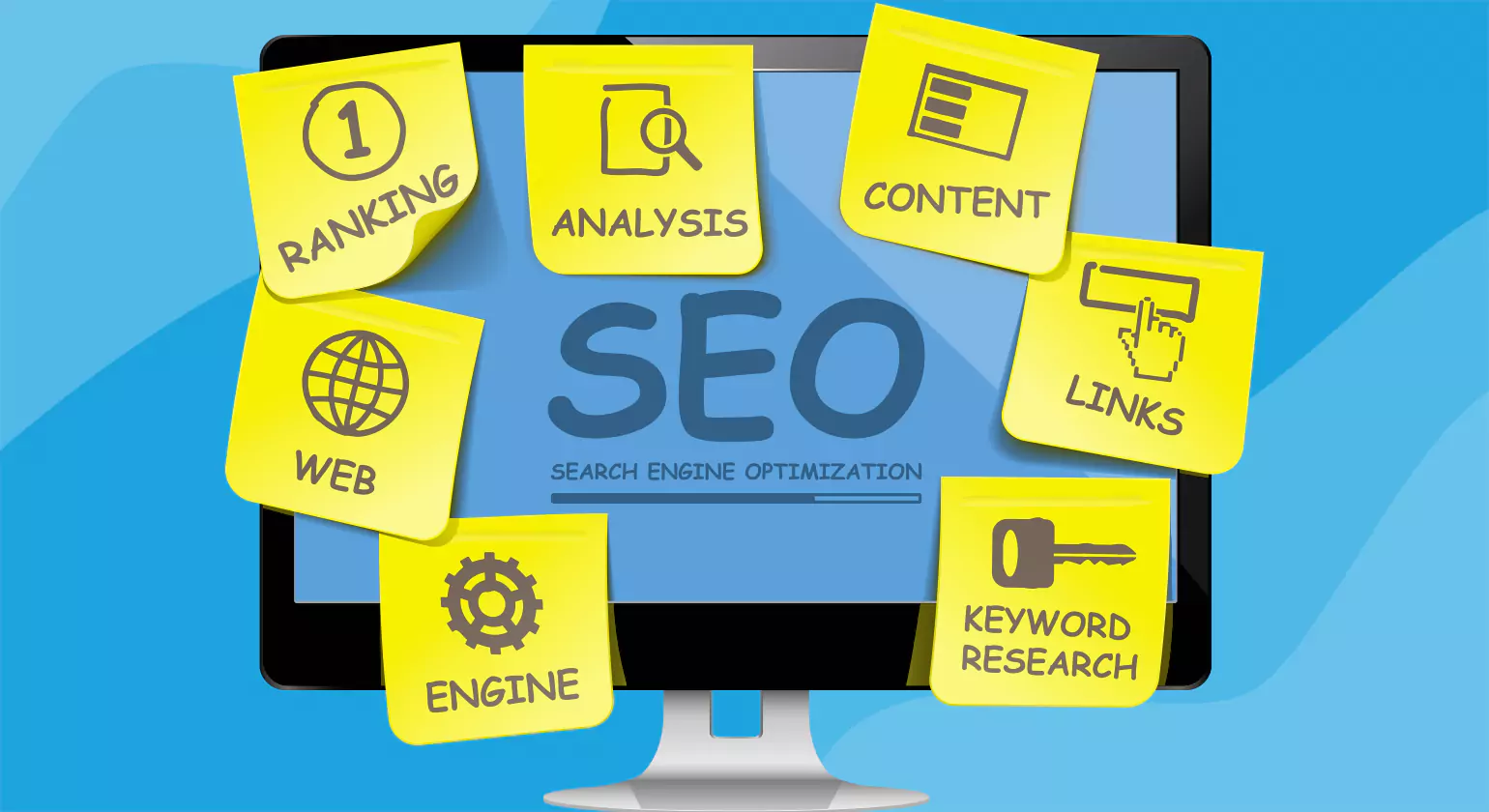
Implementing global SEO service for multilingual and multiregional websites requires a thoughtful and strategic approach to ensure your content resonates with diverse audiences across different languages and regions. Below are best practices that will help enhance your multilingual and multiregional SEO strategy. Leveraging a global SEO platform can further streamline this process by managing language targeting, hreflang implementation, and performance tracking across regions in one place.
1. Localize Content, Not Just Translate
One of the most important elements of global SEO service is content localization. While translation is necessary, it’s equally crucial to adapt your content to suit the cultural, social, and linguistic norms of each region. The tone, idioms, and style of writing should reflect local customs and preferences, ensuring the content feels native to users.
2. Use Country-Specific Domains or Subdomains
For global SEO service, it’s essential to structure your website for different regions. One effective method is using country-code top-level domains (ccTLDs) such as .uk for the UK or .de for Germany. Alternatively, subdomains like de.yoursite.com or fr.yoursite.com can be used to target specific regions. This helps search engines and users easily identify the relevant content for their region.
3. Implement Hreflang Tags
Hreflang tags are an essential part of global SEO service for multilingual websites. These tags signal to search engines which language or regional version of a page to show to users, preventing issues with duplicate content and ensuring that users see the most relevant page. Implement hreflang tags on each page to avoid confusion and improve rankings in different languages and regions.
4. Optimize Keywords for Different Languages and Cultures
Keyword research is crucial in global SEO service. It’s not just about translating your existing keywords into another language; it’s about finding region-specific terms that users are likely to search for. Understanding search volume, regional trends, and variations in language usage is key to optimizing your SEO strategy for different markets.
5. Focus on International Link Building
Backlinks play an important role in global SEO service, and building a strong, diverse backlink profile across regions is crucial. Engage in local link-building strategies to acquire high-quality backlinks from reputable websites in the target region. This will improve the authority and visibility of your website on international search engines.
Technical Aspects to Optimize Global SEO Services

To ensure your global SEO service are successful, focusing on the technical aspects of SEO is critical. Proper technical optimization ensures that your website is easily accessible, indexable, and user-friendly across different countries and regions. Below are some key technical elements to consider when optimizing your global SEO strategy.
1. Mobile Optimization
With increasing mobile traffic worldwide, optimizing your website for mobile devices is essential for global SEO service. Google and other search engines prioritize mobile-friendly websites, and a mobile-optimized website provides a better user experience across different regions. Ensure that your site’s design and functionality are responsive, offering seamless navigation and performance on mobile devices.
2. Site Speed and Performance
Site speed is a crucial factor in global SEO service. Users expect fast-loading websites, regardless of their location. Slow loading times can lead to high bounce rates, damaging your rankings on search engines. To optimize performance globally, consider implementing a Content Delivery Network (CDN) to serve content from the server closest to the user, speeding up page load times across regions.
3. Structured Data and Schema Markup
Implementing structured data and schema markup is vital for improving search engine visibility in global services. By using markup, you provide search engines with more detailed information about your content, such as product details, reviews, and local business information. This can enhance your search results with rich snippets, making your content stand out in search engine results pages (SERPs).
4. International URL Structure
Having a well-organized URL structure is crucial for global SEO service. Use clear, descriptive URLs that include country or language codes. This helps search engines index your content correctly and ensures users are directed to the appropriate regional or language-specific version of the page. Proper URL structure also contributes to better user experience.
5. Secure Website (HTTPS)
A secure website (HTTPS) is not only important for user trust but is also a ranking factor in global services. Ensure your website is encrypted with an SSL certificate to protect user data and boost your site’s credibility. This is essential when operating in global markets, as security concerns are universal.
Case Studies of Successful Global SEO Campaigns
Studying real-world examples can provide valuable insights into the effectiveness of global SEO services. These case studies demonstrate how businesses successfully expanded internationally while optimizing their search visibility.
E-Commerce International Expansion Example
A leading e-commerce company expanded into multiple countries by localizing content, optimizing hreflang tags, and targeting region-specific keywords. They implemented structured data and translated product descriptions to meet local search intent.
As a result, organic traffic from international markets increased significantly, and conversion rates improved. Their careful application of global SEO services ensured that each regional site performed well in search results while maintaining brand consistency.
B2B Global SEO Success Story
A B2B software provider targeted global clients by creating multilingual content hubs and localizing technical documentation for different regions. They monitored analytics closely, adjusted strategies based on market performance, and optimized technical SEO for faster indexing.
The campaign led to higher visibility in target countries, improved lead generation, and increased brand authority. This example highlights the importance of strategic planning and ongoing optimization in effective global SEO services.
Key Lessons Learned from Global Campaigns
Successful international campaigns emphasize the importance of localizing content, optimizing technical SEO, and monitoring performance consistently. Businesses learned that cultural adaptation, keyword research, and hreflang implementation are critical for attracting global audiences.
Another key lesson is continuous testing and refinement. Global campaigns require ongoing analysis to address market-specific challenges and evolving search trends. By applying these lessons, companies can maximize the impact of their global SEO strategies and achieve sustained international growth.
Measuring the Success of Your Global SEO Strategy

Measuring the effectiveness of your global SEO service is crucial to understanding the impact of your SEO efforts and making data-driven decisions to improve your strategy. Here are some key metrics and tools you should focus on to evaluate the success of your global SEO campaigns.
1. Organic Traffic and User Engagement
Tracking the amount of organic traffic from different regions is one of the best ways to measure the success of global SEO services. Monitor the number of visitors, bounce rates, and time spent on your site from each country or region. High traffic and engagement levels indicate that your website is successfully reaching and engaging international audiences.
2. Keyword Rankings Across Regions
Keyword rankings are a fundamental metric for global SEO service. Regularly track how your targeted keywords are performing in different countries and languages. A positive trend in keyword rankings, especially for local and region-specific keywords, is a strong indicator that your global seo services efforts are paying off.
3. Conversion Rates and Sales
Ultimately, the success of any SEO strategy is measured by its ability to convert visitors into customers. Analyze the conversion rates of users from different regions to see if your international SEO strategy is driving sales, leads, or other valuable actions. A successful global SEO service strategy will result in improved conversion rates from your target markets.
4. Backlink Profile and Domain Authority
Backlinks play a critical role in global SEO service, and tracking the quality and quantity of backlinks from international sources is important. A growing number of backlinks from authoritative websites in different countries will help increase your domain authority and improve your search engine rankings across multiple regions.
5. Local Search Engine Rankings
If you’ve implemented local SEO strategies within global markets, monitor how well your website ranks on local search engines like Baidu, Yandex, or Google in specific countries. This will help you assess how effective your localization efforts and technical SEO optimizations are.
Conclusion
In conclusion, global SEO services are an essential component for businesses looking to expand their online presence internationally. The right global SEO strategy allows you to target customers from diverse regions and languages, driving traffic, improving conversions, and ultimately growing your brand’s global footprint. By focusing on key elements like content localization, technical optimization, multilingual SEO, and robust analytics, businesses can successfully navigate the complexities of global markets.
While global SEO comes with its set of challenges, such as regional search engine preferences, content adaptation, and legal compliance, overcoming these obstacles is crucial for achieving success. Additionally, selecting the right service providers and constantly measuring the success of your strategy will ensure that your business continues to thrive in the competitive global landscape.
FAQs
1. What is Global SEO?
Global SEO is the process of optimizing a website to rank well in search engines across multiple countries and languages. It involves creating multilingual content, implementing region-specific targeting, and adjusting technical SEO elements to ensure businesses reach international audiences, increase organic traffic, and improve global search visibility.
2. Why is Global SEO important?
Global SEO services are crucial for expanding a brand’s reach and increasing visibility across international markets. By targeting potential customers in multiple countries and optimizing content for each region, businesses can drive more organic traffic, create new sales opportunities, compete effectively in foreign markets, and achieve long-term revenue growth.
3. What are the key components of Global SEO?
The key components of Global SEO include international keyword research, hreflang tag implementation, localized and multilingual content, geo-targeting, and technical SEO optimization. These elements ensure search engines deliver the right site version to the correct audience, improving global rankings, user experience, and organic traffic across different countries.
4. How do I choose the right Global SEO service provider?
Global SEO faces challenges like language barriers, cultural differences, varying search engine preferences, content localization issues, and managing multiple websites or domains across different regions. Successfully addressing these requires strategic planning, technical expertise, and continuous optimization to maintain consistent international search performance.
5. What challenges are associated with Global SEO?
Global SEO challenges include language and cultural differences, varying search engine preferences, local keyword research, content localization, and managing multiple websites or domains across regions. Effectively addressing these challenges requires careful planning, technical expertise, and ongoing optimization to maintain consistent international search performance.