Table of Contents
Key Takeaways
Financial Performance Management is the process of planning, tracking, analyzing, and optimizing financial results to achieve business goals and improve decision-making.
It enables better strategic decisions through data-driven insights, KPI tracking, and performance analysis.
Core components include budgeting, forecasting, financial reporting, and variance analysis to maintain financial control.
Modern tools like ERP, FP&A, and BI dashboards help streamline financial performance monitoring.
A structured FPM process helps businesses identify gaps, reduce costs, and improve profitability.
Overcoming challenges like data accuracy, visibility, and compliance is key to achieving long-term financial success.
What is Financial Performance Management?
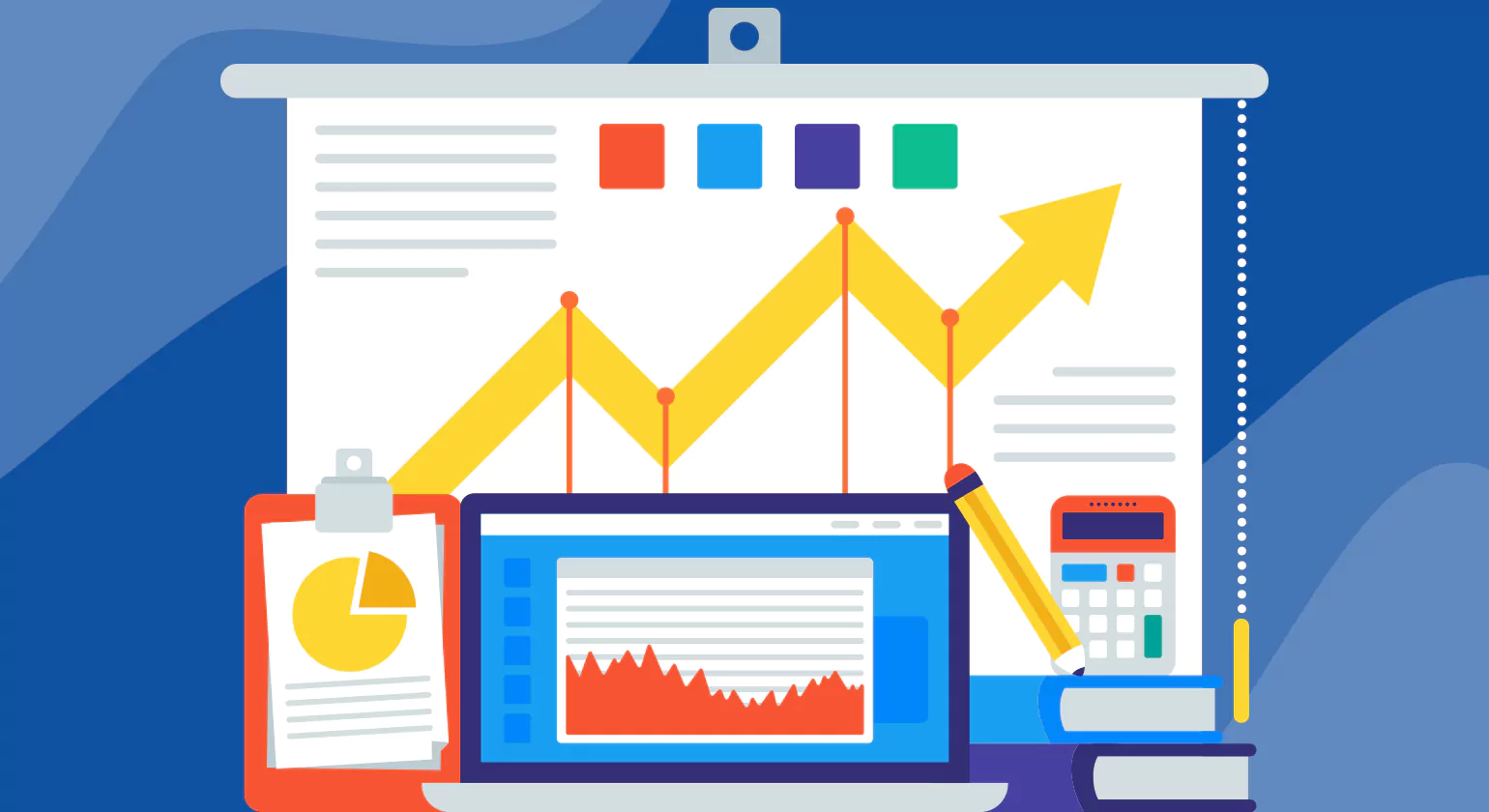
Financial Performance Management (FPM) is the process of monitoring organizations financial results through statistical analysis and optimization efforts until they reach their short-term and long-term objectives. The process requires financial planning and budgeting and forecasting and performance analysis to help a company maintain financial stability while progressing toward its strategic goals. Through key performance indicators and financial reports businesses use data to evaluate their success in controlling revenues and costs and profits while making necessary operational changes.
FPM enables organizations to take proactive control of their financial trajectory. The solution enables leaders to detect areas needing enhancement while they assess upcoming dangers and distribute resources throughout the organization. The combination of appropriate tools and strategies enables FPM to assist companies in achieving higher profits through waste reduction and improved operational efficiency while their financial goals match their overall business targets. The process of financial performance enhancement enables decision-makers to maintain business financial stability which helps the organization stay competitive within an industry that constantly evolves.
The Role of Financial Performance Management in Strategic Decision Making

Resource Allocation
Organizations use FPM to determine their most important investment needs which they should fund through their available financial resources.
Performance Measurement
The system monitors essential financial indicator which enable management to evaluate both business operations and their resulting financial success.
Strategic Planning
The data-driven forecasting system of FPM provides organizations with predictions which they can use to develop their long-term business plans and growth strategies.
Risk Management
The process identifies all financial threats together with possible advantages which help organizations make proactive choices for their protection.
Cost Optimization
The system assists organizations in evaluating their cost patterns which leads to better cost management practices that boost their financial performance.
Decision Support
The system provides organizations with current financial data and analysis tools which enable them to make strategic decisions at the right time.
Stakeholder Communication
The system improves transparency by displaying financial performance information which stakeholders and investors can easily comprehend.
Competitive Advantage
The system provides organizations with strategic options which lead to better profitability results and improved market standing and better operational efficiency.
Key Benefits of Financial Performance Management

Financial Performance Management (FPM) offers several significant advantages that can significantly enhance an organization’s financial health and overall business performance. Here are six key benefits of implementing a robust FPM system:
1. Improved Decision-Making
FPM equips organizations with timely, accurate financial data, allowing for better decision-making. By leveraging insights from past performance, current trends, and future projections, companies can make well-informed strategic choices.
2. Enhanced Operational Efficiency
FPM provides a clear picture of Personal Financial Assistant, enabling businesses to identify inefficiencies and operational bottlenecks. By tracking key performance indicators (KPIs), companies can uncover areas where processes can be streamlined, resources can be better utilized, and costs can be reduced.
3. Risk Mitigation
FPM supports proactive risk management by providing early warnings of financial challenges. Continuous monitoring of financial trends and performance allows businesses to spot potential risks, whether they relate to cash flow, market changes, or internal inefficiencies.
4. Increased Accountability
By setting clear financial performance targets and assigning responsibility to specific teams or individuals, FPM fosters a culture of accountability within the organization.
5. Strategic Alignment
FPM ensures that an organization’s financial planning is tightly aligned with its broader strategic objectives. By integrating financial goals with long-term business plans, companies can allocate resources more effectively, prioritize investments, and ensure that financial efforts directly support the achievement of key milestones.
6. Enhanced Financial Reporting
FPM improves the quality and timeliness of financial reporting, making it easier for businesses to meet regulatory requirements and provide stakeholders with accurate information.
7. Alignment Between Financial Results
It links financial metrics to strategic objectives, ensuring departmental actions directly support organizational goals. This alignment improves execution and long-term performance.
8. Early Risk Detection and Compliance
Continuous monitoring helps identify financial risks such as cost overruns, revenue volatility, or compliance gaps. Early intervention minimizes financial and regulatory exposure.
9. Clear Accountability
Defined financial KPIs create accountability at all levels. Teams understand expectations, measure progress, and are motivated to improve performance consistently.
10. Scalable and Sustainable Growth
As organizations grow, financial performance management supports complexity through standardized processes and advanced analytics, ensuring growth remains controlled and profitable.
Core Components of Financial Performance Management

Financial Performance Management (FPM) is built on several core components that work together to provide businesses with the tools necessary for monitoring, analyzing, and improving their financial health. These components help organizations track performance, optimize operations, and align financial strategies with overall business objectives. A key part of this process is financial performance monitoring, which ensures that critical metrics are consistently evaluated to support informed decision-making. Below are the essential elements that form the foundation of an effective FPM system:
1. Financial Planning and Budgeting
This component focuses on setting financial goals, creating detailed budgets, and forecasting future financial performance. It helps businesses allocate resources effectively, ensure that spending aligns with strategic objectives, and track financial progress. This process also provides a roadmap for achieving long-term financial success.
2. Financial Reporting
Financial reporting involves the preparation of accurate and timely financial statements, such as income statements, balance sheets, and cash flow statements. Financial reporting services offer an overview of the organization’s financial health, providing stakeholders with the necessary information to assess performance, make informed decisions, and ensure compliance with regulatory standards.
3. Financial Analysis
financial analysis performance entails evaluating financial data to uncover trends, assess performance, and support decision-making. Techniques like ratio analysis, variance analysis, and trend analysis help businesses understand their financial position, identify strengths and weaknesses, and make adjustments to optimize profitability and efficiency.
4. Performance Measurement
Performance measurement tracks key performance indicators (KPIs) to assess progress toward financial and operational goals. These metrics, which may include profitability, liquidity, or customer satisfaction, provide insight into how well an organization is performing relative to its objectives, highlighting areas for improvement or further investment.
5. Variance Analysis
Variance analysis compares actual financial performance to budgeted or forecasted results, identifying discrepancies and their causes. This process helps businesses understand why performance deviated from expectations and provides actionable insights for correcting course, improving cost control, or optimizing revenue generation strategies.
6. Forecasting
Forecasting involves projecting future financial performance based on historical data, trends, and assumptions. By predicting outcomes such as revenue growth, cash flow, and market conditions, forecasting enables organizations to plan effectively, anticipate challenges, and proactively adjust strategies to stay on track toward their financial objectives.
7. Risk Management
Risk management focuses on identifying, assessing, and mitigating potential financial risks that could affect the organization’s performance. By implementing risk management strategies and controls, businesses can minimize exposure to financial uncertainties, such as market fluctuations, operational disruptions, or compliance issues, ensuring stability and continuity.
Top Tools for Measuring Finance and Performance

Measuring financial corporate performance management performance effectively requires the right tools to analyze, interpret, and report financial data. Modern tools offer advanced features to track key metrics, generate insights, and streamline decision-making processes. Here are some top tools commonly used for measuring financial performance:
1. Enterprise Resource Planning (ERP) Systems
ERP systems like SAP and Oracle NetSuite centralize financial data across departments. They provide real-time tracking of key metrics, including cash flow, profitability, and liquidity. Utilizing a bank statement converter can streamline the process of extracting and organizing financial data, enhancing efficiency and accuracy. ERP systems streamline processes such as budgeting, accounting, and forecasting, offering businesses an integrated platform for monitoring financial performance effectively.
2. Financial Planning and Analysis (FP&A) Software
Tools like Workday Adaptive Planning and Anaplan simplify forecasting, budgeting, and variance analysis. They enable businesses to build financial models, identify trends, and make data-driven decisions. FP&A software helps align financial planning with strategic objectives, ensuring better resource allocation and improved financial performance management tools.
3. Business Intelligence (BI) Tools
BI tools like Tableau and Power BI offer advanced data visualization and reporting capabilities. These platforms enable businesses to track financial performance through interactive dashboards, uncover trends, and present insights visually. By making financial data more accessible, BI tools enhance decision-making and promote stakeholder understanding.
4. Accounting Software
Tools like QuickBooks and Xero are vital for managing daily financial tasks. They facilitate invoicing, expense tracking, and financial reporting, helping businesses monitor income, control expenses, and assess overall profitability. Accounting software is especially beneficial for small and medium-sized businesses seeking efficiency in their financial operations.
5. Key Performance Indicator (KPI) Dashboards
Tools like Geckoboard and Databox provide real-time updates on critical financial metrics like ROI and net profit margin. These dashboards visualize performance indicators clearly, enabling businesses to monitor progress toward goals, identify areas for improvement, and ensure strategic alignment with financial objectives.
6. Corporate Performance Management (CPM) Software
CPM tools like OneStream and Prophix offer comprehensive financial performance management tools features, including planning, forecasting, and reporting. They consolidate financial data, providing a complete view of organizational performance. These tools enhance strategic alignment, improve decision-making, and support long-term financial health and growth.
How Financial Performance Management Works?

Let’s simplify this. Financial Performance Management is not just a process. It is how businesses stay in control of their finances and make smarter decisions consistently.
It works as a continuous cycle where each step builds on the previous one.
1. Start with clear financial planning
Everything begins with defining your financial direction. You set
- Revenue targets
- Budgets
- Business goals
This gives your team clarity and a measurable path forward.
2. Track the right financial metrics
Once the plan is in place, the next step is tracking performance. Focus on key metrics such as
- Profit margins
- Cash flow
- Return on investment
- Operating expenses
Tracking the right data ensures you always know where your business stands.
3. Analyze performance gaps
Now look deeper into the numbers. Identify what is working and what is not. Ask questions like
- Are targets being met
- Which areas are underperforming
- What is causing the gap
This step turns raw data into meaningful insights.
4. Take action to improve performance
Based on your analysis, make informed decisions. This may include
- Adjusting budgets
- Reducing costs
- Reallocating resources
The focus here is on improving efficiency and driving better results.
5. Monitor and refine continuously
Financial Performance Management is ongoing. You need to
- Review performance regularly
- Update forecasts
- Adapt to changes
The more consistently you refine your approach, the stronger your financial outcomes will be.
Challenges in Managing Financial Performance

Managing financial performance is a critical function for organizations, but it comes with a set of challenges. These issues can hinder the achievement of financial goals and overall business success. Below are some common challenges along with practical solutions:
1. Lack of Accurate Data
Inaccurate or incomplete financial data can lead to poor decision-making. Data discrepancies often arise from manual data entry errors, outdated systems, or lack of integration between departments.
Solution: Implement automated financial management tools to minimize human error. Use integrated systems like ERP software to ensure data consistency across departments. Regular audits and data validation processes further improve accuracy.
2. Inadequate Financial Planning and Forecasting
Poor planning and unreliable forecasting can lead to budget overruns, resource misallocation, and missed opportunities. This often occurs due to inadequate historical data analysis or external market unpredictability.
Solution: Use outsourced financial planning tools like FP&A software to create accurate budgets and forecasts. Employ scenario planning techniques to anticipate market shifts, and involve cross-functional teams to provide diverse insights for more robust planning.
3. Limited Visibility into Financial Performance
A lack of real-time visibility into Financial Performance Management can delay responses to issues like declining revenues or rising costs. This occurs when organizations rely on static, outdated reporting methods.
Solution: Adopt real-time dashboards and business intelligence tools that track key financial metrics. Tools like Tableau or Power BI provide live insights into performance, enabling timely and informed decision-making.
4. Cost Management Issues
Managing and controlling costs, especially during periods of growth or economic uncertainty, is often a significant challenge. Untracked expenses can lead to reduced profitability.
Solution: Establish stringent cost-control measures, such as regular expense reviews and approval processes. Use expense management software to track and categorize spending in real time, ensuring costs remain aligned with the budget.
5. Regulatory and Compliance Risks
Compliance with financial regulations can be complex and time-consuming. Non-compliance exposes organizations to fines, legal action, and reputational damage.
Solution: Stay updated on regulatory requirements and invest in compliance management tools. Employ dedicated compliance teams or consult external experts to ensure adherence to all relevant financial laws and standards.
6. Resistance to Technological Adoption
Employees or management may resist adopting new financial tools or technologies, fearing change or lacking adequate training. This can hinder the effectiveness of financial management systems.
Solution: Foster a culture of innovation by highlighting the benefits of technology adoption. Provide comprehensive training and ongoing support to help teams transition smoothly to new systems.
Governance, Risk, and Compliance in Financial Performance Management

1. Corporate Governance Framework
Financial performance management requires governance to create mechanisms which secure accountability and show operational results while following organizational goals. The establishment of definite governance frameworks enables organizations to minimize agency conflicts while boosting stakeholder trust.
2. Risk Identification and Assessment
The process of financial performance management requires organizations to implement a structured approach which identifies all potential risks including credit risk and liquidity risk and operational risk and market risk.
3. Internal Controls and Compliance Systems
Organizations use strong internal controls to protect the integrity of their financial systems. The Sarbanes–Oxley Act requires organizations to follow its regulations which guarantee their financial reporting accuracy and fraud protection measures.
4. Regulatory and Ethical Compliance
Organizations must comply with local and international accounting standards such as International Financial Reporting Standards. Businesses that execute ethical financial management practices gain operational efficiency and avoid legal penalties.
5. Monitoring, Reporting, and Continuous Improvement
Financial performance needs continuous monitoring because it helps organizations identify target deviations at the first signs of trouble. The organization uses three methods which include regular financial reporting and dashboard reviews and internal audits to implement necessary changes.
Conclusion
Financial Performance Management is not just about tracking numbers, it is about turning financial data into meaningful business decisions that drive growth and stability. Throughout this guide, you have seen how structured planning, accurate tracking, and continuous analysis help organizations improve efficiency, control costs, and stay aligned with their strategic goals. By leveraging the right tools and focusing on key financial metrics, businesses can move from reactive decision-making to a more proactive and data-driven approach. While challenges like data accuracy and visibility exist, they can be effectively managed with the right systems and processes in place. Ultimately, Financial Performance Management empowers organizations to stay competitive in a rapidly evolving market. If you are looking to strengthen your financial strategy and improve outcomes, now is the time to explore the right tools and solutions that fit your business needs.
FAQs
1. What is Financial Performance Management and how does it work?
Financial Performance Management is the process of planning, tracking, analyzing, and improving a company’s financial results to meet business goals. It works by setting budgets, monitoring KPIs, analyzing performance gaps, and continuously adjusting strategies to improve profitability, cash flow, and overall financial efficiency.
2. What are the main benefits of Financial Performance Management for businesses?
Financial Performance Management helps businesses improve decision-making, control costs, and increase profitability. It provides real-time financial insights, enhances forecasting accuracy, ensures better resource allocation, and reduces risks. By aligning financial goals with strategy, it drives efficiency, accountability, and sustainable business growth.
3. How does Financial Performance Management improve decision-making?
Financial Performance Management improves decision-making by providing accurate, real-time financial data and insights. It helps leaders analyze trends, identify risks, and evaluate performance against goals. With clear visibility into KPIs and forecasts, businesses can make faster, data-driven decisions that improve efficiency and profitability.
4. What are the most important KPIs used in Financial Performance Management?
The most important KPIs in Financial Performance Management include revenue growth, profit margins, cash flow, return on investment, and operating expenses. These metrics help businesses measure financial health, track performance, and identify areas for improvement, enabling better planning, cost control, and long-term growth.
5. How is Financial Performance Management different from financial management?
Financial Performance Management focuses on analyzing and improving financial outcomes using data, KPIs, and forecasting, while financial management handles day-to-day activities like budgeting, accounting, and cash handling. FPM is strategic and insight-driven, whereas financial management is more operational and execution-focused.
6. How can small and mid-size businesses implement Financial Performance Management?
Small and mid-size businesses can implement Financial Performance Management by setting clear financial goals, tracking key KPIs, and using tools like accounting software or BI dashboards. Start with budgeting, regular performance reviews, and forecasting to gain insights, improve decisions, and drive consistent financial growth.