Table of Contents
Key Takeaways
Digital Transaction Management (DTM) streamlines end-to-end digital workflows—from document creation to eSignature and secure storage.
It helps businesses replace manual paperwork with automated, compliant, and fully digital processes.
DTM improves transaction speed, reduces operational costs, and minimizes human errors.
Core features typically include eSignatures, identity verification, document tracking, and audit trails.
Modern DTM platforms integrate easily with CRM, ERP, and cloud storage systems.
Security and compliance (SOC 2, GDPR, HIPAA) are major advantages of enterprise-grade DTM tools.
DTM boosts customer experience by enabling faster approvals and remote transactions.
It supports industries like finance, real estate, healthcare, legal, and enterprise sales.
Choosing the right DTM solution depends on scalability, integrations, pricing, and compliance needs.
What is Digital Transaction Management?
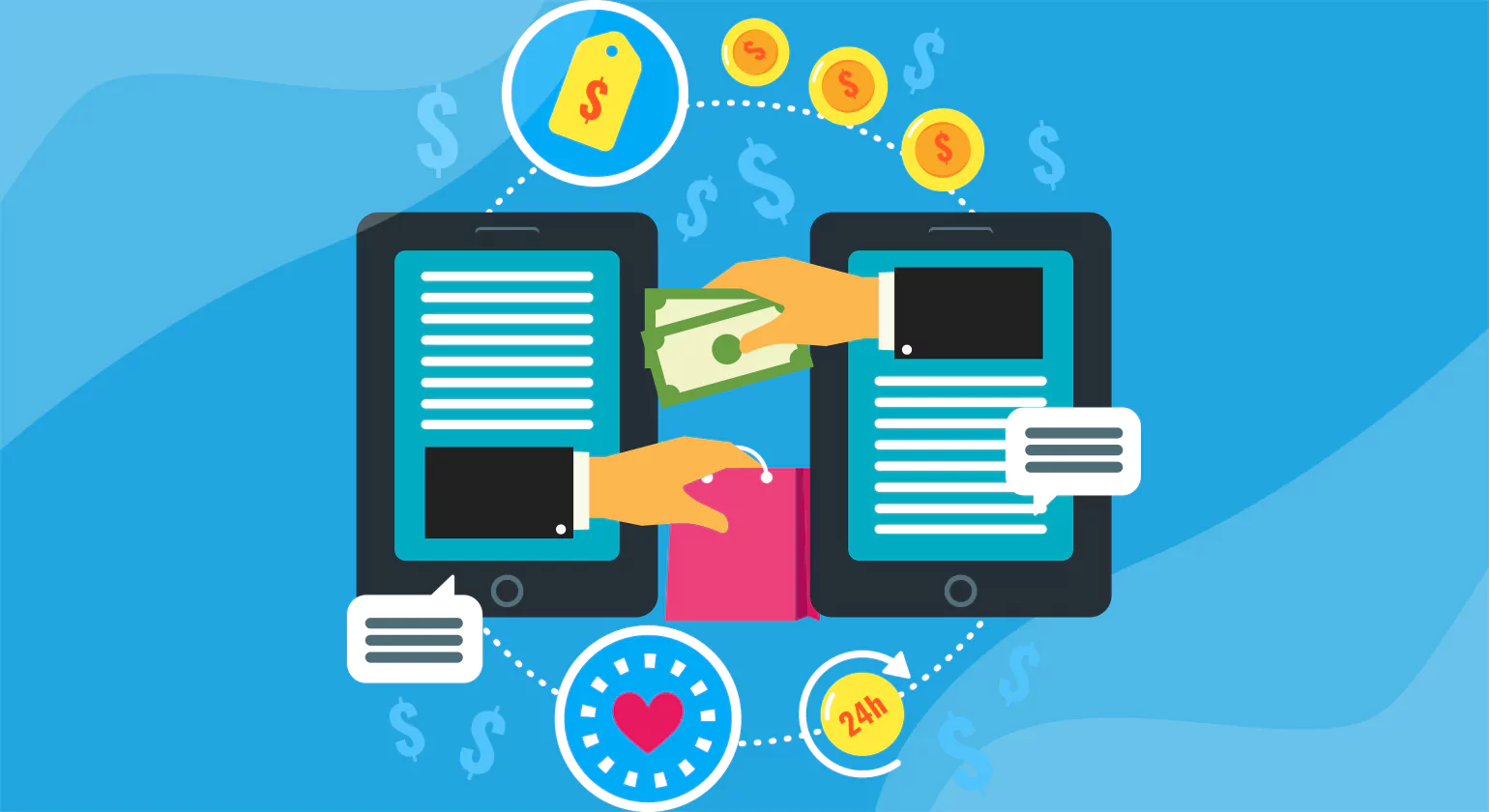
Digital Transaction Management (DTM) is a technology that allows organizations to manage document-based transactions management services entirely online, from preparation and signing to storage and tracking. Imagine it this way: instead of printing, signing, scanning, and filing documents, digital transaction management market platforms do all that online in a secure and legally binding manner.
How Digital Transaction Management Works
Digital Transaction Management (DTM) is a technology that converts the conventional paper-based process into an automated digital process. It is important to understand how DTM works in order to maximize efficiency and security in managing contracts, agreements, and other important documents.
Document Preparation
The process starts with a person creating a document using pre-designed templates or uploading an existing document. The DTM platforms allow the use of various formats such as PDFs, Word documents, and forms, enabling the insertion of fillable fields, signature fields, initials, check boxes, and date stamps wherever required.
Recipient Configuration
The users determine who must receive the document and in what order. You might need a customer to sign off, then send to a manager for approval, and finally to legal for a countersignature. The DTM systems will automatically route the document according to your workflow rules.
Secure Distribution
The service delivers documents through encrypted email links or SMS notifications. The recipient does not require any special software to access the documents. They can access the documents using web browsers on any device. Multi-factor authentication is used to verify the identity of the users before allowing them to access the documents.
Electronic Signing
The recipients examine the documents and use legally binding electronic signatures. The DTM solutions are in line with the U.S. Electronic Signatures in Global and National Commerce Act (ESIGN), Uniform Electronic Transactions Act (UETA), and other international laws such as eIDAS. The signer’s IP address, date, and authentication process are recorded to verify consent.
Real-Time Tracking
Administrators monitor document status through dashboards showing who’s opened, reviewed, or signed each document. Automated reminders nudge recipients who haven’t completed their actions, eliminating manual follow-up calls.
Top 10 Digital Transaction Management Companies & Secure DTM Tools
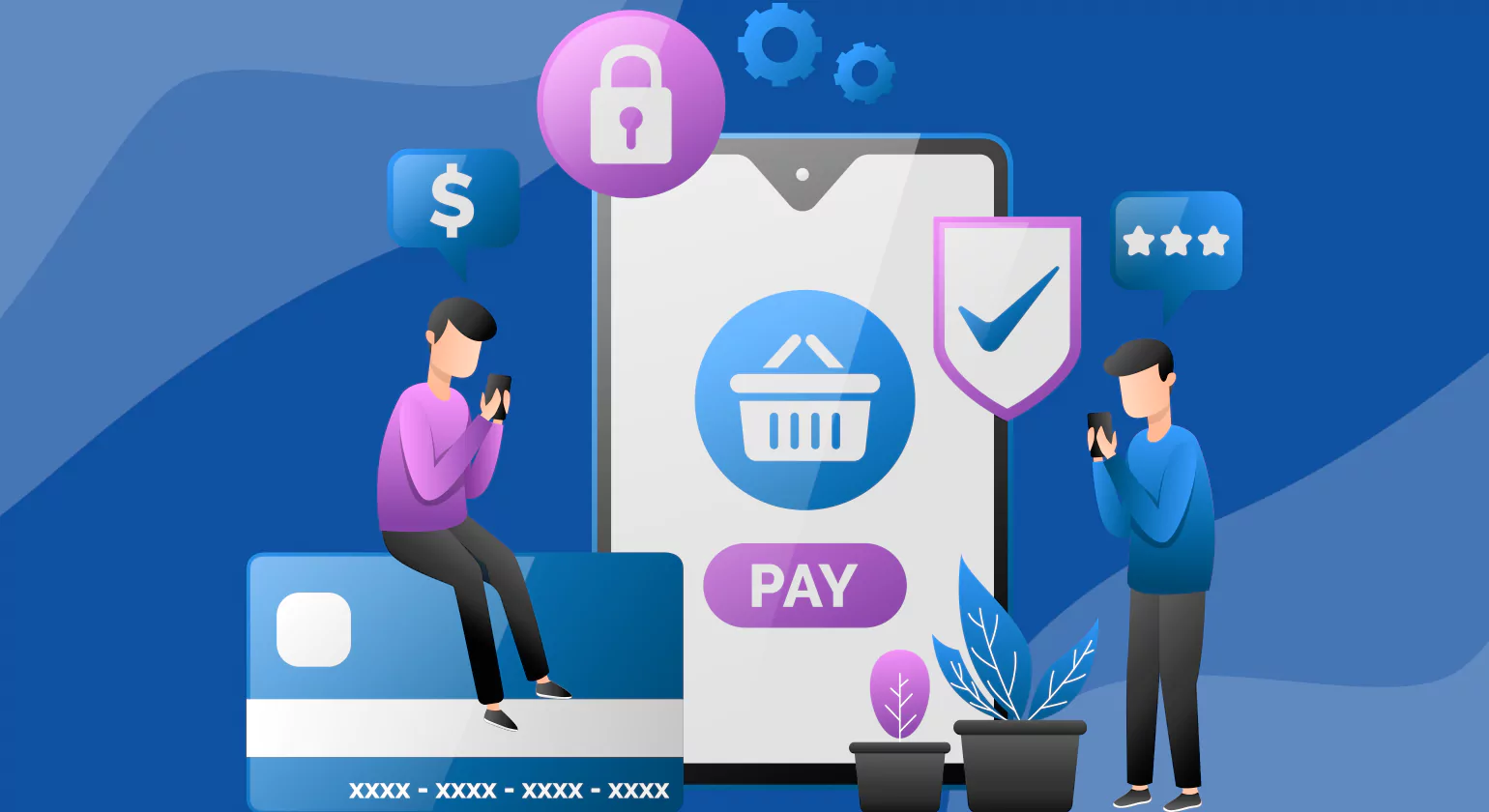
In today’s fast-paced business environment, transactions management services has become essential for organizations that require secure, efficient, and paperless document processes. DTM platforms ensure smooth workflows, enable e-signatures and maintain compliance with global regulations. Below are ten leading companies that provide secure DTM services to help businesses streamline their operations.
1. DocuSign
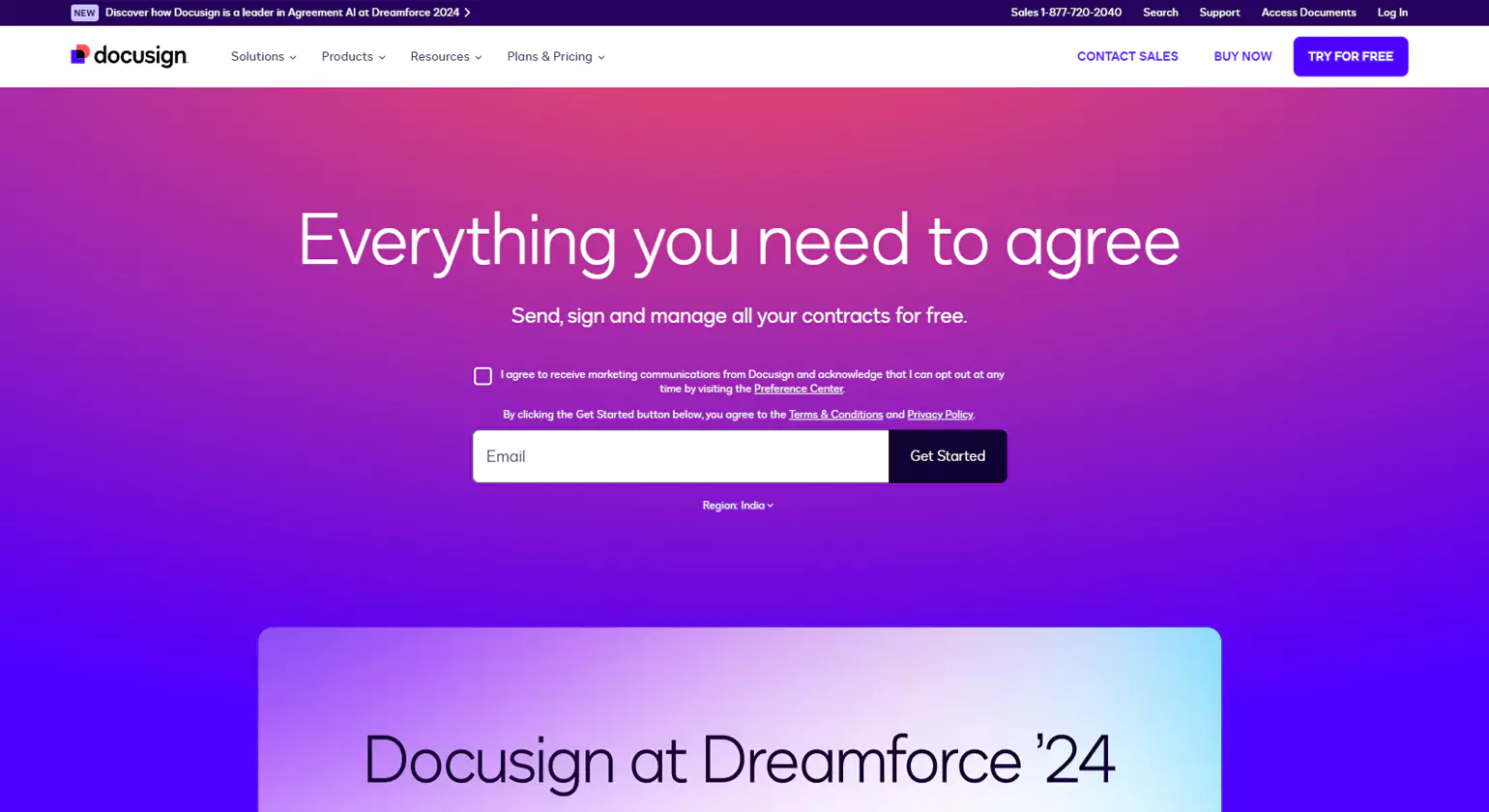
DocuSign is the world leader in electronic signature solutions and digital transaction management companies, founded in 2003 and headquartered in San Francisco, California. DocuSign is the pioneer of the e-signature industry and has grown to serve more than 1.5 million customers in 180+ countries. DocuSign was listed on NASDAQ in 2018 (ticker: DOCU) and handles billions of transactions every year in the real estate, financial, healthcare, technology, and government sectors.
Key Features
eSignature: Industry-leading electronic signatures with global legal validity in almost all countries, allowing for multiple signers and signature processes.
Agreement Workflows: Customizable automated routing to send documents to the right people in the right order using conditional logic.
Mobile Optimization: Native iOS and Android apps to sign and manage documents from any device.
Advanced Authentication: Multi-factor authentication, knowledge-based authentication, and SMS verification for signer authentication.
Template Library: Document templates for repeat transactions to save time and maintain consistency.
Analytics Dashboard: Real-time document status, completion rates, and bottlenecks with detailed audit trails.
Integrations: Pre-built integrations with Salesforce, Microsoft 365, Google Workspace, SAP, and 350+ business applications.
2. Adobe Sign
Adobe Sign is Adobe’s enterprise-class electronic signature and document solution, seamlessly integrated within the Adobe Document Cloud ecosystem. As a trusted member of the Adobe family since acquiring EchoSign in 2011, Adobe Sign supports millions of customers worldwide, including Fortune 500 enterprises and government institutions. Adobe Sign is particularly adept at serving document-intensive sectors such as legal, financial, insurance, and healthcare, with effortless integration with Adobe’s PDF tools and creative apps. Adobe Sign rigorously adheres to security certifications such as FedRAMP authorization for government use, SOC 2 Type II, ISO 27001, and HIPAA, GDPR, and ESIGN Act compliance.
Key Features
Native PDF Integration: Integration with Adobe Acrobat and Acrobat Reader, allowing for signatureing in the context of familiar PDF tools used by billions.
Automated Workflows: Drag-and-drop workflow designer allowing for complex multi-party signing processes with conditional routing and parallel processing.
Government Compliance: FedRAMP authorized solution that satisfies the rigorous security requirements of government deployments.
Advanced Form Creation: Form field detection that automatically converts paper forms into fillable electronic documents with validation rules.
Enterprise Integrations: Integration with Microsoft 365, Salesforce, Workday, ServiceNow, and other enterprise systems through API customization.
3. OneSpan Sign
OneSpan Sign (formerly eSignLive) is a very secure electronic signature solution and digital transaction management companies, catering to the needs of regulated industries that demand the highest level of security and compliance. Founded as a trusted leader in authentication and anti-fraud solutions, OneSpan supports financial institutions, healthcare providers, insurance firms, and government entities in 100+ countries worldwide. OneSpan Sign is famous for its bank-level security infrastructure and supports multiple deployment models, such as cloud, on-premises, and hybrid models. OneSpan has a wide array of compliance certifications like SOC 2 Type II, ISO 27001, PCI DSS, and also adheres to tough regulatory standards such as eIDAS in the European Union, HIPAA in the healthcare sector, and 21 CFR Part 11 in life science businesses.
Key Features
Bank-Level Security: Military-grade encryption, advanced authentication methods, and fraud detection capabilities designed for high-risk financial transactions.
Flexible Deployment: Cloud-based, on-premises, or hybrid deployment options meeting strict data residency and sovereignty requirements.
Notarization Support: Integrated remote online notarization (RON) capabilities with identity verification and audio-visual recording for legally notarized documents.
Biometric Signatures: Capture handwritten signatures with pressure, speed, and stroke data for forensic-level authentication and dispute resolution.
Regulatory Compliance: Pre-configured workflows meeting industry-specific regulations including GLBA, SOX, FDA requirements, and global eSignature laws.
4. Citrix RightSignature
Citrix RightSignature is an easy-to-use electronic signature tool catering to small to medium-sized businesses that require simple document signing without the need for complex enterprise solutions. Acquired by Citrix in 2015, RightSignature focuses on ease of use and simplicity while still meeting necessary security and legal requirements. RightSignature caters to various industries such as real estate, consulting, professional services, and small to medium-sized businesses where speed and simplicity take precedence over enterprise-level workflow automation. RightSignature provides cloud-based solutions with standard security features such as SSL encryption, SOC 2 compliance, and ESIGN Act and UETA guidelines to ensure legal validity in the United States and worldwide.
Key Features
Intuitive Interface: Simple and intuitive interface with drag-and-drop functionality for document preparation, requiring little to no training.
Reusable Templates: Ability to create and save templates of frequently used documents for easy one-click sending.
In-Person Signing: Support for in-person signature collection using tablets and mobile devices at meetings, conferences, or client sites.
Real-Time Notifications: Real-time email notifications for document views, signatures, and completions, keeping all parties up to date.
Mobile Apps: Availability of mobile apps for iOS and Android devices, allowing for document preparation, sending, and signing from anywhere.
Basic Integrations: Integration with popular business applications such as Salesforce, Google Drive, Box, and Dropbox.
5. Namirial
Namirial is a major European player in the field of electronic signature, digital identity, and trust services, with headquarters in Italy and presence in Europe, Latin America, and other continents. Established in 1986, Namirial focuses on qualified electronic signatures (QES) and advanced electronic signatures (AES) that are fully compliant with the European Union’s eIDAS regulation, the “gold standard” for digital trust in Europe. Today, Namirial supports more than 25,000 organizations, including banks, insurance companies, government institutions, healthcare organizations, and businesses that need legally binding signatures with the highest level of evidentiary value. As a qualified trust service provider (QTSP), Namirial issues digital certificates and offers full digital transaction management companies preservation services to ensure long-term document validity and compliance.
Key Features
eIDAS-Compliant Signatures: Full range of electronic signature types including qualified (QES), advanced (AES), and simple electronic signatures meeting EU regulatory standards.
Qualified Trust Services: QTSP-certified digital certificates, timestamping, registered email delivery, and long-term digital preservation services.
Remote Signing: Cloud-based qualified signature creation with secure remote identity verification and two-factor authentication for legally equivalent handwritten signatures.
Digital Identity Verification: Advanced identity proofing using video identification, document authentication, and biometric verification meeting KYC requirements.
Long-Term Validation: Digital preservation services maintaining document integrity and signature validity for decades, complying with archival regulations.
6. Zoho Sign
Zoho Sign is a secure and efficient e-signature solution from Zoho, designed for businesses of all sizes. It enables users to sign, send, and manage documents seamlessly while ensuring legal compliance. Zoho Sign integrates effortlessly with Zoho’s suite of business tools as well as third-party applications like Google Drive and Microsoft Office. With features like multi-factor authentication, encryption, and audit trails, it ensures secure transactions and compliance with global regulations like eIDAS and ESIGN.
Key Features
Zoho Ecosystem Integration: Direct integration with Zoho CRM, Zoho People, Zoho Bookkeeping service, Zoho Recruit, and other Zoho apps for end-to-end business operations.
Multi-Party Signing: Handling sequential, parallel, and hybrid signing flows with an unlimited number of signers and complex approval paths.
Template Management: Use of customizable document templates with predefined fields, branding, and workflows to quickly prepare documents.
In-Person Signing: Kiosk mode for in-person signature collection using tablets or computers at offices, events, or customer sites.
Brand Customization: White-labeling with custom domains, logos, colors, and email templates to ensure brand consistency.
7. SignNow
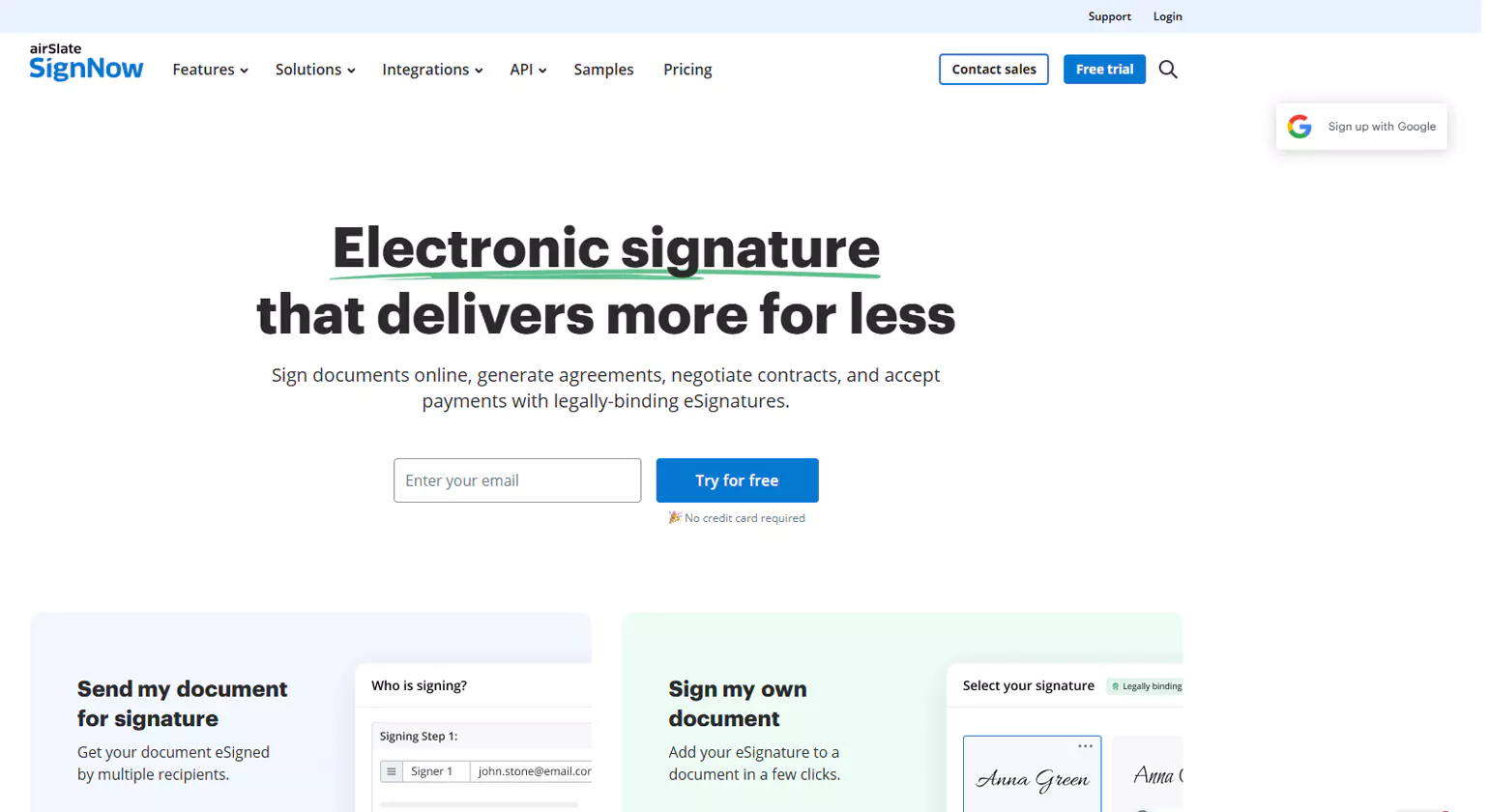
SignNow (formerly CudaSign) is a cost-effective electronic signature solution focused on delivering essential signing capabilities with exceptional speed and value for small to mid-sized businesses. Owned by airSlate since 2017, SignNow emphasizes straightforward functionality, rapid document turnaround, and competitive pricing without sacrificing security or compliance. The platform serves over 10 million users worldwide across real estate, healthcare, education, finance, and professional services industries. SignNow maintains robust security standards including SOC 2 Type II compliance, 256-bit encryption, and adherence to ESIGN Act, UETA, and GDPR regulations ensuring legal validity and data protection. The solution positions itself as the practical choice for organizations seeking professional eSignature capabilities without enterprise-level complexity or costs.
Key Features
Document Merge: Merge multiple documents into a single signing package, simplifying complex transactions that involve multiple documents and attachments.
Smart Fields: Intelligent form field recognition with conditional logic, auto-fill functionality, and required field validation to ensure document completeness.
Team Collaboration: Shared templates, centralized document storage, and team performance metrics to facilitate effective team collaboration.
Role-Based Access: Fine-grained permission settings that enable administrators to control user access, template sharing, and document visibility based on roles or teams.
Unlimited Templates: Create and store an unlimited number of reusable templates regardless of the plan, to maximize efficiency for repetitive business processes.
8. Formstack Sign
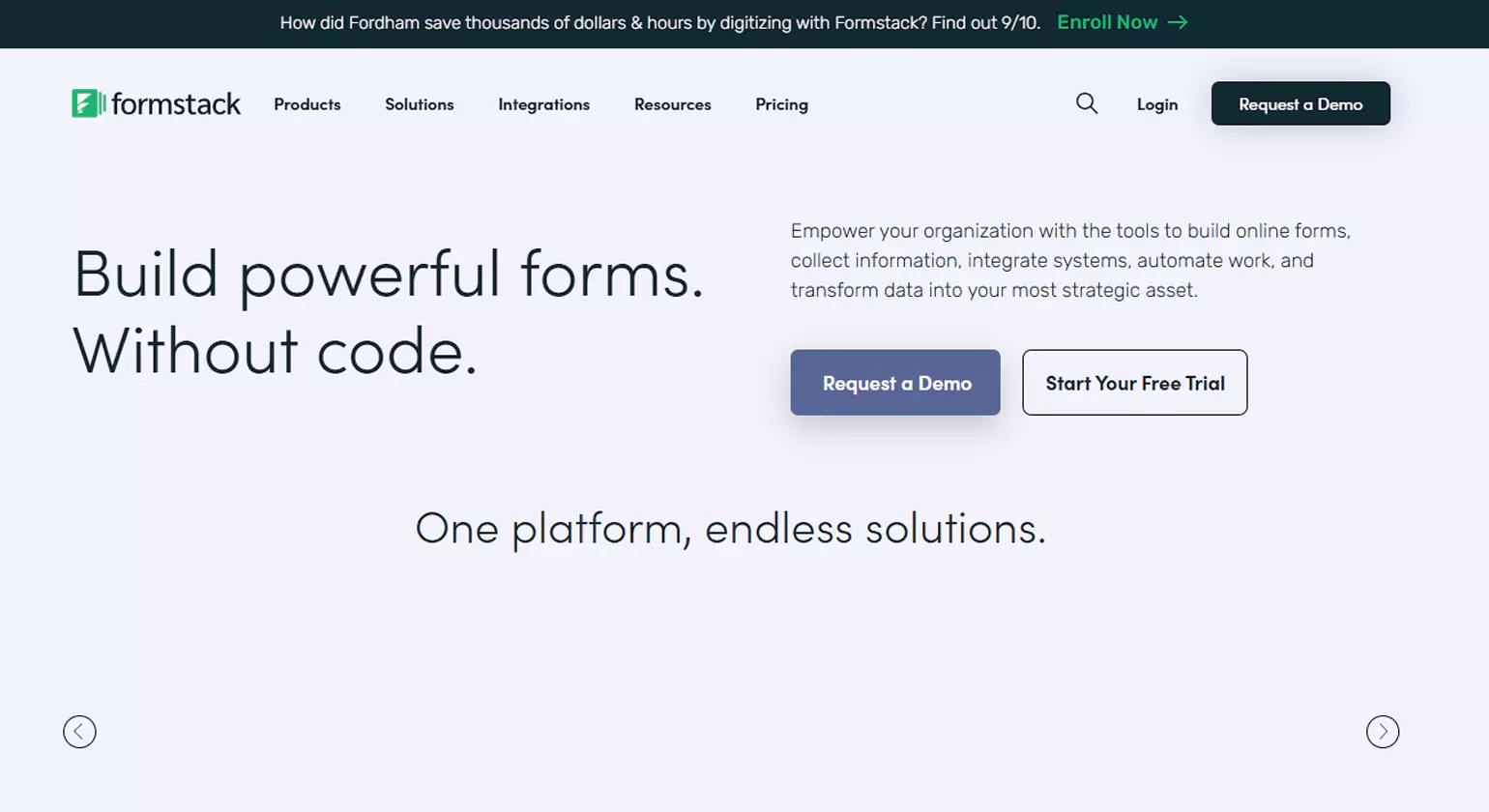
Formstack Sign (formerly InsureSign) is an electronic signature solution catering to the needs of organizations that require a smooth integration of data collection forms and signature processes. As part of the Formstack productivity platform since 2021, the tool is most effective in sectors where form submissions and signatures are done simultaneously, such as insurance, healthcare, education, finance, and human resources. Formstack Sign helps thousands of businesses looking to get rid of paper-based enrollment forms, applications, and agreements by leveraging the power of intelligent form creation and secure signatures. The tool retains critical security compliance such as SOC 2 Type II, HIPAA compliance for protected health information, and ESIGN Act and UETA guidelines. Formstack Sign focuses on automation, which minimizes human intervention and speeds up document signing time.
Key Features
Forms-to-Signature Integration: Native connection between Formstack Forms and signature requests, creating unified workflows from data collection through execution without manual document preparation.
Automated Routing: Intelligent workflows automatically routing documents based on form responses, triggering signature requests to appropriate parties without manual intervention.
Conditional Logic: Dynamic document generation displaying different content, fields, or signature requirements based on respondent answers and profile data.
Bulk Send Capability: Send personalized signature requests to thousands of recipients simultaneously, ideal for policy renewals, enrollment campaigns, or mass notifications.
9. HelloSign
HelloSign, now known as Dropbox Sign after its acquisition by Dropbox in 2019, is a well-known electronic signature tool for its simple design, easy-to-use API, and smooth integration with contemporary workflows. Founded in 2011, HelloSign established itself as a go-to solution for tech-savvy businesses, startups, and development teams that needed flexible e-signature solutions directly integrated into applications. The digital transaction management companies currently supports millions of customers in the technology, SaaS, real estate, professional services, and small business markets. HelloSign has robust security features, including SOC 2 Type II compliance, TLS encryption, and legal validity for e-signatures under ESIGN Act, UETA, and global e-signature laws. Dropbox Sign, now a part of the Dropbox family, provides a set of benefits for businesses already using Dropbox for file storage and collaboration.
Key Features
Powerful API: Full RESTful API and rich set of SDKs allowing developers to integrate signing processes seamlessly into web and mobile applications with minimal coding.
Dropbox Integration: Native integration with Dropbox enabling users to send, sign, and save documents automatically within existing folder structures and workflows.
Embedded Signing: White-label signing interfaces embedded seamlessly into websites or applications, with full brand consistency and no redirects for the user.
Template Library: Reusable document templates with pre-configured fields and signing orders, streamlining repetitive contract and agreement processes.
Team Management: Admin console for user management, template sharing, brand management, and usage tracking for teams within organizations.
10. PandaDoc
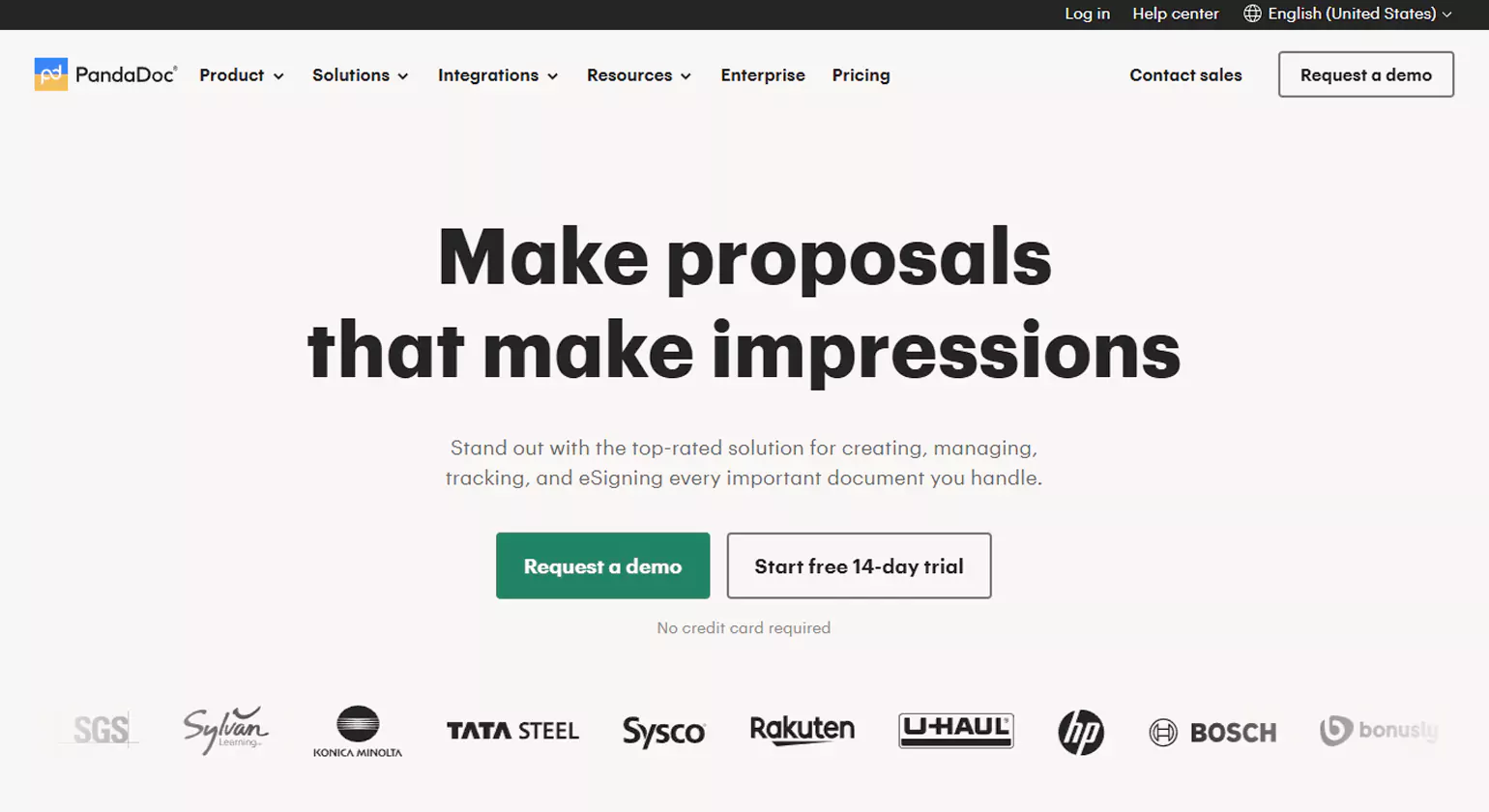
PandaDoc is an all-in-one document automation tool that integrates proposal development, document management, electronic signatures, and payment processing. PandaDoc was founded in 2013 and caters to sales teams, marketing agencies, HR professionals, and service organizations that need visually engaging and interactive documents to close deals faster. PandaDoc currently has more than 50,000 customers globally, including fast-growing businesses and large-scale enterprises looking to optimize quote-to-cash processes. PandaDoc has strong security features, which include SOC 2 Type II compliance, GDPR, 256-bit SSL encryption, and legal binding within ESIGN Act and UETA guidelines. Unlike other e-signature solutions, PandaDoc focuses on document creation and management, making it a complete document workflow solution.
Key Features
Document Builder: Drag-and-drop editor with rich media support such as videos, images, interactive pricing tables, and branded templates to create visually appealing proposals and contracts.
Content Library: A centralized library of approved text blocks, images, pricing tables, and templates to ensure brand consistency and quick document creation.
CRM Integration: Tight two-way integration with Salesforce, HubSpot, Pipedrive, and other popular CRMs to automatically import deal information and sync signed document updates.
Interactive Pricing: Dynamic pricing tables with product lists, discount rules, optional line items, and real-time calculations to facilitate self-service quote configuration.
Payment Collection: Integrated payment processing via Stripe, PayPal, and Square payment gateways to enable customers to sign contracts and make payments at the same time.
What Are The Benefits of Digital Transaction Management?
Digital Transaction Management (DTM) is an innovation that transforms the way businesses manage agreements and documents by replacing traditional manual paper-based processes with secure electronic systems. DTM solutions are capable of managing the entire transaction process, from document creation to storage.
1. Lightning-Fast Transaction Speed
Digital workflows finish in hours, compared to days or weeks for paper-based processes. According to the Association for Intelligent Information Management, DTM shortens the time for document processing by as much as 80%. Sales contracts are closed on the same day, employee onboarding occurs instantly, and vendor contracts are finalized without delay.
2. Dramatic Cost Reduction
Paper-based transactions involve high hidden costs, such as the cost of printing materials, postage, storage space, and the cost of courier services. DTM completely eliminates these costs and also reduces costs of compliance by providing automated audit trails. Organizations handling thousands of transactions every year can save between $20,000 and $50,000 per year.
3. Enterprise-Grade Security
The DTM platforms are equipped with military-grade encryption, multi-factor authentication, and tamper-evident audit trails that record every interaction with the documents. Unlike paper documents, which can be lost, stolen, or damaged, digital platforms ensure the creation of an immutable record that tracks exactly who accessed or altered a given agreement, which is important for regulatory compliance in the healthcare, finance software, and legal industries.
4. Seamless Customer Experience
Customers can view and complete documents on any device, from anywhere, without the hassle of printing or scanning. Adobe research shows that digital transactions result in a 28% higher completion rate because customers complete the transaction at the time of viewing, rather than waiting.
5. Environmental Sustainability
DTM provides measurable positive impacts on the environment by eliminating paper usage, transportation emissions, and disposal waste. Businesses can track and document minimized carbon footprints, which are crucial for organizations with sustainability commitments while also reducing operational expenses.
6. Improved Accuracy and Data Quality
Digital workflows also feature “smart validation” that detects errors before they are submitted. Required field checks verify completeness, “dropdown menus” eliminate typos, and “conditional logic” helps to navigate difficult forms. Such digital workflows avoid the expensive errors that often occur when forms are processed manually.
7. Enhanced Collaboration and Visibility
DTM systems enable real-time tracking of the status of each document, showing exactly where it is in the approval process. Parties are automatically notified, while managers have access to dashboards that highlight where bottlenecks are occurring, and teams work on documents simultaneously, thus removing the black hole effect of paper-based systems where documents vanish for weeks.
8. Seamless Integration Capabilities
Contemporary DTM tools are integrated with existing business solutions such as CRM systems, ERP software, document management systems, and workflow software. This results in integrated workflows where data is automatically exchanged between different systems, thus avoiding the need to duplicate data entry.
9. Scalability Without Complexity
Digital systems process increasing numbers of transactions management services without a corresponding rise in the number of employees and infrastructure. Whether it is 100 or 100,000 transactions per year, DTM platforms handle them with ease. Organizations venturing into new markets or experiencing rapid growth do not have to deal with the nightmares of scaling manual processes.
10. Disaster Recovery and Business Continuity
Cloud-based DTM provides business continuity irrespective of the situation. The documents are always available, even in cases of office closure, natural disasters, or remote work. The automatic backup of documents in different geographical locations ensures that important documents are never lost, unlike physical file storage that can be destroyed by fire, floods, or physical damage.
Key Features of Digital Transaction Management Software
Cloud-Based Accessibility
Access your transaction documents anytime, anywhere through secure cloud infrastructure. Eliminate physical storage constraints and enable seamless collaboration across distributed teams. Automatic updates ensure you’re always using the latest version, while cloud redundancy protects against data loss and provides reliable backup solutions for business continuity.
Real-Time Document Tracking
Monitor transaction progress instantly with live status updates and notifications. Track document views, signatures, and approvals as they happen, eliminating guesswork and delays. Receive automated alerts for pending actions, ensuring stakeholders stay informed throughout the workflow. This transparency accelerates decision-making and improves accountability across all transaction stages.
Integration with CRM & ERP Systems
Seamlessly integrate transaction management with existing business platforms. Automatic data synchronization eliminates manual data entry, reducing errors and increasing efficiency. Pull customer data directly from CRM systems and sync completed transactions management services with ERP databases. This integration creates a unified business ecosystem that improves operational efficiency and data accuracy.
Multi-Device Compatibility
Transact with ease on smartphones, tablets, and desktop computers with responsive design. Mobile apps allow for functionality on the go, allowing for signatures and approvals from anywhere. Synchronization allows documents to be updated on all devices instantly. This allows for flexibility in teams working remotely and completing transactions quickly.
Data Encryption & Security Controls
Sensitive data is protected by bank-grade encryption, secure authentication, and robust audit trails. Role-based access controls ensure that only authorized individuals are able to access confidential documents. Adherence to industry regulations such as GDPR and SOC 2 compliance protects against any kind of data breach. State-of-the-art security features such as two-factor authentication and automated backups ensure data integrity and compliance.
Industries That Use Digital Transaction Management
Banking & Financial Services
Financial institutions make use of us digital transaction management market for loan applications, account openings, and investment agreements. E-signature processes are streamlined to accelerate customer onboarding while ensuring regulatory compliance. Secure document management practices are implemented to protect sensitive financial information, and operational costs are minimized while ensuring compliance with strict banking regulations.
Real Estate
Real estate agents handle property transactions, leasing, and buying contracts online. Electronic signatures enable faster closings, as there are no physical document distribution delays. Virtual Real Estate Transaction Coordinator, clients, and lawyers work together in a smooth process facilitated by online platforms. Online processes eliminate paperwork, and deal completion is faster with a clear transaction history.
Healthcare
Healthcare organizations digitize patient consent forms, insurance papers, and HIPAA-compliant agreements. Secure platforms safeguard patient privacy while facilitating remote form filling and e-signatures. Digital management systems alleviate administrative work, minimize errors in medical files, and expedite patient intake procedures. Compliance tools guarantee healthcare compliance while enhancing patient experiences.
Legal Firms
Law firms streamline contract management, client agreements, and legal document execution through digital platforms. E-signatures expedite approvals, reducing turnaround times for time-sensitive matters. Secure audit trails provide verifiable documentation for litigation and compliance purposes. Digital workflows enhance client service, reduce administrative overhead, and maintain organized case files with version control capabilities.
SaaS & IT Companies
Technology firms use contract management technology to speed up sales cycles for software licenses, service contracts, and partnership agreements. Automation of workflows helps integrate with existing technology infrastructure, making it possible to quickly onboard customers. Digital solutions help manage global operations with multi-currency and multi-language support. Quick transaction processing is in line with agile business practices and ensures security and compliance requirements.
What Kind of Documents Can You Manage With DTM?

Digital Transaction Management (DTM) simplifies and secures document workflows, enabling businesses to handle various types of documents electronically. By using DTM, organizations can reduce paper usage, speed up processes, and ensure compliance. Here are the types of documents you can manage with DTM:
1. Contracts
Among the most frequently used documents by DTM systems is the contract. The DTM platform allows companies to create, review, send, and sign contracts online. Contracts, whether for employment, sales, or vendors, are more secure when managed by DTM because they are legally binding and provide an auditable trail, unlike the traditional paper-based method.
2. Purchase Orders and Invoices
DTM streamlines the management of financial documents such as purchase orders and invoices. By automating these processes, businesses can reduce manual data entry errors and ensure timely processing of payments. Financial teams can track the status of these documents in real-time, enhancing operational efficiency and financial accuracy.
3. Non-Disclosure Agreements (NDAs)
The DTM platforms offer a secure and efficient way of dealing with Non-Disclosure Agreements (NDAs). Businesses can easily send NDAs for review, signing, and storage while ensuring compliance and confidentiality. The use of audit trails also ensures that the business is able to monitor who has accessed or signed the document.
4. Sales Proposals and Quotes
The sales team can greatly benefit from the use of DTM tools in the management of sales proposals and quotes. They can send tailored proposals to their clients, which will enable them to get electronic signatures, thus closing deals faster. DTM tools remove the delay in the approval process, thus making the sales process more efficient and professional.
5. Employee Onboarding Documents
The HR department can handle different types of documents related to employees using DTM. These documents include offer letters, forms for onboarding, tax forms, and benefits enrollment forms. DTM enables fast onboarding, allowing employees to complete required paperwork from a distance.
6. Legal Agreements
The legal department employs transactions management outsourcing for handling different legal documents, such as settlement agreements, memorandums of understanding (MOUs), and so on. digital transaction management platform helps in ensuring that these documents are signed, stored, and accessed when needed, thus preventing lost documents and unauthorized access.
7. Service Agreements
Service contracts between the business and its customers can be handled by DTM in order to ensure that the terms and conditions are agreed upon quickly. DTM systems allow all parties to sign electronically and access documents when needed.
8. Government Forms
DTM can also handle government forms such as tax returns, licenses, and permits. The use of electronic signatures is common with government institutions, making DTM a popular choice for companies that need to process government documents.
10 Digital Transaction Management Trends Shaping the Future

Digital Transaction Management (DTM) is evolving rapidly, driven by technological advancements and the increasing need for secure and efficient document handling. Below are 10 key trends shaping the future of DTM.
1. AI and Machine Learning Integration
Artificial Intelligence (AI) and Machine Learning (ML) are revolutionizing the DTM process with the ability to automatically review and analyze documents. AI-based solutions can now identify patterns, make recommendations, and point out possible errors.
2. Blockchain for Enhanced Security
Blockchain technology is being incorporated into DTM systems to enable the creation of an immutable ledger for document tracking. This ensures that the digital signature of documents is authentic and that fraud cannot occur due to the creation of tamper-proof records of transactions.
3. Cloud-Based DTM Solutions
Adoption of cloud technology is on the rise, and this enables businesses to access and manage transactions remotely. Cloud-based DTM systems are flexible, scalable, and enable real-time collaboration, making them suitable for businesses with geographically dispersed staff.
4. Mobile DTM Applications
With the rising usage of mobile devices, DTM solutions are also becoming more mobile-friendly. This is because users can sign, view, and approve documents on the go using mobile applications.
5. E-Signature Growth
The use of e-signatures is on the rise as more sectors of the economy adopt digital transactions. digital transaction platforms that have the ability to use e-signatures are becoming the norm as businesses are able to finalize transactions and contracts without the need for hard copies.
6. Increased Focus on Compliance
With the rising popularity of regulations such as GDPR and CCPA, the DTM solution is improving its compliance capabilities. The solution ensures that companies are able to comply with regulations related to data security, privacy, and document retention.
7. Automation of Document Workflows
Automation is proving to be an important factor in the world of DTM, as it is eliminating manual processes such as document routing and approvals. Automation of workflows is ensuring that documents are handled in a faster and more efficient manner.
8. Multi-Platform Integrations
Digital transaction management platforms are increasingly being integrated with other business tools such as CRM, ERP, and HR management systems. Such integrations help to make processes smoother by allowing the seamless flow of data.
9. Biometric Authentication
The application of biometric authentication, for example, fingerprint and facial recognition, is being seen as a means of authenticating identities in online transactions management services. This is an additional means of securing transactions to ensure that only authorized persons can access or sign documents.
10. Sustainability Initiatives
As the world moves towards sustainability, companies are embracing DTM to minimize paper usage. The adoption of digital transactions not only helps companies save on operational expenses but also assists them in meeting their environmental objectives.
Conclusion
Digital Transaction Management (DTM) is transforming the way businesses manage their transactions by providing secure, efficient, and paperless solutions. With the integration of e-signatures, workflow automation, and cloud-based solutions, DTM enables businesses to manage their transactions in a more efficient and error-free manner. The advanced security features of DTM, such as encryption and blockchain, ensure the security of sensitive information and documents. As more businesses turn to DTM to improve productivity and sustainability, DTM is becoming a vital tool for managing digital transactions in today’s fast-paced and technology-driven world. DTM enables faster, more reliable, and more cost-effective transactions, which are the key drivers of success in today’s modern businesses.
FAQs
1. What is Digital Transaction Management (DTM)?
Digital Transaction Management (DTM) is a secure, cloud-based process that helps businesses manage digital documents, electronic signatures, approvals, and workflows from start to finish—eliminating manual paperwork while improving speed, accuracy, and compliance.
2. What is a Digital Transaction Management platform?
A Digital Transaction Management platform is software that manages the full document lifecycle—creation, identity verification, electronic signing, approvals, audit trails, and storage—in one system. It streamlines business transactions and ensures legal compliance through secure, cloud-based workflows.
3. What is an example of a digital transaction?
A common digital transaction is signing a contract online. For example, a customer receives a digital agreement, verifies identity, signs electronically, and both parties instantly get a finalized copy—no printing, scanning, or emailing required.
4. What is the difference between DTM and eSignature?
eSignature handles only document signing. DTM covers the entire transaction process, including document creation, identity verification, workflow automation, compliance tracking, and secure storage. In short, eSignature is one feature, while DTM manages the full end-to-end digital transaction.
5. Is Digital Transaction Management legally binding?
Yes. DTM platforms comply with global eSignature laws such as the Electronic Signatures in Global and National Commerce Act and eIDAS Regulation, making digitally signed documents legally valid in most countries.