Table of Contents
Introduction
Custom healthcare solutions are personalized digital tools and services designed to meet the specific needs of medical providers, hospitals, clinics, and patients. Unlike generic healthcare software, these solutions are tailored to streamline operations, improve patient outcomes, and ensure regulatory compliance. From electronic health records (EHR) systems to telemedicine platforms and patient engagement apps, custom healthcare software solutions—often the result of custom healthcare software development—enhance efficiency and adapt to evolving healthcare demands. They offer scalability, data security, and integration with existing systems, enabling healthcare providers to deliver more effective, patient-centered care. In today’s digital age, investing in custom healthcare solutions is essential for operational excellence and enhanced patient satisfaction.
Benefits of Custom Healthcare Software

1.Tailored Solutions
Custom healthcare software provides Customized healthcare services that fit the specific needs of each healthcare provider, ensuring that the software aligns perfectly with their operational requirements.
2. Improved Patient Interaction
Healthcare customer solutions are designed to enhance patient interactions and communication, making it easier for healthcare organizations to manage and improve patient satisfaction.
3. Streamlined Administrative Processes
Custom software solutions help streamline administrative processes, reducing the administrative burden on healthcare staff and improving overall operational efficiency.
4. Enhanced Data Security
With concerns over patient data privacy and compliance with regulations like HIPAA, software solutions offer robust security measures to ensure that patient data is securely stored and accessed according to industry standards.
5. Scalability and Adaptability
Custom solutions provide greater scalability, allowing healthcare providers to grow and adapt to innovative technologies and evolving needs in the healthcare industry.
6. Integration with Emerging Technologies
Custom software solutions offer the flexibility to integrate with emerging technologies, enhancing the overall efficiency of healthcare systems, and supporting innovation in healthcare delivery.
Integrating customized healthcare solutions with a specialized clinical data abstraction solution enhances the accuracy and efficiency of managing patient records. These solutions allow healthcare providers to streamline workflows, improving clinical decision-making processes by ensuring that data abstraction is executed precisely. This tailored approach ensures that unique needs within the clinical setting are met while maintaining compliance with regulatory standards. By adopting such integrated systems, providers can offer higher quality patient care.
Types of Custom Healthcare Solutions
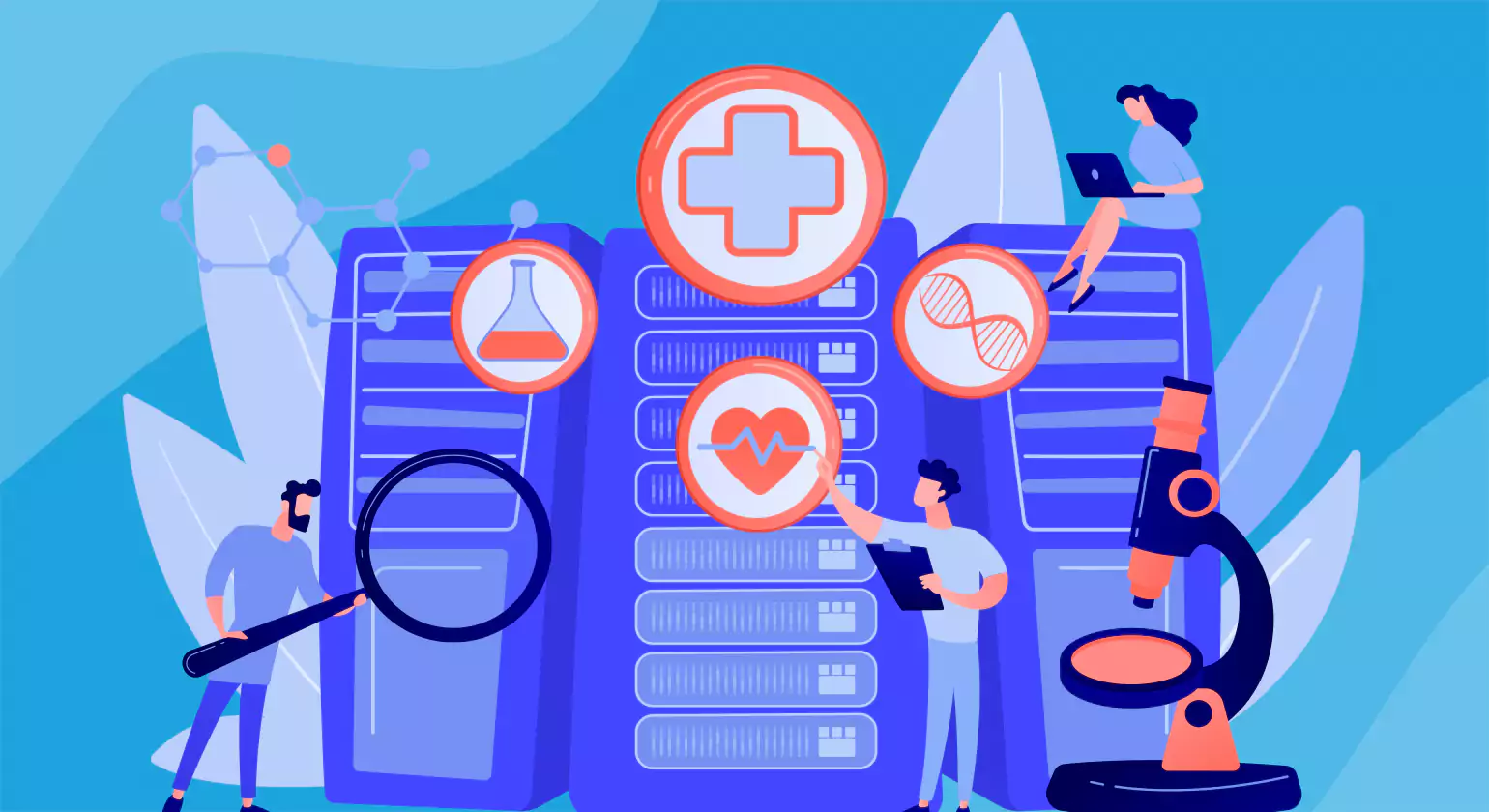
The world of custom healthcare software solutions is vast, offering several types of systems that cater to various aspects of healthcare. These include Customized healthcare services such as patient management systems, telemedicine platforms, and electronic health records (EHR).
1. Electronic Health Records (EHR) Systems
Tailored systems for accurate, real-time patient data management, aligned with specific facility workflows. Custom EHR solutions enhance data accessibility and accuracy, reducing errors and improving clinical decision-making.
2. Telemedicine Software
Custom solutions for video consultations, remote monitoring, and integration with medical systems, crucial for remote care. These platforms enable providers to maintain continuity of care and expand access to healthcare services.
3. Administrative Management Systems
Customized billing, appointment scheduling, and inventory management software for efficient operations. These systems streamline administrative tasks, reducing operational costs and improving overall efficiency.
4. Wearable Devices & Health Apps
Systems for real-time health data collection, enhancing diagnostics, personalized treatments, and preventive care. These solutions provide valuable insights for proactive management of patient health and personalized treatment plans.
5. Research & Development Software
Streamlined data collection and analysis tools for medical research and innovation. Custom software supports researchers and solutions for therapists by simplifying complex data processes and accelerating the development of new treatments and therapies.
The Role of Telemedicine in Custom Healthcare Solutions

Telemedicine has revolutionized the healthcare industry by making medical consultations and services more accessible and efficient. As part of software solutions, telemedicine platforms are tailored to fit the unique needs of healthcare providers and patients, significantly enhancing the delivery of care.
Healthcare custom software solutions that incorporate telemedicine features enable healthcare professionals to conduct virtual consultations, reducing the need for in-person visits. This capability is particularly beneficial for patients in remote or underserved areas who might otherwise have limited access to specialized care. Custom telemedicine platforms can be designed to integrate seamlessly with existing Electronic Health Records (EHR) systems, ensuring that patient data is consistently updated and easily accessible during virtual consultations.
Customized healthcare services within telemedicine platforms also include features like secure video conferencing, online appointment scheduling, and real-time chat functionalities. These features facilitate effective communication between patients and healthcare providers, improving the overall quality of care. By customizing these features to the specific needs of an organization, telemedicine solutions can address various healthcare challenges, such as reducing wait times and improving patient satisfaction.
Another critical aspect of custom telemedicine solutions is their ability to handle healthcare billing and insurance processing. Integrating these functionalities into telemedicine platforms streamlines administrative processes, making it easier for healthcare providers to manage payments and claims. This integration helps ensure that telemedicine services are not only effective but also financially sustainable.
How Custom Healthcare Solutions Enhance the Patient Experience
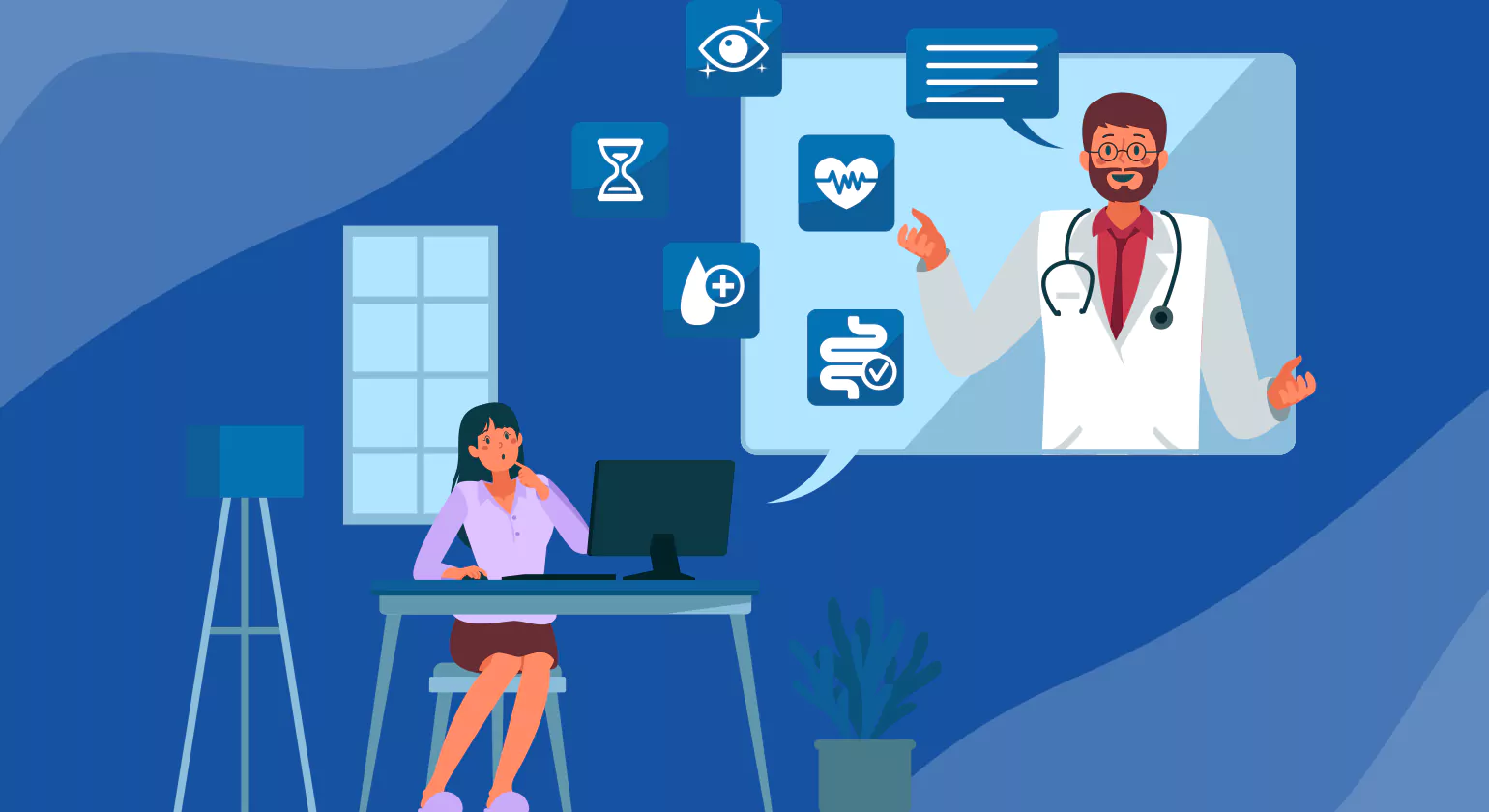
Healthcare software solutions and Healthcare VA’s are designed to improve the patient’s experience by offering tailored features that address specific needs and preferences. By focusing on personalization and convenience, these solutions enhance the overall quality of care and patient satisfaction.
One way healthcare custom software solutions enhance the patient experience is through streamlined appointment scheduling. Custom solutions can offer online scheduling options, allowing patients to book, reschedule, or cancel appointments with ease. This convenience reduces waiting times and helps ensure that patients receive timely care.
They also improve communication between patients and healthcare providers. Features such as secure messaging, virtual consultations, and patient portals enable patients to interact with their healthcare providers more easily. These tools facilitate better communication, ensuring that patients can ask questions, receive updates, and access their health information without the need for frequent in-person visits.
Customized healthcare services also focus on personalizing patient care. Custom software can integrate with patient data to provide tailored treatment plans, reminders for medications or follow-up appointments, and educational resources relevant to the patient’s condition. This level of personalization helps patients feel more engaged in their care and improves adherence to treatment plans.
They often include features for tracking and managing health conditions. For instance, patients can use mobile health apps to monitor their symptoms, track their progress, and receive feedback from their healthcare providers. These tools, often created through custom healthcare software development, empower patients to take an active role in their health management and improve their overall experience.
Custom Mobile Healthcare Applications
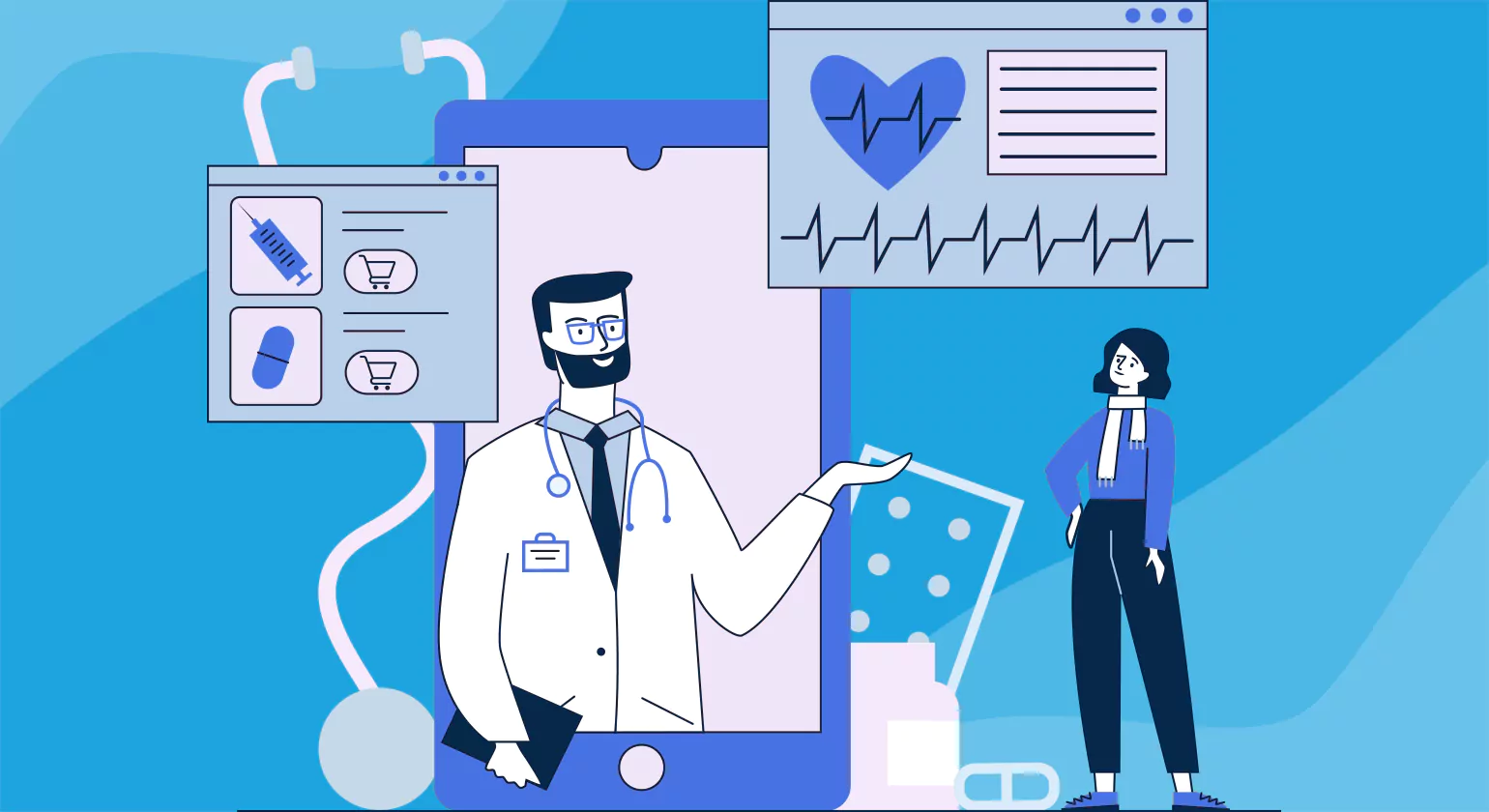
Custom mobile healthcare applications are transforming how healthcare services are delivered and accessed. These apps are designed to provide tailored solutions for both healthcare providers and patients, enhancing the overall efficiency and effectiveness of care. By focusing on mobile app development for healthcare, providers can create user-friendly apps that streamline patient interactions, improve accessibility, and offer personalized health management tools.
One significant advantage of software solutions is their ability to offer personalized features that cater to the specific needs of healthcare providers. For example, mobile apps can integrate with Electronic Health Records (EHR) systems, allowing healthcare professionals to access patient information, review medical history, and make informed decisions from anywhere. This mobility is crucial for doctors and nurses who need to access and update patient data on-the-go, ensuring that they have the most current information at their fingertips. Incorporating 3D medical animation into these solutions can enhance patient education and streamline professional training.
For patients, custom mobile healthcare apps provide a range of functionalities that improve their experience and engagement with healthcare services. Features such as appointment scheduling, medication reminders, and direct communication with healthcare providers enhance patient convenience and adherence to treatment plans. Additionally, mobile health apps can offer remote monitoring for chronic conditions, allowing patients to track their health metrics and share data with their healthcare providers in real-time. This proactive approach to health management can lead to better outcomes and more personalized care.
Customized healthcare services in mobile apps also include telemedicine capabilities, enabling virtual consultations and reducing the need for in-person visits. This feature is particularly valuable for patients in rural or underserved areas who may have limited access to healthcare facilities. By offering telemedicine services through a mobile app, healthcare providers can reach a broader patient base and provide timely care.
Custom mobile healthcare applications enhance the delivery of healthcare services by offering personalized features, improving patient engagement, and expanding access to care. These apps play a crucial role in modernizing healthcare and ensuring that both providers and patients benefit from the latest technological advancements.
Challenges in Developing Custom Healthcare Solutions
While developing software solutions offer numerous benefits, developing these solutions comes with its own set of challenges. Addressing these challenges is essential to ensure the successful implementation and effectiveness of custom healthcare solutions.
1. Regulatory Compliance
Custom software must adhere to strict regulations like HIPAA and GDPR (General Data Protection Regulation) to protect patient data and privacy. Ongoing updates are needed to stay compliant with changing laws.
2. Integration with Existing Systems
Custom solutions must integrate seamlessly with existing healthcare systems, such as EHRs, to ensure smooth data flow and avoid data silos.
3. Complex Healthcare Workflows
The software needs to be adaptable to unique and diverse healthcare workflows while providing a user-friendly experience.
4. Cost Considerations
Developing advanced features can be expensive, and budget constraints may affect the scope and functionality of the solution. Prioritization of features is essential.
5. User Adoption
Successful implementation requires healthcare providers and patients to embrace the new software. Adequate training and support are crucial for a smooth transition.
Custom Healthcare Solutions for Small Practices vs Large Hospitals.
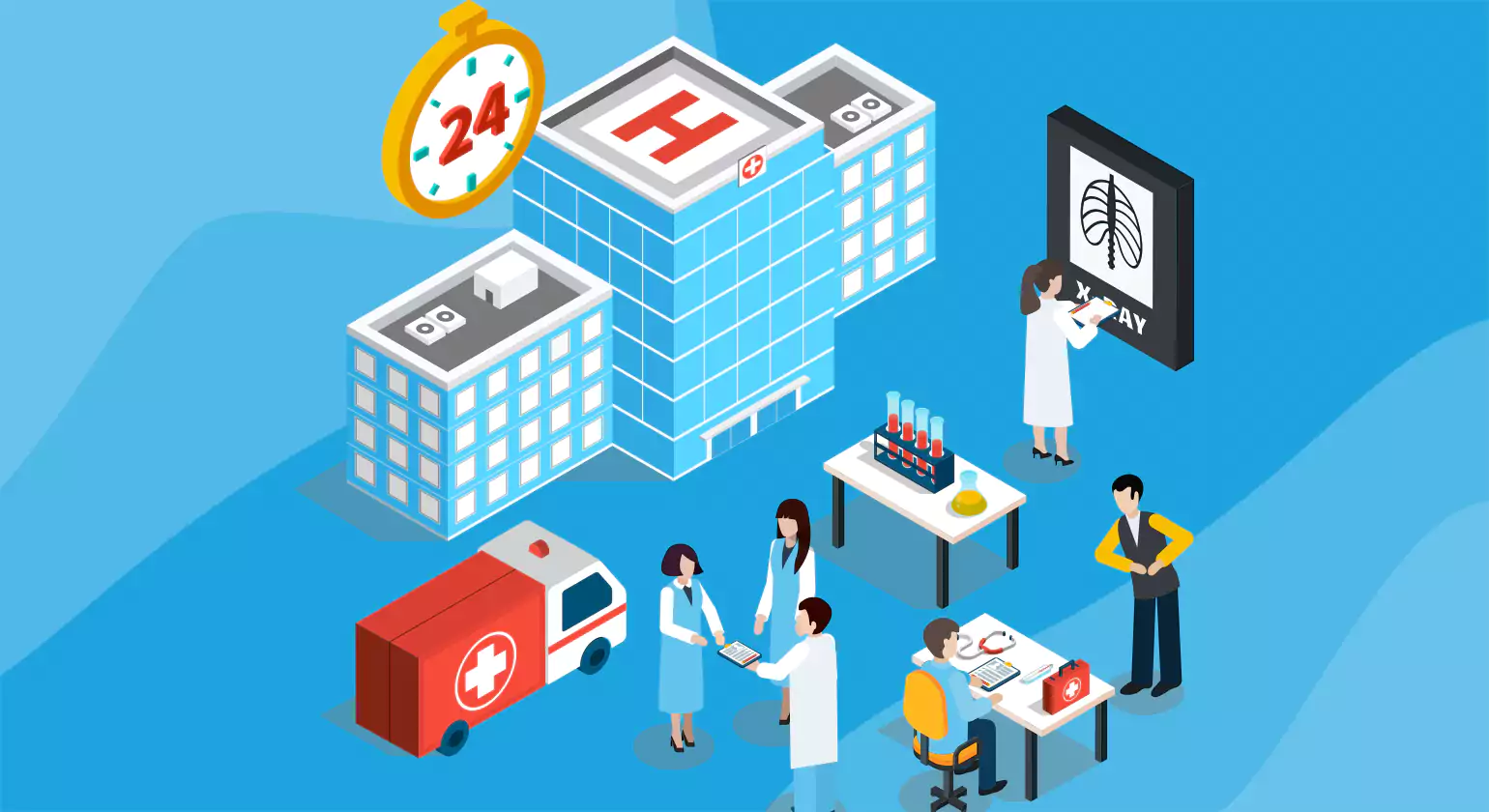
When it comes to custom healthcare software solutions, the needs and requirements of small practices and large hospitals can vary significantly. Understanding these differences is crucial for custom healthcare software development that delivers effective solutions tailored to the specific needs of each type of healthcare provider.
For small practices, healthcare solutions often focus on simplicity, affordability, and ease of use. Small practices typically have limited resources and require software that is cost-effective and easy to implement. Custom solutions for these practices might include basic functionalities such as appointment scheduling, electronic health records, and patient management systems. These solutions should be user-friendly and require minimal training, as small practices may not have dedicated IT staff.
In contrast, large hospitals often require more complex and comprehensive healthcare solutions. These institutions have diverse needs, including advanced features such as integrated EHR systems, billing and coding modules, and sophisticated data analytics with many seeking the EHR for psychiatry to enhance patient care. Large hospitals also need solutions that can handle a high volume of data and support various departments and specialties. Custom solutions for large hospitals must be scalable to accommodate growth and adaptable to the hospital’s complex workflows.
Integration is another critical consideration. Large hospitals typically use multiple systems and technologies, making it essential for custom solutions to integrate seamlessly with existing infrastructure. This includes integrating with other hospital systems, such as laboratory information systems, radiology systems, and pharmacy systems, to ensure that data flows smoothly across the organization.
Security and compliance are also paramount for both small practices and large hospitals. Custom healthcare solutions must adhere to regulatory standards and ensure the protection of patient data. However, large hospitals may face additional security challenges due to their size and the volume of sensitive information they manage. Custom solutions must include robust security measures to safeguard against data breaches and ensure compliance with regulations.
In-House vs. Outsourced Custom Healthcare Development

When considering healthcare software solutions, one of the fundamental decisions organizations must make is whether to develop their software in-house or to outsource the development process. Each approach has its advantages and disadvantages, which can significantly impact the quality, cost, and timeliness of the final product.
In-House Development
In-house development refers to building a custom software solution with a team that is part of the organization. This approach offers several benefits.
1. Greater Control and Alignment
Developing software in-house allows for closer alignment with organizational goals and workflows. Since the development team is part of the organization, they have a deep understanding of internal processes, needs, and challenges. This alignment can result in a solution that is highly tailored to the organization’s specific requirements.
2. Immediate Access and Collaboration
In-house teams can collaborate more effectively with other departments, facilitating immediate feedback and iterative development. This can lead to quicker adjustments and refinements based on real-time input from end-users.
3. Enhanced Security
When managing development internally, the organization has direct control over data security and confidentiality. This is crucial in healthcare, where compliance with regulations like HIPAA is essential. An in-house team can ensure that security protocols are strictly followed, and data privacy is maintained.
However, in-house development also presents several challenges
1. Resource Constraints
Building a dedicated in-house team requires significant resources, including hiring skilled developers, investing in training, and maintaining the necessary infrastructure. For many organizations, especially smaller practices, these resource demands can be prohibitive.
2. Longer Ramp-Up Time
Establishing an effective in-house team can take time. Recruiting, onboarding, and training staff can delay the development process, which may be problematic for projects with tight timelines.
3. Limited Expertise
In-house teams may lack specialized expertise in certain areas of healthcare technology. For example, integrating complex features such as advanced data analytics or telemedicine capabilities may require additional expertise that is not available internally.
Outsourced Development
Outsourcing involves contracting a third-party company to develop the customs software. This approach offers several advantages.
1. Access to Expertise
Outsourcing allows organizations to leverage the specialized skills and knowledge of external developers who have experience in healthcare software development. This can be particularly beneficial for complex projects requiring advanced technological solutions.
2. Cost Efficiency
Outsourcing can be more cost-effective compared to maintaining an in-house team. External developers often have established processes and tools that can reduce development time and costs. Additionally, outsourcing eliminates the need for long-term investments in infrastructure and personnel.
3. Scalability and Flexibility
Outsourcing provides the flexibility to scale development resources up or down based on project needs. This can be advantageous for managing fluctuating workloads and adapting to changing project requirements.
However, outsourcing also comes with its own set of challenges.
1. Communication and Coordination
Working with an external team can lead to communication challenges, especially if the development team is in a different time zone or speaks a different language. Effective communication and coordination are crucial to ensure that the project stays on track and meets the organization’s needs.
2. Less Control
Outsourcing can result in less direct control over the development process. Organizations may need to rely on external teams to manage timelines, quality, and adherence to specifications. This can be mitigated through clear contracts and regular check-ins, but it still represents a potential drawback.
3. Data Security Concerns
Entrusting sensitive healthcare data to an external provider raises concerns about data security and compliance. It is essential to carefully vet outsourcing partners to ensure they adhere to regulatory standards and implement robust security measures to protect patient information.
Cost Considerations for Developing Custom Healthcare Solutions.

Cost is a critical factor in the decision-making process for healthcare software solutions. Developing custom healthcare software solutions can be a significant financial investment, and understanding the various cost components is essential for budgeting and planning.
1. Development Costs
The primary cost of developing custom healthcare software includes the expenses associated with coding, designing, and building the application. This cost can vary widely depending on the complexity of the software, the number of features, and the development approach (in-house vs. outsourced). For example, a basic appointment scheduling system will cost less to develop than a comprehensive electronic health record (EHR) system with advanced analytics.
2. Licensing and Infrastructure Costs
Custom software development often involves additional costs for licenses, tools, and infrastructure. This includes costs for software development tools, servers, and cloud services. Organizations must also consider ongoing maintenance and support costs, which can include licensing fees for third-party components and services.
3. Integration Costs
Many healthcare software solutions need to integrate with existing systems, such as EHRs, laboratory information systems, and billing systems. The cost of integration can be substantial, especially if it involves complex data exchanges and interoperability requirements. Organizations must budget for the technical expertise required to achieve seamless integration and ensure data consistency across systems. Implementing LIMS development can further streamline laboratory operations by ensuring seamless integration with existing healthcare systems, improving data accuracy, and enhancing overall efficiency.
4. Compliance and Security Costs
Ensuring compliance with healthcare regulations such as the IISO/IEC 17025 standards and implementing robust security measures are essential but can add to the overall cost. Compliance requirements, such as HIPAA and GDPR, necessitate additional development efforts to ensure data privacy and security. This may involve incorporating encryption, access controls, and audit trails, which can increase development and ongoing maintenance costs.
5. Training and Support Costs
Custom healthcare software often requires training for end-users and ongoing support to address issues and implement updates. Training costs include developing educational materials and providing hands-on sessions for healthcare staff. Support costs involve providing technical assistance and resolving any issues that arise after deployment.
6. Maintenance and Upgrades
Custom software requires regular maintenance to address bugs, update features, and ensure compatibility with evolving technologies. Maintenance costs can include periodic updates, bug fixes, and performance enhancements. Organizations should plan for these ongoing expenses as part of their overall software budget.
Conclusion
Custom healthcare solutions are revolutionizing patient care by offering tailored approaches to meet specific needs. They enhance compliance, efficiency, and patient experience through innovations like mobile apps, telemedicine, and advanced data analytics. Deciding between in-house and outsourced development hinges on resources and expertise, while cost factors include complexity and compliance. Emerging technologies like AI and blockchain are set to further transform the industry. Overall, custom solutions are vital for improving healthcare services and outcomes.
FAQ’S
1. What are Custom Healthcare Solutions?
Custom healthcare solutions are tailored systems designed to address the specific needs of healthcare providers and patients. These solutions adapt to unique operational challenges, such as managing patient data or optimizing workflows. By being customized, they enhance efficiency, accuracy, and overall care quality, meeting the exact requirements of the healthcare environment they serve effectively and comprehensively.
2. What is the role of analytics in healthcare?
Analytics in healthcare plays a crucial role in transforming data into actionable insights. By analyzing patient data, healthcare providers can identify trends, predict outcomes, and optimize treatment plans. This process enhances decision-making, improves patient care, and reduces costs by offering evidence-based solutions and personalized treatment strategies, leading to more efficient and effective healthcare delivery.
3. How do I choose the right Custom Healthcare Solution?
Choose the right solution by evaluating specific needs, integration capabilities, user-friendliness, and vendor support. Ensure compliance with regulations and enhancements in patient care and operational efficiency. Prioritize data security and scalability to meet future needs and seek feedback from current users for practical insights and experiences.
4. What is the best technology for healthcare Solution?
The best technology includes electronic health records (EHRs), telemedicine platforms, and AI diagnostic tools. These should integrate seamlessly with existing systems, enhance patient care, ensure robust data security, and comply with industry standards. Innovations such as predictive analytics and personalized medicine can further improve treatment outcomes and efficiency.
5. Why is customer service important in healthcare?
Customer service is essential for patient satisfaction and trust in healthcare settings. It ensures timely issue resolution, promotes adherence to treatment plans, and leads to better health outcomes. High-quality service fosters positive patient experiences, manages expectations effectively, and strengthens long-term relationships, enhancing the overall effectiveness of healthcare delivery.
6. How can you provide excellent customer service in healthcare?
Provide excellent customer service by training staff to be empathetic, responsive, and knowledgeable. Implement efficient communication channels for resolving patient concerns and streamline appointment scheduling. Collect and act on patient feedback to continually improve service quality, ensuring all interactions are respectful and address patient needs promptly and professionally.
7. What is the role of technology in healthcare?
Technology in healthcare enhances patient care and operational efficiency. It includes tools like electronic health records (EHRs), telemedicine, and diagnostic systems that improve data management, treatment accuracy, and access to care. Technology streamlines the process, supports decision-making, and facilitates communication, ultimately leading to better patient outcomes and more efficient healthcare delivery.