Table of Contents
Introduction
Customer experience tools are essential for businesses looking to enhance interactions, improve satisfaction, and build lasting customer relationships. These tools help companies gather insights, automate responses, personalize communication, and streamline support across multiple channels. From CRM systems and chatbots to analytics and feedback platforms, CX tools enable businesses to understand customer needs and optimize their journey. By leveraging the right customer experience tools, organizations can boost retention, increase loyalty, and gain a competitive edge. Investing in CX technology ensures a seamless, efficient, and engaging experience for customers at every touchpoint.
What is Customer Experience (CX) Platform

Customer Experience tools, or CX tools, are software solutions designed to help businesses enhance interactions with customers, improve satisfaction, and build brand loyalty. These tools act as both customer experience measurement tools and customer experience analytics tools, collecting and analyzing customer feedback, tracking engagement, and optimizing touchpoints across various channels.
These tools include customer relationship management (CRM) platforms, chatbots, survey tools, helpdesk software, and digital customer experience software that provides insights into customer behavior. By using best customer insights software, AI-driven automation, sentiment analysis, and real-time support, businesses can personalize customer interactions, conduct effective customer experience monitoring, and manage offerings with product experience management software to improve overall experiences.
Popular CX platforms include HubSpot CRM, Zendesk, Qualtrics, Intercom, and Medallia. These solutions serve as comprehensive customer experience analytics tools and customer experience measurement tools, helping brands deliver seamless, data-driven experiences that boost customer retention and satisfaction. Investing in the right technology ensures businesses stay competitive while fostering long-term customer relationships using the most effective CX tools available.
Essential Features of Any Great Customer Experience Tools

Customer experience (CX) tools play a crucial role in helping businesses enhance customer satisfaction, engagement, and loyalty. The best tools streamline interactions, personalize customer journeys, and provide data-driven insights. Here are the essential features to look for in any great customer experience tool.
1. Omnichannel Support
A great CX tool should provide omnichannel support, ensuring seamless customer interactions across multiple platforms, including websites, mobile apps, email, social media, and live chat. Customers expect a unified experience regardless of the channel they use, so integrating all touchpoints improves satisfaction and consistency.
2. AI-Powered Chatbots and Automation
AI-driven chatbots and automation enhance customer support by providing instant responses and resolving common queries. Features like natural language processing (NLP) and machine learning enable chatbots to understand and respond to customer needs, reducing response times and improving efficiency.
3. Personalization Capabilities
Personalization is key to improving the customer experience. A robust CX tool should use AI and customer data to deliver tailored product recommendations, dynamic content, and personalized messaging. Tools that track user behavior and preferences can help businesses create more meaningful interactions.
4. Real-Time Customer Feedback and Sentiment Analysis
Effective Customer Experience include real-time feedback collection and sentiment analysis to gauge customer satisfaction. Tools like Qualtrics, Medallia, and SurveyMonkey help businesses collect customer feedback through surveys, online reviews, and social media monitoring, enabling proactive issue resolution.
5. Customer Relationship Management (CRM) Integration
A great CX tool should seamlessly integrate with Customer Relationship Management (CRM) systems like HubSpot, Salesforce, or Zoho CRM. This integration allows businesses to access customer data, track interactions, and provide personalized experiences, ensuring stronger customer relationships.
6. Advanced Analytics and Reporting
Comprehensive analytics and reporting are essential for understanding customer behavior and optimizing the customer journey. Features like heatmaps, funnel analysis, and user behavior tracking help businesses make data-driven decisions to improve customer interactions.
7. Self-Service Options
Customers prefer solving issues on their own when possible. CX tools should include self-service options such as knowledge bases, FAQs, and interactive guides. Platforms like Zendesk and Freshdesk offer robust self-service portals to reduce support workload and enhance user experience.
8. Proactive Customer Support and Notifications
Businesses should anticipate customer needs with proactive support features like automated alerts, in-app notifications, and follow-up messages. By addressing concerns before they escalate, companies can improve retention and build stronger customer relationships.
9. Integration with Marketing and Sales Tools
A great CX tool should integrate with marketing and sales automation platforms like Marketo, Mailchimp, and Google Analytics. This enables businesses to track the complete customer journey, from initial engagement to post-sale support, ensuring a smooth and personalized experience.
10. Scalability and Customization
As businesses grow, their CX platforms should be able to scale accordingly. The best solutions offer customization options, allowing businesses to adapt features, dashboards, and workflows based on their unique needs.
Top Automated Customer Experience Tools to Transform Service in 2026

Automated CX platforms are reshaping how businesses deliver service, blending artificial intelligence, omnichannel support, and workflow automation for superior efficiency and personalized engagement. These solutions not only cut response times but also empower teams to resolve issues faster and proactively enhance customer journeys.
Top automated customer service tools include:
Ada
Known for robust AI and no-code automation, Ada streamlines common workflows across web, SMS, and social channels. Its GPT-4 engine powers rapid, context-aware responses and can manage high support volumes autonomously. Ada’s proactive engagement features drive timely assistance based on user behaviors.
HubSpot Service Hub
Combining CRM, support automation, and omnichannel inboxes, this platform automates ticket routing, feedback collection, and agent task management. Seamless CRM connectivity provides proactive support and real-time health insights, improving retention and loyalty.
Zendesk
Famous for AI-driven ticket management, sentiment analysis, and intuitive interfaces, Zendesk excels in delivering instant resolutions through chatbots. Its automation reduces agent workload, while deep integration options make it suitable for complex needs.
Intercom
Intercom’s Fin AI Chatbot and workflow automation facilitate conversational support, live chat, and triggered messaging. It helps businesses deliver 24/7 assistance and tailor engagement for every customer interaction, raising satisfaction rates.
Zoho Desk (Zia)
Zia, Zoho’s virtual assistant, automates ticket handling, performs sentiment analysis, and unifies ticketing across multiple channels. Blueprint automation ensures agents follow best practices, resulting in consistent service delivery.
Freshdesk and Gorgias
Popular for scaling SMB and enterprise customer service with intuitive workflows, AI-powered chatbots, and extensive eCommerce integrations. Both tools automate routine tasks and centralize conversations.
Choosing the right customer experience tools means balancing AI sophistication, integration needs, and scalability. Embrace automation to streamline support, drive proactive engagement, and boost overall service effectiveness. consectetur adipiscing elit. Ut elit tellus, luctus nec ullamcorper mattis, pulvinar dapibus leo.
What AI Tools Should Your Dealership Actually Use?

Customer experience AI tools for dealerships, including CX tools, digital customer experience software, and product experience management software, are revolutionizing how auto dealers interact with buyers and service customers. These solutions function as both customer experience analytics tools and customer experience measurement tools, automating lead engagement, personalizing communication, and streamlining service processes, resulting in higher conversion rates and enhanced customer satisfaction. They also leverage best customer insights software for actionable data and customer experience monitoring to track engagement and optimize touchpoints across the buyer journey.
Key features include:
Conversational AI for Lead Engagement
AI-powered chatbots and voice assistants instantly respond to inquiries 24/7, qualifying leads and scheduling test drives without human intervention. This feature reduces lead response times and ensures no opportunities are missed, providing dealerships with advanced customer experience analytics tools insights.
Automated Appointment Scheduling
AI automates booking service appointments and follow-ups by accessing customer and vehicle history. This reduces errors and no-shows while improving operational efficiency in service bays, supported by digital customer experience software and integrated CX tools.
Predictive Analytics for Inventory and Maintenance
AI analyzes buying patterns and vehicle data to recommend the right inventory and anticipate maintenance needs. This helps dealerships optimize stock, proactively communicate service alerts, and leverage best customer insights software for informed decision-making.
Personalized Follow-Up Campaigns
AI systems send automated and tailored follow-ups via email, SMS, or phone, nurturing leads and maintaining engagement throughout the sales and service lifecycle, using customer experience measurement tools and customer experience monitoring capabilities.
Real-Time Speech Analytics and Insights
AI tools analyze call sentiment and customer interactions to provide actionable insights, enabling dealerships to fine-tune sales strategies and improve customer service quality using integrated customer experience analytics tools.
CRM & DMS Integration
Seamless syncing with dealership management systems enhances data accuracy, providing a unified view of customer interactions and enabling smarter automated workflows, supported by product experience management software.
Multilingual Support
AI supports multiple languages to engage diverse customer bases effectively, improving inclusivity and expanding market reach with digital customer experience software and CX tools.
These features make AI essential for dealerships to enhance customer experiences, boost sales conversion, and streamline service operations in 2026 and beyond. Incorporating customer experience AI tools not only modernizes dealer workflows but also delivers a superior, personalized journey for every customer using the most advanced CX tools, customer experience analytics tools, and best customer insights software available.
The 15 Best Customer Experience Tools of 2026
These tools are essential for businesses looking to enhance customer satisfaction, engagement, and loyalty. These tools help in gathering feedback, improving communication, and delivering personalized experiences. Below are the 15 best CX tools in 2026, each with an overview, key features, and reasons to choose them.
1. Podium
Overview
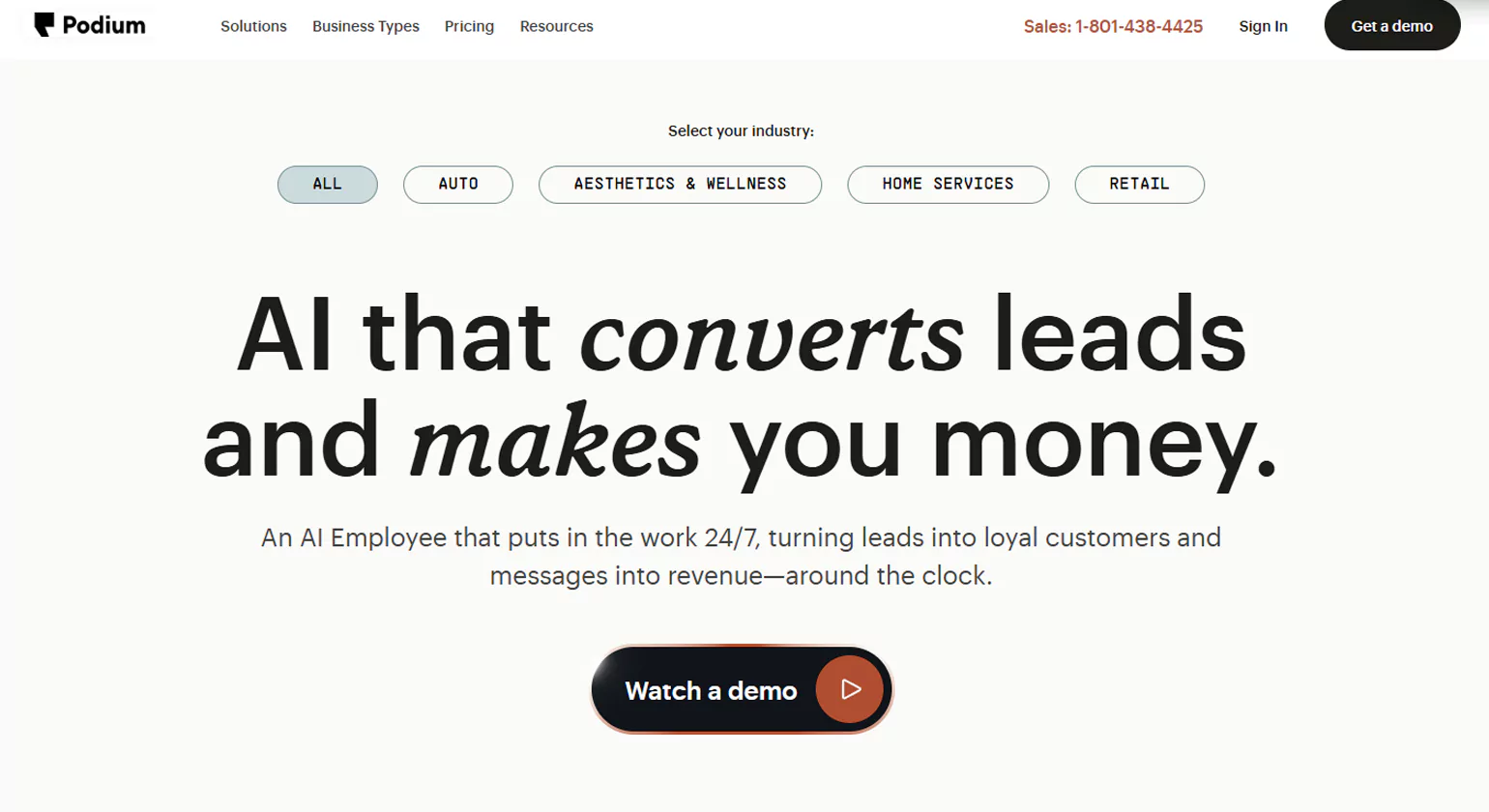
Podium is a powerful customer interaction platform that helps businesses manage reviews, feedback, and customer messaging in one place. It streamlines interactions across multiple channels, including SMS and social media, ensuring businesses can efficiently manage customer relationships and reputation.
Key Features
- Customer messaging platform with real-time chat
- Review management and automated review generation
- Seamless integration with CRM and POS systems
- Text-based marketing and customer engagement tools
- Centralized dashboard for multi-channel communication
Why Choose Podium?
Podium is ideal for businesses looking to enhance their online reputation, collect customer feedback, and improve communication. With automated messaging and review generation features, it helps build credibility and trust while streamlining customer interactions, making it one of the top customer experience tools.
2. Sprinklr
Overview
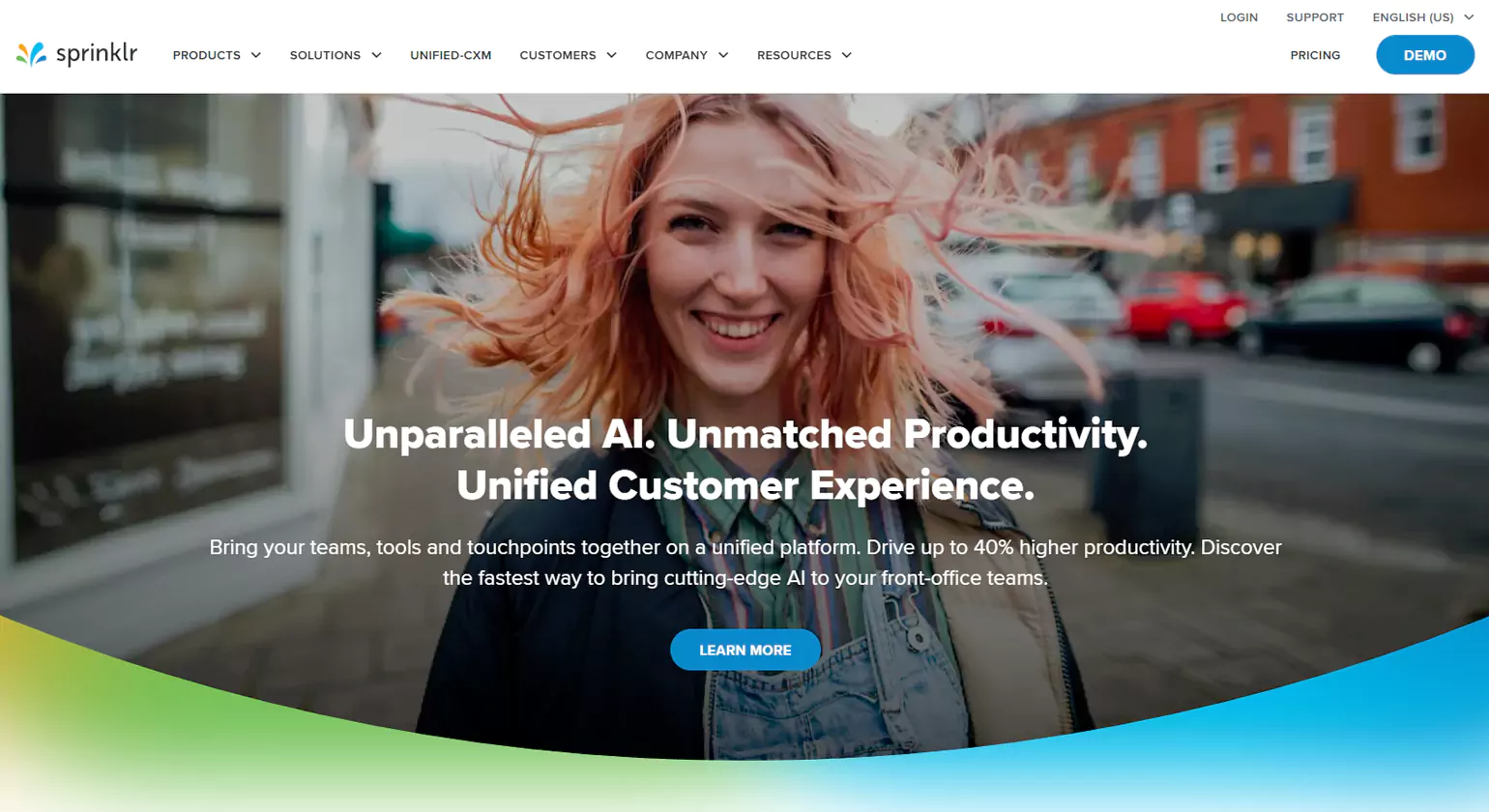
Sprinklr is an AI-powered customer experience Tools management platform designed to unify marketing, advertising, and customer engagement across multiple channels. It helps businesses track customer sentiment, engage proactively, and optimize digital CX platforms.
Key Features
- AI-driven customer insights and sentiment analysis
- Social media listening and engagement
- Unified CX management across multiple platforms
- Real-time analytics and automated response capabilities
- Workflow automation for customer service teams
Why Choose Sprinklr
With its advanced AI-driven analytics and multi-channel integration, Sprinklr is perfect for businesses looking to gain deep customer insights, enhance engagement, and deliver a seamless omnichannel experience.
3. Adobe Experience Cloud
Overview
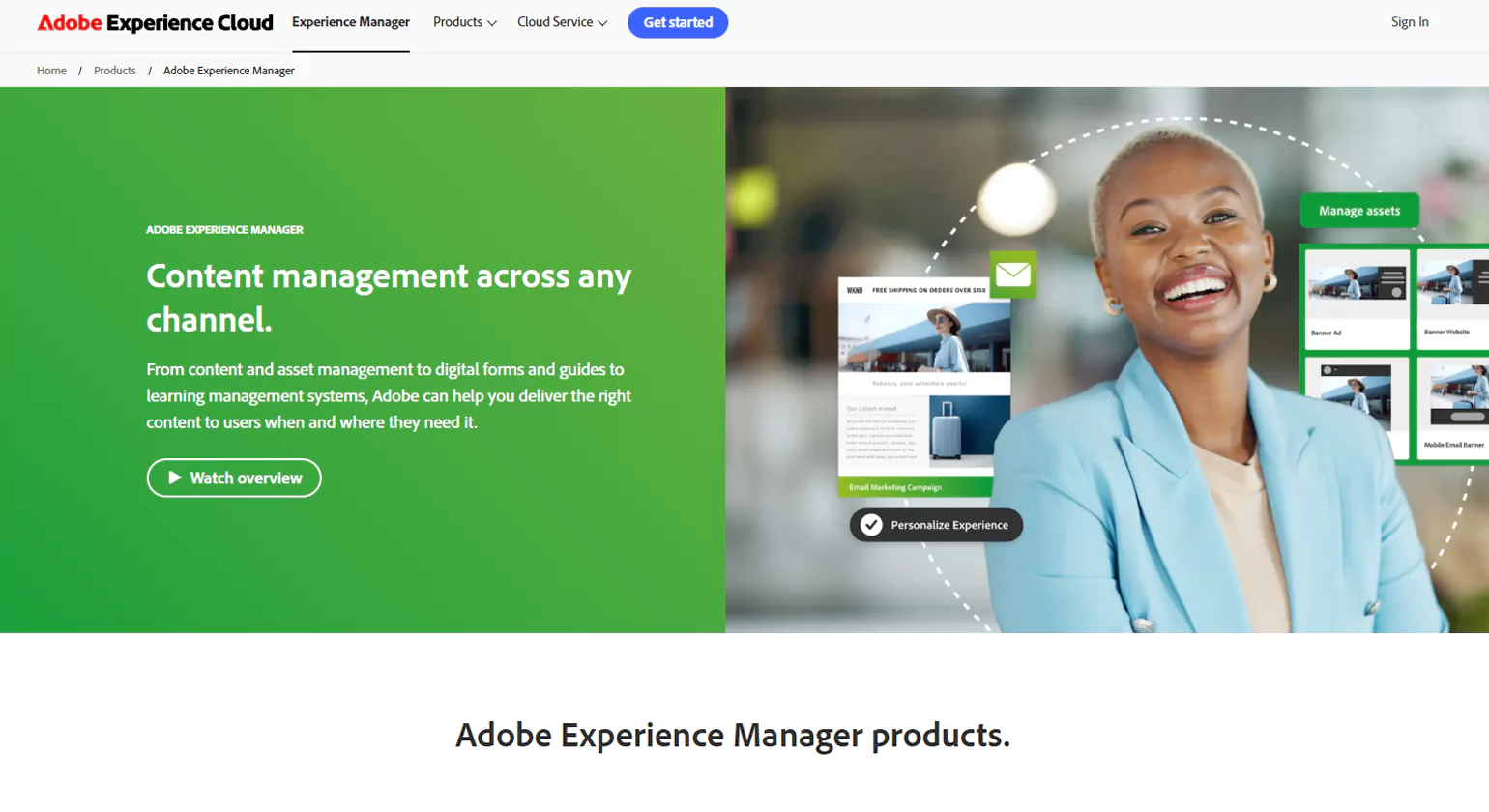
Adobe Experience Cloud offers an extensive suite of tools for businesses to personalize and optimize customer experience Tools through data-driven insights and AI-powered automation.
Key Features
- AI-powered personalization and automated content delivery
- Customer journey mapping and real-time tracking
- Advanced segmentation and audience targeting
- Cross-channel campaign management
- Integration with Adobe Creative Suite and analytics tools
Why Choose Adobe Experience Cloud?
Businesses that prioritize personalization and data analytics will benefit from Adobe Experience Cloud’s powerful AI-driven insights, seamless integrations, and its role as both customer experience analytics tools and customer experience measurement tools, enabling hyper-personalized experiences at scale.
4. HubSpot Service Hub
Overview
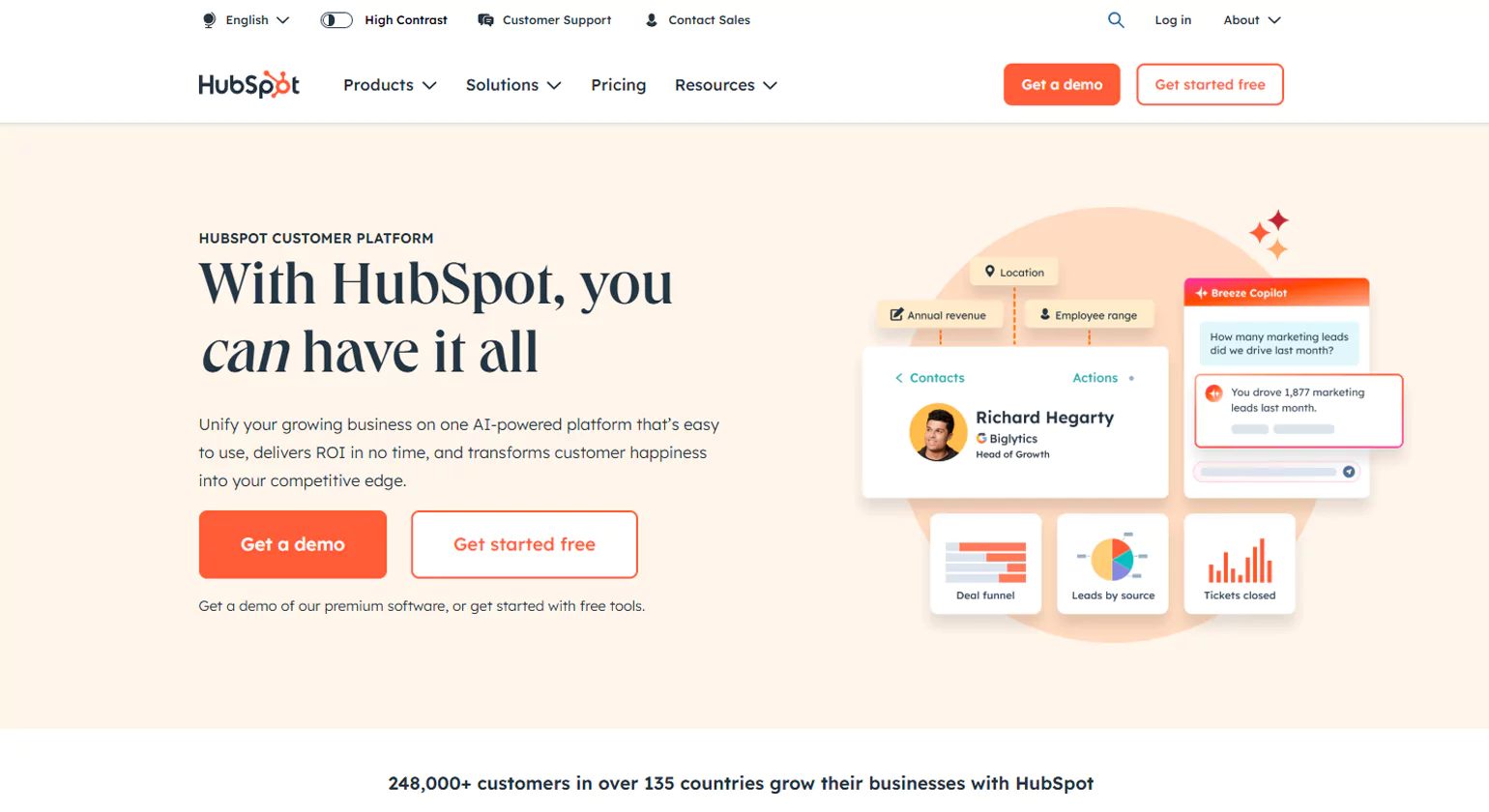
HubSpot Service Hub is a comprehensive customer service software that helps businesses enhance customer support and engagement through automation, reporting, and CRM integration.
Key Features
- Live chat and ticketing system for support management
- Automated workflows to streamline customer service
- Knowledge base for self-service support
- Customer feedback collection and reporting tools
- Seamless integration with HubSpot’s marketing and sales platforms
Why Choose HubSpot?
HubSpot Service Hub is an excellent choice for businesses looking to improve customer support while leveraging automation, self-service options, and data-driven insights for better decision-making.
5. Genesys
Overview
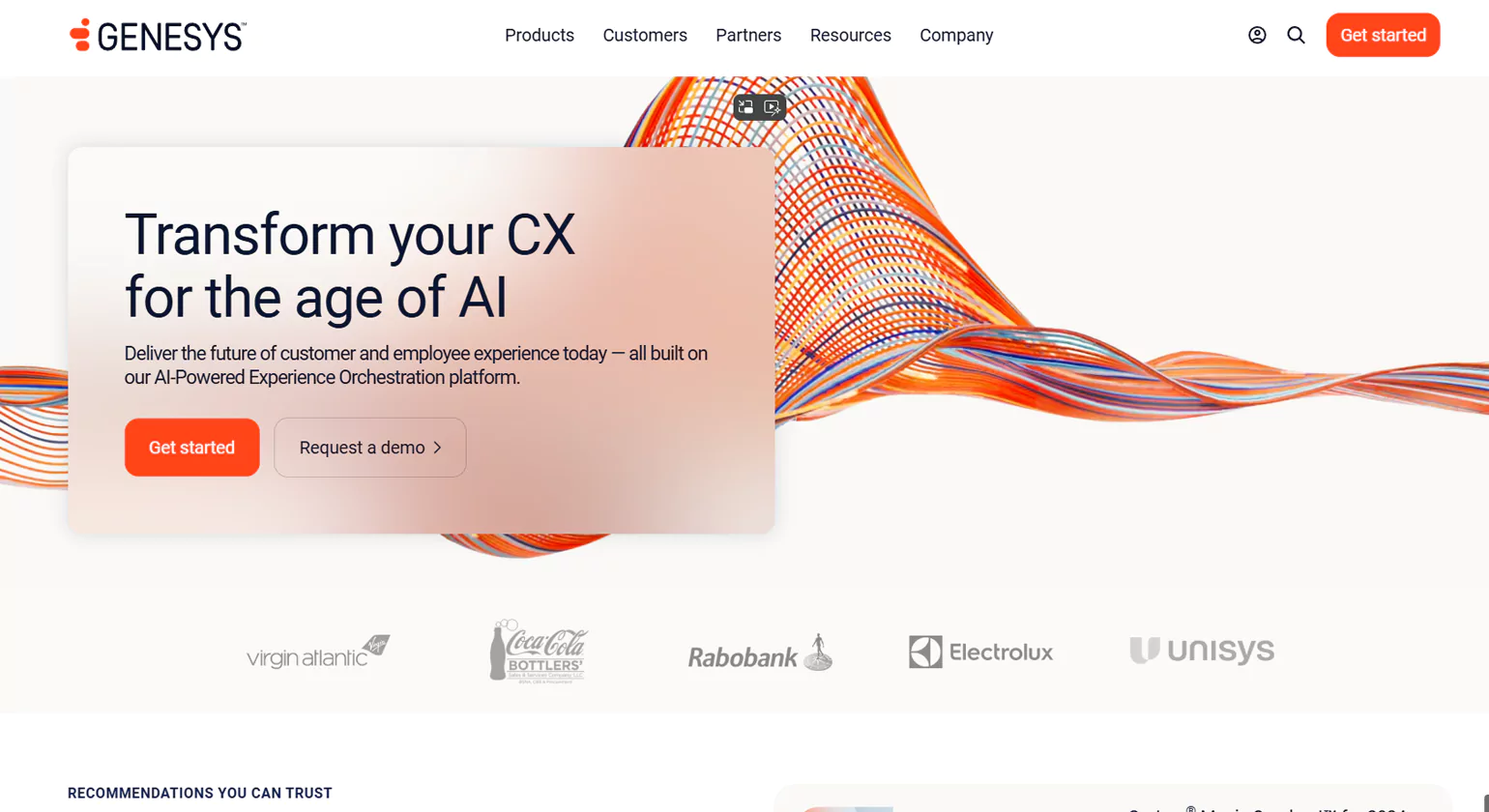
Genesys is a leading customer experience Tools and contact center solution that enables businesses to provide seamless omnichannel support, AI-driven automation, and workforce
Key Features
- AI-powered chatbots and virtual assistants
- Omnichannel customer engagement across voice, chat, and email
- Advanced call routing and workforce optimization
- Real-time analytics and performance tracking
- Cloud-based infrastructure for scalability and reliability
Why Choose Genesys?
Genesys is ideal for businesses needing a scalable, AI-driven contact center solution that offers robust automation, deep insights, and workforce management tools, serving as both customer experience analytics tools and customer experience measurement tools to enhance customer interactions.
6. Medallia
Overview
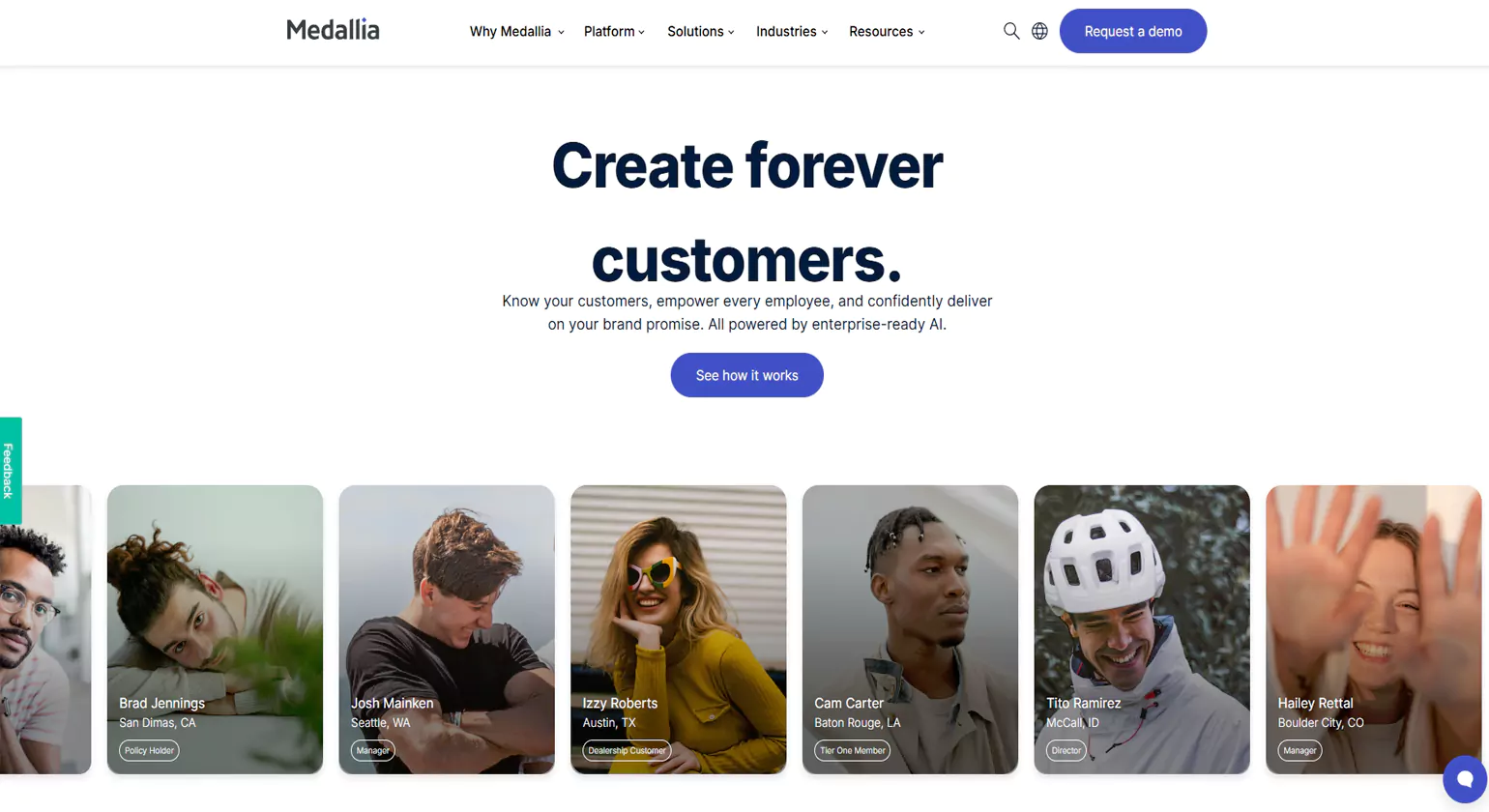
Medallia is a customer feedback management tool that helps businesses collect, analyze, and act on customer insights to improve overall experience and satisfaction.
Key Features
- AI-powered sentiment analysis and predictive analytics
- Customer journey tracking with real-time alerts
- Multi-channel feedback collection via email, web, and SMS
- Real-time reporting and intuitive dashboard
- Actionable insights to enhance customer retention
Why Choose Medallia?
Medallia is best for businesses focusing on data-driven customer experience Tools improvement with deep analytics, real-time insights, and predictive intelligence for proactive decision-making.
7. Outfunnel
Overview
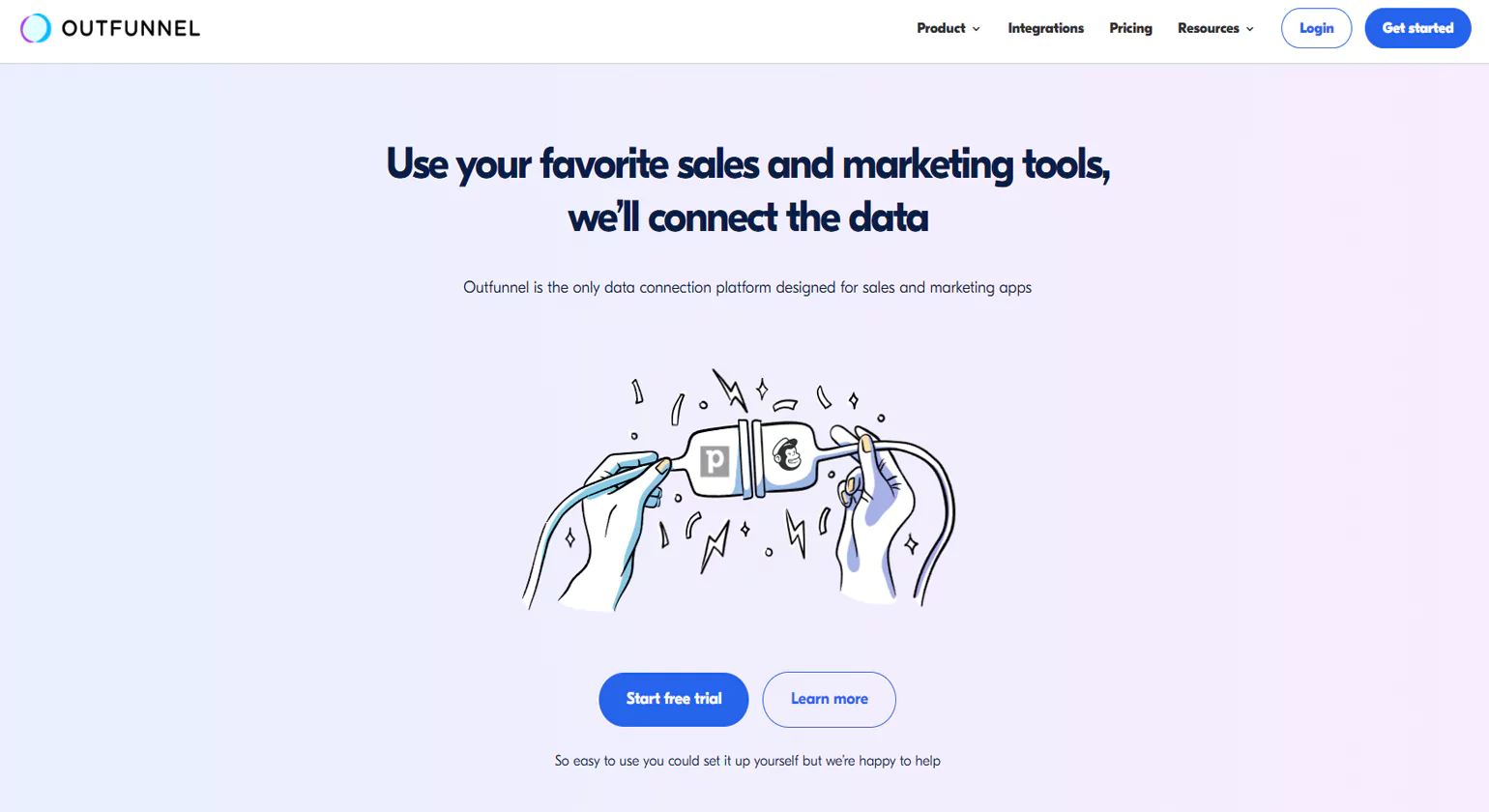
Outfunnel integrates sales and marketing tools to streamline customer data sharing, optimize campaign performance, and improve lead management.
Key Features
- Automated email marketing and drip campaigns
- CRM integration with platforms like HubSpot and Pipedrive
- Lead scoring and tracking to prioritize sales efforts
- Performance analytics and engagement tracking
- Customizable automation workflows
Why Choose Outfunnel?
Outfunnel is ideal for businesses seeking seamless integration between marketing and sales, ensuring improved lead management, conversion tracking, and customer engagement through automation.
8. Survicate
Overview
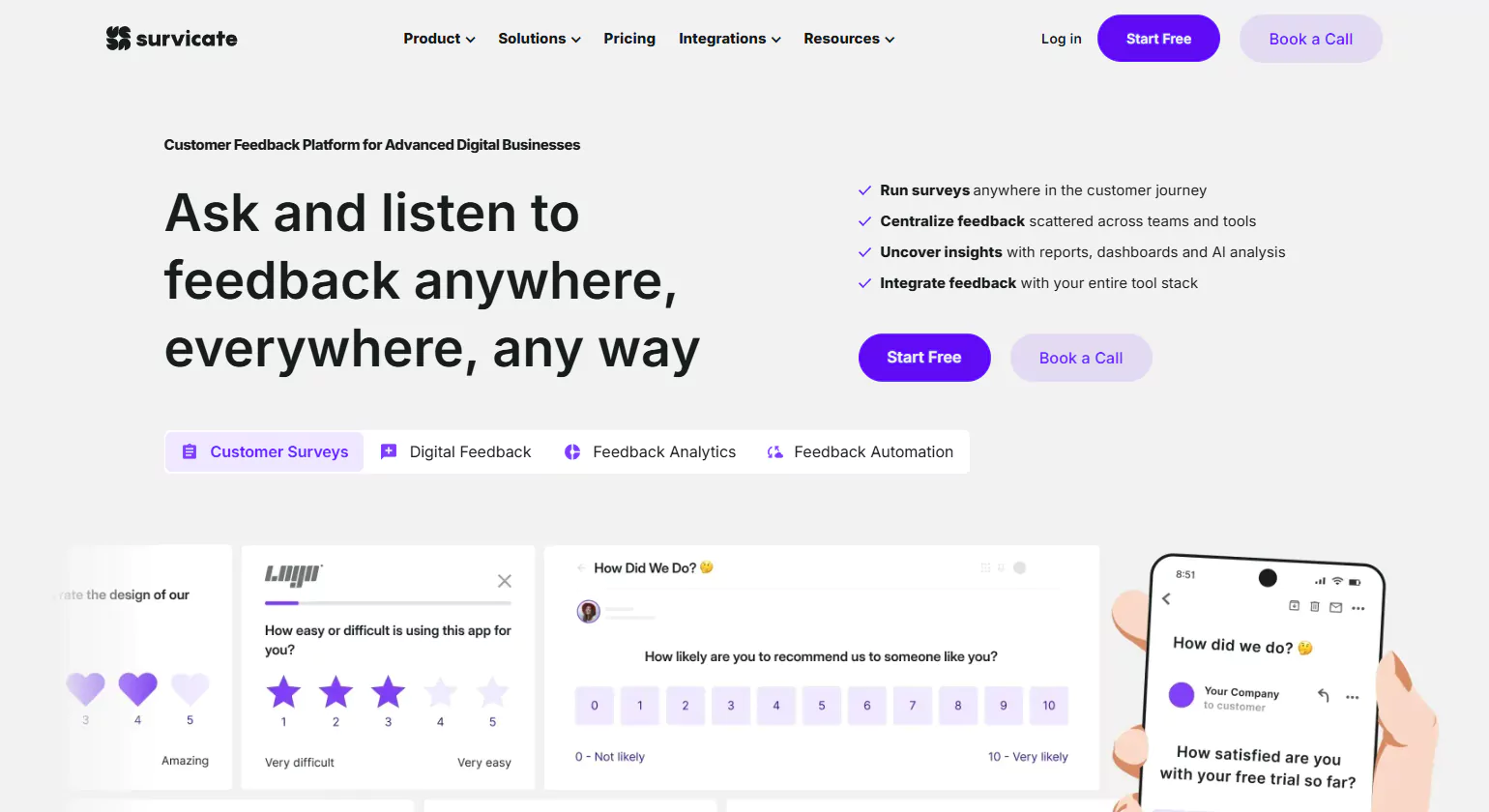
Survicate is a powerful survey tool that enables businesses to collect actionable customer feedback through customizable surveys and advanced NPS tracking. It helps companies gain valuable insights to enhance customer experience, serving as both customer experience analytics tools and customer experience measurement tools.
Key Features
- Pre-built and customizable survey templates for quick deployment
- NPS (Net Promoter Score) and CSAT (Customer Satisfaction) tracking to measure customer loyalty
- Real-time reporting and data visualization for instant insights
- Seamless integration with major CRM and marketing platforms
- AI-powered text analysis to uncover deeper customer sentiments
Why Choose Survicate?
Survicate is ideal for businesses seeking an easy-to-use survey tool with real-time insights, CRM integration, and in-depth analytics. Its intuitive interface and powerful features help companies improve customer satisfaction, track performance, and make data-driven decisions. With Survicate, businesses can efficiently gather feedback and turn it into actionable strategies for growth.
9. UserZoom
Overview
UserZoom equips businesses with advanced UX research tools to analyze customer behavior, preferences, and usability insights. It helps optimize digital customer experience tools through data-driven decisions.
Key Features
• Remote usability testing and A/B testing for performance comparison
• AI-powered behavioral analytics to uncover user patterns
• Heatmaps and session recordings for in-depth user interaction tracking
• Customizable surveys and feedback forms to gather direct insights
• Seamless integrations with UX and analytics platforms for streamlined workflows
Why Choose UserZoom?
UserZoom is the go-to solution for businesses prioritizing UX and usability testing. It provides comprehensive insights into user interactions, helping teams enhance digital products efficiently. With powerful analytics, real user feedback, and seamless integrations, businesses can make data-driven decisions to improve website and app usability. Whether refining a website’s design, testing new features, or analyzing customer journeys, UserZoom delivers the insights needed to create exceptional digital experiences.
10. GetFeedback
Overview
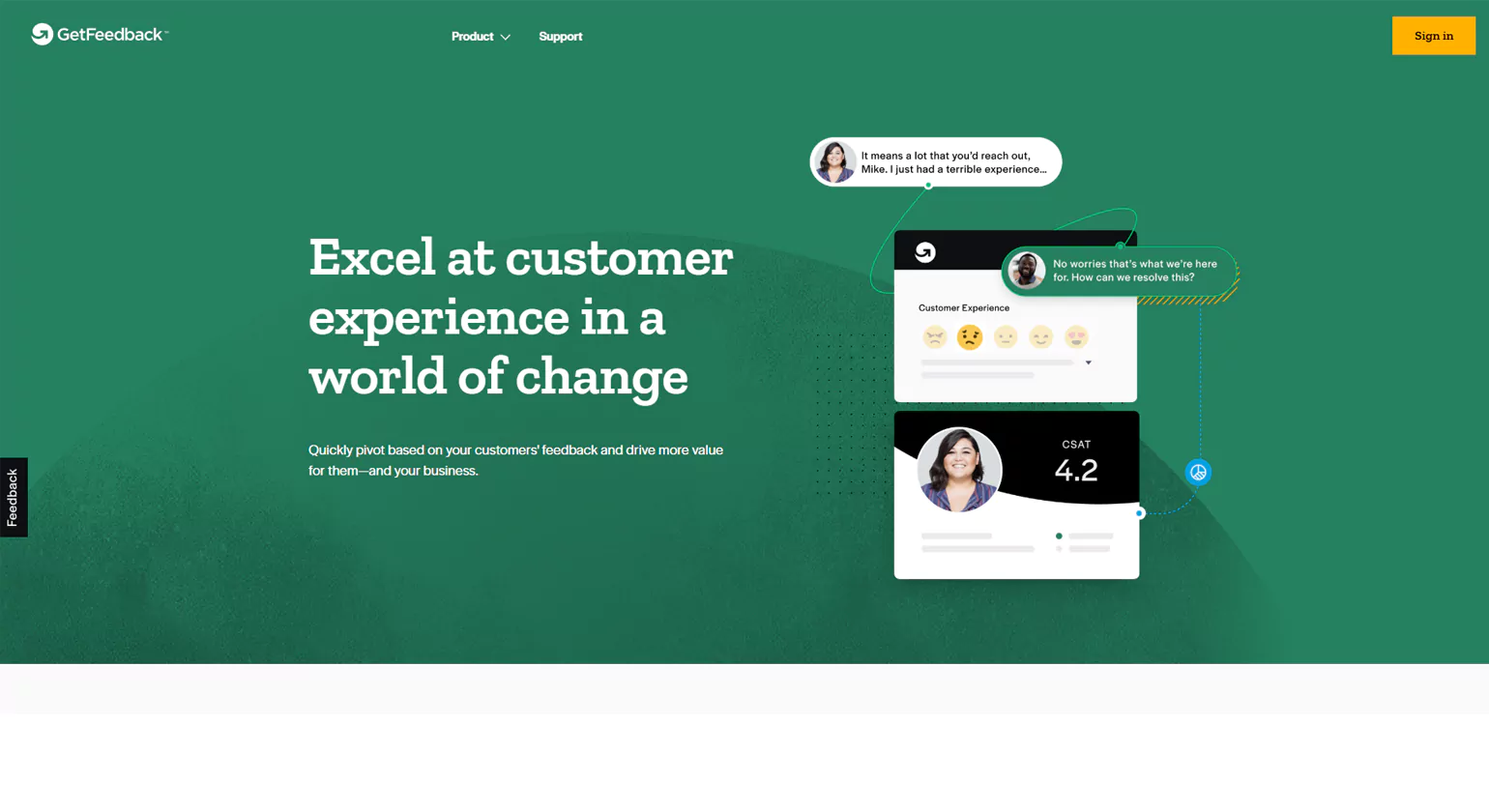
GetFeedback is a powerful customer feedback platform designed to help businesses collect, analyze, and act on customer insights. It enables organizations to enhance customer experience Tools through real-time feedback.
Key Features
Customizable surveys and feedback forms for tailored insights
• Real-time analytics and reporting for data-driven decisions
• Multi-channel feedback collection via email, web, and SMS
• AI-powered sentiment analysis to understand customer emotions
• Seamless integration with Salesforce and other CRM tools for streamlined workflows
Why Choose GetFeedback?
GetFeedback is the perfect solution for businesses looking to turn customer feedback into meaningful improvements. With its user-friendly interface and advanced analytics, companies can quickly identify trends, address concerns, and enhance customer satisfaction. Whether you need to optimize service quality or refine products, GetFeedback provides the tools to gather actionable insights and drive customer-centric decisions.
11. SurveyMonkey
Overview
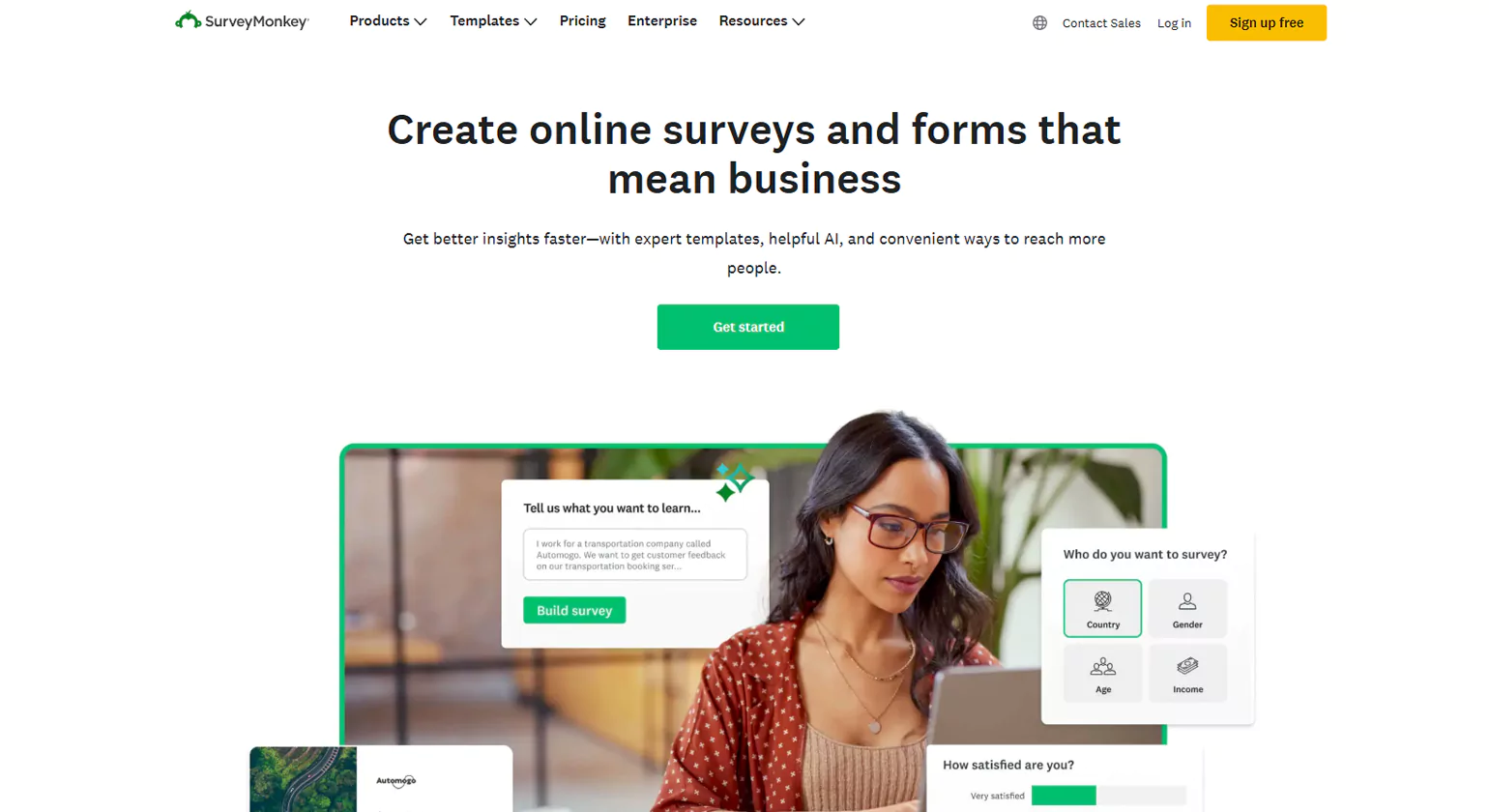
SurveyMonkey is a leading online survey platform that enables businesses to collect valuable customer feedback and gain actionable insights through data analysis.
Key Features
Pre-built and customizable survey templates
• AI-powered sentiment analysis for deeper insights
• Real-time data visualization and reporting tools
• Seamless integration with CRM and analytics platforms
• Multi-channel survey distribution for broader reach
Why Choose SurveyMonkey?
SurveyMonkey is an ideal solution for businesses seeking an intuitive yet powerful survey tool. With its user-friendly interface, AI-driven analytics, and customizable templates, businesses can create surveys that deliver meaningful insights. The platform’s integration capabilities allow seamless data flow between CRM and analytics tools, enhancing decision-making processes. Additionally, real-time reporting and multi-channel distribution ensure timely feedback collection. SurveyMonkey provides the features needed to streamline surveys and optimize business strategies, whether for customer satisfaction, market research, or employee engagement.
12. LiveChat
Overview
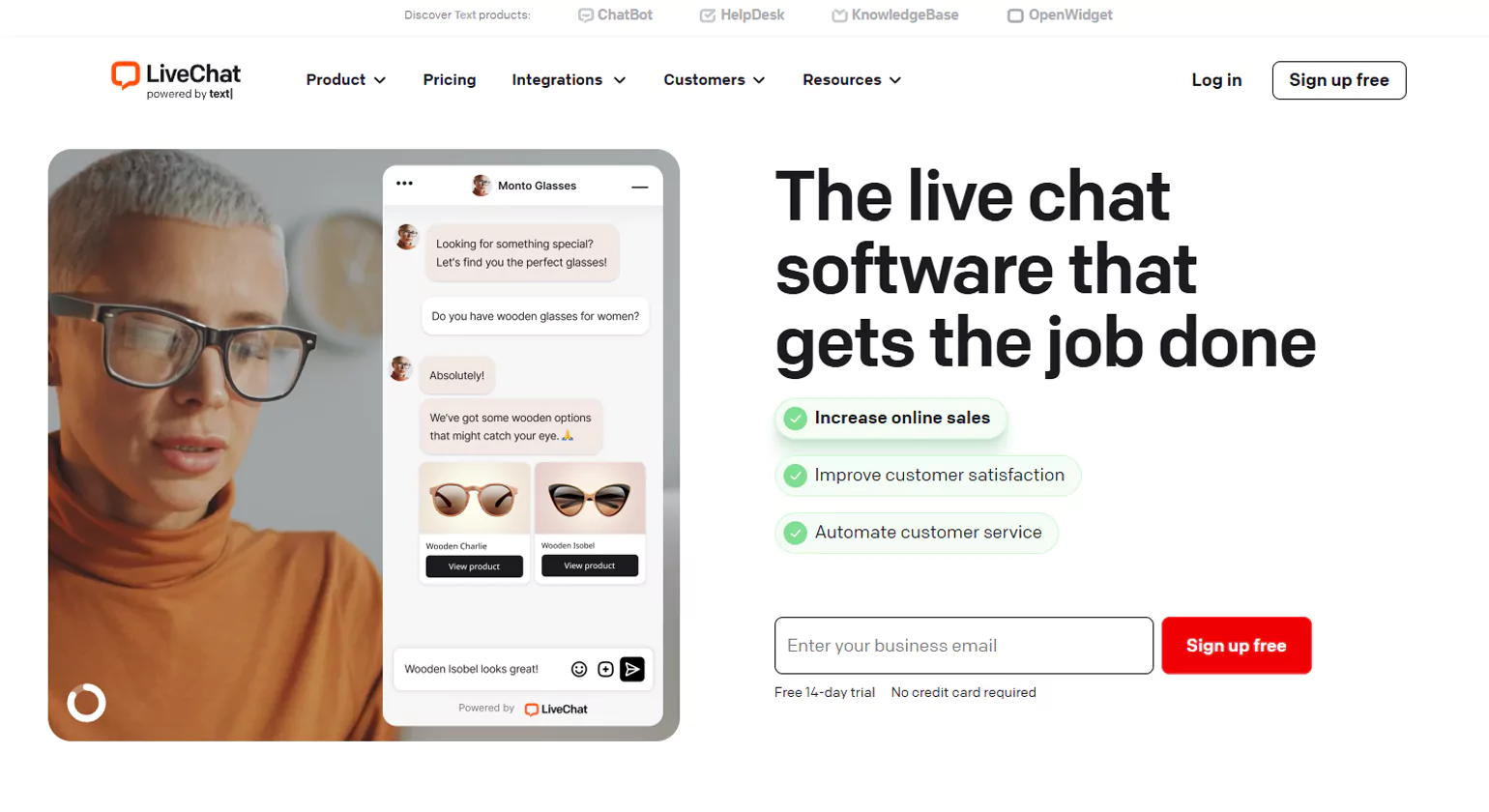
LiveChat is a powerful customer support tool that enables real-time engagement through an intuitive chat interface. It helps businesses provide instant assistance, enhance customer satisfaction, and streamline communication effortlessly, serving as an effective customer experience tool.
Key Features
AI-powered chatbots for automated responses and 24/7 support
• Multi-channel messaging to connect with customers across platforms
• Customizable chat widgets to match your brand identity
• CRM and help desk integration for seamless workflow management
• Real-time analytics and chat history tracking to optimize support strategies
Why Choose LiveChat?
LiveChat is ideal for businesses aiming to improve real-time customer interactions and deliver instant support. Its user-friendly interface, automation capabilities, and multi-platform compatibility make it an essential tool for enhancing customer engagement while ensuring efficient communication. Whether for sales, support, or lead generation, LiveChat helps businesses create meaningful connections effortlessly.
13. Help Scout
Overview
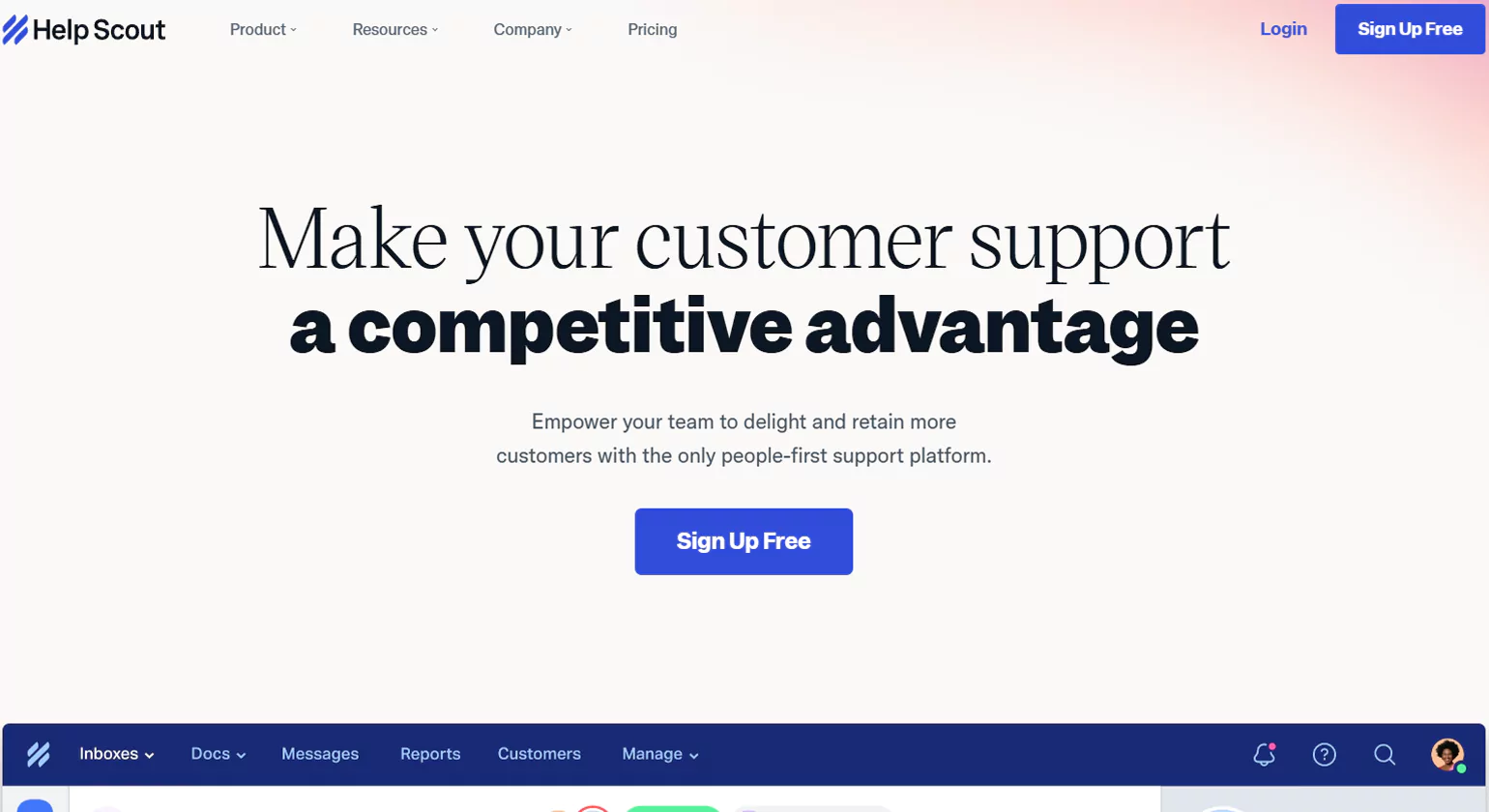
Help Scout is a customer service and feedback management platform designed to help businesses deliver personalized, scalable support. It offers shared inboxes, live chat, a knowledge base, and robust reporting tools to manage customer interactions efficiently. Help Scout stands out for its simplicity, collaboration features, and seamless integrations with popular tools like Slack, HubSpot, and Salesforce.
Key Features
Shared inbox – Streamline team collaboration for faster responses.
• Live chat & knowledge base – Offer real-time support and self-service options.
• Automated workflows & reporting – Improve efficiency with automation and data-driven insights.
• CRM integration – Deliver personalized support with customer history access.
• Customer satisfaction tracking – Measure and enhance customer experience.
Why Choose Help Scout?
Help Scout is ideal for businesses seeking an intuitive and collaborative customer support solution. With automation, real-time chat, and a centralized inbox, teams can work more efficiently while delivering top-tier customer service. Whether you’re a small business or a growing enterprise, Help Scout serves as a reliable customer experience tool, ensuring seamless, personalized support to keep your customers satisfied.
14. Intercom
Overview
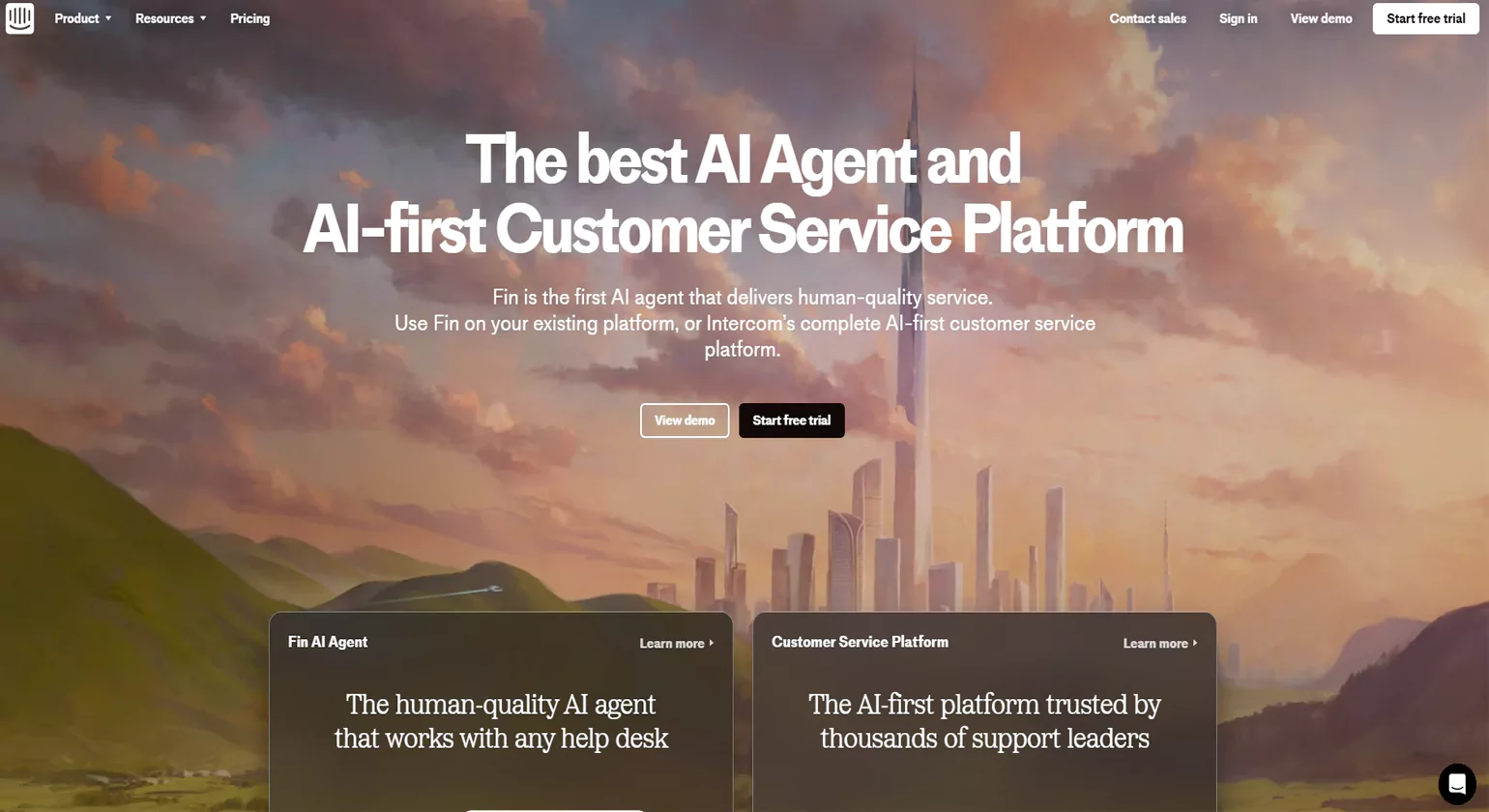
Intercom is a powerful messaging platform that blends AI-powered chatbots, automation, and human support to optimize customer communication and engagement.
Key Features
• AI-driven chatbots for instant customer interactions
• Automated messaging and customizable workflows
• Multi-channel support for seamless communication
• Easy integration with CRM and marketing tools
• Advanced performance analytics and reporting
Why Choose Intercom?
Intercom is ideal for businesses aiming to improve customer engagement through automation and intelligent messaging. With its AI-driven chatbots, multi-channel communication, and deep integrations, it streamlines support and marketing efforts, enhancing overall customer experience Tools. Whether for sales, support, or engagement, Intercom ensures efficient, personalized interactions at scale.
15. Salesforce
Overview
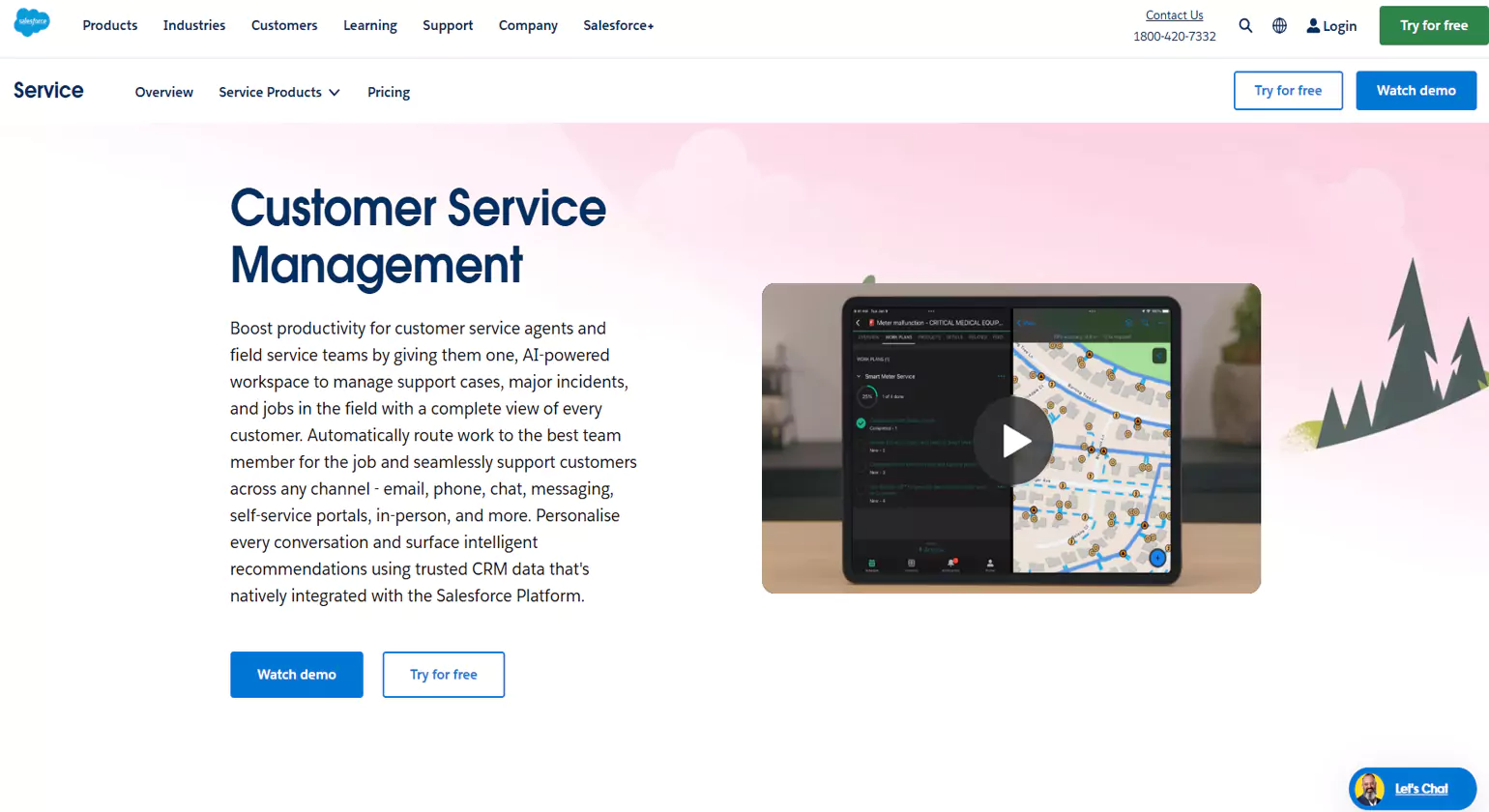
Salesforce is a leading customer relationship management (CRM) platform that helps businesses manage sales, customer interactions, and marketing campaigns. It offers a cloud-based solution to streamline workflows, improve customer engagement, and drive business growth.
Key Features
• AI-powered analytics and automation for smarter decision-making
• 360-degree customer view for personalized interactions
• Seamless integrations with third-party applications
• Sales, marketing, and service automation for improved efficiency
Why Choose Salesforce?
Salesforce is ideal for businesses looking to enhance customer relationships, automate processes, and scale operations. With its powerful AI-driven insights and automation capabilities, it helps organizations improve productivity and customer satisfaction.
How I Shortlisted the Customer Experience Tools

Customer experience (CX) is the backbone of any successful business, and finding the right solutions to enhance it is crucial. With countless options available, I had to be strategic in my approach to shortlist the best platforms. Here’s how I did it:
1. Identifying Business Needs
The first step was understanding the specific needs of the business. I evaluated factors such as customer pain points, support requirements, and areas that needed improvement. Whether it was enhancing customer support, personalizing interactions, or gathering feedback, defining clear objectives helped narrow down the options.
2. Researching Available Tools
Once I had a clear picture of what was needed, I conducted thorough research on the available Customer Experience tools. I explored industry reports, user reviews, and expert recommendations. Websites like G2, Capterra, and Trustpilot provided insights into customer satisfaction and tool effectiveness.
3. Comparing Features and Functionality
Different CX tools offer different capabilities, so I compared them based on key features such as:
- Omnichannel Support: The ability to provide seamless communication across multiple platforms.
- Automation & AI: Chatbots and AI-powered assistance to enhance efficiency.
- Analytics & Reporting: Real-time insights to measure performance and customer satisfaction.
- Integration Capabilities: Compatibility with existing CRM and business tools.
4. Evaluating User Experience
A tool’s usability plays a vital role in its effectiveness. I tested different platforms through free trials and demos to assess their ease of use, customization options, and overall experience. Tools that required extensive training or had complex interfaces were deprioritized.
5. Considering Scalability and Pricing
As businesses grow, their CX needs evolve. I prioritized tools that could scale with business growth without requiring frequent replacements. Budget was also a key factor—I balanced cost-effectiveness with the value provided by each tool, ensuring a good return on investment.
6. Reviewing Security and Compliance
Since Customer Experience tools handle sensitive customer data, security was a top concern. I checked for compliance with industry standards like GDPR, HIPAA, and SOC 2 to ensure customer data protection and legal compliance.
7. Seeking Customer Feedback
To get a real-world perspective, I reached out to businesses already using these tools. Their feedback on reliability, customer support, and long-term usability helped in finalizing the best options.
8. Making the Final Shortlist
Based on all the above factors, I shortlisted a few CX platforms that met the business needs, provided excellent functionality, and offered a great user experience. These solutions were then put through pilot testing before final adoption.
10 Benefits of Customer Experience Software

In today’s competitive business environment, delivering exceptional customer experiences is vital. Customer Experience Software empowers businesses to optimize interactions, streamline operations, and enhance satisfaction. By leveraging these tools, companies can foster loyalty, reduce churn, and drive long-term growth. Here are the key benefits businesses gain from implementing customer experience software:
1. Enhanced Customer Satisfaction
Customer experience tools enable real-time tracking of customer interactions, feedback, and preferences. By analyzing this data, businesses can identify pain points, resolve issues promptly, and ensure consistent service quality, leading to higher satisfaction and retention.
2. Improved Personalization
CX software collects and processes customer data, allowing companies to tailor communication, recommendations, and offers. Personalized engagement strengthens relationships and encourages repeat purchases, making the customer journey more relevant and enjoyable.
3. Streamlined Communication
Omnichannel capabilities ensure seamless interactions across email, chat, phone, and social media. Customers experience consistent responses, faster resolutions, and reduced frustration, improving overall brand perception.
4. Increased Efficiency and Automation
Routine tasks such as ticket management, inquiry responses, and feedback collection can be automated. This reduces manual effort, improves productivity, and allows teams to focus on complex customer needs.
5. Data-Driven Decision Making
Advanced analytics and reporting help businesses monitor trends, track behavior, and uncover opportunities for improvement. Data-driven insights guide strategy, ensuring that decisions enhance both service quality and customer satisfaction.
6. Better Customer Retention and Loyalty
By addressing concerns proactively and providing personalized experiences, CX software helps maintain long-term customer relationships. Loyal customers contribute to repeat business and higher lifetime value.
7. Competitive Advantage
Superior customer experience differentiates brands in crowded markets. Companies using CX tools can offer faster service, proactive support, and seamless interactions, attracting and retaining more customers.
8. Integration with Other Business Tools
CX software often integrates with CRM, marketing, and sales platforms, enabling unified data access and cross-team collaboration. This ensures a cohesive approach to customer interactions.
9. Reduced Customer Churn
By identifying potential issues early, companies can take corrective measures to prevent churn. Continuous monitoring and proactive engagement help maintain a satisfied customer base.
10. Enhanced Customer Feedback Management
Surveys, reviews, and ratings are collected and analyzed efficiently through CX software. Actionable insights from feedback enable businesses to refine services, meet expectations, and demonstrate a commitment to quality.
Conclusion
These tools are essential for businesses aiming to enhance customer satisfaction, streamline interactions, and foster long-term loyalty. These tools enable personalized engagement, efficient communication, and data-driven decision-making, ultimately improving customer retention and brand reputation. By leveraging advanced CX technologies, businesses can proactively address customer needs, reduce churn, and gain a competitive edge. Whether through automation, analytics, or omnichannel support, investing in the right customer experience tools ensures seamless service and lasting customer relationships. In today’s digital age, prioritizing customer experience is not just an option but a necessity for sustained business growth and success.
Know More >>>> 10 Best Companies Offering CX Consulting Services in 2026
15 Best Customer Communication Tools to Use in 2026
FAQs
1. What is a customer experience platform?
A customer experience platform is a comprehensive solution integrating CX tools, digital customer experience software, customer experience analytics tools, and product experience management software to track, monitor, and optimize customer interactions across channels.
2. Why are customer experience tools important
These tools are vital for analyzing customer behavior, preferences, and satisfaction levels across multiple touchpoints. They uncover friction points, personalize engagement, and enhance user journeys. By combining real-time insights with automation, these tools help businesses strengthen loyalty, improve retention, and boost long-term revenue and brand reputation.
3. Which tools reduce manual CX processes?
Automated CX tools and customer experience analytics tools reduce manual CX processes through AI-driven workflows, product experience management software, and customer experience monitoring, improving efficiency and consistency across touchpoints.
4. What is a CX strategy?
A CX strategy is a comprehensive plan that enhances customer satisfaction and retention through personalized, seamless interactions. It aligns teams, technology, and processes around the customer journey, using data to identify needs and optimize touchpoints. A strong CX strategy builds trust, strengthens engagement, and ensures consistent brand experiences across channels.
5. How do top-rated CX quality engineering tools ensure seamless digital and voice interactions?
Top CX tools, including digital customer experience software and customer experience analytics tools, ensure seamless digital and voice interactions through AI-driven automation, customer experience monitoring, and product experience management software, enhancing engagement and reducing manual CX processes.
6. How do top-rated CX quality engineering tools ensure seamless digital and voice interactions?
Top CX quality engineering tools ensure seamless digital and voice interactions by combining synthetic monitoring, real user monitoring, voice test automation, and AI-driven anomaly detection to surface issues before customers notice. They validate multi-channel flows, run continuous tests across networks and devices, and give teams actionable root causes for fast remediation.
7. What are customer experience solutions that stand out for their features in the United States?
Standout customer experience solutions in the United States emphasize omnichannel orchestration, VoC analytics, journey mapping, and AI-driven personalization. Leaders pair feedback engines with workflow automation to close the loop on issues, integrate with CRMs, and surface insights for product and support teams—making CX measurable, operational, and aligned to business outcomes.
8. What are the best CX quality engineering solutions for optimizing customer interactions across channels?
The best customer insights software and CX tools optimize interactions across channels by providing actionable insights, real-time analytics, and personalized experiences using customer experience measurement tools and advanced digital customer experience software.
9. What tools help deliver exceptional customer experiences?
Tools that deliver exceptional CX include omnichannel support suites, VoC platforms, digital experience monitoring, and AI assistants. Combining Zendesk or Salesforce Service Cloud for service, Qualtrics or Medallia for feedback, and Dynatrace or New Relic for performance gives teams the stack to personalize journeys, measure outcomes, and resolve issues quickly at scale.
10. What are customer experience solutions that stand out for their user experience in the United States?
Leading digital customer experience software, CX tools, and best customer insights software deliver superior usability and personalization, combining customer experience measurement tools with customer experience analytics tools to enhance loyalty and engagement in the United States.