Table of Contents
Introduction
Custom logistics software development focuses on creating tailored solutions that perfectly fit the unique needs of logistics and supply chain businesses. By automating processes like inventory management, fleet tracking, and delivery scheduling, these custom-built platforms enhance efficiency, accuracy, and real-time visibility across operations. Unlike generic software, custom solutions seamlessly integrate with existing systems, providing scalable support as your business grows. Ready to optimize your logistics operations and stay ahead in a competitive market? Contact us today to explore how custom logistics software can transform your supply chain management.
Top Industry Use Cases for Custom Logistics Software Development
Logistics software development has become an essential part of modern business operations, optimizing supply chain management, and increasing efficiency across industries. With the rise of eCommerce, global trade, and increasing customer demands, businesses need tailored logistics custom software development services solutions that streamline operations and provide real-time visibility. Below are some of the most prominent industry use cases for logistics software development.
1. Logistics Software Solutions for eCommerce and Retail
The eCommerce industry has witnessed exponential growth, and logistics play a crucial role in delivering goods efficiently to customers. Custom logistics software development tailored to eCommerce and retail businesses helps automate the entire supply chain process, from inventory management to last-mile delivery.
Inventory and Order Management:
Real-time tracking of inventory and seamless integration with warehouses helps ensure that retailers maintain optimal stock levels. This reduces the risk of overstocking or stockouts, which can disrupt customer experience and sales.
Last-Mile Delivery Optimization:
With consumers expecting faster deliveries, eCommerce businesses need logistics software to optimize last-mile delivery routes, ensuring timely and cost-effective shipments.
Returns Management:
logistics custom software development services also helps manage returns, an essential part of the eCommerce process, especially in retail. With an efficient returns process, businesses can quickly process returned goods and resell them, enhancing customer satisfaction.
2. Tailored Software for Transportation and Freight Forwarding
Transportation and freight forwarding industries are the backbone of global trade, requiring sophisticated software solutions to manage complex operations involving cargo, fleet, and international shipments.
Fleet Management:
Transportation companies use logistics software to monitor and manage fleets in real-time, ensuring that vehicles are operating efficiently and minimizing downtime due to maintenance. This also helps in optimizing fuel consumption, route planning, and improving driver performance.
Global Freight Tracking:
Freight forwarding companies need software that tracks shipments across multiple modes of transportation, including air, sea, and land. By having real-time updates and notifications, companies can provide better customer service and ensure timely deliveries.
Customs Compliance:
Freight forwarding involves navigating complex international regulations, including customs clearance and tariff management. Logistics software helps streamline these processes by automating paperwork, reducing errors, and ensuring compliance with international laws.
3. Cold Chain Logistics Management Solutions
Cold chain logistics refers to the transportation of temperature-sensitive goods, such as pharmaceuticals, food, and beverages, which require constant monitoring and control of temperature and humidity levels. These industries demand high-quality custom logistics software development that can track and maintain the integrity of products during transit.
Temperature and Condition Monitoring:
Cold chain logistics software provides real-time monitoring of temperature-sensitive goods, ensuring compliance with safety regulations. Sensors integrated into the logistics software can trigger alarms if temperatures fall outside acceptable ranges, reducing product spoilage and waste.
Regulatory Compliance:
The pharmaceutical industry, in particular, must adhere to strict regulations regarding the transportation of temperature-sensitive products. logistics custom software development services helps companies comply with Good Distribution Practice (GDP) standards and ensures the integrity of products during shipping.
Efficient Route Planning:
Cold chain logistics software can optimize routes to minimize transit times, ensuring that perishable goods reach their destination as quickly as possible while maintaining optimal conditions.
4. Logistics Software for Healthcare, Manufacturing, and FMCG
The healthcare, manufacturing, and Fast-Moving Consumer Goods (FMCG) industries rely heavily on logistics software to ensure the timely delivery of critical products, raw materials, and consumer goods. These industries often face unique challenges, such as managing complex inventories and ensuring on-time deliveries.
Healthcare Logistics:
In healthcare, logistics software is crucial for managing the supply chain of medical equipment, pharmaceuticals, and patient care products. The software ensures that products are stored and delivered under the right conditions and that supply chains are resilient, especially in times of crisis, such as during the COVID-19 pandemic.
Manufacturing Logistics:
Manufacturers rely on logistics software to manage the flow of raw materials and finished goods across the supply chain. From production scheduling to warehouse management, logistics software helps improve manufacturing efficiency, reduce lead times, and maintain cost-effectiveness.
FMCG Logistics:
The FMCG sector operates on tight margins, with the need to maintain fast, efficient distribution networks. Logistics software helps businesses track large volumes of products, optimize routes for faster delivery, and manage dynamic inventory levels to meet fluctuating consumer demand.
Top 10 Custom Logistics Software Development Companies in 2025
1. Adexin
Adexin is a custom software development company specializing in building scalable, innovative, and business-driven digital solutions. With a strong focus on logistics, transportation, and supply chain industries, Adexin helps enterprises and startups optimize operations, reduce costs, and accelerate digital transformation. The company offers end-to-end services, from IT consulting and system architecture design to full-cycle software development, integration, and ongoing support. Its team leverages modern technologies such as cloud computing, AI, and data analytics to deliver reliable, future-ready solutions.
Key Features
Industry Expertise: Strong specialization in logistics and transportation domains.
Custom Solutions: Tailored software aligned with client-specific business needs.
End-to-End Services: From consulting to development and post-launch support.
Scalable Architecture: Future-ready platforms supporting growth and flexibility.
Agile Methodology: Transparent processes with iterative development cycles.
Technology Stack: Expertise in cloud, AI, machine learning, and big data.
2. Erbis
Erbis is a custom software development company specializing in delivering innovative, scalable, and high-quality technology solutions for businesses worldwide. With a strong focus on digital transformation, Erbis provides end-to-end services including software engineering, cloud solutions, DevOps, and AI-driven applications. Their client-first approach ensures tailored solutions that align with business goals, optimize workflows, and enhance operational efficiency. Trusted by startups and enterprises alike, Erbis combines technical expertise with agile methodologies to accelerate time-to-market and reduce development risks.
Key Features
Custom Software Development – Tailored solutions for diverse industries.
Cloud & DevOps Expertise – Optimized deployments and automation.
AI & Machine Learning Integration – Intelligent applications for smarter decision-making.
Agile Development Process – Ensures flexibility, speed, and collaboration.
End-to-End Services – From product discovery to maintenance and scaling.
Focus on Quality & Innovation – Reliable, secure, and future-ready solutions.
3. Intexsoft
Intexsoft is a professional software development company that delivers end-to-end IT solutions for businesses of all sizes. With years of expertise, Intexsoft focuses on creating scalable, secure, and high-performance applications tailored to client needs. The company specializes in web and mobile app development, enterprise solutions, cloud services, and custom software development. By combining technical expertise with an agile methodology, Intexsoft helps organizations accelerate digital transformation and improve business efficiency. Their team of skilled developers, designers, and engineers works closely with clients to ensure timely delivery and long-term value.
Key Features
Custom Software Development – Tailored solutions for unique business requirements.
Web & Mobile App Development – Scalable and user-friendly applications.
Enterprise Solutions – Robust platforms to streamline operations.
Cloud Integration – Secure, scalable, and cost-effective cloud services.
Agile Methodology – Ensures flexibility, transparency, and faster time-to-market.
Dedicated Teams – Experienced specialists focused on client success.
4. Vog App Developers
Vog App Developers is a leading mobile and web app development company specializing in delivering innovative digital solutions for businesses of all sizes. Known for their client-focused approach, Vog combines creativity, technology, and strategy to design applications that drive engagement and growth. Their team of skilled developers, designers, and strategists works closely with clients to transform ideas into user-friendly and scalable applications. With a strong focus on quality, innovation, and long-term support, Vog App Developers ensures businesses stay ahead in the competitive digital landscape.
Key Features
Custom Mobile App Development for iOS and Android.
Web Application Development with scalable architecture.
UI/UX Design focused on intuitive user experiences.
Enterprise Solutions tailored to complex business needs.
Agile Development Process ensuring flexibility and efficiency.
Ongoing Maintenance & Support for sustainable growth.
5. iQlance
iQlance is a leading custom software, mobile app, and web development company that empowers businesses with innovative digital solutions. With a focus on creativity, strategy, and technology, iQlance delivers products that drive growth, enhance user experience, and meet industry-specific needs. The company collaborates with startups, enterprises, and global brands, offering scalable solutions tailored to unique business goals. Their expertise spans multiple domains, including on-demand app development, enterprise solutions, and emerging technologies such as AI, AR/VR, and IoT.
Key Features
Custom mobile and web application development
Expertise in AI, AR/VR, IoT, and blockchain solutions
Agile development methodology for faster delivery
Scalable solutions for startups to enterprises
Dedicated team of developers, designers, and strategists
6. Designli
Designli is a premier digital design and custom logistics software development that specializes in creating visually stunning, user-centric websites and applications. With a focus on blending creativity with functionality, Designli empowers businesses to transform ideas into engaging digital experiences that resonate with their audiences. From intuitive UI/UX design to robust web and mobile development, Designli ensures seamless performance across all platforms. The team leverages modern design principles, cutting-edge technologies, and a collaborative approach to deliver solutions that drive engagement, growth, and brand loyalty.
Key Features
Custom UI/UX Design: Tailored interfaces for optimal user experience.
Web & Mobile Development: Responsive, fast, and scalable digital solutions.
Brand-Focused Design: Aligns digital products with brand identity.
Collaborative Workflow: Transparent and client-driven design process.
Latest Technology Integration: Ensures modern, future-ready solutions.
7. Arbisoft
Arbisoft, founded in 2007, is a global software development company headquartered in McKinney, Texas, with a team of over 900 professionals across the U.S., Pakistan, Australia, and Malaysia. Renowned for its expertise in custom software development, Arbisoft partners with industry leaders like edX, KAYAK, McDonald’s, and Stanford University to deliver innovative solutions across various sectors, including education, healthcare, travel, and e-commerce.
Key Features
Custom Software Development: Tailored solutions for web and mobile applications.
Data Science & AI: Advanced analytics and machine learning capabilities.
Enterprise Solutions: Comprehensive services for enterprise software needs.
Quality Assurance: Rigorous testing to ensure high-quality deliverables.
UX/UI Design: User-centric design for enhanced user experiences.
8. Edvantis
Edvantis is a global custom logistics software development engineering company specializing in IT outsourcing and custom software development. With over 19 years of experience, Edvantis has successfully delivered more than 400 projects, collaborating with top-tier companies such as Indeed, BigCommerce, and TrustRadius
Key Features
Flexible Engagement Models: Staff Augmentation, Fixed-Price Projects, Dedicated Teams
Expertise in AI/ML and Microservices: Development of advanced software solutions
Proven Track Record: Over 400 projects delivered across multiple industries
Global Presence: Offices in the USA, Ukraine, Poland, and Germany
9. Steamclock Software
Founded in 2010 by alumni from Apple and Radical Entertainment, Steamclock Software is a mobile and web development studio based in Vancouver, Canada. The company specializes in crafting high-quality, user-centric applications for iOS, Android, and the web. Their portfolio includes collaborations with renowned clients such as Arc’teryx, Hootsuite, Mozilla, and Intuit
Key Features
Comprehensive Service Offering: From strategy and design sprints to user testing and product launch, Steamclock provides end-to-end mobile development services.
Expertise in Native and Cross-Platform Development: Proficient in building native iOS and Android applications, as well as cross-platform solutions.
Client-Centric Approach: Works closely with clients to understand their needs, ensuring tailored solutions that align with business objectives.
10. Clustox
Clustox is a global software development company with over a decade of experience in delivering custom digital solutions. They specialize in full-cycle software development, including web and mobile applications, cloud engineering, DevOps, and AI/ML integrations. Clustox partners with startups, enterprises, and governments to build scalable, intelligent digital products
Key Features
- Full-Cycle Development: From ideation to deployment, Clustox offers end-to-end software development services.
- AI & Cloud Expertise: Specialized in integrating AI/ML capabilities and cloud solutions to enhance scalability and performance.
- Agile Methodology: Employs agile practices to ensure flexibility and timely delivery of projects
Why Do Businesses Need Logistics Software Development Services

Businesses need custom logistics software to overcome limitations of off-the-shelf tools and optimize their supply chain operations. Custom logistic software development offers tailored solutions that improve automation, enhance real-time tracking, reduce costs, and scale with business growth.
Challenges Faced with Off-the-Shelf Solutions
Off-the-shelf logistics software can be quick to deploy but often fails to meet complex, industry-specific needs. Businesses frequently encounter:
- Limited customization options that force operational compromises.
- Incompatibility with legacy systems or in-house tools.
- High licensing costs that don’t scale well with growth.
- Security and compliance issues that vary across regions and industries.
Such limitations lead to workflow disruptions, poor user adoption, and slower decision-making—undermining operational efficiency.
Advantages of Custom Logistics Software Development
logistics software development offers a strategic solution tailored to an organization’s specific requirements. Key benefits include:
- Scalability and flexibility: As operations grow or evolve, custom solutions can be modified accordingly—unlike rigid off-the-shelf products.
- Enhanced automation: By automating route planning, dispatching, and inventory control, businesses reduce manual errors and labor costs.
- Real-time visibility: Integrated dashboards and GPS tracking provide complete supply chain visibility, improving responsiveness and customer satisfaction.
- Seamless system integration: Custom-built logistics systems can connect easily with internal ERP, CRM, and accounting platforms, eliminating silos.
For companies in need of competitive logistics operations, partnering with a logistics software development company ensures deep domain knowledge, technical expertise, and long-term support.
Real-World Examples of Successful Custom Solutions
Several businesses have redefined their supply chain strategy through custom software solutions:
- A leading retail chain developed a centralized logistics platform to manage its inventory across hundreds of stores, reducing stockouts by 40%.
- A transportation company built a custom fleet management system with IoT-based vehicle tracking, leading to 30% fuel savings.
- A cold chain logistics provider implemented real-time temperature and humidity monitoring tools, improving shipment integrity and compliance with FDA regulations.
These examples demonstrate how custom logistic software development delivers tangible ROI, enhanced visibility, and optimized workflows that generic tools simply cannot match.
Types of Logistics Software Solutions Explained
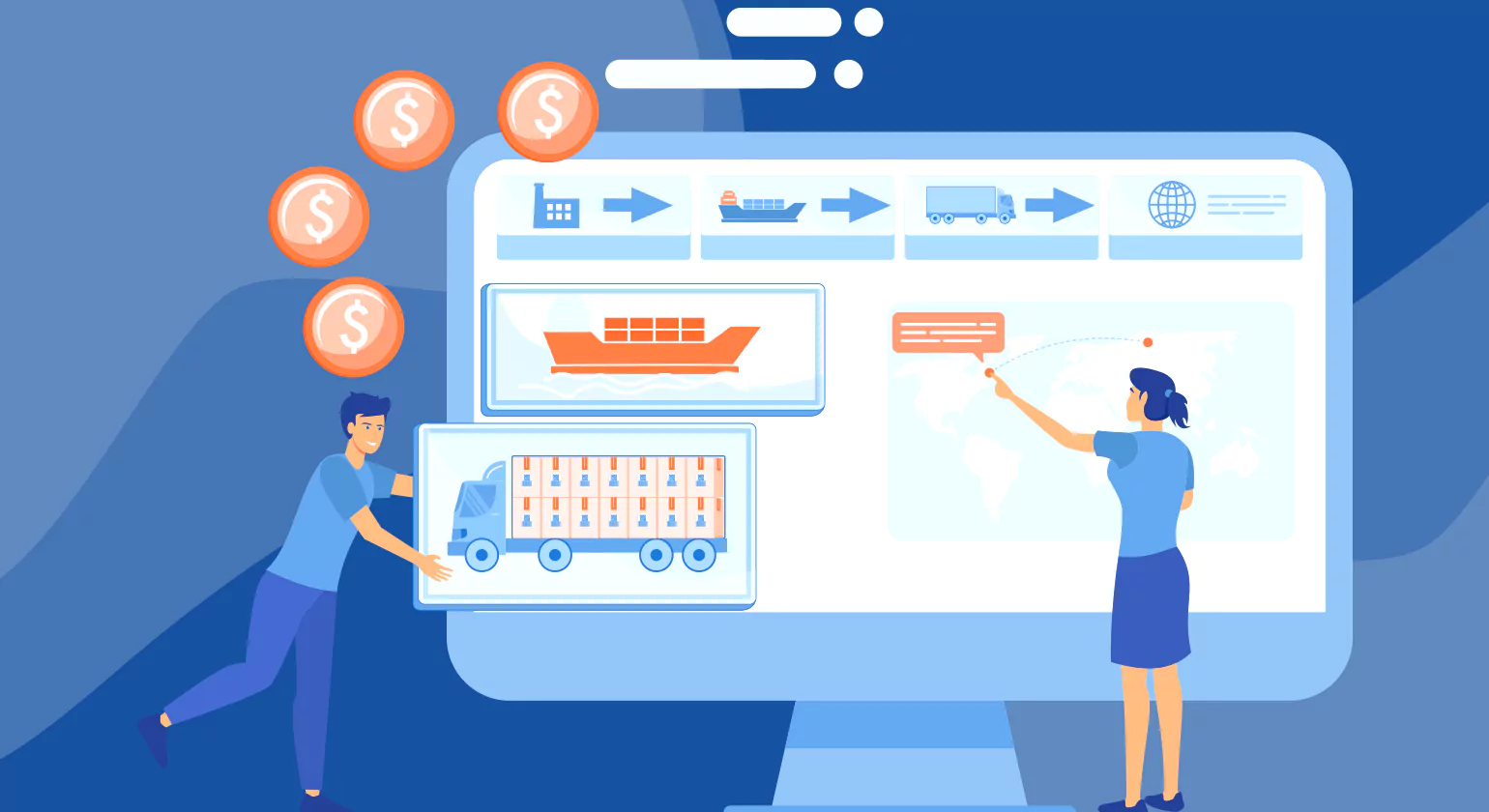
Businesses can choose from various types of custom logistics software development, each catering to specific operations and challenges. Below are the key categories:
Transportation Management Systems (TMS)
TMS solutions help businesses plan, execute, and optimize the physical movement of goods. A robust TMS supports:
- Route planning and load optimization
- Freight auditing and payment processing
- Real-time carrier tracking
- Cost and performance analytics
For logistics companies and freight forwarders, a custom TMS eliminates delays and improves delivery accuracy, directly impacting customer satisfaction.
Warehouse Management Systems (WMS)
A Warehouse Management System manages the storage, retrieval, and flow of goods within a warehouse. Features include:
- Real-time inventory tracking
- Automated replenishment alerts
- Barcode and RFID integration
- Labor and space optimization
Custom WMS platforms are especially useful for large-scale warehouse operations where efficiency and space utilization directly affect profit margins.
Fleet Management Systems
Fleet management software enables businesses to track, maintain, and optimize vehicle usage. Key features include:
- GPS tracking and geofencing
- Maintenance alerts and diagnostics
- Fuel consumption analysis
- Driver behavior monitoring
These systems are essential for logistics businesses that manage large delivery fleets. When developed in-house or through a logistics software development company, they can be fine-tuned to business-specific vehicle types, geographies, and regulations.
Freight and Order Management Solutions
These systems streamline freight booking, documentation, and shipment visibility. Custom freight management solutions include:
- Rate comparison across carriers
- Automated booking and documentation
- Shipment tracking and exception alerts
- Billing and contract management
By developing these tools through logistic software development services, companies can gain full control over their freight operations and reduce third-party dependency.
Integration with ERP & CRM Platforms
Modern logistics operations are data-driven. Seamless integration with ERP and CRM platforms ensures that logistics data flows efficiently across sales, operations, and finance departments. This enables:
- Real-time order status updates to sales teams
- Better demand forecasting from CRM insights
- Accurate billing and accounting synced with logistics events
A custom logistics software development approach ensures that integration is not an afterthought but a foundational component, built securely and strategically from the start.
Core Features of Effective Logistics Software Development Services
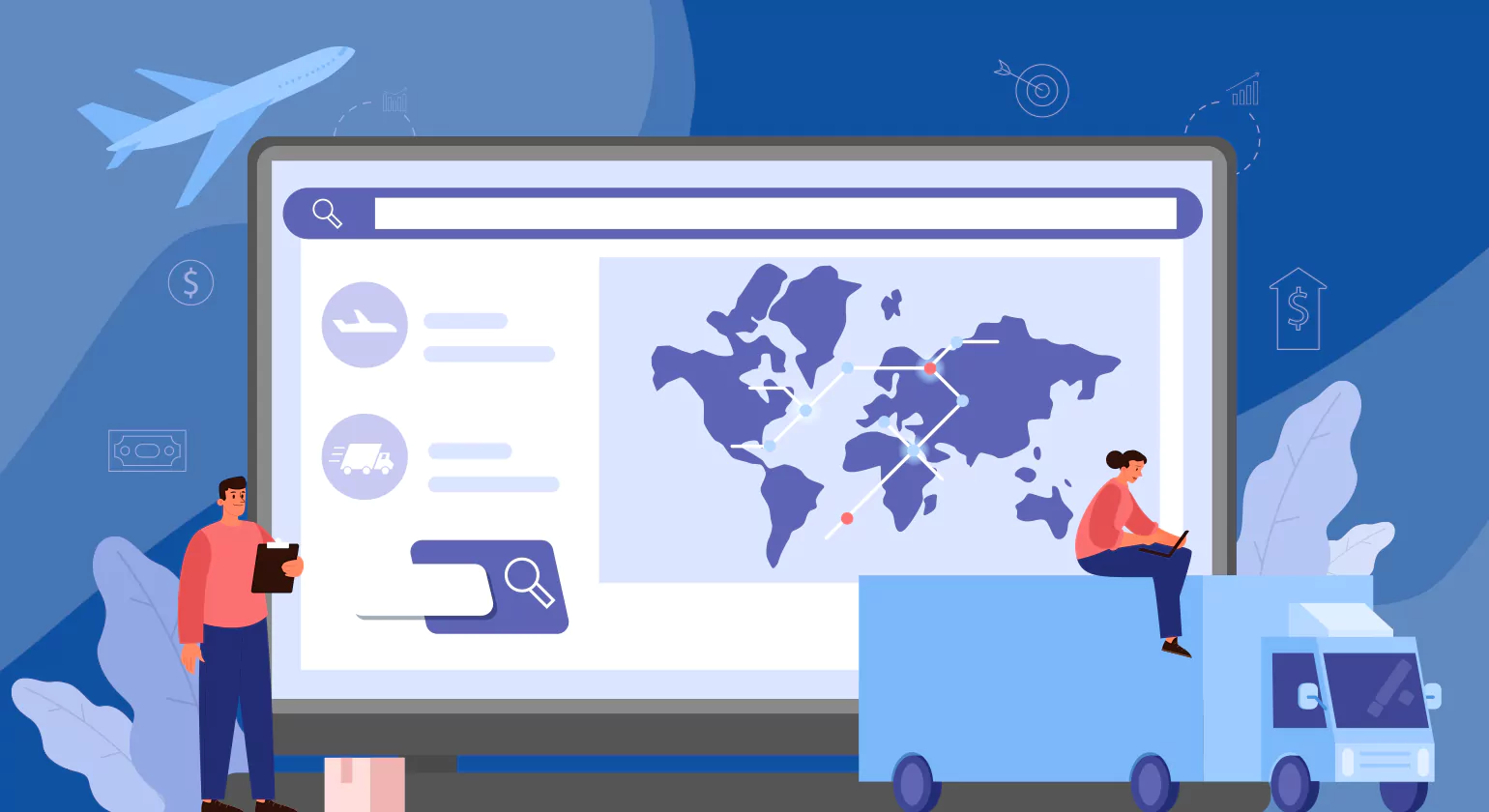
Modern custom logistics software development must do more than just manage tasks—it must empower real-time decision-making, support scalability, and deliver a seamless user experience. Below are the core features that define an effective logistics solution.
Real-Time Tracking and GPS Integration
One of the most critical components of logistics software development services is real-time tracking. With GPS integration, companies gain instant visibility into the location of shipments, vehicles, and assets. This feature improves delivery accuracy, reduces delays, and increases customer satisfaction. For industries like transportation and eCommerce, real-time updates ensure better coordination and proactive response to disruptions.
Automated Dispatching and Scheduling
Automated dispatching eliminates the need for manual allocation of resources. Using intelligent algorithms, logistics software can assign drivers, vehicles, and delivery routes based on real-time data such as location, traffic, and capacity. Automated scheduling increases efficiency, reduces idle time, and ensures on-time deliveries, making it a vital function in logistic software development services.
Inventory and Supply Chain Visibility Features
Effective inventory management requires real-time updates, automated alerts, and predictive insights. A well-built logistics platform should provide a unified dashboard that shows current stock levels, warehouse transfers, and incoming/outgoing shipments. This visibility helps avoid stockouts and overstocking, particularly in fast-moving industries such as retail, healthcare, and FMCG.
Performance Analytics and Reporting Dashboards
Custom logistics software development should always include powerful analytics tools. Businesses benefit from KPI dashboards that track delivery timelines, fleet performance, cost metrics, and customer feedback. These insights allow continuous process improvement and better decision-making. Visual reports also help identify bottlenecks, enabling logistics teams to address issues quickly.
Multi-Platform Access (Mobile and Web-Based Solutions)
In today’s digital age, mobile accessibility is essential. Custom-built logistics platforms should support both desktop and mobile users with responsive designs and real-time syncing. Drivers, warehouse staff, and managers can stay connected, access routes, update statuses, and communicate seamlessly—boosting overall productivity. A reliable logistics software development company ensures your solution works flawlessly across all devices and platforms.
The Custom Logistics Software Development Process

Developing a successful logistics solution requires a strategic approach that combines deep industry understanding with agile software engineering practices. Here’s how a typical custom development process unfolds:
Gathering Business Requirements and Workflow Analysis
Every logistics operation is unique. The first step is to assess current workflows, pain points, and business goals. Developers and analysts work closely with stakeholders to define must-have features, integration needs, compliance requirements, and user roles. This discovery phase ensures the final product aligns precisely with operational objectives.
UI/UX Design for Optimal User Experience in Logistics
A seamless user experience is key to adoption and efficiency. UI/UX designers create intuitive interfaces that simplify navigation for dispatchers, warehouse workers, and logistics managers. Features like drag-and-drop scheduling, interactive maps, and voice-assisted inputs can be added based on use cases. This focus on usability sets custom solutions apart from rigid off-the-shelf products.
Agile Development Practices and Quality Assurance (QA) Testing
Using agile methodologies, the development team builds software iteratively, allowing stakeholders to review and refine each feature. This approach ensures transparency, reduces risk, and allows for faster deployment. Comprehensive QA testing is performed at every stage, including functional, performance, and security testing to deliver a stable, reliable product.
Integrating Software with Existing Logistics Systems
For maximum efficiency, custom logistics software development solutions must integrate seamlessly with existing ERP, CRM, TMS, and WMS platforms. Developers use APIs and middleware to create smooth data flows between systems. Whether you’re using SAP, Oracle, Salesforce, or other platforms, experienced teams offering logistic software development services ensure robust and secure integration.
Post-Launch Support and Continuous Optimization
The development process doesn’t end at deployment. Ongoing support includes bug fixes, performance optimization, feature updates, and scalability planning. As your business grows, your software must adapt. A trusted custom logistics software development company will provide long-term partnership and evolve the platform with your needs.
How to Choose the Right Logistics Software Development Company?

Partnering with the right development team is crucial for building a high-performing logistics platform. Here’s what to consider when selecting a vendor:
Key Factors to Evaluate When Selecting a Development Partner
Start by evaluating the company’s portfolio and client success stories. Look for experience in logistics software development services and projects relevant to your industry. Verify their understanding of logistics workflows, compliance standards, and integration capabilities.
Also, assess the team’s communication practices, development methodologies, and commitment to timelines and quality. A company with strong project management skills and transparent processes will minimize risks and ensure smooth delivery.
Understanding Logistics Software Tech Stacks
Ask about the technologies and frameworks they use. A reliable vendor should be proficient in modern tech stacks such as:
- Backend: Node.js, .NET, Java, Python
- Frontend: React.js, Angular, Vue.js
- Databases: PostgreSQL, MongoDB, MySQL
- Cloud Platforms: AWS, Azure, Google Cloud
Understanding their approach to cybersecurity, scalability, and mobile responsiveness is also important.
Essential Questions to Ask Before Hiring a Vendor
Before signing any contract, ask questions like:
- Can you share examples of custom logistics solutions you’ve developed?
- What is your approach to handling integration with existing systems?
- How do you ensure compliance with industry regulations (e.g., FDA, ISO)?
- What kind of post-launch support do you offer?
- Can your team scale the product as our business grows?
The answers will help you gauge their depth of knowledge and reliability.
How to Balance Cost vs. Value for Long-Term Success
While cost is a major factor, the cheapest option may not always deliver the best results. Focus on long-term ROI. A high-quality, scalable solution from an expert logistics software development company may require a higher upfront investment but will reduce operational costs and deliver sustained value.
Look for transparent pricing models and ensure the vendor provides detailed estimates, including development, testing, deployment, and maintenance costs. Evaluate how well the vendor balances affordability with innovation, security, and performance.
How Much Does Custom Logistics Software Development Cost in 2025?
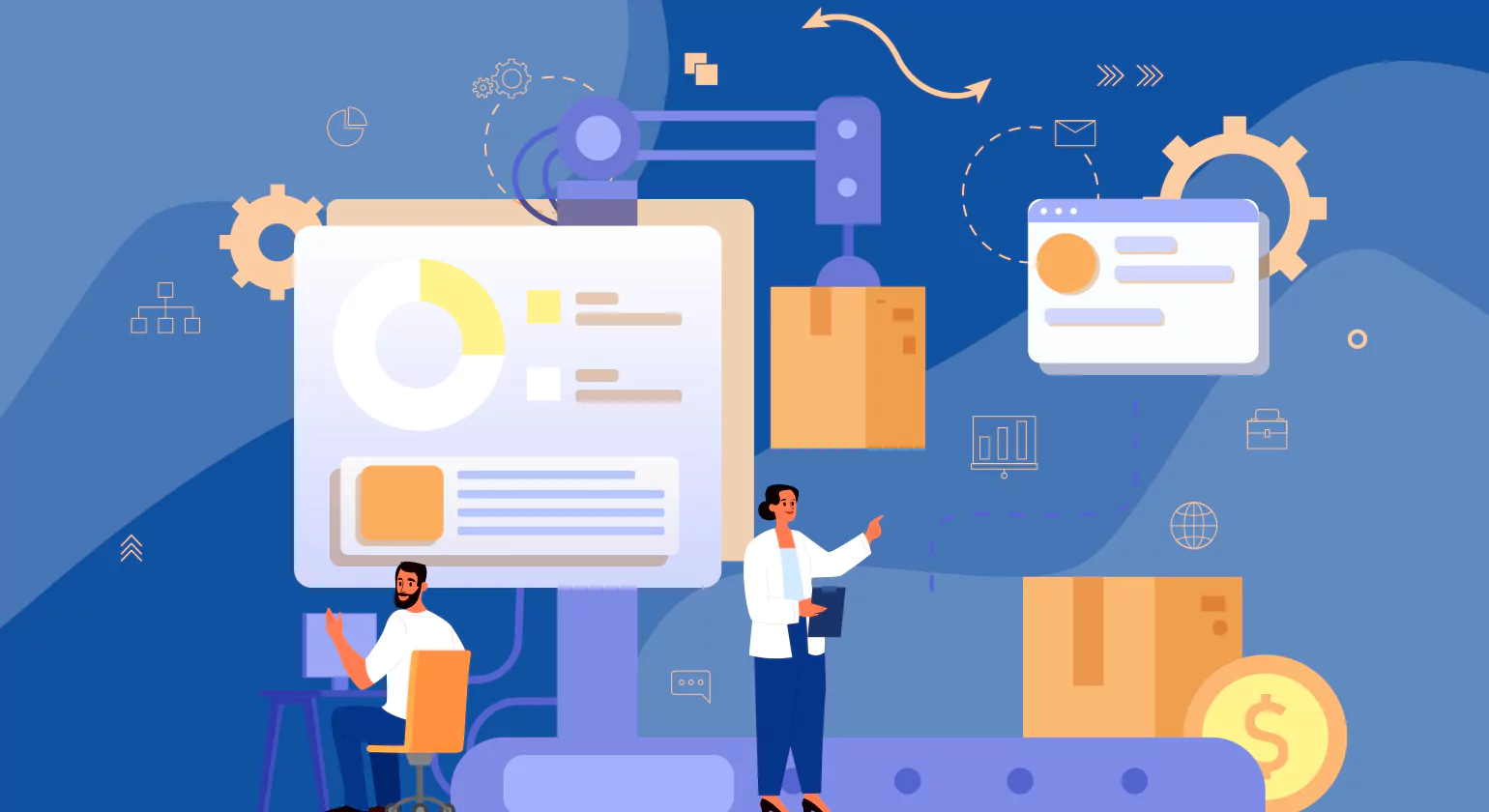
When planning a digital transformation in logistics, cost is often a top concern. The price of custom logistics software development in 2025 can vary significantly based on project scope, feature complexity, tech stack, and whether you choose in-house or outsourced development.
Understanding the Cost Breakdown by Feature and Complexity
The cost of developing logistics software ranges between $30,000 to $250,000+ depending on its features and functionalities. Here’s how it breaks down:
- Basic logistics solutions with features like tracking, dispatch, and reporting may cost between $30,000 and $60,000.
- Mid-range platforms with integration capabilities, analytics, and mobile access fall between $60,000 and $150,000.
- Enterprise-grade custom logistics software integrated with ERP, AI-powered optimization, IoT tracking, and advanced dashboards can exceed $200,000.
Major cost influencers include:
- Number of modules (e.g., TMS, WMS, FMS, order tracking)
- Customization level required to fit existing workflows
- Third-party API integrations (for CRMs, GPS, payment gateways)
- Security protocols and compliance requirements
- Mobile application support (Android, iOS)
Working with a skilled logistics software development company helps scope the project realistically and avoid hidden costs.
In-house vs. Outsourced Logistics Software Development
Choosing between building software in-house or outsourcing depends on budget, timeline, and available talent.
In-House Development:
- Pros: Full control over development; better alignment with internal teams.
- Cons: Higher long-term costs; need to hire and retain skilled developers; slower ramp-up time.
Outsourced Development:
- Pros: Faster time-to-market, access to specialized expertise, scalable resources, and cost efficiency.
- Cons: Requires clear communication and project management to ensure alignment.
Many businesses prefer working with a logistic software development company offshore or nearshore to balance affordability with quality. Outsourcing also enables faster access to domain-specific developers and established DevOps pipelines.
Tips for Managing and Optimizing Development Costs
To keep logistics software development within budget without sacrificing quality:
- Define your MVP (Minimum Viable Product) clearly to avoid feature bloat.
- Use agile development methods to roll out features in stages and gather feedback early.
- Prioritize integrations based on ROI—focus on core systems first (ERP, CRM, fleet).
- Opt for open-source technologies where possible to reduce licensing costs.
- Partner with experienced vendors who offer detailed estimates and transparent billing.
Cost control starts with strategic planning. A well-structured collaboration with a trusted custom logistics software development services partner ensures your investment pays off long-term.
Common Challenges in Logistics Software Development and How to Overcome Them
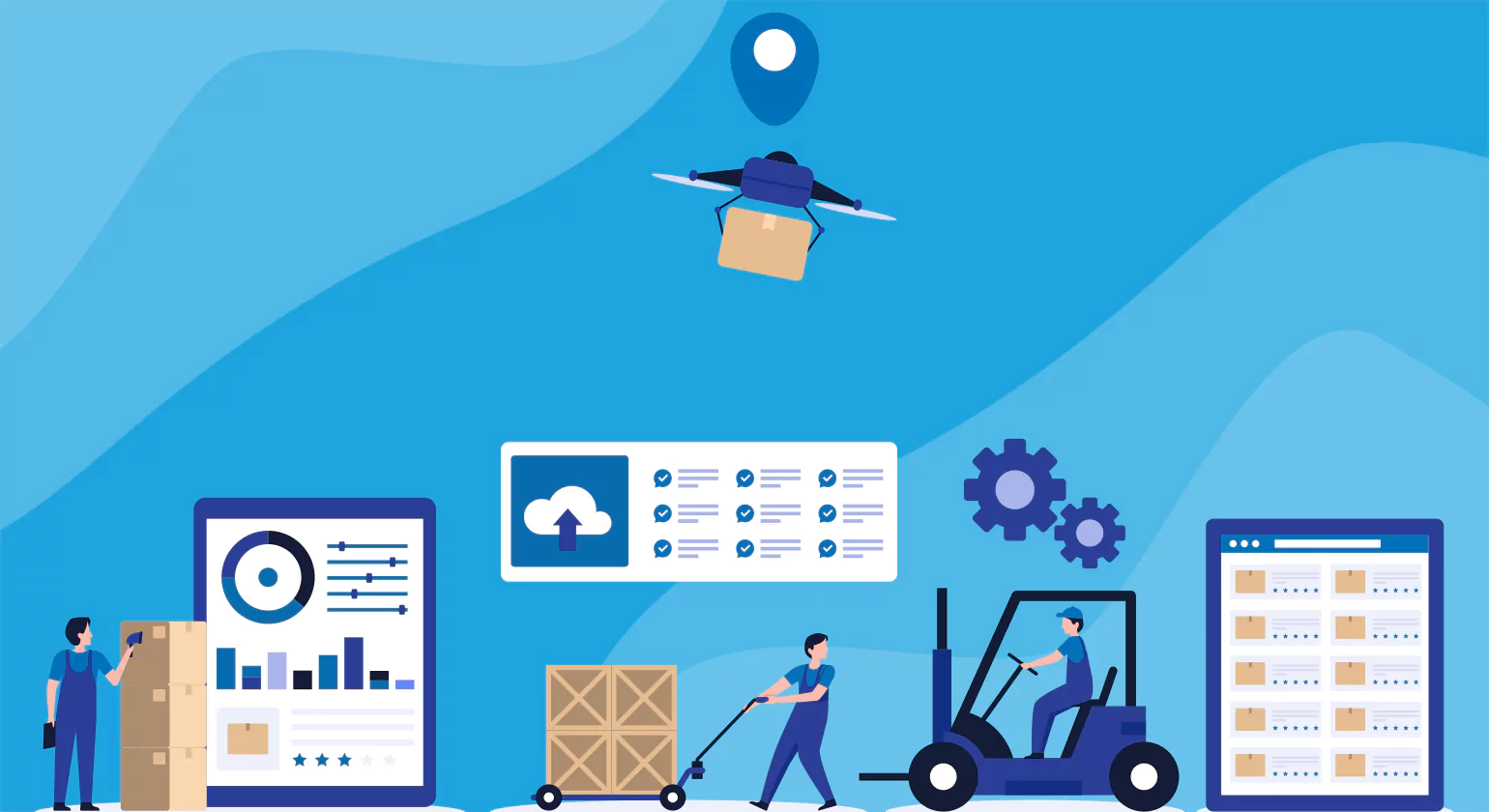
Even with expert support, logistics software development presents a unique set of challenges. Here’s how to address them effectively:
Integrating New Systems with Legacy Platforms
Many businesses still rely on outdated logistics systems, making integration a complex task. Legacy systems often lack APIs, use outdated protocols, or are poorly documented.
Solution: Work with developers experienced in system integration. They can use middleware, data bridges, and reverse engineering to ensure smooth communication between legacy platforms and your new software. Choosing a logistic software development company with experience in migration and hybrid architectures helps reduce operational disruption during upgrades.
Overcoming User Adoption Barriers
Logistics teams often resist new technology due to steep learning curves or fear of job displacement.
Solution: Invest in user-friendly interfaces, role-based access, and thorough training programs. Involve end users during the UI/UX design phase to ensure software fits their daily workflows. Offering mobile apps or voice-enabled features also boosts engagement and usage.
Addressing Data Security and Regulatory Compliance
Data security is a top priority in logistics, especially when handling customer data, financial records, and shipment information. Industries like healthcare and cold chain logistics must comply with regulations like HIPAA or FDA guidelines.
Solution: Custom logistics software should include data encryption, access control, audit trails, and automated compliance checks. Partnering with a logistics software development company that follows ISO, GDPR, or SOC 2 best practices ensures compliance and builds user trust.
Strategies for Scaling Software as Your Business Grows
As business operations expand, your software must scale seamlessly to handle increased users, transactions, and geographies.
Solution: Build the software on scalable cloud platforms like AWS or Azure with modular architecture and microservices. This ensures you can add new features, integrate with more partners, or support more users without rebuilding from scratch. Scalability is a key reason why businesses invest in custom logistics software development services rather than rely on off-the-shelf tools.
Benefits of Partnering with a Custom Logistics Software Development Company
The success of your logistics software heavily depends on the expertise of your development partner. Choosing the right vendor offers significant long-term advantages.
How a Specialized Vendor Accelerates Project Timelines
Experienced vendors bring proven frameworks, ready-to-use modules, and industry-specific knowledge that dramatically reduce development time. Their familiarity with logistics workflows allows for faster requirement gathering, fewer revisions, and quicker deployment. Rather than building everything from scratch, they leverage existing tools and automation to deliver high-quality solutions on time and within budget.
Domain Expertise in Logistics Software Technologies
A seasoned logistic software development company understands not only the technical side of development but also logistics-specific challenges such as:
- Route optimization algorithms
- Carrier rate calculation
- Cold chain tracking
- Inventory turnover optimization
- Integration with hardware like RFID, barcode scanners, or telematics
Their ability to blend tech with logistics domain knowledge ensures your solution is both functional and industry-compliant.
Long-Term Support, Scalability, and System Flexibility
Custom-built logistics software isn’t a one-time project—it evolves with your business. A reliable development partner provides:
- Ongoing technical support and issue resolution
- Periodic upgrades and security patches
- Scalability planning as your operations expand
- Feature enhancements based on user feedback
This long-term engagement ensures your logistics software remains future-ready and adaptable to market demands.
Tailored Solutions for Unique Needs
Every logistics operation is unique, from warehousing practices to route management. Custom software is built specifically for your business requirements, providing features that perfectly align with your workflows rather than forcing adaptation to generic platforms.
Enhanced Operational Efficiency
Automating repetitive tasks such as shipment scheduling, inventory tracking, and document management reduces manual errors and accelerates processes. Streamlined workflows allow employees to focus on higher-value tasks, improving overall productivity.
Scalability and Flexibility
As your business grows, custom solutions can scale with you. Whether adding new routes, increasing fleet size, or expanding to new regions, the software can evolve without significant additional investment.
Data-Driven Decision Making
Custom logistics platforms integrate analytics tools that provide insights into shipment trends, delivery performance, and warehouse utilization. Data-driven strategies improve decision-making and enhance operational planning.
Seamless Integration with Existing Systems
Custom logistics software can be integrated with ERP, CRM, warehouse management, and accounting systems, creating a unified digital ecosystem that enhances efficiency and reduces data silos.
Robust Security and Compliance
With sensitive data such as shipment details, client information, and financial records, custom software ensures data protection through advanced security protocols and compliance with industry regulations
Competitive Advantage
Businesses leveraging innovative, customized solutions gain a strategic edge. By addressing specific pain points and enabling faster, more efficient operations, companies stand out in a crowded logistics market.
How Custom Logistics Software Enhances Supply Chain Efficiency
In today’s hyper-competitive global economy, supply chain efficiency has become a decisive factor for business success. Delays, manual errors, and lack of visibility can cause inventory issues, shipping disruptions, and revenue loss. Custom logistics software development offers tailored digital solutions that streamline supply chain operations, eliminate inefficiencies, and create a responsive logistics ecosystem.
How Custom Logistics Software Can Optimize Overall Operations
Custom logistics software plays a crucial role in optimizing end-to-end supply chain operations by automating processes, reducing manual dependencies, and improving visibility.
With features like real-time shipment tracking, automated dispatching, and predictive inventory management, companies gain complete control over logistics workflows. This is particularly beneficial for industries such as retail, healthcare, cold chain, and manufacturing—where even minor delays can lead to major disruptions.
Key ways custom software enhances operations include:
- Centralized logistics dashboards offering a unified view of orders, fleet status, and inventory
- Predictive analytics tools to anticipate stockouts, delays, or demand spikes
- Integrated communication channels for seamless coordination between warehouses, drivers, and customers
- Automation of routine tasks, such as carrier assignment, invoicing, and documentation
By eliminating silos and enabling smarter workflows, logistics software development helps businesses reduce errors, boost accuracy, and operate more efficiently under pressure.
Reducing Costs and Increasing Operational Efficiency
Cost optimization is one of the most compelling reasons to invest in custom logistics software development. Manual processes and outdated systems often lead to hidden operational costs—such as excess labor, fuel wastage, and delayed shipments. Custom software reduces these costs through:
- Automated scheduling and route optimization that lowers fuel and labor expenses
- Inventory control and demand forecasting that prevent overstocking and understocking
- Reduced reliance on third-party systems that charge recurring fees
- Faster order fulfillment that cuts storage and handling costs
For instance, a custom-built transportation management system (TMS) can automatically calculate the most efficient delivery routes based on real-time data, traffic conditions, and order priority. This not only saves fuel and time but also ensures timely deliveries.
Moreover, by integrating logistics software with ERP or CRM systems, businesses avoid data duplication and reduce administrative costs. These integration capabilities are a hallmark of robust logistic software development services and lead to a more agile, responsive supply chain.
Achieving Faster Time-to-Market with Custom Solutions
Speed is everything in logistics. Whether launching a new product or entering a new region, businesses must act quickly to stay ahead of the competition. Custom logistics software accelerates time-to-market in several ways:
- Faster order processing and shipment tracking help businesses fulfill orders without delay.
- Real-time visibility and alert systems allow for immediate responses to disruptions.
- Seamless coordination between warehousing, transportation, and customer service reduces lead times.
Custom platforms can also be tailored to specific market requirements or regional regulations. For instance, a company expanding into international shipping can have a logistics solution that supports multi-currency invoicing, cross-border compliance, and multi-language interfaces—all built during development by a skilled logistics software development company.
Conclusion
custom logistics software development services is no longer a luxury—it’s a strategic necessity for companies aiming to improve supply chain performance and gain a competitive advantage. Off-the-shelf tools often lack the flexibility, scalability, and industry-specific features required in today’s dynamic logistics environment.
By investing in tailored logistics software development, businesses can automate core processes, increase operational visibility, reduce costs, and accelerate time-to-market. Whether it’s through real-time GPS tracking, predictive analytics, seamless ERP integration, or mobile-first design, custom solutions unlock higher productivity and long-term efficiency.
Working with an experienced logistics software development company ensures that your platform is built to scale, adapt, and perform—empowering your logistics team to meet demand with confidence and precision. As the logistics landscape continues to evolve, custom software positions your organization to thrive in the face of complexity and disruption.
FAQs
1. What is the difference between off‑the‑shelf and custom logistics software?
Off-the-shelf software is prebuilt for general use, while custom logistics software is tailored to your operations. Custom software allows better integration, scalability, workflow automation, and long-term ROI compared to generic solutions.
2. How long does it take to develop custom logistics software?
Development time ranges from 4 to 12 months, depending on features, integrations, and team size. Smaller tools may be delivered faster, while complex platforms need staged development, ongoing testing, and collaboration for quality delivery.
3. How much does custom logistics software cost?
Custom logistics software can cost anywhere between $30,000 and $200,000+ based on project size, development approach, location of developers, and post-launch support. Outsourcing often reduces costs without compromising on quality delivery.
4. Can custom logistics software integrate with ERP and CRM systems?
Yes, custom logistics software can fully integrate with ERP, CRM, WMS, and accounting systems using APIs. These integrations offer real-time insights, reduce redundancy, automate workflows, and boost supply chain collaboration and efficiency.
5. Is SaaS-based logistics software better than on-premise?
SaaS logistics software is scalable, cost-effective, and maintenance-free, perfect for fast-growing businesses. On-premise solutions offer full control, enhanced data privacy, and compliance but need higher upfront investment and IT resources.
6. How do I choose the right logistics software development company?
Select a firm with logistics expertise, strong portfolios, positive client feedback, and scalable solutions. Confirm they offer agile practices, robust security, and post-launch support while aligning with your business needs and tech roadmap.