Table of Contents
Introduction
In today’s fast-paced digital landscape, business software development has become a cornerstone for companies aiming to thrive and stay competitive. The tailored creation, design, and implementation of custom software solutions allow businesses to address their unique challenges and unlock unparalleled efficiency. Unlike off-the-shelf products, which cater to general needs, custom business software is designed to align with a company’s specific goals and operational requirements.
Why is business software development important? At its core, it enables organizations to innovate and streamline operations while adapting to the evolving demands of the market. By focusing on bespoke solutions, companies can integrate tools that enhance productivity, foster collaboration, and deliver meaningful insights through data.
Understanding the Software Development Business Model

The software development business model refers to the structure and strategy a company uses to create, deliver, and monetize software products or services. This model varies depending on the company’s focus—whether it builds custom software solutions for clients, develops its own SaaS products, or offers software development as a service. The core of the model includes defining the value proposition, target audience, delivery method, and pricing approach.
In custom software development businesses, the model often revolves around project-based or time-and-materials contracts, where clients pay for tailored solutions designed to meet their unique needs. These companies typically work with businesses across industries, helping them build applications, platforms, or automation tools that improve operations. Alternatively, some firms operate on a dedicated team or staff augmentation model, offering ongoing technical support and development capacity.
SaaS-based software development businesses focus on recurring revenue by offering subscription-based access to a cloud-hosted platform. This model requires investment in scalable infrastructure, continuous updates, and user-centric design. Regardless of the approach, a successful business software development business relies heavily on agile methodologies, skilled development teams, and strong client relationships to remain competitive in a rapidly evolving digital market.
Benefits of Business Development Software for Modern Companies
In a competitive and fast-paced digital environment, modern companies are under constant pressure to innovate, scale, and maintain strong customer relationships. Business development software plays a critical role in helping organizations streamline their operations, uncover new growth opportunities, and drive strategic decision-making. Here’s how this technology empowers companies across industries.
1. Enhanced Lead Management and Conversion
Business development software provides a centralized platform to track leads from multiple channels, manage follow-ups, and automate key outreach processes. By maintaining organized records and tracking engagement history, sales and marketing teams can better prioritize leads, personalize communication, and increase conversion rates. This ensures that no opportunity slips through the cracks, helping businesses close deals faster and more efficiently.
2. Improved Collaboration Across Teams
One of the key benefits of business software development is its ability to align sales, marketing, and customer success teams. With shared access to real-time data, teams can collaborate seamlessly, track customer journeys, and stay aligned on goals. This unified approach fosters transparency and efficiency, leading to better customer experiences and stronger internal workflows.
3. Data-Driven Decision-Making
Modern business development tools offer advanced analytics and reporting features. These insights enable companies to identify trends, measure campaign performance, and evaluate what strategies are delivering the best ROI. Having access to actionable data empowers leadership to make informed decisions, pivot quickly, and optimize growth strategies in real time.
4. Time and Resource Optimization
Automation is a core advantage of business development software. Tasks like email follow-ups, meeting scheduling, and data entry can be automated to save time and reduce manual errors. This allows business development teams to focus more on strategy and relationship building, rather than getting bogged down by administrative tasks.
5. Scalability and Flexibility
As companies grow, their needs become more complex. Business development software offers scalable features that can adapt to expanding operations, more users, and evolving goals. Whether you’re a startup or a large enterprise, these tools provide the flexibility to adjust processes and workflows without major disruptions.
Types of Software Development and Their Business Applications
In the rapidly evolving digital world, businesses increasingly rely on different types of software development to remain competitive, improve productivity, and enhance customer experience. Each type serves specific purposes and is tailored to meet various operational and strategic needs. Here are 10 types of software development and how they are applied in the business world.
1. Web Development
Web development involves building websites and web applications that are accessible through internet browsers. For businesses, this includes everything from corporate websites to customer portals and e-commerce platforms. A strong online presence is crucial for branding, lead generation, and customer engagement, making web development a core function in most organizations.
2. Mobile App Development
Mobile app development focuses on creating software applications for mobile devices like smartphones and tablets. Businesses use mobile apps for various functions, including sales support, customer service, and employee productivity. From retail to healthcare, mobile solutions enable real-time access and convenience for users and employees alike.
3. Custom Software Development
Custom business software development creates tailored solutions for specific business needs that off-the-shelf software cannot address. This can range from internal process automation tools to unique client-facing applications. Custom solutions provide businesses with a competitive edge by aligning perfectly with operational goals and user requirements.
4. Cloud-Based Software Development
This type involves building software that runs on cloud infrastructure. Cloud software offers scalability, remote accessibility, and lower IT costs. Businesses use it for everything from data storage and collaboration tools to enterprise resource planning (ERP) and customer relationship management (CRM) systems.
5. Enterprise Software Development
Enterprise business software development focuses on building large-scale applications for internal use by organizations. Examples include HR systems, supply chain management software, and financial systems. These applications are often integrated across departments to streamline operations and support data-driven decision-making.
6. E-commerce Software Development
E-commerce development is the creation of platforms and tools for selling goods or services online. Businesses leverage this software to build online stores, manage payments, track inventory, and analyze customer behavior. With the growth of online shopping, robust e-commerce platforms are essential for modern retail operations.
7. DevOps and Backend Development
DevOps and backend development involve building and maintaining the server-side logic, database management, APIs, and infrastructure automation. These functions ensure software runs smoothly, scales effectively, and integrates with other systems. DevOps practices are key to improving deployment speed and maintaining system reliability.
8. AI and Machine Learning Development
AI and machine learning business software development incorporates algorithms that allow systems to learn and make predictions or decisions. Businesses use these technologies for data analysis, customer personalization, fraud detection, and automation. AI-driven software boosts efficiency and delivers deeper insights into customer behavior and market trends.
9. Game Development
Though typically associated with entertainment, game development principles are increasingly used in business applications for training, education, and gamified customer engagement. Companies use gamification to enhance user interaction and motivate both customers and employees.
10. Embedded Systems Development
Embedded systems development is used to create business software development for devices not traditionally thought of as computers—such as medical devices, automotive systems, and industrial machines. In business, these systems power smart devices and IoT (Internet of Things) solutions that improve operations, tracking, and automation.
Exploring Software Development and Services for Enterprises
In today’s fast-paced digital landscape, enterprises require robust, scalable, and future-ready software solutions to maintain operational efficiency and competitive advantage. Software development and services for enterprises encompass a wide range of technologies, methodologies, and strategies tailored to large-scale business needs.
Custom Enterprise Software Solutions
One of the core components of enterprise software development is building custom solutions. These are designed specifically to meet the unique workflows, compliance requirements, and scalability needs of the business. From ERP systems to HR and financial platforms, custom development ensures that software aligns perfectly with an enterprise’s internal operations and long-term goals.
Enterprise Application Integration (EAI)
Large organizations often rely on multiple business software development applications across departments. Enterprise Application Integration helps connect these systems so they can communicate and work together seamlessly. Integration services reduce data silos, improve process automation, and enable real-time visibility across departments—essential for informed decision-making and operational harmony.
Cloud-Based Development and Migration
Many enterprises are moving their infrastructure to the cloud for better scalability, flexibility, and cost-efficiency. Cloud-based software development allows organizations to access applications from anywhere, implement faster updates, and reduce hardware dependency. Services also include migrating legacy systems to cloud platforms like AWS, Azure, or Google Cloud to modernize IT operations.
Security and Compliance in Enterprise Software
Security is a top priority in enterprise software development. Services often include implementing robust security measures, from encryption and access control to data privacy compliance (like GDPR or HIPAA). A secure software foundation helps protect sensitive business data and maintain client trust.
Ongoing Maintenance and Support
Enterprise software requires continuous updates, performance monitoring, and technical support. Development service providers offer ongoing maintenance to ensure systems run smoothly, remain secure, and adapt to evolving business needs. This long-term partnership is crucial for maximizing ROI and minimizing downtime.
Business Software Development as a Service: What It Means
usiness Software Development as a Service (SDaaS) refers to outsourcing the design, development, deployment, and maintenance of software solutions to specialized third-party providers. Rather than building and managing an in-house development team, companies can access scalable software expertise on-demand. This model offers flexibility, faster turnaround times, and cost savings—especially for businesses that need tailored solutions without the burden of hiring full-time developers.
SDaaS providers typically offer end-to-end services, including business analysis, UI/UX design, coding, integration, testing, and ongoing support. These services are delivered through the cloud or remotely, allowing for real-time collaboration regardless of location. Whether it’s a custom CRM, an internal automation tool, or a customer-facing application, the service provider adapts to the company’s specific needs and goals, ensuring a strategic fit.
For modern businesses, Business Software Development as a Service presents a smarter, more agile approach to digital transformation. It helps organizations stay competitive by accessing top-tier talent, advanced technologies, and best practices without the overhead. As business demands evolve, SDaaS offers the ability to scale development capacity up or down, reduce time to market, and focus internal resources on core strategic functions.
How to Choose the Right Software Development Partner
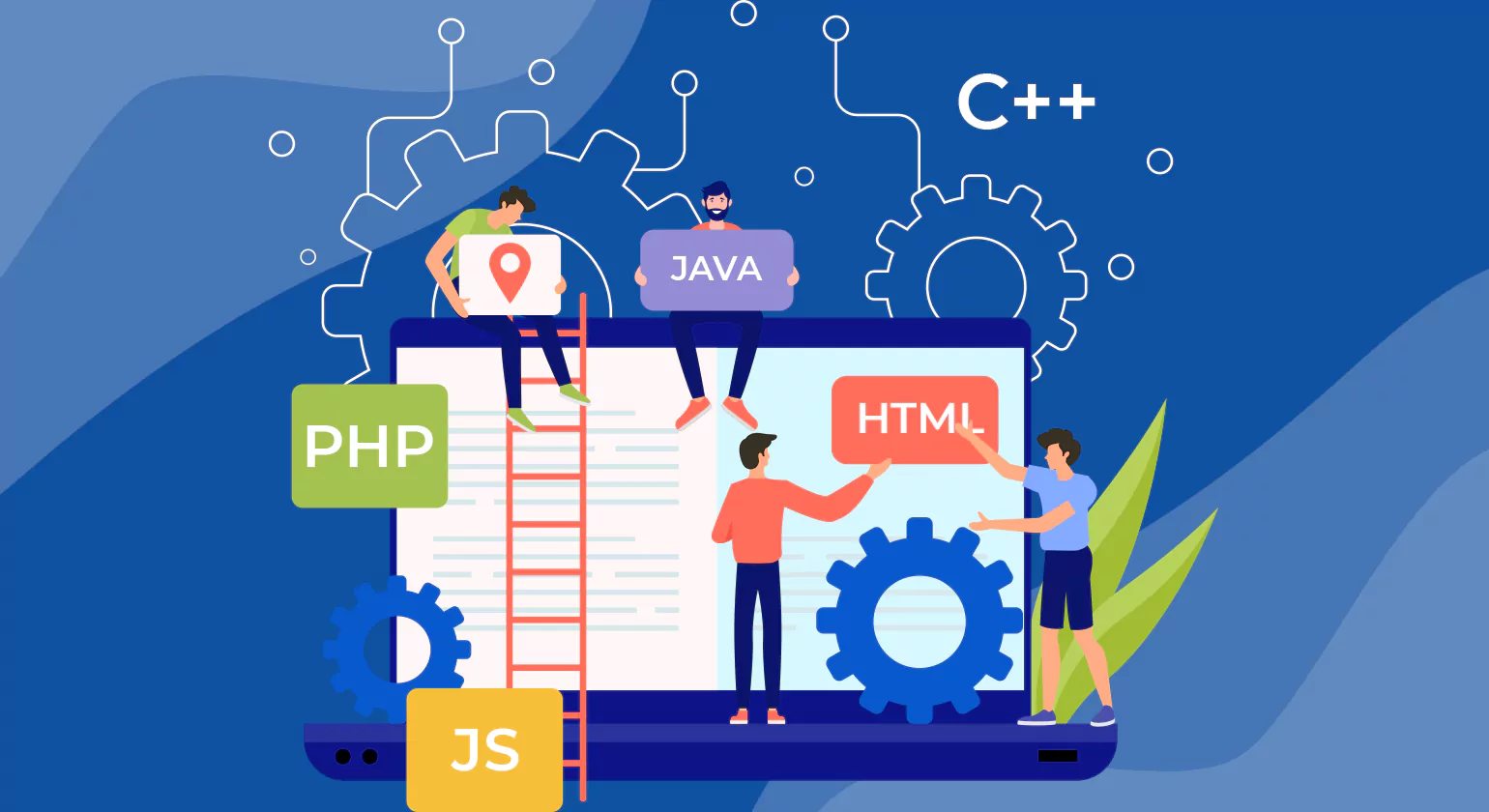
Choosing the right business software development partner is a critical decision that can impact your project’s success, budget, and long-term business growth. With so many providers available, knowing what to look for helps ensure your investment delivers maximum value.
Define Your Business Needs and Goals
Before you start evaluating potential partners, clearly outline your software requirements, project scope, timeline, and goals. Are you developing a custom enterprise solution, mobile app, or SaaS platform? Defining these details helps you find a partner with the right technical expertise and domain experience.
Evaluate Technical Expertise and Industry Experience
Not all development firms are created equal. Look for a partner that specializes in your required technologies (e.g., React, Python, .NET) and has experience in your industry. Review their portfolio and case studies to assess their ability to handle similar challenges and deliver high-quality results.
Check Communication and Project Management
Effective collaboration is key to a successful software project. Ensure your partner has strong communication protocols, dedicated project managers, and clear reporting structures. Agile or Scrum methodologies can offer transparency and flexibility, especially in dynamic or iterative projects.
Assess Security and Quality Assurance Practices
Security and software quality should never be compromised. Ask about their QA processes, testing frameworks, and how they handle data protection. A reliable partner will adhere to industry standards like ISO, GDPR, or HIPAA, depending on your needs.
Look for Long-Term Partnership Potential
business software development doesn’t end at deployment. Choose a partner that offers ongoing maintenance, support, and scalability options. A long-term relationship allows your software to evolve with your business while minimizing future risks and costs.
Consider Cost vs. Value
While budget matters, the cheapest option isn’t always the best. Focus on the value delivered—expertise, support, innovation, and long-term ROI. A trusted partner will work within your budget while helping you achieve your business objectives.
Emerging Trends in Business Software Development
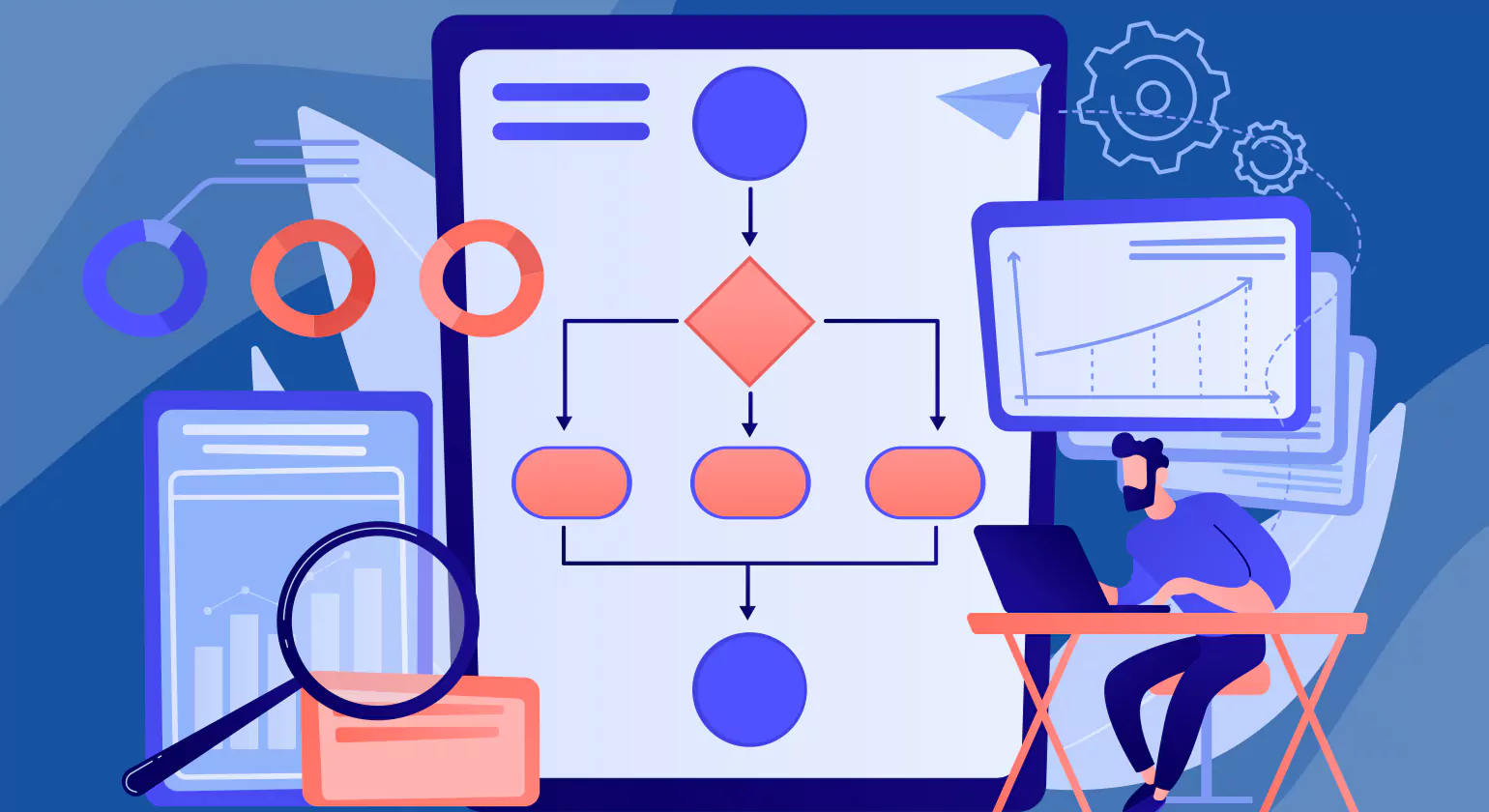
Business software development is rapidly evolving to meet the demands of a digital-first world. One of the most prominent trends is the rise of low-code and no-code platforms, which empower non-technical users to build and customize applications with minimal programming knowledge. These platforms accelerate development cycles, reduce costs, and enhance agility, making them especially attractive to small and mid-sized businesses looking to innovate quickly.
Another key trend is the integration of artificial intelligence (AI) and machine learning (ML) into business software. From predictive analytics and personalized user experiences to automated workflows, AI is reshaping how businesses operate. Intelligent software systems can now identify patterns, make decisions, and continuously improve processes—enabling companies to optimize operations and make data-driven decisions faster and more accurately.
Finally, cloud-native development continues to gain momentum as businesses seek scalability, flexibility, and remote accessibility. With cloud platforms like AWS, Azure, and Google Cloud, companies can deploy, manage, and update applications more efficiently while reducing infrastructure costs. Combined with DevOps practices and microservices architecture, cloud-native development is enabling continuous delivery and integration, helping businesses respond rapidly to changing market conditions and customer needs. These trends are setting the foundation for the next generation of agile, intelligent business solutions.
Conclusion
In conclusion, business software development is a critical tool for driving business growth and success. By understanding and integrating the technical capabilities of business software development with business development strategies, companies can create innovative solutions that streamline operations, improve decision-making, and unlock new opportunities. When executed effectively, b/s software development enables companies to stay ahead of competition, maximize their efficiency, and ensure sustainable growth in an ever-evolving digital landscape. By focusing on tailored solutions that align with business goals, organizations can ensure that their software investments deliver measurable results and contribute to long-term success.
FAQs
1. What is business software development?
B/s software development is the process of designing, creating, and maintaining custom software solutions tailored to meet a company’s specific needs. Unlike off-the-shelf software, it addresses unique business challenges, improves operational efficiency, and supports data-driven decision-making through personalized tools and systems.
2. What are the benefits of custom software development?
Custom software development offers enhanced efficiency, scalability, and flexibility. It allows businesses to automate processes, integrate systems, and access real-time data for better decision-making. Custom software also ensures a competitive edge by addressing specific business requirements, improving customer experiences, and optimizing internal workflows.
3. How long does it take to develop business software?
The development time for business software depends on factors like project complexity, features, and the development method used. On average, it can take from several weeks to several months. Thorough planning, design, and testing ensure the software meets business goals and is robust for long-term use.
4. What steps are involved in the software development process?
The software development process typically involves requirements gathering, design, development, testing, deployment, and maintenance. It starts with understanding client needs, followed by designing the system, coding, quality assurance, and finally launching and maintaining the software for future updates and improvements.
5. How do I choose the right software development company?
When choosing a software development company, consider factors like expertise in your industry, experience with custom solutions, client testimonials, and their approach to communication and project management. It’s also essential to ensure their ability to provide post-launch support and maintenance for long-term success.
6. Can my existing systems integrate with new software?
Yes, existing systems can often be integrated with new software through APIs or middleware. This ensures that data flows smoothly between systems, preserving workflows and improving operational efficiency without disrupting your business. Custom software development focuses on seamless integration to avoid redundancy and enhance performance.
7. What technologies are commonly used in business software development?
Common technologies in b/s software development include programming languages like Java, Python, and C#, as well as frameworks like .NET and Angular. Database systems like SQL, cloud technologies (AWS, Azure), and development methodologies like Agile are also widely used to create scalable and secure business solutions.
8. What is Agile methodology in software development?
Agile is a flexible and iterative software development methodology that emphasizes collaboration, adaptability, and frequent delivery of functional software. It breaks projects into smaller tasks, allowing for regular feedback and continuous improvement, which ensures the product evolves to meet changing business needs and user feedback.