Table of Contents
Introduction
Creative project management merges traditional project management principles with the specific demands of creative industries like marketing, design, and content production. Unlike conventional projects, creative work often requires balancing structure with artistic freedom, making flexibility and adaptability critical. This process involves overseeing diverse teams, managing resources, and aligning objectives to ensure the timely delivery of high-quality outputs within budget constraints.
A key element of Project Management is fostering effective collaboration among team members while maintaining alignment with stakeholders’ expectations. It also demands the ability to navigate challenges such as shifting priorities, scope changes, and tight deadlines, often supported by creative project management software.
What is creative project management? A definition

Creative project management is the practice of overseeing projects that require both innovative thinking and structured execution, making it essential for project management for creative teams. It involves managing teams of designers, writers, marketers, and other creatives while ensuring their work aligns with project objectives and deadlines. Unlike traditional project management, it emphasizes fostering an environment where artistic freedom thrives within clearly defined workflows, making project management for creatives a unique discipline. This approach balances creativity with practicality, enabling teams to deliver high-quality, impactful results. Key responsibilities include setting project goals, allocating resources, and maintaining open communication channels among team members and stakeholders. By integrating structure with flexibility, it ensures that projects remain on track without stifling innovation, often supported by creative management software and project management software creative teams can use to optimize performance.
At its core, creative project planning requires a unique skill set that bridges the gap between creative ideation and operational efficiency. Project managers must not only understand the creative vision but also have the technical know-how to manage budgets, timelines, and deliverables. They act as a liaison between the creative team and clients or stakeholders, translating feedback into actionable steps. Effective tools and methodologies, including Agile or Kanban, are commonly used within the best creative management platform to streamline workflows and ensure adaptability to changing project demands. Ultimately, project management creative teams drives collaboration, enhances productivity, and ensures that creative efforts contribute meaningfully to strategic goals, making project management for creative teams an indispensable part of modern creative operations.
The Importance of a Creative Project Manager

A creative project manager plays a vital role in bridging the gap between artistic vision and business objectives. They oversee the entire creative process—from ideation to execution—ensuring projects meet deadlines, stay within budget, and align with client goals. Their deep understanding of both creative workflows and project management enables them to effectively coordinate designers, writers, developers, and stakeholders while maintaining a cohesive vision. Without a strong creative project, teams risk miscommunication, missed deadlines, and diluted messaging.
In addition to organizational skills, creative project managers bring strategic thinking and problem-solving to the table. They anticipate challenges, manage resources efficiently, and adapt to shifting priorities without compromising quality. Their leadership ensures that creative teams are not only productive but also inspired and focused. By translating ideas into actionable plans, they empower brands to produce compelling, on-brand content that resonates with target audiences—making them indispensable in today’s fast-paced, content-driven market.
Understanding the Role of a Creative Project Manager

A Creative Project Manager is responsible for overseeing the planning, execution, and delivery of creative projects such as branding campaigns, video productions, website designs, or advertising initiatives, making project management for creative teams essential. Their role bridges the gap between project management creative teams and clients or internal stakeholders, managing timelines, allocating resources, coordinating tasks, and ensuring the final output aligns with project goals and brand standards. Clear communication and organization are crucial as they balance creative vision with project logistics, often supported by creative management software and project management software creative teams rely on to optimize workflows.
Beyond logistics, creative project managers actively contribute to ideation and strategy, ensuring each project stays on track while achieving impactful, on-brand results. They track progress, mitigate risks, and adjust plans as needed to meet deadlines and budgets, applying creative project planning techniques for maximum efficiency. By streamlining collaboration between departments and leveraging the best creative management platform, they maintain creative momentum and ensure consistent delivery of high-quality content. This approach highlights the importance of project management for creatives, enabling teams to innovate while meeting business objectives effectively.
The Strategic Role of a Creative Project Manager

A Creative Project Manager plays a pivotal role in ensuring that creative initiatives align with business goals, bridging the gap between creative teams and stakeholders. Their ability to balance innovation with practicality, often leveraging creative project management software, is key to delivering high-quality projects on time and within budget.
Managing Stakeholder Expectations
One of the primary responsibilities of a Creative Project is managing stakeholder expectations. This involves clear communication, setting realistic goals, and aligning the creative vision with the company’s strategic objectives. They ensure that all stakeholders—whether internal teams or external clients—are on the same page and that their needs are met without compromising the creative process.
Facilitating Creative Collaboration
Creative Project fosters collaboration among designers, writers, developers, and other team members. By encouraging open dialogue and providing a structured framework for creative work, they ensure that the team can innovate while staying focused on the project goals. They also serve as the go-between for feedback loops, making sure that input from various stakeholders is efficiently integrated into the creative process.
Monitoring Project Performance and ROI
To maintain project efficiency, Creative Project tracks performance metrics and ROI. They monitor timelines, budgets, and quality standards, ensuring that the creative output meets expectations. This focus on performance helps in optimizing processes and making data-driven decisions to improve future projects.
Resolving Conflicts
Conflict resolution is another essential skill for Creative Project Managers. They act as mediators, resolving any disagreements between team members or between creative and business sides to ensure the project runs smoothly and efficiently.
Benefits of Creative Project Management
Creative project management is the art of organizing, guiding, and delivering creative work—such as design, content, branding, or marketing campaigns—within scope, time, and budget. Unlike traditional project management, creative project requires a unique balance of structure and flexibility to support innovation while maintaining efficiency. Below are the key benefits businesses and creative teams gain from implementing effective creative project management:
1. Improved Team Collaboration
Creative projects often involve a variety of professionals—designers, writers, strategists, marketers, and developers—working together. Creative project provides a centralized structure for collaboration, communication, and task delegation. With clearly defined roles, responsibilities, and timelines, teams can work together more effectively and avoid duplicated efforts or misunderstandings.
2. Better Resource Allocation
Project managers can assess workloads, skill sets, and availability to assign the right people to the right tasks. This ensures that creative talent is used efficiently and helps prevent burnout by balancing workloads. Proper resource management also increases productivity and helps deliver higher-quality outputs.
3. Enhanced Creativity Within Boundaries
While creativity thrives in open environments, some constraints are necessary to meet deadlines and budgets. Creative project management strikes a balance between freedom and structure. By establishing clear objectives, creative teams can channel their innovation more effectively toward specific business goals.
4. On-Time Delivery
Delays are common in creative work when projects lack structure. With well-defined milestones, scheduling tools, and regular check-ins, creative project keeps everyone on track. Meeting deadlines consistently improves client satisfaction and builds credibility.
5. Increased Transparency and Accountability
Project tracking tools provide visibility into who is doing what and when. This level of transparency enhances accountability among team members and allows project managers to identify and address bottlenecks early. It also keeps stakeholders informed of progress and any potential risks.
6. Scalability for Agencies and Teams
As creative agencies or in-house teams grow, managing multiple projects becomes more complex. Creative project management platforms and practices make it easier to scale operations. They allow teams to replicate successful project workflows, standardize processes, and manage increasing workloads without compromising quality.
7. Data-Driven Insights and Continuous Improvement
Using tools like time tracking, budget monitoring, and performance metrics, teams can analyze what worked and what didn’t. These insights help refine processes, improve future estimates, and build a culture of continuous improvement.
The Creative Project Management Process and Lifecycle
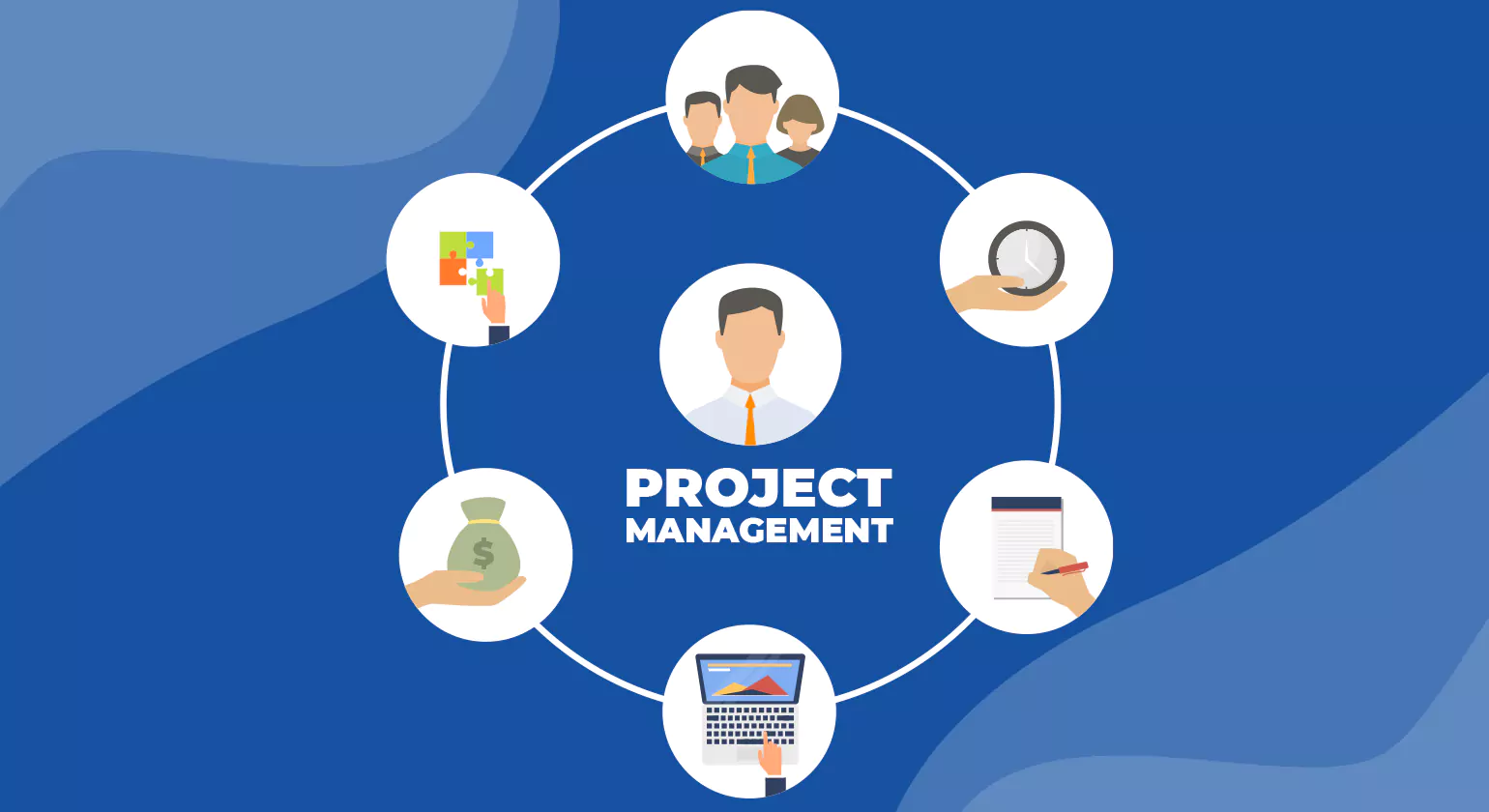
The Creative Project Management Process workflow is a structured approach designed to ensure that creative projects are executed effectively, efficiently, and in alignment with business objectives. Each phase of the project lifecycle is crucial for delivering high-quality results on time and within budget.
Initiation
The initiation phase is where the foundation of the project is set. During this stage, the project’s goals and scope are clearly defined. A Creative Project Manager works closely with stakeholders to establish the project’s purpose, target audience, key deliverables, and desired outcomes. This phase ensures that everyone involved has a shared understanding of the project’s direction and what success looks like.
Planning
Planning is the blueprint for successful execution. In this phase, the project manager creates a detailed plan that includes timelines, budget estimates, and resource allocation. This includes assigning roles and responsibilities, setting milestones, and ensuring that the necessary tools and resources are available to the team. By identifying potential risks and challenges early, this stage sets the project up for smooth execution.
Execution
Execution is where the actual work happens. The Creative Project oversees the team’s efforts, ensuring that tasks are completed on time and to the required standard. They facilitate communication, encourage collaboration, and make sure that quality control measures are in place. They also monitor the workload to prevent burnout and maintain morale.
Monitoring
During the monitoring phase, progress is carefully tracked. The Creative Project Manager keeps an eye on timelines, budgets, and performance to identify any bottlenecks or delays. Regular check-ins, status meetings, and reporting ensure that any issues are quickly addressed and that the project stays on track.
Closure
The closure phase marks the completion of the project. The final product is delivered to the stakeholders, and feedback is gathered to assess the project’s success. This phase provides valuable insights for future projects, ensuring continuous improvement in the creative project management process.
Core Responsibilities of a Project Management For Creative Teams

Project management for creative teams plays a vital role in ensuring that creative projects are executed smoothly and effectively, blending artistic vision with practical execution. Their responsibilities span across multiple stages of a project’s lifecycle, from planning to delivery, making them essential for achieving both creative excellence and business objectives.
Planning and Scheduling Projects
The first responsibility of a Creative Project Manager is planning and scheduling. They work closely with stakeholders to define project goals, objectives, and timelines. By developing a clear project plan with specific milestones, they ensure that all tasks are organized and deadlines are met. They also adjust timelines as needed, ensuring that the creative team has enough time to bring their ideas to life while staying within project constraints.
Ensuring Resource Availability
Effective resource management is another critical aspect of the role. A Creative Project ensures that the necessary tools, technology, and talent are available throughout the project. This includes coordinating with internal teams or hiring external resources if needed. They are also responsible for managing budgets to ensure resources are allocated efficiently, avoiding delays or shortages that could affect project outcomes.
Managing Risks and Troubleshooting Challenges
Creative projects often encounter unforeseen challenges. A Creative Project identifies potential risks early on and develops strategies to mitigate them. They are quick to troubleshoot any issues that arise, whether they are related to deadlines, scope changes, or team dynamics. By staying proactive, they help maintain project momentum.
Fostering Collaboration and Communication
One of the most important responsibilities of a Creative Project is fostering collaboration among team members. They ensure open and transparent communication, facilitating the exchange of ideas, feedback, and updates. Their leadership keeps the team motivated and aligned with the project’s vision.
Ensuring Deliverables Meet Quality and Creative Standards
Finally, a Creative Project Manager ensures that the project’s final deliverables meet both quality and creative standards. They review the work at various stages, ensuring that it aligns with the original vision and business goals. By maintaining high standards throughout, they deliver results that not only meet but exceed expectations.
In creative project management process, these core responsibilities are essential for delivering successful, innovative projects that satisfy both stakeholders and audiences.
Challenges in Creative Project Management and How to Overcome Them

Creative Project Management is a dynamic and challenging field that requires a delicate balance between creativity and practical execution. Managers face numerous obstacles throughout the project lifecycle. However, understanding these challenges and implementing strategic solutions can help ensure project success.
Unclear Objectives
One of the most common challenges in creative services project management is unclear or poorly defined objectives. Without a clear understanding of what is expected, teams may struggle to deliver on the project’s goals. To combat this, Creative Project Managers can implement structured briefing templates at the beginning of a project. These templates help clarify goals, define key deliverables, and ensure all stakeholders are aligned on expectations from the start. This creates a solid foundation for the project and reduces the risk of miscommunication.
Scope Creep
Scope creep—the gradual expansion of project requirements without adjusting timelines or budgets—can derail creative projects. To prevent this, Creative Project Managers should implement change management protocols. This involves setting clear procedures for approving any changes to the project scope, assessing their impact on timelines and resources, and ensuring all stakeholders are informed and aligned on modifications. By managing scope changes proactively, the project remains focused and on track.
Balancing Creativity with Deadlines
creative services project management work often takes time, but deadlines are non-negotiable. Balancing the need for creativity with the pressure of deadlines is a key challenge. Creative Project can overcome this by fostering a culture of flexibility and accountability within their teams. Encouraging open communication about time constraints and allowing room for innovation within set parameters ensures that creativity thrives without sacrificing deadlines.
Managing Diverse Teams
Managing diverse teams with different perspectives, backgrounds, and working styles can lead to challenges in communication and collaboration. Creative Project Managers must leverage inclusive communication strategies that ensure all team members feel heard and respected. Additionally, strong conflict resolution skills are essential for maintaining a positive team dynamic and addressing disagreements in a constructive manner. By creating an inclusive environment, teams can work together harmoniously and drive creative success.
By understanding and addressing these challenges, Creative Project Managers can keep projects on track, deliver high-quality results, and create a productive, collaborative work environment.
Advanced Strategies for Creative Project Management Success
Achieving success in Project Management requires more than just managing timelines and deliverables. Advanced strategies such as incorporating agile methodologies, making data-driven decisions, maintaining stakeholder alignment, and fostering cross-disciplinary collaboration—often supported by creative project management software—can elevate the project’s impact and efficiency. These strategies help ensure that creative projects meet high standards while remaining adaptable to changing demands.
Agile Methodologies
One of the most effective strategies in Project Management Tools is the adoption of agile methodologies. Agile focuses on iterative workflows, where projects are broken down into smaller tasks or sprints. This allows for greater adaptability, enabling teams to respond quickly to feedback and pivot as needed. By incorporating regular reviews and adjusting based on insights, creative services project management can evolve and improve continuously, ensuring that they align with both creative goals and business requirements.
Data-Driven Decisions
Using data to inform decisions is another advanced strategy. Creative Project Managers can leverage analytics to track project performance, measure ROI, and assess the effectiveness of creative decisions. By analyzing key metrics such as time spent on tasks, budget adherence, and stakeholder satisfaction, managers can refine strategies, improve resource allocation, and optimize the creative process. This data-driven approach enables more informed decision-making, enhancing overall project outcomes.
Stakeholder Alignment
Maintaining alignment with stakeholders is crucial for a project’s success. Regular check-ins help ensure that all parties are clear on project goals and progress. These meetings provide an opportunity to address concerns, adjust expectations, and confirm that the project remains on track. This proactive communication keeps everyone focused on the same vision, reducing the risk of misunderstandings or misaligned objectives.
Cross-Disciplinary Collaboration
Creative projects often require input from various disciplines, such as design, marketing, development, and strategy. Encouraging cross-disciplinary collaboration fosters innovation by bringing diverse perspectives to the table. Creative Project Managers should actively engage team members from different departments to generate fresh ideas and solutions. This collaboration leads to more well-rounded, creative outputs that are both innovative and functional.
By incorporating these advanced strategies, Creative Project Management Tools can deliver projects that are adaptable, efficient, and aligned with both creative and business goals, ultimately driving greater success.
Best Practices for Effective Creative Project Management

Effective Creative Project Management requires a blend of organization, communication, and flexibility. By following best practices, project managers can ensure that projects run smoothly, stay aligned with business objectives, and foster an environment that encourages creativity while maintaining efficiency.
Set Clear Expectations with Stakeholders and Team Members
Setting clear expectations is essential for a successful creative project. Creative Project must ensure that both stakeholders and team members have a mutual understanding of the project’s scope, goals, and timelines. This clarity helps prevent misunderstandings and ensures that all parties are aligned on the project’s direction from the start. Establishing well-defined roles and responsibilities also avoids confusion and streamlines decision-making throughout the project lifecycle.
Use Feedback Loops to Improve Processes Continuously
Feedback loops are a critical aspect of improving processes and ensuring that the project remains on track. By regularly collecting feedback from stakeholders and team members, Creative Project Managers can identify areas for improvement and make adjustments as needed. This iterative approach helps refine the work, ensuring that the final product aligns with expectations and creative vision. Incorporating feedback at multiple stages of the project also fosters collaboration and helps avoid costly mistakes in the later phases.
Prioritize Transparency in Communication and Reporting
Transparency is key to maintaining trust and alignment throughout a creative project. Regular, open communication about project status, challenges, and successes helps keep everyone on the same page. Creative Project should use transparent reporting tools and hold regular check-ins to ensure that all team members and stakeholders are informed. This approach allows for quicker problem-solving and helps maintain momentum as the project progresses.
Balance Structured Workflows with Room for Creative Exploration
While structured workflows help keep a project on track, creative work requires flexibility and freedom. Creative Project Managers should balance the need for deadlines and deliverables with room for creative exploration. Allowing space for brainstorming and iteration helps the team push boundaries and come up with innovative solutions, which is especially crucial for creative projects. By fostering an environment where creativity can thrive while adhering to structured processes, managers can ensure both high-quality outcomes and efficient project delivery.
By implementing these best practices, creative project management process ensures that projects are delivered successfully, with a balance of efficiency and creativity that meets both stakeholder expectations and creative goals.
Creative Project Management Software and Tools

In creative project management Tools, using the right tools can streamline workflows, improve communication, and enhance productivity. Whether managing tasks, collaborating with teams, or tracking time, the right technology supports creative teams in delivering projects efficiently and successfully. Here are some essential tools for effective project management Software.
Project Management Software
Project management software is critical for organizing tasks, tracking progress, and maintaining visibility over project timelines. Tools like Asana, Trello, and Monday.com help Creative Project Managers break down complex projects into manageable tasks. These platforms allow teams to assign roles, set deadlines, and track milestones. They also offer visual boards and calendars that make it easy to monitor the status of each task, ensuring that projects stay on track and deadlines are met.
Collaboration Platforms
Effective communication is at the heart of successful creative projects. Collaboration platforms like Slack, Microsoft Teams, and Miro enable real-time communication and collaboration among team members. Slack and Teams offer instant messaging, file sharing, and integration with other tools, while Miro provides a digital whiteboard for brainstorming sessions and creative workshops. These platforms foster seamless communication, ensuring that creative ideas are shared, feedback is promptly given, and team members remain aligned throughout the project lifecycle.
Creative Asset Management
Creative asset management is essential for teams working with visual content. Adobe Creative Cloud and Figma are popular tools for managing and collaborating on design files. Adobe Creative Cloud provides access to a range of design tools such as Photoshop, Illustrator, and InDesign, allowing for efficient creation and editing of assets. Figma, a cloud-based platform, enables real-time collaboration on design projects, allowing multiple team members to work on the same file simultaneously, providing feedback and updates instantly.
Time Management Tools
Time management is crucial for ensuring that projects stay within budget and deadlines. Tools like Toggl and Clockify help track time spent on different tasks, providing valuable insights into productivity. These tools allow team members to log hours accurately, helping managers analyze time allocation, identify bottlenecks, and improve efficiency. Time tracking also ensures that creative work is properly billed, and resources are allocated effectively.
By incorporating these essential tools into their workflow, Creative Project Managers can enhance organization, communication, collaboration, and time management, ultimately leading to more successful and efficient project execution.
Communication: The Heart of Creative Project Management

In Creative Project Management, communication is the backbone of every successful project. Clear, consistent, and transparent communication ensures that teams stay aligned, stakeholders’ expectations are managed, and the creative process runs smoothly. Effective communication fosters collaboration, drives innovation, and helps to resolve issues quickly, keeping the project on track.
Regular Team Check-ins and Updates
One of the most important strategies for effective communication is holding regular team check-ins and updates. These meetings ensure that everyone is on the same page regarding project status, upcoming deadlines, and potential roadblocks. By scheduling consistent check-ins—whether daily or weekly—Creative Project Managers can address challenges in real time, provide feedback, and adjust timelines if necessary. These meetings create a sense of accountability and provide team members with the opportunity to voice concerns or offer creative input, enhancing collaboration and productivity.
Visual Collaboration Through Digital Tools
Visual collaboration is particularly crucial for creative teams, as it helps bring ideas to life and ensures alignment on design direction. Digital tools like Miro, Figma, and Canva provide platforms for visual brainstorming, project mapping, and design collaboration. These tools allow team members to share mockups, wireframes, and feedback instantly, regardless of their location. By using these platforms, teams can quickly iterate on ideas, visualize concepts, and stay connected to the project’s evolving vision.
Transparent Reporting to Stakeholders
Transparent reporting to stakeholders is key to maintaining trust and managing expectations throughout the project. Creative Project Managers should provide regular updates on progress, timelines, and potential challenges through clear and concise reports. Using tools like Asana or Trello for project tracking ensures that stakeholders have visibility into the project’s status. Transparent communication ensures that stakeholders remain confident in the project’s direction and can offer timely feedback, preventing misalignment or last-minute changes.
By prioritizing clear communication in these ways, Project Management can foster a collaborative and efficient environment, keeping projects on schedule while driving innovative solutions.
Conclusion
Creative project management is crucial for transforming ideas into impactful deliverables. By blending structure with flexibility, creative project managers can ensure projects stay on track while allowing room for innovation. Leveraging the right tools, strategies, and fostering a collaborative environment enables teams to meet deadlines, manage resources efficiently, and produce high-quality work. By aligning creative goals with business objectives, businesses can drive innovation, enhance client satisfaction, and achieve measurable success. Effective project management not only delivers results but also creates a framework for continuous improvement and growth.
Read more>>>> Top 25 Roles a Creative Virtual Assistant Can Handle for You
20 Creative Digital Marketing Ideas for Business Growth
FAQs
What is Creative Project Management?
Creative Project Management involves project management for creatives, overseeing workflows, timelines, and resources while guiding project management creative teams. It blends structure with innovation, using creative project planning and creative management software to ensure projects deliver high-quality, impactful results aligned with objectives.
What challenges do Creative Project Managers face?
Challenges include balancing client expectations with creative freedom, managing dynamic workflows, and ensuring collaboration among project management for creative teams. Effective project management software creative solutions and creative management software help streamline communication, improve resource allocation, and support creative project planning for consistent, on-time delivery.
How can success be measured in creative projects?
Success is gauged by meeting deadlines, staying within budget, achieving client satisfaction, and assessing final output quality. Using creative management software and the best creative management platform, project management for creatives and project management creative teams can track metrics, optimize workflows, and enhance creative impact.
What tools are essential for effective Creative Project oversight?
Key tools include project management software creative, collaboration platforms, and creative management software for task tracking, resource allocation, and timeline monitoring. The best creative management platform supports project management for creative teams and improves creative project planning, ensuring seamless execution and high-quality project delivery.