Table of Contents
Introduction
Closed loop marketing is a data-driven approach that connects marketing efforts with sales outcomes. By “closing the loop” between these two crucial functions, businesses can gain insights into which marketing channels generate the best leads and drive revenue. This strategy helps businesses understand the complete customer journey, from the initial point of contact to conversion, enabling more informed decision-making and resource allocation.
What Is Closed Loop Marketing?

Closed loop marketing is a strategic approach that links marketing efforts to sales outcomes, creating a feedback loop for continuous improvement. This method ensures that every marketing activity is measured, analyzed, and tied back to its original source, helping businesses understand what works and what doesn’t in driving revenue.
The concept of closed-loop marketing revolves around collecting data from marketing campaigns and connecting it to customer behavior and sales results. It allows marketers to track a lead’s entire journey—from the first interaction to conversion—offering valuable insights into the effectiveness of different channels, strategies, and content.
Understanding the Concept of Closed-Loop Marketing

Closed loop marketing is a data-driven approach that connects marketing activities with sales outcomes, creating a complete cycle of information sharing and analysis. This marketing strategy emphasizes the integration of marketing analytics and customer relationship management (CRM) tools to track the customer journey from initial interaction to final purchase.
The term “closed-loop” signifies the continuous feedback loop between marketing and sales. By “closing the loop,” sales teams report back to marketing about what happens to the leads they receive. This collaboration helps marketing identify which campaigns and channels deliver the most valuable leads and revenue, allowing for more informed decision-making.
The Core Idea Behind Closed-Loop Marketing
The primary goal of closed loop marketing is to establish a measurable connection between marketing efforts and business outcomes. By tracking every interaction, such as website visits, email opens, or social media engagement, businesses can determine which strategies are effectively attracting and converting leads.
This concept enables marketers to answer critical questions such as:
- Which channels are driving the most traffic?
- What content or campaigns lead to the highest conversion rates?
- How does each marketing activity contribute to the bottom line?
What Are the Benefits of Closed-Loop Marketing?

Closed loop marketing provides businesses with the opportunity to track and optimize their marketing efforts from start to finish. This method not only enhances marketing performance but also drives stronger collaboration between marketing and sales teams. Below are the key benefits of implementing a closed-loop marketing strategy:
1. Attracting More High-Quality Leads
One of the primary advantages of closed-loop marketing is its ability to attract higher-quality leads. By tracking customer behavior and analyzing the effectiveness of marketing campaigns, businesses can identify which channels, content, and strategies yield the best leads. This allows them to focus on the most promising sources, ultimately improving lead generation efforts. With closed-loop insights, marketers can refine their targeting, attracting leads that are more likely to convert into customers.
2. Improving Marketing Efficiency and ROI
Closed loop marketing helps businesses optimize their marketing budget and resources. By using data to understand which campaigns are delivering the best results, companies can allocate their budgets to the most effective channels. This increased focus on high-performing tactics improves marketing efficiency, reduces waste, and ensures better return on investment (ROI). Furthermore, continuous analysis of closed-loop data allows businesses to adjust campaigns in real time, further improving overall performance.
3. Shortening the Sales Cycle
It allows businesses to track and understand the customer journey in detail, which leads to faster decision-making and quicker conversions. By identifying the most effective touchpoints along the path to purchase, sales teams can engage leads with personalized communications and relevant offers. This targeted approach helps move leads through the sales funnel faster, shortening the overall sales cycle and increasing the likelihood of conversion.
4. Gaining Deeper Insights into Customer Behavior
Closed-loop marketing provides businesses with a comprehensive view of customer behavior by tracking interactions at every stage of the journey. By analyzing how prospects engage with content, emails, and websites, marketers gain valuable insights into what drives their decisions and pain points. This information allows companies to create more tailored content, products, and offers that align with customer needs, enhancing the customer experience and increasing the chances of a sale.
5. Building Better Marketing and Sales Alignment
One of the most significant benefits of closed-loop marketing is the alignment it fosters between marketing and sales teams. By connecting marketing efforts with CRM systems and sharing insights from closed-loop reporting, both teams can collaborate more effectively. Marketing gains a better understanding of lead quality, while sales receives the support they need to close deals with well-informed, qualified leads. This synergy between departments leads to more successful sales outcomes and better overall business performance.
Importance of Closed-Loop Reporting in Marketing Strategy

Closed-loop reporting is a crucial component of any effective closed loop marketing strategy, enabling businesses to tie marketing activities directly to sales outcomes. By establishing a feedback loop between marketing and sales teams, closed-loop reporting allows marketers to analyze data, measure campaign success, and make informed decisions for future initiatives. This integration ensures that marketing efforts are aligned with sales goals, optimizing lead generation and conversion strategies.
What Is Closed-Loop Reporting?
Closed-loop reporting refers to the process of collecting and analyzing data from the entire customer journey in a closed-loop marketing strategy. This process starts from a lead’s initial interaction with your marketing channels and continues until the lead converts into a customer. Integrating tools like marketing automation software and customer relationship management (CRM) platforms is essential for tracking these interactions and creating a complete feedback loop, ensuring that your closed loop marketing efforts are data-driven and aligned with sales goals.
Why Is Closed-Loop Reporting Important?
1. Accurate Attribution of Success:
Closed-loop reporting provides clear insights into which marketing channels, campaigns, or content drive the most qualified leads and conversions. This enables businesses to allocate resources efficiently and focus on high-performing strategies.
2. Alignment Between Sales and Marketing Teams:
This system fosters collaboration by sharing data about lead quality and outcomes. Marketing teams can identify successful lead sources, while sales teams benefit from receiving better-qualified leads.
3. Data-Driven Decision Making:
With actionable insights, marketers can assess the return on investment (ROI) for each campaign. This eliminates guesswork and ensures strategies are based on measurable performance data.
4. Enhanced Customer Insights:
Closed-loop reporting helps businesses understand customer behavior, preferences, and pain points. By analyzing the journey from first contact to purchase, marketers can refine their messaging and offers to better meet customer needs.
Integrating Closed-Loop Reporting into Your Marketing Strategy
1. Set Up Tracking Mechanisms:
Use tracking URLs, cookies, and marketing analytics tools to monitor all inbound traffic. Ensure every lead is tagged with its source, such as email marketing, social media, or paid ads.
2. Leverage CRM and Marketing Tools:
Integrate your CRM platform with marketing software to synchronize data between marketing campaigns and sales outcomes. This integration is key to closing the loop effectively.
3. Analyze and Optimize:
Regularly review closed-loop reports to identify high-performing campaigns and areas for improvement. Use these insights to refine your marketing strategies and improve future ROI.
How Closed-Loop Marketing Works

1. Data Collection
Tools like cookies and tracking URLs gather data on how visitors arrive at a website. Each lead is tagged with their source, such as email campaigns, social media posts, or search engine ads. This data helps marketers optimize strategies, measure ROI, and personalize user experiences across channels.
2. Lead Tracking
Marketing platforms monitor leads’ behaviors on the website, such as which pages they visit or which offers they engage with. This data helps marketers personalize outreach, automate follow-ups, segment audiences more effectively, and improve campaign performance through behavior-based targeting and real-time insights.
3. Sales Integration
Leads are passed to the sales team, who update the CRM system with outcomes—whether the lead converted into a customer or not. This process ensures proper tracking of sales performance, identifies conversion bottlenecks, and supports data-driven decision-making for future campaigns.
4. Analysis and Optimization
Marketers analyze the data to determine which sources generated the most revenue and adjust strategies accordingly. This involves tracking user behavior across channels, evaluating conversion paths, and identifying high-performing campaigns to allocate budget more efficiently and maximize overall marketing ROI.
The Value of Understanding Closed-Loop Marketing
By understanding the concept of closed loop marketing, businesses can ensure their resources are focused on high-performing campaigns. This approach enhances accountability, aligns sales and marketing teams, and improves overall efficiency. For example, if a specific blog post generates significant leads that convert into customers, marketers can create similar content to replicate success.
The Four Key Steps of Closed-Loop Marketing
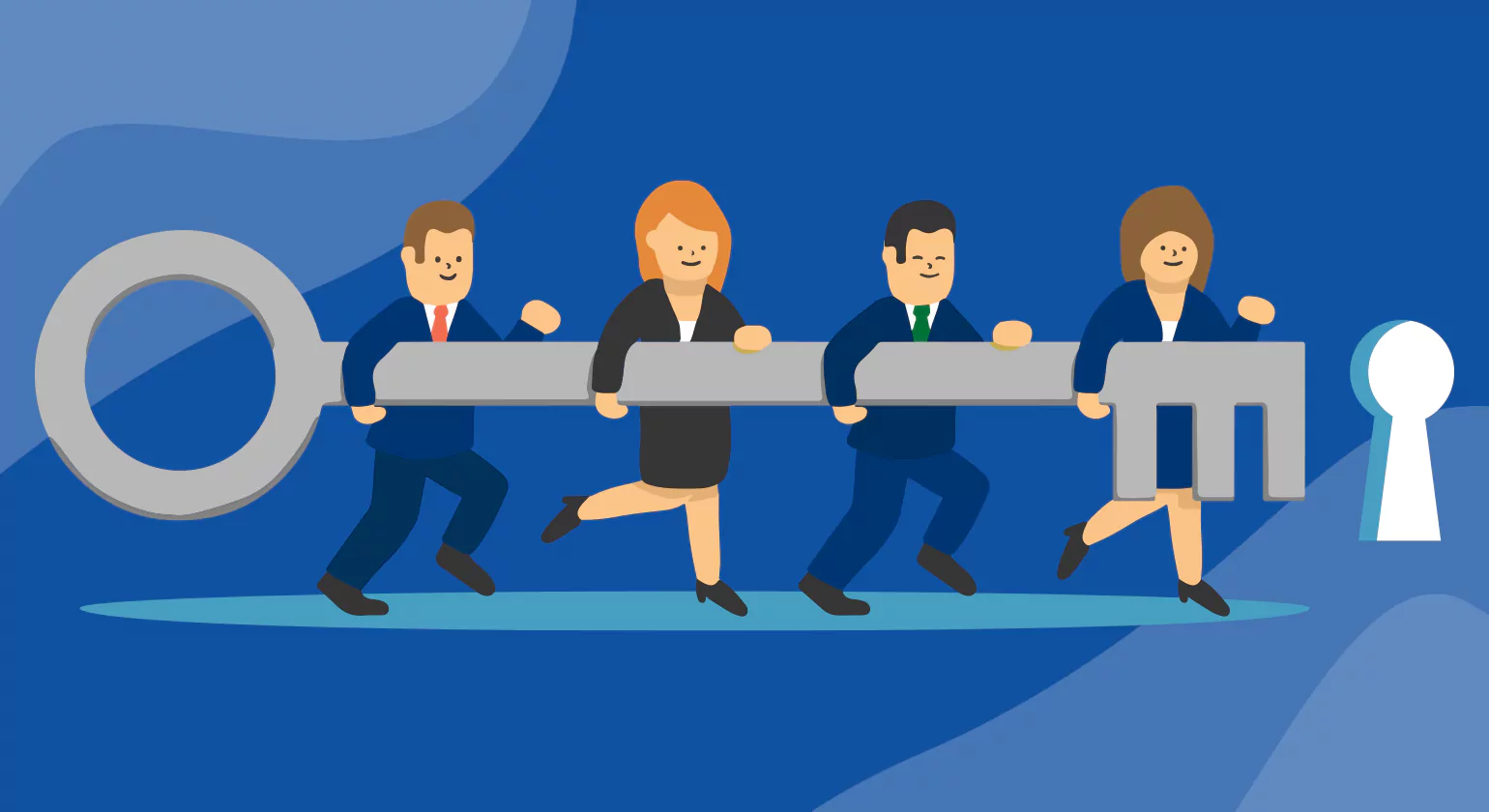
Closed loop marketing relies on a structured approach to ensure that marketing efforts are accurately measured and linked to tangible business outcomes. This approach is divided into four key steps, which form the foundation for tracking and optimizing marketing campaigns effectively.
Step 1: Capturing Lead Information
The process begins by capturing detailed information about your leads. This is achieved through tracking URLs, forms, and cookies integrated into your website and marketing campaigns. Every interaction, such as downloading an eBook or subscribing to a newsletter, helps collect valuable data on the prospect’s behavior and preferences.
For instance, a landing page with a compelling call-to-action might ask visitors for their name, email address, and company details in exchange for gated content. This data is stored in your customer relationship management (CRM) system for future use.
Step 2: Tracking Lead Behavior
Once a lead enters your database, their interactions with your brand are tracked meticulously. Tools like Google Analytics or marketing platforms such as HubSpot enable you to monitor activities, such as page views, email clicks, or time spent on specific content.
This behavioral data provides insights into the prospect’s interests and buying intent. For example, a lead frequently visiting your pricing page might indicate they are close to making a purchase decision.
Step 3: Closing the Sales Loop
After tracking lead behavior, the sales team works on converting the lead into a customer. When a purchase is made, the CRM records the transaction details, including the revenue generated and the original source of the lead.
This step effectively “closes the loop” by linking marketing efforts to sales outcomes. The data enables marketers to evaluate which campaigns, channels, or offers were most effective in driving conversions.
Step 4: Analyzing and Refining Strategies
The final step involves analyzing the data collected throughout the customer journey. Using closed-loop reporting tools, you can determine metrics such as lead-to-customer conversion rates, cost per acquisition, and return on investment (ROI).
Based on these insights, marketers can refine their strategies by focusing on high-performing channels or adjusting campaigns that underperform. For example, if social media leads have a higher conversion rate than email campaigns, you might allocate more resources to social media marketing.
Benefits of These Four Steps
1. Precise Attribution: Know which marketing efforts directly contribute to revenue.
2. Enhanced Collaboration: Align sales and marketing teams through shared insights.
3. Data-Driven Decisions: Make informed adjustments to improve future campaigns.
4. Better ROI: Allocate budgets effectively to high-performing strategies.
Implementing the Key Steps
To execute these four steps successfully, businesses need a robust technology stack, including:
- CRM Software to manage lead data.
- Marketing Analytics Tools for tracking and reporting.
- Integrated Platforms that sync data between marketing and sales systems.
Integrating Marketing and Sales for Better Insights

Effective closed loop marketing relies on the seamless integration of marketing and sales teams. By collaborating closely, both teams can share valuable insights, drive qualified leads, and generate better business outcomes.
Why Integration Matters
It tracks a lead’s journey from interest to conversion. Marketing needs feedback from sales on lead quality to assess campaign performance. Without integration, marketing and sales may work with mismatched data, leading to inefficiencies.
Key Steps to Integration
1. Unified Data Systems
Use a shared CRM to centralize customer data, enabling both teams to track lead behavior and status in real time. This fosters seamless collaboration, improves communication, ensures transparency across departments, and helps streamline follow-ups and sales conversions with data-driven insights.
2. Regular Communication
Frequent meetings foster collaboration, helping both teams align on lead quality, feedback, and upcoming campaigns. These sessions create a shared understanding of goals, ensure transparency, encourage real-time problem-solving, and enable faster decision-making, ultimately improving marketing and sales performance across the board.
3. Define a Lead Scoring System
Establish a system for prioritizing high-quality leads based on behaviors, ensuring marketing attracts the right profiles. Use intent signals like page visits, content downloads, and engagement metrics to score leads. Align sales and marketing for better conversion and targeting accuracy.
4. Shared Goals and KPIs
Set joint objectives like conversion rates and lead quality to measure success and adjust strategies. These shared metrics ensure alignment between teams, foster collaboration, and provide a clear framework for evaluating campaign effectiveness and optimizing future performance across all channels.
5. Lead Handoff Process
A clear handoff process ensures leads transition smoothly between marketing and sales, optimizing follow-ups. It establishes defined roles, shared metrics, and timely communication, reducing lead leakage and ensuring every prospect is nurtured effectively throughout the buyer journey to boost conversions.
Benefits of Integration
1. Improved Lead Quality: Sales feedback helps marketing generate better-qualified leads.
2. Better Customer Insights: Both teams gather insights into customer behavior, allowing for more personalized approaches.
3. Increased Efficiency: Alignment reduces friction, speeding up conversions.
4. Data-Driven Decisions: Shared data helps both teams make informed, strategic choices.
5. Stronger ROI: Efficient collaboration maximizes marketing budgets and drives higher returns.
By integrating marketing and sales, businesses can optimize lead management, improve conversion rates, and achieve a more cohesive and successful strategy.
Connecting Marketing Software with CRM Systems

Integrating closed loop digital marketing software with customer relationship management (CRM) systems is a key principle of closed loop marketing. This connection ensures seamless communication between marketing and sales teams, allowing businesses to track the entire customer journey, optimize strategies, and improve outcomes.
How It Works
1. Lead Generation & Capture: Marketing software attracts and captures leads, then transfers them to the CRM system for follow-up by the sales team.
2. Lead Scoring & Qualification: Marketing software assigns values to leads based on engagement. Qualified leads are passed to sales via the CRM for timely follow-up.
3. Nurturing & Segmentation: Marketing creates targeted campaigns based on lead data, and both systems update continuously to track lead progress.
4. Sales Interaction & Follow-Up: Sales teams access detailed lead data from CRM, enabling personalized outreach for higher conversion chances.
5. Tracking and Reporting: Both teams track leads’ progress from initial touchpoints to conversion, refining strategies based on data.
Benefits :
1. Streamlined Lead Handoff: Integrated systems ensure smooth lead transitions from marketing to sales with all relevant data.
2. Enhanced Customer Insights: Marketing can identify effective content, while sales personalizes follow-up based on lead activity.
3. Improved Collaboration: Continuous feedback between marketing and sales improves lead nurturing and follow-up efforts.
4. Better Lead Nurturing: Targeted campaigns and personalized sales follow-ups speed up the sales cycle.
Tools for Integration
CRM systems like Salesforce, HubSpot, and Zoho CRM can integrate with marketing platforms such as Marketo, Mailchimp, and Google Analytics, either natively or through third-party apps like Zapier.
How to Get Started with Closed-Loop Marketing
Closed loop marketing is a powerful approach that allows businesses to optimize their marketing strategies by tracking and analyzing customer data throughout the entire journey. Implementing this system involves several steps, tools, and best practices to ensure its success. Here’s a guide on how to get started with closed-loop marketing:
Step-by-Step Guide to Implementing Closed-Loop Reporting
1. Define Your Goals
Start by clearly outlining your business objectives, such as increasing lead generation, improving conversion rates, or enhancing customer retention. Understanding your goals will help you tailor your closed-loop marketing strategy accordingly.
2. Set Up Tracking Systems
Implement tracking mechanisms such as website analytics, lead forms, and conversion points. This can be done using tools like Google Analytics, HubSpot, or other marketing platforms that allow you to track customer behavior across different touchpoints.
3. Integrate Your Marketing and Sales Systems
To fully realize the benefits of closed-loop marketing, you need to connect your marketing efforts with sales data. This involves integrating your CRM system with marketing analytics tools to track how leads are progressing through the sales funnel.
4. Collect and Analyze Data
Collect data on your leads, campaigns, and customer interactions. Use reporting tools to analyze the performance of each channel and campaign. This analysis will provide valuable insights into which strategies are working and which ones need improvement.
5. Refine and Adjust
Based on the insights gathered, refine your marketing strategies to focus on the most effective channels, content, and campaigns. Regularly review and adjust your closed-loop marketing system to ensure it stays aligned with your business goals.
Essential Tools for Closed-Loop Marketing (CRM, Analytics, etc.)
To successfully implement closed-loop marketing, you will need the right tools to track, analyze, and optimize your campaigns. Some of the essential tools include:
CRM Systems
A robust Customer Relationship Management (CRM) system, such as Salesforce or HubSpot, is key to tracking lead behavior and ensuring seamless communication between marketing and sales teams. It helps in capturing lead information, tracking sales activities, and converting prospects into customers.
Marketing Analytics Platforms
Tools like Google Analytics, HubSpot Analytics, and Marketo provide valuable insights into campaign performance, visitor behavior, and conversion rates. These platforms allow you to monitor the success of your marketing initiatives in real time.
Lead Management Tools
Lead management software helps marketers track and nurture leads from initial contact through to conversion. It integrates with CRM systems to provide comprehensive insights into lead behavior and sales outcomes.
Email Marketing Platforms
Tools like Mailchimp or Constant Contact can help you automate and personalize your email campaigns based on closed-loop insights, improving lead nurturing efforts.
Best Practices for Setting Up Closed-Loop Systems
1. Ensure Full Integration
Ensure that your CRM and marketing platforms are fully integrated. This will allow seamless data flow and ensure both sales and marketing teams are working with the same information.
2. Focus on Data Quality
The effectiveness of closed loop marketing relies heavily on the quality of the data you collect. Make sure to capture accurate and relevant data about leads, their behavior, and the actions they take on your website.
3. Track the Entire Customer Journey
Monitor each stage of the customer journey, from initial engagement to final conversion. This holistic view helps you understand what drives customers to make purchasing decisions.
4. Regularly Review and Optimize:
Continuously evaluate the performance of your campaigns and close the loop by improving underperforming strategies. Use the insights gathered to optimize future marketing efforts and improve conversion rates.
5. Align Marketing and Sales
Foster collaboration between marketing and sales teams by sharing insights, reports, and feedback. Both teams need to be on the same page when it comes to lead quality and campaign goals.
Key Actions to Launch Your Closed-Loop Marketing Strategy

Launching a successful closed-loop marketing strategy requires a well-structured approach and the right tools in place. Here are the key actions you should take to get started:
1. Set Clear Objectives
Define your primary marketing and sales objectives. This could range from improving lead quality to increasing conversion rates. Clear objectives will serve as the foundation for all your marketing efforts and help guide the overall strategy.
2. Integrate Systems
Ensure that your CRM system is integrated with your marketing automation tools. This integration allows for seamless tracking of leads and gives both marketing and sales teams access to the same data, making collaboration much easier.
3. Set Up Tracking Mechanisms
Implement tracking mechanisms to monitor the effectiveness of your marketing channels. This includes tracking website visitors, email campaigns, social media interactions, and customer conversions. Using platforms like Google Analytics, HubSpot, or Marketo will help you capture key data points.
4. Create a Lead Scoring Model
Develop a lead scoring system to prioritize high-quality leads based on their engagement and likelihood to convert. This enables your marketing team to focus on nurturing leads that are most likely to convert, improving the efficiency of your campaigns.
5. Align Marketing and Sales
Collaborate with the sales team to ensure they understand the types of leads that are likely to convert. Regular meetings and feedback loops between marketing and sales teams help to continuously refine and improve your marketing efforts.
6. Measure and Analyze Performance
Regularly analyze your closed-loop marketing data to evaluate what’s working and what’s not. Track key metrics such as conversion rates, customer acquisition costs, and ROI. These insights will help you refine your strategy for better results over time.
Common Pitfalls to Avoid Closed Loop Marketing Software

While implementing closed loop marketing, there are common pitfalls to avoid to ensure that your strategy remains effective:
1. Lack of Data Integration
Without a seamless integration between your marketing automation tools and CRM systems, it becomes difficult to track the full customer journey, leading to fragmented data and missed opportunities. Ensure that all your systems communicate effectively to capture a comprehensive view of your leads.
2. Ignoring Lead Nurturing
A common mistake is focusing solely on the acquisition of leads without nurturing them through the funnel. Proper lead nurturing is essential to convert prospects into loyal customers. Use email campaigns, targeted content, and personalized messaging to guide leads through the sales funnel.
3. Not Setting Clear Goals
Without specific, measurable goals, your closed-loop marketing strategy will lack direction. Ensure that you have clear KPIs and objectives that align with your overall business goals. This will help you stay on track and measure success effectively.
4. Underestimating the Importance of Data Quality
Good data is essential for a successful closed-loop marketing system. Poor-quality data can lead to inaccurate insights, wasted resources, and ineffective campaigns. Always ensure that your data is accurate, up-to-date, and relevant.
5. Failure to Collaborate Between Marketing and Sales
Closed-loop marketing is most effective when both teams work together. If marketing and sales are siloed, it can lead to misalignment in lead quality, lead nurturing, and overall strategy. Establish regular communication and feedback loops to ensure alignment and better results.
Conclusion
Closed loop marketing is a powerful strategy for businesses seeking to drive more efficient marketing efforts, enhance sales alignment, and achieve better results. By utilizing closed loop marketing software and implementing closed loop attribution techniques, businesses can track and analyze customer interactions more effectively. By following the key actions to launch a closed-loop marketing strategy and avoiding common pitfalls, you can create a data-driven approach that fosters collaboration between sales and marketing teams, leading to improved conversion rates and ROI. Continuous measurement and refinement of your strategy will allow you to stay agile and responsive to your audience’s needs, ultimately driving long-term growth and success.
FAQs
1. What is Closed Loop Marketing?
It is a strategy that connects marketing efforts with sales outcomes. It involves tracking customer interactions from initial engagement to final purchase, allowing businesses to refine their marketing strategies based on actual performance data.
2. How Does closed loop marketing software Work?
It works by collecting data at each stage of the customer journey. This information is analyzed to understand which marketing tactics drive sales, enabling businesses to optimize campaigns and improve ROI effectively.
3. What Are the Benefits of Closed Loop Marketing?
The benefits include improved targeting, better resource allocation, enhanced customer insights, and increased ROI. By analyzing data from both marketing and salesI, businesses can create more effective strategies that resonate with their audience.
4. What Tools Are Used in Closed Loop Marketing?
Common tools or closed loop marketing software include CRM systems, marketing automation platforms, analytics software, and data visualization tools. These helps track customer interactions, measure campaign effectiveness, and provide insights for continuous improvement in marketing strategies.
5. How Can Businesses Implement closed loop attribution
To implement loop marketing, businesses should integrate their marketing and sales data systems, establish clear KPIs, regularly analyze performance metrics, and iterate on strategies based on insights gained from the data collected.
6. What Metrics Are Important in closed loop marketing software
Key metrics include customer acquisition cost, conversion rates, lead sources, and return on investment. These metrics help assess the effectiveness of marketing strategies and provide insights for optimizing future campaigns based on performance data.
7. How Does closed loop attribution Improve ROI?
It enhances ROI by aligning marketing efforts with sales outcomes. By analyzing customer data and feedback, businesses can refine their strategies, ensuring that resources are allocated to the most effective channels and tactics. Bottom of Form
8. What is closed-loop marketing software, and how does it work?
Closed-loop marketing software is a tool designed to help businesses track and analyze the entire customer journey, from initial interaction to final conversion. It “closes the loop” between marketing efforts and sales outcomes by connecting data from various touchpoints, such as website visits, email campaigns, social media interactions, and CRM systems.
9. How can closed-loop marketing improve sales and customer experience?
By tracking the entire customer journey, closed-loop marketing enables businesses to identify what resonates most with their audience. This insight helps refine targeting, personalize content, and align sales efforts with customer needs, resulting in better customer experiences and higher sales efficiency.
10.What role does customer feedback play in closed-loop marketing
Customer feedback is crucial in closed-loop marketing as it provides insights into customer needs, preferences, and pain points. This data helps refine marketing strategies, improve products, and personalize campaigns, ultimately enhancing customer satisfaction and driving better results.