Table of Contents
Blog Highlights
- A complete, step-by-step biotech content marketing framework tailored for long, complex life-sciences buying cycles.
- Proven content marketing strategies that help biotech companies build scientific credibility and generate qualified leads.
- Practical guidance on high-performing content formats and choosing the best CMS for biotech content marketing in 2026.
- Data-driven distribution and performance measurement methods to turn content into measurable pipeline impact.
- Scalable execution model for lean biotech teams to maintain consistent publishing without overloading internal resources.
What Is Biotech Content Marketing & Why It Matters for Life Sciences Companies

Biotech content marketing is the art of creating and distributing specialized information to attract and retain a specific scientific and commercial audience. In contrast to typical B2B SaaS sales, the sales cycles in the biotech industry are measured in years, not weeks.
How Biotech Content Marketing Differs from Traditional B2B Marketing
Traditional marketing tends to focus on emotional triggers and quick “hacks.” In contrast, life sciences marketing requires an extreme level of technical accuracy. One misused word about a clinical trial phase can result in regulatory issues or a loss of institutional credibility.
The Role of Content in Scientific Credibility and Trust
Trust is the ultimate currency in this space. Investors, Principal Investigators (PIs), and Lab Managers do not purchase based on clickbait headlines; they purchase based on data, peer-reviewed citations, and established methodology. High-quality content is essentially a digital proxy for the scientific expertise of your team.
Understanding the Biotech Buyer Journey and Target Audience

Key Stakeholders in Biotech Purchase Decisions
- The Scientist: Focuses on the “how”—protocols, reagents, and equipment specs.
- The Procurement Officer: Focuses on the “how much”—supply chain reliability and bulk pricing.
- The CEO/Founder: Focuses on the “what if”—long-term scalability and competitive advantage.
Mapping Content to Awareness, Consideration, and Decision Stages
A strategic biotech content marketing strategy ensures you meet stakeholders where they are.
- Awareness: Educational blogs about industry trends or broad scientific challenges.
- Consideration: Comparison guides, detailed whitepapers, and webinar recordings.
- Decision: Case studies showing successful implementations and ROI data.
Content Needs for Technical and Commercial Audiences
Scientists need raw data and methodology sections. Commercial leads need executive summaries and market impact reports. Serving both simultaneously is the “secret sauce” of successful life sciences outreach.
Biotech Content Marketing Strategy: Building a Scalable Framework

Setting Goals Based on Business and Growth Stage
A Seed-stage business requires establishing “Problem Awareness.” A Series C business probably requires “Category Leadership.” Establish your KPIs—newsletter subscriptions or demo requests—before you write a single word.
Keyword and Topic Cluster Research for Life Sciences SEO
To succeed in biotech content marketing, you must establish yourself as an authority on a topic. Rather than targeting a generic term with high search volume, target a “Long-Tail” scientific term. Ranking for a particular protein folding term is far more valuable than ranking for “healthcare.”
Collaborating with Subject Matter Experts
Your scientists are your best content experts, but they are also your busiest employees. Implement “interview-based” content development. Spend 15 minutes on a call with a scientist and develop a pillar blog post from that transcript.
Creating a Regulatory-Compliant Content Plan
Legal and medical review (MLR) is a bottleneck. Incorporate these reviews into your workflow from day one. Develop templates that have already been “pre-approved” for tone and style to facilitate the sign-off process.
Developing a Consistent Content Workflow
Consistency will kill the competition. You will be forgotten if you publish once a month. You will be an authority if you publish twice a week. Leverage marketing operations support to facilitate the heavy lifting of scheduling and formatting.
7 Best Content Marketing Strategies for Biotech Companies

Strategy 1: Scientific Storytelling & Thought Leadership
It’s not the data that drives the market; it’s the story that the data tells. This strategy is all about using clinical data or a lab discovery and telling a story of how it solves a global health issue. By making your science more human, you can create an emotional connection with investors and partners while still keeping it academic.
Strategy 2: Educational SEO for High-Intent Demand Gen
The key to this strategy is to use “Problem-Solution” keywords. Rather than using generic keywords, you want to use technical keywords that your audience is struggling with, such as “optimized CRISPR delivery strategies” or “background noise in flow cytometry.” By giving the best answer to this specific question, you become the authority.
Strategy 3: SME-Led Content Extraction & Interviews
Your Subject Matter Experts (SMEs) have the knowledge, but they lack the time to write. The most efficient biotech content marketing strategy is the 15-minute “brain dump” where a writer or assistant interviews a scientist. This will give you high-level information without taking your SME away from the bench for hours.
Strategy 4: Repurposing Research into Multi-Channel Assets
Maximize your ROI by taking one high-effort asset, such as a whitepaper or a poster at a conference, and turning it into a dozen micro-assets. One research paper can be broken down into three posts on LinkedIn, an infographic, a newsletter highlight, and a video script. This will ensure that your biotech marketing reaches stakeholders on all the platforms they use.
Strategy 5: Building Topical Authority in Niche Verticals
Google Favors domains that showcase broad topic authority. But instead, focus on building “Topic Clusters” around your unique modality, like mRNA production or CAR-T cell therapy. This signals Google that you’re the definitive voice in that tiny corner of the market.
Strategy 6: Regulatory-Compliant Content Workflows
In the life sciences, a “publish now, fix later” mentality is simply irresponsible. The most effective content marketing approaches for biotech firms must integrate a Medical, Legal, and Regulatory (MLR) review process into every piece. By leveraging pre-approved “claim libraries” and templates, you can publish quickly without exposing yourself to compliance risks.
Strategy 7: Targeted Distribution on LinkedIn & Email
Content is only as good as its reach. Leverage LinkedIn to connect with “Key Opinion Leaders” and industry influencers. Then, integrate a targeted email nurture campaign to send customized technical content to prospects at varying stages of the buying cycle, moving them closer to conversion with each interaction.
High-Performing Content Types and the Best CMS for Biotech Content Marketing 2026

SEO Pillar Pages, Technical Blogs, and Resource Hubs
Pillar pages act as the “ultimate guide” to a topic, linking out to smaller, specific blogs. This structure tells search engines that your site is an encyclopedia of knowledge on that specific scientific subject.
Whitepapers, Case Studies, and Data-Driven Assets
These are your “closing” assets. A well-designed case study proving that your solution saved a lab 20% in overhead costs is more persuasive than any sales deck. Ensure these are gated to capture lead data.
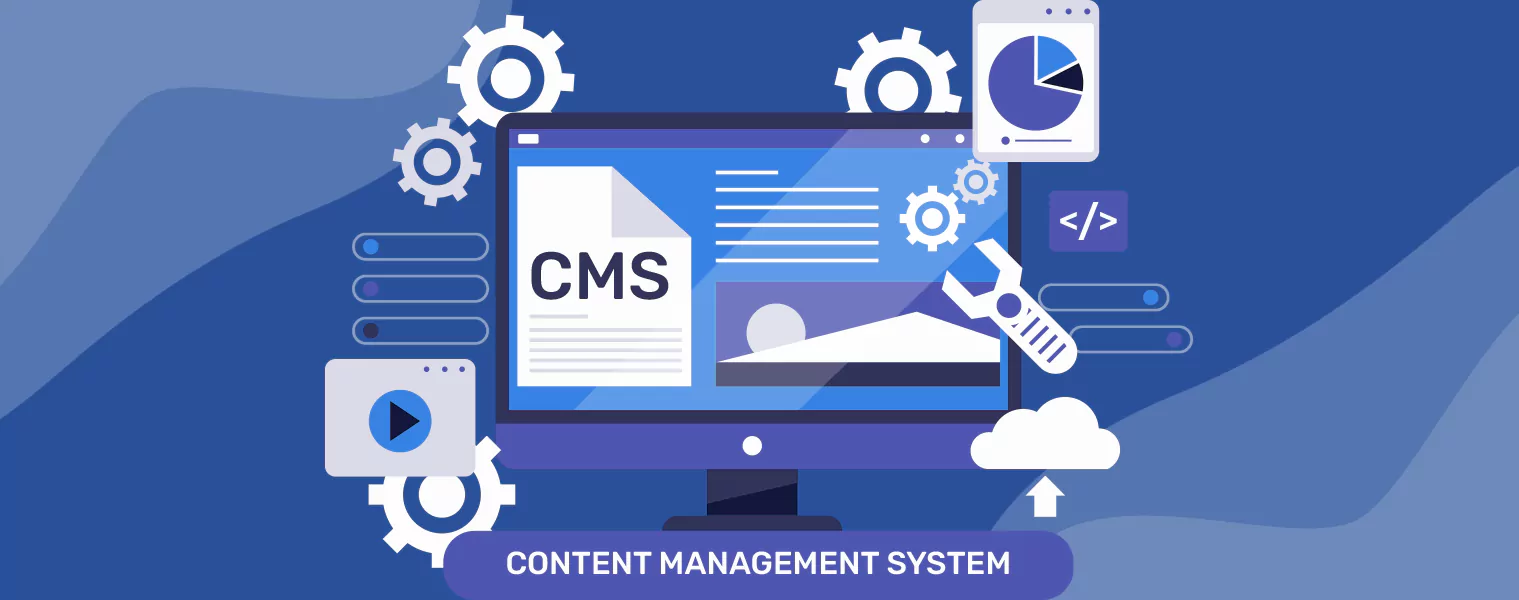
Key CMS Features for Workflow, Compliance, and Scalability
Look for platforms that allow for “Stage-Gate” approvals. The best cms for biotech content marketing 2025 (50-4) must integrate with your CRM to track how content influences the actual sales pipeline.
Content Distribution and Performance Measurement in Biotech Marketing

Organic Search, LinkedIn, and Email Nurturing
LinkedIn is the “Town Square” for the life sciences industry. Share teasers of your blog posts on LinkedIn. Use email nurturing to keep your brand top of mind during those long 18-month procurement cycles.
KPIs That Matter: From Traffic to Marketing-Qualified Leads
Stop looking at “Page Views” as a primary metric. Instead, track “Time on Page” and “Resource Downloads.” A scientist spending 8 minutes on a technical protocol is a much higher-quality lead than 100 random visitors.
Optimizing Content Based on Performance Data
Marketing is an experiment. Use heatmaps to see where readers drop off. If they stop reading at the technical methodology, simplify your language or add a visual diagram to help explain the concept.
Scaling Biotech Content Marketing with Lean Teams and Overcoming Execution Challenges

Identifying Content Production Bottlenecks
The most common bottleneck is waiting for SME feedback or struggling with CMS formatting. If your PhDs are spending hours fixing bullet points in WordPress, you are losing money and slowing down your growth.
Streamlining SME Collaboration Without Slowing Down Output
Effective biotech content marketing requires a “Extract and Delegate” model. Use a specialist assistant to interview the expert, draft the initial copy, and then let the expert provide a final technical “accuracy check.”
Building a Repeatable and Scalable Content Workflow
Documentation is key. Create a “Content Playbook” that outlines your brand voice, citation style, and image sourcing rules. This allows you to plug in external support without losing the “soul” of your brand.
Balancing Scientific Accuracy with Speed and Consistency
This is the holy grail of life sciences marketing. By implementing the best content marketing strategies for biotech companies, you create a system where accuracy is baked into the template, allowing for much faster publishing cycles.
Aligning Content Strategy with Marketing Operations and Sales Enablement
Your content should feed your sales team. If a prospect asks a common question, your team should have a blog post ready to send. This shortens the sales cycle and positions your team as helpful experts.
Leveraging External Support to Maintain Publishing Momentum
You don’t need a massive headcount to win at content marketing for biotech . By leveraging specialized virtual assistants for research, CRM management, and digital execution, your core team can stay focused on the “big picture” science.
Summary
Scaling biotech content marketing with a lean team is not about producing more content—it is about producing strategic, compliant, and high-impact content that aligns with business goals and search intent. By building a focused workflow, prioritizing high-value topics, and leveraging data-driven planning, biotech companies can maintain consistency without overwhelming internal resources.
Read More >>>
Data Science Outsourcing Advantages Risks and Best Practices
10 Best Healthcare Transparency Tools for Patients & Providers
FAQs
1. How do biotech companies scale content marketing with small teams?
Biotech companies can scale content by prioritizing high-value topics, repurposing existing assets, using subject-matter experts efficiently, and building a streamlined, repeatable workflow supported by SEO and data-driven planning.
2. What type of content works best for biotech marketing?
Educational blogs, scientific thought leadership, case studies, white papers, regulatory-focused content, and search-intent-driven pillar pages perform best because they build trust and demonstrate expertise.
3. How can biotech content stay compliant with industry regulations?
By creating a structured review process, involving medical and legal stakeholders early, maintaining clear documentation, and following FDA and industry communication guidelines for accuracy and claims.
4. Is SEO important for biotech content marketing?
Yes, SEO is critical for improving visibility in a highly competitive and niche market. It helps biotech brands reach researchers, healthcare professionals, investors, and partners actively searching for solutions.
5. How often should biotech companies publish content for consistent growth?
Consistency matters more than volume. A realistic, quality-focused publishing schedule—supported by a content roadmap—helps maintain authority and long-term organic traffic growth.