Table of Contents
Blog Highlights
- Understand the critical architectural differences between standard sites and scalable multi-location ecosystems designed for rapid brand expansion.
- Discover how to strike the right balance between corporate brand control and local flexibility to drive customer engagement at the neighborhood level.
- Explore the subfolder framework and technical SEO strategies essential for winning local search rankings across all your territories.
- Discover how tooptimizeyour digital funnel to simultaneously convert daily retail customers and high-value franchise development leads.
- Identifyoperational strategies to manage high-volume content updates and maintain data consistency without overstretching your internal marketing team.
If you are a franchisor or a multi-location brand owner, you already know that your digital footprint is the actual engine behind your brand’s expansion. Building a website for a single location is straightforward, but architecting a scalable ecosystem for five hundred territories is a high-stakes challenge. (Franchise Website Development Guide)
A good franchise website development solution is all about striking a perfect balance between corporate dominance and local flavor. You want a solution that will make search engines happy, turn local visitors into customers, and help you find quality investors, without overwhelming your operations team with updates.
What Is Franchise Website Development (And Why It’s Different From Standard Web Development)

Standard web development is linear. You build a site, drive traffic, and convert. In the world of franchising, development is multidimensional. You are simultaneously managing a national brand identity and empowering hundreds of local entrepreneurs to win in their specific markets.
How Franchise Web Development Supports Multi-Location Growth
Scalability is the only thing that actually matters for a scaling brand. Your technology infrastructure must enable the fast rollout of new location pages. A robust framework ensures that when you open your 50th or 500th location, the launch is as crisp, secure, and brand-compliant as the very first.
The Unique Challenges of a Website Development Franchise Model
A website development franchise involves working with humongous data silos. You need to integrate inventory, contact information, and seasonal events across different time zones. The aim is to build a “single source of truth” where national updates happen in an instant, and local community events stay unchanged.
Corporate Control vs. Local Flexibility: Finding the Right Balance
The “control vs. freedom” struggle is a problem most franchisors face. Complete corporate lockdown will repress local flavor, while complete freedom will create brand chaos. The solution is “templated flexibility.” The corporation sets the high-level brand assets, while the local owners control the style of their local community content.
Common Mistakes Franchisors Make in Franchise Website Design
The biggest mistake is treating location pages like secondary afterthoughts. Poor franchise website design often ignores the mobile user who just wants a click-to-call button or current store hours, focusing instead on flashy national graphics that do not drive local store foot traffic.
Strategic Architecture for Scalable Franchise Web Development

The architecture you choose today is a permanent decision that affects your search visibility for years. According to Google’s Search Essentials, a clear site hierarchy is non-negotiable for crawling efficiency and user clarity.
Centralized vs. Decentralized Website Structures
Centralization keeps everything under one roof for maximum security and authority. Decentralization, which allows franchisees to buy their own domains, is a recipe for disaster. It dilutes your brand power and creates a nightmare of unpatched security vulnerabilities across the network.
Multi-Location Architecture: Subfolders, Subdomains, or Microsites?
In the US market, the subfolder approach (e.g., https://www.google.com/search?q=brand.com/locations/chicago) is almost always the winner. It funnels every ounce of authority back to your main domain. Subdomains can work for distinct business lines, but microsites are a black hole for marketing budgets.
Choosing the Right CMS for Franchise Website Development
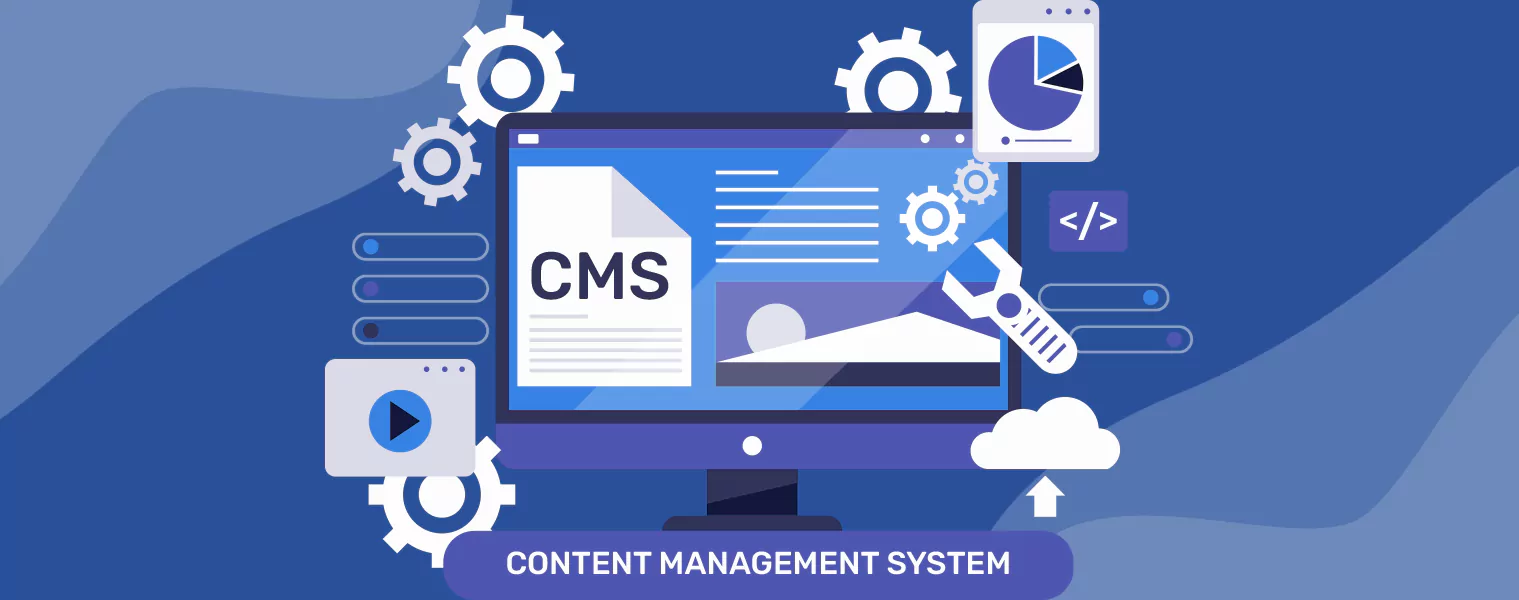
Your CMS needs to be multi-tenant. You need one dashboard to control the whole fleet. This is where expert website development services pay off in saving you hundreds of hours. You want a system where one update to the terms of service affects the whole network in an instant.
Role-Based Access & Content Governance Across Locations
Governance is all about risk management. A good franchise web development involves role-based access. Your corporate team handles the overall brand communication, and the local manager gets only the required access to modify their respective team profiles or store galleries without messing up the design.
CRM, Lead Routing & Marketing Automation Integrations
A website is ultimately a lead machine. If a customer in Phoenix submits a form, that lead must get to the phone of the Phoenix franchisee in seconds. Salesforce or HubSpot integration ensures that not a single lead is lost in the routing process.
Franchise Website Design Best Practices That Drive Engagement
Design is not only about being modern; it is about removing the friction between the user’s problem and your solution.
Mobile-First Franchise Website Design
Local searches are mostly done on a sidewalk or in a car. Mobile-first design is a matter of survival. High-contrast buttons and blisteringly fast load times are a must. Expert ui ux design services focus specifically on this on-the-go conversion path for the retail consumer.
Brand Consistency Across All Locations
Consistency breeds trust. If your New York location looks like a premium brand and your Miami location looks like a budget startup, you have lost the customer. Professional franchise web design ensures the visual voice is identical regardless of geography.
UX Principles in Modern Franchise Web Design
UX should be invisible. A user should find the location finder without thinking. Clear, intuitive paths to purchase or booking are what drive unit-level profitability.
Social Proof, Reviews & Authority Signals
Local reviews are the lifeblood of trust. Integrating verified reviews directly onto location pages proves your branch is a reliable part of the neighborhood. Refer to Nielsen’s research on consumer trust to see why peer reviews outweigh corporate ads.
Designing for Customers and Franchise Development Leads
You are talking to two different people. Your retail customer wants a product; your prospective investor wants an ROI. A dedicated, high-conversion franchise opportunities section is vital but must not distract the daily retail customer.
SEO Framework for Multi-Location Franchise Website Development

SEO in franchising is about winning the “Near Me” war. Without a hyper-local approach, your national brand will not be visible to local searchers.
Local SEO Strategy for Franchise Locations in the US
Success in franchise website development requires localized meta-tags for every branch. You are not competing for “Best Pizza”; you are competing for “Best Pizza in Brooklyn.” This prevents keyword cannibalization, where your own franchises compete with each other for the same page.
Optimizing Location Pages for Search Intent
Each location page needs to be a mini-authority. This includes local landmarks, local team photos, and local community outreach. This tells search engines that you are a local business and not just a big corporation.
Technical SEO in Franchise Web Development (Speed, Schema, Indexing)
Technical health is the foundation. Using Local Business Schema markup tells search engines instantly that your address and phone number information is correct. Check out Schema.org to learn the requirements for multiple location businesses.
Content Strategy: Blogs, FAQs & Authority Building
National blogs provide the “What,” but local FAQs provide the “Where” and “How.” High-quality content creation services can help you scale this by providing localized content that addresses regional issues without sacrificing brand voice.
Managing Google Business Profiles at Scale
Your Google Business Profile is often the first thing a customer sees. If your website says you open at 9 AM but your profile says 10 AM, you have lost a customer. Synchronizing these records at scale is a critical ranking factor for local maps.
Operational Excellence in Website Development Franchise Models

The launch is just the beginning. The ongoing operations are where most franchises either scale or fail.
Feature | Centralized Model | Decentralized Model |
Brand Consistency | High/Guaranteed | Low/Variable |
Local SEO Impact | Strong (Domain Authority) | Weak (Individual Domains) |
Security Risk | Low (Single Firewall) | High (Multiple Entry Points) |
Management Effort | Streamlined | High Overhead |
Ongoing CMS Management & Content Updates
Static sites die. You need constant updates for promotions, new menu items, or store changes. A virtual administrative assistant ensures these updates happen globally without your marketing director having to manually click through hundreds of pages.
Multi-Location Data Consistency & Compliance
Compliance is not just about brand rules; it is about legal standards. From ADA accessibility to state-specific privacy laws, your data must be perfect. Maintaining this across hundreds of pages requires a structured, programmatic approach to franchise website development.
Workflow Automation for Franchise Web Development
Automation is how you grow without hiring an army. Automated image compression and synchronized social posting save thousands of hours. Using tools like Zapier to connect your web forms to your sales tools streamlines the entire pipeline.
Performance Tracking & Analytics Across Locations
You need to know which stores are winning and which are invisible. A unified analytics dashboard should track performance at both the national and local levels. This allows you to identify high-performing locations and provide extra support to those falling behind.
How Virtual Assistant Support Powers Scalable Franchise Website Management
Most corporate teams are stretched thin. Specialized support is the secret to scaling without burnout. Whether it is managing store hour changes or updating local bios, external operational support keeps the digital engine running smoothly while you focus on brand strategy.
Conversion Optimization for Franchise Growth

Conversion is where your investment pays off. If you are not turning visitors into customers or franchisees, the rest is just vanity.
Lead Capture Strategy for Customers and Prospective Franchisees
Customer forms should be frictionless, while franchisee forms should be qualifying. It is a dual-track strategy. Always stay compliant with Federal Trade Commission (FTC) guidelines regarding investor communications and financial disclosures.
Strategic CTAs & Conversion Funnel Design
“Order Now” or “Check Availability” buttons must be impossible to miss. Strategic placement, especially on mobile, is the difference between a bounce and a lead. Your funnel should guide the user from curiosity to contact with zero friction.
Territory Maps & Qualification Filters
Give prospective investors an interactive map. Let them see what is available in real-time. Adding a simple qualification filter, like liquid capital requirements, ensures that only high-quality leads reach your development team’s inbox.
Landing Pages for Multi-Unit and Targeted Campaigns
Standard location pages are not enough for paid ads. You need dedicated, high-speed landing pages that match your ad copy perfectly. This is true for both local pizza delivery ads and national franchise recruitment campaigns.
Turning Website Traffic into Qualified Franchise Opportunities
A high-performing site is a nurturing tool. Use downloadable ROI guides and “A Day in the Life” videos to turn curious browsers into committed partners. By providing transparency through financial investment details, you build the trust required for a major investment.
In summary, the most successful brands treat their digital presence as a living organism. By combining strong technical architecture with localized SEO and smart operational support, you create a foundation for limitless growth. For more on the industry’s gold standards, visit the International Franchise Association website. Strategic franchise website development is how you transform a single success story into a national legacy.
Key Takeaways
Building a high-performing digital ecosystem requires a shift from viewing your site as a static brochure to treating it as a dynamic engine for multi-location growth. By harmonizing centralized brand authority with hyper-local SEO and a frictionless user experience, you create a scalable foundation that serves both your daily customers and your prospective investors. Mastering the complexities of franchise website development is ultimately about building long-term trust and operational efficiency across every territory you inhabit. Investing the time to refine these structural and strategic elements today ensures your brand remains resilient and competitive as you expand your national footprint.
Know more >>> Best Custom Website Development Services for Startups
15 Backend Development Services Companies to Watch in 2026
FAQs
1. What website structure works best for multi-location franchises?
A centralized structure is most effective for most multi-location franchises, as it allows for consistency of branding, content, and technical SEO across all locations. This also makes it easier to update and track analytics and governance for all locations, while still allowing location pages to target local search intent and capture local leads.
2. Centralized or decentralized management for franchise websites?
A centralized structure is most effective for brands that value control, consistency, and scalable growth. It allows for consistency of messaging, design, and compliance, and eliminates redundant work. Decentralized structures are best for very independent operators, but can lead to brand fragmentation and SEO issues.
3. How to optimize SEO for franchise websites?
Focus on local SEO at scale: create optimized location pages, maintain consistent NAP details, and implement schema markup for each branch. Combine centralized content strategy with localized keywords, internal linking, and Google Business Profile optimization to improve visibility across markets.
4. What is the best CMS for franchise website management?
The best CMS for franchise website management supports multi-site control, role-based access, and scalable SEO tools. Look for centralized dashboards, template governance, localization capabilities, and integrations with CRM and analytics systems to manage performance across every location efficiently.
5. How can franchise websites improve lead generation?
Franchise websites enhance lead capture through conversion-oriented landing pages, calls to action, and localized promotions. Connecting forms to CRM, allowing appointment scheduling, and optimizing for mobile and local search ensures that leads find, trust, and reach the right location.